
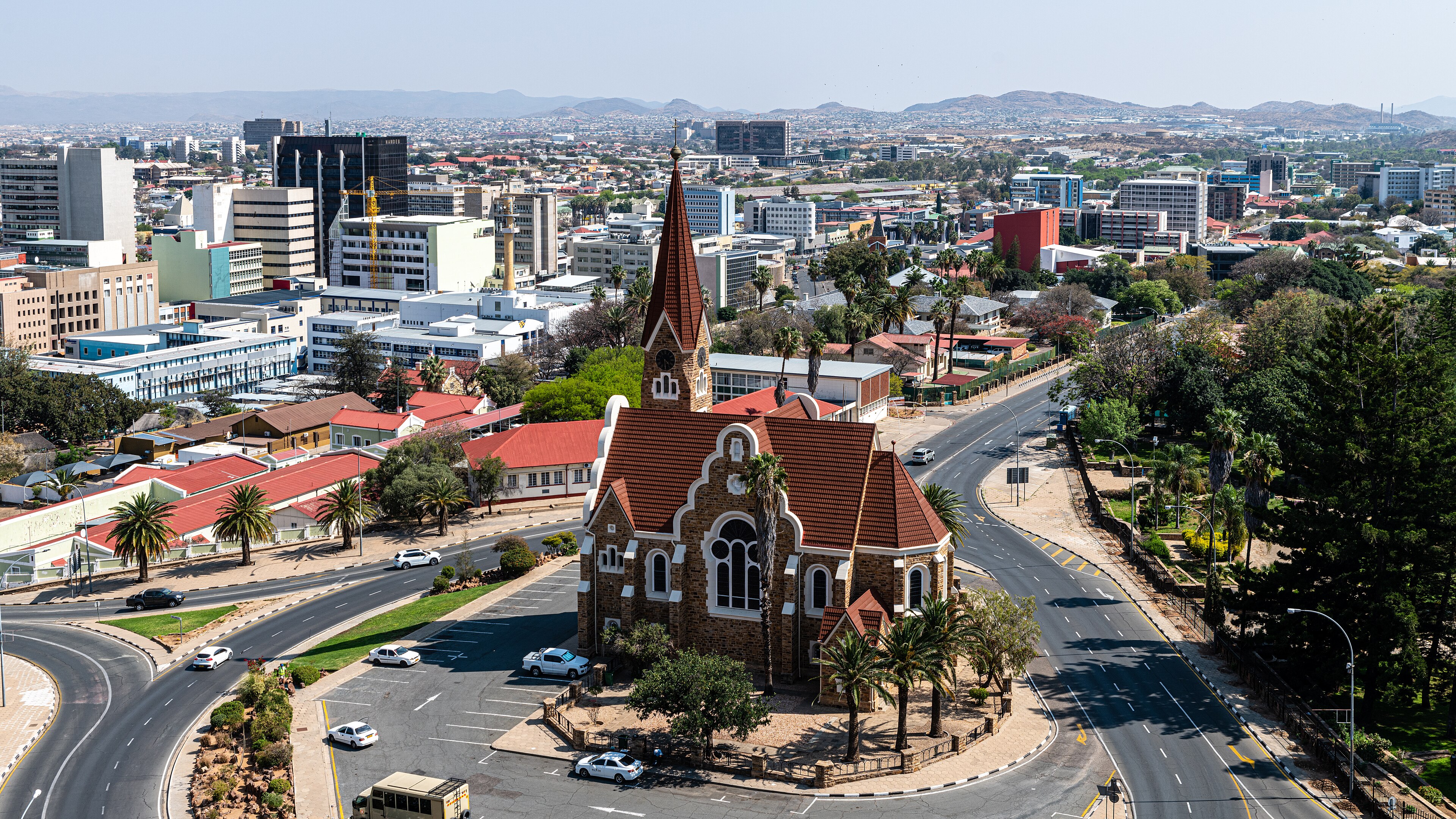
Why Windhoek is Perfect for Your Celebration
- Unique blend of German colonial heritage and contemporary African sophistication creates a one-of-a-kind event backdrop
- Dry season (May–Sep) delivers reliably clear skies and mild temperatures — ideal for outdoor ceremonies and sundowners
- Compact city layout means guests, venues, and accommodation are all within easy reach of one another
- Direct international flights from Johannesburg, Frankfurt, London, and other hubs make it accessible for a global guest list
- Safari and bush experiences within a short drive add extraordinary pre- and post-event activities for guests
- Smaller, more intimate event scale means personalised service and exclusivity that larger cities rarely offer

Top Venues in Windhoek
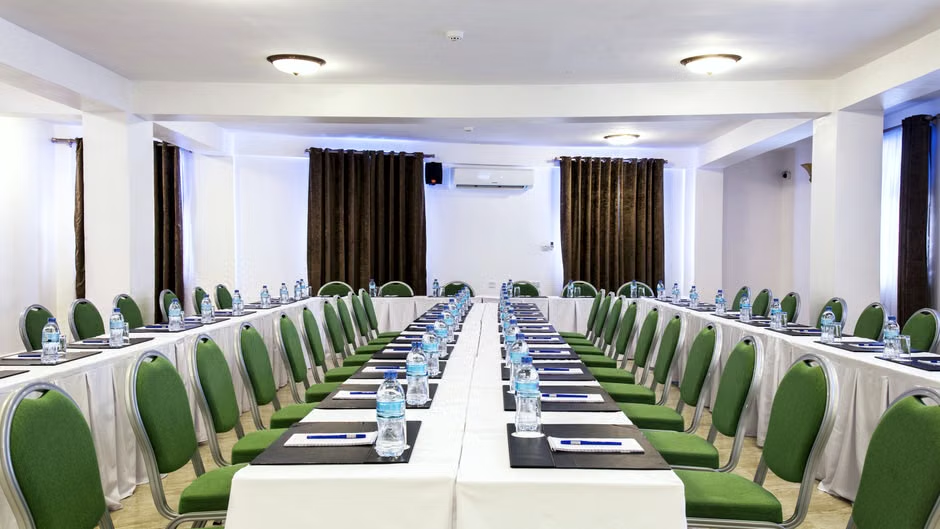
The Olive Exclusive Boutique Hotel
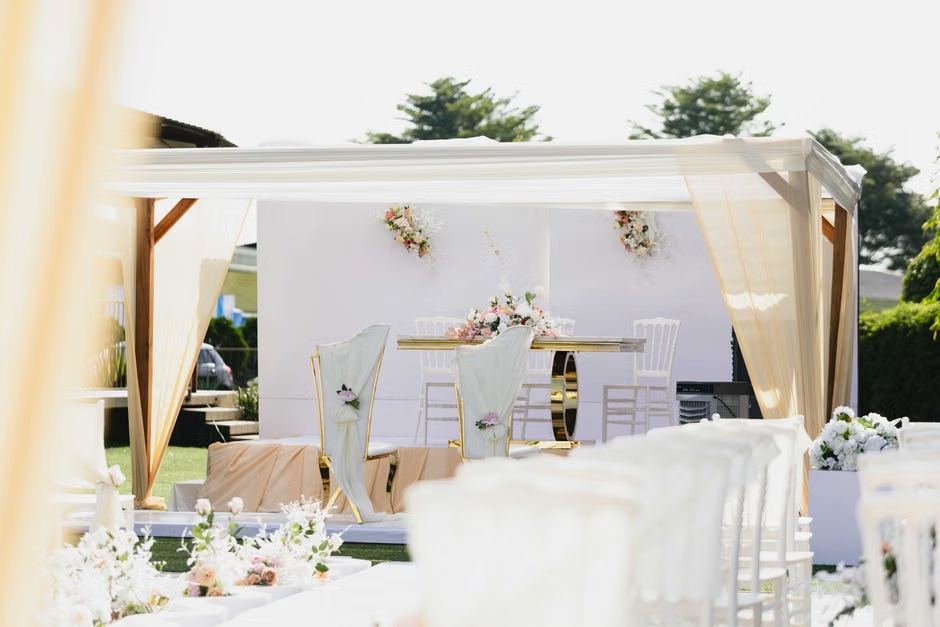
Hilton Windhoek
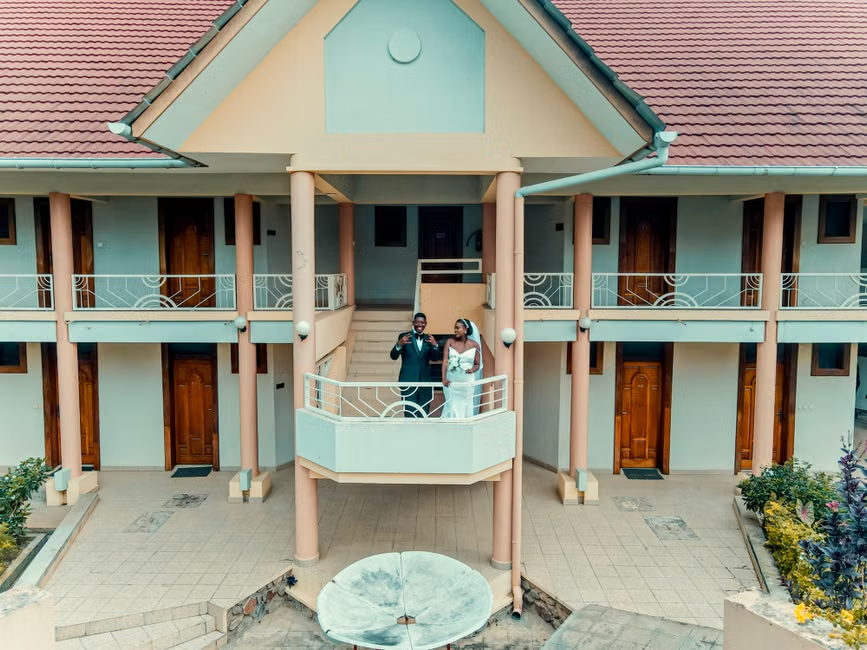
Protea Hotel by Marriott Windhoek Thuringerhof
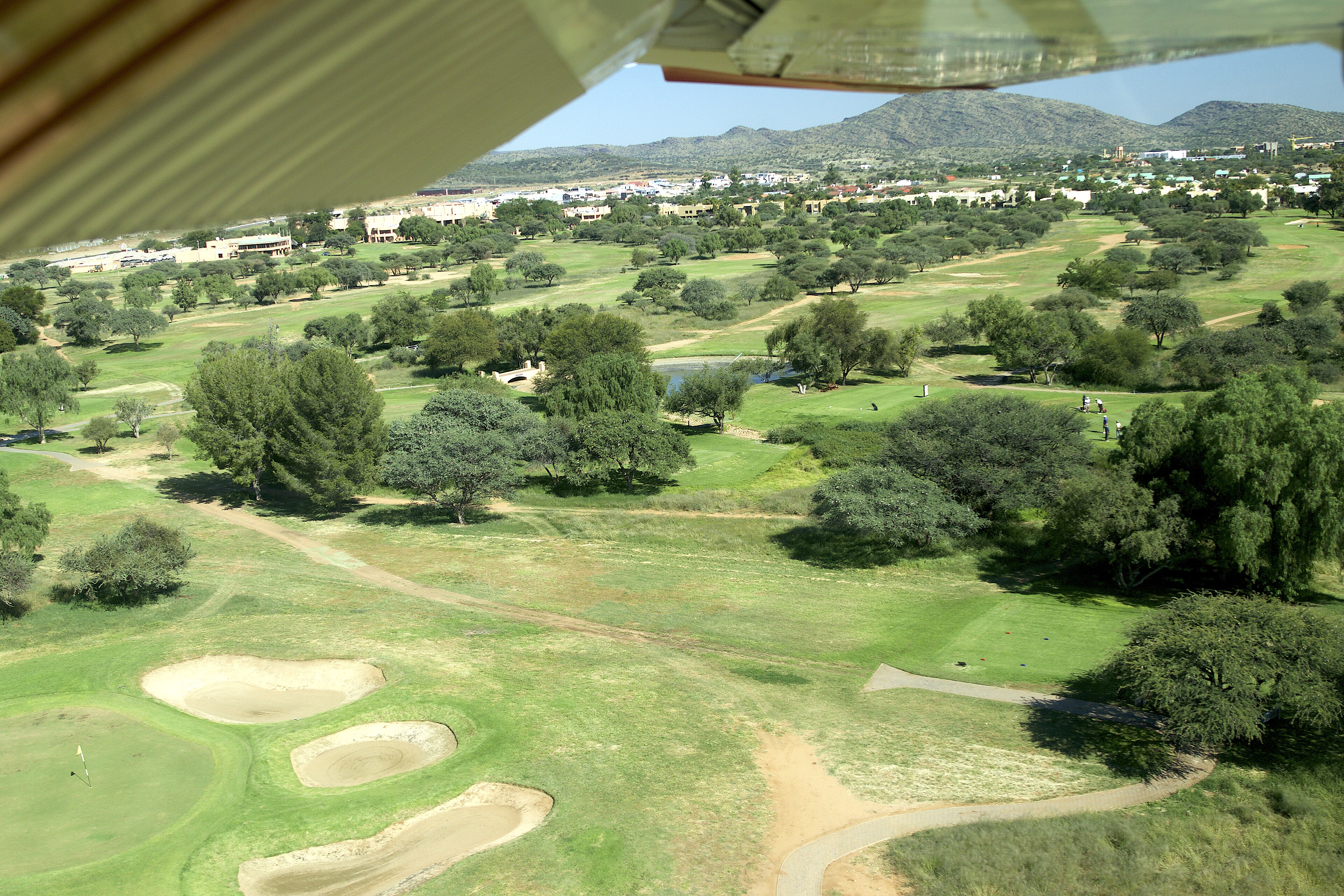
Windhoek Country Club Resort
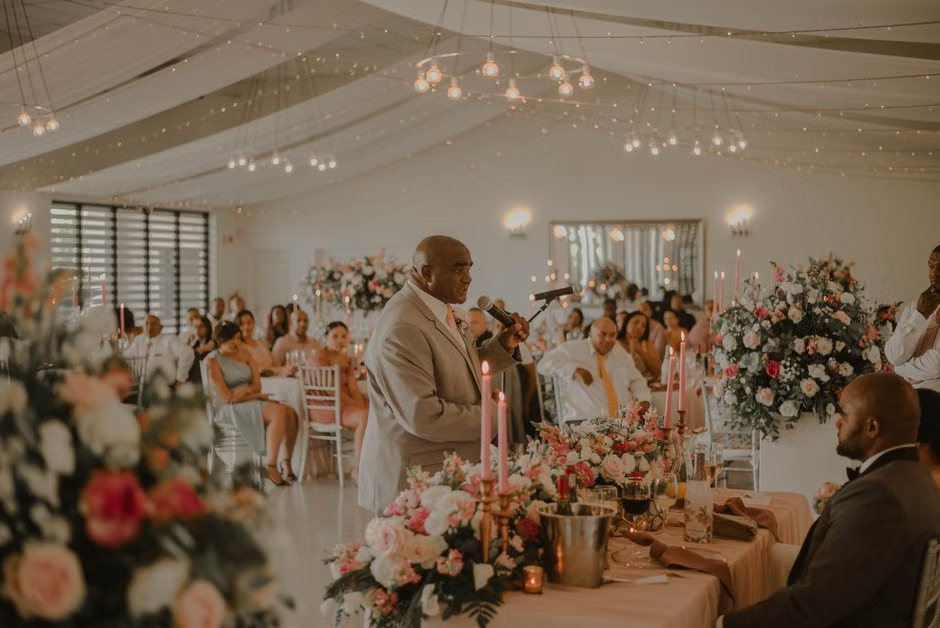
Galton House
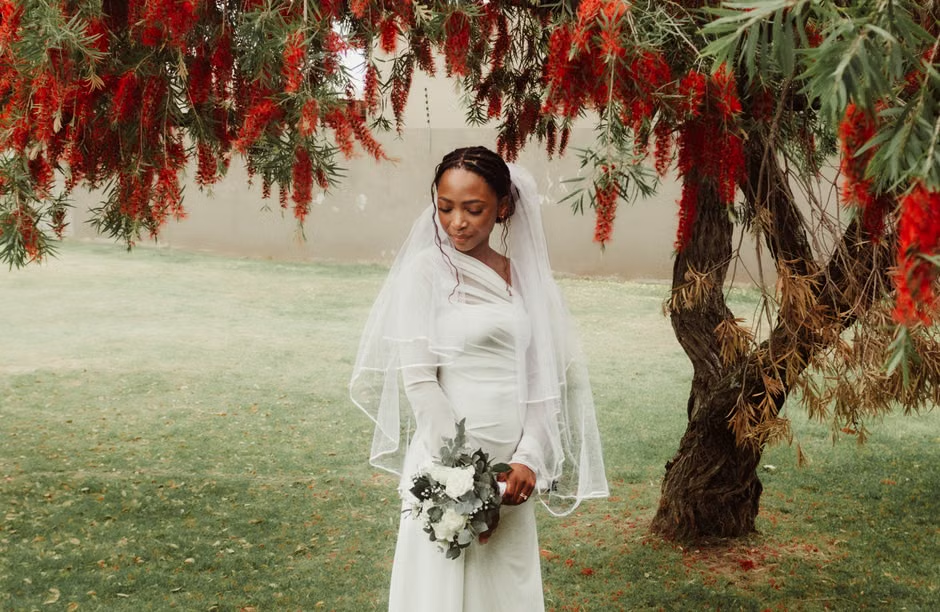
Chameleon Backpackers & Guesthouse
Compare Windhoek with Other Top Destinations
Frequently Asked Questions
Is Windhoek a good destination for a wedding?
Yes, particularly for couples seeking an intimate, distinctive destination rather than a well-worn circuit. Windhoek's combination of colonial heritage architecture, highland scenery, boutique luxury properties, and reliable dry-season weather makes it genuinely well-suited to destination weddings of 50–250 guests. The English-speaking hospitality sector and professional local vendors make planning accessible for international couples.
What is the best time of year to hold an event in Windhoek?
May through September — Windhoek's dry season — is the optimal window. Rainfall is negligible, humidity is low, and temperatures are comfortable for both daytime and evening events. June and July evenings can be cool given the city's high altitude, so outdoor evening events benefit from heating or fire features. The rainy season (November–March) brings afternoon thunderstorms that make outdoor events risky.
How do guests get to Windhoek for a destination event?
Most guests fly into Hosea Kutako International Airport, approximately 45 km east of the city centre. Direct flights operate from Johannesburg, Frankfurt, London, and several African cities. Guests from India, Southeast Asia, or the Americas typically connect through Johannesburg or a European hub. The airport-to-city transfer takes roughly 40–50 minutes by road, and coordinated coach transfers work well for large groups.
What guest group sizes can Windhoek venues realistically support?
Windhoek's venue inventory is best suited to groups of roughly 50–400 guests. Boutique and heritage properties typically accommodate 40–150 guests most comfortably, while larger full-service hotels and resort properties can handle up to 300–500 for banquet-style events. Groups significantly above 500 guests may find the local inventory stretched and should plan early or consider split-venue arrangements.
What kinds of event venues are available in Windhoek?
The city offers boutique luxury hotels, heritage properties with colonial-era architectural character, resort-style facilities with outdoor lawns and gardens, and full-service conference and banquet hotels. Outdoor bush-style event setups using the natural highland landscape are also available through specialist operators, particularly popular during the dry season. The overall character is intimate and distinctive rather than large-scale ballroom.
Is Windhoek suitable for corporate retreats and incentive travel?
Yes. Windhoek combines modern conference infrastructure with extraordinary leisure programming — game reserves and private lodges are within a few hours' drive, and the city itself offers cultural and culinary experiences that resonate strongly with international corporate groups. The English-speaking hospitality sector and reliable dry-season weather make logistics straightforward for event organisers.
How easy is it to move around Windhoek with a large guest group?
Windhoek is compact, and most event-relevant venues and accommodation are within a 15–20 minute drive of one another. Road conditions within the city are good. Minibus and coach hire through local operators is readily available and is the standard solution for group transfers. There is no metro or rail system within the city, so all guest movement is road-based — this is well-catered for locally.
How developed is Windhoek's local event vendor ecosystem?
The ecosystem is mature relative to the city's size — florists, photographers, AV and lighting suppliers, caterers, and wedding planners are all present and experienced with international event groups. The vendor pool is smaller than in a major metropolitan hub, so early booking (9–12 months ahead for peak dry-season dates) is important. Highly bespoke or specialist requirements may need partial sourcing from Johannesburg.
What makes Windhoek's food and beverage offering distinctive for events?
Namibian cuisine is a genuine asset — game meats such as oryx and kudu, fresh seafood flown in from the Namibian coast, and locally grown produce give caterers strong, novel ingredients to work with. Guests from outside Africa typically find the food experience memorable and distinctive. A growing craft beverage scene adds further local character to event menus.
Do guests need visas to travel to Windhoek for an event?
Visa requirements vary by nationality. Citizens of many European, southern African, and Commonwealth countries can enter Namibia visa-free for short stays. Guests from India, China, and several other countries typically require a visa in advance. Event organisers should advise guests to check Namibian entry requirements for their specific passport well ahead of travel, as processing times vary.
Are there activities for guests beyond the event itself in Windhoek?
Yes — this is one of Windhoek's strongest assets as a destination. The city itself offers colonial heritage walking tours, local markets, craft shopping, and cultural dining. Beyond the city, world-class game reserves including Etosha National Park (a few hours' drive north) and private game lodges closer to the city give guests extraordinary wildlife experiences that are genuinely difficult to replicate elsewhere.

Ready to explore venues in Windhoek?
Windhoek: Destination Wedding & Corporate Event Venues in Namibia
◆Windhoek is Namibia's capital and its most capable event destination — a compact, well-serviced city with a chic, cosmopolitan character that suits intimate weddings, corporate retreats, and cultural celebrations. Its dry season (May through September) delivers reliably clear skies and mild highland temperatures, making it particularly strong for outdoor ceremonies and sundowner receptions. The city is accessible via direct international flights from Johannesburg, Frankfurt, and London, though guests travelling from South Asia or Southeast Asia will typically require at least one connection. Venue scale is generally intimate rather than grand-ballroom large, which suits groups of 50–400 guests well. The local hospitality ecosystem is professional and English-speaking, making planning straightforward for international organisers.
Windhoek at a Glance
| Category | Detail |
|---|---|
| Best For | Destination Weddings, Corporate Retreats, Intimate Celebrations, Cultural Events |
| Primary Vibe | Chic & Cosmopolitan |
| Other Vibes | Heritage, Safari-Adjacent, Intimate, Scenic Highland |
| Best Season | Dry Season (May, Jun, Jul, Aug, Sep) |
Why Choose Windhoek?
- Genuinely distinctive setting: German colonial architecture, wide tree-lined avenues, and a highland plateau backdrop give Windhoek a visual character that is unlike any other African capital — and unlike any typical wedding destination globally.
- Reliable dry-season weather: From May through September, Windhoek experiences almost no rainfall, low humidity, and comfortable daytime temperatures in the low-to-mid twenties Celsius — conditions that make outdoor ceremonies and evening receptions consistently viable without weather contingency plans.
- Safari proximity as a guest experience: Several world-class game reserves and private lodges are within a few hours' drive of the city, giving event organisers the ability to build extraordinary pre- or post-event itineraries that guests from Europe, Asia, or the Americas will find genuinely memorable.
- English-speaking, professional hospitality sector: Windhoek's hotel and events industry operates primarily in English, which significantly reduces the coordination friction that can arise in non-English-speaking destinations when working with international planners, caterers, and AV suppliers.
- Intimate scale with genuine luxury options: The city's boutique and luxury properties offer personalised service levels that larger, more commercialised event cities rarely match — guests are not one of dozens of simultaneous events but typically the focus of the property's full attention.
- Good international air connectivity for an African capital: Hosea Kutako International Airport receives direct flights from major European and African hubs, making it more accessible than many comparable-sized African cities for a geographically diverse guest list.
Which Celebrations Work Best in Windhoek?
- Destination Weddings: Windhoek's combination of scenic highland landscapes, heritage architecture, and boutique luxury properties makes it particularly well-suited to intimate destination weddings where the couple wants a genuinely unique backdrop rather than a well-worn circuit destination. Groups of 50–200 guests are especially well-served by the local venue inventory.
- Corporate Retreats & Incentive Travel: The city's modern conference facilities, reliable infrastructure, and proximity to extraordinary safari experiences make it a strong choice for corporate groups seeking a high-impact, memorable retreat that combines productive meeting space with exceptional leisure programming.
- Cultural & Heritage Celebrations: Windhoek's multicultural identity — blending Namibian, German, Afrikaner, and broader African influences — creates a rich cultural context for celebrations that want to incorporate local music, cuisine, and ceremony traditions in an authentic rather than staged way.
- Intimate Milestone Events: Anniversary celebrations, significant birthday gatherings, and family reunions of 30–150 guests fit naturally into Windhoek's boutique property landscape, where exclusivity and personalised service are genuine rather than marketed.
Venues & Event Spaces
Windhoek's event venue landscape is defined by boutique luxury hotels, heritage properties, resort-style facilities with outdoor lawns, and full-service conference and banquet hotels. The city does not have the mega-ballroom infrastructure of a Mumbai or Dubai, but what it offers instead is a collection of intimate, high-quality spaces where outdoor terraces, garden lawns, and architecturally distinctive interiors create genuinely photogenic settings.
Heritage properties — some housed in buildings with genuine colonial-era character — offer ceremony backdrops that are architecturally unique. Resort-style properties on the city's outskirts typically feature landscaped gardens and open-air event lawns suited to sundowner receptions and outdoor ceremonies. City-centre hotels provide the logistical convenience of keeping accommodation, ceremony, and reception all on one property, which simplifies guest movement considerably. For larger corporate events, dedicated conference centres within full-service hotels can accommodate several hundred delegates with modern AV and breakout room infrastructure.
Outdoor bush-style event setups — using the natural highland scrubland and rocky outcrops as a backdrop — are also available through specialist event operators, particularly for groups willing to travel a short distance outside the city limits. These setups are especially popular during the dry season when weather reliability is high.
Best Time to Celebrate
The dry season from May through September is the clear optimal window for events in Windhoek. During these months, rainfall is negligible, humidity is low, and daytime temperatures typically range from the high teens to the mid-twenties Celsius — comfortable for both guests and outdoor setups. Evenings can be cool, particularly in June and July (Windhoek sits at roughly 1,700 metres above sea level), so outdoor evening events during the heart of winter benefit from light heating or fire features, which actually add to the atmosphere rather than detracting from it.
The dry season also coincides with Namibia's peak tourism period, meaning the hospitality sector is fully staffed and operationally at its best. Vendors, florists, caterers, and AV suppliers are experienced in handling event volumes during this window.
October marks the transition into the hot pre-rain season — temperatures begin climbing toward the low thirties and beyond, and while rain has not yet arrived, the heat can make outdoor daytime events uncomfortable. It is a marginal month that some planners use for shoulder-season availability, but it carries weather risk.
November through March is Windhoek's summer rainy season. Afternoon and evening thunderstorms are common and can be intense, making outdoor event planning genuinely risky without substantial covered contingency infrastructure. Temperatures are also at their highest. This period is generally not recommended for outdoor-focused celebrations, though indoor events remain viable.
April is a transitional month as the rains taper off — conditions improve through the month but early April can still see residual rainfall. Late April is increasingly usable as a shoulder period.
Getting There & Local Connectivity
Windhoek is served by Hosea Kutako International Airport, located approximately 45 kilometres east of the city centre. The airport receives direct international flights from Johannesburg (the primary hub for onward connections from most of the world), Frankfurt, London, and several other African cities. For guests travelling from India, Southeast Asia, or the Americas, a connection through Johannesburg or a European hub is typically required, which adds travel time but is a well-established routing.
The airport-to-city transfer takes roughly 40–50 minutes by road under normal conditions. Reliable taxi and shuttle services operate this route, and most hotels offer airport transfer arrangements. For large guest groups, coordinated coach transfers are a practical and commonly used option.
Within the city, Windhoek is compact and navigable. Most event-relevant hotels, venues, and the city centre are within a 15–20 minute drive of one another. Car hire is widely available and road conditions within the city are good. For groups, minibus and coach hire through local operators is straightforward to arrange. The city does not have a metro or light rail system, so ground transport for guests is primarily road-based — this is standard for the destination and well-catered for by local operators.
Windhoek's railway station serves domestic routes but is not a practical arrival point for international event guests — air travel is the relevant mode for destination event planning purposes.
Local Vendor & Hospitality Ecosystem
Windhoek has a mature, English-speaking hospitality ecosystem relative to its size. The city's hotels and guesthouses are experienced in hosting international guests and understand the service expectations of event groups from Europe, southern Africa, and beyond. Catering quality is generally high, with strong access to both local Namibian cuisine (game meats, fresh produce) and international menus.
Event-specific vendors — florists, photographers, AV and lighting suppliers, décor specialists, and wedding planners — exist in the city and have grown in sophistication alongside the destination wedding and corporate retreat market. That said, the vendor pool is smaller than in a major metropolitan event hub, which means early booking is important, particularly for the peak dry-season months when demand concentrates. Planners working with very specific or highly bespoke requirements (e.g. a particular international floral style or a specialist cuisine) may need to source some elements from Johannesburg or internationally and factor in logistics accordingly.
Local cuisine and beverage offerings are a genuine asset — Namibian game meats, fresh seafood (flown in from the coast), and a growing craft beverage scene give caterers strong local ingredients to work with, and guests from outside Africa typically find the food experience genuinely novel and memorable.
Pros & Things to Consider
Why Windhoek Works Well
- Reliably dry, clear weather from May through September — one of the most dependable outdoor event windows of any African capital
- Genuinely distinctive visual character — colonial architecture, highland landscapes, and African cultural elements combine in a way that photographs exceptionally well
- English-speaking hospitality sector reduces planning friction for international organisers
- Intimate venue scale delivers personalised service that larger event cities rarely match
- Safari and wildlife experiences within easy reach add extraordinary value to a guest itinerary
- Relatively low event-day crowd density — guests are unlikely to share their venue with multiple simultaneous large events
Things to Consider
- Long-haul travel for most international guests — Windhoek is not a short-hop destination from India, Southeast Asia, or the Americas, and travel fatigue is a real consideration for older guests
- Vendor pool is smaller than major event cities — early booking (ideally 9–12 months ahead for peak season) is essential, and highly bespoke requirements may need partial sourcing from outside Namibia
- Venue capacity caps are generally lower than in larger cities — groups above 400–500 guests may find the local inventory stretched
- Airport transfer distance (approximately 45 km) means arrival logistics require active coordination, particularly for large groups arriving on multiple flights
- Cool winter evenings (June–July) require planning for outdoor evening events — heating, fire features, or covered spaces are advisable rather than optional
When Windhoek May Not Be the Right Fit
- Very large guest lists (500+): The local venue inventory is oriented toward intimate-to-medium scale events. Groups significantly above 400–500 guests may find that no single property can comfortably accommodate the full event, requiring split-venue logistics that add complexity.
- Guests with limited international travel flexibility: If a significant portion of the guest list faces visa difficulties, long connecting journeys, or health considerations that make long-haul travel impractical, a destination closer to the majority of guests will serve them better.
- Events planned for the November–March rainy season: If dates are fixed in the summer months and the event concept is heavily outdoor-focused, Windhoek's afternoon thunderstorm pattern creates genuine risk that a covered or indoor-primary venue design cannot fully eliminate.
- Planners requiring a very large, established local vendor ecosystem: If the event concept demands a deep bench of highly specialised vendors (large-scale floral installations, specialist international cuisine, complex technical production), a larger African or international event hub will offer more options with less lead-time pressure.