
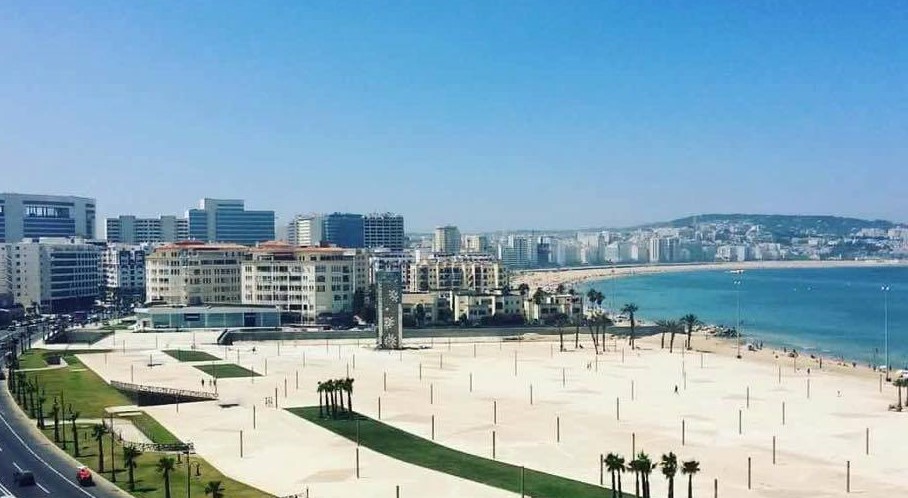
Why Tangier is Perfect for Your Celebration
- Dramatic clifftop and beachfront settings where the Atlantic and Mediterranean converge
- Historic medina riads and Andalusian-influenced architecture for intimate, atmospheric events
- Long warm season from April through October suits outdoor celebrations reliably
- International airport with direct links to major European cities eases guest travel
- Rich local hospitality tradition — Moroccan cuisine, music, and décor add genuine cultural depth
- Blend of boutique heritage properties and modern resort hotels suits varied group sizes

Compare Tangier with Other Top Destinations
Frequently Asked Questions
Is Tangier a good destination for a wedding?
Yes. Tangier is particularly well-suited to destination weddings that prioritise atmosphere, cultural richness, and a distinctive setting. The combination of medina riads, clifftop resort terraces, and sea-view event spaces creates a genuinely memorable backdrop. It works best for small-to-mid-size weddings, typically up to around 300–400 guests, within the city's existing venue inventory.
What is the best time of year to hold an event in Tangier?
April through October is the recommended window. Spring (April–May) offers mild temperatures and low rainfall. Summer (June–August) is warm but moderated by coastal sea breezes, making Tangier significantly cooler than inland Moroccan cities. September and October combine comfortable temperatures with thinner crowds. November through March brings increased rainfall and wind, making outdoor events less reliable.
How do guests travel to Tangier for a destination event?
Tangier Ibn Battuta Airport (TNG) serves the city with direct flights from major European cities including Paris, Madrid, London, Brussels, and Amsterdam. Guests from further afield typically connect via Casablanca's Mohammed V International Airport or a European hub. Domestically, Morocco's national rail network connects Tangier to Casablanca, Rabat, Fez, and Marrakech, with high-speed service significantly reducing journey times.
What kinds of venues are available for events in Tangier?
Tangier offers a genuinely diverse venue landscape: beachfront and clifftop resort properties with large outdoor lawns, heritage and colonial-era hotels with ornate courtyards and reception halls, intimate medina riads suited to exclusive buyouts, and modern hotel ballrooms for climate-controlled events. This variety means the city can accommodate different event styles, from grand outdoor receptions to intimate cultural dinners.
How large a guest group can Tangier realistically accommodate?
Tangier comfortably handles events up to approximately 400–500 guests across its main resort and hotel properties. Intimate gatherings of 50–150 guests are particularly well-served by the city's boutique riad and heritage hotel options. Very large events exceeding 500 guests in a single space may find the local venue supply constrained and should assess specific properties carefully before committing.
Is Tangier suitable for corporate retreats and incentive travel?
Yes. Tangier is a credible corporate retreat destination, particularly for European companies. Its international airport connectivity, modern resort conference facilities, and rich cultural programming options — city tours, Moroccan cooking experiences, excursions to Cap Spartel — make it well-suited to incentive groups seeking a distinctive off-site experience with genuine local content.
What local transport options are available for event guests once they arrive?
Within Tangier, event groups typically use private coach or minibus transfers coordinated through the hotel or a local destination management company. The medina area is largely walkable for guests staying nearby. For resort properties outside the city centre, organised group transfers are advisable. Taxis are widely available for smaller groups moving independently between venues or attractions.
What does the local vendor and catering ecosystem look like for events?
Tangier has a reasonably mature event vendor ecosystem. Local caterers draw on Morocco's rich culinary tradition — multi-course banquets, tagine stations, and traditional tea ceremonies are standard offerings. Local artisans provide authentic Moroccan décor, and live Gnawa or Andalusian musicians are commonly available for entertainment. Engaging a reputable local destination management company is strongly recommended for coordinating multi-vendor events.
Are there outdoor event spaces in Tangier, and how weather-dependent are they?
Yes, outdoor spaces — clifftop terraces, resort lawns, and riad courtyards — are among Tangier's strongest event assets. Within the April–October season they are generally reliable, though spring months can bring occasional Atlantic winds that affect open-air setups. Contingency planning (marquees, indoor backup spaces) is advisable for any outdoor event, particularly in April and May.
Do I need a local event coordinator or DMC to plan an event in Tangier?
Strongly advisable, yes. Tangier has an established destination management company sector, particularly experienced with European corporate and incentive groups. A local DMC navigates supplier relationships, venue permitting, transport logistics, and cultural nuances far more efficiently than remote planning alone. For multi-day events with complex programmes, local coordination is effectively essential rather than optional.
What makes Tangier culturally distinctive as an event destination?
Tangier sits at the intersection of Moroccan, Andalusian, French, and Spanish cultural influences — a legacy of its history as an international zone and trading crossroads. This layered identity shows up in its architecture, cuisine, music, and arts scene. For events, it means genuinely varied cultural programming is available across a multi-day celebration, from medina exploration to traditional Moroccan music performances and Andalusian-influenced dining experiences.

Ready to explore venues in Tangier?
Tangier: Destination Wedding & Event Venues in Morocco
◆Tangier is a cosmopolitan Moroccan port city at the meeting point of the Atlantic Ocean and the Mediterranean Sea, offering a genuinely distinctive setting for destination weddings, corporate retreats, and cultural celebrations. Its primary vibe is Cultural & Timeless — shaped by Moorish architecture, Andalusian heritage, and a long history as an international crossroads. The city suits intimate weddings, mid-size corporate events, and culturally immersive gatherings particularly well. The best season runs from April through October, when warm, dry conditions make outdoor events reliable. Tangier is accessible via its own international airport with direct European connections, and its hospitality infrastructure spans heritage riads, modern resort hotels, and boutique properties.
Tangier at a Glance
| Attribute | Detail |
|---|---|
| Best For | Destination Weddings, Corporate Retreats, Cultural Celebrations, Intimate Gatherings |
| Primary Vibe | Cultural & Timeless |
| Other Vibes | Coastal, Cosmopolitan, Heritage |
| Best Season | Spring (Apr, May, Jun, Jul, Aug, Sep, Oct) |
Why Choose Tangier?
- A genuinely unique geographic setting: Tangier sits where two seas meet and two continents face each other — a backdrop that is visually and culturally unlike any other event destination in the Mediterranean or North Africa.
- Architectural diversity for event design: From centuries-old medina riads with internal courtyards to clifftop resort terraces and Andalusian-influenced mansions, the city offers a range of venue aesthetics that are difficult to replicate elsewhere.
- Strong European accessibility: Tangier Ibn Battuta Airport receives direct flights from major European hubs, making it straightforward for European guests to attend. The city is also reachable by ferry from Spain, adding a memorable travel dimension for some groups.
- A long, reliable warm season: Seven months of generally dry, warm weather from April through October give event planners a wide scheduling window without the monsoon or extreme heat constraints that affect many other destination markets.
- Rich local hospitality culture: Moroccan traditions of hospitality — elaborate cuisine, live Gnawa or Andalusian music, intricate décor — translate naturally into event programming that feels genuinely local rather than generic.
- Manageable city scale: Tangier is large enough to support multi-day event programmes with varied venues and excursions, yet compact enough that guest logistics remain straightforward without the complexity of a sprawling metropolis.
Which Celebrations Work Best in Tangier?
- Destination Weddings: Tangier's combination of intimate riad courtyards, clifftop resort lawns, and sea-view terraces makes it particularly well-suited to weddings where atmosphere and cultural richness matter as much as scale. The city handles small-to-mid-size weddings (typically up to 300–400 guests) comfortably within its existing venue inventory.
- Corporate Retreats & Incentive Travel: The city's international airport connectivity, modern resort conference facilities, and strong European business links make it a credible choice for corporate groups seeking an off-site retreat with genuine cultural programming — city tours, cooking experiences, and excursions to nearby Cap Spartel or the Caves of Hercules add natural team-building content.
- Cultural & Heritage Celebrations: Milestone anniversaries, family reunions, and cultural gatherings benefit from Tangier's layered identity — Moroccan, Andalusian, French, and Spanish influences coexist in the city's architecture, cuisine, and arts scene, giving multi-day programmes genuine variety.
- Intimate Gatherings & Pre-Wedding Events: The medina's boutique riads and smaller heritage properties are especially suited to pre-wedding dinners, engagement parties, or small group celebrations where exclusivity and atmosphere take priority over large-scale logistics.
Venues & Event Spaces
Tangier's event venue landscape spans several distinct categories, each suited to different celebration styles:
- Beachfront and clifftop resort properties offer the largest outdoor event lawns and terraces, with sea views and the infrastructure to handle mid-to-large guest counts. These are typically the most practical choice for main wedding ceremonies or large gala dinners.
- Heritage and colonial-era hotels in or near the city centre carry significant architectural character — tiled courtyards, ornate reception halls, and garden terraces that photograph exceptionally well and require minimal additional décor investment.
- Medina riads are traditional Moroccan courtyard houses, often boutique in scale, that suit intimate dinners, pre-wedding events, or exclusive buyouts for small groups. Their internal courtyard layout creates a naturally theatrical setting for evening events.
- Modern hotel ballrooms and conference centres within the city's larger properties provide climate-controlled, technically equipped spaces for corporate presentations, formal banquets, or events where weather reliability is a priority.
- Outdoor cultural sites and private villas in the surrounding area — including clifftop properties near Cap Spartel — can be engaged for exclusive-use events, though these typically require more independent vendor coordination.
Best Time to Celebrate
The curated best season for Tangier runs from April through October — a notably long window that gives event planners considerable flexibility. Here is what each part of that season offers:
- April – May (Spring): Temperatures are warm but not hot (typically 18°C–24°C), rainfall is low and declining, and the city's gardens and coastal scenery are at their most lush. This is arguably the most comfortable period for outdoor daytime events and guest sightseeing.
- June – August (Summer): Tangier's coastal position moderates summer heat significantly compared to inland Moroccan cities — sea breezes keep temperatures in the 24°C–28°C range rather than the extreme heat experienced in Marrakech or Fez. Evening events on terraces and lawns are particularly pleasant. July and August are peak tourist months, so early venue booking is advisable.
- September – October (Early Autumn): Temperatures ease slightly, crowds thin, and the sea remains warm. This is a strong period for events that want summer conditions without peak-season pressure on accommodation and logistics.
The months November through March are generally less suitable for outdoor celebrations. Tangier's Atlantic exposure brings increased rainfall, stronger winds, and cooler temperatures (sometimes dropping to 10°C–14°C) during this period. Indoor events remain feasible, but the outdoor settings that define Tangier's strongest event experiences are less reliable.
Getting There & Local Connectivity
Tangier is served by Tangier Ibn Battuta Airport (TNG), located approximately 15 km from the city centre. The airport operates direct connections to major European cities including Paris, Madrid, Brussels, Amsterdam, and London, as well as domestic Moroccan routes to Casablanca and other cities. For guests travelling from outside Europe or Morocco, Casablanca's Mohammed V International Airport is the primary long-haul hub, with onward connections to Tangier by domestic flight or by the ONCF national rail network.
Tangier Ville Railway Station connects the city to Casablanca, Rabat, Fez, and Marrakech via Morocco's national rail service — a comfortable and reliable option for guests travelling domestically. The high-speed Al Boraq train between Tangier and Casablanca has significantly reduced journey times in recent years, making rail a genuinely competitive option for domestic guests.
Within the city, event groups typically rely on private coach or minibus transfers arranged through the hotel or a local DMC (destination management company). Tangier's medina is largely pedestrian, so guests staying near the old city will find much of the cultural experience walkable. For resort properties outside the immediate centre, coordinated group transport is advisable to keep logistics smooth across multi-day programmes.
Local Vendor & Hospitality Ecosystem
Tangier has a reasonably mature hospitality ecosystem by North African standards, shaped by decades of international tourism and a strong tradition of hosting European visitors. Key characteristics include:
- Catering and cuisine: Moroccan culinary tradition is genuinely event-ready — elaborate multi-course meals, tagine and couscous stations, pastilla, and traditional mint tea ceremonies translate naturally into wedding banquets and corporate dinners. Most larger properties have in-house catering capable of handling significant guest counts.
- Event décor and florals: Local artisans skilled in Moroccan lantern work, zellige tile arrangements, and traditional textile decoration are available, and their work adds authentic visual character that imported generic décor cannot replicate.
- Entertainment: Live Gnawa musicians, Andalusian orchestras, and traditional Moroccan performers are locally available and commonly engaged for wedding receptions and gala dinners.
- International vendor coordination: For couples or planners who prefer to bring in specific international vendors (photographers, florists, AV specialists), Tangier's airport connectivity makes this logistically feasible, though local import regulations for equipment should be confirmed in advance with a local coordinator.
- DMC infrastructure: Tangier has an established destination management company sector, particularly oriented toward European corporate and incentive travel. Engaging a reputable local DMC is strongly advisable for multi-day events, as they navigate local supplier relationships, permitting, and logistics more efficiently than remote planning alone.
Pros & Things to Consider
Why Tangier Works Well
- Genuinely distinctive cultural and geographic setting that creates memorable event experiences
- Long warm season (April–October) gives wide scheduling flexibility
- Strong direct connectivity from Europe makes international guest travel straightforward
- Diverse venue typology — from medina riads to beachfront resorts — suits varied event styles
- Rich local hospitality traditions (cuisine, music, décor) add authentic programming depth
- Compact city scale keeps guest logistics manageable across multi-day programmes
Things to Consider
- Guest travel complexity for non-European attendees: Guests travelling from South Asia, the Americas, or East Asia typically face a multi-leg journey via a European or Casablanca hub, which adds travel time and cost compared to more centrally located destinations.
- Venue scale ceiling: Tangier's current hotel and venue inventory is best suited to events up to approximately 400–500 guests. Very large weddings or conferences requiring 600+ guests in a single space may find the local supply constrained.
- Language and coordination nuance: While French and Spanish are widely spoken in the hospitality sector, detailed event contracts and vendor briefings benefit from a local coordinator fluent in both the client's language and Moroccan business norms.
- Seasonal wind exposure: Tangier's coastal position means that even within the best season, certain days — particularly in spring — can bring strong Atlantic winds that affect open-air setups. Contingency planning for outdoor events is advisable.
- Alcohol regulations: Morocco permits alcohol service in licensed hotel venues, but this is not universal across all venue types. Couples or planners with specific beverage requirements should confirm licensing with each venue individually.
When Tangier May Not Be the Right Fit
- Very large-scale events (500+ guests): If your guest list significantly exceeds 400–500 people and you require a single venue to accommodate everyone for the main celebration, Tangier's current venue inventory may not comfortably support that scale without compromise.
- Guests primarily based in South Asia or the Americas: If the majority of your guest group faces a long multi-leg international journey to reach Tangier, the travel burden may outweigh the destination's appeal — a more centrally accessible location may serve your guests better.
- Winter outdoor celebrations: If your preferred dates fall between November and March and outdoor settings are central to your event vision, Tangier's Atlantic winter weather makes this a genuine risk. An indoor-focused event can still work, but the destination's strongest visual assets are less reliably available.
- Guests requiring very familiar Western hospitality norms throughout: Tangier's cultural distinctiveness is its strength, but groups with very specific expectations around food, alcohol availability, or service style may find the local hospitality ecosystem requires more active management than a conventional European or resort destination.