
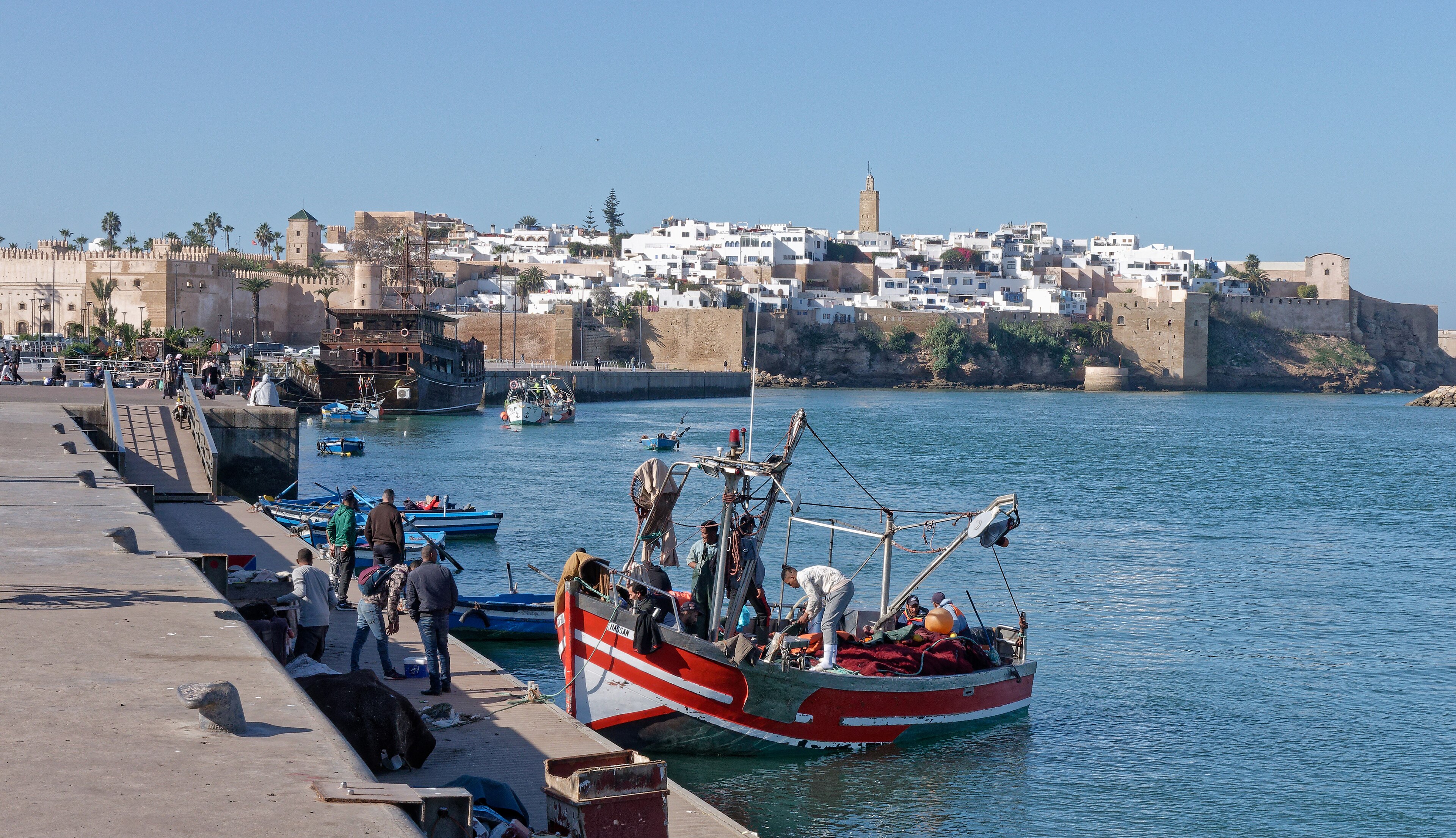
Why Rabat is Perfect for Your Celebration
- UNESCO World Heritage medina and Kasbah of the Udayas provide unmatched historic backdrops
- Royal capital status means high hospitality standards and well-maintained public spaces
- High-speed rail links Rabat to Casablanca in under an hour, easing multi-city guest travel
- Atlantic coastal setting offers garden terraces, ocean-view venues, and pleasant spring-to-autumn evenings
- Mature corporate and diplomatic event infrastructure supports large conferences and gala dinners
- Blend of Moorish, Andalusian, and French colonial architecture creates genuinely distinctive event photography

Top Venues in Rabat
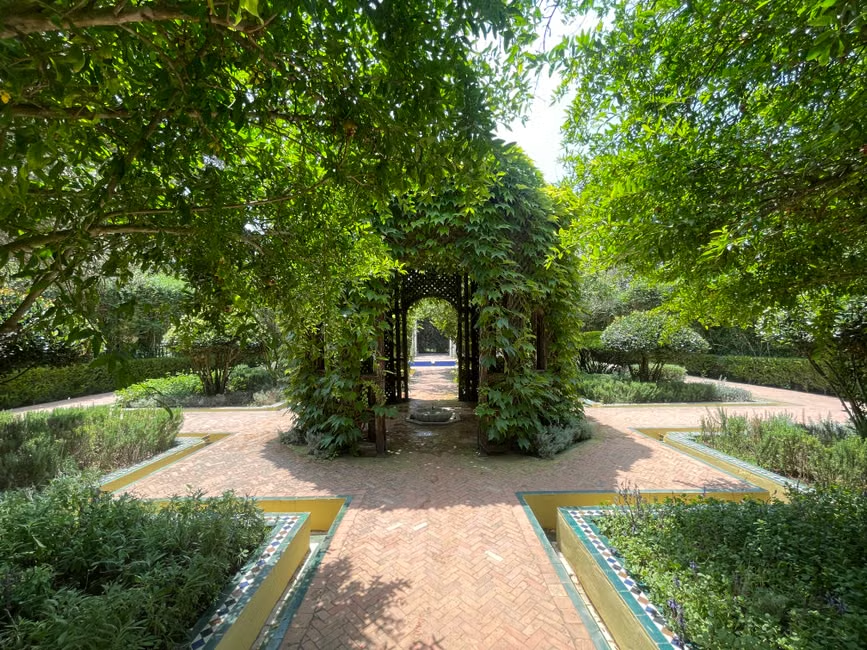
Sofitel Rabat Jardin des Roses
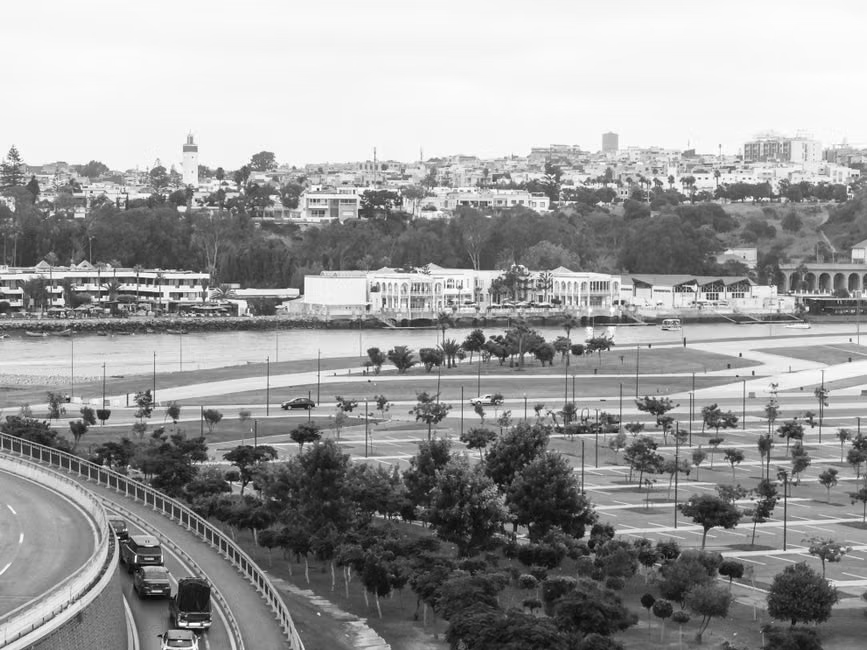
Hôtel Mercure Rabat Sheherazade
Compare Rabat with Other Top Destinations
Frequently Asked Questions
Is Rabat a good destination for a wedding celebration?
Yes. Rabat is particularly well-suited to culturally immersive, mid-sized destination weddings. Its UNESCO World Heritage medina, Kasbah of the Udayas, and Atlantic garden settings provide a genuinely distinctive backdrop. The city's established hospitality infrastructure and experienced local event vendors make it a practical as well as visually compelling choice for couples seeking something beyond a conventional resort wedding.
What guest group sizes can Rabat's venues realistically accommodate?
Rabat's venue inventory comfortably supports events from intimate gatherings of 30–50 guests up to mid-sized celebrations of around 300–400 guests. Larger luxury hotel properties can handle up to roughly 500–600 guests for banquet-format events. For very large events exceeding this, early booking and careful venue selection are essential, as the city's inventory at the upper end is more limited than in Morocco's largest hospitality markets.
What is the best time of year to plan an event in Rabat?
April through October is the recommended window. This period offers mild-to-warm Atlantic temperatures, reliably low rainfall, and long daylight hours — all of which support outdoor ceremonies, garden receptions, and evening terrace events. September and October are often considered the most comfortable months. November through March brings cooler temperatures and meaningful Atlantic rainfall that makes outdoor event planning less reliable.
How do guests typically get to Rabat for a destination event?
Rabat–Salé Airport (RBA), approximately 10 km from the city centre, handles direct flights from several European cities. Guests arriving from further afield typically fly into Casablanca's Mohammed V International Airport and take the Al Boraq high-speed train to Rabat, a journey of under an hour. Intercity trains also connect Rabat to Fès, Tangier, and Marrakech, making rail a practical option for guests travelling within Morocco.
What kinds of event spaces are available in Rabat?
Rabat offers a range of venue types: large hotel ballrooms and garden terraces in the Agdal and Souissi districts for mid-to-large events; boutique riads and heritage properties in and around the medina for intimate gatherings; Atlantic-facing outdoor terraces and riverside promenade spaces for open-air events; and well-equipped conference facilities within established hotels for corporate formats. The variety of settings is a genuine strength of the destination.
How easy is it for a large guest group to move around Rabat once they arrive?
Relatively straightforward. Rabat's compact city layout means most event-relevant areas are within 15–20 minutes of each other. A modern tram network connects the city centre with Salé. For large groups, private coach transfers between hotels, venues, and the airport are standard practice and easy to arrange through local operators. Narrow medina streets require some advance logistics planning for décor deliveries and smaller vehicle access.
Is Rabat well-suited to corporate events and conferences?
Yes, particularly so. Rabat's long history as Morocco's diplomatic and governmental capital has produced a mature corporate event ecosystem — experienced event management companies, well-equipped hotel conference facilities, professional AV and catering suppliers, and hospitality staff accustomed to international and protocol-sensitive gatherings. It is among the stronger options in Morocco for executive retreats, regional conferences, and high-profile gala dinners.
What makes Rabat's local vendor and catering ecosystem suited to events?
Rabat has a well-developed vendor base shaped by decades of diplomatic entertaining. Catering specialists are experienced with both elaborate traditional Moroccan banquet formats and international menus for mixed-nationality guest lists. Floral, décor, and entertainment suppliers are accustomed to both Moroccan and contemporary international event aesthetics. For highly specialised technical requirements, some planners also source from Casablanca's larger market, which is under 90 minutes away.
Are outdoor events in Rabat reliable during the recommended season?
Generally yes. From April through October, Rabat's Atlantic climate delivers reliably dry conditions with low rainfall probability, making outdoor ceremonies and garden receptions feasible with reasonable confidence. Atlantic breezes can occasionally be strong, particularly in spring, so open-sided structures or windbreak planning is worth considering for very exposed terrace settings. Indoor contingency options are advisable as standard practice for any outdoor event.
What is genuinely distinctive about celebrating in Rabat compared to other Moroccan cities?
Rabat's distinctiveness lies in its combination of UNESCO World Heritage heritage, royal capital prestige, and Atlantic coastal setting — a combination not replicated elsewhere in Morocco. The city is quieter and less tourist-saturated than Marrakech, which translates to a more private, unhurried event atmosphere. Its diplomatic infrastructure means hospitality standards and security arrangements are consistently high, which matters for VIP-heavy guest lists.
How far in advance should I book for a destination event in Rabat?
For mid-to-large events, a lead time of 9–12 months is advisable, particularly for peak season dates (May–June and September–October). Rabat's diplomatic and governmental event calendar creates genuine competition for hotel room blocks and premium venue dates during spring and autumn. Smaller, more intimate events may have more flexibility, but early engagement with local planners is always recommended to secure preferred venues and accommodation.

Ready to explore venues in Rabat?
Rabat: Destination Wedding & Event Venues in Morocco's Royal Capital
◆Rabat is Morocco's royal capital and a UNESCO World Heritage city on the Atlantic coast, best suited to culturally immersive weddings, high-profile corporate gatherings, gala dinners, and festival-style celebrations. Its primary vibe is Cultural & Timeless — defined by Moorish medinas, Andalusian gardens, and French colonial boulevards rather than resort-style excess. The best season runs from April through October, when Atlantic breezes keep temperatures comfortable and outdoor events are reliably feasible. Accessibility is strong: an international airport sits roughly 10 km from the city centre, and high-speed rail connects Rabat to Casablanca in under an hour. Hospitality standards are high, anchored by established international hotel brands alongside characterful independent properties.
Rabat at a Glance
| Attribute | Detail |
|---|---|
| Best For | Destination Weddings, Corporate Events, Gala Dinners, Cultural Festivals |
| Primary Vibe | Cultural & Timeless |
| Other Vibes | Coastal, Royal, Garden, Heritage |
| Best Season | Spring (Apr, May, Jun, Jul, Aug, Sep, Oct) |
Why Choose Rabat?
- UNESCO World Heritage setting: Rabat's medina, Kasbah of the Udayas, and Hassan Tower are among the most photogenic historic backdrops in North Africa, giving events a genuinely distinctive visual identity that purpose-built resort destinations cannot replicate.
- Royal capital infrastructure: As Morocco's seat of government and royal residence, Rabat maintains exceptionally high standards in public spaces, security, and hospitality — a meaningful practical advantage for high-profile events and VIP guest lists.
- Mature corporate event ecosystem: Decades of hosting diplomatic summits, international conferences, and state functions have produced a well-developed local ecosystem of event planners, AV suppliers, catering specialists, and protocol-aware hospitality staff.
- Atlantic coastal setting: Ocean-facing terraces, rampart gardens, and the Bou Regreg riverfront provide outdoor event spaces with natural ventilation and scenic variety that purely inland Moroccan cities cannot offer.
- Excellent multi-modal connectivity: Rabat–Salé Airport handles direct flights from major European hubs, while the Al Boraq high-speed train and intercity rail network make it straightforward for guests arriving via Casablanca's Mohammed V International Airport to reach Rabat quickly and comfortably.
- Compact, walkable city centre: Unlike sprawling resort destinations, Rabat's key neighbourhoods — Agdal, Hassan, the medina, and the Kasbah — are close together, reducing guest logistics complexity and making it easier to programme multi-venue event itineraries without long transfers.
Which Celebrations Work Best in Rabat?
- Destination Weddings: Rabat suits couples seeking a culturally rich, architecturally distinctive setting rather than a beach-resort backdrop. The city's Moorish courtyards, garden terraces, and heritage riads create ceremony and reception environments with genuine historical depth. Intimate to mid-sized weddings (up to roughly 300–400 guests) are particularly well served by the existing venue inventory.
- Corporate Events & Conferences: Rabat's long history as a diplomatic and governmental hub means its hotels and event spaces are well-equipped for conferences, product launches, and executive retreats. Reliable connectivity, professional hospitality staff, and proximity to Morocco's decision-making institutions make it a natural choice for regional corporate gatherings.
- Gala Dinners & Award Ceremonies: The combination of grand hotel ballrooms, garden settings, and the atmospheric backdrop of illuminated historic monuments makes Rabat particularly effective for formal evening events where setting and prestige matter.
- Cultural Festivals & Arts Events: Rabat has an established tradition of hosting international arts and music festivals, and the city's public spaces, medina squares, and riverside areas are well-suited to festival-format programming that blends performance, food, and cultural experience.
Venues & Event Spaces
Rabat's event venue landscape spans several distinct categories. International luxury hotels in the Agdal and Souissi districts offer large ballrooms, landscaped garden terraces, and full in-house catering and AV infrastructure capable of handling several hundred guests. Heritage and boutique properties — including restored riads and colonial-era hotels in and around the medina — provide more intimate settings with strong architectural character, typically suited to smaller gatherings of 50–150 guests. Outdoor and semi-outdoor spaces are a particular strength: Atlantic-facing terraces, the gardens of the Kasbah quarter, and the Bou Regreg riverside promenade all offer event-ready open-air environments during the long dry season. Conference and convention facilities within established hotel properties are well-equipped for corporate formats, with breakout rooms, simultaneous interpretation infrastructure, and professional event management teams. For couples or planners seeking a more immersive Moroccan experience, traditional dar and riad properties within the medina can be privatised for smaller celebrations, offering tiled courtyards, carved plasterwork, and candlelit ambience that is genuinely difficult to replicate in a purpose-built venue.
Best Time to Celebrate
The curated best season for Rabat runs from April through October, and this reflects the city's Atlantic climate in practical terms. Spring (April–June) brings mild temperatures, typically in the low-to-mid 20s Celsius, with long daylight hours and low rainfall — ideal for outdoor ceremonies, garden receptions, and evening terrace dinners. Early summer (June–July) is warm and reliably dry, though Atlantic breezes generally prevent the oppressive heat that affects Morocco's interior cities during the same period. Late summer and early autumn (August–October) remain warm and largely dry, with September and October often considered the most comfortable months overall as temperatures ease and the summer crowds thin.
The months outside this window — November through March — bring Rabat's Atlantic winter: cooler temperatures (frequently dropping to 10–14°C), increased cloud cover, and meaningful rainfall, particularly in December and January. While indoor events remain entirely feasible year-round, outdoor setups become unreliable and require contingency planning. The combination of rain risk and shorter, cooler days makes the winter months genuinely less suitable for the garden and terrace events that define Rabat's strongest event offering.
Getting There & Local Connectivity
By air: Rabat–Salé Airport (RBA) sits approximately 10 km from the city centre and handles direct flights from a range of European cities, including Paris, Brussels, Madrid, and Amsterdam, as well as domestic connections. For guests travelling from further afield, Casablanca's Mohammed V International Airport — Morocco's primary international hub — is approximately 90 km away and offers significantly broader intercontinental connectivity; the high-speed Al Boraq train covers this distance in under an hour, making it a practical gateway for international guests.
By rail: Rabat-Ville station is centrally located and well-connected. The Al Boraq high-speed service to Casablanca is fast and comfortable, while intercity trains serve Fès, Meknès, Tangier, and Marrakech. For event groups arriving from multiple Moroccan cities, rail is often the most practical and comfortable option.
Local movement: Within Rabat, the city's compact layout means most event-relevant neighbourhoods are within 15–20 minutes of each other by taxi or ride-hailing app. A modern tram network (Rabat-Salé Tramway) connects the city centre with Salé across the Bou Regreg river. For large guest groups, private coach transfers between hotels, venues, and the airport are straightforward to arrange through local operators and are the standard approach for event logistics.
Local Vendor & Hospitality Ecosystem
Rabat's vendor ecosystem is among the more developed in Morocco for formal events, shaped by decades of diplomatic entertaining and international conference hosting. Catering is a particular strength: the city has a well-established tradition of both Moroccan banquet cuisine — elaborate multi-course diffa spreads, pastilla, tagine stations — and international catering capable of meeting diverse dietary requirements for mixed-nationality guest lists. Floral and décor suppliers in Rabat are experienced with both traditional Moroccan aesthetic (zellige tilework, lanterns, embroidered textiles) and contemporary international event styling. Entertainment options include Gnawa musicians, Andalusian orchestras, contemporary Moroccan artists, and international acts who regularly perform in the capital. Event management companies based in Rabat are generally accustomed to working with international clients and can navigate local permitting, logistics, and protocol requirements. One practical note: for very large-scale productions requiring highly specialised technical equipment or niche international vendors, Casablanca's larger market may offer broader options, and some Rabat-based planners routinely source from both cities.
Pros & Things to Consider
Why Rabat Works Well
- Genuinely distinctive UNESCO World Heritage setting unavailable in purpose-built resort destinations
- High hospitality standards maintained by royal capital status and long diplomatic event tradition
- Strong multi-modal connectivity — international airport plus high-speed rail to Casablanca
- Long, reliable dry season (April–October) supports outdoor event planning with confidence
- Compact city layout simplifies guest logistics and multi-venue programming
- Culturally immersive experience — medina, Kasbah, Atlantic ramparts — adds genuine event narrative
Things to Consider
- Venue inventory for very large events (500+ guests) is more limited than in Morocco's larger hospitality markets; early booking is important for peak season dates
- Rabat–Salé Airport has fewer direct intercontinental routes than Casablanca; guests from outside Europe or the Maghreb will typically connect through Casablanca, adding a leg to their journey
- The medina and Kasbah areas, while atmospheric, have narrow streets that can complicate large vehicle access for décor delivery and guest transfers — logistics planning needs to account for this
- Alcohol service, while available in licensed hotel venues, is subject to Moroccan regulations and is not universally available across all venue types; planners should confirm licensing status early
- Peak diplomatic and governmental event seasons (typically spring and autumn) can create competition for hotel room blocks and venue availability; lead times of 9–12 months are advisable for larger events
When Rabat May Not Be the Right Fit
- Very large-scale weddings or events (600+ guests): The current hotel and venue inventory in Rabat is better calibrated for mid-sized events; groups requiring very large single-venue capacities may find options more constrained than in Morocco's larger hospitality markets.
- Guests with limited international travel experience or complex visa situations: While Morocco is generally accessible, guests from certain regions may face visa requirements or long-haul routing through Casablanca that adds meaningful travel complexity compared to a domestic or regional destination.
- Events planned for November through March with significant outdoor programming: Atlantic winter weather introduces genuine rain and wind risk; couples or planners whose event concept depends heavily on outdoor settings should either shift to the April–October window or build robust indoor contingency plans.
- Celebrations seeking a pure beach-resort or tropical atmosphere: Rabat's Atlantic coast is scenic but not a warm tropical beach destination; guests expecting a Maldives or Goa-style beach experience will find the city's strengths lie elsewhere — in heritage, culture, and garden settings rather than beachfront leisure.