
Why Essaouira is Perfect for Your Celebration
- UNESCO-listed medina provides a living, atmospheric backdrop unlike any conventional venue
- Riad-style boutique properties offer intimate, fully privatisable spaces ideal for smaller celebrations
- Gnawa music, local artisans, and Moroccan culinary traditions create genuinely immersive guest experiences
- Mild Atlantic climate from spring through autumn keeps outdoor events comfortable without extreme heat
- The compact, car-free medina means guests move easily between ceremony, dinner, and accommodation on foot
- Strong local artisan and craft culture enables bespoke décor, catering, and entertainment sourced in-city
Top Venues in Essaouira
Heure Bleue Palais
Sofitel Essaouira Mogador Golf & Spa
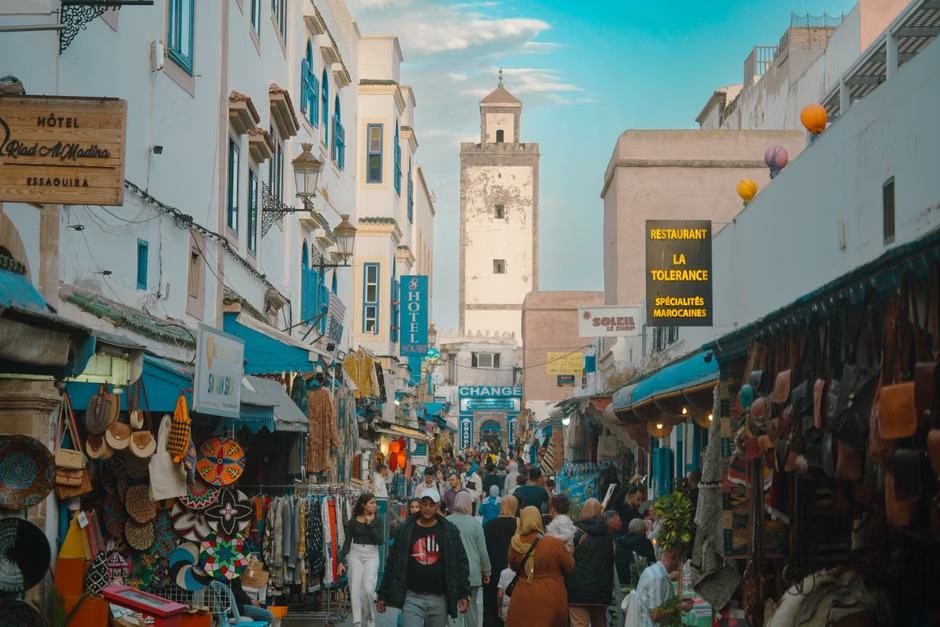
Riad Al Madina
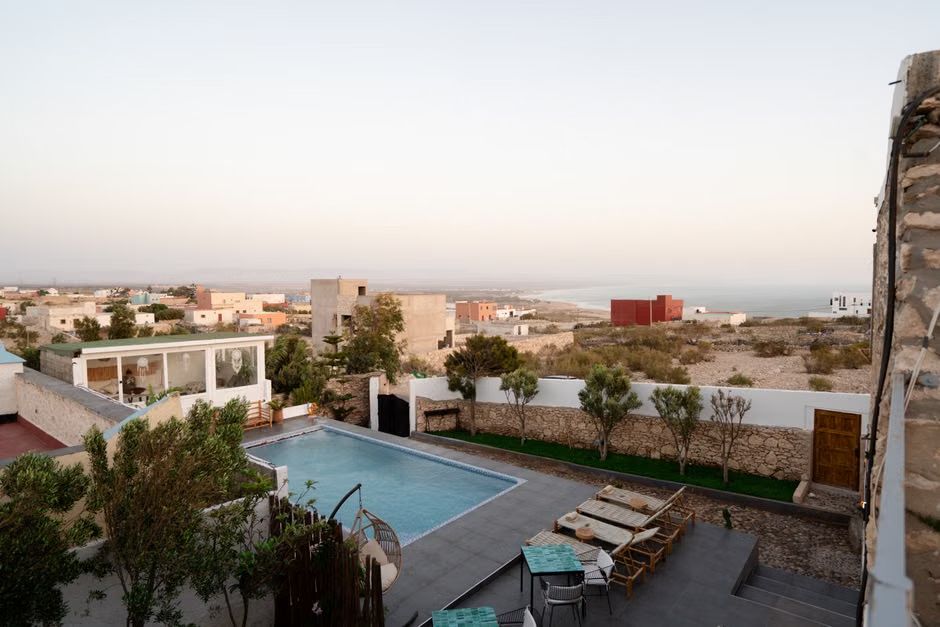
Villa Maroc
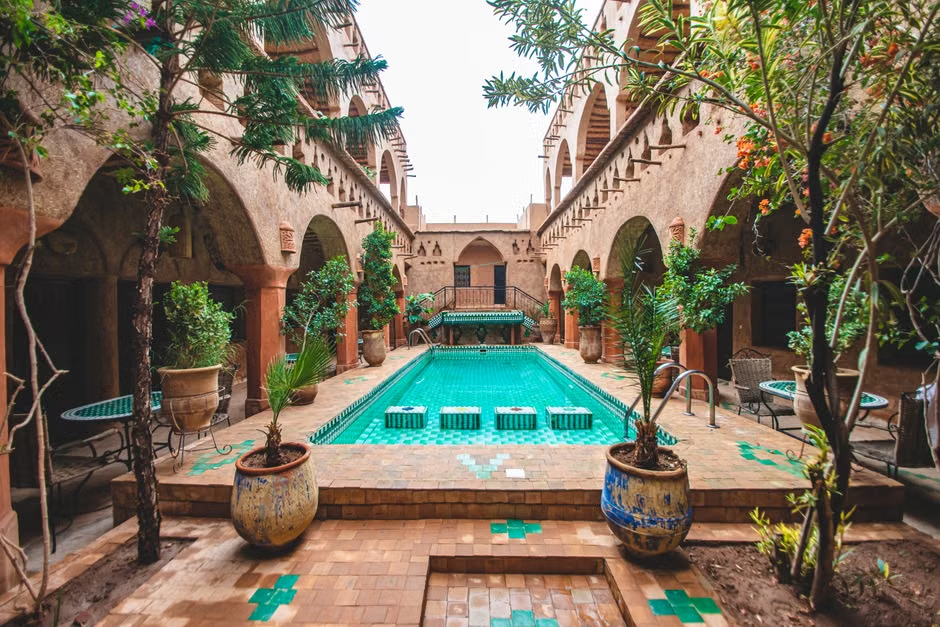
Riad Mimouna
Compare Essaouira with Other Top Destinations
Frequently Asked Questions
Is Essaouira a good destination for a wedding?
Yes, particularly for intimate and culturally immersive weddings. Essaouira's UNESCO-listed medina, privatisable riad properties, and rich Moroccan artisan and musical traditions make it an exceptional choice for couples seeking atmosphere and authenticity. It is best suited to guest lists of up to roughly 150 people; very large weddings may find the local venue inventory limiting.
What is the best time of year to hold an event in Essaouira?
April through October is the recommended window. The Atlantic climate keeps temperatures mild and outdoor events comfortable across this period, with long daylight hours and reliably dry weather. June is particularly lively, coinciding with the Gnawa and World Music Festival. November through March brings cooler temperatures, stronger winds, and occasional Atlantic storms that can disrupt outdoor programming.
How do guests typically get to Essaouira?
Guests can fly directly into Essaouira-Mogador Airport, which handles a limited number of European charter and scheduled routes, primarily during the spring-to-autumn season. The more common routing for international guests is to fly into Marrakech and travel overland — approximately 2.5 to 3 hours by road via private transfer, shared taxi, or scheduled bus. There is no railway connection to Essaouira.
What size of guest group can Essaouira realistically accommodate for an event?
Essaouira comfortably supports events of up to around 150–200 guests when accommodation and venue spaces across the medina and nearby resort properties are combined. For a single-venue event, most heritage riad and palace properties are best suited to groups of 20 to 100 guests. Events requiring a single space for 200 or more guests will find the local inventory more constrained.
What kinds of venues are available for events in Essaouira?
The primary venue types are riads (traditional Moroccan courtyard houses that can typically be fully privatised), heritage palace properties with larger salons and rooftop terraces, and a resort-style property outside the medina with more conventional event infrastructure including lawns and larger function spaces. The Atlantic ramparts and beach esplanade are also used for informal event elements such as sunset cocktail receptions.
Can guests be accommodated within the medina itself?
Yes. Essaouira's medina contains a range of riad and boutique hotel properties at various scales, and for smaller groups it is often possible to accommodate the majority of guests within or immediately adjacent to the old city walls. For larger groups, accommodation is supplemented by properties just outside the medina and the resort area near Diabat. Early booking is essential during peak months.
How does the wind in Essaouira affect outdoor events?
The Atlantic trade winds are a defining feature of Essaouira's climate — they keep the city cool in summer but can be disruptive for outdoor décor, floral arrangements, lightweight canopies, and open-flame elements. Event design should account for wind practically: weighted or anchored structures, sheltered courtyard spaces, and wind-resistant floral arrangements are standard considerations for experienced local planners working in this destination.
Is there a local event planning and vendor ecosystem in Essaouira?
Yes, though it is more boutique in scale than in larger Moroccan cities. Experienced local coordinators, Moroccan caterers, Gnawa and folk musicians, and artisan suppliers are available and accustomed to working on private events. For complex or large-scale productions, it is common to engage a Marrakech-based event planner with Essaouira experience to supplement local resources, and additional lead time for sourcing is advisable.
What makes Essaouira distinctive as a cultural event destination?
Essaouira is the spiritual home of Gnawa music — a UNESCO-recognised intangible cultural heritage — and hosts one of Morocco's most celebrated world music festivals annually. This gives the city a living musical and artistic culture that can be authentically integrated into event programming. Combined with its active artisan community of woodworkers, weavers, and ceramicists, events here can draw on genuinely place-specific cultural content rather than generic Moroccan theming.
Is Essaouira suitable for non-wedding celebrations such as festivals or retreats?
Yes. The city's artistic identity, boutique venue network, and cultural infrastructure make it well-suited to cultural festivals, creative industry retreats, brand experiences, and editorial productions. Its own annual festival circuit demonstrates that the local ecosystem can support event-scale programming beyond private weddings, and the medina's artisan workshops and gallery spaces offer distinctive settings for non-traditional event formats.
How far in advance should an event in Essaouira be planned?
Given the limited number of privatisable heritage properties and the high demand during peak months (June–September), booking venue and accommodation at least 9 to 12 months in advance is strongly advisable for events during the main season. For events coinciding with the Gnawa festival period in June, even earlier engagement is recommended, as accommodation across the city fills quickly during that window.

Ready to explore venues in Essaouira?
Essaouira: Destination Wedding & Cultural Event Venues in Morocco
◆Essaouira is a UNESCO World Heritage coastal medina on Morocco's Atlantic coast, best suited to intimate weddings, bohemian ceremonies, cultural festivals, and creative retreats. Its primary vibe is Cultural & Timeless — defined by whitewashed ramparts, blue-shuttered riads, Gnawa musical heritage, and a living artisan culture. The destination is most accessible from spring through early autumn (April to October), when the Atlantic climate is mild and outdoor events are reliably comfortable. Guest access typically routes through Marrakech or via the small local airport; the destination suits groups of up to roughly 150–200 guests comfortably, and is particularly strong for those prioritising atmosphere and authenticity over large-scale banquet infrastructure.
Essaouira at a Glance
| Attribute | Detail |
|---|---|
| Best For | Intimate Weddings, Bohemian Ceremonies, Cultural Festivals, Creative Retreats |
| Primary Vibe | Cultural & Timeless |
| Other Vibes | Coastal, Bohemian, Artisan, Romantic |
| Best Season | Spring (Apr, May, Jun, Jul, Aug, Sep, Oct) |
Why Choose Essaouira?
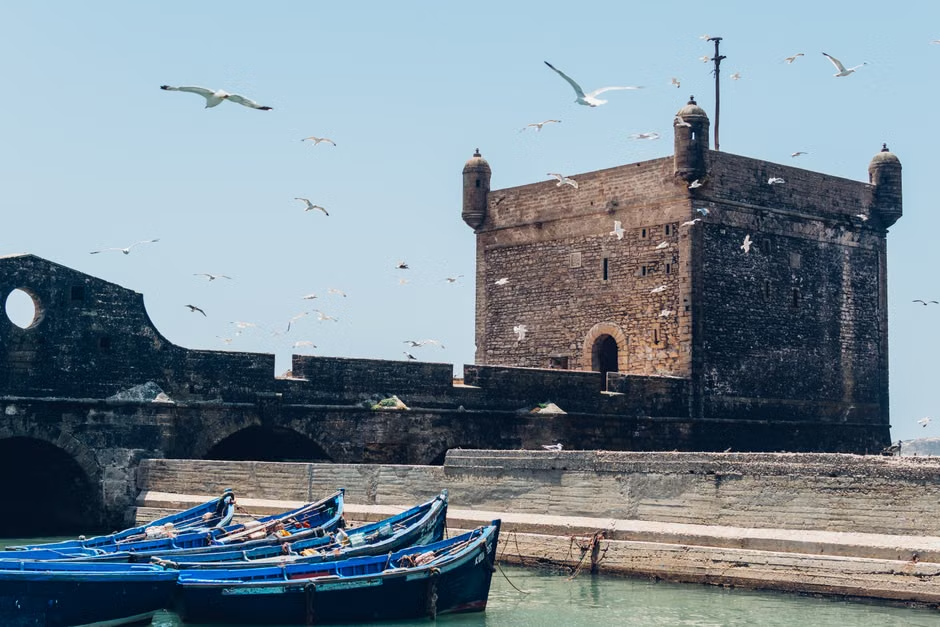
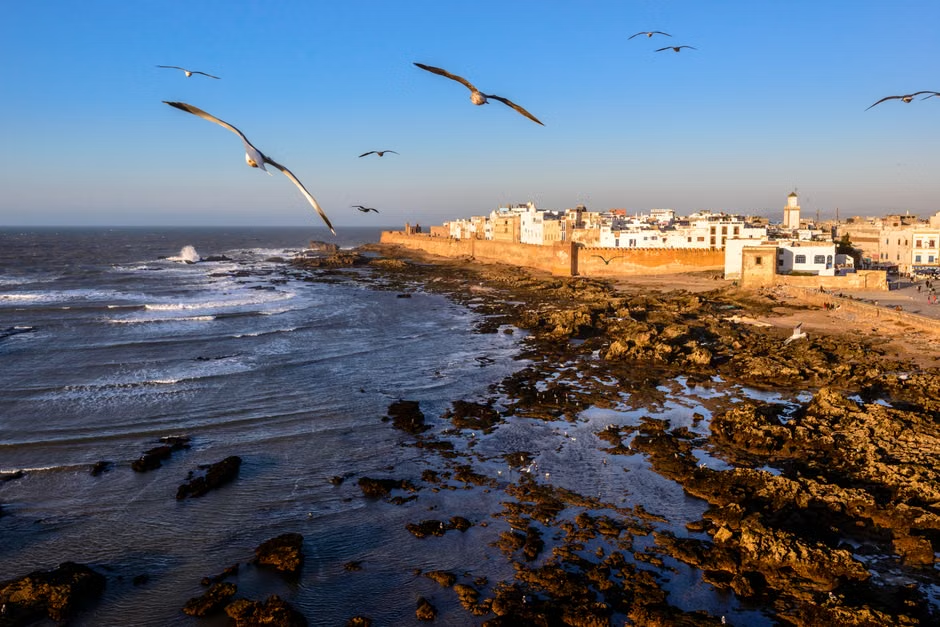
- A genuinely unique UNESCO setting: The medina's 18th-century Portuguese-influenced ramparts, blue-and-white architecture, and Atlantic sea walls create a backdrop that no purpose-built venue can replicate — every corner of the old city is inherently photogenic and historically layered.
- Riad culture enables full privatisation: Essaouira's riads and heritage palaces are typically small enough to be booked exclusively for a wedding party, giving couples and event planners a level of privacy and personalisation that larger resort destinations rarely offer.
- Living Gnawa and artisan traditions: The city is the spiritual home of Gnawa music — a UNESCO-recognised intangible heritage — and hosts a world-famous annual Gnawa music festival. Local musicians, artisans, and culinary specialists can be integrated directly into event programming in a way that feels authentic rather than staged.
- Mild Atlantic climate across a long season: Unlike Morocco's inland cities, Essaouira is naturally air-conditioned by the Atlantic trade winds, keeping summer temperatures moderate (rarely exceeding 26°C) and making outdoor evening events comfortable from April through October.
- Compact, walkable medina logistics: The car-free medina means guests staying within or near the old city can walk between ceremony spaces, dining venues, and accommodation — reducing the need for complex group transport coordination during multi-day events.
- Strong local craft and culinary ecosystem: Essaouira has a well-developed community of local artisans, Moroccan caterers, and event suppliers who can source bespoke décor, traditional cuisine, and entertainment locally, giving events a genuinely place-specific character.
Which Celebrations Work Best in Essaouira?
- Intimate destination weddings: Essaouira is particularly well-suited to smaller weddings — typically up to 100–150 guests — where the couple prioritises atmosphere, cultural immersion, and a distinctive setting over large ballroom capacity. Riad courtyards, rooftop terraces, and heritage palace gardens provide ceremony and reception spaces with genuine character.
- Bohemian and non-traditional ceremonies: The city's artistic, free-spirited identity — shaped by decades as a haven for musicians, painters, and writers — makes it a natural fit for couples seeking a relaxed, creative, and unconventional celebration rather than a formal banquet-style event.
- Cultural festivals and themed events: Essaouira's own Gnawa and World Music Festival demonstrates the city's capacity to host large-scale cultural programming. Corporate or private cultural festivals, music-themed celebrations, and arts-focused gatherings align naturally with the city's existing infrastructure and community expertise.
- Creative retreats and brand experiences: The medina's network of artisan workshops, gallery spaces, and boutique properties makes it a compelling location for brand activations, creative industry retreats, and editorial shoots that benefit from an authentic, non-generic backdrop.
- Pre-wedding and honeymoon extensions: Couples planning a Moroccan wedding elsewhere often extend their trip to Essaouira for pre-wedding photography, honeymoon stays, or intimate post-wedding dinners, taking advantage of the city's romantic coastal character.
Venues & Event Spaces
Essaouira's event venue landscape is defined by heritage properties rather than purpose-built convention facilities. The dominant venue typology is the riad — a traditional Moroccan courtyard house, typically arranged around a central fountain or garden, with multiple levels of terraces and salons that can be configured for ceremonies, dinners, and receptions. The finest riads in the medina have been sensitively restored and offer a combination of indoor salons and open-air courtyards that work well for groups of 20 to 100 guests.
Beyond riads, the city has a small number of heritage palace properties — larger than a typical riad, with more substantial event infrastructure including dedicated function rooms, spa facilities, and rooftop terraces with Atlantic views. These properties can accommodate slightly larger groups and typically offer more complete in-house catering and event coordination services.
Outside the medina walls, a resort-style property near the Diabat area provides a more conventional event setup — larger lawns, a golf course backdrop, and greater capacity for guests who prefer modern hotel amenities alongside the Essaouira experience. This type of property is the most practical option for groups exceeding 150 guests or for events requiring a full ballroom-style layout.
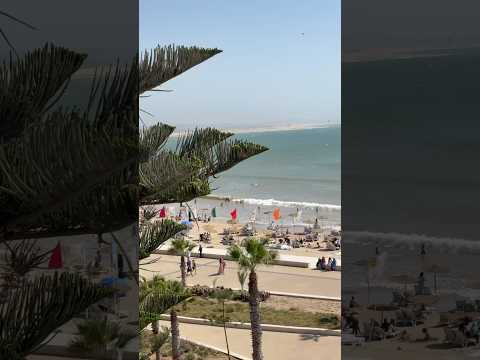
Essaouira's Atlantic ramparts and beach areas are also used for informal event elements — sunset cocktail receptions on the sea walls, beach bonfires, and outdoor dining on the esplanade — though these require coordination with local authorities and are best treated as supplementary spaces rather than primary event venues.
Best Time to Celebrate
The curated best season for Essaouira events runs from April through October, and this reflects the city's genuinely distinctive climate rather than a generic warm-weather recommendation.
April and May offer mild temperatures, lower visitor numbers than peak summer, and the full bloom of the medina's bougainvillea and garden spaces — making them particularly attractive for intimate ceremonies and photography-focused events. June through September is the peak season: long daylight hours, reliably dry weather, and the famous Gnawa music festival (typically held in June) bring the city to life, though accommodation demand is highest and advance planning is essential. October remains a strong month — the summer crowds thin, temperatures stay comfortable, and the Atlantic light takes on a warmer, golden quality that suits outdoor photography and evening events.
The months November through March are less suitable for outdoor celebrations. Atlantic storms are more frequent, temperatures drop noticeably (particularly at night), and the persistent wind — which is a charming feature in summer — becomes a genuine logistical challenge for outdoor décor, canopies, and open-air dining. Indoor riad events remain possible year-round, but the overall guest experience is more limited in the winter months, and some smaller properties reduce their services or close for maintenance during this period.
Getting There & Local Connectivity
Essaouira is served by its own small airport — Essaouira-Mogador Airport — located approximately 15 km from the city center. The airport handles a limited number of direct European charter and scheduled flights, primarily from France, the UK, and other Western European cities, particularly during the spring-to-autumn season. For guests travelling from further afield or from destinations without a direct connection, the standard routing is to fly into Marrakech Menara Airport and then travel overland to Essaouira — a journey of approximately 2.5 to 3 hours by road, served by comfortable private transfers, shared taxis, and scheduled bus services.
There is no railway connection to Essaouira; the nearest rail hub is Marrakech. For event planners, this means that road transfer coordination is a central logistics consideration — particularly for large guest groups arriving in waves from Marrakech. Private coach transfers are the most practical solution for groups, and several Marrakech-based transfer operators are experienced with this route.
Within Essaouira itself, the medina is car-free, which is both an asset and a constraint. Guests staying within or immediately adjacent to the medina can walk between most event spaces and accommodation, which simplifies day-of logistics considerably. However, luggage and equipment must be transported by hand cart or small motorised vehicle to the medina gates, and guests with mobility limitations should be factored into venue selection carefully. The beach road and areas outside the medina walls are accessible by car and taxi.
Local Vendor & Hospitality Ecosystem
Essaouira has a well-established hospitality ecosystem shaped by decades of international tourism and its own cultural festival circuit. Local Moroccan caterers are experienced in producing traditional multi-course feasts — tagines, couscous, pastilla, and mezze-style spreads — at event scale, and several riad properties have in-house kitchens capable of handling full wedding catering without outsourcing.
The city's artisan community is one of its strongest event assets: woodworkers, weavers, ceramicists, and leather craftspeople can produce bespoke décor elements, favours, and table settings that are genuinely made in Essaouira rather than imported. This gives events a place-specific material quality that is difficult to replicate elsewhere.
For entertainment, Gnawa musicians, Moroccan folk performers, and local DJs are readily available and experienced in performing at private events. The annual Gnawa festival has created a professional network of musicians who are accustomed to working with international event producers.
The event planning and coordination ecosystem is more boutique than in larger Moroccan cities like Marrakech. There are experienced local event coordinators and destination wedding planners based in or regularly working in Essaouira, but the pool is smaller, and for complex, large-scale events, it is common to bring in a Marrakech-based planner with Essaouira experience to supplement local resources. Couples and planners should allow additional lead time for sourcing and logistics compared to a more event-infrastructure-heavy destination.
Pros & Things to Consider
Why Essaouira Works Well
- UNESCO-listed medina provides an irreplaceable, atmospheric event backdrop
- Mild Atlantic climate makes outdoor events comfortable across a long spring-to-autumn season without the extreme heat of Morocco's inland cities
- Riad properties can typically be fully privatised, giving couples genuine exclusivity
- Rich local artisan, culinary, and musical traditions enable deeply personalised, place-specific event programming
- Compact, walkable medina simplifies guest movement during multi-day celebrations
- Strong appeal for international guests seeking a culturally distinctive Moroccan experience beyond the standard Marrakech circuit
Things to Consider
- Limited large-scale venue capacity: Essaouira is not well-suited to events requiring a single space for more than 200–250 guests; the medina's heritage properties are inherently intimate in scale.
- No direct rail connection: All guests must arrive by road or air, and the road journey from Marrakech adds meaningful travel time — particularly for guests with tight international connections.
- Wind is a constant factor: The Atlantic trade winds that keep the city cool can be disruptive for outdoor décor, floral arrangements, and canopies — event design must account for this practically.
- Smaller event planning ecosystem: Compared to Marrakech, the local pool of experienced event coordinators, AV suppliers, and large-scale catering operators is more limited; complex events benefit from early engagement with specialist planners.
- Medina access constraints: The car-free medina requires careful logistics planning for equipment, catering deliveries, and guests with mobility needs.
- Seasonal accommodation pressure: During peak months (June–September) and around the Gnawa festival, accommodation across all property types books out well in advance — early reservation is essential for groups.
When Essaouira May Not Be the Right Fit
- Large guest lists (200+ guests): If your event requires a single ballroom or outdoor lawn capable of seating more than 200 guests under one roof, Essaouira's current venue inventory will be a limiting factor — a larger Moroccan city or resort destination would serve this need better.
- Guests with significant mobility limitations: The medina's cobbled lanes, stepped entrances, and car-free zones can be genuinely challenging for guests using wheelchairs or with limited mobility; a resort-style destination with flat, accessible grounds would be more appropriate.
- Events planned for November through March: If your preferred dates fall in the Atlantic winter months, the combination of cooler temperatures, stronger winds, and occasional storms makes outdoor event elements unreliable; an indoor-focused or alternative-season destination would be a safer choice.
- Groups requiring seamless, high-frequency flight connectivity: Guests travelling from destinations without a direct European connection to Essaouira-Mogador Airport will face a multi-leg journey via Marrakech; for groups where travel ease is the top priority, a destination with a major international hub airport would reduce friction considerably.