
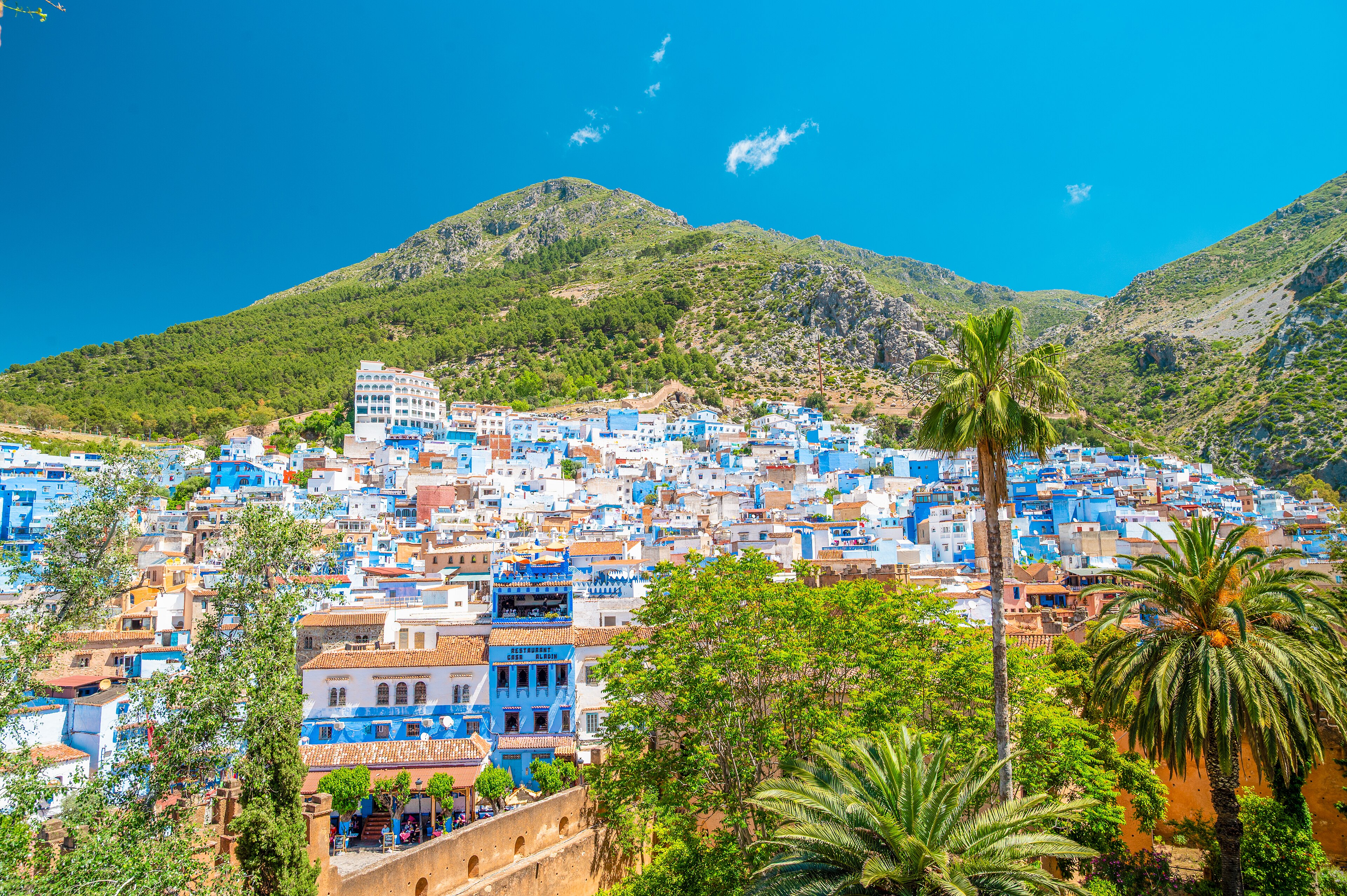
Why Chefchaouen is Perfect for Your Celebration
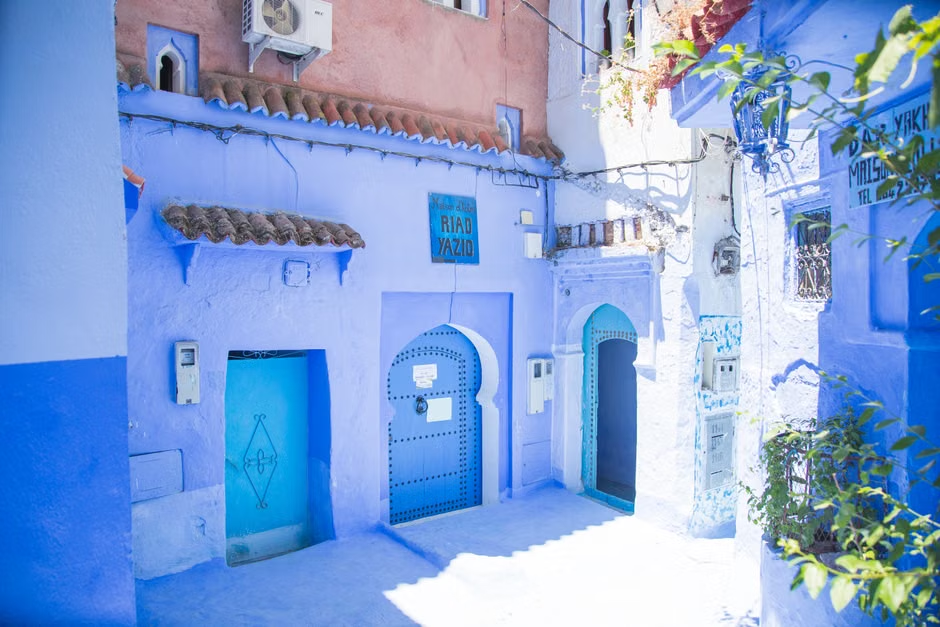
- Iconic blue-washed medina streets create unrivalled photographic backdrops for every event moment
- Boutique riads and mountain guesthouses offer intimate, fully-privatised venue experiences
- Rich Moroccan artisan culture — hand-woven textiles, traditional music, local cuisine — elevates event styling naturally
- Summer months (May–Sep) bring warm, dry mountain air ideal for rooftop and terrace celebrations
- Small-scale, unhurried city atmosphere suits intimate gatherings and elopements over large-scale productions
- Proximity to Tangier and Fes allows guests to combine the event with a broader Moroccan cultural journey
Top Venues in Chefchaouen
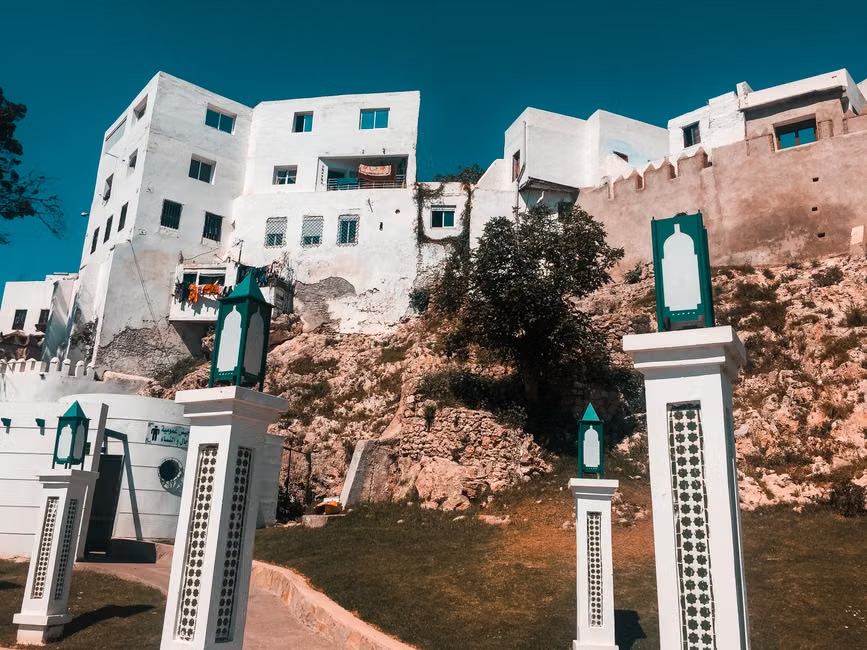
Lina Ryad & Spa
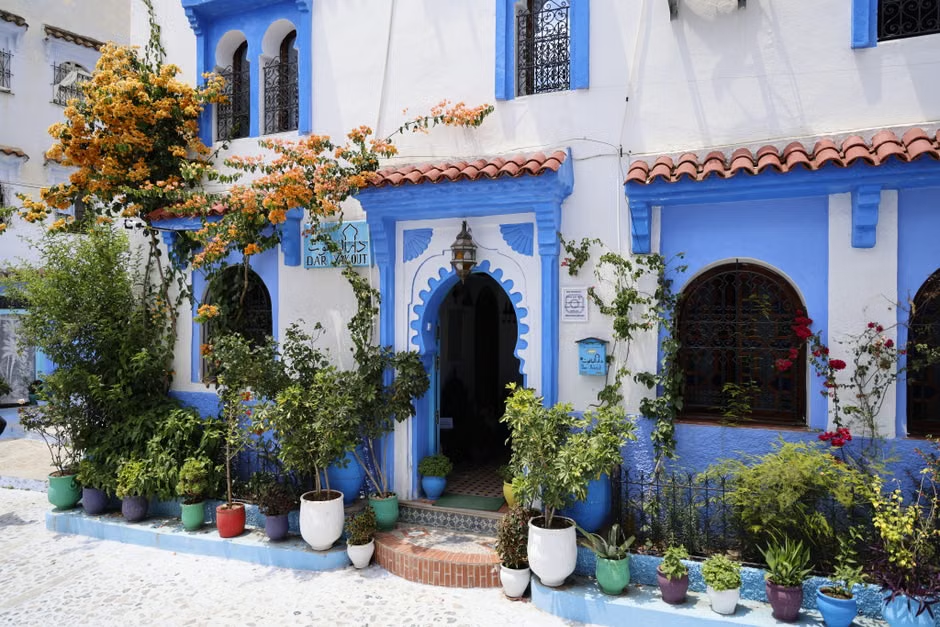
Dar Echchaouen
Riad Cherifa
Compare Chefchaouen with Other Top Destinations
Frequently Asked Questions
Is Chefchaouen a good destination for a wedding?
Yes, particularly for intimate weddings of under 100 guests. Chefchaouen's blue medina, boutique riads, and mountain setting create a visually extraordinary and culturally immersive backdrop. It suits couples prioritising atmosphere, photography, and a distinctive Moroccan experience over large-scale production or conventional resort amenities.
How many guests can realistically be accommodated for an event in Chefchaouen?
Most individual riad venues comfortably seat 20–80 guests for a dinner or ceremony. For groups up to around 120–150, planners typically combine multiple adjacent properties or use a mix of indoor courtyard and outdoor terrace spaces. Events significantly above 150 guests are difficult to host within the medina's boutique venue inventory.
What is the nearest airport to Chefchaouen?
Tangier Ibn Battouta Airport is the closest international gateway, typically reached by a road transfer of approximately two hours. Fes-Saïss Airport is an alternative for guests arriving from certain European hubs, with a transfer of roughly two and a half to three hours. Both airports receive direct flights from major European cities.
Is there a train to Chefchaouen?
No. Chefchaouen has no railway station. Guests travelling by rail within Morocco can reach Tangier or Fes by train, then complete the journey to Chefchaouen by road transfer. All arrivals into the city itself are by road, and the medina's inner alleyways are pedestrianised and inaccessible to vehicles.
What is the best time of year to hold a celebration in Chefchaouen?
May through September is the recommended window. The city's Rif Mountain altitude keeps summer temperatures comfortable — warm days and cool evenings — making outdoor rooftop and courtyard events genuinely pleasant. May and September are particularly good shoulder months with fewer crowds and excellent light. Winter months bring cold nights and frequent rain that make outdoor events impractical.
What kinds of venues are available for events in Chefchaouen?
The venue landscape is defined by boutique riads — traditional Moroccan courtyard houses — and heritage guesthouses within the medina. Most can be fully privatised for a group. Key event spaces include open courtyards, rooftop terraces with mountain views, and medina plazas. Formal banquet halls in the Western sense are not part of the local inventory.
Can a large guest group all stay within the medina?
For groups up to roughly 80–100 guests, accommodation within the medina and its immediate surroundings is generally manageable across multiple riads and guesthouses. Larger groups may need overflow accommodation in nearby areas, which requires coordinated transport. Early booking is essential, as the boutique property inventory has limited total room count.
What local cultural experiences can be incorporated into an event programme?
Chefchaouen offers genuinely rich local programming: traditional Moroccan music (Gnawa, Andalusian), artisan craft workshops, hammam experiences, regional Rif Mountain cuisine, and guided medina walks. These can be woven into a multi-day event itinerary to give guests an immersive cultural experience that goes well beyond the celebration itself.
How accessible is Chefchaouen for guests with mobility limitations?
Accessibility is a genuine challenge. The medina is built on a hillside with cobbled, stepped alleyways and no vehicle access to most properties. Guests who use wheelchairs or have significant difficulty with uneven terrain will find navigation within the medina very difficult. This is an important practical consideration when assessing the destination for a mixed-ability guest group.
Do I need to bring event vendors from outside Chefchaouen?
For most elements beyond traditional Moroccan catering, music, and artisan décor, yes. Specialist vendors for large-scale AV production, formal floristry, and international catering styles are typically sourced from Fes, Tangier, or Marrakech and transported to Chefchaouen. Local riad operators and Chefchaouen-based guides are strong partners for logistics coordination and cultural programming.
Is Chefchaouen safe for international guests attending a celebration?
Generally yes. Chefchaouen is widely regarded as one of Morocco's safer and more relaxed cities for international visitors. The medina has a calm, unhurried atmosphere. Standard travel precautions apply, and guests should be briefed on local customs — particularly around dress and photography etiquette in the medina — to ensure a respectful and comfortable experience.

Ready to explore venues in Chefchaouen?
Chefchaouen: Destination Wedding & Cultural Event Venues in Morocco's Blue City
◆Chefchaouen is best suited to intimate, photography-driven weddings, elopements, and small cultural celebrations. Its primary identity is Cultural & Timeless — a UNESCO-recognised medina city in Morocco's Rif Mountains, defined by blue-washed alleyways, traditional Moroccan architecture, and a deeply artisan local culture. The destination works best for guest groups of under 150, given the boutique scale of its riad and heritage-property inventory. Accessibility requires planning: the nearest airports are a significant road transfer away, and there is no rail connection. Summer months (May through September) offer the most reliable dry, warm conditions for outdoor events.
Chefchaouen at a Glance
| Category | Detail |
|---|---|
| Best For | Intimate Weddings, Elopements, Cultural Celebrations, Pre-Wedding Shoots |
| Primary Vibe | Cultural & Timeless |
| Other Vibes | Bohemian, Romantic, Artisan, Mountain Retreat |
| Best Season | Summer (May, Jun, Jul, Aug, Sep) |
Why Choose Chefchaouen?
- Unmatched visual identity: The blue-and-white medina is one of the most photographed urban environments in the world, providing a naturally extraordinary backdrop for wedding photography and event styling without requiring elaborate decoration.
- Intimate boutique venue ecosystem: Chefchaouen's accommodation and event spaces are almost entirely composed of riads and heritage guesthouses — properties that can be fully privatised for a group, creating an exclusive, immersive experience that large hotel chains cannot replicate.
- Authentic Moroccan cultural programming: Local artisans, traditional Gnawa and Andalusian musicians, hand-woven textile décor, and a rich regional cuisine (including Rif Mountain specialities) allow event planners to build genuinely local, culturally layered celebrations rather than generic international-hotel packages.
- Mountain microclimate in summer: Sitting at roughly 600 metres altitude, Chefchaouen is meaningfully cooler than Morocco's lowland cities during summer, making outdoor evening events comfortable when coastal or desert destinations are uncomfortably hot.
- Privacy and exclusivity: The city's relatively small scale and limited international mass-tourism infrastructure means that a group booking out a riad or a cluster of medina properties genuinely has the space to themselves — a rarity in more heavily touristed Moroccan cities.
- Gateway to broader Morocco: Its position between Tangier and Fes means guests can naturally extend their trip into a wider Moroccan cultural journey, adding value to the destination-wedding proposition for international guests.
Which Celebrations Work Best in Chefchaouen?
- Intimate Destination Weddings: Chefchaouen is particularly well-suited to small weddings of 20–100 guests. The riad format — a traditional Moroccan courtyard house — lends itself naturally to ceremony and reception in a single, fully-privatised space, with rooftop terraces offering mountain and medina views for the evening celebration.
- Elopements & Micro-Weddings: For couples prioritising atmosphere, photography, and a deeply personal experience over scale, Chefchaouen is among the stronger options in North Africa. The medina's alleyways, fountains, and mountain backdrop provide extraordinary settings for a ceremony of just two to twenty people.
- Pre-Wedding Shoots & Honeymoons: The city's visual character makes it a natural choice for pre-wedding photography sessions. Couples frequently combine a shoot in the medina with a honeymoon that extends to Fes or the Moroccan coast.
- Cultural Celebrations & Milestone Events: Significant birthdays, anniversaries, and family reunion gatherings that prioritise cultural immersion over nightlife or large-scale entertainment find Chefchaouen's atmosphere genuinely distinctive. The city's artisan markets, hammams, and local cooking experiences provide natural group programming.
- Retreat-Style Corporate or Creative Events: Small creative retreats, brand experiences, and editorial shoots benefit from the city's visual uniqueness and the ability to privatise boutique properties. This is a niche but genuinely growing use case for the destination.
Venues & Event Spaces
Chefchaouen's event venue landscape is defined almost entirely by boutique riads and heritage guesthouses within or immediately adjacent to the medina. These are traditional Moroccan courtyard properties — typically two to four storeys, built around a central open courtyard, with rooftop terraces that offer panoramic views of the blue city and the Rif Mountains beyond. Most can be fully privatised for a group, functioning simultaneously as accommodation and event space.
Outdoor spaces within these properties — courtyards, terraces, and garden areas — are the primary event settings. Formal banquet halls in the Western sense are largely absent; instead, Moroccan-style seated dinners are typically arranged in courtyard spaces dressed with traditional lanterns, zellige tilework, and hand-woven textiles. The aesthetic is inherently rich and does not require heavy external decoration to achieve a high-impact result.
Beyond individual riads, the medina itself — its plazas, fountains, and stepped alleyways — can serve as a backdrop for processions, photography, and informal celebrations, subject to local coordination. Mountain viewpoints on the city's outskirts, particularly around the Spanish Mosque hill, offer open-air settings with sweeping landscape views suitable for ceremony or photography.
Guest capacity across the available venue inventory is generally modest. Properties that can comfortably accommodate a seated dinner of 100 or more guests in a single space are rare; most riads are better suited to groups of 20–80. For larger gatherings, event planners typically work across multiple adjacent properties or use a combination of indoor and outdoor medina spaces.
Best Time to Celebrate
The curated best season for events in Chefchaouen is Summer: May through September. At altitude in the Rif Mountains, this period delivers warm, reliably dry days and pleasantly cool evenings — conditions that are genuinely comfortable for outdoor celebrations in a way that Morocco's lowland summer heat is not. Daytime temperatures in the medina during this period typically range from the mid-20s to low 30s Celsius, dropping to comfortable levels after sunset, which suits the long evening dinners and rooftop celebrations that define events here.
May and September are particularly well-regarded shoulder months within this window: the city is less crowded than peak July–August, the light is excellent for photography, and the mountain landscape is at its most lush and green in May following spring rains.
Winter (November through February) is the least suitable period for outdoor events. Chefchaouen's mountain elevation means temperatures can drop to near-freezing at night, and rainfall is frequent and sometimes heavy. While the medina retains its visual character year-round, the practical conditions for outdoor celebrations — rooftop dinners, courtyard ceremonies — are significantly compromised.
Spring (March–April) brings improving temperatures but remains unpredictable, with lingering rain and cool evenings that can disrupt outdoor event plans. October can be a reasonable shoulder month — generally drier than spring and still mild — but it sits outside the curated best-season window and should be treated as a contingency rather than a primary planning target.
Getting There & Local Connectivity
Chefchaouen has no airport and no railway station of its own. Guests arriving by air typically land at Tangier Ibn Battouta Airport, which is the closest international gateway, followed by a road transfer of approximately two hours. Fes-Saïss Airport is an alternative entry point for guests arriving from certain European hubs, with a road transfer of roughly two and a half to three hours. Both airports receive direct flights from major European cities, particularly from Spain, France, the UK, and the Netherlands, making the destination reasonably accessible for European guests despite the transfer requirement.
Within Morocco, Tangier and Fes are both served by the national rail network, and guests can travel by train to either city before completing the journey to Chefchaouen by road. There is no direct bus or train service into the medina itself; the final leg is always by road.
Once in Chefchaouen, the medina is almost entirely pedestrianised. Vehicles cannot access the inner alleyways, which means luggage and event supplies must be carried or transported by hand cart from the nearest accessible road. For event logistics — deliveries, catering equipment, floral arrangements — this requires advance coordination with local suppliers who are familiar with medina access constraints. Local taxis and hired minibuses serve transfers between the city and the surrounding region, but the narrow mountain roads require experienced local drivers, particularly for larger groups.
Local Vendor & Hospitality Ecosystem
Chefchaouen has a well-established, if boutique-scale, hospitality ecosystem built around independent riad operators, local guides, and artisan suppliers. The city has been a significant destination for independent travellers and small-group tours for decades, which means local hosts are generally experienced in managing international guests and coordinating multi-day stays.
For events specifically, the vendor ecosystem is more limited than in Morocco's larger event cities. Dedicated wedding planners and event production companies based in Chefchaouen itself are few; most couples and event organisers work with planners based in Fes, Marrakech, or Tangier who have established supplier networks in Chefchaouen. Local strengths include traditional Moroccan catering (tagines, couscous, pastilla, and regional Rif specialities), artisan décor sourcing (hand-woven fabrics, ceramic lanterns, zellige tilework), and traditional live music. International catering styles, large-scale AV production, and formal floral design at a high level typically require suppliers brought in from larger Moroccan cities.
Accommodation capacity across the city is sufficient for small to medium guest groups, with a range of riads and guesthouses that can collectively house 50–150 guests within the medina and its immediate surroundings. For larger groups, overflow accommodation in nearby towns may be necessary, which adds a logistical layer to group management.
Pros & Things to Consider
Why Chefchaouen Works Well
- Visually extraordinary and globally recognisable setting that requires minimal external decoration to achieve a high-impact aesthetic
- Boutique riad properties can be fully privatised, creating an exclusive and immersive group experience
- Authentic Moroccan cultural programming — music, cuisine, artisan crafts — is naturally available and locally sourced
- Mountain altitude makes summer events genuinely comfortable, unlike Morocco's hotter lowland cities in the same season
- Strong appeal for international guests seeking a culturally distinctive destination rather than a conventional resort setting
- Relatively unhurried, low-commercialisation atmosphere compared to Marrakech or Fes, which suits intimate celebrations
Things to Consider
- No airport or railway station in the city itself; all guests require a road transfer of at least two hours from the nearest air hub, which adds cost and complexity for large groups
- Venue capacity is inherently limited by the boutique riad format — events of more than 100–120 guests in a single space are difficult to accommodate without significant logistical creativity
- The pedestrianised medina creates real logistical challenges for event supply deliveries, catering equipment, and accessibility for guests with mobility limitations
- Dedicated local event production infrastructure is thin; most specialist vendors (large-scale catering, AV, formal floristry) need to be sourced from and transported from larger Moroccan cities
- Winter and early spring conditions are genuinely unsuitable for outdoor events, limiting the practical planning window
- Internet and mobile connectivity within the medina can be inconsistent, which affects real-time event coordination
When Chefchaouen May Not Be the Right Fit
- Large guest lists (150+): The local venue and accommodation inventory is not designed for large-scale events. Groups significantly above 100 guests will find it difficult to host a single-venue celebration and may face accommodation shortfalls within the medina.
- Guests with significant mobility limitations: The medina's cobbled, stepped alleyways and the absence of vehicle access to most properties make Chefchaouen genuinely challenging for guests who use wheelchairs or have difficulty with uneven terrain.
- Events requiring large-scale production: If the event vision involves elaborate stage sets, large AV rigs, formal ballroom-style banqueting, or a high-volume catering operation, Chefchaouen's boutique infrastructure will not comfortably support it without importing most of the production from outside the city.
- Guests travelling from destinations without direct European connections: For guest groups flying from outside Europe or North Africa, the routing through Tangier or Fes adds meaningful travel time and connection complexity that may make a more directly accessible destination a better practical choice.