
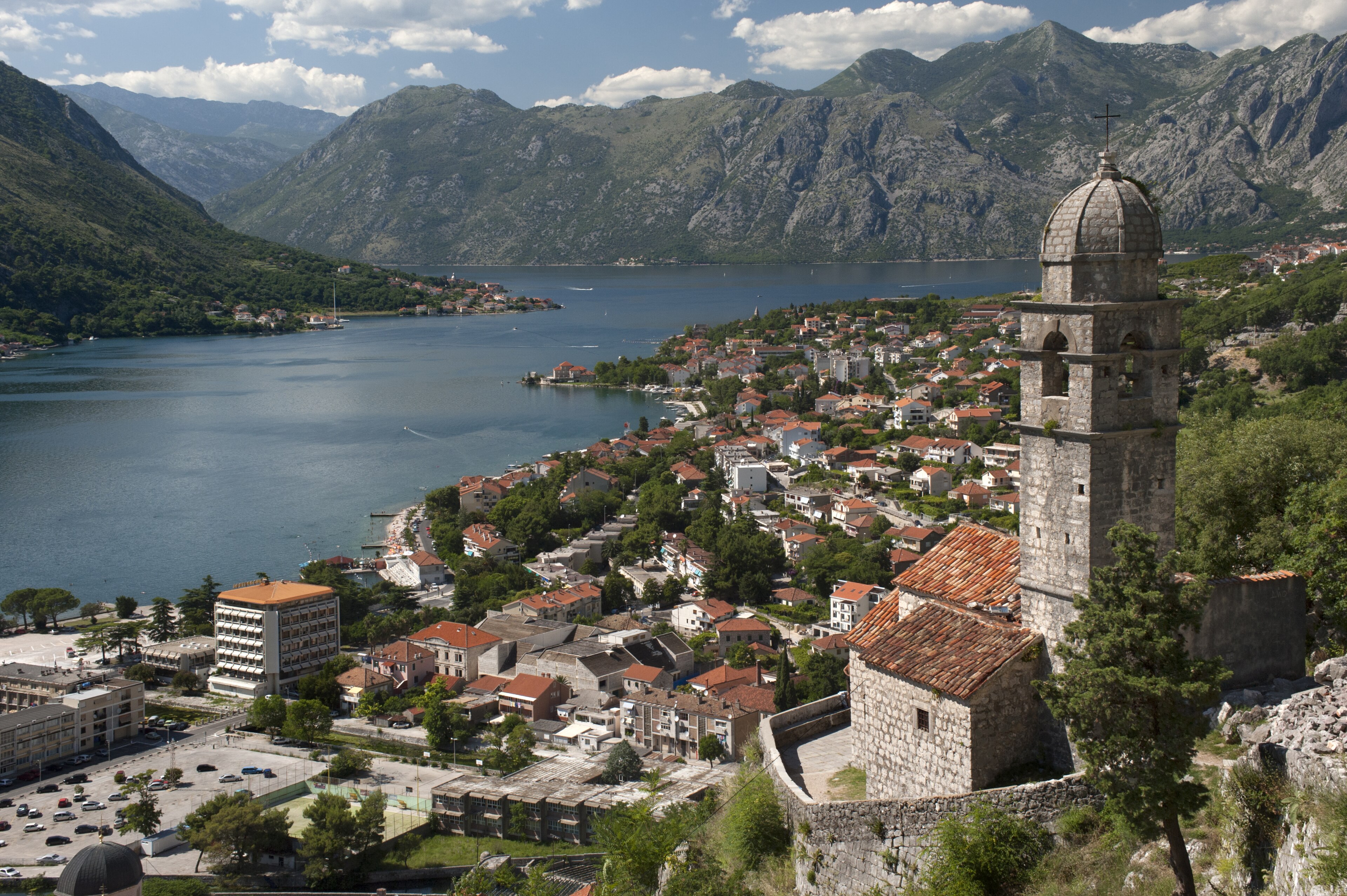
Why Kotor is Perfect for Your Celebration
- UNESCO-listed Old Town provides a genuinely unique, centuries-old backdrop for ceremonies and celebrations
- The Bay of Kotor's dramatic mountain-meets-sea scenery creates unmatched natural photography settings
- Warm, dry Mediterranean summers (May–September) offer reliable outdoor event conditions
- Intimate scale of the destination suits smaller, exclusive guest groups seeking privacy and character
- Venetian-era stone architecture, historic churches, and waterfront promenades offer diverse ceremony settings
- Proximity to Tivat Airport (approx. 8 km) makes international guest arrivals straightforward during peak season

Compare Kotor with Other Top Destinations
Frequently Asked Questions
Is Kotor a good destination for a wedding?
Yes. Kotor is particularly well-suited to intimate destination weddings, typically for guest groups of under 150 people. Its UNESCO-listed medieval Old Town, dramatic Bay of Kotor scenery, and reliable Mediterranean summer climate create a genuinely distinctive setting. It suits couples prioritising atmosphere, heritage, and a European coastal character over large-scale resort-style production.
How many guests can Kotor realistically accommodate for a destination event?
Kotor works best for events of roughly 50–150 guests. The Old Town's boutique properties are intimate by nature, and while the broader bay area adds some capacity, the destination's overall hotel and venue inventory is not suited to very large guest lists. Groups significantly above 150–200 guests may find accommodation and venue options stretched.
What is the best time of year to hold a wedding or celebration in Kotor?
May through September is the curated best season. May, June, and September offer the most comfortable conditions — warm weather, good light, and lighter crowds. July and August are warmest and have the longest days but also the highest tourist volumes. Outside this window, many venues and vendors operate on reduced schedules, making event planning significantly more difficult.
How do guests get to Kotor for a destination event?
The primary gateway is Tivat Airport, approximately 8 km from Kotor's Old Town, which receives direct flights from numerous European cities during the summer season. Dubrovnik Airport in Croatia is a secondary option, roughly 90 km away by road, with broader international connections. There is no direct rail link to Kotor, so road transfers are the standard arrival method for all guests.
What kinds of venues are available for events in and around Kotor?
Kotor offers heritage boutique hotels within the Old Town walls, waterfront properties along the bay, and a significant luxury marina-based resort in the nearby Tivat area. Outdoor spaces — stone courtyards, waterfront terraces, and fortification viewpoints — are commonly used for ceremonies. The destination suits intimate, character-driven events rather than large banquet-hall-style productions.
Is it easy to arrange accommodation for a large guest group in Kotor?
For groups up to around 100–150 guests, accommodation can generally be arranged across a combination of Old Town boutique hotels and bay-area properties. For larger groups, guests will need to be distributed across a wider area, which requires coordinated transport planning. Booking well in advance — ideally 12 months or more for summer dates — is strongly advisable given limited inventory.
What local transport options are available for guests once they arrive in Kotor?
Private minibus and coach transfers are the standard and most practical option for event groups. The Old Town itself is pedestrian-only, so vehicles drop off at the city walls. Water taxis on the Bay of Kotor provide a scenic and practical transfer option between waterfront properties. A car ferry at Lepetane–Kamenari significantly shortens road journeys across the bay.
Are there experienced local wedding and event vendors in Kotor?
Yes, to a reasonable degree. Kotor has developed a growing destination wedding vendor ecosystem — local planners, photographers, florists, and catering specialists with international event experience are available. However, the pool is smaller than in major European wedding capitals, and some specialist services may need to be sourced from Croatia or further afield, which is worth factoring into planning timelines.
What makes Kotor's setting distinctive compared to a typical resort destination?
Kotor is a living, UNESCO-listed medieval city — not a purpose-built resort. Its Venetian-era stone architecture, ancient city walls, and position at the foot of dramatic limestone mountains give events here a depth of cultural and historical character that resort destinations typically cannot replicate. The Bay of Kotor's fjord-like scenery adds a natural grandeur that is genuinely rare in Southern Europe.
Can outdoor ceremonies be held in Kotor's Old Town?
Yes. The Old Town's stone squares, historic church forecourts, and waterfront promenades are commonly used for outdoor ceremonies during the summer season. The pedestrian-only character of the walled city means these spaces are free from traffic, though they are public areas and coordination with local authorities is typically required for private event use.
Is Kotor safe for international guests travelling for a wedding or event?
Yes. Montenegro, and Kotor specifically, is generally considered very safe for international visitors. The Old Town and bay area are well-established tourist destinations with a strong hospitality culture. Standard travel precautions apply, but there are no significant safety concerns that would affect event planning or guest comfort during the summer season.

Ready to explore venues in Kotor?
Kotor: Destination Wedding & Event Venues in Montenegro's Medieval Bay
◆Kotor is a UNESCO World Heritage-listed medieval walled city on the Adriatic coast of Montenegro, best suited to intimate destination weddings, anniversary celebrations, cultural gatherings, and small corporate retreats. Its primary vibe is Cultural & Timeless — defined by Venetian-era stone architecture, ancient city walls, and a dramatic bay framed by limestone mountains. The best season runs from May through September, when the Mediterranean climate delivers warm, dry days ideal for outdoor ceremonies and waterfront events. Guest access is generally straightforward via Tivat Airport, approximately 8 km away, or via Dubrovnik Airport across the Croatian border. The destination suits smaller, exclusive guest groups rather than large-scale mass events, and its character is distinctly European heritage rather than resort-style luxury.
Kotor at a Glance
| Category | Detail |
|---|---|
| Best For | Intimate destination weddings, anniversary celebrations, cultural events, small corporate retreats |
| Primary Vibe | Cultural & Timeless |
| Other Vibes | Romantic, Coastal, Heritage, Adriatic |
| Best Season | Summer (May, Jun, Jul, Aug, Sep) |
Why Choose Kotor?
- UNESCO-listed Old Town as a living venue: Kotor's medieval walled city is not a reconstructed heritage site — it is a functioning, inhabited historic town whose stone squares, Venetian palaces, and Romanesque churches provide a genuinely rare ceremonial backdrop that few European destinations can match.
- Dramatic natural scenery: The Bay of Kotor — often described as Southern Europe's only true fjord — creates a landscape of mountain cliffs meeting calm Adriatic waters, producing extraordinary natural photography conditions throughout the summer season.
- Reliable summer climate: May through September brings consistently warm, dry Mediterranean weather with long daylight hours, making outdoor ceremonies, waterfront dinners, and boat excursions reliably plannable without significant weather risk.
- Intimate scale and exclusivity: Kotor is not a mass-tourism resort destination. Its relatively compact size and limited large-scale hotel inventory mean events here feel genuinely private and curated rather than generic, which is a strong draw for couples seeking a distinctive experience.
- Proximity to Tivat Airport: With Tivat Airport just approximately 8 km from the Old Town, international guests — particularly those flying from European hubs — can arrive with minimal transfer time, reducing logistical friction for destination event planning.
- Rich local cultural character: Venetian, Byzantine, and Austro-Hungarian influences layer across Kotor's architecture, cuisine, and traditions, giving events here a depth of cultural context that purely resort-based destinations typically cannot offer.
Which Celebrations Work Best in Kotor?
- Intimate destination weddings: Kotor is particularly well-suited to smaller weddings — typically under 150 guests — where the couple prioritises atmosphere, heritage, and a genuinely European setting over large-scale production. The Old Town's stone squares and waterfront promenades serve as natural ceremony spaces, and the surrounding bay offers boat transfers and scenic excursions as part of the wider celebration experience.
- Anniversary and vow renewal celebrations: The romantic, timeless character of the walled city makes it an excellent choice for milestone anniversary events. The combination of historic setting, Adriatic scenery, and boutique hospitality creates a naturally celebratory atmosphere without requiring elaborate event production.
- Cultural and heritage gatherings: Groups with an interest in history, architecture, or Mediterranean culture will find Kotor's Old Town a genuinely engaging backdrop for cultural events, private tours, and curated dining experiences within historic spaces.
- Small corporate retreats and incentive travel: The destination's combination of accessible European location, distinctive scenery, and quality boutique and luxury accommodation (including the marina-based luxury property at nearby Porto Montenegro) makes it a credible choice for high-end corporate incentive groups seeking something beyond a standard conference hotel.
Venues & Event Spaces
Kotor's event venue landscape is defined by heritage boutique hotels within the Old Town walls, waterfront properties along the bay, and — for larger or more luxury-oriented events — marina-based resort hotels in the immediately surrounding area. Within the walled city itself, venues tend to be intimate in scale: stone-walled courtyards, historic palaces repurposed as boutique hotels, and open terraces overlooking the bay. These spaces are best suited to ceremonies and dinners for smaller guest groups, where the architectural character of the space is itself a central feature of the event.
Beyond the Old Town, the broader Bay of Kotor area offers larger resort-style properties with dedicated event facilities, outdoor lawns, and waterfront terraces capable of accommodating somewhat larger gatherings. The marina district at nearby Tivat, in particular, hosts a significant luxury property with professional event infrastructure suited to more elaborate celebrations. Outdoor spaces — including waterfront promenades, historic fortification terraces, and private boat charters on the bay — are commonly incorporated into multi-day event programmes, giving celebrations here a distinctive experiential dimension that purely indoor venues cannot replicate.
Best Time to Celebrate
The curated best season for events in Kotor is May through September, aligned with the Mediterranean summer. Here is why each part of that window has a distinct character:
- May and June are generally considered the most comfortable months for events. Temperatures are warm but not extreme, crowds are lighter than peak summer, and the landscape is at its most lush and green. These months are particularly well-suited to outdoor ceremonies and daytime events.
- July and August bring the warmest temperatures and the longest days, but also the highest tourist volumes. The walled city can feel crowded during peak daytime hours, and the heat within the stone walls can be intense. Evening events and waterfront settings are more comfortable than midday indoor-outdoor transitions. Guests should be prepared for a busier, more energetic atmosphere.
- September offers a strong balance: the sea remains warm, temperatures begin to ease, and crowds thin noticeably after the August peak. For many event planners, September represents the optimal month within the season — combining reliable weather with a more relaxed local atmosphere.
Outside this window, October through April brings cooler temperatures, increased rainfall, and a significant reduction in local hospitality and tourism services. Many boutique properties operate on reduced schedules or close entirely during winter months. While the Old Town retains its architectural beauty year-round, the practical infrastructure for hosting events — outdoor spaces, boat charters, vendor availability — is substantially diminished outside the summer season.
Getting There & Local Connectivity
By air: Tivat Airport is the primary gateway for guests travelling to Kotor, located approximately 8 km from the Old Town — one of the shortest airport-to-city-centre transfers of any European destination wedding location. During the summer season, Tivat receives direct flights from a range of European cities, making it genuinely accessible for international guest groups. Dubrovnik Airport in Croatia is a secondary option, approximately 90 km away by road, and offers a broader range of international connections — particularly useful for guests travelling from outside Europe or from cities without direct Tivat routes.
By road: The Bay of Kotor is navigable by road, though the coastal route around the bay can be time-consuming. A car ferry crossing at Lepetane–Kamenari significantly shortens the journey between the northern and southern shores of the bay, and is commonly used for guest transfers. For groups, private minibus or coach transfers are the standard and most practical arrangement — local transfer operators are well-established and experienced with event group logistics during the summer season.
By rail: Kotor has no direct railway connection. The nearest rail access point is the city of Bar on Montenegro's Adriatic coast, which connects to the capital Podgorica and beyond — but this route is not a practical primary arrival option for international event guests and is rarely used for destination event logistics.
Local movement: Within Kotor's Old Town, the walled city is pedestrian-only, which is part of its charm but also a logistical consideration for guests with mobility requirements or for moving event equipment. Vehicles can access the immediate surroundings of the walls, and water taxis on the bay provide a scenic and practical transfer option between properties along the waterfront.
Local Vendor & Hospitality Ecosystem
Kotor has developed a reasonably mature destination wedding and events vendor ecosystem over the past decade, driven by growing international interest in the Bay of Kotor as a European wedding destination. Local and regionally-based wedding planners, photographers, florists, and catering specialists with experience in international events are available, though the ecosystem is smaller and less deep than that of major European wedding capitals. For highly specialised requirements — large-scale production, specific international cuisine, or very large floral installations — couples and planners should expect to source some vendors from outside Montenegro, typically from Croatia or further afield.
Hospitality standards within the better-established properties in and around Kotor are generally strong, with staff in the main hotels and boutique properties accustomed to international guests and multilingual service. English is widely spoken in the tourism and hospitality sector during the summer season. Local cuisine — Adriatic seafood, Montenegrin grilled meats, and regional wines — is a genuine asset for event catering, and incorporating local food and drink into a celebration is both practical and experientially distinctive.
Pros & Things to Consider
Why Kotor Works Well
- UNESCO-listed Old Town provides an irreplaceable, genuinely historic ceremonial setting
- Dramatic bay and mountain scenery creates outstanding natural photography conditions
- Reliable Mediterranean summer climate with long daylight hours for outdoor events
- Tivat Airport's proximity (approx. 8 km) makes international guest arrivals efficient
- Intimate destination scale suits couples seeking exclusivity over mass-event infrastructure
- Rich local food, wine, and cultural traditions add authentic character to event programmes
- Water-based experiences (bay boat charters, waterfront dinners) offer distinctive event elements
Things to Consider
- Limited large-scale venue capacity: Kotor is not suited to very large guest lists. The Old Town's boutique properties and the broader bay area's hotel inventory are best matched to events of under 150–200 guests; significantly larger groups will find the local accommodation and venue infrastructure stretched.
- Peak-season crowds: July and August bring high tourist volumes to the Old Town, which can affect the exclusivity and atmosphere of events held during daytime hours. Evening events and off-peak timing within the season mitigate this.
- Pedestrian-only Old Town logistics: The walled city's car-free interior, while atmospheric, requires careful planning for guest mobility, equipment access, and catering logistics — particularly for guests with mobility limitations.
- Smaller vendor ecosystem: Compared to larger European wedding destinations, the local vendor pool is more limited, and some specialist services may need to be sourced internationally, adding planning complexity.
- Seasonal service availability: Outside May–September, many properties and vendors operate on reduced schedules or close entirely, making off-season event planning significantly more challenging.
- Road transfer dependency: Without a direct rail connection, all guest arrivals depend on road or air transfers, which requires coordinated group transport planning — particularly for guests arriving via Dubrovnik Airport.
When Kotor May Not Be the Right Fit
- Very large guest lists: If your event requires accommodation and venue space for significantly more than 150–200 guests within a single destination, Kotor's current hotel and venue inventory will likely be insufficient without dispersing guests across a wide area, which complicates logistics.
- Off-season or winter events: Couples or planners set on an October–April event date will find Kotor's hospitality infrastructure substantially reduced, with limited venue options, fewer vendors, and cooler, wetter weather that makes the destination's primary outdoor and waterfront appeal largely unavailable.
- Guests with very limited European flight access: While Tivat Airport is convenient for European travellers, guests flying from outside Europe — particularly from South Asia, the Americas, or East Asia — will typically require a connecting flight, adding travel time and complexity. Groups with a majority of long-haul guests may find a destination with a major international hub airport more practical.
- Events requiring large-scale production infrastructure: Kotor is not set up for very large, production-heavy events requiring extensive staging, large outdoor screens, or significant technical infrastructure. The intimate, heritage character of the destination is its strength — events that require the opposite of that will be better served elsewhere.