
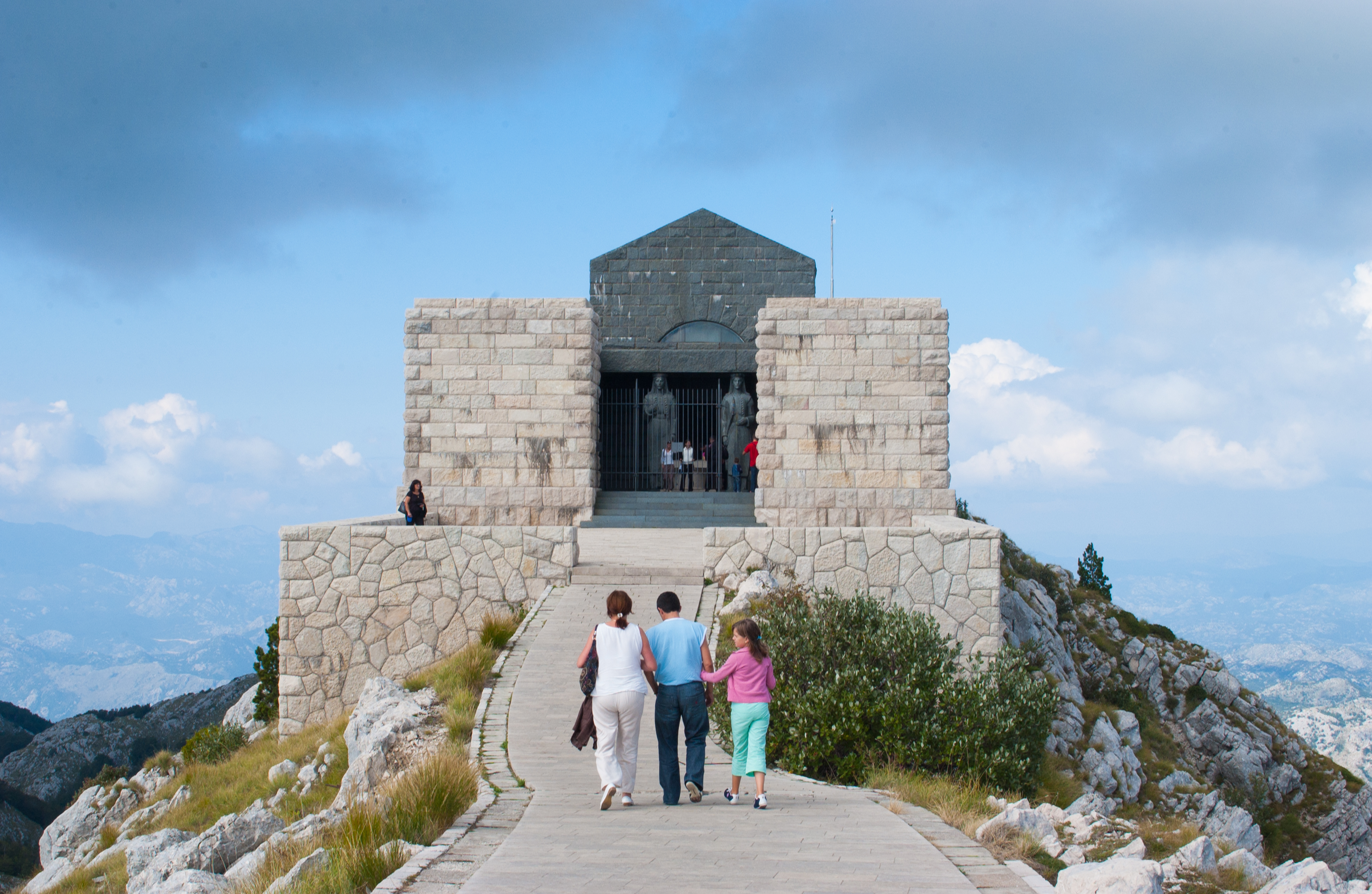
Why Cetinje is Perfect for Your Celebration
- Historic royal palaces and monastery courtyards provide genuinely unique ceremony backdrops
- Small, intimate city scale suits boutique weddings and exclusive private celebrations
- Spring and early autumn bring lush highland greenery and comfortable outdoor temperatures
- Authentic Montenegrin cultural character — folk traditions, local cuisine, and artisan hospitality
- Proximity to Podgorica (approx. 40 km) gives guests a practical gateway with international flights
- Low tourist density outside peak summer means greater privacy and exclusivity for events
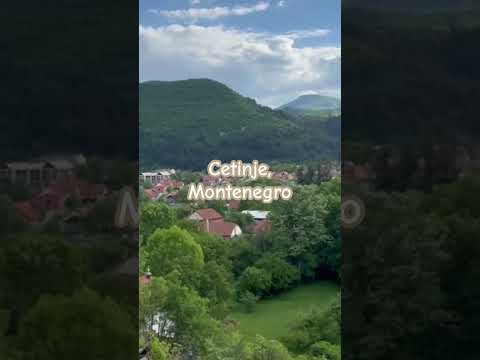
Top Venues in Cetinje
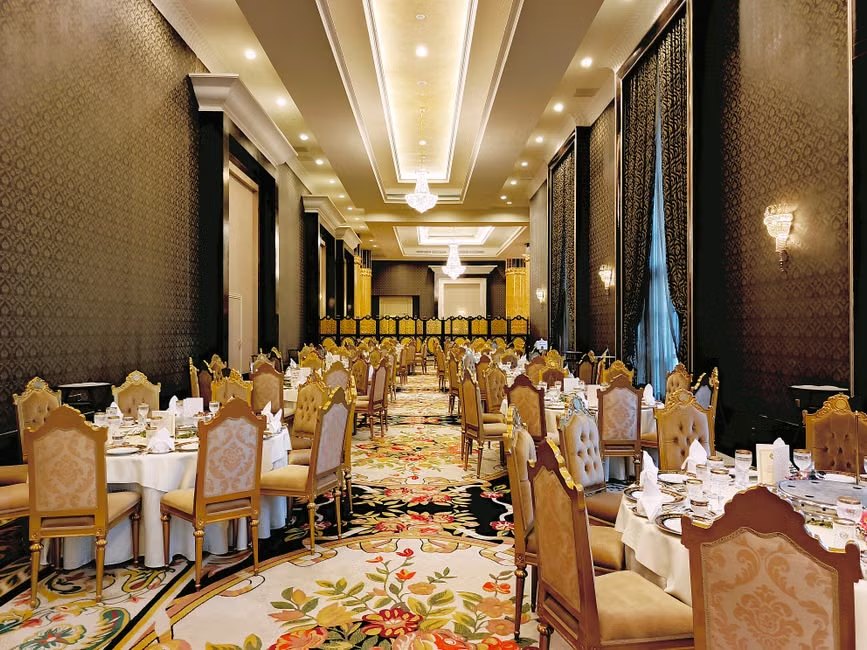
Hotel Grand
Compare Cetinje with Other Top Destinations
Frequently Asked Questions
Is Cetinje a good destination for an intimate destination wedding?
Yes, particularly for smaller, culturally immersive weddings. Cetinje's royal palaces, monastery courtyards, and heritage architecture create genuinely distinctive ceremony settings. The city works best for guest lists of roughly 20–150 people, where the intimate scale and authentic Montenegrin character are assets rather than limitations. Couples seeking a unique, non-resort European wedding location will find it a compelling choice.
What is the best time of year to hold a wedding or celebration in Cetinje?
April, May, June, September, and October are the recommended months. Spring brings lush highland scenery and mild temperatures ideal for outdoor ceremonies, while September and October offer clear skies and warm autumnal tones. July and August can be warm and dry, and November through March brings cold, rain, and occasional snow that makes outdoor events impractical.
How do guests typically travel to Cetinje for an event?
Most guests fly into Podgorica Airport (TGD), Montenegro's main international airport, approximately 40 km from Cetinje. The road transfer takes roughly 45–60 minutes. There is no active passenger rail service directly to Cetinje, so private coach or minibus transfers from Podgorica are the standard and most practical arrangement for event groups.
What kinds of venues are available in Cetinje for weddings and events?
Cetinje offers heritage properties, historic villas, monastery-adjacent courtyards, and boutique hotel function spaces rather than large resort complexes. Outdoor ceremonies in landscaped courtyards and highland settings are popular during spring and autumn. The venue landscape suits intimate, character-driven events — groups needing large ballroom capacity for several hundred guests may find the local inventory limiting.
How large a guest list can Cetinje realistically accommodate?
Cetinje is best suited to guest lists of approximately 20–150 people. The city's heritage venues and boutique hotel properties are configured for intimate gatherings rather than mass-attendance events. Larger groups can be accommodated by using multiple spaces across the city, but a single venue handling 200+ guests in one space is not currently a realistic expectation from the local inventory.
Is there enough accommodation in Cetinje for a destination wedding group?
For smaller groups (up to around 80–100 guests), accommodation within Cetinje itself is generally manageable across the city's heritage hotels and guesthouses. Larger groups will typically need to distribute guests between Cetinje and Podgorica, with coordinated road transfers. Planning accommodation well in advance — particularly for spring and early autumn events — is strongly recommended.
What makes Cetinje culturally distinctive as an event destination?
Cetinje was the royal capital of the Kingdom of Montenegro and retains an unusually intact collection of royal-era palaces, former embassy buildings, and the Cetinje Monastery — one of the most significant Orthodox sites in the Balkans. This gives celebrations here a genuine historical and cultural depth that is rare in European event destinations of this size, and which guests from abroad consistently find memorable.
Are local wedding vendors and caterers available in Cetinje?
Yes, though the local vendor ecosystem is modest in scale. Local caterers, folk musicians, and artisan suppliers are available and well-suited to celebrations incorporating Montenegrin cultural elements. Specialist wedding photographers, florists, and event production companies may need to be sourced from Podgorica. Planning with sufficient lead time and working with a local coordinator is advisable.
What is the local food and catering character like for events in Cetinje?
Montenegrin highland cuisine is a genuine strength — smoked meats, aged cheeses, wild herbs, local honey, and robust regional wines are distinctive and high quality. Incorporating local food into a celebration menu is both practical and a genuine point of difference for international guests. Local catering operations are generally experienced in serving groups, even if large-scale banquet infrastructure is limited.
Is Cetinje safe for international guests attending a wedding or event?
Yes. Montenegro is generally considered a very safe country for international visitors, and Cetinje in particular — as a small, historically significant city with a strong civic identity — has a calm, welcoming character. Standard travel precautions apply, but safety is not typically a concern that event planners or guests need to prioritise when choosing Cetinje.
Can Cetinje work as part of a broader Montenegrin event itinerary?
Yes, and this is a popular approach. Cetinje is approximately 30–45 minutes by road from the Bay of Kotor and the Budva Riviera, making it feasible to combine a ceremony or cultural experience in Cetinje with coastal accommodation and activities. Many groups use Cetinje for its heritage character — a monastery visit, a highland ceremony, a cultural dinner — as part of a multi-day Montenegrin celebration itinerary.

Ready to explore venues in Cetinje?
Cetinje: Destination Wedding & Cultural Event Venues in Montenegro
◆Cetinje is Montenegro's historic royal capital — a compact, culturally rich highland city best suited to intimate weddings, cultural festivals, and social celebrations where heritage and authenticity matter more than large-scale resort infrastructure. Its primary vibe is Cultural & Timeless, shaped by royal palaces, Orthodox monasteries, and a preserved old-town character. The best seasons are spring and early autumn (April, May, June, September, October), when highland temperatures are comfortable and the landscape is at its most photogenic. Accessibility is moderate — guests typically fly into Podgorica and transfer by road — making Cetinje most practical for smaller, curated guest lists rather than mass-attendance events.
Cetinje at a Glance
| Category | Detail |
|---|---|
| Best For | Intimate Weddings, Cultural Celebrations, Festivals & Social Events, Heritage Gatherings |
| Primary Vibe | Cultural & Timeless |
| Other Vibes | Royal, Historic, Intimate, Highland |
| Best Season | Spring (Apr, May, Jun, Sep, Oct) |
Why Choose Cetinje?
- Genuine royal and monastic heritage: Cetinje served as the royal capital of the Kingdom of Montenegro, and its palaces, embassies, and the Cetinje Monastery are among the most historically significant sites in the Western Balkans — providing ceremony and reception backdrops that are genuinely irreplaceable rather than merely decorative.
- Intimate scale and exclusivity: The city's small population and limited tourist infrastructure mean that a well-organised private event can feel genuinely exclusive, without competing with large resort crowds or commercial wedding conveyor-belt operations.
- Dramatic highland scenery: Positioned on the Cetinje plateau and surrounded by the Lovćen massif, the landscape offers striking natural drama — particularly in spring when the surrounding mountains are green and the light is clear — that larger coastal or urban venues simply cannot replicate.
- Authentic Montenegrin cultural character: Local folk traditions, regional cuisine, and a strong sense of national identity give celebrations here a distinctive cultural texture that guests from abroad find genuinely memorable and different from standard European wedding destinations.
- Practical gateway via Podgorica: Montenegro's capital and main international airport is approximately 40 km away, making Cetinje reachable for international guests without requiring multiple connecting flights, even if the final leg is a road transfer rather than a direct rail or shuttle link.
- Low commercial saturation: Unlike heavily marketed wedding destinations, Cetinje's event scene remains relatively undeveloped, which can translate into greater flexibility, more personalised vendor relationships, and a less formulaic planning experience for couples seeking something genuinely different.
Which Celebrations Work Best in Cetinje?
- Intimate destination weddings: Cetinje is particularly well-suited to smaller weddings — typically under 150 guests — where the couple prioritises cultural depth, historic surroundings, and a sense of place over large ballroom capacity or resort-scale amenities. The city's monastery courtyards, historic villas, and heritage properties create ceremony settings that are hard to find elsewhere in Europe at this scale.
- Cultural festivals and heritage gatherings: The city has a long tradition of hosting cultural events tied to Montenegrin national identity, Orthodox religious observance, and Balkan folk traditions. Groups organising cultural tours, heritage festivals, or community celebrations will find the local infrastructure and civic character genuinely supportive.
- Social celebrations and milestone events: Significant anniversaries, family reunions, and milestone birthday celebrations suit Cetinje well — the intimate city scale, the quality of local hospitality, and the scenic highland setting combine to make a small group feel genuinely hosted rather than processed.
- Photography and creative retreats tied to events: The visual richness of Cetinje — its faded royal grandeur, cobbled streets, mountain backdrops, and Orthodox iconography — makes it an exceptional location for event-adjacent photography, creative workshops, or pre/post-wedding experiences that form part of a broader celebration itinerary.
Venues & Event Spaces
Cetinje's venue landscape is characterised by heritage properties and historic civic buildings rather than purpose-built resort complexes. The most distinctive event spaces are typically found within or adjacent to the city's royal-era architecture — former embassy buildings, historic villas, and monastery-adjacent courtyards that lend an unmistakable sense of occasion to any gathering held within them.
For indoor receptions and banquets, the city's hotel properties — which skew toward the boutique and heritage end of the market — offer intimate dining rooms and function spaces suited to smaller guest lists. Outdoor celebrations can make use of landscaped courtyards, terraced gardens, and the open highland plateau surrounding the city, particularly during the spring and early autumn seasons when weather conditions are most reliable.
It is worth noting that Cetinje does not currently offer the large-scale ballroom or resort-lawn infrastructure that some other Montenegrin destinations (such as the Bay of Kotor coastal strip) can provide. Groups requiring capacity for several hundred guests in a single venue may find the local inventory limiting, and should plan accordingly — either by using multiple spaces across the city or by considering a hybrid approach that uses Cetinje for ceremony and cultural experiences while relocating the main reception to a larger nearby venue.
Best Time to Celebrate
The curated best season for Cetinje is Spring, covering April, May, June, September, and October. This recommendation reflects the specific character of Cetinje's highland climate, which differs meaningfully from Montenegro's Adriatic coastal strip.
April and May bring the most visually dramatic conditions — the Lovćen massif and surrounding plateau are intensely green after winter rainfall, wildflowers are in bloom, and daytime temperatures are comfortably mild (typically 12°C–20°C) without the heat that builds through July and August. These months are generally the most photogenic for outdoor ceremonies and are well-suited to daytime events.
June extends the spring window with longer daylight hours and warmer evenings, making it suitable for outdoor evening receptions. By late June, temperatures begin to climb and the landscape starts to dry, but conditions remain generally pleasant for events.
September and October offer a second, often underrated window. The summer heat has passed, the tourist season on the coast is winding down (meaning better availability and a quieter atmosphere), and the highland landscape takes on warm autumnal tones that photograph beautifully. October in particular can offer very clear, crisp days with excellent visibility across the mountains.
July and August are less ideal for Cetinje events despite being Montenegro's peak tourist season overall. The highland plateau can become warm and dry, outdoor comfort is reduced during midday hours, and the broader Montenegrin tourism infrastructure is under maximum pressure, which can affect vendor availability and accommodation options in the wider region.
November through March presents the most significant challenges: Cetinje sits at approximately 670 metres above sea level, and winters bring cold temperatures, frequent rainfall, and occasional snowfall. While the snow-covered highland landscape has its own stark beauty, the practical challenges for outdoor events and guest travel — particularly road conditions on the mountain approaches — make this period genuinely unsuitable for most celebration formats.
Getting There & Local Connectivity
The primary gateway for international guests travelling to Cetinje is Podgorica Airport (TGD), Montenegro's main international airport, located approximately 40 km from Cetinje city centre. The journey by road takes roughly 45–60 minutes depending on traffic and the specific route taken, with the mountain road via Lovćen being particularly scenic but requiring careful driving, especially in variable weather. A more direct road route via the lowland approach is generally faster and more practical for group transfers.
Cetinje itself does not have an active passenger railway station — the nearest major rail hub is Podgorica, which connects to Bar on the Adriatic coast and to Belgrade via the historic Bar–Belgrade railway line. Guests arriving by train would need to continue to Cetinje by road from Podgorica.
For groups, private coach or minibus transfers from Podgorica Airport are the most practical and commonly used arrangement. The road infrastructure between Podgorica and Cetinje is generally good, and the journey is manageable for guests of most mobility levels. Within Cetinje itself, the city is compact enough that most key sites, venues, and accommodation are within comfortable walking distance of one another, which is a genuine practical advantage for event logistics — guests do not need to rely on local taxis or shuttle buses to move between ceremony and reception locations in the city centre.
For guests travelling from the Montenegrin coast (Budva, Kotor, or the Bay of Kotor area), Cetinje is accessible via a mountain road that, while scenic, requires approximately 30–45 minutes of driving. This makes it feasible to combine a coastal stay with a day-trip or event in Cetinje, which some groups choose to do as part of a broader Montenegrin itinerary.
Local Vendor & Hospitality Ecosystem
Cetinje's vendor and hospitality ecosystem is authentic but limited in scale. The city has a small but genuine tradition of hosting cultural and civic events, and local caterers, folk musicians, and artisan suppliers are available and typically proud to contribute to celebrations that honour Montenegrin heritage and culture.
However, couples and planners should be realistic about the depth of the local wedding industry specifically. Cetinje does not have the mature, internationally-oriented wedding vendor market that larger Montenegrin destinations or major European cities offer. Specialist wedding photographers, florists, and event production companies may need to be sourced from Podgorica or, for more complex requirements, from further afield — which adds a logistical layer to planning but is entirely manageable with sufficient lead time.
Local cuisine is a genuine strength: Montenegrin highland food — smoked meats, aged cheeses, wild herbs, and robust local wines — is distinctive and high quality, and incorporating it into a celebration menu is both practical and a genuine point of difference for guests. Local restaurants and catering operations in Cetinje are generally experienced in serving groups, even if large-scale banquet infrastructure is limited compared to resort destinations.
The hospitality character of Cetinje is warm and personal rather than polished and corporate. Guests who value genuine local engagement, direct relationships with venue owners and suppliers, and a sense of being genuinely welcomed into a community will find this ecosystem rewarding. Those expecting the seamless, internationally standardised service delivery of a major resort chain may need to adjust expectations accordingly.
Pros & Things to Consider
Why Cetinje Works Well
- Genuinely unique historic and royal setting — monastery courtyards and palace-era architecture are rare and irreplaceable as event backdrops
- Intimate city scale creates a sense of exclusivity and privacy that larger destinations cannot easily replicate
- Spring and early autumn seasons offer comfortable highland temperatures and outstanding natural scenery
- Authentic Montenegrin cultural character — food, folk traditions, and local identity — adds genuine depth to celebrations
- Compact city centre means minimal internal logistics for guests once they arrive
- Relatively undiscovered as a wedding destination, giving couples a genuinely distinctive story to tell
Things to Consider
- Venue capacity is limited — the city does not have large-scale ballroom or resort-lawn infrastructure, making it less suitable for guest lists above approximately 150 people in a single space
- No direct passenger rail service to Cetinje; all guests require a road transfer from Podgorica, which adds a logistical step and cost for large groups
- The local wedding vendor ecosystem is less developed than in major European destinations — specialist suppliers may need to be brought in from Podgorica or further afield
- Winter months (November–March) are genuinely unsuitable for most event formats due to cold, rain, and occasional snow at altitude
- Accommodation inventory within Cetinje itself is limited; larger guest groups may need to be distributed across properties in Cetinje and the wider Podgorica area, requiring coordinated transfers
- International flight options into Podgorica are more limited than into major European hub airports, which may mean longer journeys for guests travelling from outside the Balkans or Western Europe
When Cetinje May Not Be the Right Fit
- Large guest lists (200+ guests): If your celebration requires a single venue accommodating several hundred guests with full banquet service, Cetinje's current venue inventory is unlikely to meet that need comfortably. A destination with larger resort or hotel infrastructure would serve this requirement better.
- Guests with limited travel flexibility: International guests who cannot easily reach Podgorica — particularly those travelling from outside Europe or from regions with limited Balkan air connections — may face long, multi-leg journeys. If guest travel ease is a top priority, a destination with a major international hub airport would be more practical.
- Winter celebrations (November–March): The highland climate makes outdoor events impractical and road conditions on mountain approaches can be challenging during winter months. Couples set on a winter wedding would be better served by a destination with a more forgiving cold-season climate.
- Couples seeking polished, internationally standardised resort service: If the priority is seamless, five-star resort-style event management with a deep bench of on-site wedding specialists, Cetinje's boutique and heritage-oriented hospitality ecosystem may feel under-resourced. Destinations with established luxury resort infrastructure would be a stronger match for this expectation.