
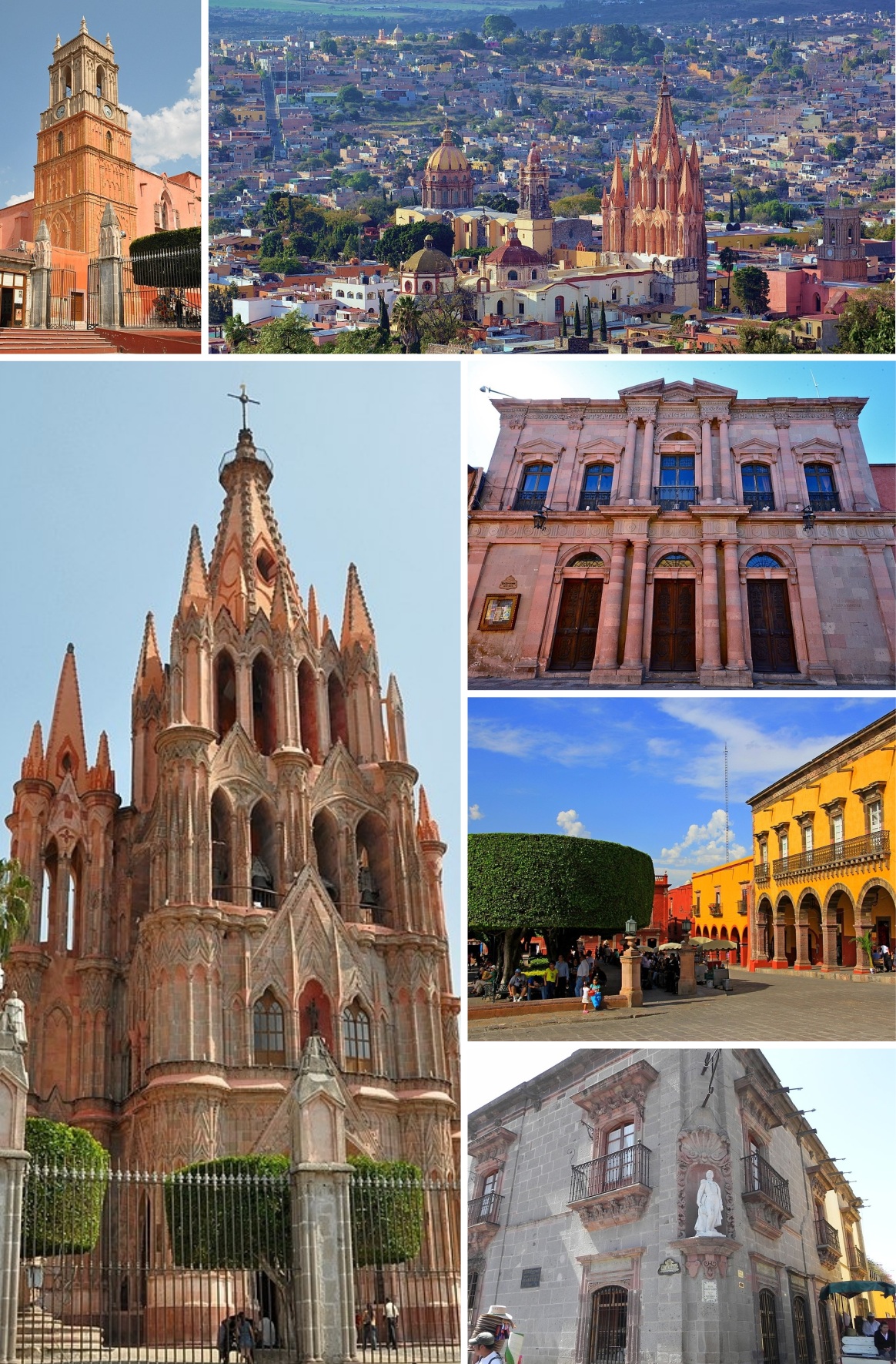
Why San Miguel de Allende is Perfect for Your Celebration
- UNESCO World Heritage colonial architecture provides a naturally stunning, photogenic backdrop
- Abundance of historic haciendas and boutique hotels purpose-suited to intimate destination weddings
- Internationally experienced wedding and event vendor community with strong English-language capability
- Dry season spans seven months, giving broad flexibility for outdoor celebrations
- Vibrant local arts, cuisine, and cultural traditions enrich multi-day wedding itineraries
- Compact, walkable historic center makes guest logistics straightforward once everyone arrives

Compare San Miguel de Allende with Other Top Destinations
Frequently Asked Questions
Is San Miguel de Allende a good destination for a wedding?
Yes. San Miguel de Allende is one of Mexico's most established destination wedding locations, particularly well-suited to intimate and mid-size celebrations of 30–200 guests. Its UNESCO-protected colonial architecture, experienced bilingual vendor community, and concentration of boutique luxury properties create a genuinely distinctive setting that is difficult to replicate at a generic resort destination.
What is the best time of year to hold a wedding or event in San Miguel de Allende?
The dry season — January through April and October through December — is the most reliable window. These months offer clear skies, mild temperatures, and low humidity. The October–December period is particularly popular for its post-rainy-season greenery and cultural festivals. June through September brings regular afternoon thunderstorms that can disrupt outdoor events.
How do guests get to San Miguel de Allende?
There is no commercial airport or passenger rail service in San Miguel de Allende itself. Most guests fly into Del Bajío International Airport (BJX) in León, roughly 90 km away, or Querétaro Intercontinental Airport (QRO), roughly 60 km away, and complete the journey by private road transfer — typically 60–90 minutes. Domestic guests from Mexico City can also travel by long-distance coach.
How large a guest group can San Miguel de Allende realistically accommodate?
The destination is best suited to groups of up to roughly 200–300 guests. Its venue inventory is oriented toward boutique and heritage properties rather than large-scale convention or banquet facilities. Celebrations requiring 400 or more guests under one roof will find the local supply genuinely limited, and the city's character is better matched to intimate, curated events.
What kinds of venues are available for events in San Miguel de Allende?
The city offers historic haciendas, boutique luxury hotels with dedicated event spaces, rooftop terraces overlooking the colonial skyline, private colonial villas available for exclusive hire, and garden courtyards. There are no large purpose-built convention centers or banquet halls — the venue landscape reflects the city's heritage character and is strongest for intimate, architecturally distinctive settings.
Is the local wedding vendor community experienced with international clients?
Yes, notably so. San Miguel de Allende has a large expatriate community and a long history of international tourism, which has produced a mature ecosystem of bilingual wedding planners, photographers, florists, and caterers experienced with destination clients. English-language capability among specialist vendors is generally strong, reducing coordination friction for couples planning from abroad.
What should guests know about getting around the city during a multi-day celebration?
The historic center is compact and largely walkable, which simplifies multi-venue itineraries. However, the cobblestone streets can be challenging for guests with mobility concerns or in formal footwear. For airport transfers and movements between properties further from the center, pre-arranged private van or coach transfers are the standard approach and are readily available through local operators.
Are there cultural experiences that can be built into a multi-day wedding itinerary?
Yes — this is one of San Miguel's genuine strengths. Guests can participate in cooking classes, mezcal and tequila tastings, hot-air balloon rides over the Bajío highlands, art gallery tours, and traditional Mexican folk experiences. Events timed around Day of the Dead (late October–early November) or the Christmas festival season can incorporate extraordinary local cultural programming into the celebration.
What are the main logistical challenges of planning an event in San Miguel de Allende?
The primary challenges are the absence of a nearby airport (requiring road transfers of 60–90 minutes for all guests), the cobblestone terrain that can be difficult for guests with mobility needs, and the need to book popular venues well in advance — particularly for the October–December peak window. The rainy season (June–September) requires robust covered contingency plans for any outdoor elements.
Does San Miguel de Allende work for events other than weddings?
Yes. The city is well-suited to milestone social celebrations such as significant birthdays and anniversaries, engagement parties, rehearsal dinners, and small intimate corporate retreats or creative offsites. Its restaurant scene, private villa rental market, and cultural programming support multi-day event formats across these categories, though it is not suited to large-scale conferences or conventions.

Ready to explore venues in San Miguel de Allende?
San Miguel de Allende: Destination Wedding & Event Venues in Guanajuato, Mexico
◆San Miguel de Allende is a UNESCO World Heritage colonial city in Guanajuato, Mexico, best suited to intimate, culturally immersive destination weddings, social celebrations, and milestone events. Its primary vibe is cultural and timeless — defined by baroque architecture, cobblestone streets, historic haciendas, and a thriving arts scene. The dry season running from January through April and October through December offers the most reliable conditions for outdoor and indoor events. Accessibility is moderate: guests typically fly into Del Bajío International Airport or Querétaro and transfer by road. The destination skews toward boutique and luxury properties rather than large-scale convention venues, making it strongest for groups of up to roughly 200–300 guests.
San Miguel de Allende at a Glance
| Category | Detail |
|---|---|
| Best For | Destination Weddings, Social Celebrations, Anniversary Events, Intimate Corporate Retreats |
| Primary Vibe | Cultural & Timeless |
| Other Vibes | Romantic, Artistic, Boutique, Heritage |
| Best Season | Dry Season (Jan, Feb, Mar, Apr, Oct, Nov, Dec) |
Why Choose San Miguel de Allende?
- Architectural grandeur without the crowds of a major metropolis: The city's intact colonial streetscape — pink quarry-stone facades, bougainvillea-draped courtyards, and the iconic Parroquia de San Miguel Arcángel — provides a naturally cinematic backdrop that requires minimal decoration investment.
- A mature, internationally oriented wedding vendor ecosystem: San Miguel has attracted a significant expatriate and international tourism community for decades, which has cultivated a deep bench of bilingual wedding planners, florists, photographers, and caterers experienced with destination clients.
- Diverse venue typology within a compact area: Historic haciendas, boutique luxury hotels, rooftop terraces, private colonial mansions, and garden courtyards are all concentrated within or just outside the historic center, reducing logistical complexity for multi-venue celebrations.
- A long, reliable dry season: Seven months of predominantly dry, mild weather give couples and planners broad scheduling flexibility, including the popular winter holiday window and the spring shoulder months before the rains arrive.
- Rich cultural programming to extend the celebration: Cooking classes, mezcal tastings, art gallery tours, hot-air balloon rides over the Bajío highlands, and traditional Mexican folk experiences give guests a genuinely immersive multi-day itinerary beyond the event itself.
- Walkable historic center: Once guests are in the city, the compact layout means most hotels, restaurants, and event venues are within easy walking distance, reducing the need for coordinated group transport during the celebration days.
Which Celebrations Work Best in San Miguel de Allende?
- Destination Weddings: This is the destination's strongest suit. The combination of photogenic colonial architecture, boutique luxury accommodation, experienced bilingual vendors, and a romantic cultural atmosphere makes San Miguel de Allende one of Mexico's premier wedding destinations. It is particularly well-suited to intimate ceremonies of 30–200 guests who want a meaningful, place-specific experience rather than a generic resort setting.
- Social Celebrations (Milestone Birthdays, Anniversaries): The city's restaurant scene, private villa rental market, and cultural programming make it an excellent backdrop for multi-day milestone celebrations. A 50th birthday or significant anniversary can be built around the city itself as much as any single venue.
- Engagement Parties & Pre-Wedding Events: The intimate scale of many boutique properties and the abundance of rooftop terraces with views of the Parroquia make San Miguel a natural fit for smaller pre-wedding gatherings, rehearsal dinners, and welcome events.
- Intimate Corporate Retreats & Creative Offsites: The city's arts community, culinary scene, and boutique luxury hotels attract small executive retreats and creative industry offsites seeking an inspiring, non-generic environment. It is not suited to large-scale conferences or conventions.
Venues & Event Spaces
San Miguel de Allende's event venue landscape is defined by its colonial heritage rather than purpose-built convention infrastructure. The most characteristic spaces are historic haciendas and colonial mansions — properties with interior courtyards, stone archways, and garden terraces that have been sensitively converted into event-capable hospitality venues. These typically accommodate intimate to mid-size gatherings and offer a level of architectural authenticity that is difficult to replicate elsewhere.
Boutique luxury hotels in the historic center frequently offer dedicated event spaces, rooftop terraces with panoramic views of the city's skyline and the Parroquia, and in-house catering teams experienced with destination wedding menus. Several properties operate as effectively private-hire venues for smaller groups, allowing a wedding party to take over the entire property.
Beyond the hotel sector, the city has a supply of private colonial villas and residential event spaces available for exclusive hire — a popular option for couples who want a more residential, non-hotel feel for their celebration. Outdoor garden and lawn spaces attached to hacienda properties are well-suited to ceremony setups, cocktail hours, and evening receptions during the dry season. The city does not have large-scale purpose-built banquet halls or convention centers of the kind found in major Mexican resort cities, which is a deliberate reflection of its character as a heritage destination rather than a mass-market event hub.
Best Time to Celebrate
The curated best season for San Miguel de Allende is the dry season: January, February, March, April, October, November, and December. This seven-month window is the most reliable for outdoor events and guest comfort for several concrete reasons:
- January – April: These months offer clear skies, low humidity, and daytime temperatures typically in the low-to-mid 20s Celsius. January and February are the coolest months — evenings can be genuinely chilly (dropping toward 8–10°C), which is worth factoring into outdoor evening event planning, but daytime conditions are excellent. March and April warm up pleasantly and remain dry, though April can see temperatures push toward the upper 20s before the rains arrive.
- October – December: The post-rainy season months are widely considered the most beautiful time in San Miguel. The landscape is green from the summer rains, the air is clear, and temperatures are comfortable. November and December coincide with Mexico's vibrant Day of the Dead and Christmas festival seasons, which can add extraordinary cultural texture to a celebration — though they also bring higher visitor volumes and accommodation demand.
- May: A genuine shoulder month — the rains have not yet arrived in earnest, but temperatures are at their annual peak and the landscape is at its driest and dustiest. Not ideal but not as disruptive as the full rainy season.
- June – September (Rainy Season): San Miguel's rainy season brings regular afternoon and evening thunderstorms, which directly threaten outdoor event setups. While mornings are often clear, the unpredictability of afternoon downpours makes this period genuinely risky for outdoor ceremonies and receptions without robust covered contingency plans. Humidity rises noticeably. This is the primary period to avoid for outdoor-focused celebrations.
Getting There & Local Connectivity
San Miguel de Allende does not have its own commercial airport or passenger rail service. Guests typically arrive via one of two airports: Del Bajío International Airport (BJX) in León/Silao, approximately 90 km away, which offers the broadest range of domestic Mexican connections and some international routes; or Querétaro Intercontinental Airport (QRO), approximately 60 km away, which handles a smaller but growing number of domestic and US connections. Both airports are served by comfortable road transfers — typically 60–90 minutes depending on traffic — and a well-established network of private transfer services caters specifically to the destination wedding and tourism market.
Guests traveling from Mexico City (approximately 270 km) have the additional option of comfortable long-distance coach services, which are a practical choice for domestic guests. There is no direct passenger rail connection to San Miguel de Allende.
Within the city, the compact historic center is best navigated on foot. For guests staying in properties slightly outside the center, or for transfers between venues, local taxis and app-based ride services operate reliably. For larger groups requiring coordinated movement between venues or to/from the airport, pre-arranged private coach or van transfers are the standard approach and are readily available through local operators. The cobblestone streets, while atmospheric, are worth noting for guests with mobility considerations — some areas of the historic center are not easily navigable by wheelchair.
Local Vendor & Hospitality Ecosystem
San Miguel de Allende has one of the most developed destination wedding vendor ecosystems in Mexico outside of Los Cabos and the Riviera Maya. Several factors contribute to this:
- Bilingual capability: The city's large expatriate community and long history of international tourism mean that a significant proportion of wedding planners, florists, photographers, and catering professionals are fluent in English and experienced working with international clients.
- Specialist destination wedding planners: The city has a genuine concentration of planners who work exclusively or primarily in the destination wedding space, with established relationships with local venues, vendors, and municipal authorities — reducing the coordination burden on couples planning from abroad.
- Culinary quality: San Miguel's restaurant and catering scene is sophisticated by Mexican standards, with strong representation of both traditional regional cuisine and contemporary international menus. In-house hotel catering at the upper-tier properties is generally of high quality.
- Floral and décor: The local floral market and décor rental ecosystem is well-developed, with access to both traditional Mexican botanical elements (calla lilies, marigolds, tropical foliage) and more internationally styled arrangements.
- Entertainment: Live music options range from traditional mariachi and marimba ensembles to contemporary bands and DJs, with a local arts community that can supply unique cultural entertainment elements not available in generic resort destinations.
Pros & Things to Consider
Why San Miguel de Allende Works Well
- UNESCO-protected colonial architecture provides an unmatched, authentic visual backdrop
- Long dry season gives broad scheduling flexibility across seven months of the year
- Mature, bilingual vendor ecosystem reduces planning friction for international couples
- Compact historic center makes multi-day guest itineraries easy to manage on foot
- Rich cultural programming (Day of the Dead, local festivals, culinary scene) enhances the guest experience beyond the event itself
- Boutique and luxury property options offer genuine character and privacy not found in large resort complexes
Things to Consider
- No direct airport or rail access: All guests require a road transfer of at least 60–90 minutes from the nearest airport, which adds logistical complexity and cost for large guest groups arriving on different schedules.
- Limited large-scale venue capacity: The city's venue inventory is oriented toward intimate to mid-size events. Celebrations requiring 400+ guests will find the local supply genuinely constrained, and the character of the destination does not lend itself to the kind of large-scale production events possible at purpose-built resort complexes.
- Cobblestone terrain: The historic center's cobblestone streets and uneven pavements can be challenging for elderly guests, guests with mobility impairments, or guests in formal footwear — worth communicating clearly in guest information.
- Rainy season risk: June through September brings genuine afternoon storm risk that can disrupt outdoor events. Couples planning in this window need robust covered contingency plans built into every outdoor element.
- High-demand periods require early booking: The November–December window (Day of the Dead through Christmas) and popular spring dates fill up well in advance at the better-known properties. Late booking in peak periods can significantly limit venue options.
When San Miguel de Allende May Not Be the Right Fit
- Very large guest lists (400+): If your celebration requires a single venue capable of hosting several hundred guests under one roof with full production infrastructure, San Miguel's boutique-oriented inventory is likely to fall short. A purpose-built resort destination would serve this need better.
- Guests with significant mobility challenges: The cobblestone streets and hilly terrain of the historic center are genuinely difficult for guests using wheelchairs or mobility aids. If accessibility is a primary concern for a significant portion of your guest list, a flatter, more accessibility-adapted destination may be more appropriate.
- Outdoor events planned during the rainy season (June–September): If your dates are fixed in the June–September window and your event concept is primarily outdoor, the afternoon storm risk is a real operational concern. A destination with a more reliably dry climate in those months would reduce that risk.
- Guests requiring direct international flight access: For a guest list drawn heavily from regions without convenient connections to BJX or QRO, the multi-leg journey (often via Mexico City) adds meaningful travel time and complexity. If minimizing guest travel burden is a top priority, a destination with a larger international gateway airport may be a better fit.