
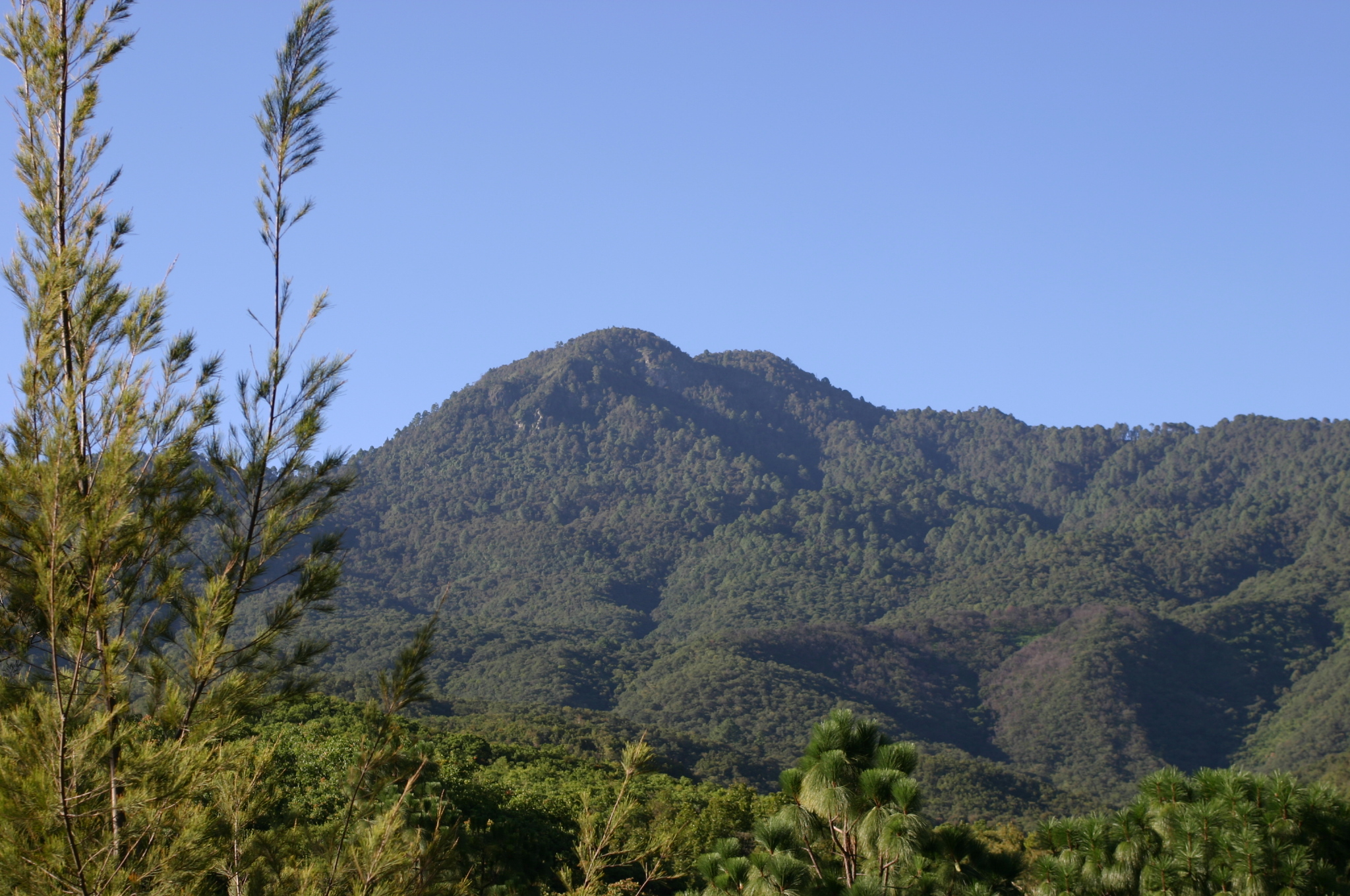
Why Oaxaca is Perfect for Your Celebration
- UNESCO World Heritage historic center provides a stunning, ready-made ceremonial backdrop
- Deeply rooted Día de los Muertos and Guelaguetza festival traditions make themed celebrations uniquely authentic
- World-class Oaxacan cuisine and mezcal culture elevate every reception and banquet
- Dry season (Oct–Apr) offers reliably clear skies and mild temperatures for outdoor events
- Rich artisan ecosystem — textiles, pottery, floral design — supports bespoke event décor
- Intimate city scale keeps guest logistics manageable and the atmosphere personal

Compare Oaxaca with Other Top Destinations
Frequently Asked Questions
Is Oaxaca a good destination for a wedding?
Yes. Oaxaca is particularly well-suited to culturally immersive, intimate to medium-sized weddings. Its UNESCO World Heritage historic center, colonial courtyards, and living indigenous traditions create a ceremony setting that is genuinely distinctive. It works best for couples who want their wedding to feel rooted in a specific place and culture rather than a generic resort backdrop.
What is the best time of year to hold an event in Oaxaca?
The dry season — January through April and October through December — is the reliable window. These months bring clear skies, mild daytime temperatures, and cool evenings ideal for outdoor ceremonies and receptions. October and November also coincide with Día de los Muertos, adding extraordinary cultural atmosphere, though accommodation demand peaks sharply during that period and early booking is essential.
How many guests can Oaxaca realistically accommodate for a destination event?
Oaxaca is best suited to intimate and medium-sized gatherings — typically up to 150–300 guests for a single-venue celebration. The city's heritage properties and boutique hotels are oriented toward this scale. Very large events of 400+ guests can be challenging to accommodate within a single property, and room-block coordination across multiple hotels is typically required for large guest lists.
How do international guests get to Oaxaca?
Most international guests fly into Mexico City's Benito Juárez International Airport and connect to Oaxaca's Xoxocotlán International Airport (OAX), a flight of approximately one hour. The airport is about 8 km from the city center, making arrival transfers quick. Direct flights from several US cities also serve OAX, reducing the connection requirement for North American guests.
What kinds of venues are available for events in Oaxaca?
Oaxaca's event landscape is dominated by converted colonial heritage properties — former convents, haciendas, and historic mansions with stone courtyards and garden terraces. Boutique hotel rooftops, hilltop resort lawns with valley views, and agave estate settings in the surrounding valleys are also used. The aesthetic is consistently heritage and place-specific rather than generic ballroom or convention-style.
Is Oaxaca suitable for a Día de los Muertos themed celebration?
Yes, and it is one of the most authentic places in the world to do so. Late October and early November transform the city with marigold altars, candlelit cemetery vigils, and street processions that are living cultural traditions rather than tourist recreations. Events planned around this period gain the city itself as a co-host, though venues and accommodation book out very early and planning 12–18 months ahead is strongly advisable.
What is local transport like for a guest group once they arrive in Oaxaca?
The historic city center is compact and walkable, so guests staying centrally can move between ceremony, reception, and accommodation largely on foot. For transfers to valley venues or hilltop properties, private vehicle hire and organized shuttle services are the standard approach. Ride-hailing apps and taxis supplement these options within the city.
How developed is Oaxaca's event vendor and catering ecosystem?
Oaxaca has a mature and distinctive vendor ecosystem shaped by decades of cultural tourism and a growing destination-event market. Local event planners, artisan décor suppliers, and caterers are experienced with destination celebrations. The culinary offering is genuinely exceptional — Oaxacan cuisine and mezcal culture are internationally recognized, and food and beverage programming can become a defining feature of any event held here.
Does Oaxaca work for corporate retreats and creative events, not just weddings?
Yes. The concentration of artists, chefs, mezcal producers, and indigenous craftspeople makes Oaxaca an unusually stimulating environment for creative industry retreats and brand experiences. Cultural programming — cooking workshops, mezcal tastings, artisan studio visits, weaving demonstrations — is readily available and provides genuine content rather than generic team-building activities.
What should planners know about accommodation for a large guest list in Oaxaca?
Oaxaca's accommodation landscape is weighted toward boutique heritage hotels and independent properties rather than large international chain hotels. Accommodating a large guest list (100+ rooms) requires coordinating room blocks across multiple properties, which demands early planning and a local coordinator familiar with the city's inventory. During peak festival periods, this coordination should begin 12–18 months in advance.
Are there outdoor event spaces in Oaxaca, and how weather-dependent are they?
Yes — colonial courtyards, garden terraces, hilltop resort lawns, and valley hacienda grounds are all used for outdoor events. During the dry season (October–April), outdoor settings are highly reliable. During the rainy season (May–September), afternoon and evening downpours make outdoor events genuinely risky, and planners should either avoid this window or ensure fully covered contingency spaces are built into the event design.

Ready to explore venues in Oaxaca?
Oaxaca: Destination Wedding & Cultural Event Venues
◆Oaxaca is a UNESCO World Heritage city in southern Mexico, best suited to culturally immersive weddings, festival-style social events, and intimate celebrations that draw on the destination's extraordinary indigenous heritage, colonial architecture, and world-class culinary identity. Its primary vibe is Cultural & Timeless — rooted in Zapotec and Mixtec traditions, artisan craftsmanship, and a living festival culture that includes Día de los Muertos and the Guelaguetza. The dry season (October through April) is the reliable window for outdoor events. Oaxaca is a mid-scale destination in terms of venue capacity — it suits intimate to medium-sized gatherings particularly well. International guests typically connect through Mexico City, making it accessible but not as straightforward as a major hub city.
Oaxaca at a Glance
| Category | Detail |
|---|---|
| Best For | Cultural Weddings, Festival Celebrations, Social Events, Intimate Gatherings |
| Primary Vibe | Cultural & Timeless |
| Other Vibes | Artisan, Colonial, Festive, Bohemian |
| Best Season | Dry Season (Jan, Feb, Mar, Apr, Oct, Nov, Dec) |
Why Choose Oaxaca?
- UNESCO World Heritage setting: Oaxaca's historic center is one of the best-preserved colonial city cores in the Americas, offering ceremonial plazas, baroque churches, and centuries-old convents as a backdrop that no purpose-built venue can replicate.
- Living indigenous culture: Zapotec and Mixtec traditions are not museum pieces here — they are woven into daily life, festivals, textiles, and food, giving celebrations a depth of cultural authenticity that is genuinely rare.
- World-class culinary identity: Oaxacan cuisine is internationally recognized — mole negro, tlayudas, chapulines, and an extraordinary mezcal culture mean that food and drink become a defining feature of any event, not just a supporting element.
- Artisan vendor ecosystem: Local craftspeople specializing in alebrijes, black clay pottery, hand-woven textiles, and elaborate floral arrangements provide bespoke décor and gifting options that are specific to this place and unavailable elsewhere.
- Intimate city scale: Oaxaca City is walkable and human-scaled, which means guests can move between ceremony, reception, and accommodation on foot or in short transfers — a genuine logistical advantage for multi-day celebrations.
- Reliable dry season: Seven months of the year (October through April) offer consistently clear skies, low humidity, and mild temperatures in the mid-20s Celsius — a long, dependable planning window for outdoor events.
Which Celebrations Work Best in Oaxaca?
Cultural & Heritage Weddings: Oaxaca is particularly well-suited to couples who want their wedding to feel rooted in a specific place and culture. Colonial courtyards, candlelit ex-convents, and indigenous ceremony elements create a ceremony experience that is deeply personal and visually extraordinary.
Festival-Style Social Events: The city's own festival DNA — Día de los Muertos, Guelaguetza, Noche de Rábanos — makes it a natural fit for large social gatherings that want to incorporate local performance, costume, and ritual. A social event timed around these festivals gains an entire city as a co-host.
Intimate Milestone Celebrations: Anniversary dinners, significant birthday gatherings, and family reunions benefit from Oaxaca's combination of exceptional food, manageable scale, and the sense that the city itself is participating in the occasion.
Corporate Retreats & Creative Gatherings: The concentration of artists, chefs, mezcal producers, and indigenous craftspeople makes Oaxaca an unusually stimulating environment for creative industry retreats, brand experiences, and team events that want genuine cultural programming rather than generic conference content.
Venues & Event Spaces
Oaxaca's event venue landscape is defined primarily by converted colonial heritage properties — former convents, haciendas, and historic mansions whose stone courtyards, arched corridors, and garden terraces provide naturally dramatic settings. These properties typically accommodate intimate to medium-sized gatherings rather than very large banquets, which is consistent with the city's overall character.
Beyond heritage conversions, the city offers boutique hotel gardens and rooftop terraces with views over the city's terracotta rooflines and the surrounding Sierra Juárez mountains — popular for cocktail receptions and smaller ceremony settings. A number of hilltop resort properties on the city's edges provide larger outdoor lawns and panoramic valley views, suitable for events requiring more open space.
For indoor events, colonial ballrooms and covered courtyard spaces within heritage hotels are the primary option. Dedicated standalone banquet halls exist but are less characteristic of the destination — most planners working in Oaxaca lean into the heritage property format as the defining aesthetic choice. The surrounding Oaxacan valleys — including areas near Monte Albán and the Tlacolula Valley — offer hacienda and agave estate settings that are increasingly used for destination events seeking a more rural, open-air character.
Best Time to Celebrate
The dry season (January through April, and October through December) is the clear planning window for events in Oaxaca. During these months, rainfall is minimal, afternoon temperatures are comfortable (typically 22°C–27°C), and evenings are pleasantly cool — ideal for outdoor ceremonies and receptions that run into the night.
October and November carry the additional cultural resonance of Día de los Muertos (late October to early November), when the city transforms with marigold altars, candlelit cemetery vigils, and street processions. Events planned around this period gain an extraordinary ambient backdrop, though accommodation demand peaks sharply and advance planning is essential.
January through March represent the quietest and most logistically straightforward months — lower visitor volumes, full venue availability, and stable weather. April remains dry but temperatures begin to climb toward the warmer end of the comfortable range.
The rainy season (May through September) brings daily afternoon and evening downpours that make outdoor event planning genuinely unreliable. Humidity rises, some rural roads to valley venues become difficult, and the visual character of the city — while lush and green — is less suited to the open-air celebrations that define Oaxaca's event identity. Events during this period should be planned with fully covered or indoor contingency spaces, and the risk of disruption is real enough that most destination planners advise against it for primary celebrations.
Getting There & Local Connectivity
Oaxaca is served by Xoxocotlán International Airport (OAX), located approximately 8 km from the city center — a short transfer that is one of the destination's genuine logistical advantages. The airport handles direct domestic flights from Mexico City, Guadalajara, Monterrey, and several other Mexican cities, as well as a growing number of international connections, particularly from the United States.
For international guests, the most common routing is a connection through Mexico City's Benito Juárez International Airport (MEX), which is one of Latin America's best-connected hubs. Flight time from Mexico City to Oaxaca is approximately one hour, making the connection manageable even for guests arriving from Europe, North America, or further afield.
There is no active passenger rail service to Oaxaca. Overland travel by road from Mexico City (via Puebla) is possible but takes approximately six to seven hours — a realistic option for some guests but not the primary recommendation for a large group. Highway infrastructure has improved significantly in recent years.
Within the city, walking is the primary mode of movement in the historic center, which is compact and pedestrian-friendly. For transfers to valley venues or hilltop properties, private vehicle hire and organized shuttle services are the standard approach for event groups. Ride-hailing apps operate in the city, supplementing traditional taxis.
Local Vendor & Hospitality Ecosystem
Oaxaca has developed a mature and distinctive hospitality ecosystem shaped by decades of cultural tourism and a growing international destination-event market. The city has a strong concentration of experienced event planners, many of whom specialize specifically in destination weddings and cultural celebrations and maintain established relationships with local artisans, caterers, and venue operators.
The culinary vendor landscape is genuinely exceptional by any standard — Oaxaca is home to some of Mexico's most celebrated chefs and food producers, and catering for events here can draw on ingredients, techniques, and presentation styles that are specific to the region. Mezcal producers, chocolate makers, and specialty food artisans regularly participate in event programming as an experiential element, not just as suppliers.
For décor and florals, local artisans working in marigolds, palm weaving, and traditional textile arrangements provide options that are both authentic and visually distinctive. International-standard audio-visual and event production companies operate in the city, though for very large-scale technical productions, some equipment and specialist crew may need to be brought in from Mexico City.
The accommodation ecosystem is weighted toward boutique heritage properties and independent hotels rather than large international chain hotels, which gives events a more curated, place-specific character but means that accommodating very large guest lists (200+ rooms) within a single property or a tight geographic cluster requires careful advance planning and room-block coordination across multiple properties.
Pros & Things to Consider
Why Oaxaca Works Well
- UNESCO heritage setting provides a ceremony backdrop of genuine historical and aesthetic weight
- Living indigenous culture and festival traditions make celebrations feel rooted and meaningful rather than generic
- Exceptional local cuisine and mezcal culture elevate food and beverage programming to a defining event feature
- Compact, walkable city center simplifies guest movement between ceremony, reception, and accommodation
- Long dry season (seven months) gives planners a wide, reliable booking window
- Artisan vendor ecosystem supports bespoke, place-specific décor and gifting that cannot be replicated elsewhere
- Airport is close to the city center, minimizing transfer time for arriving guests
Things to Consider
- Venue capacity is generally modest — Oaxaca suits intimate to medium-sized gatherings more naturally than very large events of 400+ guests
- International guests face a connection through Mexico City or another hub; there are no long-haul direct flights into OAX
- No passenger rail service means overland guests rely entirely on road or air travel
- Rainy season (May–September) makes outdoor events genuinely unreliable and should be avoided for primary celebrations
- Accommodation for large guest lists must be coordinated across multiple properties, requiring early room-block planning
- High-demand periods (Día de los Muertos, Guelaguetza) see sharp spikes in accommodation availability and lead times — planning 12–18 months ahead is advisable for these windows
- Some specialist event production equipment and technical crew may need to be sourced from Mexico City for large-scale productions
When Oaxaca May Not Be the Right Fit
- Very large guest lists (400+ guests): The local venue and accommodation inventory is oriented toward intimate and medium-scale events. Planners needing a single property to house and celebrate with a very large group may find the options limited compared to larger resort destinations.
- Guests with limited travel flexibility: International guests who cannot easily connect through Mexico City or a major US hub may face long, multi-leg journeys. If the majority of the guest list is based in a region with poor connectivity to OAX, the travel burden may outweigh the destination's appeal.
- Events planned during the rainy season (May–September): If dates are fixed in this window and the celebration is primarily outdoor in concept, Oaxaca's afternoon downpour pattern creates a genuine and recurring risk of disruption that is difficult to fully mitigate.
- Celebrations requiring a large, single-property resort campus: Couples or planners who want all guests sleeping, celebrating, and gathering within one large integrated resort property will find Oaxaca's boutique-heavy accommodation landscape less suited to that model than a purpose-built resort destination.