
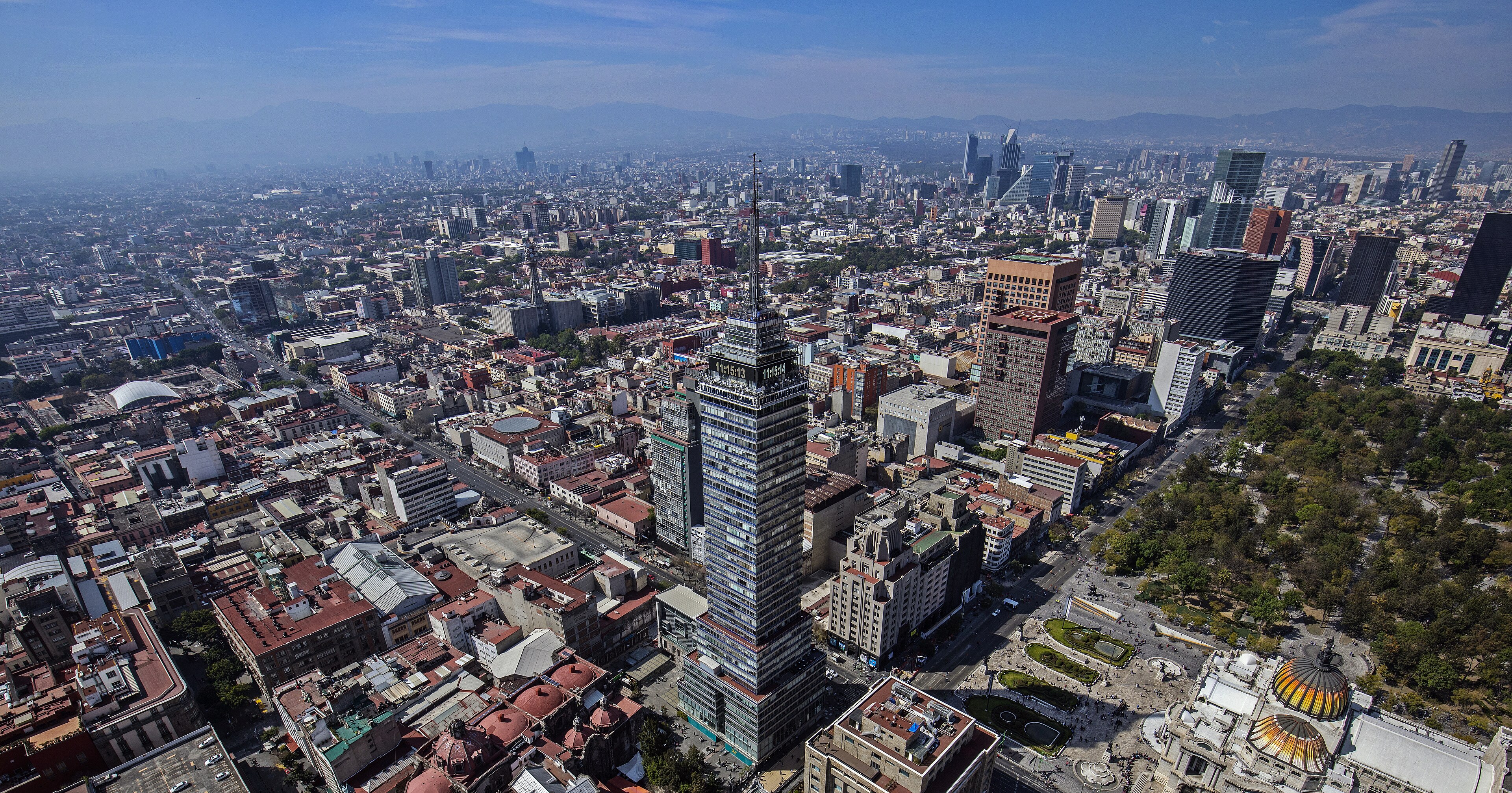
Why Mexico City is Perfect for Your Celebration
- Extraordinary venue diversity — from 16th-century haciendas and baroque mansions to contemporary luxury hotel ballrooms and rooftop terraces
- Benito Juárez International Airport offers direct connections from across North America, Europe, and Latin America, making guest travel straightforward
- A mature, world-class hospitality and events industry with experienced local planners, caterers, florists, and production crews
- Rich cultural backdrop — UNESCO World Heritage historic centre, Aztec ruins, and iconic muralist art create unmatched photo and experience opportunities
- Dry season (Oct–Apr) delivers reliably clear skies and mild temperatures ideal for both indoor and outdoor celebrations
- Cosmopolitan dining and entertainment scene ensures guests enjoy a full destination experience beyond the event itself

Compare Mexico City with Other Top Destinations
Frequently Asked Questions
Is Mexico City a good destination for a wedding?
Yes. Mexico City is particularly well-suited to destination weddings that prioritise cultural richness, visual drama, and venue diversity. Colonial courtyards, hacienda gardens, luxury hotel terraces, and historic mansions provide a range of ceremony and reception settings that feel genuinely distinctive. The city's mature events industry means experienced local planners and vendors are readily available to manage complex, multi-day celebrations.
What guest group sizes can Mexico City venues realistically support?
Mexico City's venue inventory is highly scalable. Intimate gatherings of 30–80 guests are well-served by boutique colonial properties and private garden estates, while the city's major luxury hotel ballrooms — particularly along Paseo de la Reforma and in Polanco — can comfortably accommodate events of 400–800 or more guests. The city is one of the few destinations in Latin America where very large-scale events are genuinely feasible.
Which airport do guests use to reach Mexico City?
Most international guests arrive at Benito Juárez International Airport (MEX), which is located close to the city centre and offers direct flights from major hubs across North America, Europe, and Latin America. A second airport, Felipe Ángeles International Airport (AIFA), to the city's north, handles a growing number of routes and may be relevant for some domestic guests.
What is the best time of year to hold an event in Mexico City?
The dry season — January, February, March, April, October, November, and December — is strongly preferred. During these months, afternoon rainfall is rare, temperatures are mild (roughly 12°C–26°C), and outdoor events can proceed reliably. October and November also coincide with Día de los Muertos season, which adds a distinctive cultural dimension for couples who want to incorporate that atmosphere.
What kinds of venues are available for events in Mexico City?
The city offers exceptional variety: restored colonial haciendas and baroque mansions, luxury hotel ballrooms and rooftop terraces, lush garden estates in the southern boroughs, contemporary event centres in the Santa Fe business district, and cultural institutions within or adjacent to heritage sites. This range means events of very different styles — from grand and formal to intimate and bohemian — can all find an appropriate setting.
How easy is it to move a large guest group around Mexico City during an event?
It requires careful planning. Mexico City is a very large metropolis with significant traffic congestion, particularly during peak hours. Dedicated coaches or shuttle services are strongly advisable for event groups rather than relying on individual taxis or ride-share apps. Keeping the hotel, ceremony venue, and reception venue in close geographic proximity — ideally all within Polanco, Reforma, or Centro Histórico — significantly reduces logistical complexity.
Does Mexico City's altitude affect guests attending an event?
It can. Mexico City sits at approximately 2,240 metres above sea level, and guests who are not acclimatised may experience mild altitude sickness — headaches, fatigue, or shortness of breath — during the first day or two. This is worth communicating to guests in advance so they can arrive a day early if possible, stay well-hydrated, and avoid overexertion immediately upon arrival.
How developed is the local events and hospitality industry in Mexico City?
Very developed. Mexico City regularly hosts international conferences, diplomatic events, large-scale destination weddings, and major brand activations. The local ecosystem includes experienced wedding and event planners, world-class caterers, professional AV and production vendors, and a thriving floristry industry with access to a wide range of native and tropical flowers. International couples can expect a level of vendor professionalism comparable to major global event cities.
Is Mexico City safe for international guests attending a wedding or event?
The primary event and tourist zones — Polanco, Paseo de la Reforma, Roma, Condesa, and the historic centre — are generally well-managed and considered safe for event groups. As with any large city, guests are advised to stay within established areas, use coordinated transport rather than hailing taxis on the street, and follow guidance from their event planner or hotel concierge. Proactive communication with guests about safe zones is good practice.
Can Mexico City accommodate a corporate conference or large-scale festival alongside a wedding?
Yes. Mexico City is one of Latin America's strongest corporate event destinations, with large convention-capable hotel ballrooms, professional AV infrastructure, and strong business-travel connectivity. For festivals and brand activations, the city's public plazas, cultural institutions, and contemporary event centres provide flexible, high-profile settings. The city's events industry is experienced with multi-format, multi-day programmes.
What makes Mexico City culturally distinctive as an event backdrop?
Few cities offer the same density of cultural landmarks within a single metropolitan area. The UNESCO-listed historic centre, Aztec ruins of Tenochtitlán, Diego Rivera murals, Chapultepec Park, and the elegant boulevards of Polanco all contribute to a visual and cultural identity that is immediately recognisable and deeply layered. For couples and planners who want a setting that tells a story beyond the event itself, Mexico City is genuinely hard to match in Latin America.

Ready to explore venues in Mexico City?
Mexico City: Destination Wedding & Event Venues Guide
◆Mexico City is one of Latin America's most capable and versatile event destinations, combining a Cultural & Timeless vibe with genuine logistical strength. It suits destination weddings, corporate conferences, milestone celebrations, and large-scale festivals particularly well. The dry season — running from October through April — delivers reliably clear skies and mild temperatures, making it the most dependable window for outdoor and hybrid events. Benito Juárez International Airport provides direct connections from across North America, Europe, and Latin America, making guest travel straightforward for international groups. The city's hospitality ecosystem is mature and internationally experienced, with a wide range of venue types across all scales.
Mexico City at a Glance
| Category | Detail |
|---|---|
| Best For | Destination Weddings, Corporate Events, Milestone Celebrations, Cultural Festivals |
| Primary Vibe | Cultural & Timeless |
| Other Vibes | Metropolitan, Heritage, Vibrant, Contemporary Luxury |
| Best Season | Dry Season (Jan, Feb, Mar, Apr, Oct, Nov, Dec) |
Why Choose Mexico City?
- Unmatched venue diversity: Mexico City offers an extraordinary range of event spaces — 16th-century haciendas, baroque colonial mansions, UNESCO-listed historic buildings, contemporary hotel ballrooms, rooftop terraces overlooking Paseo de la Reforma, and lush garden estates — all within a single metropolitan area.
- World-class international connectivity: Benito Juárez International Airport is one of the busiest hubs in Latin America, with direct routes from major cities across North America, Europe, and South America, making it genuinely easy for international guests to attend.
- A mature, professional events industry: The city has a deep bench of experienced wedding planners, event production companies, florists, caterers specialising in both Mexican and international cuisine, and AV/lighting professionals who regularly handle large, complex events.
- Rich cultural and visual backdrop: The historic centre (a UNESCO World Heritage Site), the Aztec ruins of Tenochtitlán, Diego Rivera murals, and the elegant tree-lined boulevards of Polanco and Reforma provide a visually distinctive setting that few cities can match for event photography and guest experience.
- Cosmopolitan guest experience: Beyond the event itself, guests enjoy world-class restaurants, museums, markets, and neighbourhoods — Condesa, Roma, Coyoacán, and Polanco each offer a distinct character — making Mexico City a genuinely rewarding destination trip.
- Scalability: The city's hotel and venue inventory can comfortably accommodate both intimate gatherings of 50 guests and large-scale events of several hundred, with multiple properties capable of housing entire guest groups under one roof.
Which Celebrations Work Best in Mexico City?
Destination Weddings: Mexico City is particularly well-suited to couples seeking a culturally rich, visually dramatic setting. Colonial courtyards, hacienda gardens, and luxury hotel terraces with city skyline views provide a range of ceremony and reception backdrops that feel genuinely distinctive rather than generic resort-style.
Corporate Events & Conferences: As Latin America's largest metropolitan economy, Mexico City has extensive infrastructure for corporate gatherings — large convention-capable hotel ballrooms, professional AV and production vendors, and strong business-travel connectivity make it a natural choice for regional or international corporate events.
Milestone Celebrations (Quinceañeras, Anniversaries, Birthdays): The city's culture of elaborate, joyful celebration is deeply embedded — local vendors are highly experienced with large family gatherings, multi-day events, and the kind of high-production entertainment that milestone occasions demand.
Cultural Festivals & Brand Activations: Mexico City's public spaces, historic plazas, and contemporary event venues make it a strong host for culturally themed festivals, brand launches, and experiential events that benefit from the city's own iconic visual identity.
Intimate Gatherings & Elopements: Smaller boutique hotels and private colonial residences in neighbourhoods like Roma Norte and Coyoacán offer genuinely intimate settings for couples or families who want a more personal, less grand-hotel experience.
Venues & Event Spaces
Mexico City's venue landscape is one of its greatest strengths. Couples and planners can choose from a wide spectrum of spaces depending on the event's scale, style, and desired atmosphere.
- Historic haciendas and colonial mansions: Many of the city's older properties — particularly in the southern boroughs and the historic centre — have been restored as event venues, offering stone courtyards, vaulted ceilings, and centuries-old architectural detail that create an immediately dramatic atmosphere.
- Luxury hotel ballrooms and terraces: The Paseo de la Reforma and Polanco corridors are home to a concentration of internationally branded luxury hotels, most of which have dedicated event wings with ballrooms, pre-function spaces, and outdoor terraces capable of hosting events from 50 to over 800 guests.
- Rooftop venues: Mexico City's skyline — particularly the view along Reforma toward Chapultepec — has made rooftop event spaces increasingly popular for cocktail receptions, rehearsal dinners, and smaller ceremonies.
- Garden estates and country clubs: The southern areas of the city, including Pedregal and Coyoacán, offer garden estates and private club venues with lush outdoor lawns suitable for daytime ceremonies and al fresco receptions during the dry season.
- Contemporary event centres: The Santa Fe business district and newer developments on the city's western edge offer modern, purpose-built event centres with large floor plates suited to corporate conferences and trade events.
- Cultural institutions: Several of the city's museums and cultural centres — including spaces within or adjacent to major heritage sites — can be hired for private events, offering a genuinely unique backdrop that blends celebration with cultural immersion.
Best Time to Celebrate
The dry season (January, February, March, April, October, November, and December) is the strongly preferred window for events in Mexico City, and for concrete reasons beyond simply "nice weather."
During these months, afternoon rainfall is rare, which is critical for outdoor ceremonies, garden receptions, and rooftop events where a sudden downpour would require costly contingency arrangements. Temperatures during the dry season are mild — typically ranging from around 12°C at night to the mid-20s°C during the day — making outdoor events comfortable for guests dressed in formal or semi-formal attire without the discomfort of extreme heat or humidity.
October and November carry the added cultural richness of Día de los Muertos (Day of the Dead) season, which — for couples or planners who want to incorporate Mexican cultural elements — provides a uniquely atmospheric backdrop. January through March offers the clearest, driest conditions of the year, with excellent air quality and visibility for photography.
May sits at the edge of the dry season and is typically the hottest and dustiest month, with temperatures occasionally climbing uncomfortably high and air quality sometimes affected by dry-season haze. It is not the worst month to plan an event, but it is the weakest within the dry-season window.
June through September is the rainy season and is genuinely less suitable for events with significant outdoor components. Afternoon and evening thunderstorms are frequent and can be heavy, particularly in July and August. While indoor events can proceed normally, the logistical risk and the impact on guest experience — arriving wet, navigating flooded streets — make this period a meaningful trade-off rather than a minor inconvenience.
Getting There & Local Connectivity
Mexico City is exceptionally well-connected internationally. Benito Juárez International Airport (located close to the city centre by major-city standards) handles a very high volume of international traffic, with direct services from major hubs across North America, Europe, and Latin America. For most guest groups, reaching Mexico City involves at most one connection, and for guests travelling from the United States, Canada, or major European cities, direct flights are widely available.
A second major airport — Felipe Ángeles International Airport (AIFA), located to the north of the city — has been operational since 2022 and handles a growing number of domestic and some international routes, providing additional capacity, though Benito Juárez remains the primary gateway for most international guests.
Within the city, movement for event groups requires planning. Mexico City is a very large metropolis, and traffic congestion — particularly during morning and evening peak hours — can significantly affect transfer times between hotels, venues, and the airport. For event groups, coordinating dedicated coaches or shuttle services is strongly advisable rather than relying on individual taxis or ride-share apps, which can be unpredictable in volume during peak periods. The city's Metro system is extensive and efficient but is generally not practical for formal event guest groups travelling in attire.
For guests arriving from within Mexico, intercity bus services (particularly from Guadalajara, Puebla, and Querétaro) are comfortable and well-established, though most domestic guests travelling from further afield will fly. There is no high-speed intercity rail network in Mexico, so rail is not a meaningful option for out-of-town guests.
Local Vendor & Hospitality Ecosystem
Mexico City's events industry is among the most developed in Latin America. The city regularly hosts international conferences, diplomatic events, large-scale weddings, and major brand activations, which means the local vendor ecosystem has genuine depth and experience at the high end.
- Wedding and event planners: There is a strong community of professional event planners in Mexico City, many of whom have experience coordinating multi-day destination weddings for international couples, including managing logistics for guests arriving from abroad.
- Catering: The city's culinary scene is world-class, and event catering reflects this — couples and planners can choose from traditional Mexican menus, contemporary fusion, or fully international cuisine, with caterers experienced in large-scale formal service.
- Floristry and décor: Mexico City has a thriving floristry and event décor industry, with access to a wide range of flowers (including many tropical and native Mexican varieties) through the city's large wholesale flower markets.
- Entertainment and production: AV production, lighting design, live music (mariachi, jazz, contemporary), and entertainment vendors are plentiful and experienced with high-production events.
- Accommodation capacity: The city's hotel inventory is large enough to accommodate substantial guest groups across multiple properties in close proximity, particularly in the Reforma, Polanco, and Centro Histórico corridors.
Pros & Things to Consider
Why Mexico City Works Well
- Exceptional venue diversity — colonial, contemporary, and everything in between — within a single city
- Outstanding international air connectivity makes guest travel genuinely manageable
- Mature, experienced events and hospitality industry capable of handling complex, large-scale celebrations
- Rich cultural backdrop provides a distinctive, memorable setting that guests genuinely engage with as a destination
- Dry season is long (seven months) and reliable, giving planners a wide booking window
- Cosmopolitan dining, nightlife, and cultural attractions ensure guests have a full destination experience
Things to Consider
- Traffic and logistics: Mexico City's size and congestion mean that transfers between venues, hotels, and the airport require careful planning and dedicated transport — underestimating this is a common source of stress for event groups.
- Altitude: At approximately 2,240 metres above sea level, Mexico City's altitude can affect guests who are not acclimatised — some may experience mild altitude sickness (headaches, fatigue) in the first day or two, which is worth communicating to guests in advance.
- Rainy season risk: Events planned in June–September face a genuine risk of afternoon downpours that can disrupt outdoor elements; robust indoor contingency planning is essential if this window cannot be avoided.
- City scale can feel overwhelming: For guests expecting an intimate, contained destination experience, Mexico City's sheer scale and urban intensity may feel less romantic or relaxed than a smaller resort destination — it rewards guests who engage with it actively.
- Safety perception: While the primary tourist, hotel, and event zones (Polanco, Reforma, Roma, Condesa, Centro Histórico) are generally well-managed and safe for event groups, Mexico City's broader safety reputation may require proactive communication with guests to manage expectations and ensure they stay within well-established areas.
When Mexico City May Not Be the Right Fit
- Outdoor-focused events in the rainy season: If your event date falls between June and September and a significant portion of the celebration is planned outdoors — garden ceremonies, rooftop receptions — Mexico City's frequent afternoon thunderstorms create a meaningful logistical risk that a drier destination would avoid entirely.
- Guests seeking a contained, resort-style destination: Couples or planners who want all guests housed in a single property with everything — ceremony, reception, accommodation, leisure — in one self-contained location may find Mexico City's urban, multi-venue character less suited to that vision than a dedicated resort destination.
- Very small, intimate gatherings prioritising seclusion: While intimate venues exist, Mexico City is fundamentally a large, busy metropolis. Groups seeking genuine seclusion, privacy, and a quiet natural setting will find the city's energy works against that goal.
- Guests with very limited international travel experience: For guest groups who are largely unfamiliar with international travel, navigating a very large, Spanish-speaking metropolis — even with good planning — can add a layer of complexity and anxiety that a more straightforward destination might avoid.