
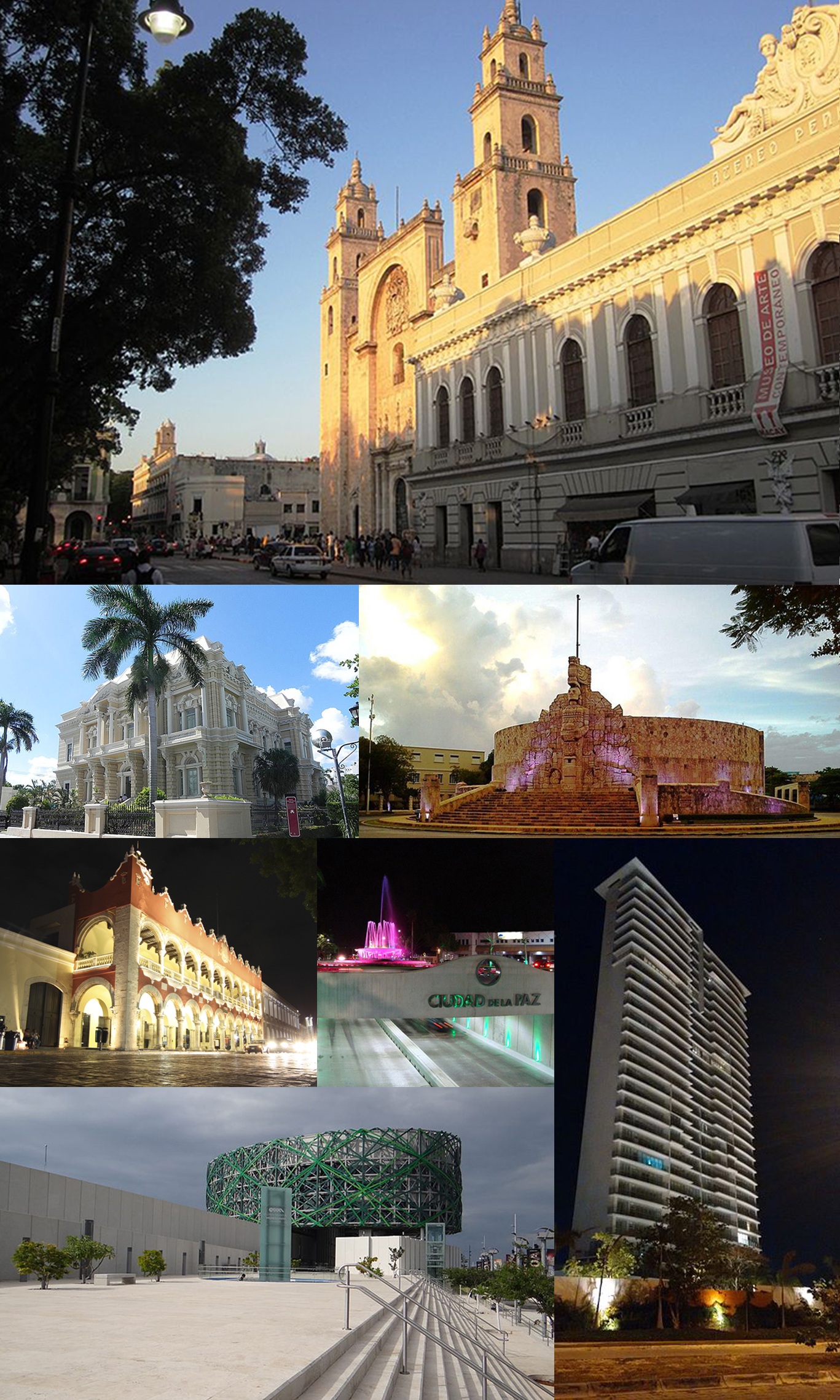
Why Mérida / Yucatán is Perfect for Your Celebration
- Stunning colonial haciendas converted into exclusive event venues with lush courtyards and cenotes
- Proximity to iconic Maya archaeological sites like Chichén Itzá and Uxmal for unique guest experiences
- Dry season (Oct–Apr) offers reliably clear skies and manageable temperatures for outdoor celebrations
- Rich local culinary tradition — Yucatecan cuisine adds a distinctive, memorable flavour to event catering
- A growing destination-wedding ecosystem with experienced local planners, florists, and vendors
- Relatively uncrowded compared to Cancún/Riviera Maya, offering privacy and an authentic cultural atmosphere

Top Venues in Mérida / Yucatán
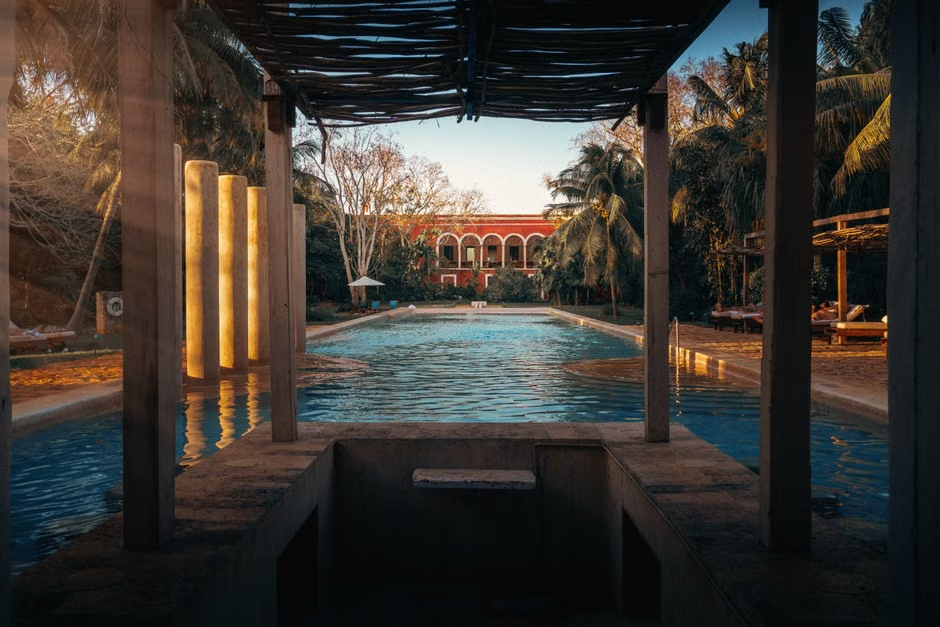
Hacienda Temozon
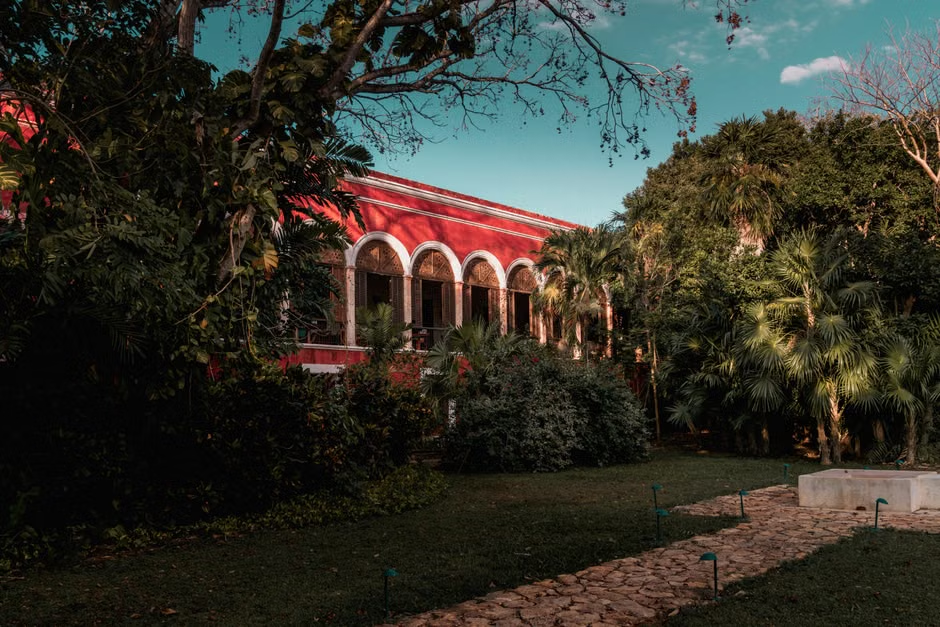
Hacienda Xcanatun
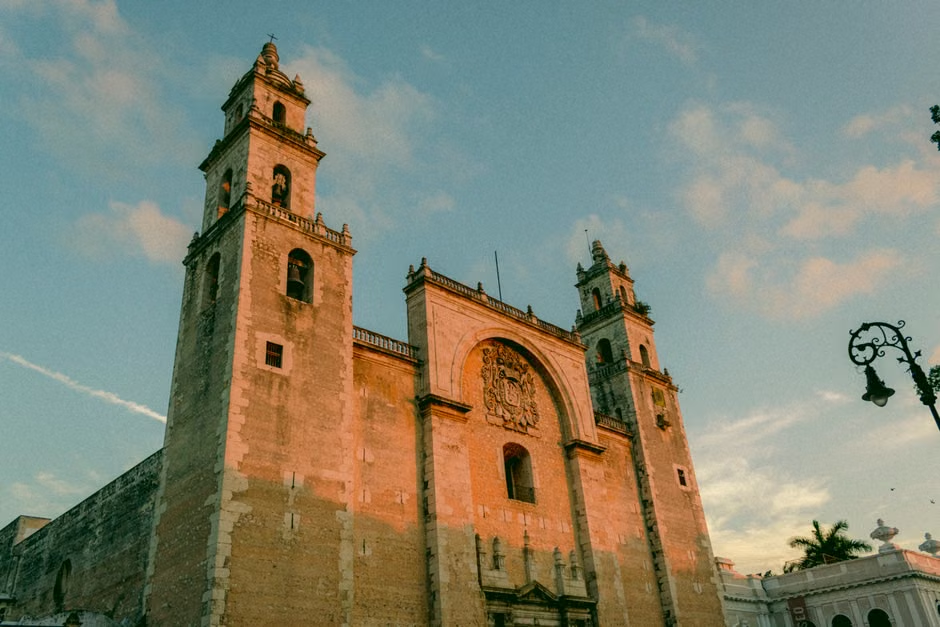
Hyatt Regency Mérida
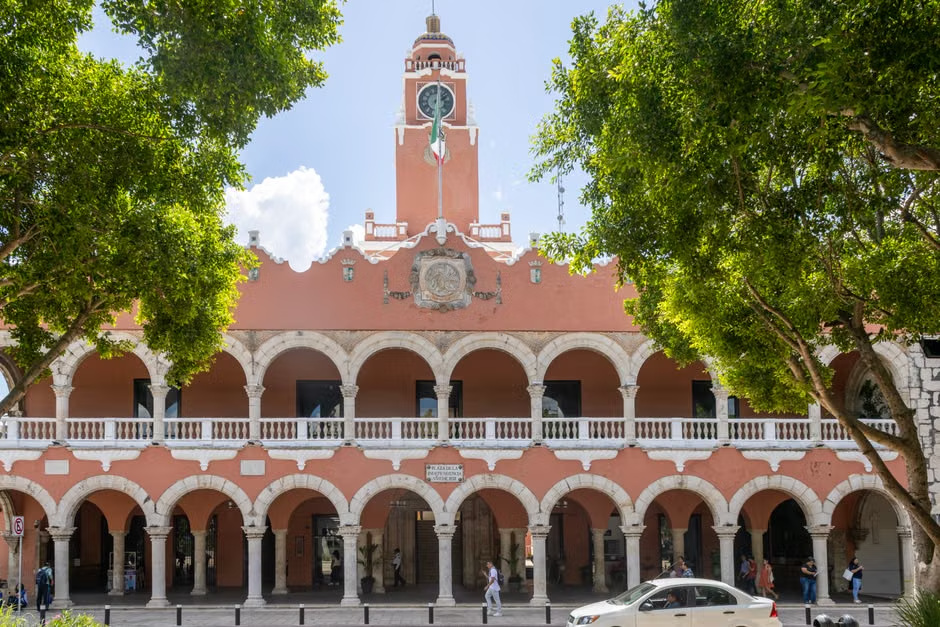
Fiesta Americana Mérida
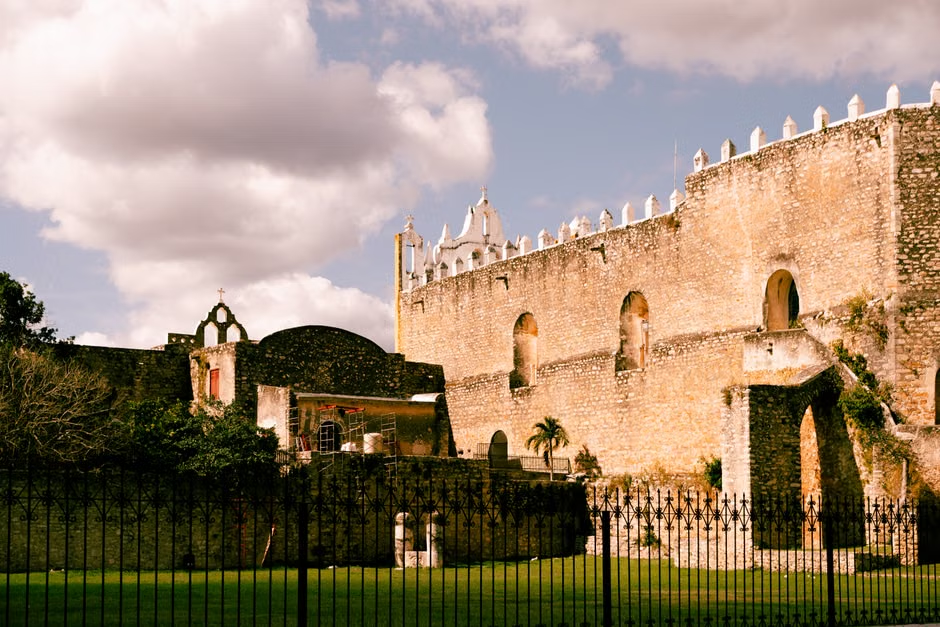
Casa del Balam
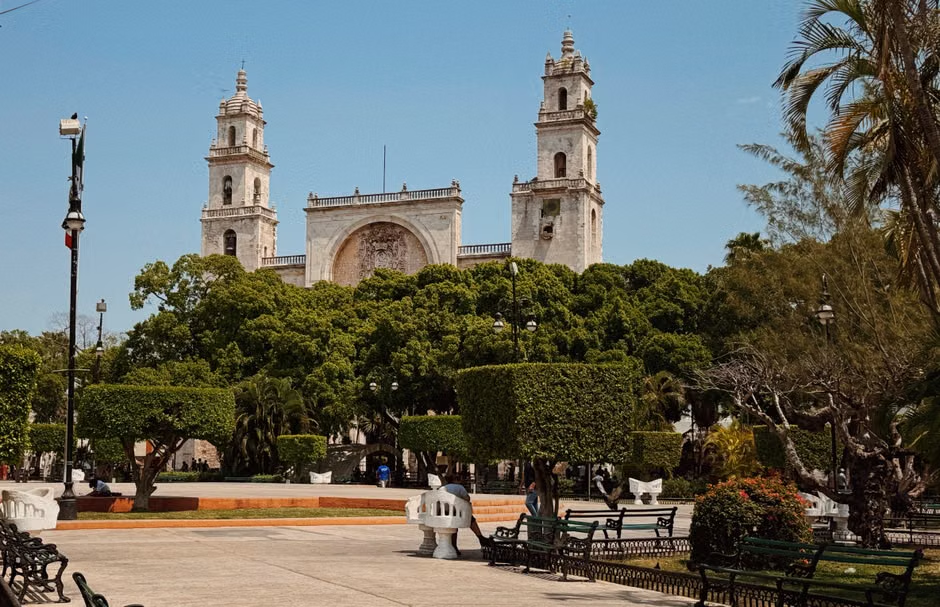
Hotel Misión Mérida
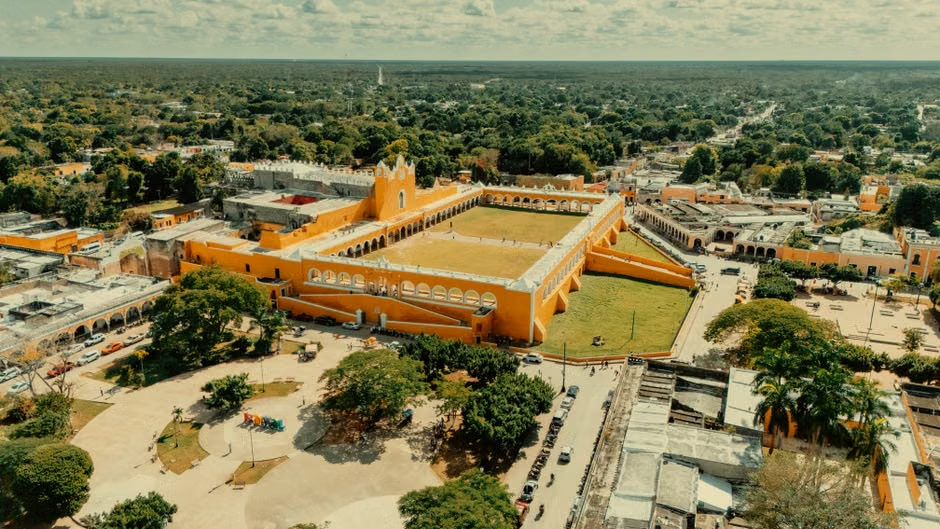
Hotel Montejo Palace
Compare Mérida / Yucatán with Other Top Destinations
Frequently Asked Questions
Is Mérida a good destination for a wedding?
Yes. Mérida is particularly well-suited to destination weddings, especially those seeking a colonial hacienda or heritage setting. The region's restored haciendas — many with private cenotes, stone courtyards, and tropical gardens — offer a visually distinctive and exclusive atmosphere. The dry season (January–April and October–December) provides a reliable planning window, and a mature local vendor ecosystem supports international couples effectively.
What guest-group sizes can Yucatán venues realistically accommodate?
Most hacienda venues in the Yucatán region comfortably accommodate between 50 and 300 guests for a ceremony and reception. Larger city hotels in Mérida can handle groups up to 500–600 for banquet-style events. For very large guest lists exceeding 500, the local venue inventory becomes more limited, and planners should verify capacity early in the planning process.
What is the nearest airport to Mérida, and how easy is it to reach?
Mérida is served by Manuel Crescencio Rejón International Airport (MID), approximately 8 km from the city centre — a short transfer. The airport has direct connections from several major Mexican cities and US gateways including Miami, Houston, Dallas, and Atlanta. European and other international guests typically connect through Mexico City or a US hub, adding one leg to the journey.
What is the best time of year to plan a celebration in Mérida / Yucatán?
The dry season — January, February, March, April, October, November, and December — is the recommended window. These months offer the lowest rainfall, manageable temperatures, and clear skies ideal for outdoor hacienda events. May through September brings intense heat (often above 38°C), high humidity, and active rainy/hurricane season conditions that make outdoor events logistically challenging.
What kinds of venues are available for events in the Yucatán region?
The defining venue type is the restored colonial hacienda — large estate properties with stone courtyards, tropical gardens, private cenotes, and chapel ruins, often available on a full-buyout basis. Within Mérida city, heritage boutique hotels with intimate courtyards and larger international-standard hotels with modern ballrooms are also available, catering to a range of event scales and styles.
How do guests get around once they arrive in Mérida?
Within Mérida city, ride-hailing apps and taxis are widely available and straightforward for independent guest movement. For group transfers to hacienda venues or archaeological sites outside the city, private minibuses and chartered coaches are the standard solution. Road infrastructure in the region is generally good, and most major hacienda venues are within 30–45 minutes of the city centre.
Is the local vendor and hospitality ecosystem in Mérida experienced with international events?
Yes, increasingly so. Mérida has developed a well-established community of destination-wedding coordinators, bilingual vendor teams, and caterers experienced with international guest groups — particularly from the US and Canada. Local catering is a genuine strength, with Yucatecan cuisine offering a distinctive regional identity. For very large-scale productions, some specialist AV equipment may need to be sourced from Mexico City.
Can guests visit Maya archaeological sites as part of the celebration programme?
Yes. Chichén Itzá, Uxmal, and several other significant Maya sites are within day-trip distance of Mérida, making them a natural addition to a multi-day celebration itinerary. Many event planners in the region routinely incorporate guided archaeological excursions, cenote visits, and cultural experiences into the guest programme, which is a genuine differentiator for this destination.
Are cenotes available as event or ceremony spaces?
Yes. Several hacienda venues in the Yucatán region have private cenotes on their grounds, which can be used for ceremony settings, cocktail hours, or guest swimming experiences. Cenote access is one of the most distinctive features of the Yucatán event landscape and is not replicable in most other destinations. Availability varies by property, so this should be confirmed directly with the venue during planning.
Is Mérida safe for international guests attending a destination event?
Generally yes. Mérida is widely regarded as one of the safer cities in Mexico for international visitors, with a relatively low crime rate compared to other major Mexican urban centres. Standard travel precautions apply, and guests should follow current guidance from their home country's foreign travel advisory. The city's tourism infrastructure is well-developed and accustomed to hosting international visitors.
What language do local vendors and hospitality staff work in?
Spanish is the primary working language for most local vendors and hospitality staff. English proficiency varies — it is generally good at international-standard hotels and among established destination-wedding coordinators, but less consistent among smaller local vendors. International couples should confirm bilingual capability explicitly with any vendor team and consider working with a bilingual coordinator to manage communication across the full supplier network.

Ready to explore venues in Mérida / Yucatán?
Mérida / Yucatán: Destination Wedding & Event Venues in Mexico's Cultural Heart
◆Mérida and the wider Yucatán region are particularly well-suited to destination weddings, cultural celebrations, and corporate retreats that prioritise heritage atmosphere, authentic local character, and outdoor grandeur. The primary vibe is Cultural & Timeless — anchored by colonial haciendas, Maya archaeological sites, and a vibrant local arts and culinary tradition. The dry season (January through April, and again October through December) is the reliable planning window, offering clear skies and manageable heat. Accessibility is good for international guests via Mérida's own international airport, though some travellers will require a connecting flight. The destination sits at a mid-to-upper cost tier for Mexico, driven largely by the exclusivity of hacienda venues.
Mérida / Yucatán at a Glance
| Category | Detail |
|---|---|
| Best For | Destination Weddings, Cultural Celebrations, Corporate Retreats, Festivals |
| Primary Vibe | Cultural & Timeless |
| Other Vibes | Colonial Grandeur, Tropical Heritage, Intimate & Exclusive |
| Best Season | Dry Season (Jan, Feb, Mar, Apr, Oct, Nov, Dec) |
Why Choose Mérida / Yucatán?
- Unmatched hacienda venue stock: The Yucatán Peninsula is home to a remarkable concentration of restored colonial haciendas — many with private cenotes, lush gardens, and centuries-old stone architecture — that function as fully exclusive event venues unavailable in most other destinations.
- Proximity to world-class cultural landmarks: Guests can experience Chichén Itzá, Uxmal, and other Maya archaeological sites as part of the celebration programme, adding a genuinely unique dimension to any event itinerary.
- Distinctive culinary identity: Yucatecan cuisine — cochinita pibil, sopa de lima, marquesitas — is regionally specific and deeply rooted, giving event catering a memorable, place-specific character that generic resort destinations cannot replicate.
- Dry-season reliability: The extended dry season (seven months across the year) gives planners a wide, flexible booking window with consistently low rainfall and photogenic natural light.
- Authentic atmosphere without mass-tourism crowds: Unlike the Riviera Maya's resort corridor, Mérida retains a genuinely lived-in colonial city character, offering privacy, local colour, and a less commercialised backdrop for celebrations.
- Growing professional event ecosystem: Mérida has developed a mature network of destination-wedding planners, local florists, Yucatecan caterers, and AV/production vendors experienced in handling international guest groups.
Which Celebrations Work Best in Mérida / Yucatán?
- Destination Weddings: The hacienda model — a single exclusive property with accommodation, ceremony space, reception lawns, and cenote access — is ideally structured for multi-day wedding celebrations. The colonial aesthetic photographs exceptionally well and creates a cohesive visual narrative across the entire event.
- Cultural & Heritage Festivals: Mérida's own cultural calendar (including the Mérida Fest and Hanal Pixán celebrations) makes it a natural host for events that want to weave local tradition into the programme. Organisers can incorporate traditional Jarana dancing, regional music, and Maya ceremonial elements authentically.
- Corporate Retreats & Incentive Travel: The combination of luxury hacienda accommodation, unique excursion options (cenotes, archaeological sites, artisan workshops), and a city with good international air connectivity makes Yucatán a compelling incentive-travel destination for mid-to-large corporate groups.
- Intimate Milestone Celebrations: Anniversary gatherings, milestone birthday celebrations, and small family reunions benefit from the region's boutique hacienda properties, which often accommodate groups of 50–150 guests in a fully private, immersive setting.
Venues & Event Spaces
The defining venue category in Yucatán is the restored colonial hacienda — large estate properties, many dating to the 17th–19th centuries, that have been converted into luxury hotels and exclusive event venues. These typically feature stone-arched courtyards, tropical gardens, private cenotes (natural limestone sinkholes filled with fresh water), and chapel ruins, offering a layered, atmospheric setting for ceremonies and receptions. Many haciendas operate on a full-buyout model, giving event groups exclusive use of the entire property.
Within Mérida city itself, the Paseo de Montejo corridor — a grand, tree-lined boulevard modelled on the Champs-Élysées — is home to several large colonial mansions and hotel ballrooms suited to formal receptions and gala dinners. The Centro Histórico offers heritage boutique hotels with intimate courtyards ideal for smaller gatherings. For larger-scale events requiring significant banquet capacity, the city's international-standard hotels provide modern ballroom and convention facilities alongside the colonial character of the surrounding neighbourhood.
Outdoor event spaces — including cenote-side ceremony platforms, hacienda lawns, and archaeological-site-adjacent venues — are a genuine differentiator for this region, though they require careful seasonal planning given the tropical climate.
Best Time to Celebrate
The curated best season for Mérida and Yucatán is the Dry Season: January, February, March, April, October, November, and December. This window is recommended for several concrete reasons beyond simply "pleasant weather."
January through March represent the most comfortable months — temperatures typically range from the mid-20s°C to low 30s°C, humidity is at its annual low, and rainfall is minimal. These months are particularly well-suited to outdoor ceremonies and garden receptions at haciendas, where the lush post-rainy-season vegetation is still green and photogenic without the oppressive humidity of the summer months.
April sits at the tail end of the dry season and is still generally reliable, though temperatures begin climbing toward the upper 30s°C by midday. Morning and evening ceremonies are advisable in April to avoid peak heat.
October, November, and December mark the return of dry conditions after the rainy season. October can still carry residual humidity and occasional late-season tropical weather, but November and December are typically excellent — cooler, drier, and with a festive atmosphere around the Día de Muertos and Christmas periods that can add cultural richness to a celebration programme.
The months May through September are genuinely challenging for outdoor events: temperatures regularly exceed 38°C, humidity is high, and the region sits within the Atlantic hurricane belt, with meaningful storm risk from June through October. Heavy afternoon downpours are common throughout this period, making outdoor ceremonies logistically difficult and requiring substantial contingency planning. These months are not recommended for events that depend on outdoor spaces.
Getting There & Local Connectivity
Mérida is served by Manuel Crescencio Rejón International Airport (MID), located approximately 8 km from the city centre — a short transfer for arriving guests. The airport receives direct flights from several major Mexican cities (Mexico City, Monterrey, Guadalajara) and a growing number of US gateway cities (Miami, Houston, Dallas, Atlanta, New York). European and other international guests will typically connect through Mexico City or a US hub, which adds a leg to the journey but is generally manageable.
The Tren Maya — Mexico's recently inaugurated passenger rail line — connects Mérida to Cancún, Playa del Carmen, Tulum, and Campeche, offering an alternative arrival route for guests already in the Riviera Maya region. Journey times are meaningful (Mérida to Cancún is several hours by train), but the route is scenic and increasingly popular.
Within the Yucatán region, private transfers and chartered minibuses are the standard solution for moving guest groups between Mérida city, hacienda venues, and archaeological sites. Road infrastructure in the region is generally good, and distances to major hacienda venues are typically within 30–45 minutes of the city centre. Ride-hailing apps operate in Mérida city itself, and taxis are widely available, making independent guest movement straightforward for those not on a group transfer.
Local Vendor & Hospitality Ecosystem
Mérida's event-planning ecosystem has matured considerably over the past decade, driven by growing international demand for hacienda weddings. The city now has a well-established community of destination-wedding coordinators with experience managing international guest groups, bilingual vendor teams, and cross-border logistics (particularly for US and Canadian couples).
Catering is a genuine strength: Yucatecan cuisine has a distinct regional identity, and local caterers can deliver both traditional Yucatecan menus and internationally-oriented banquet menus with equal competence. Many hacienda venues work with preferred in-house or partner catering teams who are experienced in large-event service.
Floral and décor vendors in Mérida have access to tropical blooms — birds of paradise, heliconias, orchids, and local wildflowers — that create a distinctly regional aesthetic. Artisan craft traditions (Yucatecan embroidery, hammock weaving, talavera-style ceramics) can be incorporated into event décor and guest gifting in ways that feel genuinely local rather than generic.
Photography and videography professionals experienced in hacienda and cenote settings are well-represented in the local market, and many international photographers also travel to Mérida regularly given the destination's growing profile. AV and production vendors for larger events are available, though for very large-scale productions, some specialist equipment may need to be sourced from Mexico City.
Pros & Things to Consider
Why Mérida / Yucatán Works Well
- Hacienda venues offer a genuinely exclusive, architecturally distinctive setting unavailable in most other destinations
- Extended dry season gives planners a wide, flexible booking window across seven months of the year
- Strong local culinary identity adds memorable, place-specific character to event catering
- Proximity to Maya archaeological sites and cenotes creates a rich guest-experience programme beyond the event itself
- Relatively uncrowded and authentic compared to the Riviera Maya resort corridor — guests experience a real city with real culture
- Good international air connectivity via MID, with direct routes from multiple US cities
Things to Consider
- Heat is a genuine factor even in the dry season — midday temperatures in March and April can be uncomfortable for guests unaccustomed to tropical climates, and outdoor ceremonies should be timed accordingly
- Hacienda venues, while stunning, often have limited on-site accommodation capacity, meaning larger guest groups will need to be distributed across multiple properties with coordinated transfers
- Some international guests (particularly from Europe, Asia, or South America) will face multi-leg journeys with no direct routing to MID, which can add travel fatigue to the guest experience
- The rainy season (May–September) is a hard constraint — events planned in this window face meaningful weather risk and should not rely on outdoor spaces without robust contingency infrastructure
- Spanish is the primary working language of most local vendors; bilingual coordination is important for international couples and should be confirmed explicitly with any vendor team
When Mérida / Yucatán May Not Be the Right Fit
- Very large guest lists (500+): The hacienda venue model is optimised for intimate-to-medium-scale events. Groups requiring banquet capacity for 500 or more guests in a single space may find the local venue inventory limiting compared to purpose-built convention destinations.
- Guests with limited international travel flexibility: If a significant portion of the guest list is based in regions with no convenient routing to Mérida (e.g. South Asia, East Asia, or remote parts of South America), the multi-connection journey may be a meaningful deterrent to attendance.
- Events planned for the May–September window: Couples or planners with fixed dates in the rainy/hurricane season should seriously consider whether the weather risk and heat are compatible with their event vision, particularly for outdoor ceremonies.
- Those seeking a beach-centric celebration: Mérida is an inland city; the nearest beach areas (Progreso, roughly 35 km north) are modest compared to the Riviera Maya. Couples whose primary vision is a beachfront ceremony would be better served by a coastal Yucatán or Quintana Roo destination.