
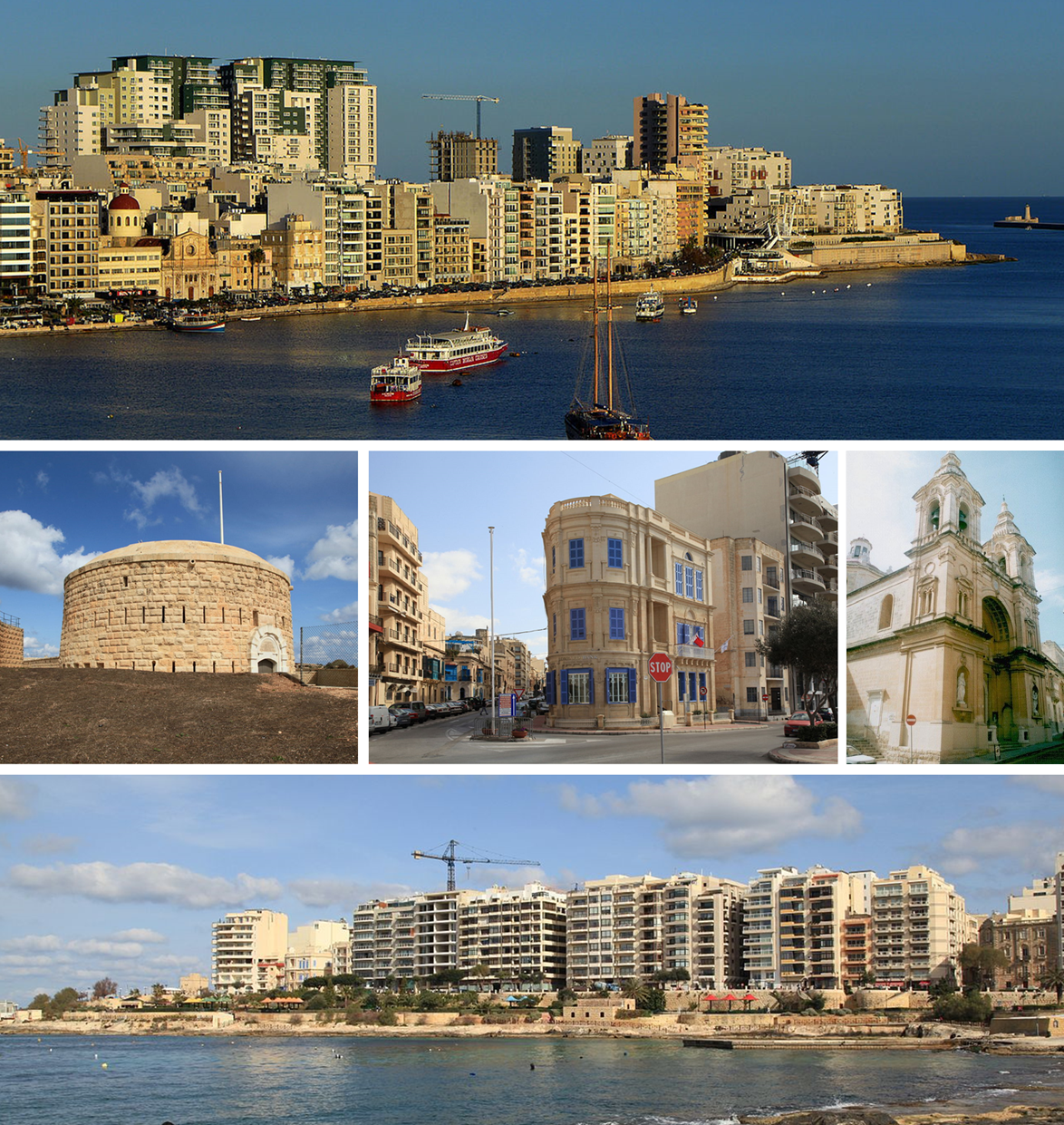
Why Sliema is Perfect for Your Celebration
- Scenic seafront promenade and rooftop terraces create naturally photogenic event backdrops
- Concentration of boutique and upscale hotels within walking distance of each other
- Malta International Airport is only ~8 km away, making international guest arrivals seamless
- Warm, dry summers (May–Sep) provide near-guaranteed outdoor event weather
- Vibrant local hospitality and catering industry experienced with international clientele
- Ferry connections to Valletta and the Three Cities add unique excursion options for guests
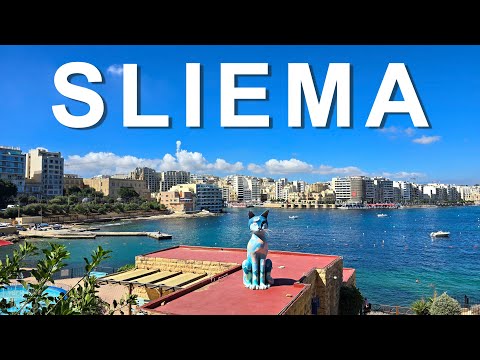
Top Venues in Sliema
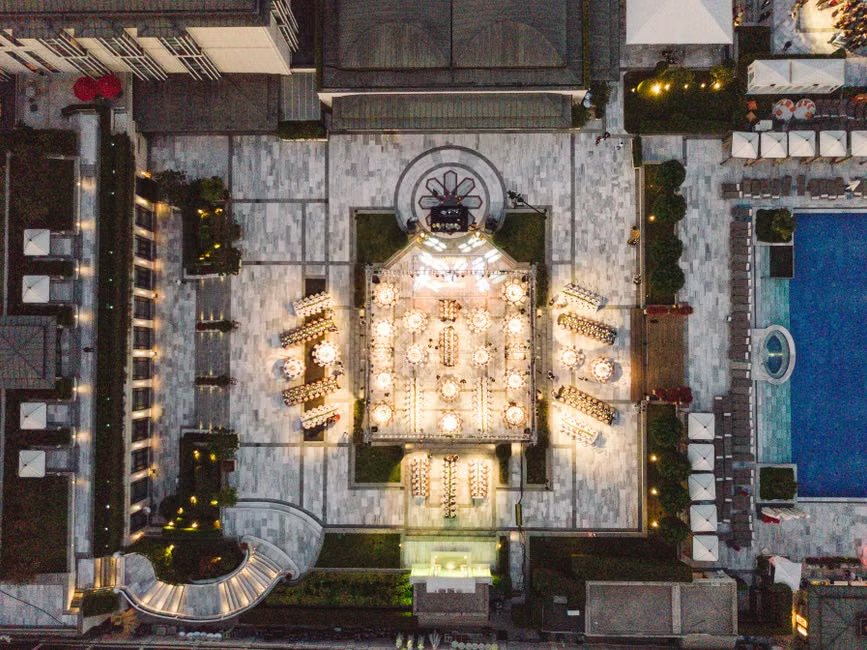
The Westin Dragonara Resort
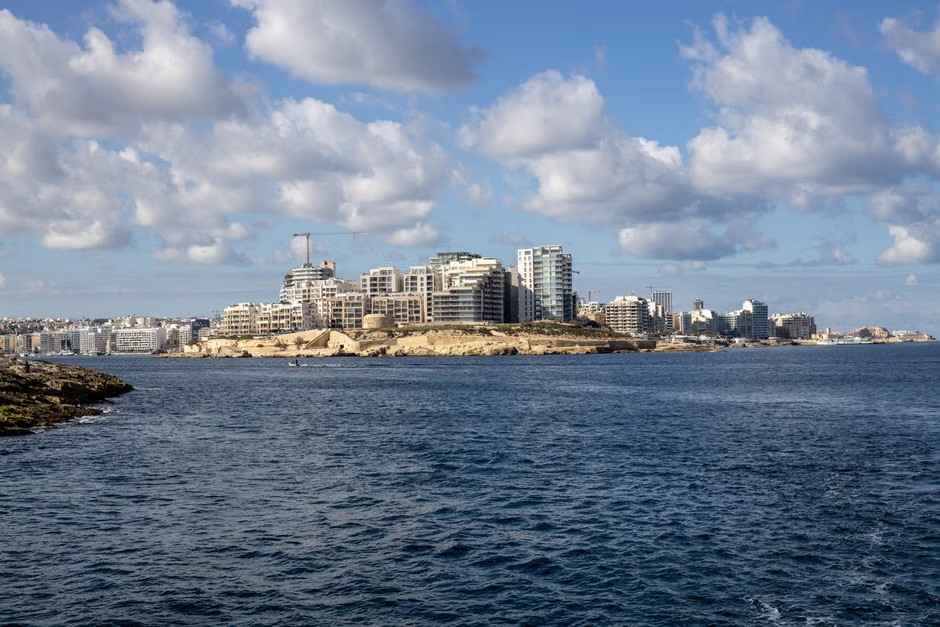
InterContinental Malta
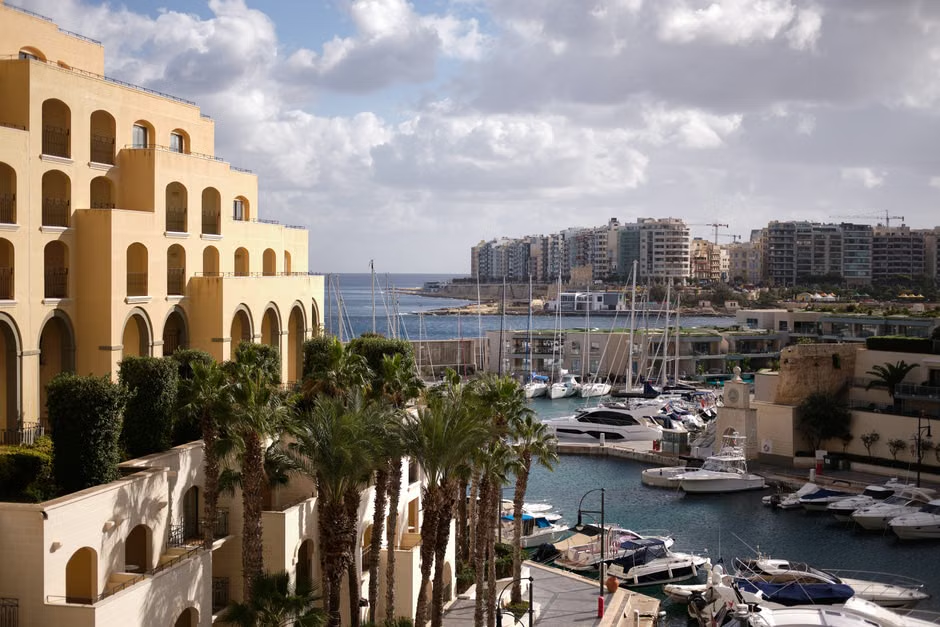
Hilton Malta
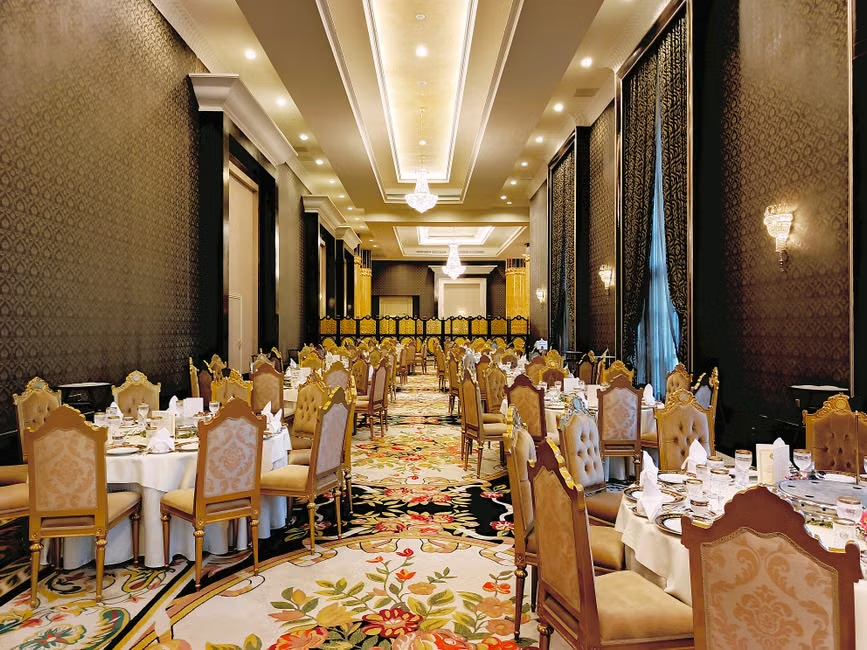
AX The Palace Hotel
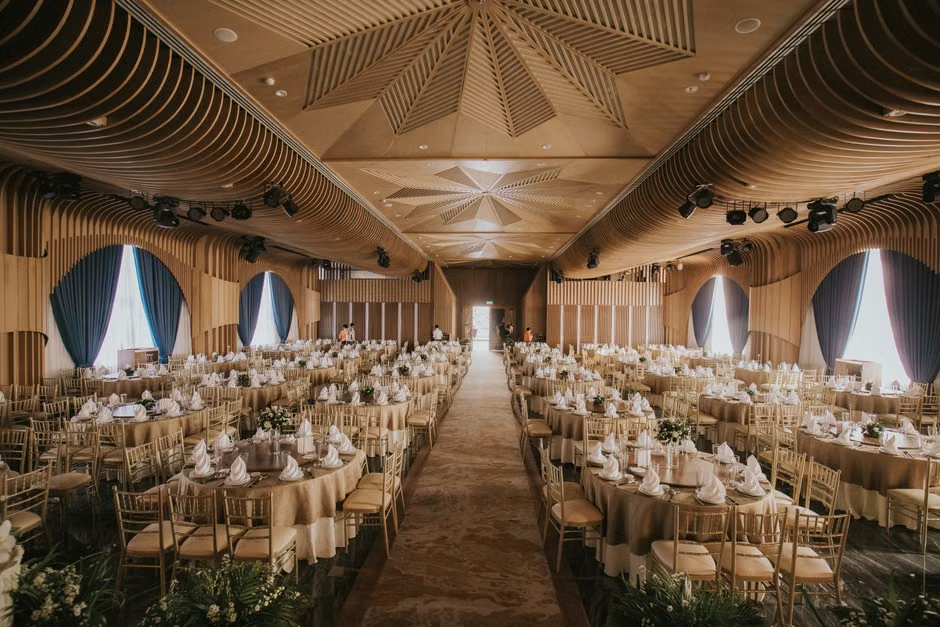
Preluna Hotel & Spa
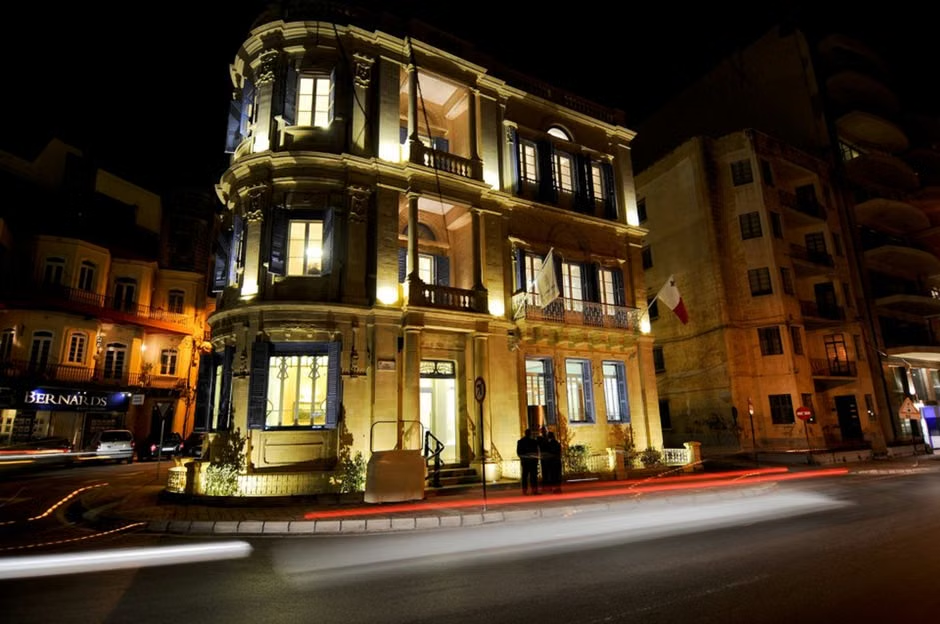
Victoria Hotel Sliema
Compare Sliema with Other Top Destinations
Frequently Asked Questions
Is Sliema a good destination for a wedding?
Yes, particularly for intimate and destination-style weddings. Sliema's seafront promenade, rooftop terraces, and boutique hotel settings suit couples looking for a chic Mediterranean backdrop rather than a large traditional banquet. It works especially well for weddings in the 30–150 guest range, where the setting itself provides much of the atmosphere. The English-speaking hospitality industry and short airport transfer make logistics comparatively straightforward for international couples.
What guest group sizes can Sliema venues realistically support?
Most Sliema and adjacent St Julian's venues comfortably accommodate events in the 50–300 guest range. Larger properties can host seated dinners and receptions for up to 400–600 guests in their main ballrooms. For very large events above that threshold, the local venue and supplier inventory begins to show its limits as a small-island destination, and planners should verify capacity early in the process.
What is the nearest airport to Sliema and how long does the transfer take?
Malta International Airport (MLA) is the nearest and only commercial airport, approximately 8 km from Sliema town centre. The transfer typically takes 20–30 minutes by taxi or private transfer. It handles a large number of direct European routes, making it one of the more accessible island destinations in the Mediterranean for international guests.
What is the best time of year to hold an event in Sliema?
May through September is the strongest season. This period offers warm, dry weather, long daylight hours, and near-reliable conditions for outdoor rooftop and seafront events. July and August are the hottest months, so daytime outdoor events are best scheduled in the late afternoon or evening. May, June, and September offer slightly cooler temperatures while retaining the dry, sunny character that makes outdoor planning dependable.
What kinds of event venues are available in Sliema?
Sliema and the immediately adjacent St Julian's area offer rooftop terraces with panoramic sea views, waterfront and poolside lawns, indoor ballrooms and banqueting suites, boutique hotel courtyards, and private dining rooms within standalone restaurants. For groups wanting a historic dimension, the nearby UNESCO-listed capital Valletta — reachable by a short ferry crossing — adds fortified bastions and palazzo interiors as additional options.
How easy is it for a large guest group to get around Sliema once they arrive?
Very manageable. Sliema is a walkable town — the main hotel cluster, promenade, and event venues are typically within comfortable walking distance of each other. For movement to Valletta or other parts of the island, public buses run frequently, the Sliema–Valletta ferry is a popular scenic option, and private minibus or coach hire is straightforward to arrange for coordinated group transfers.
Is the local vendor and catering ecosystem in Sliema well-suited to international events?
Yes. Malta's event industry is mature relative to the island's size, and Sliema sits at its centre. In-house catering teams at the major hotels are experienced with large-format event service. Local wedding and event planners regularly work with international clients. English is co-official and spoken fluently across the sector, which removes a significant coordination barrier. The main caveat is scale — very large events may need to supplement with suppliers from mainland Europe.
Does Sliema have a railway station or train connections?
No. Malta has no railway network. All ground transport on the island is by road or sea. Within Sliema, the town is walkable. For wider island movement, guests use public buses, taxis, private transfers, or the Sliema–Valletta ferry. For groups, private minibus or coach hire is the most practical option for coordinated movement between venues or excursion sites.
What makes Sliema distinctive compared to other Mediterranean event destinations?
Sliema's combination of a genuinely short airport transfer, a walkable seafront town layout, a dense cluster of quality accommodation, and an English-speaking hospitality industry sets it apart operationally. The views across to the UNESCO-listed Valletta skyline provide a backdrop that is visually distinctive and historically resonant without requiring guests to travel far from their accommodation.
Can Sliema accommodate guests who want to extend their stay beyond the event itself?
Yes, and this is one of the destination's genuine strengths. Guests can easily combine an event in Sliema with a short Malta holiday — visiting Valletta, the ancient temples, the Blue Lagoon at Comino, or the historic walled city of Mdina. The island's compact size means most major attractions are within 30–45 minutes by road, making it a practical and appealing destination for guests who want to make a trip of it.
Is Sliema suitable for corporate events and incentive travel programmes?
Yes. The concentration of internationally branded hotels with dedicated meeting and banqueting facilities, combined with the short airport transfer and English-speaking environment, makes Sliema a practical and polished choice for corporate retreats, product launches, and incentive travel. The proximity to Valletta and the availability of boat trips and cultural excursions add strong programme-building options beyond the event itself.

Ready to explore venues in Sliema?
Sliema: Destination Wedding & Event Venues on Malta's Cosmopolitan Seafront
◆Sliema is Malta's most cosmopolitan town and one of the island's strongest destinations for weddings, corporate events, social parties, and intimate celebrations. Its primary character is chic and urban-Mediterranean — a walkable seafront promenade lined with boutique hotels, rooftop bars, and waterfront terraces. The best season runs from May through September, when warm, dry weather makes outdoor events highly reliable. Malta International Airport is approximately 8 km away, giving international guests a short, straightforward transfer. The local hospitality industry is mature, English-speaking, and well-practised with international clientele, making logistics comparatively smooth for event planners.
Sliema at a Glance
| Category | Detail |
|---|---|
| Best For | Intimate Weddings, Corporate Events, Social Parties, Milestone Celebrations |
| Primary Vibe | Chic & Cosmopolitan |
| Other Vibes | Seafront & Scenic, Boutique & Intimate, Mediterranean & Relaxed |
| Best Season | Summer (May, Jun, Jul, Aug, Sep) |
Why Choose Sliema?
- Seafront setting with natural visual drama: The Sliema promenade and adjacent Tigne Point offer unobstructed views across the Grand Harbour approaches and the Valletta skyline — a backdrop that requires no additional decoration to impress guests.
- Concentration of quality accommodation: Sliema and the immediately adjacent St Julian's area together host a dense cluster of upscale and boutique hotels, meaning large guest groups can be accommodated within a short walking radius of each other and of the event venue itself.
- Excellent international accessibility: Malta International Airport handles direct flights from across Europe, the Middle East, and North Africa. The short transfer distance means guests spend minimal time in transit after landing.
- Mature, English-speaking hospitality industry: Malta's event and catering sector is well-developed and operates primarily in English, reducing coordination friction for international couples and corporate planners alike.
- Rooftop and waterfront venue diversity: The town offers a genuine variety of event space types — rooftop terraces with panoramic sea views, indoor ballrooms, poolside lawns, and historic converted spaces — giving planners real flexibility in format and atmosphere.
- Proximity to Valletta and the Three Cities: The UNESCO World Heritage capital Valletta is a short ferry ride or taxi journey away, offering additional excursion and pre/post-event programming options that enrich the overall guest experience.
Which Celebrations Work Best in Sliema?
- Intimate and destination weddings: Sliema suits couples seeking a European island setting with genuine cosmopolitan polish rather than a large-scale traditional banquet. The town's boutique hotels and rooftop terraces are particularly well-suited to weddings in the range of 30–150 guests, where the setting itself does much of the atmospheric work.
- Corporate events and conferences: The concentration of internationally branded hotels with dedicated meeting and banqueting facilities, combined with easy airport access, makes Sliema a practical and appealing choice for corporate retreats, product launches, and incentive travel programmes.
- Social parties and milestone celebrations: Birthday parties, anniversary dinners, and reunion gatherings benefit from the town's lively restaurant and bar scene, which can be hired for private events, and from the ease with which guests can move between venues on foot along the promenade.
- Pre-wedding and post-wedding events: The seafront setting, ferry connections, and proximity to historic Valletta make Sliema an excellent base for multi-day wedding programmes — welcome dinners, boat trips, and farewell brunches all fit naturally into the destination's character.
Venues & Event Spaces
Sliema and its immediately adjacent areas offer a genuine range of event space types suited to different celebration formats. Rooftop terraces are among the most sought-after, offering panoramic views across the Mediterranean and the Valletta skyline — these work particularly well for cocktail receptions, intimate wedding ceremonies, and evening parties. Waterfront and poolside lawns at seafront hotels provide open-air settings for larger receptions and corporate dinners, with the sea as a natural backdrop. Indoor ballrooms and banqueting suites within the town's upscale hotels can accommodate seated dinners and formal receptions, with full catering and AV infrastructure in place. Boutique hotel courtyards and garden terraces offer a more intimate, characterful alternative for smaller groups. Beyond the hotels themselves, Sliema's broader hospitality scene includes standalone restaurants and private dining rooms that can be hired exclusively for events, adding further variety. For planners seeking a historic dimension, the proximity of Valletta — reachable by a short ferry crossing — opens access to fortified bastions, palazzo interiors, and baroque architecture that can serve as dramatic event settings for groups based in Sliema.
Best Time to Celebrate
The curated best season for Sliema events runs from May through September, and this reflects the genuine strengths of the Mediterranean summer climate. During these months, rainfall is exceptionally rare, temperatures are warm to hot (typically ranging from the mid-20s°C in May to the low-to-mid 30s°C in July and August), and daylight hours are long — evening events on rooftop terraces or seafront lawns can begin in natural light and transition seamlessly into warm, still nights. The sea is at its warmest from July onwards, which adds value for guests who want to combine the event with a short holiday.
July and August are the peak of the Maltese summer and bring the highest temperatures; outdoor daytime events during these months require careful planning around shade and timing, with late-afternoon and evening slots generally preferred. May, June, and September offer slightly more moderate temperatures while retaining the dry, sunny character that makes outdoor events reliable.
The months outside this window present genuine challenges. November through February brings cooler temperatures (often 12–17°C), increased rainfall, and at times strong winds from the north — outdoor events become unreliable, and the seafront setting loses much of its warmth and visual appeal. March and April are transitional months: temperatures begin to rise and rain becomes less frequent, but the weather remains variable enough that outdoor event planning carries meaningful risk. These months are not impossible for indoor events, but they are not the destination's strongest season.
Getting There & Local Connectivity
Malta International Airport is the island's sole commercial airport and handles a substantial volume of direct European routes, particularly from the UK, Italy, Germany, France, and the Netherlands, as well as connections from the Middle East. The airport is approximately 8 km from Sliema town centre, making the transfer one of the shortest of any island destination in the Mediterranean — guests typically arrive at their hotel within 20–30 minutes of landing. Taxis, private transfers, and ride-hailing services are all readily available at the airport.
Malta has no railway network, so all ground movement on the island is by road or sea. Within Sliema itself, the town is highly walkable — the promenade, the main hotel cluster, and the primary restaurant and bar strip are all within comfortable walking distance of each other, which is a genuine practical advantage for groups moving between a ceremony venue, a reception, and accommodation. For guests travelling to Valletta or other parts of the island, public buses run frequently and affordably, while private minibus transfers can be arranged for groups. The Sliema–Valletta ferry is a popular and scenic option for short crossings. For larger groups requiring coordinated movement between multiple venues or excursion sites, private coach hire is straightforward to arrange through local operators.
Local Vendor & Hospitality Ecosystem
Malta's event industry is well-developed relative to the island's size, driven by decades of tourism and a strong corporate travel sector. Sliema sits at the centre of this ecosystem. Catering and food and beverage standards are high, with a strong tradition of Mediterranean cuisine supplemented by international menus — most upscale hotels have in-house catering teams experienced with large-format event service. Event coordination and wedding planning services are available locally, with a number of established planners who work regularly with international couples and corporate clients and understand the specific logistics of bringing guests to the island. Floral, décor, and styling suppliers operate across the island and are accustomed to working with the seafront and rooftop venue formats that define Sliema's event character. Photography and videography professionals familiar with the local light, the harbour backdrops, and the Valletta skyline are well-represented. English is effectively a co-official language of Malta and is spoken fluently across the hospitality and events sector, which removes a significant coordination barrier for international planners. The main practical limitation is scale: Malta is a small island, and for very large events (300+ guests) requiring extensive specialist supplier coordination, some elements may need to be sourced from or supplemented by suppliers based in mainland Europe.
Pros & Things to Consider
Why Sliema Works Well
- Genuinely short airport transfer (~8 km) makes international guest arrivals smooth and low-stress
- Dense cluster of quality accommodation means large guest groups can stay within walking distance of each other
- Rooftop and waterfront venues provide naturally dramatic settings without requiring heavy decoration investment
- English-speaking hospitality industry reduces coordination friction for international planners
- Long, dry Mediterranean summers (May–Sep) give outdoor events a high degree of weather reliability
- Proximity to UNESCO-listed Valletta adds cultural and excursion value for guests extending their stay
- Walkable town layout makes multi-venue event programmes easy to execute without heavy transport logistics
Things to Consider
- Sliema is an urban, cosmopolitan town — couples seeking a secluded, rural, or exclusively private island setting will find the environment busier and more public than some alternatives
- Peak summer (July–August) brings significant tourist crowds to the promenade and public areas, which can affect the exclusivity feel of outdoor events in shared spaces
- The island's small size means that for very large events (300+ guests), venue capacity and specialist supplier availability can become limiting factors
- Malta has no railway network, so all guest movement beyond the immediate walking area requires road or sea transport — this needs to be factored into group logistics planning
- Winter months (November–February) are genuinely unsuitable for the outdoor seafront events that define Sliema's strongest offering
When Sliema May Not Be the Right Fit
- Very large-scale events (400+ guests): The local venue and supplier inventory, while strong for its size, has practical upper limits. Groups requiring very large single-venue capacities or extensive specialist supplier teams may find the island's scale constraining.
- Couples seeking a secluded, private-island or rural setting: Sliema is a busy, urban Mediterranean town. If the priority is complete seclusion, a countryside estate, or a private villa setting away from public areas, this destination's character works against that goal.
- Events planned for November through February: The winter months bring cooler, wetter, and windier conditions that make the outdoor seafront and rooftop settings — Sliema's primary strength — unreliable. Indoor-only events are possible, but the destination's distinctive character is significantly diminished outside the summer season.
- Guests with very limited direct flight access: While Malta is well-connected from Europe and the Middle East, guests travelling from South Asia, East Asia, or the Americas will typically require at least one connection, which adds travel time and complexity for those guest groups.