
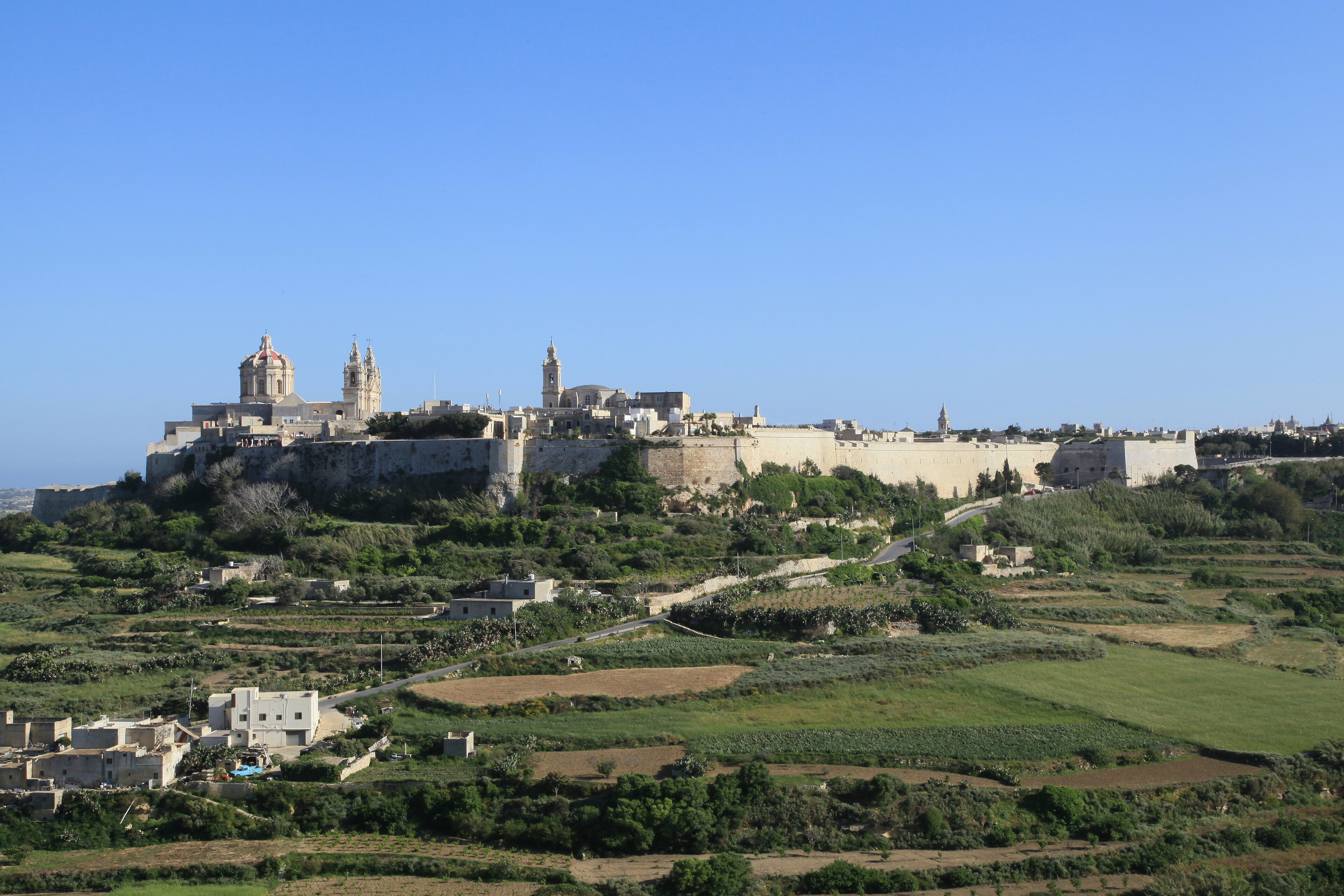
Why Mdina is Perfect for Your Celebration
- Unique car-free walled city creates an exclusive, private atmosphere for celebrations
- Baroque noble palaces and cathedral squares offer genuinely rare event backdrops
- Spring and autumn seasons deliver mild, reliable Mediterranean weather for outdoor events
- Malta International Airport connects to major European cities, making guest travel straightforward
- Intimate scale suits small to medium weddings seeking privacy and cinematic scenery
- Rich Maltese hospitality tradition with experienced local vendors familiar with destination events

Compare Mdina with Other Top Destinations
Frequently Asked Questions
Is Mdina a good destination for a wedding?
Yes, particularly for small to medium intimate weddings. Mdina's medieval walled city, baroque palaces, and cathedral square create a genuinely rare European backdrop. It suits couples prioritising atmosphere, exclusivity, and historic character over large-scale resort facilities. Guest lists of up to roughly 150 are most comfortably served by the available venue inventory in and immediately around the city.
What is the best time of year to hold a wedding or event in Mdina?
Spring (April, May, June) and early autumn (September, October) are the curated best seasons. Temperatures are mild, rainfall is low, and the light is particularly flattering for outdoor ceremonies and photography. July and August are the least suitable months due to intense heat and peak tourist crowds, while November through March brings cooler, wetter conditions that increase risk for outdoor events.
How do guests get to Mdina?
Most guests fly into Malta International Airport, which is approximately 12 km from Mdina and receives direct flights from a wide range of European cities. From the airport, private transfers or taxis are the most practical option for event groups. Malta has no railway network, so all ground transport is road-based; private coach transfers are the standard solution for moving larger groups.
Can vehicles enter Mdina for a wedding or event?
No. Mdina is a car-free city — vehicles are not permitted beyond the main gate except for residents and authorised deliveries. This is a defining feature of the destination's character, but it requires careful advance planning for guest drop-off, catering logistics, and equipment access. Experienced local event operators are well familiar with these constraints and have established protocols for managing them.
What kinds of venues are available for events in and around Mdina?
Within the walls, the primary options are historic palazzo courtyards, vaulted halls, and rooftop terraces — intimate spaces with original stone architecture and panoramic views. Immediately outside the walls, in nearby villages and the Central Region, heritage hotel properties with formal gardens, ballrooms, and outdoor lawns can accommodate larger guest lists while remaining within a short drive of the city.
How many guests can Mdina realistically accommodate for a wedding?
In-walls venues are best suited to intimate gatherings — typically up to around 100–150 guests for a seated dinner, depending on the specific space. For larger celebrations, nearby heritage properties outside the walls can accommodate more guests. Very large events of 300 or more guests are generally better served by a different destination or a purpose-built venue elsewhere on Malta.
Do I need special permissions to hold a ceremony inside Mdina?
Yes. Events involving amplified sound, structural changes, or open flame within the walled city are subject to heritage authority oversight, and religious ceremonies in the cathedral require coordination with the relevant ecclesiastical authorities. Civil ceremonies have their own separate permitting process. Engaging an experienced local event planner who knows the regulatory landscape is strongly advisable.
Where do guests typically stay when attending an event in Mdina?
Accommodation within Mdina's walls is very limited — there is only one hotel property inside the city itself. The majority of guests stay in nearby towns such as Rabat, Attard, or further afield in Valletta or St Julian's. Given Malta's compact geography, all of these are typically within 20–30 minutes of Mdina, making organised coach transfers a straightforward and practical solution.
Is the local vendor and hospitality ecosystem in Malta experienced with destination events?
Yes. Malta has a well-developed destination wedding and events industry, shaped by years of hosting international couples — particularly from the UK and continental Europe. Local planners, caterers, florists, and photographers are generally experienced in working within Mdina's heritage environment. English is an official language, which removes communication barriers for international planners and guests.
What makes Mdina different from a typical resort wedding destination?
Mdina is a living medieval city, not a purpose-built resort environment. Its appeal lies in genuine historic fabric — baroque palaces, a cathedral, limestone streets — rather than manicured hotel grounds. This creates an atmosphere of authentic exclusivity that is difficult to replicate, but it also means the destination suits couples who value character and intimacy over large-scale facilities and resort-style amenities.
Is Mdina suitable for non-wedding celebrations such as milestone birthdays or corporate events?
Yes. The city's palazzo spaces and nearby heritage properties are well suited to private milestone celebrations, anniversary dinners, and intimate corporate hospitality events where atmosphere and exclusivity are priorities. The car-free environment and limited public access during private events contribute to a genuine sense of occasion that is harder to achieve in more open, resort-style settings.

Ready to explore venues in Mdina?
Mdina: Destination Wedding & Event Venues in Malta's Silent City
◆Mdina is Malta's ancient fortified capital — a car-free, medieval walled city of baroque palaces, limestone streets, and panoramic countryside views — best suited to small, intimate weddings, private celebrations, and cultural events where atmosphere and exclusivity matter more than scale. Its primary vibe is Cultural & Timeless, drawing couples and planners who want a genuinely historic European backdrop rather than a resort-style setting. The best seasons are spring (April, May, June) and early autumn (September, October), when temperatures are mild and rainfall is low. Malta International Airport connects the island to major European cities, making international guest travel relatively straightforward, though the car-free city centre requires careful on-the-ground logistics planning.
Mdina at a Glance
| Category | Detail |
|---|---|
| Best For | Intimate weddings, private celebrations, cultural events, elopements |
| Primary Vibe | Cultural & Timeless |
| Other Vibes | Historic, Romantic, Exclusive, Mediterranean |
| Best Season | Spring (Apr, May, Jun, Sep, Oct) |
Why Choose Mdina?
- Unmatched historic atmosphere: Mdina is one of Europe's best-preserved medieval walled cities, with baroque noble palaces, a cathedral square, and narrow limestone alleys that create a naturally cinematic setting requiring minimal decoration.
- Genuine exclusivity: With a permanent resident population of only a few hundred and strict vehicle restrictions inside the walls, the city offers a level of privacy and quiet that larger resort destinations simply cannot replicate.
- Reliable spring and autumn climate: April through June and September through October deliver consistently mild, sunny Mediterranean weather — ideal for outdoor ceremonies and evening receptions on palace terraces.
- Accessible international gateway: Malta International Airport receives direct flights from across Europe and beyond, meaning guests from the UK, continental Europe, and the Middle East can typically reach the island without a connecting flight.
- Experienced local event industry: Malta has a well-developed destination wedding and events sector, with local planners, caterers, florists, and photographers who are familiar with the specific logistical demands of working within Mdina's walled environment.
- Compact island geography: Malta's small size means that guests staying anywhere on the island — from Valletta to St Julian's — are typically within 20-30 minutes of Mdina, simplifying accommodation and transport arrangements.
Which Celebrations Work Best in Mdina?
- Intimate weddings and elopements: Mdina's scale and character are ideally suited to small, meaningful ceremonies. The cathedral, palace courtyards, and rooftop terraces provide extraordinary backdrops for couples prioritising atmosphere over guest count.
- Private celebrations and milestone events: The city's exclusivity and the availability of entire palazzo spaces for private hire make it well suited to significant birthdays, anniversaries, and family gatherings where a sense of occasion is paramount.
- Cultural and heritage-themed events: For organisations or families who want an event rooted in genuine history — rather than a purpose-built resort — Mdina's living medieval fabric provides an authenticity that is difficult to stage elsewhere.
- Pre-wedding and post-wedding gatherings: Even for couples whose main reception is held elsewhere on Malta, Mdina is a natural choice for a rehearsal dinner, welcome drinks, or a morning-after brunch, given its proximity to the rest of the island.
Venues & Event Spaces
Mdina and its immediate surroundings offer a distinctive but deliberately limited range of event spaces, shaped by the city's heritage protection status and small footprint. Within the walls, the primary venue typology is the historic palazzo or noble house — privately owned or institutionally managed properties with internal courtyards, vaulted halls, and rooftop terraces that can be hired for private events. These spaces are typically suited to intimate gatherings rather than large-scale receptions, and their character is defined by original stone architecture, period furnishings, and views across the Maltese countryside.
Immediately outside the walls, in the surrounding villages of Rabat, Attard, and the broader Central Region, the venue palette broadens to include heritage hotel properties with formal gardens and ballroom-style event spaces, as well as converted farmhouses and rural estates that offer outdoor lawn settings. These properties can accommodate larger guest lists while still being within a short drive of Mdina itself, making them a practical complement to a ceremony held inside the city.
For outdoor ceremonies, the bastions and terraces of Mdina — with their panoramic views stretching to the sea — are among the most photographed event settings in the Mediterranean. Evening events benefit particularly from the city's warm limestone glow under artificial lighting, a quality that has made Mdina a recurring location for film and television productions as well as private celebrations.
Best Time to Celebrate
The curated best seasons for events in Mdina are spring (April, May, June) and early autumn (September, October). During these months, daytime temperatures typically range from the low-to-mid twenties Celsius, evenings are warm but comfortable, and rainfall is infrequent enough that outdoor ceremonies and receptions can be planned with reasonable confidence. The light in spring and autumn is particularly flattering for photography — softer and warmer than the harsh midday glare of high summer.
July and August are the least suitable months for events in Mdina. Temperatures regularly exceed 30°C, the island is at peak tourist capacity, and the combination of heat and crowds makes the narrow streets of the walled city uncomfortable for formally dressed guests. Outdoor evening events can still work in summer, but the heat lingers well into the night and the logistical pressure of peak season affects vendor availability and accommodation pricing.
November through March brings cooler temperatures (typically 10°C–18°C), shorter days, and a meaningfully higher chance of rain. While Mdina is beautiful in winter — quieter, more atmospheric, and genuinely uncrowded — the weather introduces real risk for outdoor ceremonies, and some of the smaller palazzo venues reduce their event operations in the off-season. Indoor events in this period are entirely viable, but couples planning outdoor elements should treat winter as a higher-risk window.
Getting There & Local Connectivity
Malta is served by Malta International Airport, located approximately 12 km from Mdina, with direct connections to a wide range of European cities and seasonal routes from further afield. For most European guests, Mdina is reachable in a single direct flight, which significantly reduces the travel burden compared to more remote island destinations. Non-European guests typically connect through a major European hub.
Malta has no railway network — the island's public transport is entirely road-based, operated by a bus network that covers most of the island. For event groups, the practical solution is almost always private coach or minibus transfers arranged through a local operator, which is both affordable at Malta's scale and logistically straightforward given the island's compact geography. Taxis and ride-hailing services are available and reliable.
Within Mdina itself, vehicles are not permitted beyond the main gate except for residents and authorised deliveries. This is a defining feature of the city's character, but it requires event planners to think carefully about guest drop-off points, accessibility for elderly or mobility-impaired guests, and the movement of catering and equipment. Experienced local event operators are well versed in these constraints and typically have established protocols for managing them.
Local Vendor & Hospitality Ecosystem
Malta has a mature and well-regarded destination wedding and events industry, shaped by decades of hosting international couples — particularly from the UK, Italy, Germany, and Scandinavia — who choose the island for its climate, heritage, and EU membership. Local wedding planners who specialise in Mdina and the surrounding area are generally experienced in navigating the city's heritage regulations, coordinating with the relevant ecclesiastical and civil authorities for ceremony permissions, and managing the logistical constraints of a car-free venue.
Catering in Malta draws on a strong Mediterranean culinary tradition, with local caterers experienced in both formal banquet service and more relaxed outdoor dining formats. Maltese cuisine — built around fresh seafood, local produce, and influences from Italian, North African, and British culinary traditions — offers genuine character for event menus, and most established caterers can accommodate international dietary requirements without difficulty.
Floristry, photography, and entertainment vendors in Malta are generally of a high standard, with many having built portfolios specifically around Mdina's distinctive visual environment. The city's photogenic quality means it attracts skilled photographers who understand how to work with its light and architecture. Live music — from classical string quartets suited to a palazzo setting to more contemporary acts for evening receptions — is readily available through local agencies.
One genuine consideration is vendor capacity during peak season (July–August and major public holidays). The most sought-after local planners, photographers, and venues book up well in advance during these periods, reinforcing the case for spring and autumn events where availability is broader and the working environment is more comfortable for all involved.
Pros & Things to Consider
Why Mdina Works Well
- Genuinely unique, car-free medieval setting that is difficult to replicate anywhere else in the Mediterranean
- Strong spring and autumn climate with reliable sunshine and low rainfall during the curated best season
- Well-connected international airport with direct European routes, reducing guest travel complexity
- Experienced local event industry familiar with the specific demands of heritage venue events
- Compact island geography means all guests, regardless of where they stay, are within easy reach of the city
- English is an official language, removing communication barriers for international planners and guests
Things to Consider
- Venue capacity is inherently limited: Mdina's walled city spaces are intimate by nature — couples expecting to host very large guest lists (200+) will find the in-walls options insufficient and will need to look to nearby properties outside the city.
- No vehicles inside the walls: Guest mobility, catering logistics, and equipment access all require advance planning and coordination with experienced local operators; this is not a venue environment where last-minute logistics work smoothly.
- Heritage regulations apply: Any event involving structural changes, amplified sound, or open flame within the walled city is subject to heritage authority oversight, and permissions must be secured well in advance.
- Peak summer is genuinely uncomfortable: July and August heat, combined with tourist crowds, makes Mdina a less pleasant environment for formally dressed guests and outdoor events.
- Accommodation within the walls is very limited: There is only one hotel property inside Mdina itself; the majority of guests will need to be accommodated in nearby towns or elsewhere on the island, requiring organised transfers.
When Mdina May Not Be the Right Fit
- Very large guest lists: If your celebration requires a single venue accommodating 300 or more guests under one roof, Mdina's in-walls properties are unlikely to meet that need, and even nearby heritage venues have practical upper limits.
- Guests with significant mobility challenges: The cobbled streets, stepped alleys, and car-free environment of the walled city can be genuinely difficult for guests with limited mobility, and the absence of vehicle access inside the walls compounds this.
- Summer-only availability: If your dates are fixed in July or August and you are planning a primarily outdoor event, Mdina's heat and peak-season crowds make it a less comfortable choice than a destination with a more forgiving summer climate.
- Guests travelling from outside Europe without a convenient hub connection: While Malta is well connected within Europe, guests from South Asia, East Asia, or the Americas will typically require a European connection, adding meaningful travel time compared to a destination with more global air links.