
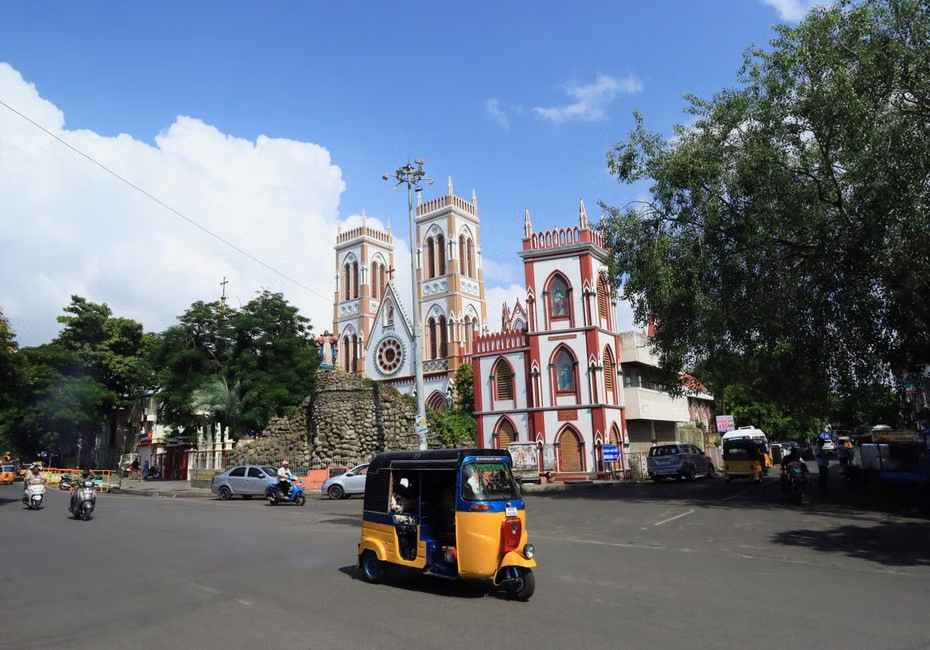
Why Birgu / Three Cities is Perfect for Your Celebration
- Dramatic Grand Harbour waterfront backdrops for ceremonies and photography
- Authentic baroque palazzos and fortified venues unique to Maltese heritage
- Intimate cobblestone streets and piazzas ideal for smaller, curated celebrations
- Spring and early autumn offer warm, dry weather perfectly suited to outdoor events
- Close proximity to Malta International Airport makes international guest travel straightforward
- Rich Knights of St John history gives every event a genuinely storied, cultural atmosphere

Compare Birgu / Three Cities with Other Top Destinations
Frequently Asked Questions
Is Birgu / Three Cities a good choice for a destination wedding?
Yes, particularly for intimate celebrations. Birgu is well-suited to smaller weddings — typically up to around 150 guests — where the couple prioritises a genuinely historic, atmospheric setting over large-scale production. The Grand Harbour waterfront, baroque palazzos, and fortified streets create a naturally cinematic backdrop that is rare in the Mediterranean event market.
What guest group sizes can venues in Birgu / Three Cities realistically support?
Most venues within Birgu and the Three Cities comfortably accommodate between 20 and 150 guests. The area's heritage buildings and intimate courtyards are not designed for mass-capacity events. Couples planning for significantly larger groups should discuss extending their venue search to include nearby Valletta, which offers a broader range of larger event spaces accessible by a short ferry crossing.
How do guests get to Birgu / Three Cities from the airport?
Malta International Airport is approximately 10 km from Birgu, with typical road transfer times of 20–30 minutes. Private coach or minibus transfers are the most practical option for coordinating large groups. The airport receives direct flights from across Europe and the Middle East, making international guest travel generally straightforward.
What is the best time of year to hold a wedding or event in Birgu / Three Cities?
April, May, June, September, and October are the curated best months. These offer warm, reliably dry conditions ideal for outdoor waterfront ceremonies. September and October are particularly favoured — the summer heat has eased, the sea remains warm, and the destination is less crowded than the July–August peak, giving events a more exclusive feel.
What kinds of venues are available for events in Birgu / Three Cities?
The venue landscape is defined by heritage character: restored baroque palazzos, fortified bastions, waterfront terraces with Grand Harbour views, and intimate courtyard spaces within historic townhouses. These properties typically combine period-feature indoor reception rooms with outdoor terraces suited to the Mediterranean climate. Purpose-built banquet halls or large convention spaces are not part of the local inventory.
Is there a railway station serving Birgu / Three Cities?
No. Malta has no railway network. All ground transport across the island is by road or water. For guests, the most practical options are private road transfers, taxis, and the Grand Harbour ferry service — a short, atmospheric water crossing between Birgu's waterfront and Valletta that many guests find a highlight of the experience in itself.
How easy is it for international guests to travel to Birgu / Three Cities?
Generally straightforward for guests travelling from Europe, the UK, and the Middle East, all of which have strong direct flight connections to Malta International Airport. English is an official language of Malta, safety standards are very high, and the island is a well-established international travel destination. Guests from regions without direct Malta routes will need to connect, typically through a major European hub.
What makes the local vendor and hospitality ecosystem in Birgu / Three Cities suited to events?
Malta has a well-developed wedding and events industry, and vendors with specific experience in heritage and waterfront settings are available within the Three Cities market. Local catering draws on a strong Mediterranean culinary tradition. The main consideration is that accommodation within Birgu itself is boutique in scale, so planners typically coordinate guest rooms across multiple properties, including nearby Valletta.
Can outdoor ceremonies be held in Birgu / Three Cities, and what should couples be aware of?
Yes. Outdoor waterfront terraces and courtyard spaces are among the most sought-after settings in Birgu. The best season months (April–June, September–October) offer reliably dry, warm conditions. Couples should be aware that Birgu's cobblestone surfaces and narrow streets require advance planning for guest mobility, supplier access, and any use of public spaces, which may need coordination with local authorities.
Is Birgu / Three Cities suitable for multi-day celebration programmes?
Yes. The destination lends itself well to multi-day events that incorporate local cultural experiences alongside the formal celebration — Grand Harbour cruises, visits to the fortifications and co-cathedral in nearby Valletta, local festas, and Maltese culinary experiences. The compact geography means guests can move between activities without long transfers, which helps maintain group cohesion across a multi-day programme.
What are the main logistical challenges of planning an event in Birgu / Three Cities?
The primary challenges are the narrow, cobblestone streets (which complicate vehicle access and supplier deliveries), limited on-site parking, and the boutique scale of local accommodation. Planners should arrange dedicated transfer logistics in advance, coordinate accommodation across multiple properties if needed, and work with vendors experienced in the specific constraints of the Three Cities' historic urban environment.

Ready to explore venues in Birgu / Three Cities?
Birgu / Three Cities: Destination Wedding & Cultural Event Venues in Malta
◆Birgu, collectively known as part of Malta's Three Cities (alongside Senglea and Cospicua), is best suited to intimate, culturally rich weddings, private celebrations, and heritage-focused events. Its primary vibe is Cultural & Timeless — defined by fortified baroque architecture, Grand Harbour waterfront settings, and an authentically Maltese atmosphere that larger resort destinations cannot replicate. The destination suits smaller guest lists particularly well, typically up to 150 guests, given the intimate scale of available venues. Spring and early autumn (April, May, June, September, October) offer the most reliable outdoor event conditions. Malta International Airport provides straightforward international access, and the destination is generally considered very safe and English-speaking, making it accessible for international guests.
Birgu / Three Cities at a Glance
| Category | Detail |
|---|---|
| Best For | Intimate Weddings, Cultural Celebrations, Heritage Events, Private Gatherings |
| Primary Vibe | Cultural & Timeless |
| Other Vibes | Romantic, Waterfront, Historic, Mediterranean |
| Best Season | Spring (Apr, May, Jun, Sep, Oct) |
Why Choose Birgu / Three Cities?
- Genuinely unique heritage setting: The Three Cities are among the most authentically preserved medieval and baroque urban environments in the Mediterranean, offering a backdrop that is impossible to replicate in a purpose-built resort.
- Grand Harbour waterfront access: Few destinations in Europe offer ceremony and reception spaces with direct views over one of the world's most celebrated natural harbours, providing dramatic photography and an inherently memorable guest experience.
- Intimate scale: Birgu's compact, pedestrian-friendly layout means that a wedding party can move naturally between ceremony, cocktail hour, and reception without the logistical complexity of a sprawling resort campus.
- English-speaking destination: Malta's official bilingualism (Maltese and English) means that international couples and their guests face virtually no language barrier when coordinating with local vendors, venues, or civil authorities.
- Excellent international air access: Malta International Airport, approximately 10 km away, receives direct flights from across Europe and beyond, making it straightforward for guests travelling from the UK, continental Europe, and the Middle East.
- Favourable spring and autumn climate: The curated best season months offer warm, reliably dry conditions — particularly well-suited to outdoor waterfront ceremonies — without the intense heat of the Maltese summer peak.
Which Celebrations Work Best in Birgu / Three Cities?
- Intimate destination weddings: Birgu is particularly well-suited to smaller weddings — typically under 150 guests — where the couple prioritises atmosphere, authenticity, and a genuinely storied setting over large-scale production. The fortified streets, baroque palazzos, and harbour views create a naturally cinematic environment that requires minimal additional decoration.
- Cultural and heritage celebrations: Events that draw meaning from place — anniversary dinners, milestone birthdays, family reunions with a European heritage theme — find Birgu's Knights of St John history and Maltese cultural identity a genuinely enriching backdrop rather than a generic luxury setting.
- Private gatherings and corporate retreats: The destination's compact scale and relatively low tourist footprint compared to Valletta make it well-suited to exclusive private events where a group can feel they have genuinely taken over a historic neighbourhood rather than competing with mass tourism.
- Festival-style celebrations: Malta has a strong tradition of festas and public celebrations, and Birgu's piazzas and waterfront promenades lend themselves naturally to multi-day event programmes that incorporate local culture, food, and music alongside the formal celebration.
Venues & Event Spaces
The venue landscape in Birgu and the Three Cities is defined by heritage character rather than volume or scale. Couples and planners should expect to work with restored baroque palazzos, fortified bastions, waterfront terraces overlooking the Grand Harbour, and intimate courtyard spaces within historic townhouses. These properties typically offer a combination of indoor reception rooms with original period features — vaulted ceilings, stone arches, antique tilework — and outdoor terraces or gardens that take full advantage of the Mediterranean climate during the best season months.
The area does not have large-scale purpose-built banquet halls or convention-centre-style event spaces; this is by nature a destination for curated, smaller-scale events rather than mass-capacity celebrations. Couples planning for guest lists above approximately 150–200 should factor in the realistic capacity constraints of the local venue inventory. Waterfront venues along the Dockside area and within the fortified walls of Vittoriosa (Birgu's formal name) are among the most sought-after, offering unobstructed views across to Valletta and the upper reaches of the Grand Harbour.
For larger events, planners sometimes extend their venue search to include nearby areas of the Three Cities — Senglea and Cospicua — or coordinate with venues in adjacent Valletta, which is accessible by a short ferry crossing or road transfer and offers a broader range of larger event spaces while remaining closely associated with the Three Cities experience.
Best Time to Celebrate
The curated best season for Birgu / Three Cities is Spring: April, May, June, and September–October. These months offer the most reliable combination of warm temperatures, low rainfall, and manageable tourist volumes for event planning purposes.
April and May are particularly pleasant — temperatures are comfortably warm (typically 18°C–25°C), the island is green from winter rains, and the light quality for outdoor photography is excellent. June is warm and reliably dry, though temperatures begin to climb toward the upper 20s, making shade and timing of outdoor elements important considerations. September and October are arguably the finest months for outdoor events: the summer heat has eased, the sea remains warm, and the island's tourist peak has passed, meaning venues and local vendors are more available and the destination feels more exclusively yours.
July and August are excluded from the best season for good reason: temperatures regularly exceed 32°C, humidity is high, and Malta is at its most crowded with summer tourists. Outdoor ceremonies in full sun during these months require careful management of guest comfort, and the general busyness of the island can affect vendor availability and accommodation pricing.
November through March brings cooler temperatures (as low as 12°C–15°C at night), increased rainfall, and occasional strong winds from the north — the Gregale wind in particular can be disruptive to outdoor waterfront events. While the Three Cities retain their atmospheric quality year-round, the logistical risks for outdoor celebrations are meaningfully higher in winter months, and some smaller venues may have limited heating infrastructure.
Getting There & Local Connectivity
Malta International Airport is the primary gateway for guests travelling to Birgu / Three Cities, and it is well-served by direct flights from across Europe, North Africa, and the Middle East. The airport is approximately 10 km from Birgu, making transfers relatively short — typically 20–30 minutes by road depending on traffic. For groups, private coach or minibus transfers from the airport are the most practical option, as Malta's public bus network, while functional, is not well-suited to coordinating large guest groups with luggage.
Malta has no railway network, so all ground movement is by road or water. Within the Three Cities area, the most distinctive and practical local transport option is the Grand Harbour ferry — a short water taxi crossing between Birgu's waterfront and Valletta's Lower Barrakka area, which is both practical and genuinely atmospheric for guests. For movement within Birgu itself, the streets are narrow, largely pedestrianised in the historic core, and best navigated on foot — which is part of the destination's charm but requires advance planning for guests with mobility considerations.
Parking within Birgu is limited, and planners coordinating large guest groups should arrange dedicated drop-off and collection points in advance. Taxis and ride-hailing services (including the eCabs platform, which operates across Malta) are generally reliable for individual guest transfers.
Local Vendor & Hospitality Ecosystem
Malta has a well-developed wedding and events industry, and while the Three Cities are a more specialised niche within that market than Valletta or St Julian's, the local vendor ecosystem is generally capable of supporting well-planned destination events. Florists, photographers, catering companies, and event stylists with specific experience in heritage and waterfront settings are available, and many have worked extensively within the Three Cities' unique logistical constraints — narrow access streets, stone surfaces, and the need to coordinate with local authorities for any use of public spaces.
Catering in the Three Cities typically draws on Malta's strong Mediterranean culinary tradition, with an emphasis on fresh seafood, local produce, and Maltese specialities that can add genuine cultural texture to a celebration menu. International catering styles are also available through established Maltese event caterers.
The hospitality ecosystem within Birgu itself is boutique in scale — the area's accommodation inventory is composed primarily of smaller heritage hotels, guesthouses, and self-catering palazzos rather than large hotel blocks. For events with significant guest accommodation needs, planners typically coordinate a combination of properties within the Three Cities and nearby Valletta, which has a broader range of hotel options and is easily accessible by ferry or road.
Pros & Things to Consider
Why Birgu / Three Cities Works Well
- Genuinely unique, non-replicable heritage setting with Grand Harbour waterfront access
- English-speaking destination with very high safety standards — low friction for international guests
- Excellent international air connectivity via Malta International Airport
- Spring and autumn seasons offer reliably good outdoor event conditions
- Intimate scale creates an exclusive, curated atmosphere that larger resort destinations cannot match
- Strong local vendor ecosystem with specific heritage event experience
- Rich cultural programming opportunities — local festas, harbour cruises, historic site visits — to build around a multi-day celebration
Things to Consider
- Limited venue capacity: The Three Cities are not suited to very large guest lists; couples expecting 200+ guests will find the local venue inventory genuinely constraining.
- No rail network: All ground transport is by road or water, which requires more active coordination for large groups than destinations with direct rail links.
- Narrow streets and limited parking: The historic urban fabric that makes Birgu beautiful also creates real logistical challenges for vehicle access, supplier deliveries, and guest mobility.
- Boutique accommodation inventory: Guests requiring a large block of rooms in a single property will need to look beyond Birgu itself, typically to Valletta or the wider Malta hotel market.
- Summer heat: July and August are genuinely hot and crowded — couples with flexibility should strongly favour the spring or early autumn window.
When Birgu / Three Cities May Not Be the Right Fit
- Very large guest lists: If your celebration requires a single venue accommodating 300 or more guests with on-site accommodation for the majority, the Three Cities' boutique venue inventory is unlikely to meet that need without significant logistical complexity.
- Guests with significant mobility challenges: Birgu's cobblestone streets, stepped alleys, and general absence of level, smooth surfaces can be genuinely difficult for guests using wheelchairs or with limited mobility — this is worth factoring in early.
- Outdoor events planned for July or August: The summer heat and tourist peak make this period meaningfully less suitable for outdoor waterfront celebrations; couples committed to a summer date may find the experience less comfortable than the curated best season months.
- Guests travelling from destinations with no direct Malta connections: While European connectivity is strong, guests travelling from regions without direct Malta routes will face connecting flights, which adds travel complexity for a destination wedding group.