
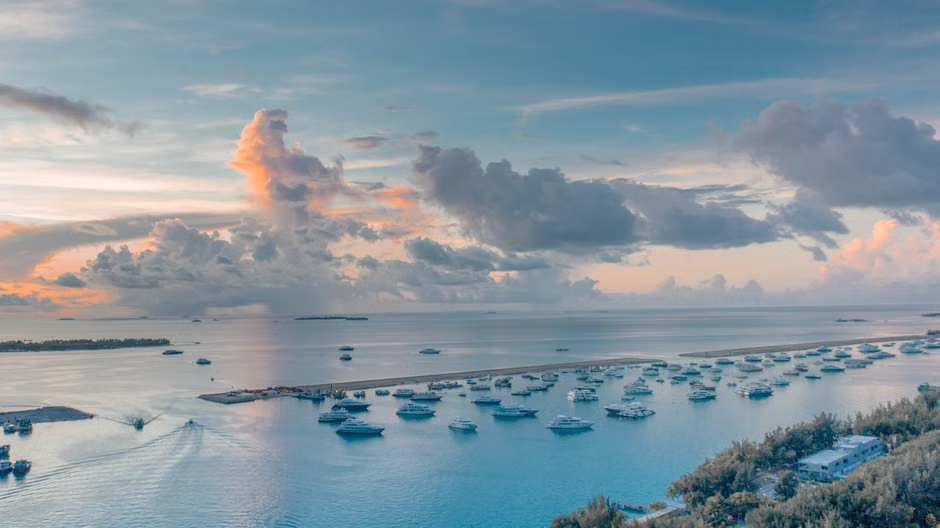
Why Malé / Hulhumalé is Perfect for Your Celebration
- Velana International Airport (MLE) sits directly adjacent to Hulhumalé, making international guest arrivals seamless with no long transfers
- Hulhumalé's seafront promenades and rooftop venues offer genuinely dramatic Indian Ocean backdrops unavailable in most urban destinations
- The Maldives' visa-on-arrival policy for most nationalities simplifies international guest logistics considerably
- Dry-season events (Jan–Apr, Dec) benefit from reliably calm seas, low rainfall, and photogenic golden-hour light
- Hulhumalé's planned urban layout means modern event infrastructure — banquet halls, hotel ballrooms, and outdoor lawns — is concentrated and accessible
- Intimate guest lists are particularly well served: the island scale naturally suits boutique, exclusive celebrations rather than mass-attendance events
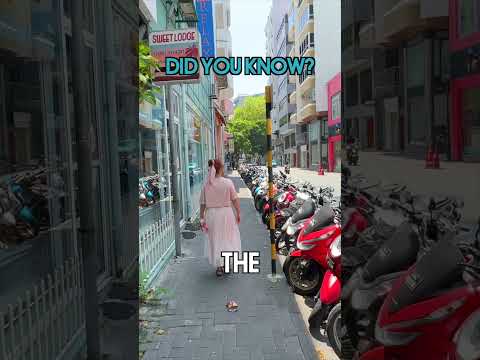
Top Venues in Malé / Hulhumalé
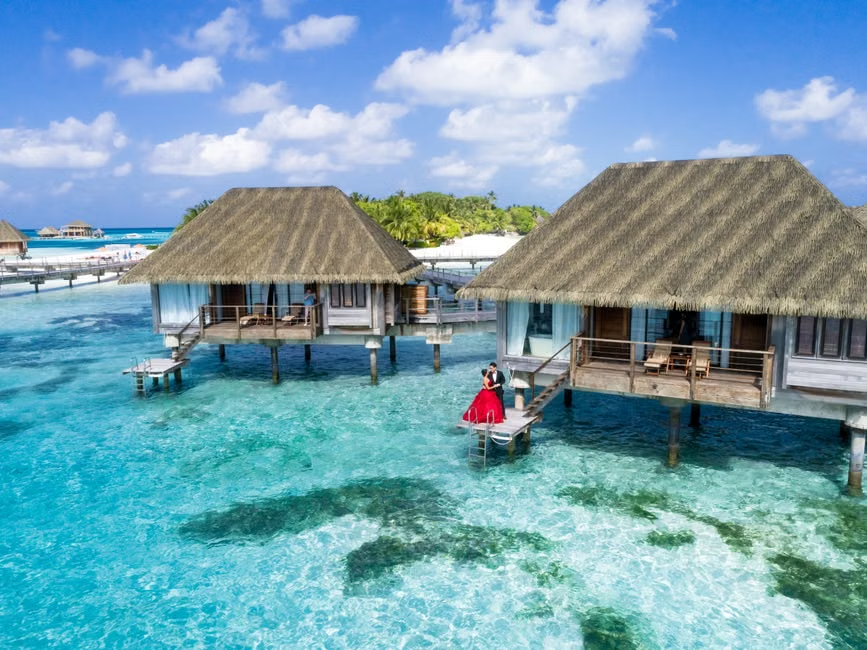
Crossroads Maldives (SAii Lagoon & Hard Rock Hotel)
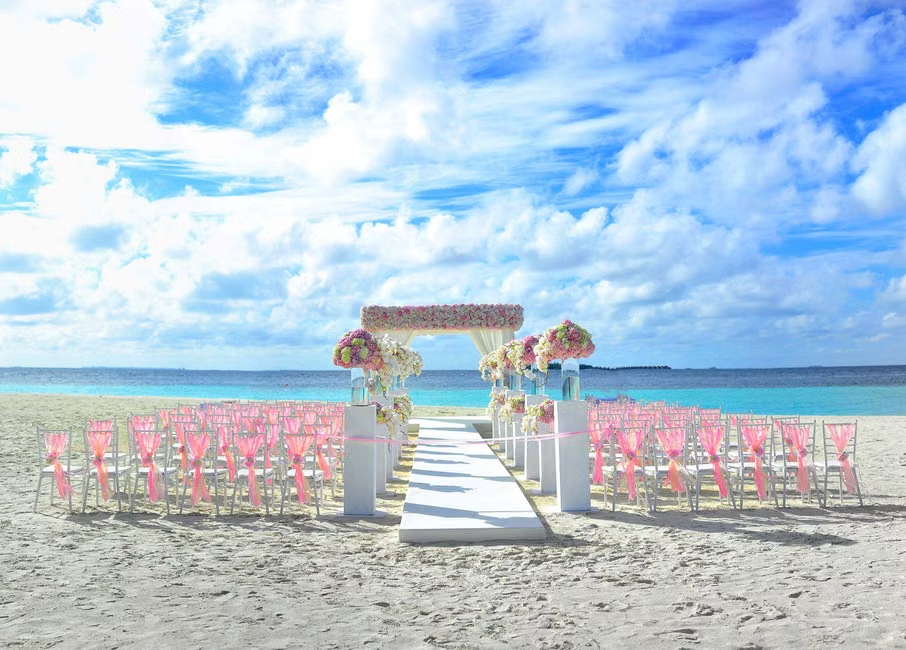
Hulhule Island Hotel
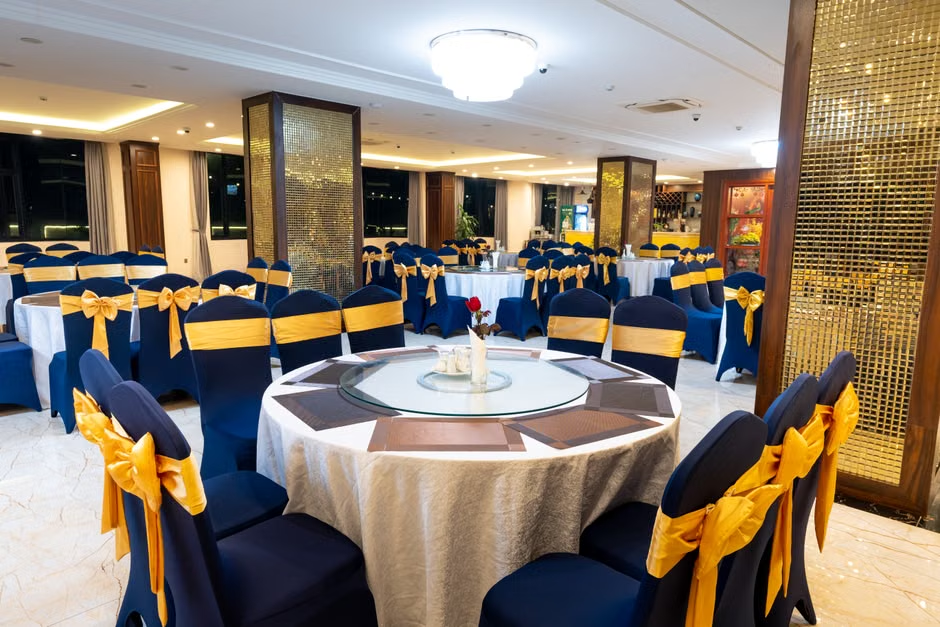
Sala Boutique Hotel
Compare Malé / Hulhumalé with Other Top Destinations
Frequently Asked Questions
Is Malé / Hulhumalé a good destination for an intimate wedding?
Yes, particularly for smaller, curated celebrations. The island scale, oceanfront venues, and cosmopolitan atmosphere make Malé and Hulhumalé well suited to intimate destination weddings where setting and experience take priority over large headcounts. Seafront ceremony spaces and rooftop venues provide genuinely distinctive backdrops that are hard to replicate in a mainland urban destination.
What is the best time of year to hold an event in Malé or Hulhumalé?
The dry season — January through April and December — is the strongly recommended window. These months bring stable, predominantly clear weather, calm seas, and low rainfall, making outdoor events reliable. The southwest monsoon (May–October) brings heavy rain and rough conditions that significantly disrupt outdoor plans, and November is transitional and unpredictable.
How do international guests get to Malé / Hulhumalé?
Velana International Airport (MLE) serves the destination with direct flights from major hubs across India, the Middle East, Southeast Asia, and Europe. The airport sits directly adjacent to Hulhumalé, connected by causeway, so guests can reach their hotel within minutes of landing — a significant logistical advantage over most Maldivian resort destinations that require additional boat or seaplane transfers.
Do guests need a visa to attend an event in the Maldives?
Most nationalities receive a visa on arrival in the Maldives, which removes a significant administrative barrier for internationally dispersed guest groups. Planners should verify current entry requirements for specific nationalities in advance, but the general policy is among the most permissive in the region for international visitors.
What kinds of event venues are available in Hulhumalé and Malé?
The venue landscape includes hotel ballrooms and banquet halls, rooftop terraces with ocean views, seafront promenade spaces, resort-integrated event lawns, and private dining rooms for very small groups. Hulhumalé's planned layout concentrates modern event-ready spaces in an accessible area, while the broader Emboodhoo Lagoon area offers resort-style beachfront and overwater settings.
How many guests can realistically be accommodated for an event based in Malé / Hulhumalé?
The destination is best suited to events in the range of roughly 30 to 200 guests. Accommodation and venue inventory, while growing, is more limited than in large mainland cities. Groups at the higher end of this range should book well in advance. Very large events exceeding 300 guests will likely find the combined local inventory insufficient to accommodate everyone comfortably in one cluster.
Is there a railway connection to Malé or Hulhumalé?
No. The Maldives has no railway system. All inter-island movement is by sea or air — speedboats, ferries, and seaplanes connect the broader archipelago. Within the Malé–Hulhumalé cluster, road transport is available across the Sinamalé Bridge, and taxis operate on both islands. Event planners should factor sea-transfer logistics into any itinerary involving nearby resort areas.
What is the local vendor and catering ecosystem like for events?
Malé and Hulhumalé have a more developed event vendor base than their size might suggest, shaped by the Maldives' long history in premium international tourism. Hotel-based coordination, independent event planners, and local catering vendors are available. Halal catering is the default standard. For highly specialised production or bespoke décor, some elements may need to be sourced from India, Sri Lanka, or the UAE, so lead times should be planned accordingly.
Can guests move easily between Malé and Hulhumalé during an event?
Yes. The Sinamalé Bridge connects the two islands by road, and taxis and ride-hailing services operate across both. For most group logistics — shuttling guests between accommodation and event venues — the connection is straightforward. Planners should arrange dedicated transport for large groups rather than relying on ad-hoc taxis, particularly for timed event movements.
Is Malé / Hulhumalé suitable for corporate retreats and offsites?
Yes. The combination of strong international air connectivity, modern hotel meeting facilities in Hulhumalé, and the natural focus that an island setting provides makes this pairing genuinely effective for executive retreats, leadership offsites, and incentive travel programs. The destination's cosmopolitan character also appeals to internationally diverse corporate groups who want a distinctive setting without complete remoteness.
What should event planners know about alcohol service at events in the Maldives?
Alcohol is available in licensed hotel properties and resort venues but is not permitted in public spaces or non-licensed venues. This means open-bar formats are feasible within hotel event spaces but not in all outdoor or public-area settings. Planners should confirm licensing arrangements with their chosen venue early in the planning process, particularly if the event format relies on outdoor beverage service.

Ready to explore venues in Malé / Hulhumalé?
Malé / Hulhumalé: Destination Wedding & Event Venues in the Maldives
◆Malé and Hulhumalé together form the Maldives' most accessible event destination — a cosmopolitan island pairing suited to intimate weddings, corporate retreats, and social celebrations. The primary vibe is chic and contemporary, anchored by Indian Ocean scenery and modern hospitality infrastructure. Events work best during the dry season (January through April and December), when rainfall is minimal and outdoor settings are at their most reliable. International accessibility is genuinely strong, with Velana International Airport sitting directly adjacent to the island cluster, though the island-nation geography means all logistics require advance coordination. This destination suits smaller, curated guest lists rather than large-scale gatherings.
Malé / Hulhumalé at a Glance
| Category | Detail |
|---|---|
| Best For | Intimate Weddings, Corporate Retreats, Social Celebrations, Honeymoon Extensions |
| Primary Vibe | Chic & Cosmopolitan |
| Other Vibes | Tropical, Oceanfront, Intimate, Modern Island |
| Best Season | Dry Season (Jan, Feb, Mar, Apr, Dec) |
Why Choose Malé / Hulhumalé?
- Unmatched international air access for an island destination: Velana International Airport (MLE) is one of the best-connected airports in South Asia, receiving direct flights from major hubs across India, the Middle East, Europe, and Southeast Asia — making it genuinely practical for internationally dispersed guest lists.
- Dramatic natural scenery as a built-in backdrop: The turquoise lagoons, coral-sand shores, and open Indian Ocean horizons of the Malé–Hulhumalé cluster provide a visual setting that is difficult to replicate in a mainland urban destination, particularly for outdoor ceremonies and sunset events.
- Hulhumalé's modern, purpose-built infrastructure: Unlike many island capitals constrained by historic urban density, Hulhumalé was planned from the ground up, offering wider roads, newer hotel properties, seafront promenades, and event-ready open spaces that are genuinely functional for group logistics.
- Visa-on-arrival for most nationalities: The Maldives extends visa-on-arrival to citizens of most countries, removing a significant administrative barrier that complicates international destination events elsewhere in the region.
- Proximity to world-class resort experiences: Guests can combine an event based in Malé or Hulhumalé with a pre- or post-event stay at nearby resort islands, making the overall trip package highly attractive for international attendees.
- Genuine cosmopolitan character: Malé is a functioning capital city with a diverse hospitality workforce, international cuisine, and a level of urban sophistication that distinguishes it from purely resort-island Maldives experiences — appealing to guests who want island beauty without complete remoteness.
Which Celebrations Work Best in Malé / Hulhumalé?
- Intimate Destination Weddings: The island scale naturally caps practical guest numbers, making Malé and Hulhumalé particularly well suited to curated, boutique weddings where the setting and experience matter more than headcount. Seafront ceremony spaces and rooftop venues create genuinely memorable visual moments.
- Corporate Retreats & Leadership Offsites: The combination of strong international connectivity, modern hotel meeting facilities in Hulhumalé, and the inherent focus that comes with an island setting makes this pairing effective for executive retreats, strategy sessions, and incentive travel programs.
- Social Celebrations (Milestone Birthdays, Anniversaries): Smaller social events — anniversary dinners, milestone birthday gatherings, family reunions — benefit from the destination's intimacy and the ease of creating a cohesive group experience when everyone is on the same island.
- Honeymoon Extensions & Post-Wedding Experiences: Couples who marry elsewhere in the Maldives or in South Asia frequently use Malé and Hulhumalé as a gateway, combining event logistics with a honeymoon extension into the broader Maldivian resort archipelago.
Venues & Event Spaces
The venue landscape in Malé and Hulhumalé spans several distinct types, each suited to different event formats and guest experiences.
- Hotel ballrooms and banquet halls: Several of the larger hotel properties in Hulhumalé and on the airport island offer dedicated banquet and conference facilities with air-conditioning, AV infrastructure, and in-house catering — practical for corporate events and formal dinners.
- Rooftop and terrace venues: A number of boutique hotels and newer properties in Hulhumalé feature rooftop spaces with panoramic ocean views, well suited to cocktail receptions, sunset ceremonies, and intimate dinner events.
- Seafront and promenade spaces: Hulhumalé's planned waterfront areas include open outdoor spaces that can be configured for ceremonies, receptions, and social gatherings, with the Indian Ocean as a natural backdrop.
- Resort-integrated event spaces: Properties in the broader Emboodhoo Lagoon area — accessible by short boat transfer from Malé — offer resort-style event infrastructure including beachfront lawns, overwater pavilions, and dedicated wedding coordination services.
- Private dining and exclusive-use spaces: For very small groups, several restaurants and boutique venues in Malé's city centre offer exclusive-use arrangements for private dinners and intimate celebrations.
Best Time to Celebrate
The dry season — running from January through April and returning in December — is the strongly preferred window for events in Malé and Hulhumalé. During these months, the northeast monsoon brings stable, predominantly clear weather with low humidity by Maldivian standards, calm sea conditions, and reliable sunshine. January and February are typically the driest months, with February also offering some of the clearest underwater visibility for guests who wish to combine event attendance with diving or snorkelling.
March and April remain excellent, though temperatures begin to climb slightly and occasional brief showers become more possible toward late April. December is a strong choice for year-end corporate events and festive-season celebrations, with conditions generally dry and the island atmosphere particularly lively.
The southwest monsoon, which runs from approximately May through October, brings significantly higher rainfall, stronger winds, rougher sea conditions, and elevated humidity. Outdoor events during this period carry meaningful weather risk, and the visual appeal of the destination — so dependent on clear skies and calm turquoise water — is considerably reduced. November is a transitional month with unpredictable showers and is generally not recommended for events where outdoor elements are planned. Groups with flexibility should prioritise the January–April window for the most reliable conditions.
Getting There & Local Connectivity
Velana International Airport is the primary entry point for all guests, and its location directly adjacent to Hulhumalé is a genuine logistical advantage — the airport island, Hulhule, is connected to Hulhumalé by a causeway, meaning hotel check-in can follow arrival within minutes rather than hours. This is meaningfully different from most Maldivian resort destinations, which require additional speedboat or seaplane transfers after landing.
Direct international flights connect MLE to major cities across India, Sri Lanka, the Middle East, Singapore, Malaysia, China, and several European hubs, making it accessible for internationally dispersed guest groups without requiring complex multi-leg itineraries for most attendees.
Within the Malé–Hulhumalé cluster, movement between the two islands is straightforward via the Sinamalé Bridge (also known as the China-Maldives Friendship Bridge), which opened in 2018 and allows road vehicles to cross — a significant improvement for group logistics. Taxis and ride-hailing services operate on both islands. For guests wishing to visit nearby resort areas, speedboat and ferry services are available from the harbour, and seaplane transfers connect to more distant atolls. There is no railway system in the Maldives; all inter-island movement is by sea or air.
Local Vendor & Hospitality Ecosystem
Malé and Hulhumalé have a more developed event vendor ecosystem than most people expect from a small island capital. The Maldives' long history as a premium international tourism destination has produced a hospitality workforce with genuine experience in serving international guests, managing dietary requirements across cultures, and coordinating multi-day event programs.
Wedding and event coordination services are available through the larger hotel properties, and a growing number of independent event planners based in Malé specialise in destination weddings and corporate events. Floral, décor, and catering vendors have expanded significantly in Hulhumalé as the island's hospitality sector has grown. However, for very large or highly specialised events, some elements — particularly bespoke décor, specialist entertainment, or large-scale production — may need to be sourced from or coordinated with vendors in India, Sri Lanka, or the UAE, which adds a logistical layer that planners should account for in their timelines.
The local catering scene reflects the Maldives' cosmopolitan character, with strong capability in international cuisine alongside authentic Maldivian seafood-based menus. Halal catering is the default standard across the islands, which simplifies planning for Muslim guests but is worth noting for groups with specific non-Halal requirements.
Pros & Things to Consider
Why Malé / Hulhumalé Works Well
- Exceptional international air connectivity with no long secondary transfer on arrival
- Visa-on-arrival for most nationalities removes a major administrative barrier
- Genuinely dramatic Indian Ocean scenery as a natural event backdrop
- Modern, purpose-built infrastructure in Hulhumalé suited to group logistics
- Strong dry-season reliability (January–April, December) for outdoor events
- Cosmopolitan hospitality workforce experienced with international guests
- Proximity to broader Maldivian resort experiences for guest trip extensions
Things to Consider
- The island scale naturally limits practical guest numbers — very large events (300+ guests) will find venue and accommodation inventory constrained
- The southwest monsoon (May–October) makes outdoor events genuinely risky and reduces the destination's visual appeal significantly
- Alcohol regulations in the Maldives are specific: alcohol is available in licensed hotel properties but not in public spaces or non-licensed venues, which affects event planning for groups expecting open-bar formats in outdoor settings
- Specialist décor, entertainment, and large-scale production may need to be imported, adding cost and lead-time complexity
- The island geography means that if something goes wrong logistically (a delayed shipment, a vendor no-show), solutions are harder to source quickly than in a large mainland city
- Accommodation inventory, while growing, is more limited than in major mainland destination cities — early booking is essential for groups of any meaningful size
When Malé / Hulhumalé May Not Be the Right Fit
- Large guest lists (200+ attendees): The combined hotel and venue inventory in Malé and Hulhumalé is not well suited to events requiring accommodation and event space for very large groups simultaneously — a mainland destination with a larger hotel cluster would serve better.
- Events planned during the southwest monsoon (May–October): If dates are fixed in this window and outdoor elements are important to the event vision, the weather risk is significant enough that a different destination or a fully indoor format should be seriously considered.
- Groups requiring elaborate, bespoke production: Events that depend heavily on specialist vendors, large-scale staging, or highly customised décor will face supply-chain complexity in an island setting that a major mainland city would not present.
- Guests with very limited international travel experience: While the destination is accessible, the island-nation geography, currency, and logistics (no railway, sea-based inter-island movement) add a layer of unfamiliarity that may be challenging for guest groups unaccustomed to international travel.