
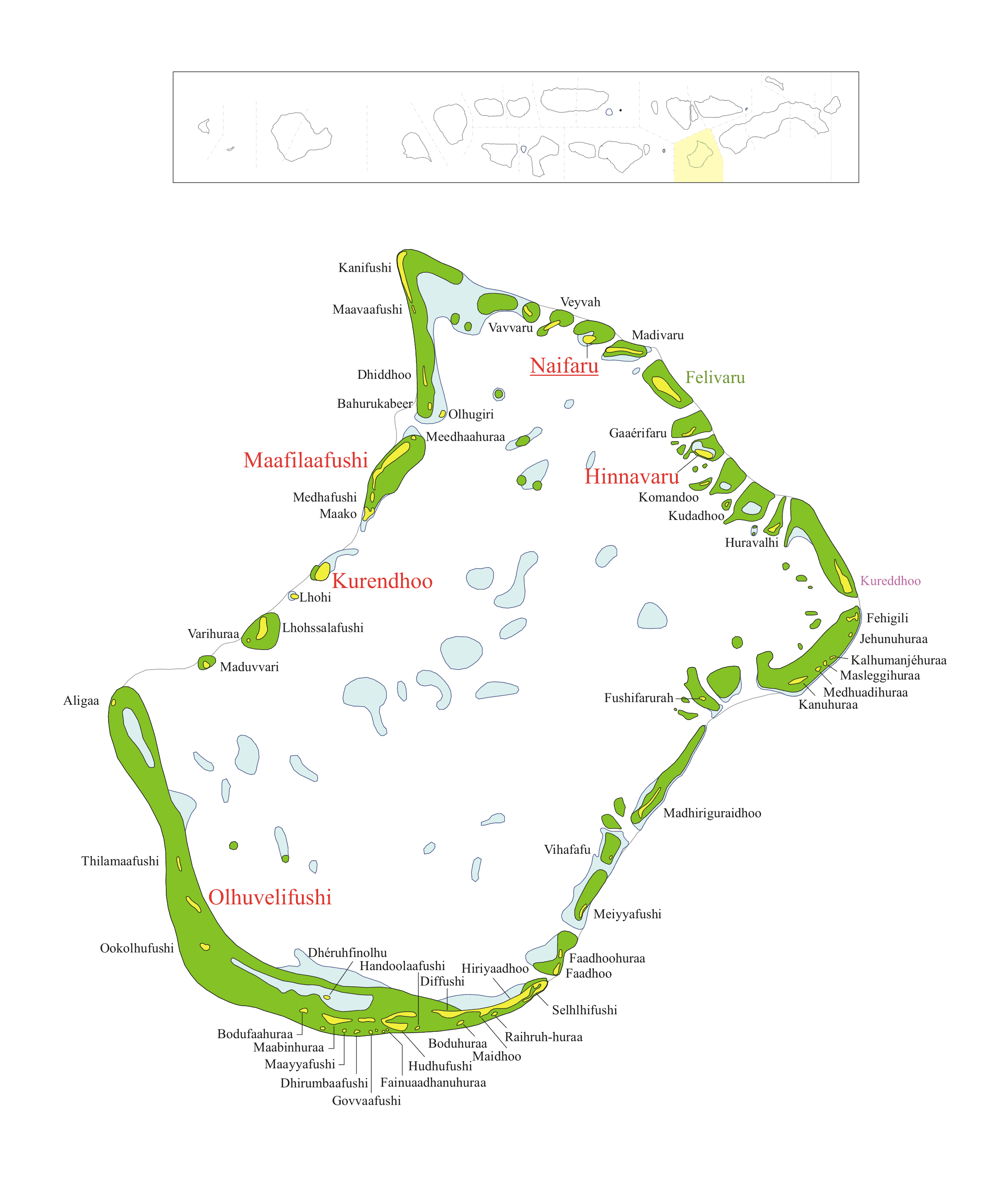
Why Lhaviyani Atoll is Perfect for Your Celebration
- Private island resort settings offer near-total exclusivity for wedding groups
- Overwater ceremony pavilions and beach venues create genuinely unique event backdrops
- Dry season (Jan–Apr, Dec) delivers calm lagoons and clear skies ideal for outdoor celebrations
- World-class snorkelling and diving reefs provide memorable guest experiences beyond the event itself
- Less-visited than busier Maldivian atolls, ensuring a quieter, more intimate atmosphere
- Luxury resort teams are experienced in coordinating destination weddings and bespoke events end-to-end

Compare Lhaviyani Atoll with Other Top Destinations
Frequently Asked Questions
Is Lhaviyani Atoll a good destination for an intimate wedding?
Yes. Lhaviyani Atoll is particularly well-suited to small, intimate destination weddings — typically groups of 20 to 80 guests. Its private island resorts offer overwater ceremony pavilions, beachfront settings, and dedicated wedding coordination teams. The seclusion of the atoll means a wedding group can often have an entire island resort to themselves, which is a genuinely rare level of privacy.
What is the best time of year to hold a wedding or celebration in Lhaviyani Atoll?
The best time is the dry northeast monsoon season: January, February, March, April, and December. During these months, the atoll experiences calm seas, clear skies, and low rainfall — conditions that make outdoor ceremonies and seaplane transfers reliably manageable. The southwest monsoon (May–November) brings heavy rain and rough seas that can disrupt both travel and outdoor events.
How do guests get to Lhaviyani Atoll for a destination wedding?
All guests arrive via Velana International Airport in Malé, the Maldives' only international gateway. From Malé, the onward journey to Lhaviyani Atoll is by seaplane or domestic flight (approximately 45–60 minutes), or by speedboat for some resorts. Seaplanes operate only during daylight hours, so guests on late-night flights typically need to overnight in Malé before continuing the next morning.
What kinds of ceremony and event spaces are available in Lhaviyani Atoll?
Event spaces are resort-based and include overwater ceremony pavilions built directly above the lagoon, beachfront lawns, private sandbank settings accessible by boat, indoor air-conditioned dining spaces, and garden or poolside areas. There are no standalone banquet halls or heritage venues — the resort itself is the venue, and its in-house team manages the event end-to-end.
How many guests can realistically be accommodated for a wedding in Lhaviyani Atoll?
The atoll's resorts are best suited to intimate groups — typically up to around 80 to 150 guests depending on the specific property. Accommodation and event space capacity is naturally limited by the private island model. Very large wedding parties of 200 or more guests may find the local inventory constraining, and a mainland destination with larger banquet infrastructure would be more appropriate for that scale.
Can guests stay on-site at the wedding venue in Lhaviyani Atoll?
Yes. Because the venue is the resort itself, all guests stay within the same property — typically in overwater villas, beach bungalows, or garden rooms depending on the resort. This integrated accommodation model is one of the practical advantages of a Maldivian atoll wedding: there is no need to coordinate transport between a separate hotel and venue, and the group remains together throughout the celebration.
Are there activities for wedding guests beyond the ceremony itself?
Yes. Lhaviyani Atoll is home to some of the Maldives' most celebrated dive and snorkel sites, and resorts typically offer a full programme of marine activities — snorkelling, scuba diving, dolphin cruises, sunset fishing trips, and water sports. These activities make the destination feel like a full holiday for guests rather than a single-event trip, which is a genuine draw for destination wedding groups.
Do the resorts in Lhaviyani Atoll have dedicated wedding planning teams?
Yes. The established resorts in the atoll have in-house wedding coordinators who manage ceremony setup, décor, catering, officiant arrangements, and guest logistics. Most offer structured destination wedding packages. Because the resort controls most supplier relationships, couples work primarily with the resort team rather than coordinating multiple independent vendors — a simplification that many find valuable when planning from abroad.
Is Lhaviyani Atoll suitable for a vow renewal or anniversary celebration?
Yes. The atoll's romantic, secluded character makes it an excellent setting for vow renewals and anniversary celebrations. Private sandbank ceremonies, overwater pavilion settings, and bespoke dining experiences can all be arranged through resort concierge teams. These events typically involve smaller groups and benefit from the same dry season weather window (January–April and December) as full destination weddings.
What should I know about local connectivity and communication for event planning?
Wi-Fi is available within resort properties, though speeds vary by property and are generally adequate for communication and planning purposes. Mobile connectivity outside resort zones is limited. English is widely spoken by resort staff across the atoll, which makes remote planning communication straightforward. Couples planning from abroad should expect to work primarily via email and video call with the resort's events team.
Is Lhaviyani Atoll safe for international wedding guests?
Yes. The Maldives is generally considered a very safe destination for international visitors, and Lhaviyani Atoll's resort environment is particularly controlled and secure. The private island model means guests remain within a managed resort setting for most of their stay. Standard travel precautions apply, and guests should ensure they have appropriate travel insurance covering the multi-leg journey.

Ready to explore venues in Lhaviyani Atoll?
Lhaviyani Atoll: Destination Wedding & Celebration Venues in the Maldives
◆Lhaviyani Atoll (also known as Faadhippolhu Atoll) is one of the Maldives' quieter, more secluded atolls, best suited to intimate destination weddings, honeymoon celebrations, and small private milestone events. Its primary vibe is peaceful and secluded — private island resorts, overwater villas, and pristine coral lagoons define the experience. The atoll is less commercialised than the busier central Maldivian atolls, making it a strong choice for couples and small groups who prioritise privacy over scale. The dry northeast monsoon season (January through April, and December) is the clear window for outdoor events. Guest travel requires a multi-leg journey via Malé, so logistics planning is essential, and the destination sits firmly in the premium segment.
Lhaviyani Atoll at a Glance
| Category | Detail |
|---|---|
| Best For | Intimate Destination Weddings, Honeymoon Celebrations, Private Milestone Events, Vow Renewals |
| Primary Vibe | Peaceful & Secluded |
| Other Vibes | Romantic, Tropical, Exclusive, Nature-Immersive |
| Best Season | Dry Season (Jan, Feb, Mar, Apr, Dec) |
Why Choose Lhaviyani Atoll?
- Genuine seclusion and privacy: Lhaviyani Atoll's resorts are spread across separate private islands, meaning a wedding group can effectively have an entire island to themselves — a level of exclusivity that is difficult to replicate in mainland destinations.
- Overwater and beachfront ceremony settings: The atoll offers overwater ceremony pavilions, sandbank settings, and beachfront lawns that create visually extraordinary backdrops for ceremonies and receptions, with the Indian Ocean as a natural stage.
- World-class marine environment: Lhaviyani Atoll is home to some of the Maldives' most celebrated dive and snorkel sites, including Fushivaru Thila and Kuredu Express — giving guests memorable experiences beyond the event itself and making the destination feel like a full holiday, not just a venue.
- Experienced resort event teams: The established resorts in the atoll have dedicated wedding and events coordinators who manage everything from ceremony décor and floral arrangements to catering and entertainment, reducing the logistical burden on couples planning from abroad.
- Less crowded than central atolls: Compared to North Malé or South Malé atolls, Lhaviyani sees fewer visitors, which translates to a quieter, more unhurried atmosphere — particularly valuable for events where the couple wants the focus on their celebration rather than a busy resort environment.
- Dry season reliability: The northeast monsoon dry season (January–April and December) delivers consistently calm seas, low humidity, and clear skies — conditions that make outdoor ceremonies and water-based activities genuinely dependable rather than weather-dependent gambles.
Which Celebrations Work Best in Lhaviyani Atoll?
- Intimate Destination Weddings: Lhaviyani Atoll is particularly well-suited to small, intimate weddings — typically groups of 20 to 80 guests — where the couple wants a private island setting, overwater or beachfront ceremony options, and a resort team that can manage the full event. The scale of the local resort inventory naturally supports smaller, more curated guest lists rather than large banquet-style weddings.
- Vow Renewals: The romantic, secluded character of the atoll makes it an excellent choice for vow renewal ceremonies, where the emphasis is on the couple's experience rather than large-scale guest logistics. A private sandbank ceremony or overwater pavilion setting is genuinely achievable here.
- Honeymoon Celebrations: While not a group event in the traditional sense, many couples extend their wedding into a honeymoon stay within the same atoll, taking advantage of the overwater villa accommodation, spa facilities, and marine activities available at the resorts.
- Private Milestone Celebrations (Birthdays, Anniversaries): Small private groups celebrating significant birthdays or anniversaries will find the atoll's resort infrastructure well-suited — private dining on the beach, sunset cruises, and bespoke experiences can be arranged through resort concierge teams for groups of up to around 30–50 guests comfortably.
Venues & Event Spaces
The event venue landscape in Lhaviyani Atoll is defined almost entirely by its private island resorts. Unlike mainland destinations, there are no standalone banquet halls, heritage palaces, or urban event centres — the resort itself is the venue, and the event spaces within it are the options available to planners.
Typical event spaces within the atoll's resorts include:
- Overwater ceremony pavilions: Dedicated structures built over the lagoon, designed specifically for wedding ceremonies, with panoramic water views and direct access to the ocean.
- Beachfront lawns and sandbanks: Open-air settings directly on the beach or on private sandbanks accessible by boat — particularly popular for sunset ceremonies and evening receptions.
- Indoor banquet and dining spaces: Air-conditioned indoor venues within the resort, useful as a weather contingency or for formal dinner receptions, typically accommodating smaller groups.
- Private dining and garden settings: Intimate garden or poolside areas within the resort grounds, suited to smaller group dinners, pre-wedding celebrations, or post-ceremony receptions.
- Underwater and marine experiences: Some resorts offer unique underwater dining or snorkel-based experiences that can be incorporated into a celebration programme as a distinctive guest activity.
Because the venue and accommodation are integrated within the same resort property, event planning in Lhaviyani Atoll typically involves working directly with the resort's in-house events team rather than coordinating between separate venue and hotel suppliers — a logistical simplification that many destination wedding couples find valuable.
Best Time to Celebrate
The real curated best season for Lhaviyani Atoll is the dry northeast monsoon season: January, February, March, April, and December. During these months, the Maldives experiences its most stable and pleasant weather conditions — characterised by lower humidity, calmer seas, minimal rainfall, and clear blue skies. For outdoor ceremonies and water-based activities, this window is genuinely reliable rather than aspirationally optimistic.
Specifically, the dry season offers:
- Calm lagoon conditions: Seaplane and speedboat transfers between Malé and the atoll are significantly more comfortable and reliable during the dry season, reducing the risk of weather-related travel disruptions for guests.
- Optimal underwater visibility: For guests who want to snorkel or dive as part of the celebration experience, dry season visibility in the lagoons and reef sites is typically at its best.
- Reliable outdoor ceremony windows: Sunset ceremonies, beach receptions, and overwater events can be planned with reasonable confidence that weather will cooperate.
- Lower wind and wave activity: Outdoor décor, floral arrangements, and table settings are far more manageable in the calmer dry season conditions.
The months of May through November fall within the southwest monsoon season, which brings significantly higher rainfall, stronger winds, rougher seas, and reduced visibility. Seaplane operations are frequently suspended or delayed during this period, which can create serious logistical problems for guests travelling to a remote atoll. Outdoor ceremonies become genuinely risky to plan, and the overall experience is materially diminished. These months are best avoided for event planning in Lhaviyani Atoll.
Getting There & Local Connectivity
All international guests arrive via Velana International Airport (MLE) in Malé, the Maldives' sole international gateway. From Malé, reaching Lhaviyani Atoll requires an onward domestic transfer — typically either a domestic flight to Kaadedhdhoo Airport or a seaplane transfer arranged by the resort, both of which take approximately 45 to 60 minutes. Some resorts also offer speedboat transfers, which take longer but are available at times when seaplane operations are not running.
Key logistics considerations for event groups:
- Seaplane scheduling: Seaplanes in the Maldives operate only during daylight hours, which means guests arriving on late-evening international flights will typically need to overnight in Malé before continuing to the atoll the following morning. This is a standard part of Maldives travel planning and should be factored into the guest journey itinerary.
- Group transfer coordination: For wedding groups, coordinating multiple guests' onward transfers from Malé requires advance planning — resort event teams are generally experienced in managing this, but it requires clear communication of all guest arrival times.
- Local movement within the atoll: Once guests are at the resort, movement is largely self-contained within the island. Inter-island excursions (to local inhabited islands, dive sites, or sandbanks) are arranged through the resort by boat. There is no road network or public transport within the atoll.
- Connectivity within resorts: Wi-Fi is available within resort properties, though speeds and reliability vary. Guests should be advised that connectivity outside the resort zone is limited.
Local Vendor & Hospitality Ecosystem
The vendor and hospitality ecosystem in Lhaviyani Atoll is almost entirely resort-based. Unlike mainland destination wedding markets — where couples can source independent florists, caterers, photographers, and entertainment vendors from a competitive local market — the Maldivian atoll model means that most event services are provided directly by the resort's in-house team or through the resort's preferred supplier network.
This has both advantages and constraints:
- Integrated service delivery: Resort event teams typically manage catering, décor, floral arrangements, ceremony coordination, and entertainment in-house or through established partners, providing a single point of accountability for the couple.
- Limited independent vendor competition: Because the resort controls most of the supplier relationships, couples have less ability to bring in entirely independent vendors (particularly for catering) compared to mainland destinations. Some resorts permit external photographers or entertainment acts, but this varies by property and should be confirmed in advance.
- High hospitality standards: The established resorts in Lhaviyani Atoll operate to international luxury hospitality standards, with multilingual staff and experience hosting guests from across Europe, Asia, and the Middle East — making the guest experience generally smooth even for internationally diverse wedding groups.
- Specialist wedding packages: Most resorts offer structured destination wedding packages that include ceremony setup, a celebrant or officiant arrangement, a wedding cake, and a dedicated coordinator — simplifying the planning process for couples managing logistics from abroad.
Pros & Things to Consider
Why Lhaviyani Atoll Works Well
- Genuine private island seclusion — difficult to replicate in any mainland destination
- Overwater and beachfront ceremony settings that are visually extraordinary
- Dry season (Jan–Apr, Dec) delivers reliable outdoor event conditions
- Integrated resort event teams reduce the complexity of coordinating multiple vendors
- World-class marine environment provides memorable guest experiences beyond the event
- Less visited than central Maldivian atolls — quieter, more exclusive atmosphere
- Very safe destination with a stable, tourism-oriented local environment
Things to Consider
- Multi-leg guest travel: All guests must transit through Malé and arrange onward seaplane or speedboat transfers — this adds complexity and time to the guest journey, particularly for elderly guests or those with mobility considerations.
- Seaplane daylight dependency: Guests arriving on late-night international flights cannot transfer to the atoll until the following morning, requiring an overnight in Malé — this should be built into the event timeline and communicated clearly to guests.
- Limited venue scale: The atoll's resorts are best suited to intimate groups. Very large wedding parties (150+ guests) may find the local venue inventory constraining in terms of both accommodation capacity and event space.
- Limited independent vendor access: Couples who want to bring in entirely independent caterers, florists, or entertainment acts may find resort policies restrictive — this should be clarified with the specific property during planning.
- Monsoon season risk: Events planned outside the dry season window (May–November) face a materially higher risk of weather disruption, including seaplane cancellations and outdoor ceremony complications.
- Premium destination positioning: Lhaviyani Atoll sits firmly in the premium segment of destination wedding markets — guests should be prepared for the associated travel and accommodation investment.
When Lhaviyani Atoll May Not Be the Right Fit
- Large guest lists (150+ guests): If the wedding or event requires accommodating a very large group under one roof with a single large banquet space, the atoll's private island resort model — which is optimised for intimacy rather than scale — may not comfortably support the requirement. A mainland destination with dedicated large-format banquet infrastructure would be more appropriate.
- Guests with significant travel limitations: The multi-leg journey (international flight to Malé, then seaplane or speedboat to the atoll) can be genuinely challenging for elderly guests, guests with mobility impairments, or guests who are not comfortable with small aircraft or boat transfers. If a significant portion of the guest list falls into this category, a more accessible destination may serve the group better.
- Events planned during the southwest monsoon (May–November): If the event date is fixed within the monsoon window and cannot be moved, the risk of weather disruption — including seaplane cancellations, rough sea transfers, and compromised outdoor events — is high enough that a different destination or a fully indoor venue should be seriously considered.
- Couples seeking a wide independent vendor market: If the couple has a strong preference for sourcing and managing their own independent vendors (caterers, florists, photographers, entertainment) outside of the resort's ecosystem, the Maldivian atoll model will feel restrictive compared to a mainland destination wedding market with a mature, competitive independent vendor landscape.