
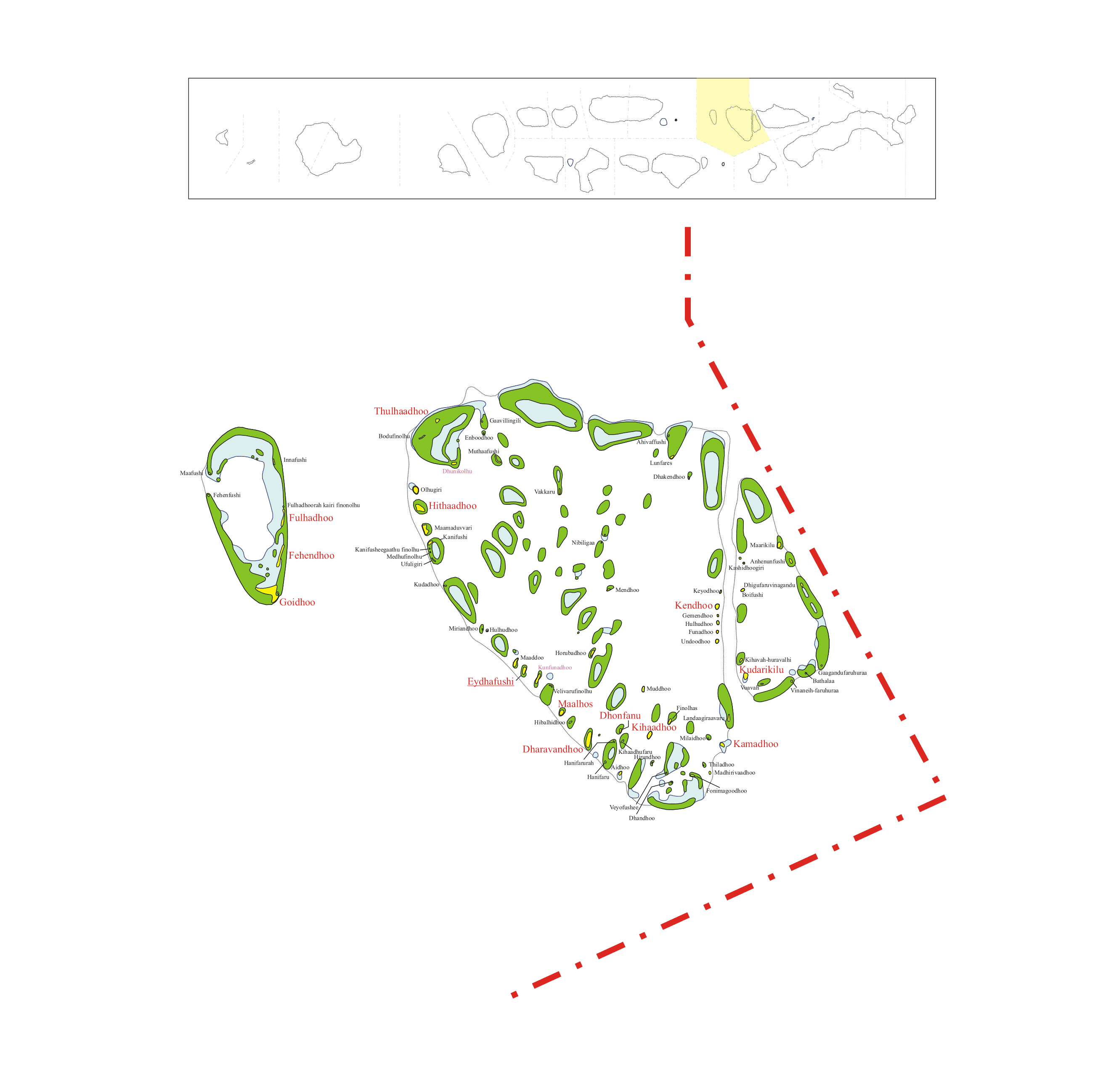
Why Baa Atoll is Perfect for Your Celebration
- UNESCO Biosphere Reserve status ensures pristine, protected natural surroundings unlike almost any other wedding destination
- Overwater villas and private island resorts offer unmatched seclusion for intimate ceremonies and honeymoon stays
- World-renowned Hanifaru Bay manta ray aggregation creates a once-in-a-lifetime backdrop for adventurous couples
- Dry season (Jan–Apr, Dec) delivers consistently calm seas, clear skies, and ideal conditions for beach and overwater events
- Luxury island resorts provide fully integrated event packages — ceremony, accommodation, dining, and water sports — on a single property
- Extremely low guest density across the atoll ensures genuine privacy, rare in more popular wedding destinations

Compare Baa Atoll with Other Top Destinations
Frequently Asked Questions
Is Baa Atoll a good destination for a small intimate wedding?
Yes. Baa Atoll is particularly well-suited to small, intimate weddings — typically under 100 guests — where the couple prioritises seclusion, natural beauty, and a private island setting. The atoll's luxury island resorts offer dedicated wedding coordination, private beach ceremony spaces, and overwater villa accommodation, making it one of the most distinctive intimate wedding destinations in the Indian Ocean.
What is the best time of year to hold a wedding or event in Baa Atoll?
The dry season — January, February, March, April, and December — is the recommended window for events. These months bring calm seas, low rainfall, and clear skies, which are essential for outdoor ceremonies and beach receptions. The Southwest Monsoon (May–November) brings rough seas and disruption to seaplane operations, making event planning during that period significantly more risky.
How do guests get to Baa Atoll for a destination event?
All guests arrive via Velana International Airport in Malé, the Maldives' main international gateway. From Malé, the onward journey to Baa Atoll resorts is typically by seaplane (approximately 30–45 minutes) or by a combination of domestic flight and speedboat. Seaplanes operate only during daylight hours, so guests with late international arrivals may need to overnight in Malé before completing their transfer.
How many guests can Baa Atoll realistically accommodate for a destination wedding?
Most island resorts in Baa Atoll are best suited to events of up to 80–150 guests, with the most exclusive properties designed for gatherings of 50 or fewer. The atoll does not have large banquet halls or convention-scale venues — its event infrastructure is intimate by design. Groups larger than 150 guests would likely find the local venue inventory insufficient.
What kinds of event spaces are available in Baa Atoll?
Event spaces in Baa Atoll are resort-based rather than standalone venues. Typical options include private beach stretches for sunset ceremonies, overwater pavilions and decks with lagoon views, open-air garden areas, and indoor dining rooms for formal dinners. The character is consistently intimate and nature-focused — there are no large ballrooms or multi-hall banquet complexes in the atoll.
Can guests stay on-site during a Baa Atoll destination wedding?
Yes, and this is one of the atoll's key strengths. Island resorts in Baa Atoll offer a range of villa and bungalow accommodation — including overwater villas and beachfront bungalows — allowing the entire wedding party to stay within the same resort property. This creates a genuinely immersive, multi-day celebration experience and simplifies group logistics considerably.
What activities are available for wedding guests during their stay in Baa Atoll?
Baa Atoll offers an exceptional range of marine and nature-based activities for guests: snorkelling and scuba diving on pristine reefs, dolphin and whale shark cruises, sunset sailing, kayaking, and — during the right season — manta ray encounters at Hanifaru Bay, one of the world's most significant manta aggregation sites. Most resorts also offer spa facilities, water sports centres, and guided excursions.
Do Baa Atoll resorts have in-house wedding and event coordinators?
Yes. The leading resorts in Baa Atoll — particularly the internationally branded properties — maintain dedicated in-house wedding and event coordination teams. These teams typically manage ceremony setup, décor, catering, and guest logistics within the resort. For highly customised events requiring external vendors, a specialist destination management company (DMC) based in Malé is generally advisable.
Is Baa Atoll suitable for a corporate retreat or incentive travel event?
Yes. Small, exclusive corporate retreats and incentive travel programmes are well-suited to Baa Atoll. The contained island resort environment, absence of urban distractions, and high standard of hospitality create conditions that support focused team engagement and reward-based travel. The atoll works best for senior leadership groups or high-performing teams of up to around 50–80 participants.
What should event planners know about local vendor availability in Baa Atoll?
The vendor ecosystem in Baa Atoll is resort-centric rather than city-based. There is no independent local market of florists, caterers, or production companies operating outside the resorts. Events that work within a resort's in-house capabilities are generally well-supported. For elements requiring external specialists — elaborate production, live entertainment, specialist cuisine — suppliers typically need to be brought in from Malé or internationally, which requires advance planning.
Is Baa Atoll safe for international guests travelling for a wedding or event?
Yes. The Maldives, including Baa Atoll, is generally considered a very safe destination for international travellers. Resort islands operate as self-contained, managed environments with strong security and guest welfare standards. The main practical considerations for guests are travel logistics — the multi-leg journey and seaplane transfer — rather than safety concerns.

Ready to explore venues in Baa Atoll?
Baa Atoll: Destination Wedding & Intimate Event Venues in the Maldives
◆Baa Atoll is best suited to small, intimate weddings, honeymoon celebrations, anniversary events, and exclusive corporate retreats where seclusion and natural luxury are the primary requirements. Its primary vibe is peaceful and secluded — a UNESCO Biosphere Reserve in the North Central Maldives, defined by overwater villas, pristine coral reefs, and private island resorts rather than urban infrastructure or large-scale banquet facilities. The dry season (January through April and December) is the reliable window for events, offering calm seas and clear skies. Guest accessibility requires careful planning: all arrivals route through Malé and then onward by seaplane or speedboat, making this a destination that rewards specialist event coordination rather than last-minute logistics.
Baa Atoll at a Glance
| Category | Detail |
|---|---|
| Best For | Intimate Weddings, Honeymoon Celebrations, Anniversary Events, Exclusive Corporate Retreats |
| Primary Vibe | Peaceful & Secluded |
| Other Vibes | Romantic, Tropical Luxury, Nature-Immersive |
| Best Season | Dry Season (Jan, Feb, Mar, Apr, Dec) |
Why Choose Baa Atoll?
- UNESCO Biosphere Reserve status: Baa Atoll is one of the few wedding destinations in the world where the surrounding environment is formally protected at an international level, guaranteeing an extraordinary natural backdrop that cannot be replicated in more developed resort corridors.
- Hanifaru Bay manta ray aggregations: During the right season, Hanifaru Bay — within the atoll — hosts some of the largest known manta ray feeding aggregations on the planet, offering couples and guests a genuinely rare wildlife experience as part of their stay.
- Genuine seclusion: Each island resort in Baa Atoll operates as a self-contained property, meaning a wedding or event group can effectively have an entire island environment to themselves, with no interference from unrelated tourists or public access.
- Integrated luxury resort infrastructure: The atoll's leading resorts combine ceremony spaces, overwater and beachfront accommodation, fine dining, spa facilities, and water sports under one roof — reducing the logistical complexity of coordinating multiple vendors across a city.
- Exceptional marine environment for guest experiences: Snorkelling, diving, dolphin cruises, and sunset sailing are all readily available, giving event guests a rich programme of activities beyond the celebration itself — particularly valuable for multi-day destination events.
- Consistent dry-season weather window: The January–April and December period delivers reliably low rainfall, calm lagoon conditions, and excellent visibility — conditions that are genuinely predictable for outdoor ceremonies and beach receptions.
Which Celebrations Work Best in Baa Atoll?
- Intimate destination weddings: Baa Atoll is particularly well-suited to small wedding parties — typically under 100 guests — where the couple prioritises a private, visually extraordinary setting over large-scale banquet capacity. The island resort format naturally lends itself to multi-day wedding experiences where guests are fully immersed in the destination.
- Honeymoon and anniversary celebrations: The combination of overwater villas, private beach access, and world-class spa facilities makes Baa Atoll one of the strongest honeymoon and milestone anniversary destinations in the Indian Ocean region. Resorts are experienced in curating bespoke romantic experiences for couples.
- Exclusive corporate retreats: Small, senior leadership retreats or incentive travel programmes benefit from the atoll's seclusion, the absence of urban distractions, and the high standard of resort hospitality. The contained island environment encourages genuine team engagement and focused programming.
- Pre-wedding and post-wedding gatherings: For couples whose main wedding is held elsewhere, Baa Atoll works well as a pre-wedding escape for the immediate family or a post-wedding honeymoon extension, with resorts able to accommodate small group bookings alongside individual villa stays.
Venues & Event Spaces
The event infrastructure in Baa Atoll is almost entirely resort-based. Rather than standalone banquet halls, convention centres, or heritage palaces, the destination's venues are the island resorts themselves — each offering a curated set of event spaces within their own property boundaries. Typical spaces include private beach stretches suitable for sunset ceremonies, overwater pavilions and decks with direct lagoon views, open-air garden areas framed by tropical vegetation, and indoor dining or function rooms for smaller formal dinners. Some resorts also offer dedicated event coordination teams and in-house décor services, reducing the need to source external vendors. The scale of these spaces is deliberately intimate — they are designed for groups of up to roughly 100–150 guests at most, and the most exclusive properties are best suited to gatherings of 50 or fewer. There are no large convention-style ballrooms or multi-hall banquet complexes in the atoll; the entire venue character is defined by natural beauty, privacy, and bespoke service rather than volume capacity.
Best Time to Celebrate
The curated best season for events in Baa Atoll is the dry season: January, February, March, April, and December. During these months, the Northeast Monsoon brings stable, predominantly dry weather to the Maldives, with calm lagoon conditions, low humidity relative to the wet season, and excellent underwater visibility — all of which are directly relevant to outdoor ceremonies, beach receptions, and guest water activities. January and February are generally the most settled months, with the lowest rainfall probability and the calmest seas. March and April remain reliable, though temperatures begin to climb slightly toward the end of April. December is a strong month for events, particularly around the holiday period, though it marks the transition into the dry season and can occasionally see brief showers early in the month.
The period from May through November corresponds to the Southwest Monsoon (locally known as hulhangu), which brings significantly increased rainfall, rougher seas, and — critically — disruption to seaplane operations. Since seaplane transfers are the primary means of reaching most Baa Atoll resorts from Malé, weather-related seaplane cancellations during the monsoon season can directly affect guest arrivals and departures. Outdoor ceremonies and beach receptions are considerably less reliable during this period. Some resorts remain open year-round and offer reduced rates in the wet season, but for event planning purposes, the monsoon months carry meaningful logistical risk that is difficult to mitigate fully.
Getting There & Local Connectivity
All guests travelling to Baa Atoll arrive via Velana International Airport in Malé, the Maldives' main international gateway. From Malé, the onward journey to Baa Atoll resorts is typically by seaplane (approximately 30–45 minutes, operating during daylight hours only) or, for some properties, by a combination of domestic flight and speedboat transfer. Seaplane operations are weather-dependent and operate only in daylight, which means guests with late international arrivals may need to overnight in Malé before completing their transfer — a logistical factor that event planners must account for when scheduling arrival days.
Within the atoll itself, movement between islands is exclusively by boat. There are no roads connecting the resort islands, no public transport, and no taxi infrastructure in the conventional sense. Each resort manages its own guest transfers using house boats or speedboats. For event groups, this means that all guest movement — including excursions, inter-island activities, and airport transfers — must be coordinated through the resort or a specialist DMC (destination management company). This contained, resort-centric model simplifies some logistics (everything is on one island) while making off-property movement more complex and time-sensitive than in a mainland city destination.
Local Vendor & Hospitality Ecosystem
Baa Atoll's hospitality ecosystem is almost entirely resort-driven. The leading properties — particularly the internationally branded luxury resorts — maintain in-house event teams, dedicated wedding coordinators, and established relationships with specialist suppliers for floral décor, photography, entertainment, and catering. For events held entirely within a single resort, the vendor ecosystem is generally mature and well-organised, with the resort acting as the primary point of coordination.
However, the atoll does not have the kind of independent, city-based vendor market found in established mainland wedding destinations. There are no local wedding planning agencies operating out of a nearby town, no independent florists or caterers who can be sourced separately from the resort, and no large-scale audio-visual or production companies based within the atoll. Couples or planners who want highly customised production — elaborate stage sets, large live bands, specialist cuisine from outside the resort's kitchen — will typically need to bring those elements in from Malé or from international suppliers, which adds both cost and logistical complexity. For events that work within the resort's own capabilities, the standard of hospitality is generally very high; for events that require significant external vendor coordination, specialist DMC support is strongly advisable.
Pros & Things to Consider
Why Baa Atoll Works Well
- Unmatched natural beauty and UNESCO-protected environment provide a genuinely extraordinary setting
- Island resort format delivers privacy and seclusion that is very difficult to achieve in mainland destinations
- Integrated resort infrastructure simplifies multi-day event logistics for small groups
- Dry season weather is highly reliable for outdoor ceremonies and beach receptions
- World-class marine experiences (snorkelling, diving, manta ray encounters) enrich the guest programme
- Very safe destination with stable political environment and strong tourism infrastructure
Things to Consider
- Multi-leg travel (international flight + seaplane/speedboat) makes guest logistics significantly more complex than a single-flight destination
- Seaplane operations are daylight-only and weather-dependent, creating real scheduling constraints around arrival and departure days
- Venue capacity is inherently limited — the atoll is not suitable for large weddings or events requiring 200+ guests
- Independent vendor sourcing is limited; most event elements must be coordinated through the resort or a specialist DMC
- The monsoon season (May–November) carries meaningful logistical risk and is generally unsuitable for planned outdoor events
- Island resort settings, while luxurious, offer limited flexibility for guests who prefer urban amenities, shopping, or off-property exploration
When Baa Atoll May Not Be the Right Fit
- Large guest lists: If your event requires accommodating more than 100–150 guests comfortably within a single venue or across easily accessible properties, Baa Atoll's island resort inventory will likely be insufficient — a mainland destination with larger banquet infrastructure would serve better.
- Guests with limited international travel experience or mobility constraints: The seaplane transfer, multi-leg journey, and boat-only inter-island movement can be genuinely challenging for elderly guests, guests with mobility limitations, or those unfamiliar with complex international travel logistics.
- Events planned during the Southwest Monsoon (May–November): If your preferred dates fall within the monsoon window, the risk of seaplane disruption, rough seas, and unreliable outdoor conditions is significant enough that a different destination or a date change would be a more prudent choice.
- Events requiring extensive external vendor customisation: If your vision depends on a large roster of independent vendors — specialist caterers, elaborate production companies, live entertainment acts — that need to be sourced and coordinated outside the resort, the logistical and cost implications of bringing those elements to a remote island atoll may make a more accessible destination a better fit.