
Why Penang is Perfect for Your Celebration
- UNESCO World Heritage George Town provides a one-of-a-kind cultural backdrop unavailable at generic resort destinations
- Diverse venue mix — from restored Peranakan mansions and colonial bungalows to beachfront resorts along Batu Ferringhi
- Penang International Airport (PEN) offers direct connections from Kuala Lumpur, Singapore, Bangkok, and other regional hubs
- Dry season (Jan, Feb, Mar, Dec) delivers reliably clear skies and comfortable temperatures ideal for outdoor ceremonies
- Mature hospitality and events industry with experienced local caterers, florists, and AV vendors familiar with multi-day celebrations
- Rich culinary heritage — Penang's food culture is a genuine event highlight, with hawker feasts and fine-dining options that guests remember

Top Venues in Penang

Eastern & Oriental Hotel
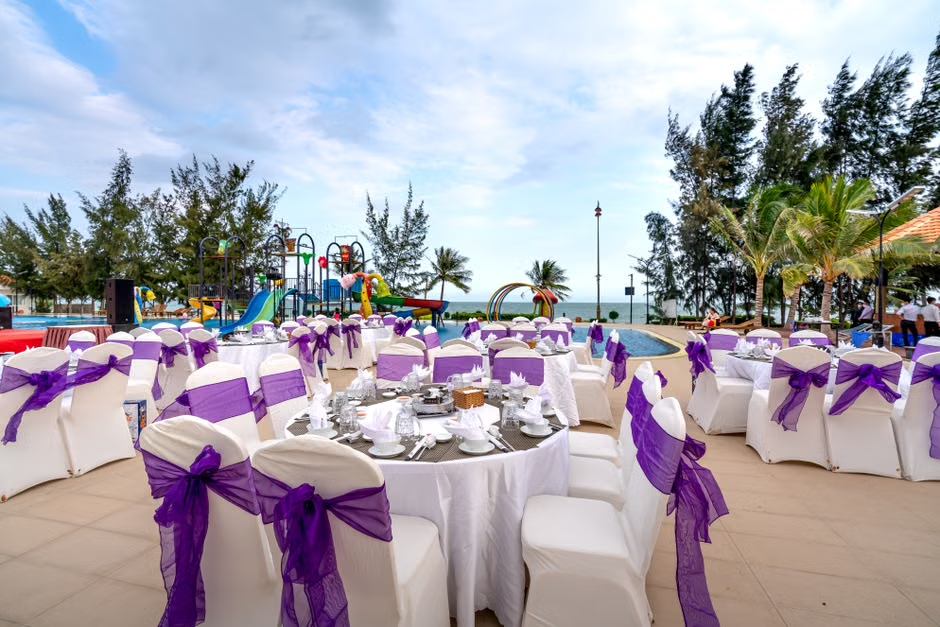
Shangri-La Rasa Sayang Resort & Spa
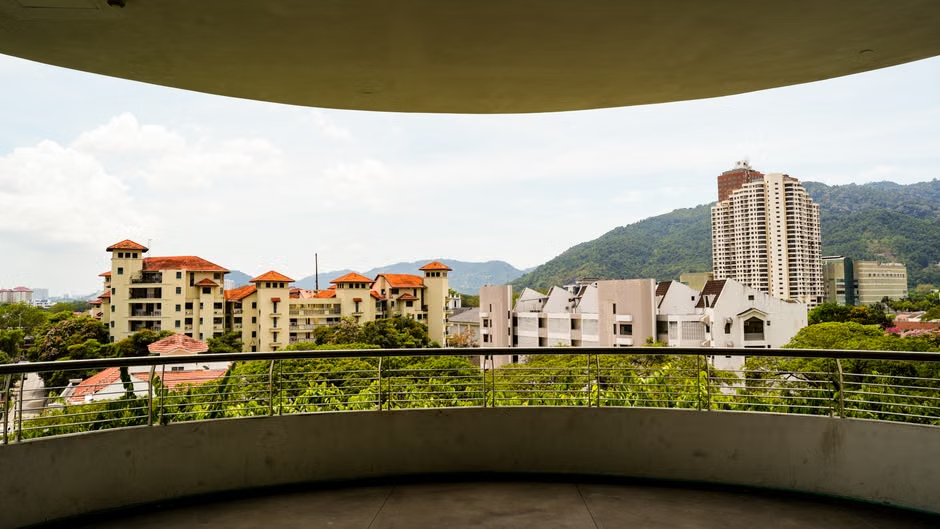
Penang Hill Resort (The Bel Retiro)
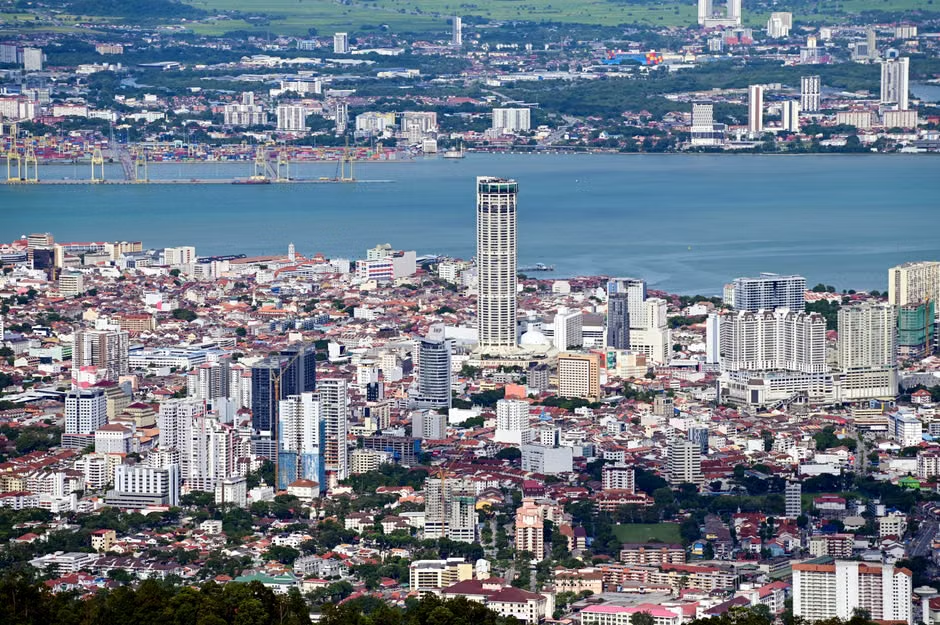
Jen Penang Georgetown by Shangri-La
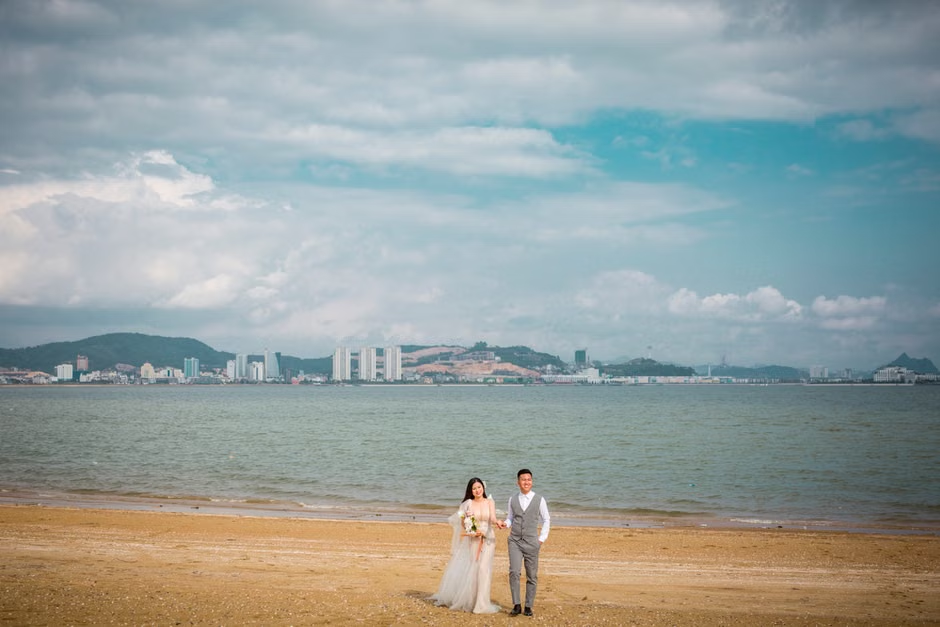
Cititel Penang
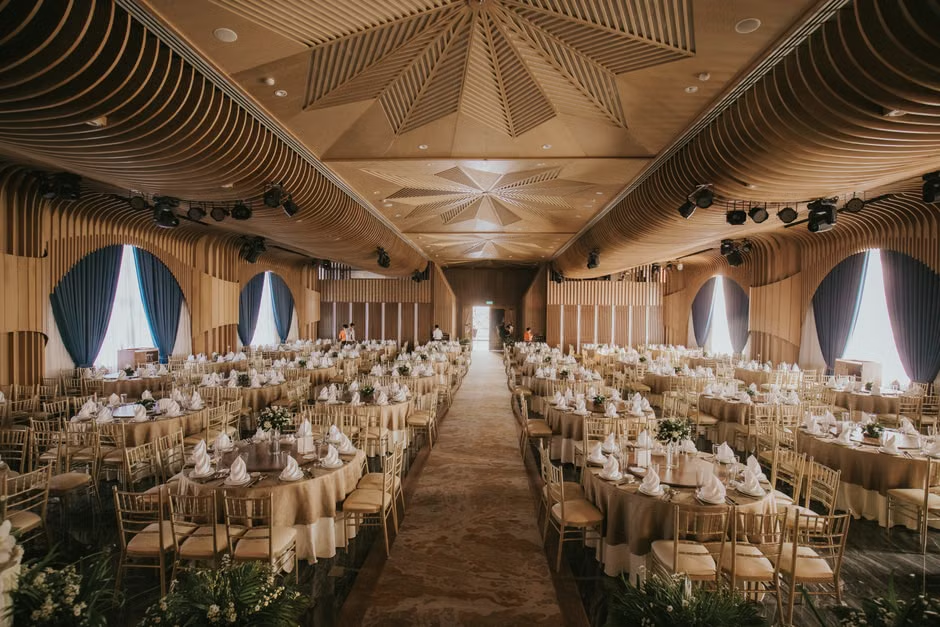
Wembley – A St Giles Hotel, Penang
Compare Penang with Other Top Destinations
Frequently Asked Questions
Is Penang a good destination for a wedding celebration?
Yes. Penang is particularly well-suited to culturally distinctive weddings — especially those that benefit from a UNESCO heritage backdrop, Peranakan architecture, or a coastal resort setting. The island offers a genuine range of venue types, an experienced local vendor ecosystem, and strong regional airport connectivity, making it a practical as well as visually compelling choice for destination weddings.
What is the best time of year to hold an event in Penang?
The dry season — January, February, March, and December — is the most reliable window. Rainfall is at its lowest, outdoor conditions are more comfortable, and the risk of weather disruption to ceremonies or receptions is significantly reduced. September through November carries the highest weather risk due to the Northeast Monsoon transition and is generally best avoided for outdoor-dependent events.
How do guests typically travel to Penang for a destination event?
Most guests fly into Penang International Airport (PEN), which receives direct flights from Kuala Lumpur, Singapore, Bangkok, and other regional hubs. Guests from further afield typically connect through Kuala Lumpur International Airport, with the onward flight to Penang taking under an hour. Guests travelling within peninsular Malaysia can also arrive by train to Butterworth and cross via the Penang Ferry.
What kinds of venues are available in Penang for celebrations?
Penang offers two broad venue clusters: heritage properties in George Town — restored colonial hotels, Peranakan mansions, and heritage courtyards — and beachfront resort properties along Batu Ferringhi. Heritage venues typically suit smaller to medium-sized gatherings with a cultural aesthetic, while beachfront resorts offer larger ballrooms and outdoor lawns for bigger events. Penang Hill also has intimate heritage bungalows for exclusive small gatherings.
How large a guest group can Penang realistically accommodate?
Penang comfortably handles events from intimate gatherings of 30–50 guests up to around 400–500 guests at the larger beachfront resort properties. Heritage venues in George Town typically cap at 200–300 guests due to conservation and space constraints. For events significantly above 500 guests requiring multiple large simultaneous spaces, the local venue inventory becomes more limited.
Is accommodation readily available for a large guest group in Penang?
Generally yes. Penang has a well-developed accommodation base across George Town and Batu Ferringhi, with multiple hotel properties capable of holding room blocks for event guest groups. For very large groups, spreading accommodation across two or three nearby properties is common practice, and local transport between them is straightforward to arrange via Grab or dedicated shuttle services.
What makes Penang's local vendor ecosystem suited to destination events?
Penang has decades of experience hosting international tourism, MICE events, and destination weddings. Local caterers are particularly strong — the island's food culture means both hawker-style communal dining and formal banquet catering are executed at a high standard. Floral, AV, photography, and coordination vendors are plentiful and experienced with both heritage and coastal event environments.
Are there any regulatory considerations for events in George Town's heritage zone?
Yes. George Town's UNESCO-listed areas have conservation guidelines that can affect event infrastructure — including restrictions on large temporary structures, amplified sound after certain hours, and modifications to heritage building exteriors. These are manageable with proper planning, but couples and event planners should confirm applicable guidelines with their chosen venue operator early in the process.
What is the general climate like in Penang, and how does it affect event planning?
Penang is tropical year-round, with temperatures typically between 25°C and 33°C and high humidity throughout. Even in the dry season, midday outdoor events can be uncomfortable; early morning or late afternoon timings are advisable for outdoor ceremonies. The wetter months (particularly September–November) require fully covered or indoor contingency plans for any outdoor event elements.
Is Penang suitable for festivals and large social celebrations, not just weddings?
Yes. Penang's cultural richness and established events infrastructure make it well-suited to festivals, milestone celebrations, and large social gatherings. The island's own tradition of vibrant public festivals — and the vendor ecosystem that supports them — translates well to private large-scale events. Heritage courtyards, beachfront lawns, and resort ballrooms all provide practical spaces for festival-format celebrations.
How easy is it to move a guest group around Penang during a multi-day event?
Reasonably straightforward. Penang is a compact island, and most event venues and accommodation properties are within 20–30 minutes of each other. Grab (ride-hailing) is widely available, and local operators can arrange dedicated shuttle services for larger groups. The main logistical consideration is road congestion around George Town and the bridge approaches during peak hours, which is worth factoring into transfer schedules.

Ready to explore venues in Penang?
Penang: Destination Wedding & Cultural Event Venues
◆Penang is a UNESCO World Heritage island state in northwest Malaysia, strongest for culturally immersive celebrations — weddings, festivals, and social gatherings that benefit from a layered backdrop of colonial architecture, Peranakan heritage, and coastal scenery. Its primary vibe is Cultural & Timeless, drawing couples and event planners who want something more distinctive than a generic resort setting. The dry season (January, February, March, and December) is the most reliable window for outdoor events. Penang International Airport (PEN) provides direct regional connections, and the island's mature hospitality industry means vendors, caterers, and event coordinators are well-practised at handling multi-day celebrations for both local and international guest groups.
Penang at a Glance
| Category | Detail |
|---|---|
| Best For | Cultural Weddings, Festivals, Social Celebrations, Heritage Events |
| Primary Vibe | Cultural & Timeless |
| Other Vibes | Coastal, Colonial, Peranakan, Vibrant |
| Best Season | Dry Season (Jan, Feb, Mar, Dec) |
Why Choose Penang?
- UNESCO World Heritage setting: George Town's gazetted heritage zone offers a genuinely rare event backdrop — pre-war shophouses, Peranakan clan mansions, and colonial civic buildings that no purpose-built resort can replicate.
- Venue diversity across the island: From intimate restored heritage bungalows in the city core to sprawling beachfront resort properties along Batu Ferringhi, Penang accommodates celebrations ranging from small, curated gatherings to large multi-day events.
- Strong international accessibility: Penang International Airport (PEN) receives direct flights from Kuala Lumpur, Singapore, Bangkok, Jakarta, and other regional cities, making it straightforward for international guests to arrive without a long domestic connection.
- Mature events and hospitality ecosystem: Penang has hosted international conferences, cultural festivals, and destination weddings for decades. Local vendors — florists, caterers, AV specialists, and event coordinators — are experienced and plentiful.
- Culinary culture as an event asset: Penang's food heritage is internationally recognised. Incorporating local hawker experiences, Nyonya banquets, or curated street-food evenings into an event itinerary is a genuine differentiator that guests consistently highlight.
- Multilingual, multicultural environment: Malay, English, Mandarin, and Tamil are all widely spoken, making communication straightforward for diverse guest groups from across Asia and beyond.
Which Celebrations Work Best in Penang?
- Cultural & Heritage Weddings: Penang's Peranakan and colonial settings are particularly well-suited to couples seeking a ceremony with genuine historical and cultural texture — whether a traditional Nyonya wedding, a multicultural celebration, or a contemporary event that uses heritage architecture as its visual anchor.
- Festivals & Cultural Gatherings: The island's own calendar of festivals — Chinese New Year, Thaipusam, George Town Festival — creates a natural affinity for large-scale cultural celebrations. Event planners can weave local festival elements into private gatherings in a way that feels authentic rather than staged.
- Social Celebrations & Milestone Events: Anniversary dinners, milestone birthday parties, and corporate social events benefit from Penang's combination of distinctive venues, strong F&B options, and a relaxed island atmosphere that encourages guests to linger and explore.
- Intimate Destination Weddings: For smaller guest lists — typically under 150 — Penang's restored heritage properties and boutique resort spaces offer an exclusivity and character that larger, more generic venues cannot match. The island's compact geography also makes logistics manageable for a small, close-knit group.
Venues & Event Spaces
Penang's event venue landscape divides broadly into two geographic clusters: the heritage core of George Town and the beachfront corridor of Batu Ferringhi, roughly 11 km to the northwest.
In George Town, the most distinctive spaces are restored heritage properties — colonial-era hotels, Peranakan clan houses, and pre-war mansions that have been sensitively converted into event-capable venues. These spaces typically suit smaller to medium-sized gatherings (under 300 guests) and offer an atmosphere of genuine historical depth. Outdoor courtyards, covered verandahs, and grand ballrooms within heritage buildings are common configurations.
Along Batu Ferringhi, beachfront resort properties offer larger event infrastructure — outdoor lawns facing the Andaman Sea, purpose-built ballrooms, and multi-function spaces capable of hosting several hundred guests. These venues are better suited to larger celebrations where scale and outdoor ceremony space are priorities.
Across the island, boutique hotels and heritage guesthouses provide accommodation blocks for guest groups, while a number of standalone event halls and function rooms within mid-range hotels serve as practical overflow spaces for breakout sessions, pre-wedding functions, or smaller ancillary events within a multi-day programme.
Penang Hill, accessible by funicular railway, also offers a small number of elevated heritage bungalows that can be used for intimate, exclusive gatherings — a genuinely unusual option for couples seeking something beyond the standard resort or ballroom format.
Best Time to Celebrate
The curated best season for Penang events is the dry season: January, February, March, and December. During these months, rainfall is at its lowest, humidity is comparatively manageable (though still tropical), and outdoor ceremonies and garden receptions are far less likely to be disrupted by sudden downpours. December in particular benefits from the post-monsoon clearing of the northeast coast, while January through March typically delivers the island's most consistently clear and photogenic skies.
Beyond the weather itself, the dry season aligns with several practical advantages for event planning. Vendor availability is generally strong, accommodation blocks are easier to negotiate outside of peak festival periods, and the island's outdoor spaces — heritage courtyards, beachfront lawns, hilltop bungalows — are at their most usable.
April and May bring rising heat and increasing humidity as the inter-monsoon transition begins. Rainfall becomes more unpredictable, and while outdoor events are still possible, contingency planning becomes more important.
June through August is the Southwest Monsoon period. Penang's west-facing coast (including Batu Ferringhi) is somewhat sheltered compared to the east coast of the peninsula, but rainfall and wind can still affect outdoor events. This period is generally considered a shoulder season rather than a hard avoid, but it carries more weather risk than the dry months.
September through November represents the most challenging window. The transition to the Northeast Monsoon brings heavier, more sustained rainfall, stronger coastal winds, and reduced visibility. Outdoor ceremonies during this period carry meaningful weather risk, and fully indoor or covered venues become essential rather than optional.
Getting There & Local Connectivity
By air: Penang International Airport (PEN) is the primary gateway, located approximately 16 km south of George Town. It handles direct flights from major regional hubs including Kuala Lumpur, Singapore, Bangkok, and Jakarta, as well as connections to longer-haul routes via KL. For international guests arriving from outside Southeast Asia, a connection through Kuala Lumpur International Airport (KLIA) is the most common routing, with the onward flight to Penang taking under an hour.
By rail and ferry: Butterworth Railway Station on the mainland, directly across the Penang Strait, is served by KTM intercity trains connecting to Kuala Lumpur and other major Malaysian cities. The Penang Ferry — a short crossing of roughly 15–20 minutes — links Butterworth to George Town's ferry terminal. This combination is a practical option for guests travelling from within peninsular Malaysia who prefer not to fly.
By road: The Penang Bridge (approximately 13.5 km) and the Second Penang Bridge (approximately 24 km) connect the island to the mainland, making road transfers from Butterworth and the northern peninsula straightforward. Guests arriving by private car or coach from Kuala Lumpur or Ipoh typically use these crossings.
Local movement: Within Penang, taxis, ride-hailing apps (Grab is widely used), and private transfers are the primary modes of group transport. George Town's heritage core is compact and walkable for small groups, though the island's broader geography — particularly the Batu Ferringhi corridor — requires vehicle transfers. For large guest groups spread across multiple accommodation properties, coordinating a dedicated shuttle service between venues and hotels is standard practice and well-supported by local operators.
Local Vendor & Hospitality Ecosystem
Penang has one of the most developed event vendor ecosystems in Malaysia outside of Kuala Lumpur. Decades of international tourism, a thriving MICE (meetings, incentives, conferences, and exhibitions) sector, and a strong local culture of celebration have produced a deep pool of experienced professionals across every event discipline.
Catering and F&B is a particular strength. Penang's culinary reputation means that both hawker-style communal dining and formal banquet catering are executed at a high standard. Local caterers are experienced in managing multi-cuisine menus for diverse guest groups — a practical advantage for weddings and festivals with guests from different cultural backgrounds.
Floral and décor vendors in Penang are well-versed in both contemporary international styles and traditional Peranakan and Malay aesthetic conventions, giving couples genuine flexibility in how they style their event.
AV, lighting, and production vendors serving the island are experienced with both indoor ballroom setups and outdoor coastal events, including the specific challenges of humidity and sea breeze that affect outdoor production in a tropical coastal environment.
Photography and videography professionals familiar with Penang's heritage streetscapes, coastal light, and cultural contexts are plentiful — a meaningful advantage for couples who want their event documentation to reflect the destination's character rather than generic studio-style coverage.
The island's hotel properties — particularly the larger resort and heritage hotel operators — typically have in-house events teams with established relationships across the local vendor network, which simplifies coordination for couples who prefer a more managed, single-point-of-contact planning experience.
Pros & Things to Consider
Why Penang Works Well
- UNESCO heritage setting provides a genuinely distinctive, non-replicable event backdrop
- Strong international airport connectivity reduces travel friction for regional and international guests
- Mature, experienced local vendor ecosystem across catering, décor, AV, and coordination
- Diverse venue types — heritage, beachfront, hilltop — suit a wide range of event styles and sizes
- Multilingual environment makes communication easy for diverse guest groups
- Penang's food culture is a genuine event asset that guests consistently remember
- Compact island geography keeps most venues and accommodation within manageable transfer distances
Things to Consider
- Tropical humidity: Even in the dry season, Penang is warm and humid. Outdoor ceremonies in the middle of the day can be uncomfortable; early morning or late afternoon timings are strongly advisable for outdoor elements.
- Heritage venue capacity limits: The most characterful heritage properties in George Town typically have lower guest capacities than large resort ballrooms. Couples expecting to host 400+ guests may find the heritage venue options limiting and need to look to beachfront resort properties instead.
- Island logistics for very large groups: Moving a guest group of several hundred people across the island — between accommodation, ceremony, and reception venues — requires careful transport coordination. The island's road network, while functional, can experience congestion, particularly around George Town and the Penang Bridge approaches.
- Monsoon season risk: Events planned outside the dry season window (particularly September–November) carry meaningful weather risk for any outdoor elements. Fully covered or indoor contingency plans are essential, not optional, during these months.
- Heritage zone regulations: George Town's UNESCO-listed areas have conservation guidelines that may affect certain types of event infrastructure — large temporary structures, amplified sound after certain hours, and significant alterations to heritage building facades. Event planners should verify applicable guidelines with venue operators early in the planning process.
When Penang May Not Be the Right Fit
- Very large-scale events (500+ guests): While Penang's beachfront resorts can accommodate sizeable gatherings, the island's venue inventory at the very top end of scale is more limited than major mainland Malaysian cities. Couples or planners needing multiple simultaneous large event spaces may find the options constrained.
- Outdoor-focused events planned during the monsoon transition (Sep–Nov): If the event concept is heavily dependent on outdoor ceremonies, garden receptions, or beachfront settings, planning during the wetter months introduces weather risk that is difficult to fully mitigate. A different season — or a destination with a more forgiving year-round climate — may be a better fit.
- Guests with very limited regional connectivity: While Penang's airport is well-connected within Southeast Asia, guests travelling from South Asia, the Middle East, or Europe without a convenient connection through Kuala Lumpur may face longer, more complex journeys than they would to a destination with broader long-haul access.
- Events requiring a purely private island or fully secluded setting: Penang is a populated, active island with a busy tourism economy. Couples seeking complete seclusion or a private-island experience will find the destination's character — vibrant, urban, culturally layered — works against that goal. A more remote resort destination would be a better match for that specific brief.