
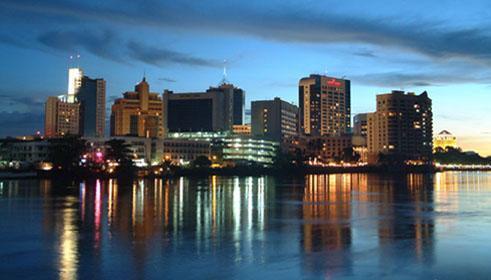
Why Kuching is Perfect for Your Celebration
- Unique Bornean cultural backdrop unavailable anywhere else in Southeast Asia
- Scenic Sarawak River waterfront provides natural, photogenic event settings
- Colonial-era heritage buildings and shophouse districts add architectural character
- Dry season (Mar–Aug) offers reliably lower rainfall for outdoor celebrations
- Multicultural city blending Malay, Chinese, Dayak and Iban traditions enriches event experiences
- Compact, walkable city center makes guest logistics straightforward once arrived

Top Venues in Kuching
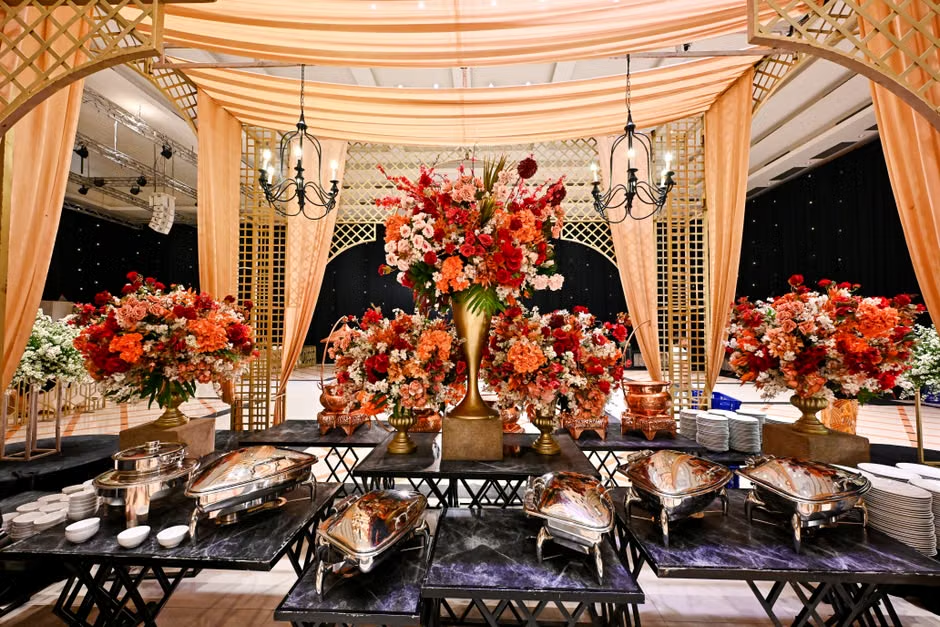
Hilton Kuching
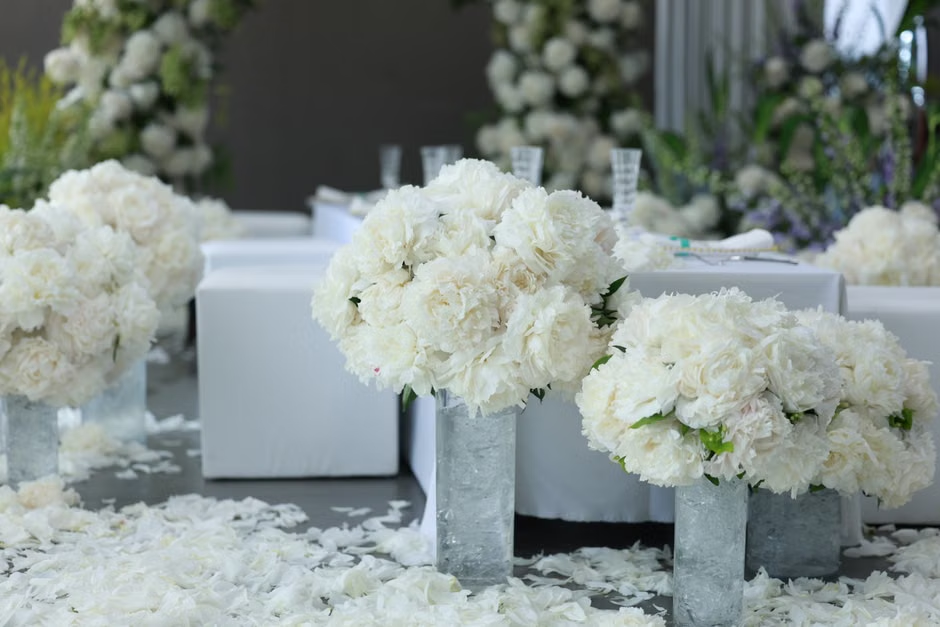
Pullman Kuching
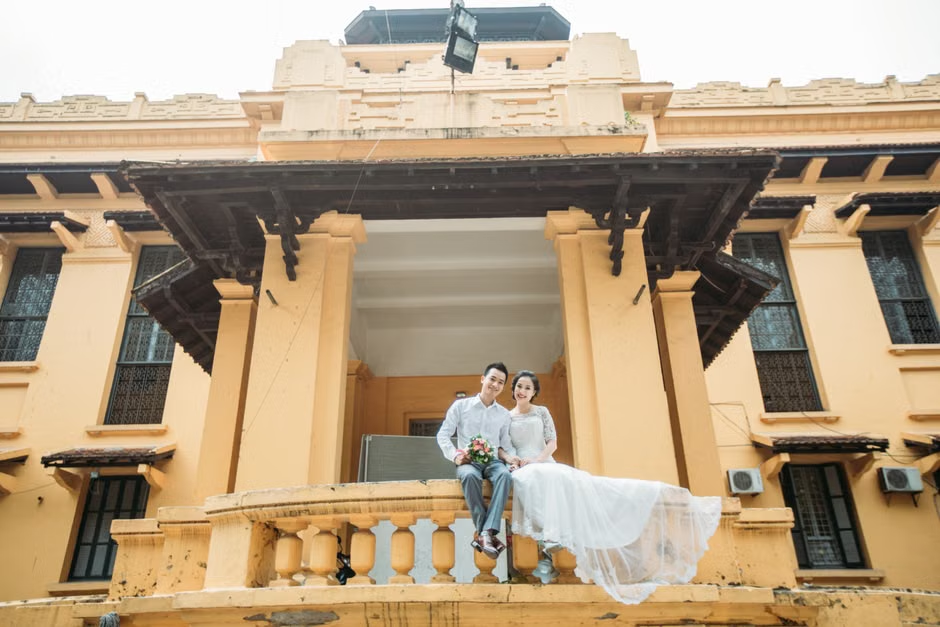
Merdeka Palace Hotel & Suites
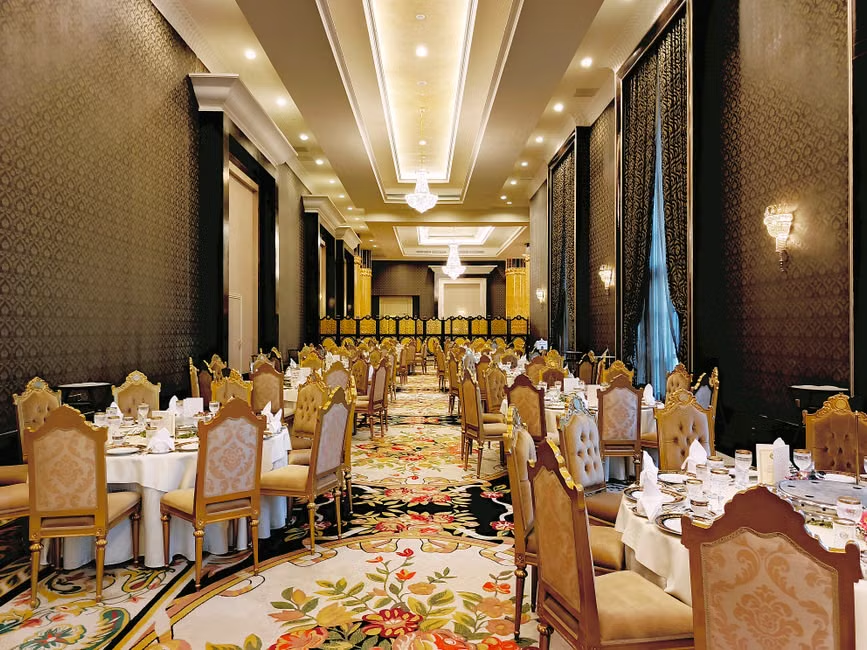
Grand Margherita Hotel Kuching
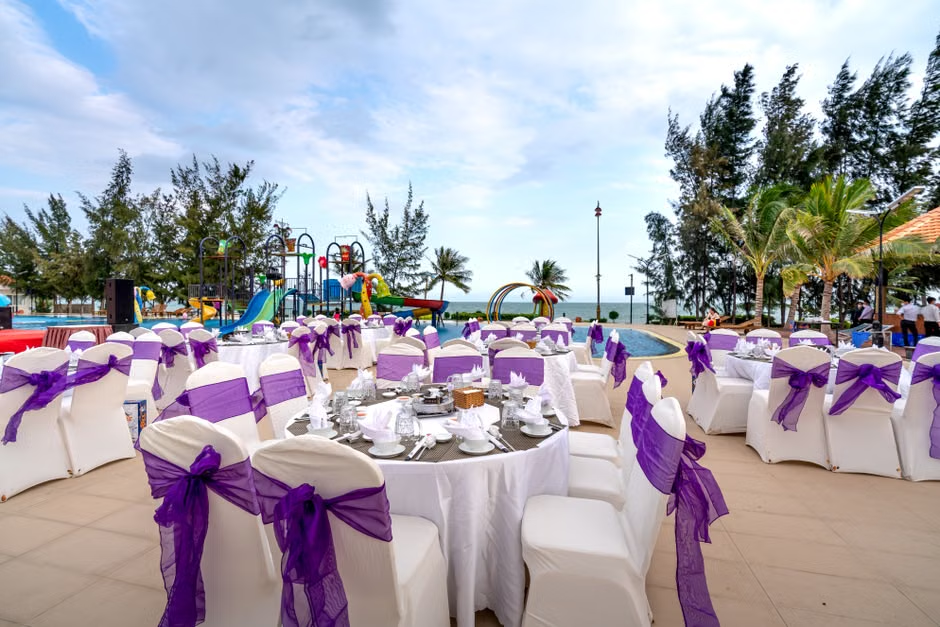
Riverside Majestic Hotel
Compare Kuching with Other Top Destinations
Frequently Asked Questions
Is Kuching a good destination for an intimate destination wedding?
Yes. Kuching is particularly well-suited to intimate destination weddings, especially for couples seeking a culturally distinctive setting away from more heavily marketed venues. The city's riverside waterfront, heritage architecture, and multicultural atmosphere create a genuinely memorable backdrop. Venue capacities in Kuching are best matched to guest lists in the range of 50 to around 400 guests, making it ideal for smaller, more personal celebrations.
What is the best time of year to hold an event in Kuching?
The dry season — March through August — is the most reliable period for events in Kuching. Rainfall is measurably lower during these months, reducing the risk of disruption to outdoor ceremonies or receptions. May, June, and July are generally the most settled. The wet season (November through January) brings heavy rainfall and is not recommended for events with outdoor components.
How do guests get to Kuching?
Kuching is served by Kuching International Airport, approximately 11 km from the city center, with direct flights from Kuala Lumpur and Singapore. Guests from further afield will typically connect through one of these hubs. There is no railway network in Sarawak, so all arrivals are by air or road. Pre-arranged hotel and venue transfers are the standard solution for managing group arrivals.
What kinds of event venues are available in Kuching?
Kuching offers hotel ballrooms at 4-star and 5-star properties, riverside outdoor terraces and lawns, and heritage shophouse spaces in the old town. Hotel ballrooms are the most practical choice for larger events with integrated catering and AV needs. Riverside and heritage spaces suit smaller, more atmospheric gatherings. The city does not have a large standalone convention center, so hotel venues are the primary infrastructure for most events.
What guest group sizes can Kuching venues realistically support?
Kuching's venue inventory is best suited to events in the range of 50 to approximately 400–500 guests. The major hotel ballrooms can accommodate mid-sized celebrations comfortably. For events significantly above 500 guests requiring a single large space, the local inventory may be stretched, and organizers should assess venue options carefully during the planning stage.
Is Kuching suitable for corporate retreats and team events?
Yes. Kuching works well for corporate retreats and team-building events. The major hotels offer conference and meeting facilities alongside accommodation, and the city provides genuine off-site programming options — including Bako National Park, the Semenggoh Wildlife Centre, and cultural heritage tours — that give corporate groups meaningful shared experiences beyond the meeting room.
What makes Kuching's food and catering distinctive for events?
Kuching's multicultural food culture — spanning Sarawakian Malay, Chinese, and indigenous Bornean cuisines — gives event caterers a genuinely distinctive repertoire. Local specialties like Sarawak laksa, kolo mee, and traditional Dayak dishes are memorable for guests unfamiliar with Bornean cuisine. Hotel catering teams and independent caterers in Kuching are experienced in delivering these menus at event scale.
How easy is it for guests to move around Kuching during an event?
Relatively easy. Kuching's city center is compact, and the waterfront, old town, and major hotels are all within a short drive of each other. Taxis and ride-hailing apps are available, and pre-arranged coach or minibus transfers are straightforward to organize for group movements. The walkability of the waterfront area is a genuine advantage for guests staying at nearby hotels.
Are there cultural experiences that can be incorporated into a Kuching event?
Yes. Kuching offers authentic Bornean cultural programming that can be integrated into events — including traditional Iban and Dayak music and dance performances, craft demonstrations, and visits to longhouse communities. The city's multicultural calendar also means events can be timed to coincide with local festivals like Gawai Dayak, adding a genuine cultural dimension that guests from outside Borneo will find distinctive.
What should event planners know about humidity and outdoor events in Kuching?
Kuching is equatorial and humid year-round, even during the dry season. Outdoor events scheduled in the middle of the day can be uncomfortable for guests. Evening timings — from around 6 PM onward — are strongly preferable for outdoor ceremonies and receptions, as temperatures drop and the riverside setting becomes particularly pleasant. Shade structures and good ventilation should be planned for any daytime outdoor component.
Is Kuching safe for international guests attending a destination event?
Yes. Kuching is generally considered very safe by regional standards. The city has a low crime rate, a welcoming attitude toward visitors, and a well-established tourism infrastructure. International guests — including those unfamiliar with Malaysia or Borneo — typically find Kuching easy to navigate and hospitable. Standard travel precautions apply, as they would in any city.

Ready to explore venues in Kuching?
Kuching: Destination Wedding & Event Venues in Sarawak, Borneo
◆Kuching is the capital of Sarawak, Malaysian Borneo, and one of Southeast Asia's most culturally layered event destinations. It suits intimate weddings, cultural festivals, and mid-sized corporate gatherings particularly well, thanks to its riverside heritage setting, multicultural character, and a compact city that keeps guest logistics manageable. The dry season (March through August) is the most reliable window for events. Kuching is accessible via its own international airport with direct connections from Kuala Lumpur and Singapore, though guests from further afield will typically require at least one connection. The overall hospitality ecosystem is well-developed for a city of its size, with a range of 4-star and 5-star hotel ballrooms alongside more characterful heritage and riverside spaces.
Kuching at a Glance
| Category | Detail |
|---|---|
| Best For | Cultural Festivals, Intimate Weddings, Corporate Events, Social Celebrations |
| Primary Vibe | Cultural & Timeless |
| Other Vibes | Riverside, Heritage, Tropical, Multicultural |
| Best Season | Dry Season (Mar, Apr, May, Jun, Jul, Aug) |
Why Choose Kuching?
- Genuinely unique Bornean cultural identity: Kuching's blend of Malay, Chinese, Iban, and Dayak heritage gives events here a cultural depth and visual distinctiveness that is simply not replicable in mainland Malaysian or generic Southeast Asian destinations.
- Scenic Sarawak River waterfront: The Kuching Waterfront promenade, with its colonial-era buildings, traditional wooden boats, and open riverside views, provides a naturally photogenic backdrop for ceremonies, receptions, and pre-event photography that requires no artificial staging.
- Compact, walkable city center: Unlike sprawling metropolitan event destinations, Kuching's city center is compact enough that guests staying at waterfront hotels can walk between venues, the old town, and the riverfront — reducing the logistical burden on event organizers considerably.
- Established hotel ballroom infrastructure: Several well-maintained 4-star and 5-star properties offer purpose-built ballrooms and function spaces capable of hosting events from small intimate gatherings to mid-sized celebrations of several hundred guests.
- Multicultural vendor and catering ecosystem: Kuching's diverse food culture — spanning Sarawakian Malay, Chinese, and indigenous Bornean cuisines — gives event caterers and F&B teams genuinely distinctive menus that guests from outside Borneo will find memorable and novel.
- Relatively lower event density: Kuching does not experience the same saturation of large-scale destination weddings as more heavily marketed Malaysian cities, which means venues and vendors are generally more attentive and less stretched during peak season.
Which Celebrations Work Best in Kuching?
- Cultural Festivals & Heritage Celebrations: Kuching's multicultural calendar — including Gawai Dayak, Chinese New Year, Hari Raya, and the Rainforest World Music Festival — makes it a natural fit for culturally themed events and celebrations that want to draw on authentic local traditions rather than manufactured backdrops.
- Intimate Destination Weddings: Couples seeking a wedding that feels genuinely different — with a riverside setting, heritage architecture, and a city that doesn't feel overrun by other wedding parties — will find Kuching particularly well-suited. The venue scale is best matched to guest lists in the range of 50 to 400 guests.
- Corporate Retreats & Team Events: Kuching's combination of modern hotel conference facilities, accessible airport, and a city that offers genuine cultural and natural experiences (Bako National Park, Semenggoh Wildlife Centre) makes it a strong choice for corporate groups seeking a retreat destination with real off-site programming options.
- Social Milestone Celebrations: Milestone birthdays, anniversaries, and family reunions benefit from Kuching's relaxed pace, distinctive setting, and the ease with which a group can move between the city's cultural attractions, waterfront dining, and event venues within a short radius.
Venues & Event Spaces
Kuching's event venue landscape is anchored by the ballrooms and function spaces of its major waterfront and city-center hotels, which range from contemporary international-brand properties to independently operated heritage hotels with genuine architectural character. Beyond hotel ballrooms, the city offers riverside outdoor terraces and lawns that take advantage of the Sarawak River setting — particularly appealing for evening receptions during the dry season when rainfall risk is lower.
Heritage shophouse districts in the old town provide atmospheric backdrops for smaller, more intimate gatherings, cocktail receptions, and pre-wedding events, though these spaces typically require more bespoke event production than a hotel's in-house function team would handle. Several properties along the waterfront have dedicated outdoor event lawns or terraces that can be configured for ceremonies, cocktail hours, or al fresco dinners. For larger corporate events or conferences, the hotel properties with dedicated convention wings are the most practical choice, offering integrated accommodation, catering, and AV infrastructure under one roof.
Best Time to Celebrate
The dry season — broadly March through August — is the most reliable window for events in Kuching. During these months, rainfall is measurably lower than the rest of the year, humidity is still present (as it is year-round in equatorial Borneo) but more manageable, and the risk of a heavy downpour disrupting an outdoor ceremony or reception is significantly reduced. March and April mark the transition into the drier period, with conditions improving steadily. May, June, and July are generally the most settled months, making them the strongest choices for outdoor riverside events or garden ceremonies. August remains largely dry and is also the month of the internationally known Rainforest World Music Festival, which can add a cultural dimension to a destination event but also means accommodation demand is higher during that specific window.
The months outside this window — particularly November through January — represent Kuching's wettest period, with heavy and often prolonged rainfall that makes outdoor event planning genuinely risky. September and October are transitional months with still-elevated rainfall; they are not as severe as the peak wet season but are not recommended for events with significant outdoor components. February can be variable, sitting at the tail end of the wet season, and while it occasionally offers reasonable conditions, it carries more uncertainty than the confirmed dry-season months.
Getting There & Local Connectivity
Kuching is served by Kuching International Airport, located approximately 11 km from the city center — a short and straightforward transfer for arriving guests. The airport handles direct flights from Kuala Lumpur (multiple daily services), Singapore, and a small number of other regional hubs, making it reasonably accessible for guests traveling from within Malaysia and from Singapore. Guests arriving from further afield — including India, Europe, or the Middle East — will typically connect through Kuala Lumpur or Singapore, adding a transit leg to their journey. This is a genuine logistical consideration for international guest lists and should be factored into travel planning.
Sarawak has no railway network, so all surface travel within the state is by road. Within Kuching itself, the city center is compact and taxis, ride-hailing apps, and hotel transfers are the standard modes of group transport. For event groups, pre-arranged coach or minibus transfers between the airport, hotels, and venues are straightforward to organize and are the most practical solution for keeping a large guest group moving together. The waterfront area, old town, and major hotels are all within a short drive of each other, which simplifies day-of logistics considerably.
Local Vendor & Hospitality Ecosystem
Kuching has a well-developed hospitality ecosystem relative to its size, supported by years of domestic and regional tourism and a growing MICE (meetings, incentives, conferences, and exhibitions) sector. The major hotel properties have experienced in-house event teams familiar with managing both local and international guest groups, and the city has a reasonable pool of independent event planners, decorators, florists, and photographers who work regularly on weddings and corporate events.
Catering is a particular strength — Kuching's food culture is genuinely celebrated, and local caterers can draw on a wide repertoire of Sarawakian, Malay, Chinese, and fusion menus that give events here a distinctive F&B identity. For very large-scale events (above 500–600 guests), the local vendor ecosystem may require supplementing with suppliers brought in from Kuala Lumpur, as the depth of specialist vendors at that scale is more limited than in a major metropolitan center. Entertainment options with authentic Bornean cultural elements — traditional music, dance performances, and craft demonstrations — are available and add genuine value to events seeking a locally rooted experience.
Pros & Things to Consider
Why Kuching Works Well
- Genuinely distinctive cultural and natural setting that guests from outside Borneo will find memorable and novel
- Compact city center makes guest movement between venues, hotels, and attractions easy to manage
- Dry season (March–August) provides a reliable, extended window for outdoor event planning
- Strong hotel ballroom infrastructure with 4-star and 5-star options capable of handling mid-sized events
- Multicultural F&B ecosystem delivers distinctive, high-quality catering options
- Lower event saturation than major Malaysian cities means venues and vendors are more attentive
- Kuching International Airport is close to the city and well-connected to Kuala Lumpur and Singapore
Things to Consider
- International guests from outside the region will almost always require a connecting flight, adding travel time and complexity to the guest journey
- The venue inventory is best suited to mid-sized events; very large celebrations (600+ guests) may find the local infrastructure stretched
- Sarawak's equatorial humidity is present year-round — even in the dry season, outdoor events in the middle of the day can be uncomfortable; evening timings are strongly preferable
- The specialist vendor pool (lighting, AV, high-end floral design) is smaller than in Kuala Lumpur or Singapore, and some suppliers may need to be sourced from outside Sarawak for complex productions
- No railway connectivity means all guest arrivals are by air or road, which requires more coordinated transfer planning than a rail-connected city
When Kuching May Not Be the Right Fit
- Very large guest lists (600+ guests): If your event requires a single venue capable of seating several hundred guests with full production infrastructure, Kuching's current hotel and venue inventory may not comfortably accommodate the scale without significant logistical compromise.
- Predominantly international guest groups with no regional hub connection: If the majority of your guests are traveling from destinations without direct or easy connections through Kuala Lumpur or Singapore, the multi-leg journey to Kuching may be a deterrent to attendance and adds meaningful complexity to travel coordination.
- Events with significant outdoor components planned outside the dry season: Kuching's wet season (particularly November through January) brings heavy, unpredictable rainfall that makes outdoor ceremonies, garden receptions, or riverside events genuinely risky — a destination with a more forgiving year-round climate would be a safer choice for events that cannot be scheduled within the March–August window.
- Events requiring a very deep specialist vendor ecosystem: Highly produced events requiring large teams of specialist vendors — complex lighting rigs, international entertainment acts, bespoke floral installations — may find Kuching's local supplier depth insufficient and the cost and logistics of importing vendors from Kuala Lumpur or Singapore adds meaningful complexity.