
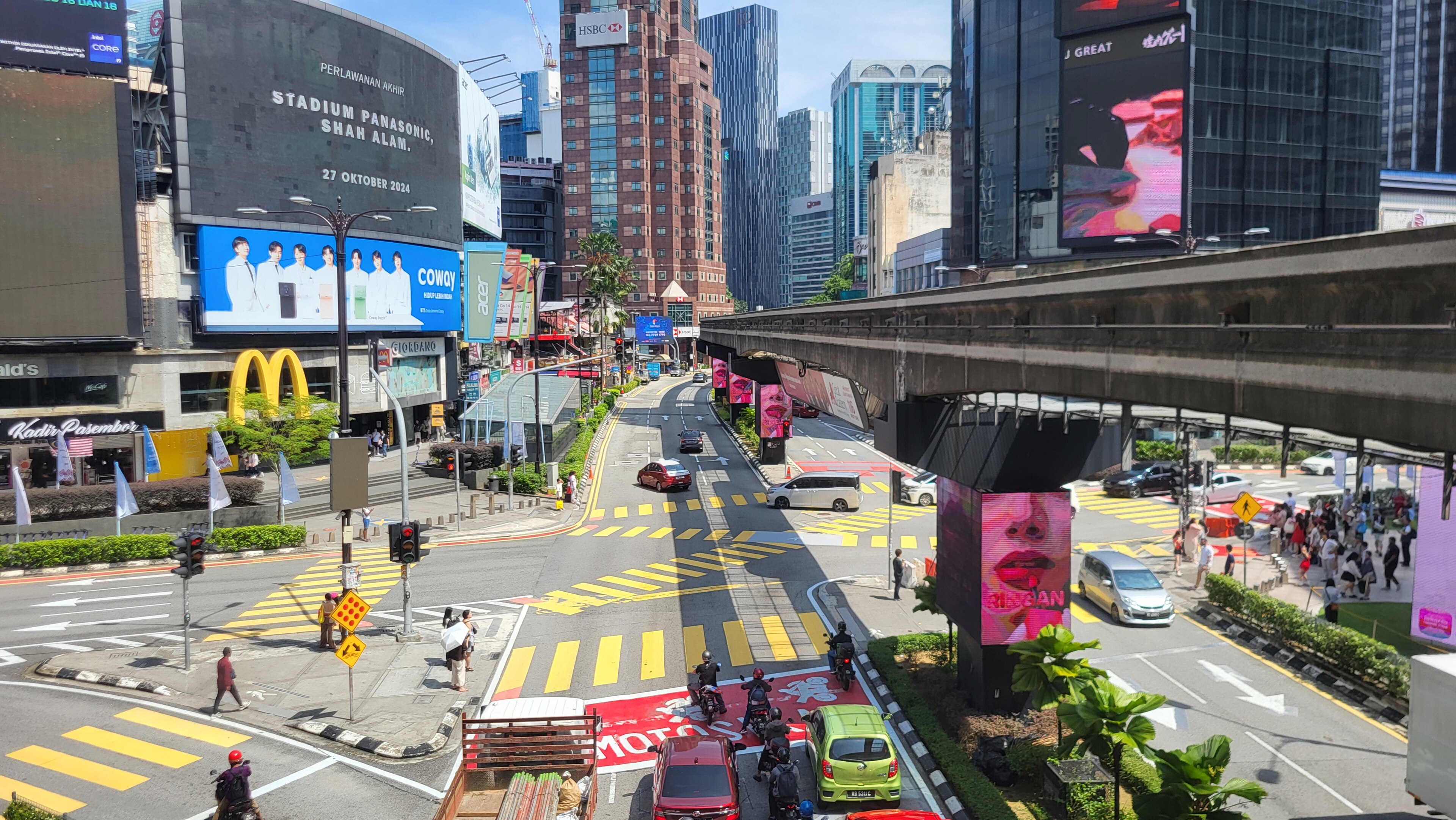
Why Kuala Lumpur is Perfect for Your Celebration
- Iconic Petronas Twin Towers skyline as a dramatic event backdrop
- World-class luxury hotel ballrooms accommodating hundreds of guests
- Direct international flights from across Asia, Middle East, Europe & Australia
- Rich multicultural culinary scene — Malay, Chinese, Indian & international menus
- Mature, professional event vendor ecosystem with experienced planners and caterers
- Dry season (Jan, Feb, Mar, Dec) offers reliably lower rainfall for celebrations

Top Venues in Kuala Lumpur
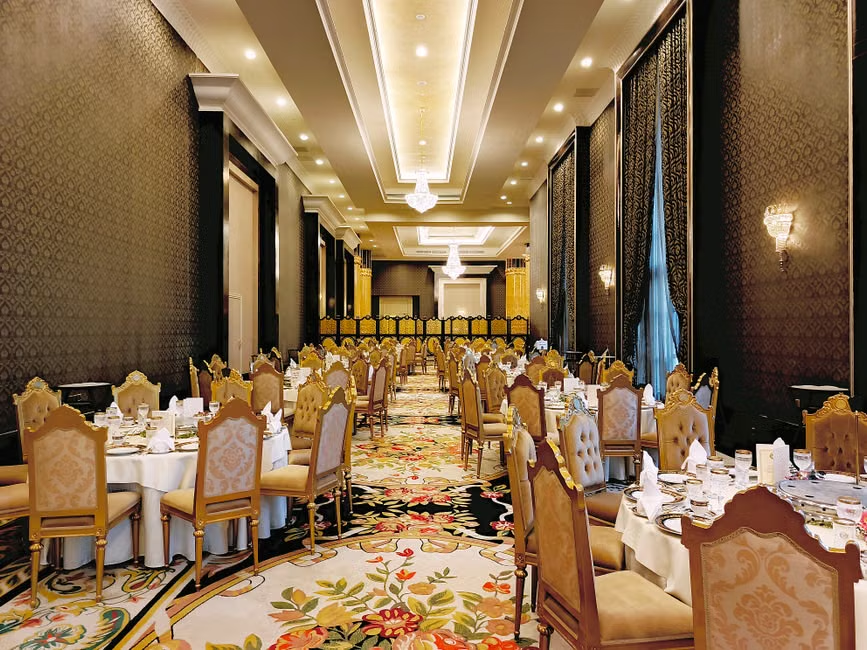
Renaissance Kuala Lumpur Hotel & Convention Centre
Compare Kuala Lumpur with Other Top Destinations
Frequently Asked Questions
Is Kuala Lumpur a good destination for a wedding with international guests?
Yes. Kuala Lumpur is particularly well-suited to weddings with international guest lists. Kuala Lumpur International Airport (KUL) operates direct flights from most major cities across Asia, the Middle East, Europe, and Australia, meaning the majority of guests can reach the city without complex connections. The city's luxury hotel infrastructure, multicultural catering expertise, and English-speaking hospitality sector further reduce friction for international couples and their guests.
What is the best time of year to hold a wedding or event in Kuala Lumpur?
The best time is the dry season: January, February, March, and December. These months see measurably lower rainfall and fewer sudden afternoon downpours compared to the rest of the year, making outdoor event elements more reliable. December also benefits from a festive city atmosphere. Events during October and November face the highest rainfall risk, while June to September can bring haze from regional agricultural burning.
How large a guest list can Kuala Lumpur venues realistically accommodate?
Kuala Lumpur's major hotel ballrooms can comfortably accommodate guest lists ranging from around 200 to well over 1,000 for seated dinners, depending on the property. The city has multiple venues capable of handling large-scale events simultaneously, making it one of the more scalable destination-event cities in Southeast Asia. Smaller gatherings of 50–150 guests are equally well-served by the city's rooftop venues, private dining rooms, and boutique event spaces.
What kinds of event venues are available in Kuala Lumpur?
Kuala Lumpur offers a broad range of event spaces: grand hotel ballrooms with professional AV infrastructure, rooftop and sky-level venues using the city skyline as a backdrop, poolside terraces and garden lawns suited to outdoor ceremonies in the dry season, heritage-influenced spaces in colonial-era buildings, and convention-scale facilities for large corporate programmes. The city's venue diversity is one of its genuine strengths as a destination-event location.
How do guests get from the airport to the city for an event in Kuala Lumpur?
The KLIA Ekspres rail link connects Kuala Lumpur International Airport directly to KL Sentral station in the city centre in approximately 28–33 minutes, making it a fast and straightforward option for arriving guests. Private transfers and ride-hailing services are also widely available. KL Sentral then connects to the city's LRT and MRT network, giving guests easy onward access to most major hotel districts.
Is Kuala Lumpur suitable for corporate events and conferences, not just weddings?
Yes. Kuala Lumpur is one of Southeast Asia's established MICE destinations. Several major hotels offer convention-scale facilities — including plenary halls, breakout rooms, and exhibition space — alongside luxury accommodation blocks, making multi-day corporate programmes logistically straightforward. The city's international air connectivity and professional event vendor ecosystem further support large corporate gatherings with attendees from multiple countries.
What is the local transport situation for guests moving around Kuala Lumpur during an event?
Kuala Lumpur has a well-developed urban rail network — comprising multiple LRT and MRT lines — covering most major hotel and venue districts including KLCC, Bukit Bintang, KL Sentral, and Bangsar. For formal event movements, private coach transfers are standard. Ride-hailing services are reliable and widely used for smaller group movements. Traffic congestion during peak hours is a genuine consideration, and transfer timings should be planned with buffer time.
Can Kuala Lumpur cater to multicultural or multi-faith wedding requirements?
Yes, and this is one of the city's genuine strengths. Kuala Lumpur's hospitality industry is experienced in producing Halal-certified menus, Chinese banquet formats, Indian vegetarian spreads, and international cuisine — often simultaneously for the same event. The city's multicultural character means caterers and hotel kitchens are accustomed to navigating diverse dietary and religious requirements without treating them as exceptional requests.
Are there outdoor event options in Kuala Lumpur, and how weather-dependent are they?
Yes — rooftop terraces, poolside lawns, and garden spaces are available at several properties and work well during the dry season months (January, February, March, December). However, Kuala Lumpur's tropical climate means some rainfall is possible year-round, and even in the dry season, midday heat and humidity can be significant. Covered or air-conditioned contingency arrangements are strongly advisable for any outdoor event element regardless of the month.
How mature is the local event planning and vendor ecosystem in Kuala Lumpur?
Kuala Lumpur has one of the most developed event vendor ecosystems in Southeast Asia. The city regularly hosts large international conferences, destination weddings with multi-country guest lists, and high-production corporate events. Local suppliers — covering photography, floristry, AV, event design, entertainment, and catering — are experienced with complex, multi-day programmes. English is widely spoken across the sector, reducing communication friction for international couples and planners.
Is Kuala Lumpur a good fit for a small, intimate destination celebration?
It depends on expectations. Kuala Lumpur's infrastructure is optimised for medium-to-large events, and major hotel venues typically have minimum spend requirements that may feel disproportionate for very small gatherings. That said, the city does offer rooftop bars, private dining rooms, and boutique event spaces that suit groups of 20–60 guests well. Couples seeking a secluded, nature-immersed intimate experience will likely find the urban environment a poor match for that vision.
What makes Kuala Lumpur distinctive as a destination-event city compared to other options in the region?
Kuala Lumpur's combination of a genuinely iconic urban skyline (anchored by the Petronas Twin Towers), exceptional international air connectivity, a high concentration of internationally branded luxury hotel ballrooms, and a multicultural culinary and hospitality culture is relatively rare in Southeast Asia. The city suits couples and planners who want world-class event infrastructure, easy international guest access, and a cosmopolitan city experience — rather than a beach, jungle, or heritage-town setting.

Ready to explore venues in Kuala Lumpur?
Kuala Lumpur: Destination Wedding & Corporate Event Venues in Malaysia
◆Kuala Lumpur is Malaysia's cosmopolitan capital and one of Southeast Asia's most capable destination-event cities, particularly well-suited to luxury weddings, large-scale corporate events, gala dinners, and milestone celebrations. Its primary vibe is chic and cosmopolitan — defined by a dramatic urban skyline, world-class hotel infrastructure, and a genuinely multicultural hospitality culture. The city's dry season months (January, February, March, and December) offer the most reliable conditions for events. Kuala Lumpur is highly accessible for international guests, served by one of Asia's busiest hub airports, and offers a broad spectrum of venue types from grand hotel ballrooms to rooftop sky venues — making it a strong fit for both intimate gatherings and large multi-day celebrations.
Kuala Lumpur at a Glance
| Category | Details |
|---|---|
| Best For | Luxury Weddings, Corporate Events, Gala Dinners, Milestone Celebrations |
| Primary Vibe | Chic & Cosmopolitan |
| Other Vibes | Multicultural, Urban, Skyline-Dramatic, Modern Luxury |
| Best Season | Dry Season (Jan, Feb, Mar, Dec) |
Why Choose Kuala Lumpur?
- Iconic skyline as a living backdrop: The Petronas Twin Towers and KL Tower create a genuinely distinctive visual context for events — rooftop venues, poolside terraces, and ballrooms with floor-to-ceiling glass all leverage this skyline in ways few cities in the world can match.
- Depth of luxury hotel infrastructure: Kuala Lumpur has an unusually high concentration of internationally branded five-star hotels, each with dedicated event teams, large ballrooms, and full in-house catering — meaning couples and planners have genuine choice rather than a single dominant option.
- Exceptional international air connectivity: Kuala Lumpur International Airport (KUL) operates direct flights to and from most major cities across Asia, the Middle East, Europe, and Australia, making it straightforward for international guests to attend without complex routing.
- Multicultural culinary richness: The city's Malay, Chinese, Indian, and international food culture translates directly into event menus — caterers and hotel kitchens here are genuinely experienced in producing multi-cuisine banquets that reflect diverse guest lists.
- Mature, professional event vendor ecosystem: Kuala Lumpur has a well-developed network of event planners, florists, AV specialists, photographers, and entertainment providers who regularly handle large-scale destination events, reducing the coordination risk that can arise in less-developed markets.
- Efficient urban transport for guests: The city's MRT, LRT, and KL Sentral rail hub make it practical for guests staying across different hotels or neighbourhoods to move between venues, pre-event dinners, and post-event activities without relying entirely on private transfers.
Which Celebrations Work Best in Kuala Lumpur?
- Luxury destination weddings: Kuala Lumpur's five-star hotel ballrooms — many of which can seat several hundred guests — combined with its multicultural catering expertise and strong international connectivity make it a particularly capable city for couples hosting guests from multiple countries. The skyline backdrop adds a visual drama that is genuinely hard to replicate.
- Corporate events and conferences: The city is one of Southeast Asia's established MICE (Meetings, Incentives, Conferences, Exhibitions) destinations. Several hotels offer convention-scale facilities alongside luxury accommodation, making multi-day corporate programmes logistically straightforward.
- Gala dinners and award ceremonies: The combination of grand ballrooms, professional AV infrastructure, and experienced event production companies makes KL a strong fit for formal gala formats requiring high production values.
- Milestone celebrations (anniversaries, landmark birthdays): For families or groups wanting a memorable international celebration with easy access, strong dining options, and a range of pre- and post-event activities (city tours, cultural experiences, day trips), Kuala Lumpur offers genuine depth beyond the event itself.
- Pre-wedding and engagement events: Rooftop bars, heritage-influenced spaces, and boutique dining venues across the city provide varied, photogenic settings for smaller pre-wedding gatherings, engagement parties, and rehearsal dinners.
Venues & Event Spaces
Kuala Lumpur's event venue landscape is dominated by large hotel ballrooms within internationally branded luxury properties, many of which can accommodate several hundred to over a thousand guests for seated dinners. These ballrooms are typically equipped with professional AV systems, dedicated pre-function foyer spaces, and in-house catering teams experienced in multi-cuisine banquets.
Beyond traditional ballrooms, the city offers a growing number of rooftop and sky-level event spaces that use the KL skyline as a dramatic visual element — particularly suited to cocktail receptions, sundowner events, and smaller seated dinners where atmosphere is a priority. Several hotels also offer poolside terraces and garden lawns that work well for outdoor ceremonies during the drier months.
For corporate events and conferences, a number of properties include dedicated convention wings with breakout rooms, plenary halls, and exhibition space that can be combined with accommodation blocks for multi-day programmes. The city also has standalone convention and exhibition centres that handle very large-scale events beyond what individual hotels can absorb.
Heritage-influenced venues — drawing on the city's colonial-era architecture in areas such as Merdeka Square and Masjid India — provide a more culturally textured alternative to purely modern hotel settings, and are particularly popular for couples wanting a sense of place woven into their event aesthetic.
Best Time to Celebrate
The curated best season for events in Kuala Lumpur is the dry season: January, February, March, and December. During these months, rainfall is measurably lower than the rest of the year, afternoon downpours are less frequent, and outdoor event elements — garden ceremonies, rooftop receptions, poolside cocktail hours — carry a more reliable weather window. December in particular benefits from a festive city atmosphere, with decorations and events across the city adding to the celebratory mood.
The rest of the year presents genuine trade-offs. April and May are inter-monsoon months characterised by heavy, often sudden afternoon and evening thunderstorms that can disrupt outdoor timings. June through September falls within the southwest monsoon period; while rainfall is somewhat lower than the northeast monsoon peak, haze from regional agricultural burning can affect air quality and visibility — a meaningful consideration for outdoor photography and open-air events. October and November represent the northeast monsoon's peak influence on the peninsula, bringing the highest rainfall totals of the year and the greatest risk of sustained wet weather disrupting event logistics.
It is worth noting that Kuala Lumpur's tropical climate means some rainfall is possible in any month — the dry season designation reflects a relative reduction in frequency and intensity, not a guarantee of entirely rain-free days. Events with significant outdoor components should always have covered contingency arrangements regardless of the month chosen.
Getting There & Local Connectivity
Kuala Lumpur is served by Kuala Lumpur International Airport (KUL), one of the busiest and best-connected airports in Southeast Asia. The airport operates two terminals on the same campus — the main KLIA terminal and KLIA2 — handling a wide range of full-service and low-cost carriers with direct routes to most major cities across Asia, the Middle East, Europe, and Australia. For international guest groups, this means the majority of attendees can typically reach KL on a direct flight, avoiding the connecting-flight complexity that affects less-connected destinations.
The airport is located approximately 55 km south of the city centre. The KLIA Ekspres rail link provides a fast, direct connection between the airport and KL Sentral station in the city centre, making the transfer straightforward for arriving guests without requiring private transfers for every individual. KL Sentral itself functions as the city's central transport hub, connecting the KLIA Ekspres with the LRT, MRT, KTM Komuter, and intercity rail services.
Within the city, Kuala Lumpur's public rail network — comprising multiple LRT and MRT lines — covers most major hotel and venue districts, including KLCC, Bukit Bintang, KL Sentral, and Bangsar. For event groups, a combination of private coach transfers for formal event movements and the rail network for guest leisure travel typically works well. Ride-hailing services are widely available and reliable, providing a practical supplement for smaller groups or off-peak movements.
Local Vendor & Hospitality Ecosystem
Kuala Lumpur has one of the most developed event vendor ecosystems in Southeast Asia. The city regularly hosts large-scale international conferences, destination weddings involving guests from multiple countries, and high-production corporate events — meaning the local supplier base has genuine experience with complex, multi-day programmes rather than only smaller domestic events.
Hotel event teams at the city's major properties are typically well-resourced, with dedicated wedding coordinators, in-house AV departments, and established relationships with preferred external vendors for floristry, entertainment, and décor. For couples or planners who prefer to work with independent specialists, the city has a mature freelance and agency market covering photography, videography, event design, live music, and cultural performance.
The multicultural character of Kuala Lumpur's hospitality industry is a genuine practical asset: caterers and hotel kitchens here are experienced in producing Halal-certified menus, Chinese banquet formats, Indian vegetarian spreads, and international cuisine simultaneously — a meaningful advantage for events with diverse guest lists. English is widely spoken across the hospitality sector, reducing communication friction for international couples and planners.
Pros & Things to Consider
Why Kuala Lumpur Works Well
- Exceptional international air connectivity makes guest travel straightforward from most parts of Asia, the Middle East, and beyond
- High concentration of internationally branded luxury hotels with large, well-equipped ballrooms and experienced event teams
- Genuinely multicultural culinary ecosystem — Halal, Chinese, Indian, and international menus handled with equal competence
- Dramatic urban skyline provides a distinctive visual backdrop unavailable in most other Southeast Asian event cities
- Mature, professional vendor market reduces coordination risk for complex, multi-day programmes
- Efficient city rail network makes guest movement between hotels, venues, and leisure activities practical without full reliance on private transfers
- Strong range of pre- and post-event activities — cultural sites, shopping, day trips — that add value for destination guests
Things to Consider
- Kuala Lumpur is a large, busy city — it does not offer the seclusion or resort-style privacy that some couples seek for intimate destination weddings; the urban environment is always present
- Tropical humidity is a year-round reality; even in the dry season, outdoor events in the middle of the day can be uncomfortably warm, and covered or air-conditioned contingency arrangements are advisable
- Haze from regional agricultural burning (most common June–September) can affect air quality and outdoor visibility — a consideration for events with significant outdoor photography
- The city's scale means traffic congestion is a genuine logistical factor, particularly during peak hours; transfer timings for guest movements between venues should account for this
- As a major international city, Kuala Lumpur's event market is competitive and in-demand during the dry season months — early booking of preferred hotel dates and vendor teams is important
When Kuala Lumpur May Not Be the Right Fit
- Couples seeking a secluded, nature-immersed setting: Kuala Lumpur is an urban capital city. Guests looking for a beachside, jungle, or hillside retreat experience will find the city environment a poor match for that vision — other Malaysian destinations would serve that need better.
- Events planned during the October–November monsoon peak: If dates cannot be moved to the dry season, the elevated rainfall risk during the northeast monsoon period makes outdoor event elements genuinely unreliable, and the overall experience of the city for guests is less pleasant.
- Very small, intimate gatherings (under 30 guests): While smaller events are possible, Kuala Lumpur's venue infrastructure is optimised for medium-to-large groups. Couples seeking a highly intimate, boutique experience may find the city's scale and the minimum spend requirements of major hotel venues a poor fit relative to smaller, more characterful destinations.
- Groups with guests who face significant visa or travel access challenges to Malaysia: While Malaysia is generally accessible, some nationalities face visa requirements or restrictions — event planners should verify guest-list travel access early, as this can affect the practical feasibility of a KL destination event for certain international groups.