
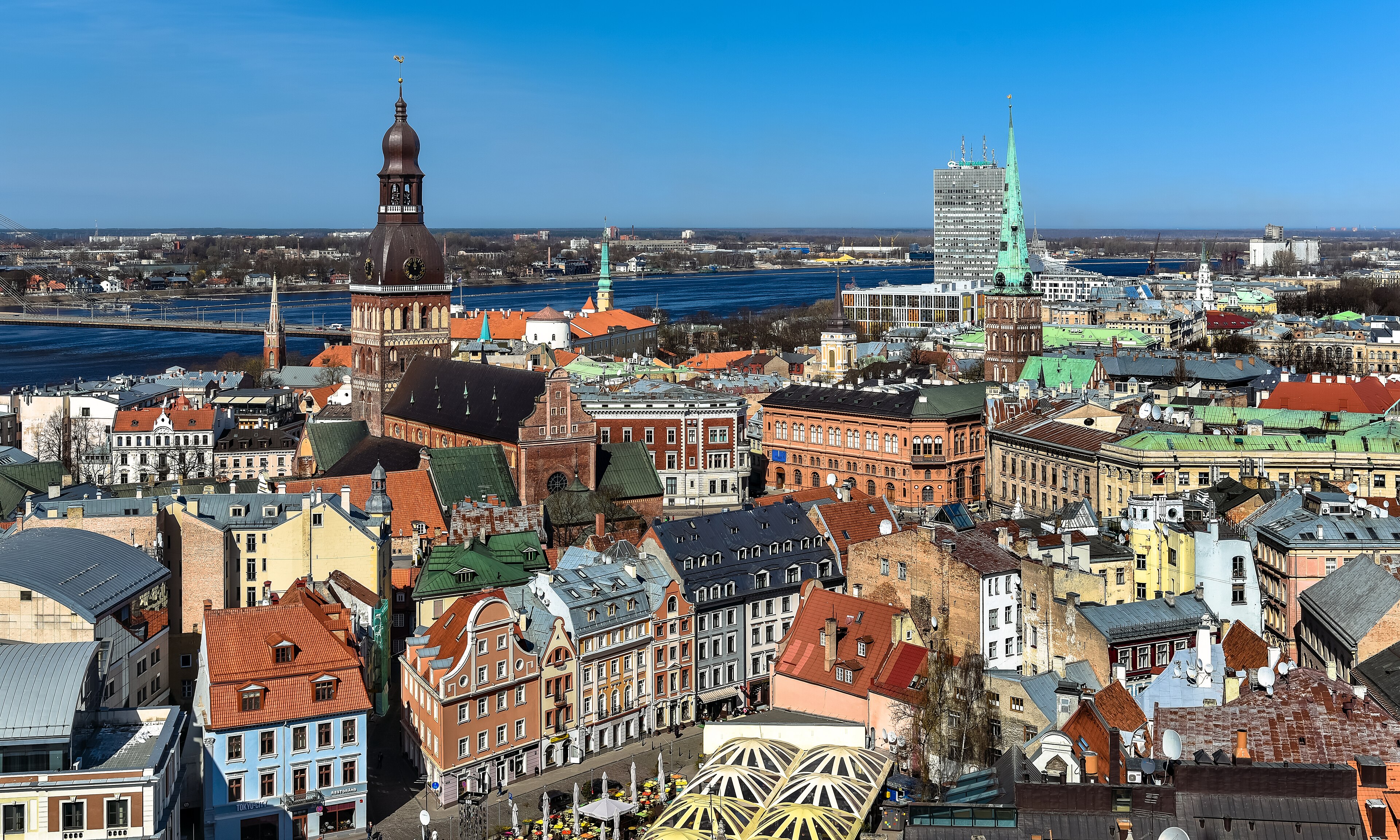
Why Riga is Perfect for Your Celebration
- UNESCO-listed Old Town provides a dramatic, historic backdrop for ceremonies and receptions
- Extraordinary concentration of Art Nouveau buildings — among the finest in Europe — for unique photo settings
- Excellent direct flight connections from across Europe via Riga International Airport (RIX)
- Diverse venue portfolio: medieval castle halls, manor estates, boutique hotel ballrooms, and modern event centres
- Long summer days (up to 18+ hours of daylight in June–July) allow extended outdoor celebrations
- Cosmopolitan hospitality scene with experienced international event planners and caterers

Compare Riga with Other Top Destinations
Frequently Asked Questions
Is Riga a good destination for a wedding?
Yes, particularly for couples seeking an intimate to mid-sized European destination wedding with a cosmopolitan, culturally rich character. Riga's UNESCO-listed Old Town, Art Nouveau architecture, and long summer evenings create a genuinely distinctive setting. It works best for guest lists in the range of 50 to 300 guests, where the local boutique hotel and heritage venue inventory is most comfortable.
What is the best time of year to hold an event in Riga?
Summer — June, July, and August — is strongly recommended. Temperatures are warm (typically 17–23°C), daylight extends up to 18 hours around the solstice, and the city is at its most vibrant. The remaining months bring cold, limited daylight, and unpredictable rain, making them significantly less suitable for events with outdoor elements or guests expecting a pleasant ambient experience.
How easy is it for international guests to reach Riga?
Very straightforward for European guests. Riga International Airport (RIX) operates direct scheduled services from most major European cities, with the airport located approximately 10 km from the city centre. Guests from outside Europe typically connect through a major European hub, which adds journey time but is generally manageable. The city centre is compact and easy to navigate on arrival.
What kinds of event venues are available in Riga?
Riga offers a genuinely varied range: medieval guild halls and historic manor houses for heritage-style events, boutique hotel ballrooms in the Old Town for intimate gatherings, large international hotel conference suites for corporate events, and contemporary loft-style spaces in the city's creative districts. Outdoor riverside terraces and garden estates are also available during the summer season.
How large a guest group can Riga realistically accommodate for an event?
Riga is most comfortable for events in the 50 to 400 guest range. The city has venues capable of hosting up to several hundred guests under one roof, particularly within its larger hotel properties. Very large events above 600–800 guests may find the local venue inventory more stretched, and a larger European capital might offer more options at that scale.
Is Riga suitable for corporate events and conferences?
Yes — this is arguably one of Riga's strongest event categories. The city has purpose-built conference infrastructure, strong business hotel capacity with large meeting and banquet suites, and excellent air connectivity for delegates from across Europe. The cosmopolitan atmosphere, high-quality dining scene, and cultural richness also make it well-suited to incentive travel and corporate retreats.
What is the local vendor and hospitality ecosystem like for events?
Well-developed for a city of its size. Riga has experienced event management companies, strong catering operations (including fine-dining caterers), florists, photographers, and AV/production providers. English is widely spoken in the hospitality sector. For highly specialist or niche requirements, some vendors may need to be coordinated from larger European cities, but the core ecosystem is solid.
What makes Riga's summer daylight hours significant for event planning?
In June and July, Riga has up to 18 hours of daylight, with the sky remaining light well past 10 pm around the solstice. This means outdoor ceremonies and receptions can be scheduled in the early evening and still benefit from natural light for photography and ambience — a genuinely distinctive planning advantage that is not available in most other European destinations at the same latitude.
How do guests get around Riga once they arrive?
The Old Town and main hotel district are walkable, which simplifies logistics for guests staying centrally. For transfers to venues outside the immediate centre, taxis and ride-hailing services are readily available. For coordinating larger guest groups across multiple event days, private minibus or coach hire is well-established and is the most practical option for ensuring punctual, coordinated group movement.
Are there outdoor event options in Riga?
Yes, during the summer season. Options include riverside terraces along the Daugava, rooftop venues with Old Town views, private garden estates within easy reach of the city centre, and outdoor spaces within historic manor properties on the city's periphery. Outside June–August, outdoor events become significantly less practical due to cold temperatures, rain, and limited daylight.
Is Riga safe for international guests attending an event?
Yes. Riga is generally considered very safe for international visitors. Latvia is an EU member state with a stable political environment, and the city centre — particularly the Old Town and main hotel district — is well-policed and accustomed to international tourism. Standard urban awareness is advisable, as in any European capital, but safety is not a significant concern for event planning purposes.

Ready to explore venues in Riga?
Riga: Destination Wedding & Event Venues in Latvia's Cosmopolitan Capital
◆Riga is Latvia's capital and the largest city in the Baltic States, best suited to corporate events, festivals, intimate destination weddings, and milestone celebrations. Its primary vibe is chic and cosmopolitan, anchored by a UNESCO-listed medieval Old Town and one of Europe's most remarkable concentrations of Art Nouveau architecture. The ideal season is summer (June through August), when long daylight hours and warm temperatures make outdoor events genuinely practical. Riga is well-connected internationally via its own international airport, and the city centre is compact and walkable, making group logistics relatively straightforward for European guests.
Riga at a Glance
| Category | Detail |
|---|---|
| Best For | Corporate Events, Destination Weddings, Festivals, Milestone Celebrations |
| Primary Vibe | Chic & Cosmopolitan |
| Other Vibes | Historic, Cultural, Romantic, Urban |
| Best Season | Summer (Jun, Jul, Aug) |
Why Choose Riga?
- Exceptional architectural backdrop: Riga's UNESCO-listed Old Town and its extraordinary Art Nouveau district — containing over 800 Art Nouveau buildings — provide a genuinely rare visual setting for ceremonies, receptions, and event photography that few European cities can match at this scale.
- Strong international air connectivity: Riga International Airport (RIX) operates direct routes to most major European capitals and a growing number of long-haul destinations, making it accessible for guests travelling from across Europe with minimal connection complexity.
- Diverse venue portfolio across styles: The city offers a genuine range of event spaces — from medieval guild halls and baroque manor estates on the city's outskirts to sleek modern conference centres and boutique hotel ballrooms — meaning the destination suits both traditional and contemporary event aesthetics.
- Extended summer daylight: In June and July, Riga experiences up to 18 hours of daylight, including the famous White Nights period around the summer solstice. This allows outdoor ceremonies and receptions to run well into the evening in natural light — a genuinely distinctive feature for event planning.
- Mature hospitality and vendor ecosystem: As a capital city with a well-established tourism and business travel sector, Riga has a developed network of event planners, caterers, florists, and AV/production companies experienced in handling international events.
- Compact, walkable city centre: The Old Town and the main hotel and venue district are within easy walking distance of each other, reducing the logistical complexity of moving large guest groups between ceremony, reception, and accommodation.
Which Celebrations Work Best in Riga?
- Corporate Events & Conferences: Riga is arguably strongest as a corporate destination. The city has purpose-built conference infrastructure, strong business hotel capacity, and excellent connectivity for delegates flying in from across Europe. The cosmopolitan atmosphere and high-quality dining scene make it well-suited to incentive travel, product launches, and multi-day corporate retreats.
- Destination Weddings: Riga suits couples seeking an intimate to mid-sized destination wedding with a distinctly European, culturally rich character. The Old Town's cobbled streets, historic churches, and manor house venues create a romantic setting, particularly during the long summer evenings. It works especially well for smaller guest lists where the boutique hotel and heritage venue inventory is most comfortable.
- Festivals & Cultural Celebrations: The city has a strong tradition of large-scale cultural festivals — including the internationally renowned Latvian Song and Dance Festival — and the infrastructure and civic culture around large public and semi-public celebrations is well-developed. Private festival-style events can draw on this ecosystem effectively.
- Milestone Celebrations (Anniversaries, Landmark Birthdays): For groups seeking a sophisticated European city break framed around a celebration, Riga offers a compelling combination of cultural richness, excellent restaurants, and a lively but not overwhelming urban atmosphere. The city's relatively compact scale makes it easy to curate a multi-day experience for a guest group.
Venues & Event Spaces
Riga's event venue landscape is genuinely varied. At the luxury end, the city's international hotel brands offer large ballrooms and conference suites capable of accommodating several hundred guests, with full in-house catering and AV infrastructure. Boutique hotels in the Old Town and the Quiet Centre neighbourhood provide more intimate settings — typically suited to smaller ceremonies and private dining events — with the added character of historic buildings, some dating to the 19th century.
Beyond hotels, Riga has a number of standalone event spaces that are particularly distinctive: restored medieval guild halls in the Old Town, Art Nouveau-era manor houses on the city's periphery, and contemporary loft-style venues in the city's creative districts. For outdoor events, the summer season opens up options including riverside terraces along the Daugava, private garden estates within easy reach of the city centre, and rooftop venues with views across the Old Town skyline.
For large-scale corporate events and conferences, the city has dedicated convention centre facilities with modular space configurations, professional technical infrastructure, and proximity to the main hotel cluster. Overall, the venue inventory is strongest for events in the range of 50 to 400 guests; very large events above 600–800 guests may find the options more limited compared to larger European capitals.
Best Time to Celebrate
The curated best season for events in Riga is summer: June, July, and August. This is the period when the city is genuinely at its most event-friendly, for several concrete reasons beyond simply "the weather is nice."
Daylight in June and July extends to approximately 18 hours, with the sky remaining light well past 10 pm around the summer solstice. This is not merely atmospheric — it means outdoor ceremonies and receptions can be scheduled in the early evening and still benefit from natural light for photography and ambience, without the hard deadline that shorter-day seasons impose. Temperatures in summer typically range from around 17°C to 23°C, warm enough for outdoor events without the extreme heat that can make outdoor celebrations uncomfortable in more southerly destinations.
The city is also at its most vibrant culturally during summer, with outdoor markets, festivals, and public events creating a lively backdrop for guests exploring between event commitments. Hotel and venue availability, while in higher demand, is generally well-managed given the city's established tourism infrastructure.
The remaining months present genuine challenges. November through March brings harsh Baltic winter conditions: temperatures regularly drop below freezing, snowfall is common, daylight is extremely limited (as few as 7 hours in December), and outdoor event elements become impractical. April and May are transitional — temperatures are cool and rainfall is unpredictable, making outdoor planning unreliable. September and October can offer pleasant early-autumn conditions, particularly September, but temperatures cool rapidly and rain becomes more frequent as the season progresses, making them acceptable shoulder months rather than genuinely recommended ones for outdoor-dependent events.
Getting There & Local Connectivity
Riga International Airport (RIX) is located approximately 10 kilometres from the city centre and is the primary gateway for international guests. It operates direct scheduled services to most major European cities, including London, Amsterdam, Frankfurt, Paris, Stockholm, Helsinki, and Warsaw, among others. For guests travelling from outside Europe, connections are typically made through major European hub airports, with overall journey times that are competitive for a Baltic destination.
The airport is connected to the city centre by a regular bus service and taxi/ride-hailing options, with journey times typically under 30 minutes outside peak traffic periods. For event groups, private coach transfers between the airport and hotels are straightforward to arrange and are a common choice for coordinating arriving guests.
Within the city, Riga's compact centre means that many guests staying in the Old Town or Quiet Centre can walk between their accommodation, ceremony venues, and reception spaces. For guests staying further out or for transfers to venues on the city's periphery, the city has a functional public transport network (trams, trolleybuses, buses) as well as readily available taxis and ride-hailing services. Private minibus or coach hire for group transfers is well-established and recommended for coordinating larger guest groups across multiple event days.
Riga Central Station, located in the city centre, connects to regional Latvian towns and to international rail routes toward Tallinn, Vilnius, and further afield, though rail is a less common arrival mode for international event guests compared to air travel.
Local Vendor & Hospitality Ecosystem
As a capital city with a mature tourism and business travel sector, Riga has a well-developed vendor ecosystem for events. Professional event management companies operating in the city are experienced in handling international client briefs, and a number specialise specifically in destination weddings and corporate incentive events for European and international groups.
Catering quality in Riga is generally high, with a strong local restaurant culture and a growing fine-dining scene that has produced experienced event catering operations. Latvian cuisine — featuring locally sourced produce, game, fish, and seasonal ingredients — can be incorporated into event menus as a distinctive local element, and international menus are equally well-supported.
Florists, photographers, AV and production companies, and entertainment providers (including classical musicians, folk performers, and contemporary acts) are all available within the city. The local creative industries are relatively strong for a city of Riga's size, partly driven by its active cultural festival calendar. English is widely spoken in the hospitality and events sector, which reduces the coordination friction that can arise in less internationally-oriented destinations.
One area to note: for very large or highly bespoke events requiring specialist equipment or niche vendors (e.g. large-scale pyrotechnics, very specific international entertainment acts, or highly customised décor fabrication), some elements may need to be sourced from or coordinated with vendors in larger European cities, which adds a logistical layer to planning.
Pros & Things to Consider
Why Riga Works Well
- UNESCO-listed Old Town and Art Nouveau architecture provide a genuinely distinctive, high-quality visual setting
- Excellent international air connectivity via RIX, with direct routes from most major European cities
- Long summer daylight hours enable extended outdoor events in natural light
- Compact city centre makes multi-venue event logistics manageable for guest groups
- Mature hospitality ecosystem with English-speaking vendors experienced in international events
- Strong corporate event infrastructure, including purpose-built conference facilities
- Culturally rich destination that gives guests a genuine travel experience beyond the event itself
Things to Consider
- The event season is genuinely narrow: summer (June–August) is strongly preferred, and the remaining eight months present real challenges for outdoor or weather-dependent events
- Venue capacity for very large events (above 600–800 guests) is more limited than in larger European capitals; the inventory is most comfortable for mid-sized gatherings
- Guests travelling from outside Europe face longer journeys with connections, which may affect attendance rates for non-European guest lists
- Summer is also peak tourist season in Riga, meaning the Old Town can be busy with general visitors during the day — event timing and venue selection should account for this
- Some highly specialist vendors or bespoke event elements may need to be sourced from larger European cities, adding coordination complexity
- Riga is not a traditional South Asian or Middle Eastern wedding destination, so vendors with specific expertise in those wedding traditions may be less readily available locally
When Riga May Not Be the Right Fit
- Events planned outside June–August: If the event date falls in the autumn, winter, or spring months, Riga's climate — cold, dark, and wet for much of the year — makes it a genuinely difficult choice for any event with outdoor elements or guests expecting a pleasant ambient experience.
- Very large guest lists: Groups significantly above 500–600 guests may find that Riga's venue inventory, while good for its size, does not comfortably support the scale without significant logistical complexity. A larger European capital would typically offer more options at that scale.
- Predominantly non-European guest lists: If the majority of guests are travelling from South Asia, the Middle East, or the Americas, the combination of connecting flights, time zone differences, and Riga's relatively niche profile as a destination may make attendance and guest experience more challenging than a more centrally-located or better-known destination.
- Events requiring highly specific cultural or religious wedding traditions: Riga's vendor ecosystem is strong for European-style events but has limited depth in vendors specialising in, for example, traditional South Asian wedding ceremonies, specific religious catering requirements, or culturally specific décor traditions — couples with those needs may find a destination with a more established ecosystem for their tradition a better fit.