
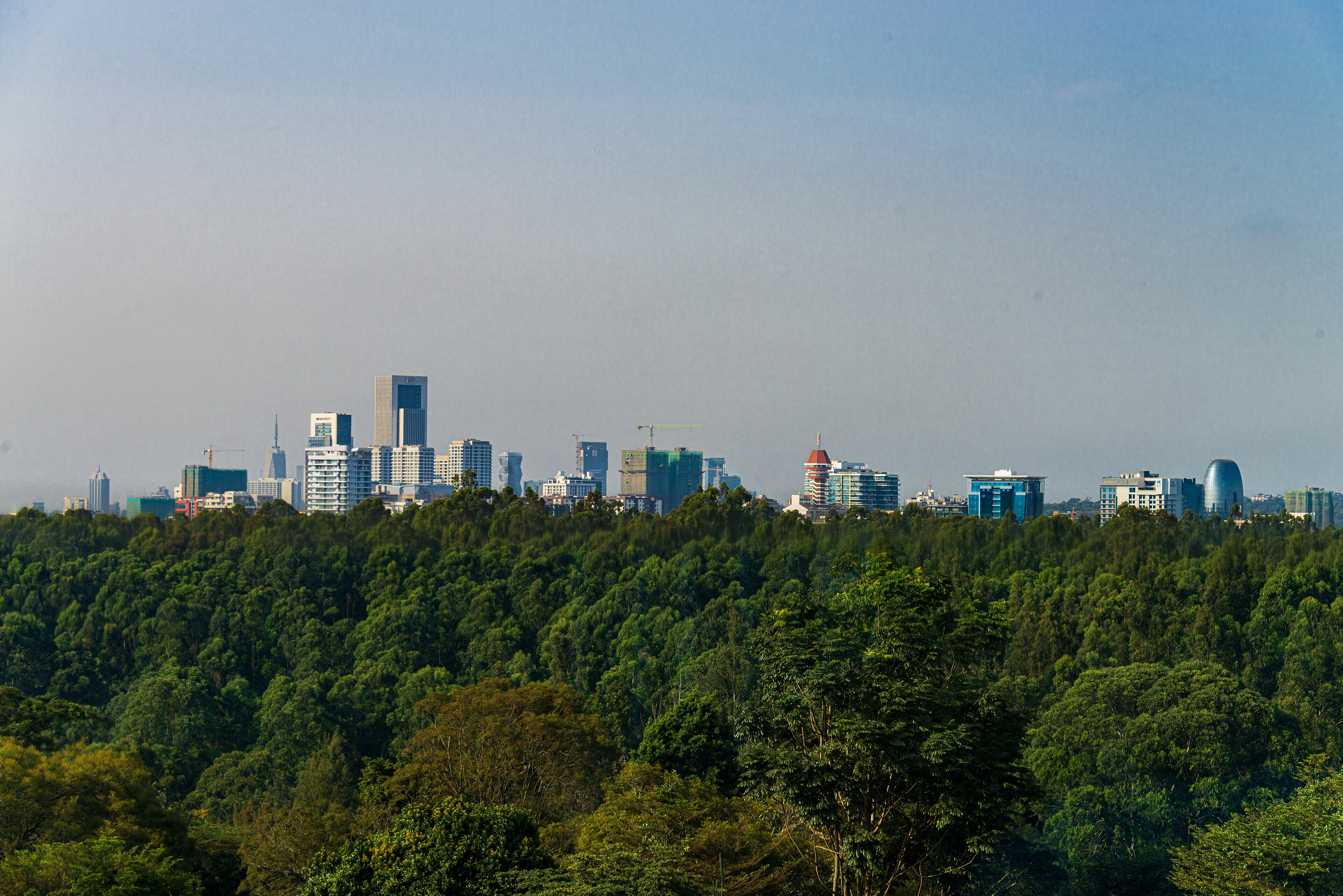
Why Nairobi is Perfect for Your Celebration
- Unique bush-meets-city setting with Nairobi National Park on the city's doorstep
- World-class five-star hotels with dedicated event wings and large ballroom capacities
- Excellent international air connectivity — direct flights from London, Dubai, Amsterdam, Doha and across Africa
- Dry season (Jan–Feb, Jun–Sep) delivers reliably clear skies and comfortable temperatures for outdoor ceremonies
- Mature, professional local event vendor ecosystem covering florals, catering, AV, décor and entertainment
- Diverse venue typology — urban rooftops, garden estates, safari lodges and heritage properties all within the metro area

Top Venues in Nairobi
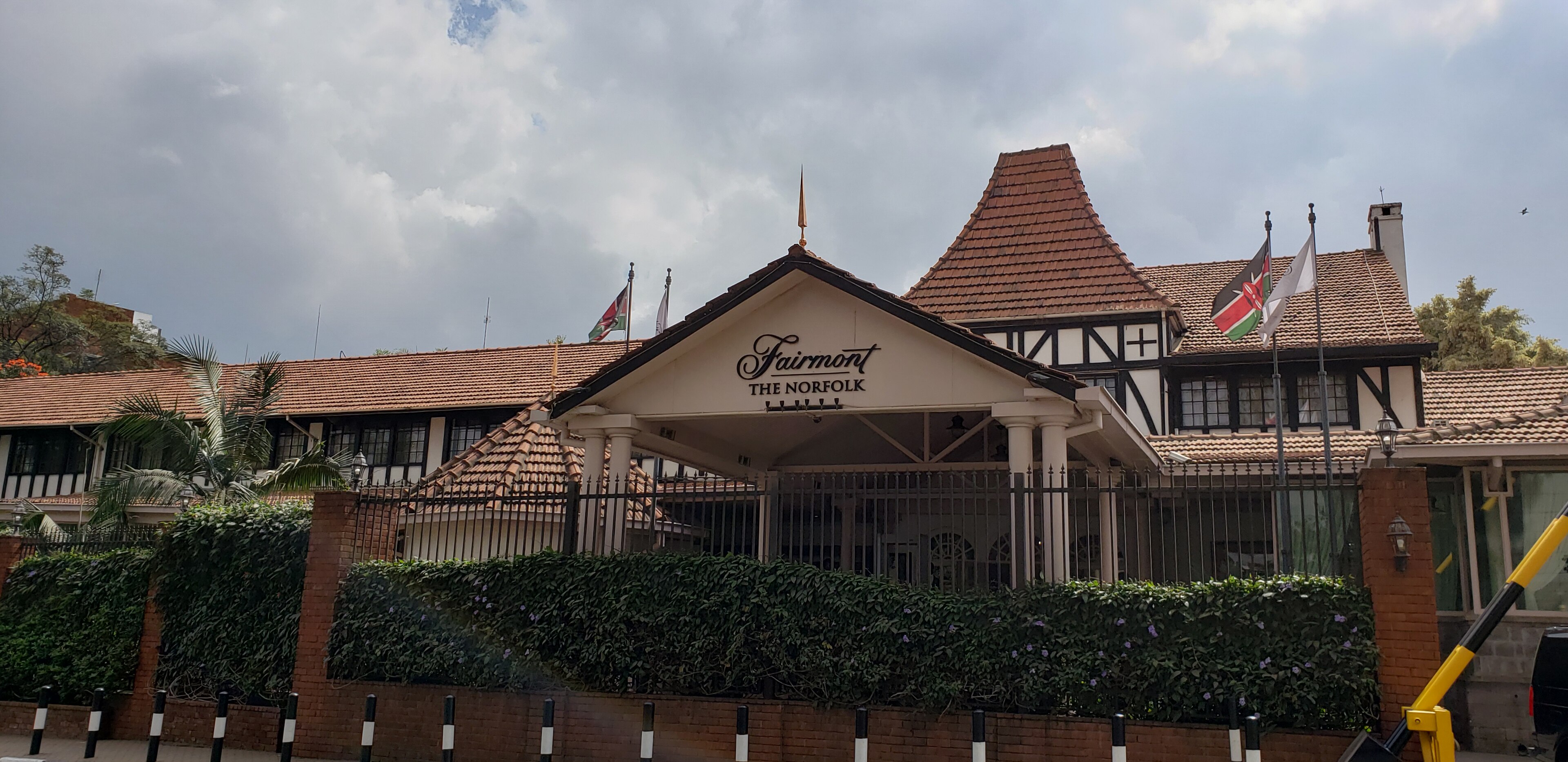
The Fairmont The Norfolk

Radisson Blu Hotel Nairobi Upper Hill
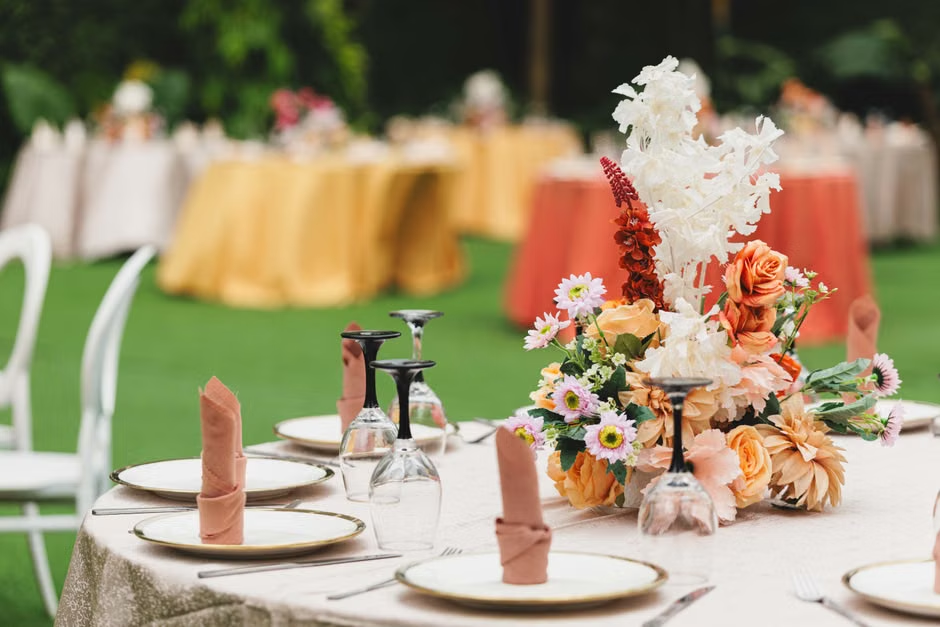
Hilton Nairobi
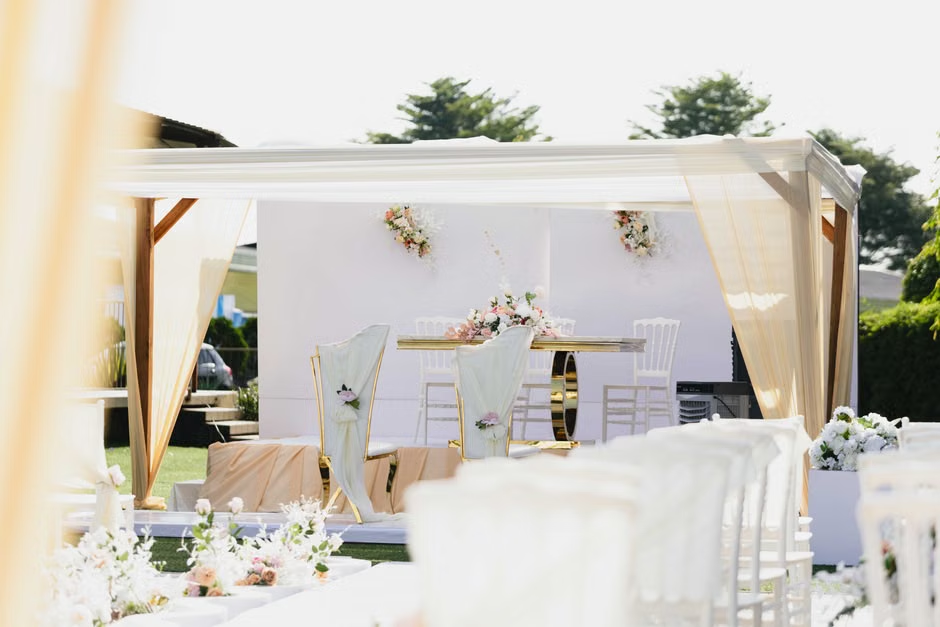
InterContinental Nairobi

Crowne Plaza Nairobi Airport
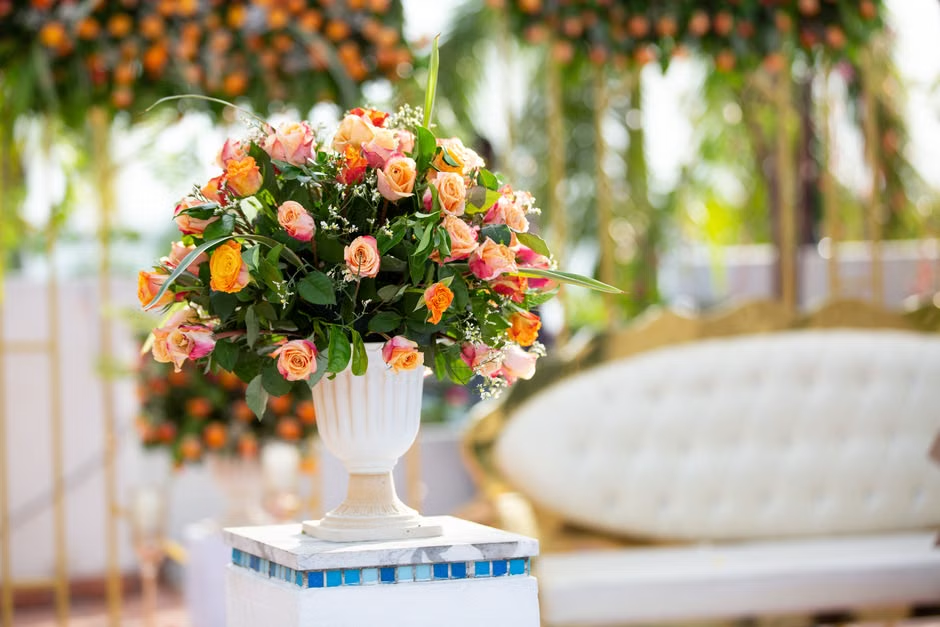
Hemingways Nairobi
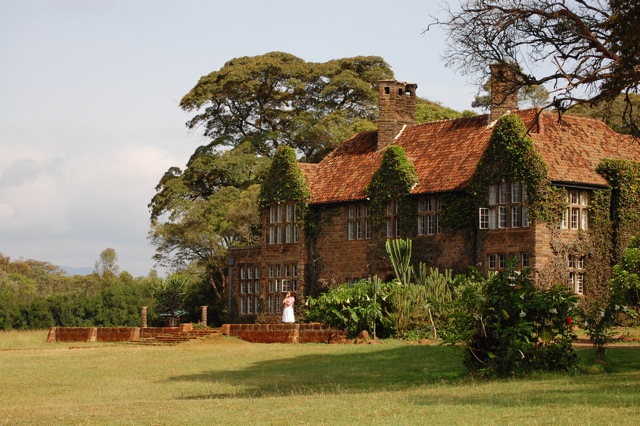
Giraffe Manor
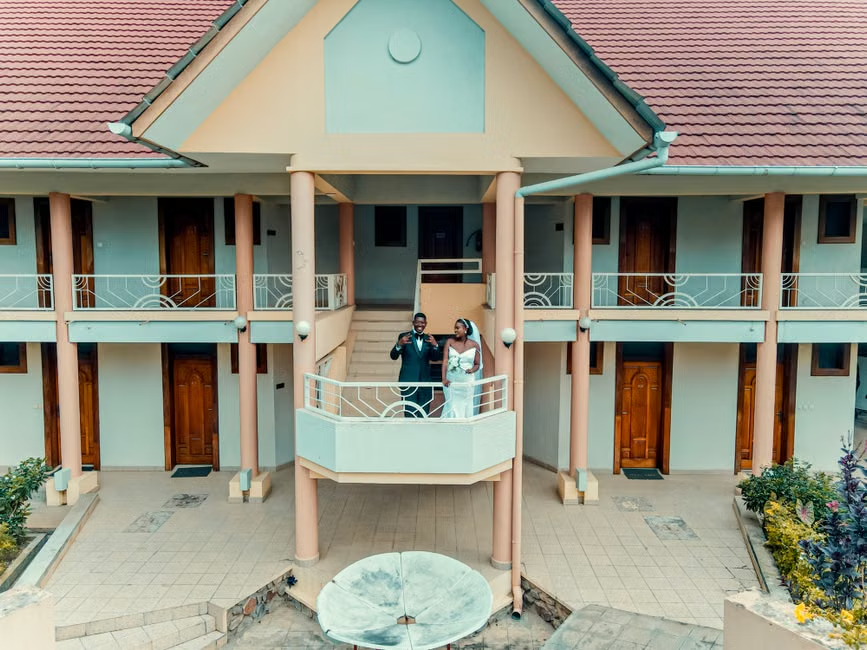
Ole Sereni Hotel

Trademark Hotel
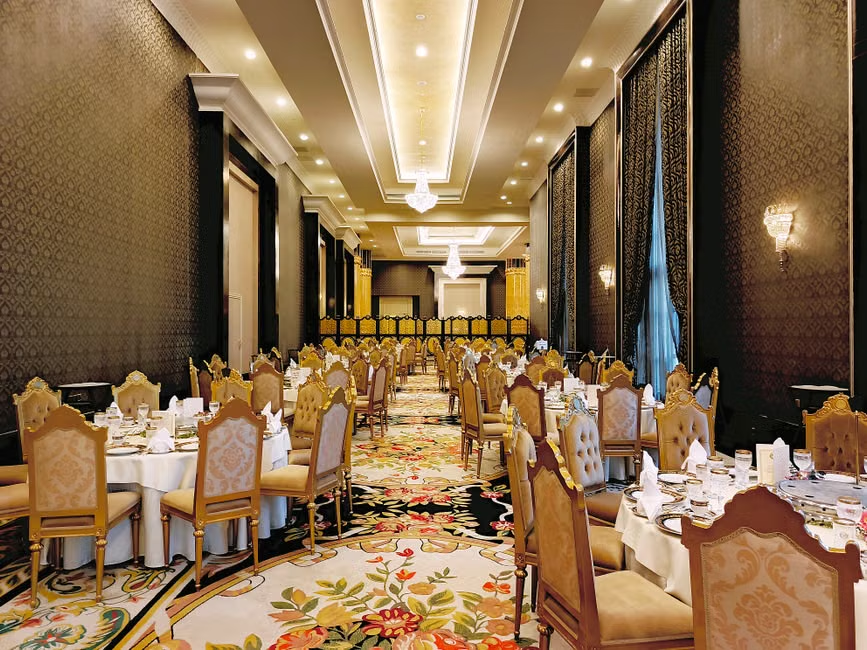
Sarova Stanley Hotel

Boma Inn Nairobi
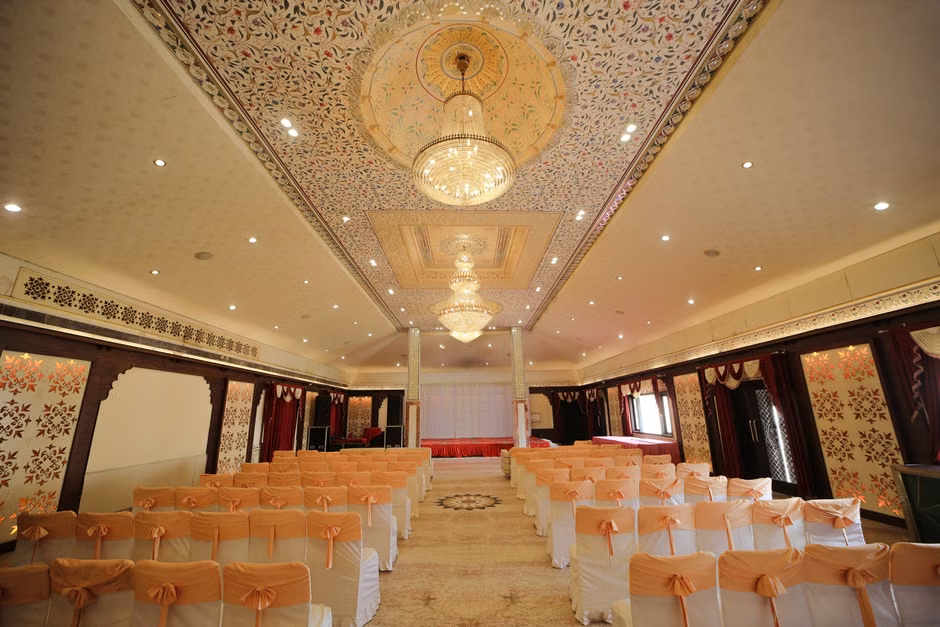
Heron Portico Hotel
Compare Nairobi with Other Top Destinations
Frequently Asked Questions
Is Nairobi a good destination for a wedding?
Yes. Nairobi is particularly well-suited to destination weddings that combine cosmopolitan luxury with a distinctive African setting. The city offers a wide range of venue types — from heritage garden estates in Karen to large hotel ballrooms in the city centre — and its dry season months (January–February and June–September) provide reliable outdoor ceremony conditions. International guests benefit from strong direct flight connectivity into Jomo Kenyatta International Airport.
What guest group sizes can Nairobi venues realistically accommodate?
Nairobi's venue inventory covers a wide range. Boutique garden estates and lodge properties in Karen and Langata typically suit intimate gatherings of 20–150 guests. Major city-centre and Upper Hill hotel properties can accommodate 300–700 guests for banquets and receptions. Very large events of 500+ guests are best directed toward the city's larger hotel ballroom properties rather than suburban estates.
Which airport serves Nairobi, and how easy is it for international guests to reach?
Jomo Kenyatta International Airport (JKIA) serves Nairobi and is one of Africa's most connected international hubs. Direct flights operate from London, Amsterdam, Dubai, Doha, Mumbai, and numerous African capitals. Most international guests can reach Nairobi on a single direct flight, which significantly reduces travel complexity for destination event guest groups.
What is the best time of year to plan a celebration in Nairobi?
The curated best season covers two dry windows: January–February and June–September. Both offer low rainfall and comfortable temperatures (typically 18–26°C during the day). June–September is the cooler, most reliably dry period and coincides with the Great Migration in the Masai Mara — ideal for guests combining an event with a safari extension. March–May (Long Rains) and October–November (Short Rains) are the periods most likely to disrupt outdoor events.
What kinds of event venues are available in Nairobi?
Nairobi offers genuine venue diversity. Options include large hotel ballrooms and conference centres in the city centre and Upper Hill, colonial-era garden estates and boutique manor properties in Karen and Langata, rooftop terraces with city skyline views in Westlands and Kilimani, and bush-edge lodges adjacent to Nairobi National Park. Outdoor lawns and tented structures are widely available across all clusters.
Can guests combine a Nairobi event with a safari experience?
Yes, and this is one of Nairobi's strongest distinguishing features. Nairobi National Park is located on the city's southern boundary — a genuine wildlife reserve with lions, rhinos, and giraffes accessible within 20 minutes of city-centre hotels. For longer safari extensions, the Masai Mara is reachable by light aircraft from Wilson Airport in under an hour, making pre- or post-event safari trips very practical for international guests.
How does local transport work for event guest groups in Nairobi?
Nairobi does not have a metro or light rail system, so group transport relies on hired coaches, minibuses, and coordinated private vehicle fleets. Road congestion is a genuine planning consideration — journey times between the airport, city-centre hotels, and suburban venues like Karen can vary significantly depending on time of day. Event planners should build buffer time into guest arrival and departure schedules and coordinate transport through the hotel or event management company.
Is the local event vendor ecosystem in Nairobi capable of delivering international-standard events?
Yes. Nairobi has one of the most developed event vendor ecosystems in sub-Saharan Africa, shaped by decades of demand from international organisations, diplomatic missions, and multinational corporations. Professional event managers, florists, caterers, AV specialists, and entertainment providers with international-standard experience are well-established in the city. Distinctly Kenyan cultural elements — traditional music, contemporary East African cuisine, Maasai-inspired décor — are also readily available.
Do international guests need a visa to attend an event in Nairobi?
Most international visitors to Kenya require a visa, though requirements vary by nationality. Kenya operates an e-visa system that is generally straightforward to complete online in advance. Event planners should communicate visa requirements clearly to international guest groups well ahead of travel, as processing times and requirements differ by passport. Some nationalities benefit from visa-on-arrival or visa-free arrangements — guests should verify their specific situation.
What makes Nairobi distinctive compared to other African event destinations?
Nairobi's defining characteristic is its combination of genuine urban cosmopolitanism and immediate wildlife access — no other major world city has a national park on its boundary. This means event guests can experience a luxury hotel ballroom reception and a wildlife encounter within the same day. The city's altitude (around 1,700 m) also delivers a mild, temperate climate that is more comfortable for outdoor events than many tropical African destinations.
What should planners be aware of regarding safety in Nairobi?
Nairobi is a large, complex city and, like any major urban centre, requires normal security awareness. Established event venues, hotels, and the Karen, Gigiri, Westlands, and Upper Hill neighbourhoods are generally well-managed and safe for event guests. Planners should brief international guests on recommended transport practices — using reputable ride-hailing apps or hotel-arranged vehicles rather than unmarked taxis — and advise against unguided movement in unfamiliar areas after dark.

Ready to explore venues in Nairobi?
Nairobi: Destination Wedding & Corporate Event Venues in East Africa
◆Nairobi is East Africa's premier event destination — a cosmopolitan city with a genuinely unique combination of urban luxury, wildlife proximity, and strong international air connectivity. It suits destination weddings, high-profile corporate events, milestone celebrations, and incentive retreats particularly well. The city's dry seasons (January–February and June–September) deliver reliably clear weather for outdoor ceremonies. Nairobi's hospitality infrastructure is among the most developed on the continent, with a wide range of venue types from five-star hotel ballrooms to intimate garden estates in the Karen and Langata suburbs, and the city is accessible via direct flights from Europe, the Middle East, and across Africa.
Nairobi at a Glance
| Category | Detail |
|---|---|
| Best For | Destination Weddings, Corporate Events, Incentive Retreats, Milestone Celebrations |
| Primary Vibe | Chic & Cosmopolitan |
| Other Vibes | Safari & Wild, Garden & Heritage, Urban & Energetic |
| Best Season | Dry Season (Jan, Feb, Jun, Jul, Aug, Sep) |
Why Choose Nairobi?
- Unmatched safari-city combination: Nairobi National Park sits on the city's southern boundary, meaning guests can witness wildlife — lions, rhinos, giraffes — within 20 minutes of a five-star hotel ballroom. No other major world city offers this.
- Exceptional international air access: Jomo Kenyatta International Airport is one of Africa's busiest hubs, with direct connections from London, Amsterdam, Dubai, Doha, Mumbai, and dozens of African capitals, making it genuinely easy for international guests to attend.
- Diverse, high-quality venue typology: The city offers everything from grand urban hotel ballrooms accommodating 600+ guests to intimate colonial-era garden estates in Karen, rooftop terraces with city skyline views, and bush-edge lodges with wildlife as a backdrop.
- Mature professional event ecosystem: Nairobi has a well-established community of event planners, florists, caterers, AV specialists, and entertainment providers with experience delivering international-standard events.
- Comfortable, mild climate: Sitting at roughly 1,700 metres above sea level, Nairobi enjoys a temperate climate year-round — rarely exceeding 26°C — making outdoor events comfortable even in the warmest months, unlike many tropical destinations.
- Cultural richness and distinctive African character: From Maasai-inspired décor and traditional music to contemporary Kenyan cuisine, events in Nairobi carry a genuine cultural identity that guests from around the world find memorable and distinctive.
Which Celebrations Work Best in Nairobi?
Destination Weddings: Nairobi is particularly well-suited to destination weddings for couples who want a cosmopolitan African setting without sacrificing luxury or logistical ease. The variety of venues — from heritage garden estates in Karen to rooftop ceremonies with city views — means the city can accommodate intimate gatherings and larger celebrations alike. The dry season months provide reliable outdoor ceremony conditions.
Corporate Events & Conferences: As East Africa's commercial capital, Nairobi is a natural fit for regional and international corporate events. Major hotels offer purpose-built conference facilities, high-speed connectivity, and professional event support teams experienced in handling multinational delegations.
Incentive Retreats: The combination of luxury accommodation, safari day-trip options, and a vibrant dining and nightlife scene makes Nairobi an effective incentive destination — guests experience something genuinely different from a standard European or Asian city hotel.
Milestone Celebrations (Anniversaries, Landmark Birthdays): Smaller, high-end milestone events benefit from Nairobi's boutique property options — intimate lodges and manor-style hotels that can be partially or fully bought out for a private group experience with a distinctly African flavour.
Venues & Event Spaces
Nairobi's event venue landscape is genuinely diverse across several distinct neighbourhood clusters. In the city centre and Upper Hill business district, large-format hotel ballrooms and conference centres can accommodate several hundred guests with full AV infrastructure, dedicated event coordination teams, and on-site accommodation for guest blocks. These properties are well-suited to corporate events and larger wedding receptions where scale and logistical efficiency are priorities.
The Karen and Langata suburbs — historically associated with colonial-era farms and the Out of Africa landscape — offer a very different character: garden estates, heritage manor houses, and boutique lodge properties set among mature trees and open lawns. These venues typically suit smaller, more intimate gatherings and are particularly popular for wedding ceremonies where a natural, romantic outdoor setting is the priority. Several properties in this area sit adjacent to or within view of Nairobi National Park, offering a wildlife backdrop that is genuinely unique among world event destinations.
The Gigiri and Westlands areas, home to many diplomatic missions and international organisations, host a cluster of boutique and mid-scale properties with strong event infrastructure and easy access for internationally-based guests. Rooftop event spaces in Westlands and Kilimani have become increasingly popular for cocktail receptions and smaller corporate gatherings, offering city skyline views in a contemporary setting.
Outdoor lawns, tented structures, and garden terraces are widely available across all these clusters, and Nairobi's mild altitude climate means outdoor events are comfortable for guests throughout the dry season months without the heat or humidity challenges common in coastal or equatorial destinations.
Best Time to Celebrate
The curated best season for events in Nairobi covers two distinct dry windows: January–February and June–September. Both periods share the same core advantage — low rainfall, clear skies, and comfortable daytime temperatures typically between 18°C and 26°C — but they have slightly different characters worth understanding when planning.
January and February follow the short rains of October–November and represent a warm, dry, and bright period. Vegetation is lush from the preceding rains, which makes garden and outdoor venues particularly photogenic. This window is popular for weddings where a green, verdant backdrop is desired alongside dry weather.
June through September is Nairobi's cooler dry season, coinciding with the East African winter. Temperatures can dip to around 13–15°C at night, so evening outdoor events may require light wraps or heating for guests. However, this period offers the most reliably dry conditions of the year and coincides with the famous Great Migration in the Masai Mara — making it an excellent time for guests to combine an event in Nairobi with a safari extension.
The months to avoid are March through May (the Long Rains), when heavy, sustained rainfall can disrupt outdoor events, affect road conditions, and reduce the reliability of open-air venues significantly. October and November (the Short Rains) bring frequent afternoon and evening downpours that, while shorter in duration than the Long Rains, are unpredictable enough to make outdoor ceremonies risky without substantial covered contingency arrangements. December is a transitional shoulder month — conditions improve through the month but remain variable, and it is generally not classified within the curated best season for this reason.
Getting There & Local Connectivity
Nairobi is served by Jomo Kenyatta International Airport (JKIA), one of Africa's most connected international gateways, located approximately 15 km from the city centre. Direct long-haul services operate from major European hubs (London, Amsterdam, Paris), Middle Eastern hubs (Dubai, Doha, Abu Dhabi), Indian cities, and a wide network of African capitals. For international guest groups, this level of connectivity is a significant practical advantage — most guests can reach Nairobi on a single direct flight rather than requiring a connection through a third city.
Wilson Airport, a smaller general aviation facility closer to the city centre, handles domestic and charter flights and is the departure point for light aircraft transfers to safari destinations, which is relevant for guests planning pre- or post-event extensions.
Within the city, movement for event groups requires planning. Nairobi's road network experiences significant congestion during peak hours, and the city does not have a metro or light rail system connecting major event venue clusters. Ground transport for groups is typically handled through hired coaches, minibuses, or coordinated private vehicle fleets arranged through the hotel or event management company. Journey times between the airport, city centre hotels, and suburban venues like Karen can range from 20 minutes to over an hour depending on traffic conditions and time of day. Event planners should factor this into guest arrival and departure scheduling, particularly for morning ceremonies or airport transfers.
The Standard Gauge Railway (SGR) connects Nairobi to Mombasa and is primarily relevant for guests arriving from the coast rather than for intra-city event logistics. Ride-hailing apps operate widely in Nairobi and are a practical option for individual guests moving independently between venues and accommodation.
Local Vendor & Hospitality Ecosystem
Nairobi has one of the most developed event vendor ecosystems in sub-Saharan Africa. The city's role as a regional headquarters for international organisations, NGOs, and multinational corporations has driven sustained demand for high-quality event services over several decades, and the local industry has matured accordingly.
Professional event management companies with experience handling international-standard weddings and corporate events are well-established in the city. Floral designers, décor specialists, and stylists with exposure to both contemporary global trends and distinctly African aesthetic traditions are available, giving couples and planners genuine creative range. Catering options span international cuisine through to contemporary Kenyan and East African menus, and several hotels operate their own in-house catering teams capable of handling large-scale banquets.
Entertainment options are similarly diverse — from traditional Maasai cultural performances and Kenyan contemporary music acts to international DJs and live bands. The city's creative and entertainment industry is active and growing, which benefits event planners looking for distinctive, locally-rooted experiences rather than generic international formats.
Photography and videography professionals experienced in both indoor luxury event settings and outdoor wildlife/landscape contexts are available, which is particularly relevant for events that incorporate safari or national park elements. AV and technical production companies serving the corporate events market are well-equipped and experienced with large-format setups.
Pros & Things to Consider
Why Nairobi Works Well
- Genuinely unique safari-city combination unavailable in any comparable world city
- Strong international air connectivity reduces guest travel friction significantly
- Mild, temperate altitude climate — comfortable for guests year-round in the dry season without extreme heat
- Wide venue typology from large urban ballrooms to intimate garden estates and bush-edge lodges
- Mature, professional local event industry with international-standard capabilities
- Rich cultural identity — Kenyan cuisine, music, and design traditions add genuine distinctiveness to events
- Strong accommodation inventory across multiple neighbourhoods, making guest block management practical
Things to Consider
- Traffic and intra-city logistics: Nairobi's road congestion is a genuine planning challenge. Journey times between venues and accommodation can be unpredictable, and group transport scheduling requires careful coordination, particularly for morning events or airport transfers.
- Rainy season risk: The Long Rains (March–May) and Short Rains (October–November) can significantly affect outdoor event viability. Events planned outside the curated dry season windows should have robust covered contingency arrangements.
- Security awareness: Nairobi is a large, complex city and, like any major urban centre, requires normal security awareness. Guests should be briefed on recommended areas and transport practices; most established hotels and event venues are in well-managed, safe neighbourhoods, but independent movement in unfamiliar areas warrants care.
- Visa and entry requirements: International guests will need to check Kenya's entry requirements, which vary by nationality. Kenya operates an e-visa system that is generally straightforward, but event planners should communicate this clearly to international guest groups well in advance.
- Intimate venue capacity limits: While large-format events are well-served, the most distinctive and sought-after boutique properties (particularly in Karen and Langata) have relatively limited guest capacities. Very large weddings of 500+ guests are better served by the major city-centre hotel properties.
When Nairobi May Not Be the Right Fit
- Outdoor events planned during the Long Rains (March–May): If an outdoor ceremony or garden reception is central to the event concept and dates cannot be moved to the dry season, Nairobi's March–May rainfall pattern poses a genuine risk that is difficult to fully mitigate.
- Very large guest lists requiring a single integrated venue: Couples or planners seeking a single resort or estate that can accommodate 600+ guests in accommodation and event space under one roof may find Nairobi's boutique and suburban properties limiting — the city's largest capacities are concentrated in urban hotel properties rather than self-contained destination resorts.
- Guests with very limited international travel experience or visa complexity: While JKIA is well-connected, guests from certain regions may face more complex visa or transit arrangements than they would for a domestic or regional destination. For a predominantly local guest list, a domestic destination may offer simpler logistics.
- Events requiring a beach or coastal setting: Nairobi is an inland highland city. Guests or couples whose vision is specifically centred on ocean, beach, or coastal scenery will find the city's landscape — however beautiful — does not deliver that character; Kenya's coast (Mombasa, Diani) would be the appropriate alternative in that case.