
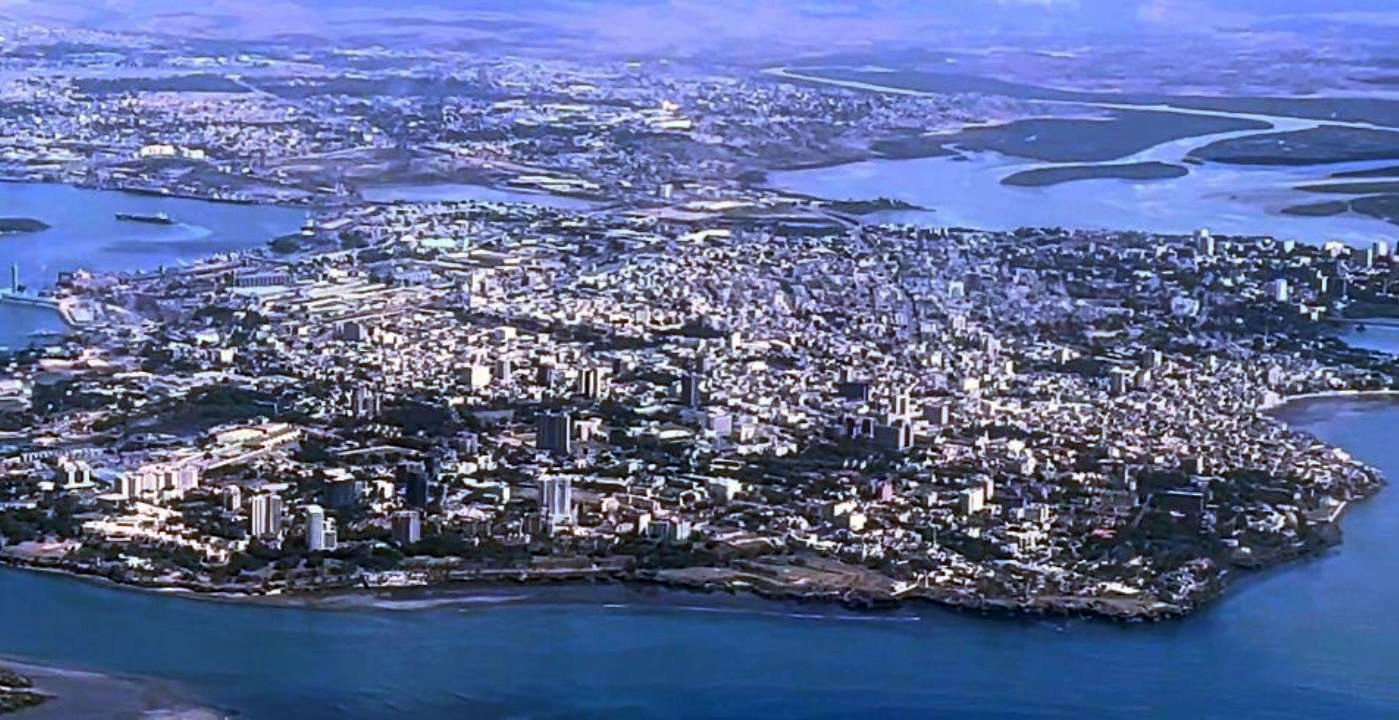
Why Mombasa is Perfect for Your Celebration
- Unique Swahili-Arab-Portuguese heritage creates a genuinely one-of-a-kind cultural backdrop unavailable elsewhere in East Africa
- Indian Ocean beachfront resorts along the North and South Coast offer ceremony-ready outdoor lawns and private beach access
- Dry season (Jun–Oct) delivers consistently sunny, low-humidity days — ideal for outdoor celebrations
- Moi International Airport (MBA) receives direct flights from Nairobi and several regional hubs, keeping guest travel practical
- The Madaraka Express SGR rail link to Nairobi offers a scenic, comfortable alternative for domestic guests
- A mature coastal hospitality industry means experienced event staff, established catering networks, and resort-scale accommodation in one location

Top Venues in Mombasa
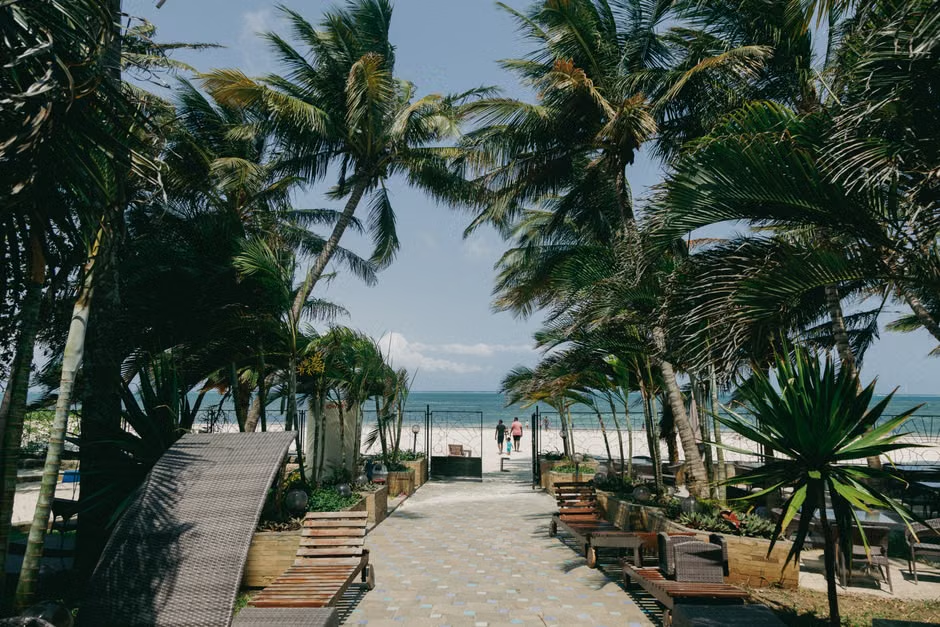
Whitesands Beach Resort & Spa
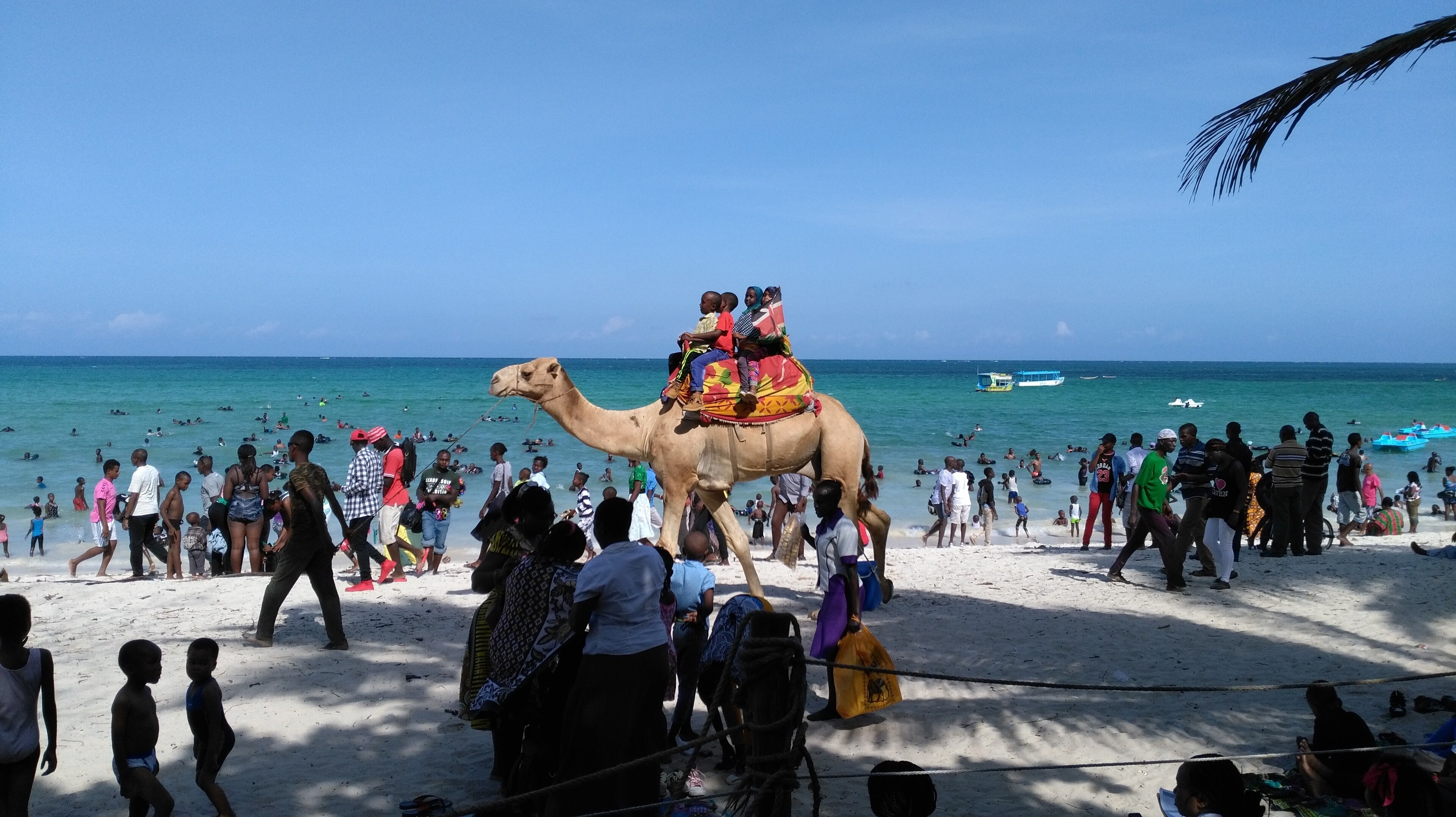
Bamburi Beach Hotel
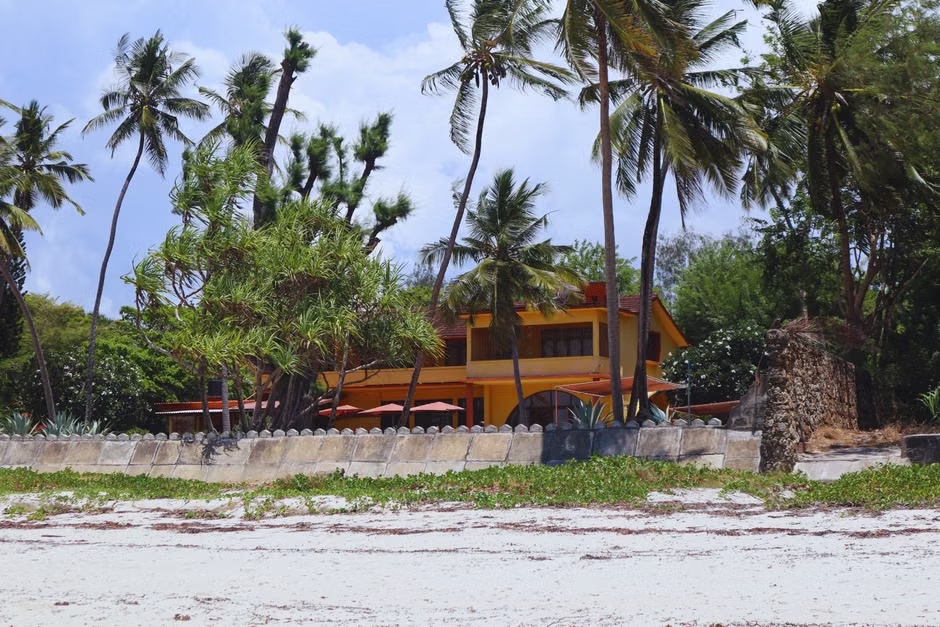
Mombasa Continental Resort
Compare Mombasa with Other Top Destinations
Frequently Asked Questions
Is Mombasa a good destination for a beach wedding?
Yes. Mombasa is one of East Africa's strongest beach wedding destinations, combining Indian Ocean frontage, tropical resort lawns, and a distinctive Swahili cultural backdrop. The North Coast resort corridor offers ceremony-ready outdoor spaces with direct beach access, and the dry season (June–October) provides reliable weather for outdoor events. Evening ceremonies are particularly popular given the tropical warmth.
What is the best time of year to hold a wedding or event in Mombasa?
June through October is the recommended window. This dry season brings minimal rainfall, consistent sunshine, and lower humidity than the rest of the year — ideal conditions for outdoor beach ceremonies and resort lawn receptions. January and February are an acceptable shoulder alternative. March through May (Long Rains) and November–December (Short Rains) carry meaningful weather risk for outdoor events.
How do guests typically travel to Mombasa for a destination event?
Most guests arrive via Moi International Airport (MBA), which receives direct flights from Nairobi (under one hour) and several regional East African cities. International guests typically connect through Nairobi. The Madaraka Express Standard Gauge Railway is a comfortable 4.5-hour alternative from Nairobi — a practical and memorable option for domestic guests or those arriving overland.
How large a guest group can Mombasa's venues realistically accommodate?
The North Coast resort properties can comfortably accommodate events in the range of 150–500 guests, with some larger resorts able to stretch further across multiple event spaces. For very large single-space events above 600–800 guests, the local venue inventory becomes more limited. Mombasa is generally better suited to mid-scale destination events than mega-scale celebrations.
What kinds of event spaces are available in Mombasa?
The dominant format is beachfront resort venues — large properties with outdoor lawns, indoor banquet halls, and ocean-facing terraces. Heritage venues in and around Mombasa Old Town offer coral-stone courtyards and rooftop spaces for more intimate, culturally immersive events. South Coast properties provide quieter, more secluded settings. Most established resort properties offer the full event infrastructure stack in one location.
Do guests need a visa to travel to Mombasa for an event?
Most international visitors to Kenya require an Electronic Travel Authorisation (ETA) or visa, applied for online before travel. The process is generally straightforward but adds an administrative step that event planners should communicate to guests well in advance — particularly for guests from countries less accustomed to East African travel. East African Community member-state nationals typically have simplified entry.
How do guests move around locally once they arrive in Mombasa?
The North Coast resort corridor is not walkable between properties — guests rely on resort transfers, taxis, or hired vehicles. For a wedding group, pre-arranged shuttle services between the airport, accommodation, and event venues are strongly advisable. Groups considering South Coast venues should factor in the Likoni Ferry crossing or bridge route, which adds travel time and requires active logistical planning.
Is the local vendor and catering ecosystem in Mombasa well-developed for events?
For core event requirements — catering, staffing, basic décor, audio-visual, and floral supply — yes. Mombasa's resort hospitality industry is mature and experienced with multi-day events. For highly specialist requirements (bespoke luxury décor, niche entertainment, specialist photographers), some vendors may need to be sourced from Nairobi, which is manageable with sufficient lead time but should be planned for early.
What makes Mombasa culturally distinctive as a wedding destination?
Mombasa's Swahili-Arab-Portuguese heritage — expressed through coral-stone architecture, carved wooden doors, Fort Jesus, and a centuries-old trading-port identity — gives it a cultural depth that purpose-built resort destinations cannot replicate. This character can be woven into event design through local cuisine, traditional music, dhow-cruise elements, and Old Town excursions, giving celebrations a genuine sense of place.
Can guests find things to do in Mombasa beyond the wedding events themselves?
Yes. Mombasa offers strong post-event leisure infrastructure: Mombasa Old Town and Fort Jesus for heritage exploration, marine parks and snorkelling along the reef, dhow sunset cruises, water sports along the North Coast, and day trips to Haller Park or Shimba Hills. This makes it well-suited to multi-day destination events where keeping guests engaged between functions matters.
Is Mombasa suitable for a smaller, intimate celebration rather than a large wedding?
Yes, and in some respects it suits intimate events particularly well. South Coast properties and boutique heritage venues in and around Old Town offer near-private settings with strong cultural character — better matched to smaller guest groups than the large resort format. The destination's leisure infrastructure also means a small group can have a rich, multi-day experience without needing a large event programme to fill the time.

Ready to explore venues in Mombasa?
Mombasa: Destination Wedding & Cultural Event Venues on the Kenyan Coast
◆Mombasa is Kenya's principal coastal city and one of East Africa's most historically layered destinations — best suited to beach weddings, cultural celebrations, and social gatherings that benefit from a genuinely distinctive Swahili-Arab-Portuguese heritage backdrop. Its primary vibe is Cultural & Timeless, shaped by coral-stone architecture, Indian Ocean frontage, and centuries of trade-route history. The dry season (June through October) is the clear window for outdoor events, offering reliable sunshine and manageable humidity. Guest access is practical via Moi International Airport and the Madaraka Express rail link from Nairobi, though international guests will need to factor in Kenyan entry requirements. The hospitality ecosystem along the North and South Coast is mature and resort-oriented.
Mombasa at a Glance
| Category | Detail |
|---|---|
| Best For | Beach Weddings, Cultural Celebrations, Social Gatherings, Honeymoon Retreats |
| Primary Vibe | Cultural & Timeless |
| Other Vibes | Tropical, Coastal, Heritage |
| Best Season | Dry Season (Jun, Jul, Aug, Sep, Oct) |
Why Choose Mombasa?
- Unmatched Swahili heritage character: Mombasa Old Town — with its carved wooden doors, coral-stone mosques, and Fort Jesus — provides a cultural depth that no purpose-built resort destination can replicate, giving celebrations a genuinely storied sense of place.
- Indian Ocean beachfront access: The North Coast (Nyali, Bamburi, Shanzu) and South Coast offer long stretches of white sand and calm, warm ocean water — a natural setting for outdoor ceremonies, sundowner receptions, and post-event leisure that keeps guests engaged beyond the event itself.
- Resort-scale accommodation clusters: Unlike many heritage destinations where accommodation is scattered, Mombasa's coastal resort belt concentrates large-capacity properties within a manageable corridor, making it practical to house a significant guest group without dispersing them across the city.
- Reliable dry-season weather window: June through October delivers consistently low rainfall, moderate humidity, and strong sunshine — a predictable planning window that reduces weather-related contingency requirements for outdoor events.
- Dual access routes from Nairobi: Moi International Airport handles direct flights from Nairobi (under an hour) and several regional East African hubs, while the Madaraka Express Standard Gauge Railway offers a comfortable, scenic surface alternative — giving guests genuine choice in how they arrive.
- Mature coastal hospitality industry: Decades of international tourism have produced a well-developed local ecosystem of event caterers, décor suppliers, florists, and hospitality staff experienced in handling multi-day resort celebrations.
Which Celebrations Work Best in Mombasa?
- Beach Weddings: The combination of Indian Ocean frontage, tropical vegetation, and resort lawns makes Mombasa particularly well-suited to outdoor beach ceremonies. The dry season provides the reliable weather window these events require, and the resort belt's infrastructure — sound systems, catering, accommodation — is already oriented toward this format.
- Cultural & Heritage Celebrations: Mombasa's Swahili, Arab, and Portuguese layering makes it an exceptional setting for celebrations that want to draw on genuine cultural character — whether a nikah ceremony in a heritage courtyard, a mehendi evening with coastal décor, or a reception that incorporates local music and cuisine traditions.
- Social Gatherings & Milestone Events: Anniversary parties, significant birthday celebrations, and family reunions benefit from the destination's combination of leisure infrastructure (water sports, dhow cruises, Old Town excursions) and resort hospitality, which keeps guests entertained across a multi-day stay.
- Honeymoon Retreats: While not a group event format, Mombasa's resort infrastructure and romantic coastal character make it a natural post-wedding retreat for couples whose guest group is already assembled in the region — many resort properties offer dedicated honeymoon packages that integrate naturally with a preceding wedding event.
Venues & Event Spaces
Mombasa's event venue landscape is dominated by beachfront resort properties along the North Coast corridor — large, self-contained complexes with dedicated event lawns, indoor banquet halls, and outdoor terraces overlooking the ocean. These properties typically offer the full event infrastructure stack in one location: accommodation, catering, décor support, and ceremony space, which simplifies logistics considerably for destination events.
Beyond the resort belt, heritage properties and boutique venues in and around Mombasa Old Town offer a more intimate, culturally immersive alternative — coral-stone courtyards, rooftop terraces, and dhow-harbour-adjacent spaces that suit smaller, more character-driven celebrations. These venues generally require more independent vendor coordination but deliver a distinctiveness that resort ballrooms cannot match.
For larger events, several resort properties maintain dedicated conference and banquet facilities that can be adapted for wedding receptions and gala dinners, with capacity for several hundred guests. Outdoor lawn spaces — often set directly against the beach or tropical gardens — are the most sought-after format during the dry season, and most established coastal resorts have invested in these specifically for the events market.
The South Coast (accessible via the Likoni Ferry or the newer bridge infrastructure) offers a quieter, more secluded alternative to the North Coast resort corridor, with some properties providing near-private beach access — better suited to intimate celebrations than large-scale events.
Best Time to Celebrate
The dry season from June through October is the clear, recommended window for events in Mombasa. During these months, rainfall is minimal, humidity is lower than the rest of the year (though still tropical), and sunshine is consistent — conditions that make outdoor beach ceremonies and resort lawn receptions genuinely reliable rather than weather-dependent gambles. Ocean breezes during this period also moderate temperatures, making outdoor evening events particularly comfortable.
January and February represent an acceptable shoulder period — generally drier than the rainy seasons, with manageable conditions for events, though not as reliably settled as the June–October window. These months can work for couples whose preferred dates fall outside the peak dry season.
March through May brings the Long Rains — Mombasa's most significant wet season, characterised by heavy, persistent, and often daily rainfall. This period poses a serious risk to outdoor events and is generally not recommended for celebrations that depend on open-air spaces. Even indoor events can be affected by flooding, transport disruption, and reduced vendor availability.
November and December see the Short Rains — less intense than the Long Rains but still intermittent and unpredictable enough to require robust contingency planning for any outdoor element. Some events do proceed successfully during this period, but the risk profile is meaningfully higher than the dry season, and couples should factor in covered backup spaces if planning in these months.
Getting There & Local Connectivity
By air: Moi International Airport (MBA) is the primary gateway, located approximately 10 km from the city center. It handles direct flights from Nairobi (under one hour) and connections from several regional East African cities. International guests typically route through Nairobi's Jomo Kenyatta International Airport before connecting to Mombasa, which adds a transit leg but is a well-established and frequently served route.
By rail: The Madaraka Express Standard Gauge Railway connects Mombasa Terminus to Nairobi in approximately 4.5 hours — a comfortable, air-conditioned service that is a genuine alternative to flying for domestic guests or those arriving into Nairobi. For a wedding group travelling together, the train can be a memorable and practical group-travel experience in its own right.
Local movement: Within the Mombasa coastal resort corridor, most guests will rely on resort transfers, taxis, or hired vehicles — the North Coast resort belt is spread along a coastal road that is navigable but not walkable between properties. For groups, pre-arranged shuttle services between the airport, accommodation, and event venues are strongly advisable. The Likoni Ferry crossing to the South Coast, while characterful, adds time and logistical complexity for large groups and should be factored into planning if South Coast venues are under consideration.
Local Vendor & Hospitality Ecosystem
Mombasa's coastal hospitality industry has been serving international tourists and events for several decades, which means the foundational vendor ecosystem — catering, event staffing, basic décor, floral supply, and audio-visual equipment — is well-established and experienced with resort-scale events. Major resort properties typically have in-house event coordination teams familiar with multi-day wedding programmes.
For more specialised requirements — bespoke floral design, luxury décor, high-end photography, or niche entertainment — Mombasa's local market is more limited than a major metropolitan events hub. Couples and planners should expect to source some specialist vendors from Nairobi and factor in their travel and accommodation as part of the event logistics. This is a normal and manageable aspect of planning a destination event in Mombasa, but it requires earlier lead times than a city with a fully self-contained luxury events ecosystem.
Swahili cuisine and coastal seafood catering are genuine local strengths — the regional food culture is distinctive and high-quality, and incorporating local culinary traditions into an event menu is both practical and adds authentic character. International cuisine is also well-catered for by the major resort properties, which are accustomed to serving diverse guest palates.
Pros & Things to Consider
Why Mombasa Works Well
- Genuinely distinctive Swahili-coastal cultural character that no other East African destination replicates
- Reliable, predictable dry-season weather window (June–October) for outdoor events
- Resort-scale accommodation clusters that can house large guest groups in one location
- Dual access routes (air and SGR rail) from Nairobi, giving guests practical travel options
- Mature resort hospitality industry with experienced event staff and in-house coordination
- Strong local culinary identity — Swahili and coastal seafood traditions add genuine flavour to event catering
- Post-event leisure infrastructure (beaches, dhow cruises, Old Town, marine parks) keeps guests engaged across a multi-day stay
Things to Consider
- International guests require a Kenyan visa or Electronic Travel Authorisation (ETA), adding an administrative step that some guests may find unfamiliar
- Specialist luxury vendors (bespoke décor, high-end photography, niche entertainment) may need to be sourced from Nairobi, increasing logistics complexity and lead times
- The Long Rains (March–May) make outdoor events genuinely risky — couples with flexible dates should strongly prioritise the dry season window
- Local transport between resort properties and the city is not walkable — group shuttle logistics require active planning and pre-arrangement
- The Likoni Ferry crossing to the South Coast, while manageable, adds time and complexity for large groups and should be planned carefully
- Humidity, even in the dry season, is higher than many inland destinations — outdoor daytime events in direct sun can be uncomfortable; evening timings are generally preferable
When Mombasa May Not Be the Right Fit
- Outdoor events planned during March–May: The Long Rains are persistent and heavy enough to make open-air ceremonies genuinely unreliable during this period. Couples committed to outdoor formats should either shift dates to the dry season or choose a destination with a more forgiving year-round climate.
- Very large guest lists requiring a single mega-venue: While Mombasa's resort properties can accommodate several hundred guests across multiple spaces, the destination does not have the convention-centre-scale single-venue infrastructure of a major metropolitan city. Events requiring a single space for 800+ guests may find the local inventory limiting.
- Guests with very limited international travel experience: The combination of Kenyan ETA requirements, a multi-leg international journey for non-East-African guests, and the need for pre-arranged local transfers can feel logistically demanding for guest groups unaccustomed to international destination events. A destination with simpler entry requirements may reduce attrition.
- Events requiring a fully self-contained luxury specialist vendor ecosystem on-site: Couples who need every element — from bespoke floral installation to specialist lighting designers — sourced locally without importing vendors from elsewhere will find Mombasa's specialist market more limited than a major events city. This is manageable with planning, but not the right fit for couples who want a fully local, zero-import-vendor event.