
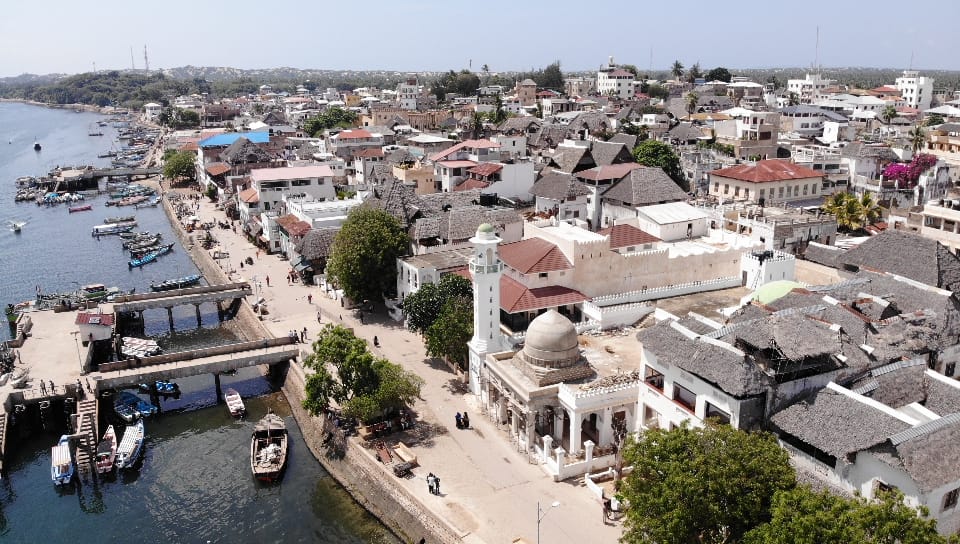
Why Lamu is Perfect for Your Celebration
- UNESCO World Heritage old town provides a genuinely irreplaceable architectural backdrop unavailable anywhere else in East Africa
- Car-free Lamu Old Town and Shela village create an intimate, pedestrian island atmosphere ideal for small, exclusive celebrations
- Traditional Swahili dhow cruises offer a unique ceremony or sundowner experience on the Indian Ocean
- Dry season (Jun–Oct) delivers reliable clear skies and cooling trade winds, making outdoor events comfortable
- Rooftop terraces, coral-stone courtyards, and beachfront lawns on Shela Beach provide diverse, photogenic event spaces
- Strong local Swahili cultural traditions — music, cuisine, and craftsmanship — can be authentically woven into event programming

Compare Lamu with Other Top Destinations
Frequently Asked Questions
Is Lamu a good destination for a destination wedding?
Yes, particularly for intimate weddings. Lamu is exceptionally well-suited to small, atmosphere-led destination weddings for guest lists typically between 20 and 120 people. Its UNESCO World Heritage Swahili old town, beachfront settings on Shela, and traditional dhow experiences create a genuinely distinctive backdrop. It is less suited to large-format weddings requiring significant production infrastructure or guest lists above 150.
What is the best time of year to hold a wedding or celebration in Lamu?
The dry season from June through October is the most reliable period for outdoor events in Lamu. The southeast trade winds (kusi) keep humidity manageable and skies consistently clear during these months. March through May (long rains) and November through December (short rains) carry meaningful risk of rainfall disruption for outdoor ceremonies and are generally best avoided for event planning.
How do guests get to Lamu for a destination event?
The primary route is by scheduled flight to Manda Airstrip from Nairobi (approximately 90 minutes) or Mombasa, followed by a short dhow or motorboat transfer to Lamu Island — typically five to ten minutes. There is no railway access. Overland travel via road to the Mokowe ferry point is possible but lengthy and not generally recommended for international guests or large groups.
What size guest group can Lamu realistically accommodate for an event?
Lamu's boutique venue inventory comfortably supports events for up to around 100–150 guests. Below that threshold, the destination's properties — heritage houses, beachfront resorts, and island retreats — can be combined to create a cohesive event experience. Guest lists significantly above 150 will find local capacity stretched, and a different destination would likely serve those events better.
What kinds of event spaces are available in Lamu?
Lamu's event spaces are primarily open-air or semi-open heritage settings: rooftop terraces and coral-stone courtyards in the old town, beachfront lawns and garden terraces in Shela, and island resort grounds on Manda Island. Traditional dhows can be chartered for floating ceremonies or sundowner receptions. There are no large ballrooms or convention-style banquet halls — all spaces reflect the boutique, heritage character of the destination.
How do guests move around Lamu once they arrive?
Lamu Old Town is car-free — movement within the town is on foot, by donkey, or by boat. Between Lamu town, Shela Beach, and Manda Island, motorised boats and traditional dhows are the standard transport. Event planners should factor in boat transfer logistics for guests, luggage, catering supplies, and décor, particularly when events span multiple locations across the island and its neighbours.
Can local vendors in Lamu handle full event catering and coordination?
Yes, for events of appropriate scale. Local caterers are experienced in Swahili and coastal Kenyan cuisine — fresh seafood, coconut-based dishes, and traditional preparations — and can deliver high-quality food for events up to around 100–150 guests. For complex production requirements or very large catering volumes, supplementing with specialists from Nairobi or Mombasa is generally advisable, which adds lead time to planning.
Is Lamu suitable for a milestone birthday celebration or private group retreat?
Yes. Lamu is a strong fit for milestone birthday gatherings and private group retreats, particularly for groups that value cultural immersion, exclusivity, and a distinctive travel experience. The ability to book boutique properties in their entirety gives groups a high degree of privacy. The destination works best for groups comfortable with island logistics and a slower, atmosphere-led pace.
What makes a Lamu wedding or celebration genuinely different from other destinations?
The combination of a living UNESCO World Heritage Swahili town, a car-free island environment, traditional dhow sailing on the Indian Ocean, and authentic local cultural traditions — music, cuisine, craftsmanship — creates an event atmosphere that is specific to Lamu and cannot be replicated elsewhere. For couples who prioritise a strong sense of place and cultural authenticity, this is the destination's defining strength.
Are there any safety considerations guests should be aware of when travelling to Lamu?
Lamu Island itself has generally been considered safe for tourism, and the destination has a long history of welcoming international visitors. However, Lamu County as a broader region has at times been subject to travel advisories from various governments. Guests and event planners should review current official travel guidance from their home country's foreign affairs ministry at the time of planning and booking.
Can a honeymoon be combined with a destination wedding in Lamu?
Yes, and this is a natural fit. Lamu's tranquillity, beachfront properties on Shela, and the slower pace of island life make it well-suited to a honeymoon extension following a destination wedding. Couples can transition from a small wedding gathering to a private honeymoon stay without leaving the island, which simplifies logistics and extends the immersive experience of the destination.

Ready to explore venues in Lamu?
Lamu: Destination Wedding & Celebration Venues on Kenya's Swahili Coast
◆Lamu is a UNESCO World Heritage island destination on Kenya's northern coast, best suited to small, intimate weddings, cultural celebrations, and milestone events for guest lists that typically number under 150. Its primary strength is atmosphere — a living Swahili town of coral-stone buildings, narrow donkey lanes, and dhow-filled harbours that no other destination in East Africa can replicate. The dry season from June through October is the most reliable period for outdoor events. Access requires a short flight or a long overland journey followed by a ferry crossing, which makes guest logistics a genuine planning consideration. Venue inventory is boutique in scale, and the destination rewards couples who prioritise authenticity and intimacy over large-format production.
Lamu at a Glance
| Category | Detail |
|---|---|
| Best For | Intimate Weddings, Cultural Celebrations, Milestone Birthdays, Honeymoon Extensions |
| Primary Vibe | Cultural & Timeless |
| Other Vibes | Coastal, Romantic, Heritage, Tranquil |
| Best Season | Dry Season (Jun, Jul, Aug, Sep, Oct) |
Why Choose Lamu?
- Unmatched Swahili heritage setting: Lamu Old Town is one of the oldest continuously inhabited Swahili settlements in East Africa and a UNESCO World Heritage Site — its coral-stone architecture, carved wooden doors, and rooftop terraces create a visual backdrop that is genuinely irreplaceable and cannot be recreated at any other destination.
- Car-free intimacy: The absence of motor vehicles in Lamu Old Town and Shela village means celebrations unfold at a human pace — guests move on foot, by donkey, or by traditional wooden dhow, which creates an unhurried, immersive atmosphere that larger, more accessible destinations cannot offer.
- Dhow and waterfront experiences: The Indian Ocean channel between Lamu and Manda Island provides a natural stage for sunset dhow cruises, waterfront ceremonies, and evening receptions that are specific to this destination's geography.
- Authentic Swahili cultural programming: Local musicians, taarab performers, traditional cuisine, and artisan craftsmanship can be authentically integrated into event programming in a way that feels genuinely rooted rather than staged.
- Boutique exclusivity: The limited scale of Lamu's accommodation inventory means that a group booking a cluster of properties can effectively have a neighbourhood or a small island resort largely to themselves — a level of privacy and exclusivity that is difficult to achieve at more popular destinations.
- Reliable dry-season weather: The southeast trade winds (kusi) that blow from June through October keep temperatures comfortable, humidity manageable, and skies consistently clear — conditions that are well-suited to outdoor ceremonies and evening receptions on rooftop terraces or beachfront lawns.
Which Celebrations Work Best in Lamu?
- Intimate destination weddings: Lamu is particularly well-suited to weddings with guest lists in the range of 20 to 120 people. The boutique scale of its venues, the pedestrian old town, and the island's natural seclusion make it an exceptional choice for couples who want a deeply personal, atmosphere-led celebration rather than a large-format production wedding.
- Cultural and heritage celebrations: For couples or families with a connection to Swahili, East African, or coastal Kenyan culture, Lamu offers a setting of genuine cultural resonance — traditional ceremonies, local cuisine, and community music traditions can be woven into the event in an authentic way.
- Milestone birthday celebrations: A significant birthday gathering for a smaller group — particularly one that values travel, culture, and distinctive experiences — fits Lamu's character well. The island's exclusivity and the novelty of the setting make it memorable for guests who have already experienced more conventional celebration destinations.
- Honeymoon extensions and post-wedding retreats: Lamu's tranquillity, beachfront properties on Shela, and the slower pace of island life make it a natural choice for couples extending their celebration into a honeymoon or for a small post-wedding gathering of close family and friends.
- Private group retreats and anniversary events: The ability to book boutique properties in their entirety, combined with the island's natural seclusion, makes Lamu a strong option for private group retreats, significant anniversaries, and other milestone events where exclusivity is a priority.
Venues & Event Spaces
Lamu's event venue landscape is defined by boutique heritage properties rather than large convention-style hotels. The dominant venue types include:
- Coral-stone heritage houses and boutique hotels in Lamu Old Town, typically featuring internal courtyards, carved wooden balconies, and rooftop terraces that serve as intimate ceremony and reception spaces. These properties are generally small by design, with guest capacities that reflect the architecture of the old town.
- Beachfront resorts and boutique hotels on Shela Beach, which offer a combination of garden lawns, beach access, and open-air dining terraces suitable for ceremonies and evening receptions. Shela's long, largely undeveloped beach provides a natural outdoor ceremony setting.
- Island resort properties on Manda Island, accessible by a short dhow crossing, which offer a more secluded, resort-style setting with greater capacity than the old town properties and the ability to accommodate larger groups in a single property.
- Traditional dhows — large wooden sailing vessels — which can be chartered for floating ceremonies, sundowner receptions, and inter-island transfers that double as event experiences in their own right.
- Private villa rentals throughout Shela and the surrounding area, which are commonly used by event groups to supplement hotel accommodation and to create private, self-contained celebration spaces.
It is important to note that Lamu does not have large banquet halls, convention centres, or hotel ballrooms of the kind found at more developed event destinations. All event spaces are open-air, semi-open, or adapted from heritage architecture — which is a strength for atmosphere but a genuine constraint for very large guest lists or events requiring significant technical production infrastructure.
Best Time to Celebrate
The curated best season for events in Lamu is the dry season from June through October, driven by the southeast trade winds (locally called the kusi). During this period, rainfall is minimal, humidity is noticeably lower than at other times of year, and the consistent breeze makes outdoor events in the tropical heat genuinely comfortable rather than oppressive. Skies are typically clear, which is important for rooftop and beachfront ceremonies where open-sky conditions are central to the experience. The kusi winds also make dhow sailing particularly pleasant, which is relevant for groups planning waterfront or on-water event elements.
The long rains season (March through May) is the most significant period to avoid for outdoor events. Rainfall during this period is heavy, persistent, and often arrives in extended downpours rather than brief showers — conditions that make open-air ceremonies and receptions genuinely difficult to manage without substantial covered infrastructure, which most of Lamu's boutique venues do not provide.
The short rains (November through December) are less severe than the long rains but still bring intermittent showers that can disrupt outdoor event timing. November in particular can be unpredictable, and the risk of a rain event during a ceremony or reception is meaningfully higher than during the dry season.
January and February are relatively dry and warm, and can function as acceptable shoulder months for events — humidity is higher than during the kusi season, and occasional unsettled weather is possible, but these months are generally more manageable than the rainy seasons. They are not classified as peak event season, but they are not strongly contraindicated either.
Getting There & Local Connectivity
Lamu is an island destination, and all access involves either a flight or a long overland journey. The primary entry point is Manda Airstrip on the adjacent Manda Island, which receives scheduled flights from Nairobi (Wilson Airport and Jomo Kenyatta International Airport) and from Mombasa. The flight from Nairobi takes approximately 90 minutes to two hours. From Manda Airstrip, guests cross to Lamu Island by a short dhow or motorboat transfer — a journey of around five to ten minutes that is itself a memorable arrival experience but does require coordination, particularly for larger groups with luggage.
There is no railway connection to Lamu. Overland access is possible via road to the mainland ferry point at Mokowe, from which a short ferry crossing reaches Lamu town, but the road journey from Mombasa or Nairobi is long and not typically recommended for international guests or large event groups.
Within Lamu itself, there are no motor vehicles in the old town — movement is on foot, by donkey, or by boat. This is a defining characteristic of the destination and contributes significantly to its atmosphere, but it does require event planners to think carefully about guest mobility, luggage handling, and the logistics of moving equipment, catering supplies, and décor between locations. Motorised boats are available for inter-island transfers and for reaching Shela Beach from the old town. For groups staying across multiple properties, boat transfers between Lamu town, Shela, and Manda Island are the standard mode of inter-venue movement.
Local Vendor & Hospitality Ecosystem
Lamu has a small but genuinely experienced hospitality ecosystem that has developed around the destination's long history as a boutique tourism and cultural travel destination. Local caterers are well-versed in Swahili cuisine and can produce high-quality coastal Kenyan food — fresh seafood, coconut-based dishes, and traditional Swahili breads and sweets — that authentically reflects the destination. For couples who want to incorporate local culinary traditions into their event, the local catering ecosystem is a genuine asset.
Event coordination and décor services exist locally, though the range and scale of what is available is more limited than at larger, more developed event destinations. For complex production requirements — large floral installations, significant lighting rigs, audio-visual infrastructure, or large-scale catering for over 150 guests — it is generally advisable to supplement local vendors with specialists brought in from Nairobi or Mombasa, which adds logistical complexity and lead time to the planning process.
The boutique hotels and heritage properties in Lamu and Shela typically have experienced in-house teams who are accustomed to managing small to medium-scale private events and can coordinate closely with external planners. The hospitality culture in Lamu is warm and personally attentive, which suits the intimate scale of events the destination handles best. However, the ecosystem is not structured to support very large, multi-day, high-production events in the way that a major city hotel or resort destination would be.
Pros & Things to Consider
Why Lamu Works Well
- UNESCO World Heritage setting provides a genuinely unique, irreplaceable visual and cultural backdrop
- Car-free environment and island pace create an immersive, unhurried atmosphere that guests consistently find memorable
- Boutique property scale allows for a high degree of exclusivity and personalisation
- Dry season (June–October) delivers reliable, comfortable outdoor event conditions
- Authentic Swahili cultural elements — music, cuisine, dhow experiences — can be genuinely integrated into event programming
- Strong sense of place and destination identity that gives events a clear, distinctive character
Things to Consider
- Access requires a flight and a boat transfer — this is a meaningful logistical step for guests, particularly those travelling internationally or from outside Kenya
- No motor vehicles in the old town means all movement of guests, luggage, catering, and décor is on foot or by boat — this requires careful advance planning
- Venue capacity is genuinely limited; guest lists above 120–150 will find the local inventory stretched, and very large events are not well-suited to this destination
- Production infrastructure (large AV, significant lighting, large-scale catering) may need to be sourced from Nairobi or Mombasa and transported to the island, adding cost and complexity
- Internet and mobile connectivity on the island is limited compared to major cities — this affects real-time coordination during event execution
- Security advisories for the broader Lamu County region should be checked at the time of planning, as the situation can vary; the island itself has generally been considered safe for tourism, but guests and planners should review current government travel guidance
When Lamu May Not Be the Right Fit
- Large guest lists: If your event requires space and accommodation for more than 150 guests in a single location, Lamu's boutique venue inventory will not comfortably support it — a destination with larger hotel and banquet infrastructure would serve the event better.
- Guests with significant mobility limitations: The car-free old town, boat transfers, and uneven coral-stone streets and staircases of heritage properties can present genuine challenges for guests with mobility impairments — this should be assessed carefully before committing to Lamu as a venue.
- Events planned during the long rains (March–May): If the event date falls within the long rains season and the celebration is primarily outdoor-focused, Lamu's open-air venue character makes it a poor fit — a destination with covered or indoor event infrastructure would be more appropriate.
- Groups requiring high-production technical events: If the event requires significant audio-visual production, large lighting installations, or complex staging, the logistical challenge of transporting equipment to an island with no road access and limited local production vendors makes Lamu a difficult choice compared to a mainland city destination.