
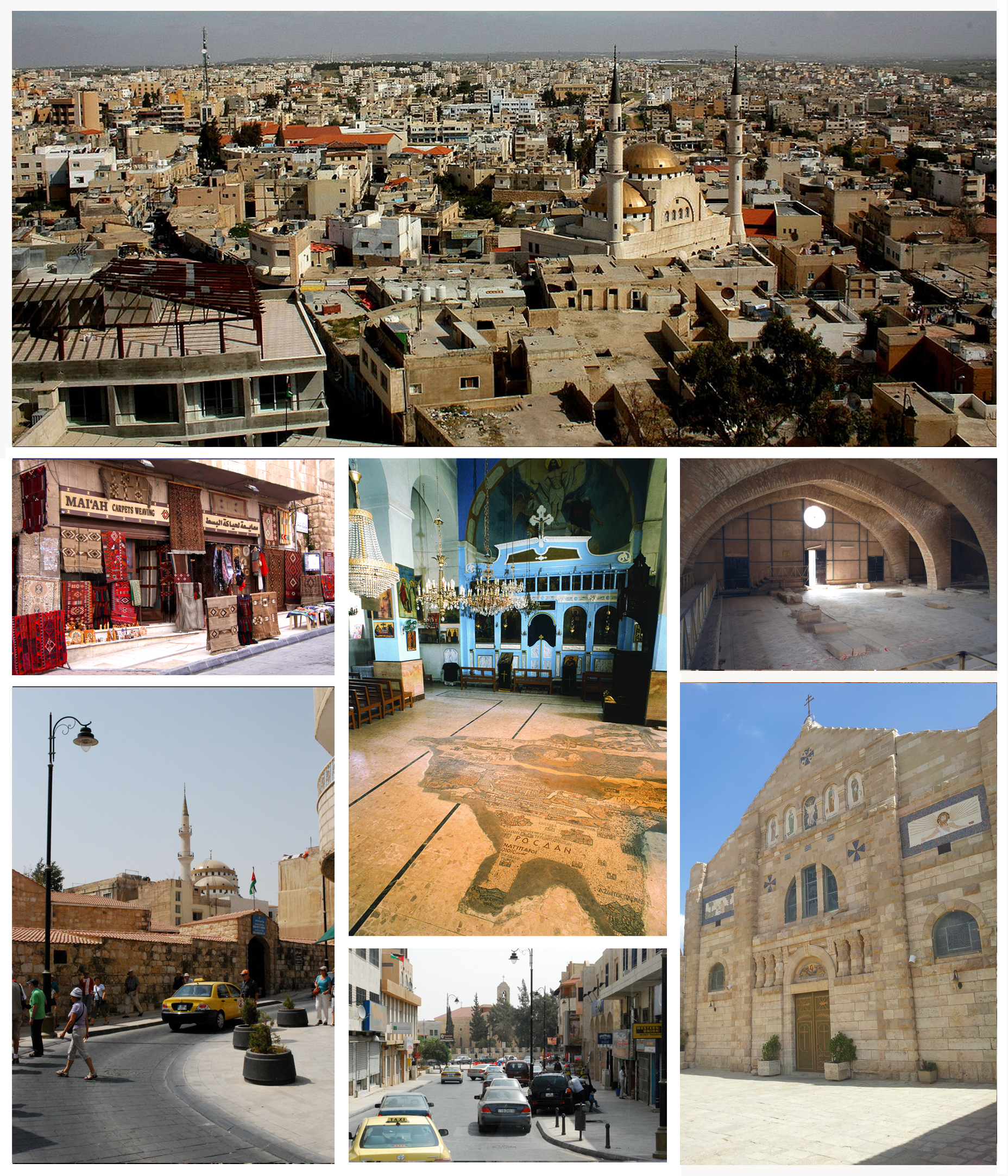
Why Madaba is Perfect for Your Celebration
- Unique mosaic-art heritage creates an unmatched cultural backdrop for ceremonies
- Proximity to Amman (~30 min) and Queen Alia International Airport (~35 km) ensures guest accessibility
- Intimate scale of the city suits smaller, meaningful celebrations over mass-market events
- Traditional Jordanian hospitality and local cuisine add authentic character to events
- Proximity to the Dead Sea and Mount Nebo offers exceptional pre/post-event excursions for guests
- Spring and early autumn seasons deliver reliably mild weather for both indoor and outdoor settings
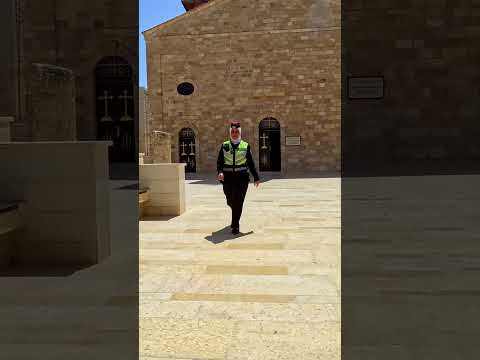
Compare Madaba with Other Top Destinations
Frequently Asked Questions
Is Madaba a good destination for a wedding?
Yes, particularly for intimate weddings of under 200 guests. Madaba's Byzantine mosaic heritage, traditional stone architecture, and warm Jordanian hospitality create a genuinely distinctive cultural atmosphere. It suits couples who prioritise authenticity and a meaningful sense of place over large-scale resort infrastructure. The spring and early autumn seasons offer reliably comfortable weather for both indoor and outdoor ceremonies.
What guest group sizes can Madaba realistically accommodate?
Madaba's venues are best suited to celebrations of roughly 50–200 guests. For larger groups, planners typically supplement with properties along the nearby Dead Sea highway or in the greater Amman area. The city's boutique scale is a strength for intimate events but does require creative logistics planning for guest lists above 200.
Which airport do guests fly into for Madaba?
Guests fly into Queen Alia International Airport (AMM) in Amman, which is approximately 35 kilometres from Madaba city centre — typically a 30–40 minute drive. AMM handles a wide range of international routes, making it reasonably accessible for guests travelling from Europe, the Gulf, and beyond, though some regions may require a connecting flight through a hub.
Is there a train to Madaba?
No. There is no active passenger railway service connecting Madaba to Amman or other Jordanian cities. All guest travel to and from Madaba is by road. Private transfers, hired coaches, and taxis from Amman and the airport are the standard options, and pre-arranged group transport is strongly recommended for event guest groups.
What is the best time of year to hold an event in Madaba?
April, May, June, September, and October are the recommended months. Temperatures during these periods are typically in the 18°C–28°C range, making both outdoor and indoor events comfortable. July and August bring significant heat (regularly above 32°C), while December through February can be cold and occasionally wet at Madaba's elevation of around 900 metres.
What kinds of venues are available for events in Madaba?
Madaba offers boutique heritage hotels with event spaces, traditional courtyard settings, rooftop terraces, and restaurant venues that can be privately hired. The city's limestone architecture and mosaic-art character give indoor and outdoor spaces a distinctive aesthetic. Venues are generally intimate in scale rather than large ballroom-style, which suits smaller, more personal celebrations well.
How do guests get around Madaba once they arrive?
The city centre is compact and largely walkable for guests staying centrally. For movement between properties or to venues slightly outside the centre, local taxis and pre-arranged minibuses are the practical solution. Madaba does not have a formal public transit network suited to group logistics, so event planners are advised to arrange dedicated transport for their guest group.
Are local wedding and event vendors available in Madaba?
Local catering professionals are well-established and experienced in traditional Jordanian cuisine, which is a genuine asset. For specialist services — floral design, photography, lighting production, entertainment — planners typically work with Amman-based vendors who regularly service Madaba events given its proximity. A local event coordinator with existing supplier relationships is strongly recommended.
Is Madaba safe for international guests?
Yes. Jordan is consistently regarded as one of the safer countries in the Middle East for international visitors, and Madaba specifically has a long-established reputation for welcoming tourists and guests warmly. The city's mixed Christian and Muslim community coexists harmoniously, and English is widely understood in the hospitality sector.
What makes Madaba distinctive compared to other event destinations in Jordan?
Madaba's defining characteristic is its living Byzantine mosaic heritage — including the famous 6th-century Madaba Map — which gives celebrations a cultural depth and visual distinctiveness that resort-style destinations cannot replicate. Its proximity to Mount Nebo, the Dead Sea, and Petra (as a day trip) also gives guests an exceptional range of experiences beyond the event itself.
Can guests combine a Madaba event with visits to other Jordanian sites?
Yes, and this is one of Madaba's genuine strengths as an event destination. Mount Nebo is minutes away, the Dead Sea is roughly 40 kilometres distant, and Petra is accessible as a full-day excursion. Many event planners build pre- or post-event itineraries around these landmarks, significantly enhancing the overall guest experience and making the trip feel like a meaningful journey rather than just an event attendance.
Is Madaba suitable for corporate retreats or non-wedding celebrations?
Yes. Small-to-medium corporate groups seeking a culturally immersive off-site experience — including mosaic workshops, historical tours, and traditional Jordanian dining — will find Madaba a more memorable alternative to a generic conference setting. Social gatherings, milestone anniversaries, and family reunions also work well given the city's intimate scale and authentic hospitality character.

Ready to explore venues in Madaba?
Madaba: Destination Wedding & Cultural Event Venues in Jordan
◆Madaba is a historically significant Jordanian city best suited to intimate weddings, cultural celebrations, and milestone social events where heritage atmosphere and authenticity matter more than large-scale infrastructure. Its primary vibe is Cultural & Timeless, rooted in Byzantine mosaic art, ancient churches, and warm Levantine hospitality. The destination is most accessible in spring (April through June) and early autumn (September and October), when temperatures are mild and outdoor settings are genuinely comfortable. Guest access is straightforward via road from Amman and Queen Alia International Airport, though Madaba itself is a smaller city with a boutique rather than resort-scale hospitality inventory.
Madaba at a Glance
| Category | Detail |
|---|---|
| Best For | Intimate Weddings, Cultural Celebrations, Social Gatherings, Heritage Events |
| Primary Vibe | Cultural & Timeless |
| Other Vibes | Intimate, Authentic, Levantine, Historic |
| Best Season | Spring (Apr, May, Jun, Sep, Oct) |
Why Choose Madaba?
- Unrivalled mosaic heritage: Madaba is home to some of the finest Byzantine mosaic art in the world, including the famous 6th-century Madaba Map in St. George's Church — a backdrop that gives any celebration a genuinely rare cultural dimension.
- Intimate city scale: Unlike large resort destinations, Madaba's compact, walkable character means guests experience the city organically, creating a more personal and cohesive event atmosphere.
- Strong road connectivity to Amman: Located approximately 30 kilometres south of Amman and roughly 35 kilometres from Queen Alia International Airport, Madaba is easily reachable for international guests without complex logistics.
- Authentic Jordanian hospitality and cuisine: Local catering traditions — mansaf, mezze, Levantine sweets — add genuine cultural flavour to event menus that mass-market resort destinations rarely replicate.
- Proximity to iconic regional landmarks: Mount Nebo, the Dead Sea, and Wadi Mujib are all within easy reach, giving guests exceptional pre- and post-event experiences that extend the celebration beyond the venue itself.
- Relatively uncrowded event calendar: Madaba does not host the volume of large-scale events that Amman or Aqaba do, meaning local vendors and venues can give smaller celebrations more focused, personalised attention.
Which Celebrations Work Best in Madaba?
- Intimate destination weddings: Madaba is particularly well-suited to smaller wedding parties — typically under 200 guests — where the couple wants a culturally meaningful setting rather than a conventional resort backdrop. Heritage courtyards, stone-walled interiors, and mosaic-adorned surroundings create ceremony and reception spaces that feel genuinely distinctive.
- Cultural and heritage celebrations: Milestone anniversaries, family reunions, and cultural gatherings benefit strongly from Madaba's historical depth. The city's living mosaic tradition and its mix of Christian and Islamic heritage make it a natural fit for events that want to honour history and place.
- Social gatherings and private dinners: Smaller social events — engagement parties, rehearsal dinners, private family celebrations — work well in Madaba's boutique hotel settings and traditional restaurant spaces, where the atmosphere is warm and the scale is human.
- Corporate retreats with a cultural dimension: Small-to-medium corporate groups seeking an off-site retreat with genuine cultural programming (mosaic workshops, historical tours, regional cuisine experiences) will find Madaba a more interesting and memorable choice than a generic conference hotel.
Venues & Event Spaces
Madaba's event venue landscape is characterised by boutique heritage properties rather than large resort complexes. The city's older buildings — many constructed from the distinctive golden limestone of the region — lend themselves naturally to intimate indoor receptions, courtyard ceremonies, and rooftop gatherings with views across the historic city centre. Several hotels in the city centre offer dedicated event spaces with traditional Jordanian architectural detailing, suitable for seated dinners and standing receptions of varying sizes.
Beyond hotel venues, Madaba has a number of traditional restaurant and cultural centre spaces that can be privately hired for smaller celebrations, offering an immersive local atmosphere that purpose-built banquet halls rarely achieve. Outdoor settings — including garden terraces and rooftop platforms — are particularly appealing during the spring and early autumn seasons when the weather is reliably mild. For larger events that exceed the comfortable capacity of Madaba's own inventory, planners sometimes draw on nearby properties along the Dead Sea highway, which are within practical driving distance and can supplement accommodation and event space for bigger guest lists.
Best Time to Celebrate
The curated best season for Madaba is Spring: April, May, June, and the early autumn months of September and October. During these periods, daytime temperatures are typically in the comfortable 18°C–28°C range, evenings are pleasant rather than cold, and the landscape around Madaba — including the surrounding agricultural plains and the hills toward Mount Nebo — is at its most visually appealing.
April and May are particularly favoured: wildflowers are still visible on the hillsides, the air is clear, and the risk of both summer heat and winter rain is minimal. September and October offer a similar quality of weather as the summer heat recedes, with the added advantage that the peak tourist season has passed, meaning venues and local vendors are generally more available and attentive.
July and August bring genuine heat — temperatures regularly exceed 32°C in the afternoon — which makes outdoor ceremonies and receptions uncomfortable and logistically challenging, particularly for guests travelling from cooler climates. December through February brings cold nights (occasionally near or below freezing at Madaba's elevation of roughly 900 metres above sea level), intermittent rain, and occasionally frost, which limits outdoor options significantly and can affect guest comfort. March and November are transitional months — generally acceptable but with a higher chance of unsettled weather than the core best-season window.
Getting There & Local Connectivity
Madaba is served primarily by Queen Alia International Airport (AMM) in Amman, which handles the majority of international arrivals into Jordan and is approximately 35 kilometres from Madaba city centre — typically a 30–40 minute drive under normal traffic conditions. This makes Madaba one of the more airport-proximate heritage destinations in the region, a genuine logistical advantage for international guest groups.
There is no active passenger railway service connecting Madaba to Amman or other Jordanian cities, so road travel is the standard mode of arrival. Private transfers, hired coaches, and taxis are all readily available from Amman and the airport. For event planners managing a guest group, coordinating a fleet of private transfers or a coach service from Amman is straightforward and commonly done. The road between Amman and Madaba (via the Desert Highway or the older King's Highway) is well-maintained and clearly signposted.
Within Madaba itself, the city centre is compact and largely walkable for guests staying in central hotels. For guests needing to travel between properties or to event venues slightly outside the centre, local taxis and hired minibuses are the practical solution. Madaba does not have a formal public transit network suited to group event logistics, so pre-arranged private transport is the recommended approach for any group of meaningful size.
Local Vendor & Hospitality Ecosystem
Madaba has a modest but genuine local hospitality ecosystem that has developed around its status as a heritage tourism destination. Local catering professionals are experienced in traditional Jordanian cuisine — a genuine asset for events where food is a centrepiece — and several established caterers in the city and the wider Madaba Governorate can handle event-scale production.
For specialist wedding services — floral design, photography, entertainment, lighting production — planners typically draw on Amman-based vendors who regularly work in Madaba given its proximity. This is a well-established pattern and does not represent a significant logistical barrier, though it does mean that the on-the-ground vendor ecosystem is less self-contained than in a larger event city. Planners new to the destination are advised to work with a local coordinator who has existing relationships with both Madaba-based and Amman-based suppliers.
English is widely understood in the hospitality sector, and Jordan's general reputation for guest safety and warmth toward visitors is consistently reflected in Madaba's own tourism and events experience. The city's Christian and Muslim communities coexist in a notably harmonious way, which is relevant context for multi-faith guest groups and for events that want to incorporate local cultural elements respectfully.
Pros & Things to Consider
Why Madaba Works Well
- Genuinely distinctive cultural and heritage atmosphere — difficult to replicate elsewhere in the region
- Close to Queen Alia International Airport, making international guest logistics manageable
- Warm, authentic Jordanian hospitality that translates naturally into event hosting
- Excellent spring and early autumn weather windows for both indoor and outdoor celebrations
- Rich pre- and post-event excursion options (Dead Sea, Mount Nebo, Wadi Mujib, Petra day-trip) that enhance the overall guest experience
- Relatively uncrowded event market means more personalised vendor attention for smaller celebrations
Things to Consider
- Venue capacity is limited — Madaba is not suited to very large guest lists (typically 300+ guests) without supplementing with properties outside the city centre
- No passenger rail service; all guest movement depends on road transport, which requires active coordination for groups
- Specialist wedding vendors (floristry, production, entertainment) are largely Amman-based, adding a coordination layer that purely self-contained destinations do not require
- Summer heat (July–August) and winter cold (December–February) meaningfully restrict the usable event calendar compared to year-round destinations
- International guests unfamiliar with Jordan may require more pre-trip orientation than guests travelling to more globally prominent event destinations
When Madaba May Not Be the Right Fit
- Very large guest lists: If your celebration requires comfortable accommodation and event space for 300 or more guests within a single destination, Madaba's current hospitality inventory will likely require significant supplementation from properties outside the city, which adds logistical complexity.
- Summer or winter events: If your preferred dates fall in July, August, December, or January, Madaba's climate — either peak summer heat or cold, potentially wet winter conditions — makes outdoor elements genuinely difficult and may limit the overall experience.
- Guests with very limited travel flexibility: While Amman's airport is well-connected internationally, guests travelling from regions with limited direct connections to Jordan may face long journeys with multiple connections, which can be a deterrent for older or less mobile guests.
- Events requiring a large, self-contained resort ecosystem: If the brief calls for a single large resort with multiple ballrooms, extensive spa facilities, and a full in-house vendor suite, Madaba's boutique-scale properties are unlikely to meet that specification without drawing on resources from the broader Amman–Dead Sea corridor.