
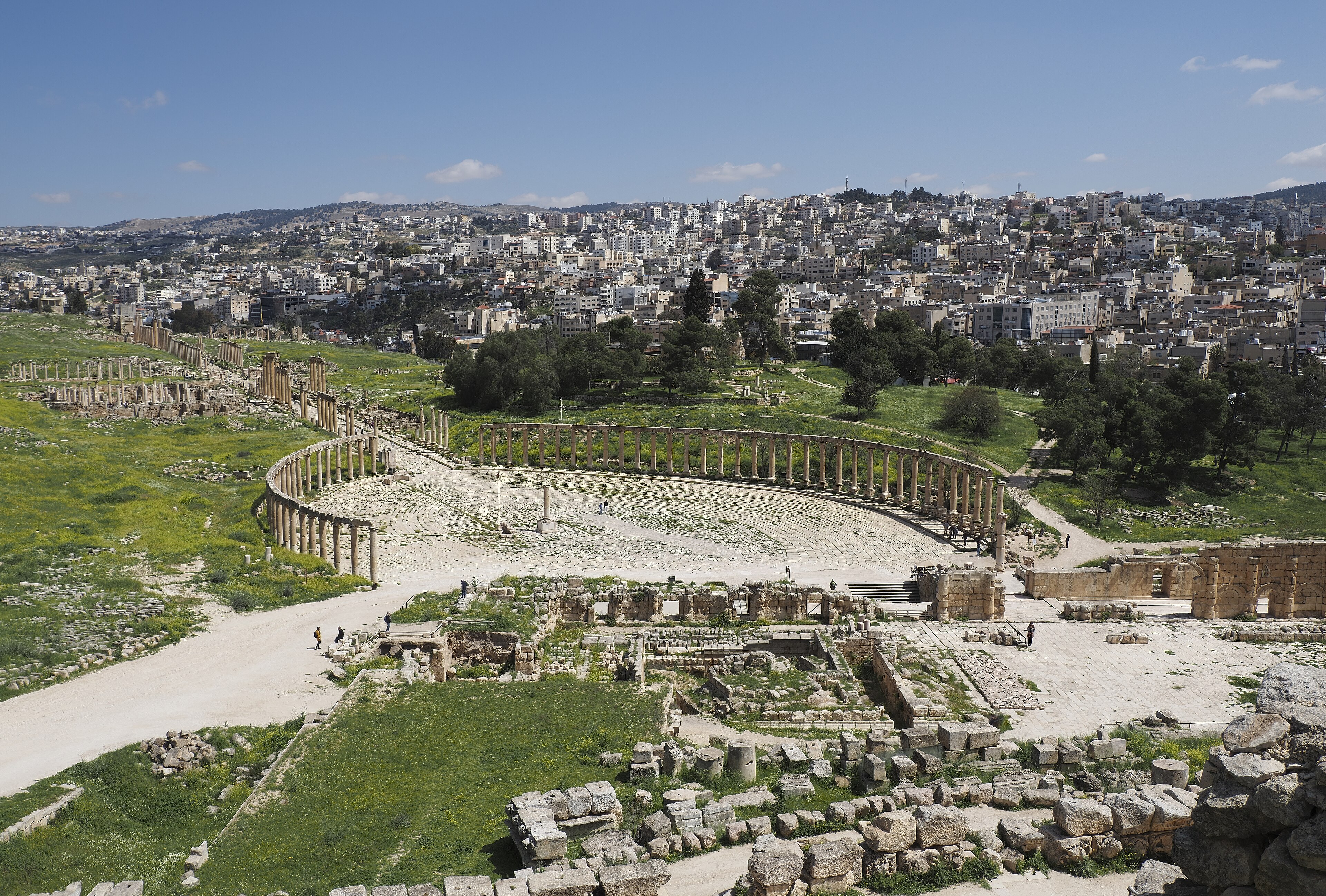
Why Jerash is Perfect for Your Celebration
- Backdrop of one of the world's best-preserved Roman cities — colonnaded streets and triumphal arches unlike anywhere else
- The South Theatre and Oval Plaza offer genuinely dramatic open-air event settings with ancient stone grandeur
- Proximity to Amman (~50 km) makes guest logistics manageable with a major international hub nearby
- Spring season (Apr–Jun, Sep–Oct) delivers reliably mild, photogenic weather perfect for outdoor ceremonies
- Intimate scale suits smaller, curated celebrations where atmosphere and exclusivity matter more than sheer venue size
- Jordan's strong tradition of hospitality and growing event-tourism infrastructure supports well-organised celebrations
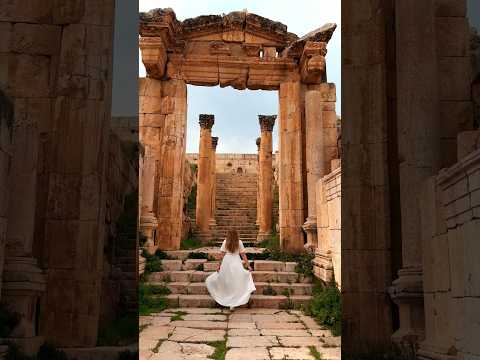
Top Venues in Jerash
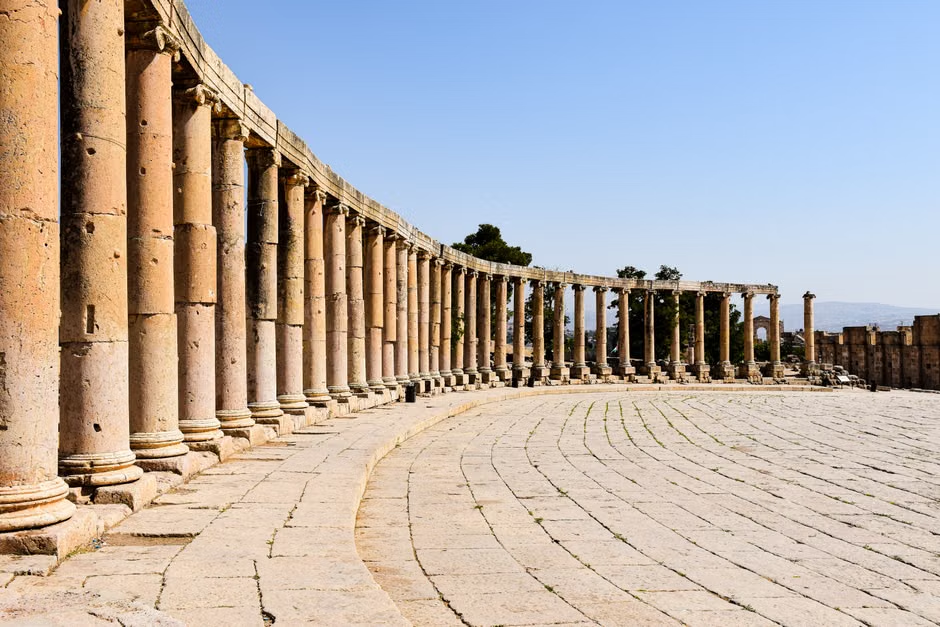
Jerash Hotel
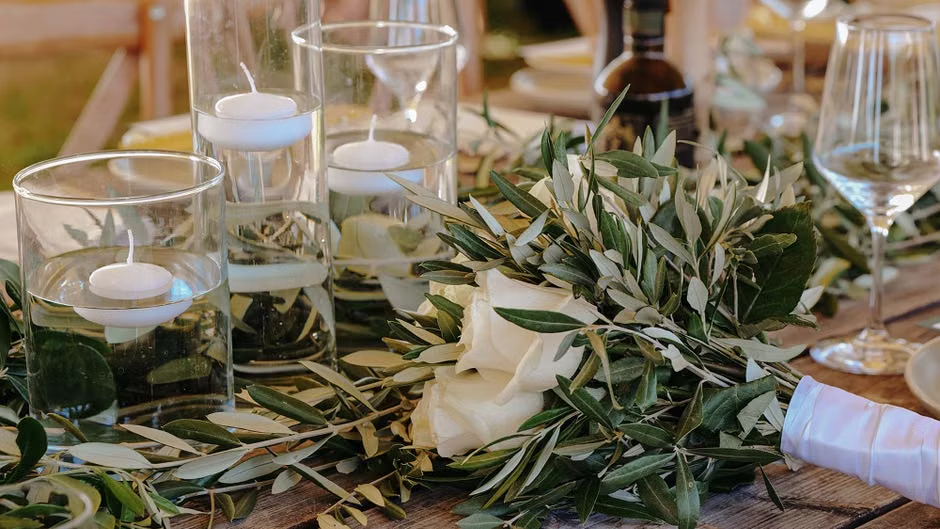
Olive Branch Hotel
Compare Jerash with Other Top Destinations
Frequently Asked Questions
Is Jerash a good destination for a wedding?
Yes, particularly for intimate, culturally immersive weddings. Jerash's Roman archaeological setting — colonnaded streets, ancient plazas, and open-air theatres — creates a genuinely dramatic backdrop that suits smaller, atmosphere-led celebrations. It is best suited to guest lists of roughly 150 or fewer, where the focus is on experience and setting rather than large-scale production.
What is the best time of year to hold an event in Jerash?
April, May, June, September, and October are the recommended months. These spring and early-autumn periods offer mild temperatures, clear skies, and comfortable conditions for outdoor ceremonies and evening receptions. July and August bring significant heat that makes outdoor events uncomfortable, while November through March is cooler and wetter, limiting outdoor options considerably.
How do guests travel to Jerash for a destination event?
Most guests fly into Queen Alia International Airport in Amman, which has direct connections from a wide range of international hubs. From Amman, Jerash is approximately one hour by road — typically covered by private transfer or organised group coach. There is no railway service to Jerash, so road travel from Amman is the standard arrangement for all guests.
Where do guests stay when attending an event in Jerash?
Local accommodation within Jerash is limited in scale, so for larger guest groups, Amman is the practical base. Guests stay in Amman and travel to Jerash for the event itself — a journey of roughly one hour each way. This arrangement is common and well-established, and many guests find the combination of Amman's amenities and Jerash's cultural experience genuinely appealing.
What kinds of event spaces are available in Jerash?
Jerash offers a mix of open-air archaeological settings — plazas, colonnaded walkways, and ancient theatres — alongside smaller boutique hotel gardens and heritage-adjacent courtyards. The archaeological spaces are the most distinctive and require coordination with Jordanian authorities for private use. For larger or more produced events, planners often use Jerash as a ceremonial or experiential setting within a broader Amman-based programme.
How large a guest list can Jerash realistically accommodate?
Jerash is best suited to intimate celebrations — typically up to around 150 guests for a self-contained event within the city. For larger groups, the local venue and accommodation infrastructure becomes a constraint, and Amman is a more practical primary base. Jerash works particularly well as a signature experience within a multi-day Jordan itinerary rather than a standalone large-scale event destination.
Are local vendors and caterers available for events in Jerash?
Local catering rooted in Jordanian hospitality traditions is genuinely strong — generous mezze, grilled meats, and traditional dishes can be sourced and prepared to a high standard. For more specialised requirements such as bespoke floral design, professional AV production, or international cuisine, planners typically draw on Amman's more developed vendor market, which is accessible within about an hour by road.
Is it possible to hold a ceremony within the Jerash archaeological site itself?
In principle, yes — the archaeological site has been used for cultural performances and special events, including the annual Jerash Festival. However, using it for a private ceremony requires advance coordination with the relevant Jordanian heritage and tourism authorities. This is an additional planning layer that should be factored in early, and outcomes depend on the nature and scale of the event.
What makes Jerash distinctive compared to a conventional resort wedding destination?
Jerash offers something genuinely irreplaceable: a celebration set within one of the ancient world's best-preserved Roman cities. The atmosphere — ancient stone colonnades, triumphal arches, and open-air theatres — cannot be manufactured in a purpose-built venue. For couples or planners prioritising cultural depth, historical gravitas, and a truly memorable setting over conventional resort luxury, Jerash is a compelling and distinctive choice.
Is Jerash safe for international guests attending a celebration?
Yes. Jordan is generally regarded as one of the safer countries in the Middle East for international visitors, and Jerash specifically is a well-established tourism destination with a long track record of welcoming international guests. Standard travel awareness is always advisable, but safety concerns are not a significant planning consideration for events in Jerash under normal conditions.
What is the general climate like in Jerash throughout the year?
Jerash sits at around 600 metres elevation in northern Jordan, giving it a Mediterranean-influenced highland climate. Summers (July–August) are warm and dry, regularly exceeding 30°C. Winters (December–February) are cool and occasionally wet, with temperatures sometimes dropping near freezing at night. Spring and autumn are mild and pleasant — the most comfortable periods for outdoor events and the recommended seasons for celebrations.

Ready to explore venues in Jerash?
Jerash: Destination Wedding & Cultural Event Venues in Jordan
◆Jerash is best suited to intimate, culturally immersive weddings, milestone celebrations, and heritage-themed events set against the backdrop of one of the ancient world's most intact Roman cities. Its primary vibe is Cultural & Timeless — colonnaded streets, triumphal arches, and open-air theatres create a setting that is genuinely unlike any conventional hotel ballroom or resort lawn. The destination suits smaller, curated guest lists rather than large-scale banquets, and is most accessible to guests flying into Amman and travelling onward by road. Spring months (April through June, and again September through October) offer the most comfortable outdoor conditions. Local accommodation is modest in scale, making Amman a practical base for larger groups.
Jerash at a Glance
| Attribute | Detail |
|---|---|
| Best For | Intimate Weddings, Cultural Celebrations, Milestone Birthdays, Heritage Events |
| Primary Vibe | Cultural & Timeless |
| Other Vibes | Historic, Intimate, Dramatic, Romantic |
| Best Season | Spring (Apr, May, Jun, Sep, Oct) |
Why Choose Jerash?
- Unrivalled archaeological backdrop: Jerash's Roman ruins — including the Oval Plaza, Cardo Maximus, and South Theatre — provide a genuinely dramatic, photogenic setting that no purpose-built venue can replicate. Events here carry an inherent sense of occasion.
- Intimate scale with high atmosphere: The destination naturally suits smaller, carefully curated celebrations where the setting does the heavy lifting. Guests consistently describe the experience as deeply memorable precisely because of its human scale against ancient grandeur.
- Proximity to Amman: Jerash sits roughly 50 km north of Amman, Jordan's capital and main international gateway. Guests can fly into Queen Alia International Airport and reach Jerash within approximately one hour by road, making logistics straightforward for international attendees.
- Jordan's strong hospitality culture: Jordanian hospitality is widely regarded as among the warmest in the Middle East. Local catering traditions, including generous mezze spreads and celebratory feasting customs, translate naturally into event settings.
- Reliable spring season: April through June and September through October deliver mild, dry, and photogenic conditions — ideal for outdoor ceremonies and evening receptions without the extremes of summer heat or winter cold.
- Cultural authenticity: For couples or planners seeking an event that feels genuinely rooted in place — rather than a generic luxury resort experience — Jerash offers a depth of cultural identity that is difficult to manufacture elsewhere.
Which Celebrations Work Best in Jerash?
- Intimate destination weddings: Jerash is particularly well-suited to smaller wedding parties — typically under 150 guests — where the emphasis is on atmosphere, cultural richness, and a once-in-a-lifetime setting rather than large-scale production. The ancient stone surroundings lend themselves to ceremonies that feel genuinely ceremonial.
- Milestone birthday celebrations: A significant birthday — a 40th, 50th, or similar landmark — gains real gravitas when celebrated in a setting with two millennia of history. Dinner events and private gatherings in heritage-adjacent venues carry a natural sense of occasion.
- Cultural and heritage-themed events: Corporate or private groups with an interest in history, archaeology, or Jordanian culture will find Jerash an exceptionally fitting host. The annual Jerash Festival of Culture and Arts demonstrates the city's capacity to host large-scale cultural programming.
- Pre-wedding or post-wedding gatherings: Jerash works particularly well as part of a multi-day Jordan itinerary — a pre-wedding excursion, a day-after brunch, or a guest experience woven into a broader celebration based in Amman.
Venues & Event Spaces
Jerash's event venue landscape is shaped by its identity as an archaeological site and a small governorate city rather than a purpose-built resort destination. The most distinctive event spaces are the ancient public areas themselves — open-air plazas, colonnaded walkways, and the South Theatre — which are occasionally used for cultural performances and, with appropriate permissions, private events. These spaces offer an atmosphere that is genuinely irreplaceable.
Beyond the archaeological zone, the local hospitality infrastructure includes smaller boutique hotels and guesthouses within Jerash itself, which can accommodate intimate gatherings, private dinners, and small receptions. For larger guest lists or more elaborate production requirements, event planners typically base the main celebration in Amman and incorporate Jerash as a signature experience — a ceremony, a cultural excursion, or a sunset dinner — within a broader multi-day programme.
Outdoor lawns, garden terraces, and heritage-adjacent courtyards are the most commonly used formats for private events in and around Jerash. The surrounding Jordanian countryside — rolling hills, olive groves, and open farmland — also provides a naturally scenic setting for outdoor receptions during the spring season.
Best Time to Celebrate
The curated best season for Jerash is Spring: April, May, June, September, and October. This recommendation reflects the genuine climatic character of northern Jordan's highland terrain, where Jerash sits at an elevation of roughly 600 metres above sea level.
During April and May, temperatures are typically mild and pleasant — warm enough for comfortable outdoor ceremonies in the afternoon and evening, but without the intensity of summer heat. Wildflowers are often visible across the surrounding hills, and the light during these months is particularly flattering for photography against the warm limestone of the ruins. June remains largely suitable, though temperatures begin to climb toward the upper 20s Celsius by late in the month.
September and October represent the autumn shoulder season — temperatures moderate again after the summer peak, skies remain reliably clear, and the golden afternoon light across the ancient columns is widely considered among the most photogenic conditions the destination offers.
July and August are the least suitable months for outdoor events. Temperatures regularly exceed 30°C during the day, and while evenings are somewhat cooler, the heat makes extended outdoor ceremonies uncomfortable for guests, particularly those travelling from cooler climates. Vendor logistics and guest comfort both suffer during this period.
November through March brings Jerash's winter character — cooler temperatures, increased rainfall, and occasional cold snaps that make outdoor events genuinely impractical. Indoor options are limited given the modest scale of local hospitality infrastructure, and the overall atmosphere is less conducive to celebratory outdoor gatherings.
Getting There & Local Connectivity
The primary international gateway for guests travelling to Jerash is Queen Alia International Airport in Amman, which receives direct flights from a wide range of European, Middle Eastern, and Asian hubs. From Amman, Jerash is accessible by road in approximately one hour — a straightforward journey that most guests can manage independently by taxi, private transfer, or organised coach.
There is no operational railway service connecting Jerash to Amman or other Jordanian cities, so road travel is the standard and expected mode of arrival. For event groups, private coach or minibus transfers from Amman are the most practical solution, and local operators in Amman are experienced in handling group logistics for tourism and event purposes.
Within Jerash itself, the city is compact and walkable for guests staying locally. The archaeological site is centrally located and easily navigable on foot. For guests based in Amman — which is the more common arrangement for larger groups — daily transfers to and from Jerash are straightforward to organise and add a structured, excursion-like quality to the event programme that many guests find enjoyable.
Mobile connectivity within Jerash is generally good, with 4G coverage available across the main areas of the city. This is adequate for event coordination, guest communication, and day-of logistics management.
Local Vendor & Hospitality Ecosystem
Jerash's vendor ecosystem is smaller and less specialised than that of a major event city like Amman, but it is not without genuine strengths. Local catering traditions are deeply rooted in Jordanian hospitality culture — generous, flavourful, and well-suited to celebratory feasting. Mezze, grilled meats, and traditional Jordanian dishes can be sourced locally and prepared to a high standard for private events.
For more specialised event requirements — floral design, professional photography, audio-visual production, bespoke décor, and international cuisine — planners typically draw on Amman's considerably more developed vendor market. Amman has a mature events industry with experienced professionals accustomed to destination weddings and private celebrations for international clients. The one-hour road connection between the two cities makes this a practical arrangement rather than a significant logistical burden.
Accommodation within Jerash is limited in scale and category, which means that for events with more than a small number of overnight guests, Amman serves as the practical base. This is a well-established pattern for events in Jerash and is generally factored into planning from the outset. The trade-off is that guests experience both the cultural richness of Jerash and the broader amenities of Amman — a combination that many find genuinely appealing.
Pros & Things to Consider
Why Jerash Works Well
- Genuinely unique archaeological setting that creates an atmosphere no purpose-built venue can replicate
- Mild, reliable spring season (April–June, September–October) well-suited to outdoor ceremonies and evening receptions
- Strong Jordanian hospitality culture that translates naturally into warm, generous event experiences
- Compact, walkable city that is easy for guests to navigate during their stay
- Close proximity to Amman provides access to a full range of international-standard vendors, accommodation, and airport connectivity
- Intimate scale suits curated, atmosphere-led celebrations where guest experience is prioritised over production scale
Things to Consider
- Local accommodation is limited in scale and category — larger guest groups will need to be based in Amman, adding a daily transfer element to the event programme
- Specialist event vendors (floral, AV, bespoke décor) are not abundant locally and typically need to be sourced from Amman
- Using the archaeological site itself for private events requires permissions and coordination with the relevant Jordanian authorities — this adds a planning layer that not all organisers anticipate
- The destination is not well-suited to very large-scale events (several hundred guests) given the constraints of local venue capacity and accommodation
- Summer heat (July–August) makes outdoor events genuinely uncomfortable and is a real constraint on the usable event calendar
When Jerash May Not Be the Right Fit
- Large guest lists: If your celebration involves several hundred guests requiring on-site accommodation and large banquet facilities, Jerash's local infrastructure will not comfortably support this. A city with a more developed hotel and venue ecosystem would serve you better.
- Summer events (July–August): If your preferred dates fall in peak summer, the heat in Jerash makes extended outdoor events uncomfortable. The destination's strongest appeal — its open-air archaeological settings — is significantly diminished in these conditions.
- Winter events (November–March): Cold temperatures and rainfall during the Jordanian winter make outdoor ceremonies impractical, and the limited indoor venue options in Jerash itself may not meet the requirements of a fully produced celebration.
- Guests with very limited travel flexibility: While Amman is well-connected internationally, the additional road journey to Jerash adds a logistical step that may be challenging for guests with mobility limitations or very tight travel schedules. A destination closer to a major airport hub may be more practical in these cases.