
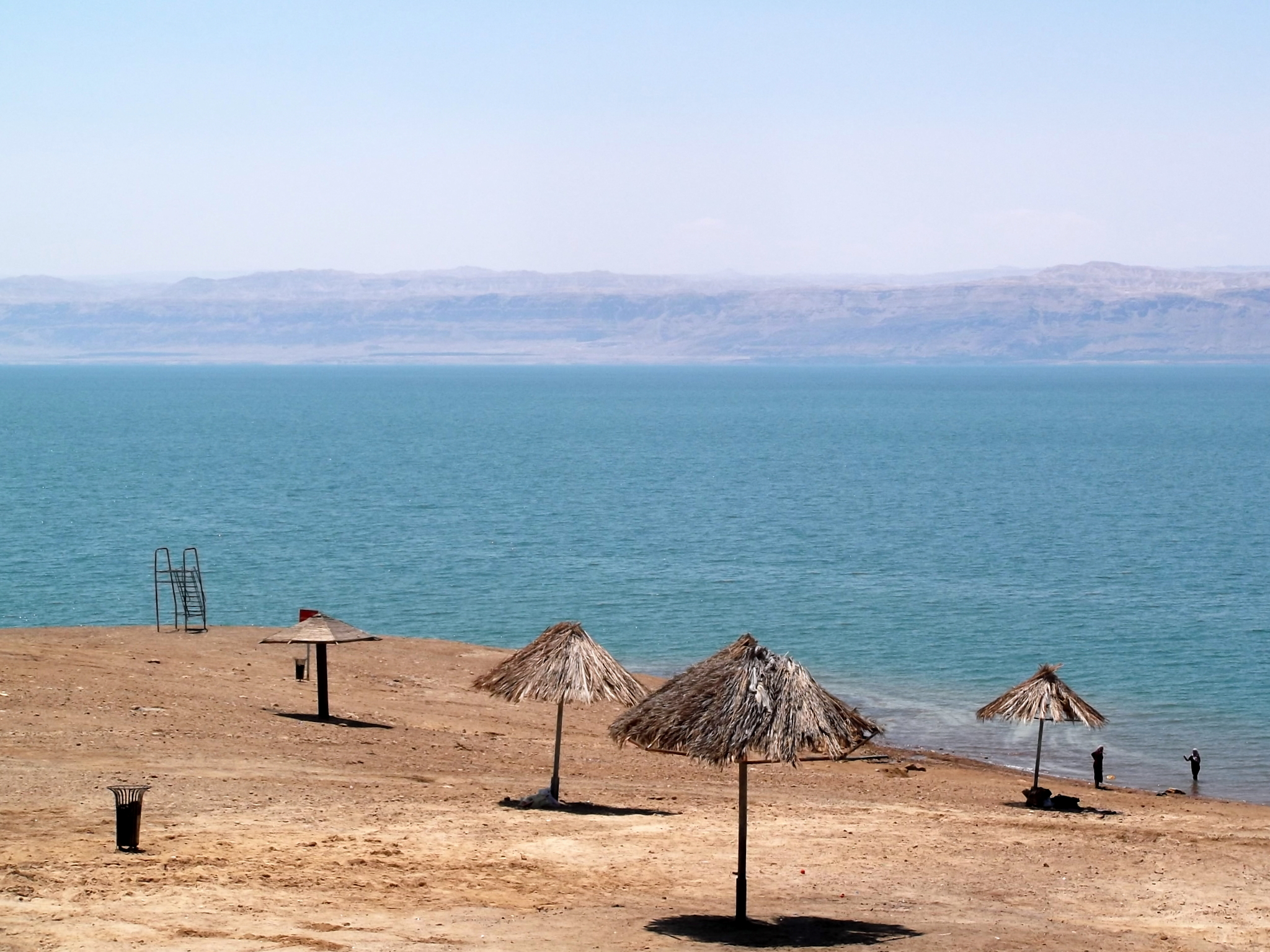
Why Dead Sea is Perfect for Your Celebration
- Utterly unique natural backdrop — the lowest point on Earth with surreal salt formations and turquoise-blue waters
- World-class luxury resort infrastructure with dedicated event and banquet facilities
- Renowned therapeutic mineral spas and wellness offerings built into the resort experience
- Dramatic desert cliff scenery provides a cinematic, one-of-a-kind setting for ceremonies and photography
- Cool, dry winters (Oct–Mar) offer genuinely comfortable outdoor event conditions
- Exclusive, remote feel ensures privacy and a true 'destination' experience for guests
Compare Dead Sea with Other Top Destinations
Frequently Asked Questions
Is the Dead Sea a good destination for a wedding?
Yes, particularly for intimate to medium-scale destination weddings where the setting is central to the experience. The Dead Sea offers world-class luxury resort venues, dramatic natural scenery, and an inherently exclusive atmosphere. It works best for couples who want a genuinely memorable, one-of-a-kind backdrop and whose guests are comfortable with international travel to Jordan or Israel.
What is the best time of year to hold an event at the Dead Sea?
October through March is the strongly recommended window. Daytime temperatures during this period typically range from 18°C to 30°C — comfortable for outdoor ceremonies and evening events. The summer months (June–September) bring extreme heat exceeding 38°C–42°C, making outdoor events impractical and potentially unsafe. April and May are transitional and increasingly warm.
How do guests get to the Dead Sea?
Most guests fly into Queen Alia International Airport in Amman (for the Jordanian shore) or Ben Gurion International Airport near Tel Aviv (for the Israeli shore), then travel by road — approximately one hour from Amman and 90 minutes from Tel Aviv. There is no railway service to the Dead Sea; road transfer is the standard and only practical option for the final leg.
What kinds of venues are available for events at the Dead Sea?
The Dead Sea's event landscape is dominated by large international resort properties offering grand ballrooms, outdoor terraced lawns overlooking the water, poolside event decks, and private beach areas on the salt shore. Most major resorts have dedicated wedding and event coordination teams and can accommodate both indoor and outdoor celebrations across a range of guest group sizes.
How many guests can realistically be accommodated for a Dead Sea event?
The major resort properties along the Jordanian shore can typically accommodate events ranging from intimate gatherings of 50–80 guests up to celebrations of 400–600 guests in their larger ballrooms and outdoor spaces. For very large events exceeding 600–700 guests, the limited number of venues in the corridor may require careful coordination across multiple properties.
Is the Dead Sea suitable for a wellness or spa retreat event?
Yes — it is one of the world's most naturally suited destinations for wellness-themed events. The mineral-rich waters, therapeutic mud, and world-class spa facilities integrated into the major resorts make wellness retreats, bachelorette weekends with a health focus, and corporate wellbeing programmes a genuinely strong fit for this destination.
What is the local vendor and catering ecosystem like for events?
The ecosystem is primarily resort-centric — the major properties have in-house event teams, catering operations, and established regional supplier networks for florals, décor, and entertainment. Catering quality is generally high, with strong Levantine and international menu options. Highly bespoke, independently sourced production is possible but requires more advance planning than in a major city.
Can guests easily move around and explore the region during a multi-day event?
Yes, with organised transport. The resort corridor itself is compact and navigable, and most resorts offer shuttle services. For excursions to nearby sites — Petra, Wadi Rum, Masada, or Jerusalem — private coach hire is the standard arrangement and is well-established locally. Independent taxis are available but less reliable for coordinated large-group movements.
Do guests need a visa to attend an event at the Dead Sea?
Visa requirements depend on the guest's nationality and which side of the Dead Sea the event is on. Jordan offers visa-on-arrival for many nationalities, and Israel similarly has broad visa-free access for many passport holders. However, some nationalities face restrictions — particularly regarding travel between Jordan and Israel — so early visa planning and clear guest communication are important for international events.
What makes the Dead Sea distinctive compared to other luxury resort destinations?
The Dead Sea sits at the lowest point on Earth, with a unique high-salinity lake, mineral-rich mud shores, and dramatic desert cliff scenery that is genuinely unlike any other event setting. The integrated therapeutic wellness experience — floatation, mineral spa treatments — is a natural feature of the destination rather than an add-on, giving multi-day events a dimension that most resort destinations cannot authentically replicate.
Is the Dead Sea safe for international guests attending an event?
Generally yes, within the established resort zones on both the Jordanian and Israeli shores. The resort corridors are well-managed, internationally staffed, and accustomed to hosting guests from diverse backgrounds. Guests should follow standard travel advisories for the region and stay informed of current conditions, as the broader Middle East geopolitical context can shift — checking government travel advisories close to the event date is advisable.

Ready to explore venues in Dead Sea?
Dead Sea: Destination Wedding & Luxury Event Venues
◆The Dead Sea is best suited to intimate luxury destination weddings, exclusive wellness retreats, and high-end corporate events. Its primary vibe is Luxury & Glamour, anchored by world-class five-star resort infrastructure, therapeutic mineral spas, and a surreal natural landscape at the lowest point on Earth. The optimal season runs from October through March, when temperatures are cool and dry enough for outdoor ceremonies and guest comfort. Accessibility requires international flights into Amman (Jordan) or Tel Aviv (Israel), followed by a comfortable road transfer — manageable for a well-organised guest group, though not a casual weekend-trip destination. The resort corridor along the Jordanian shore (Sweimeh) is the most developed for events, while the Israeli shore (Ein Bokek) offers a parallel but distinct set of options.
Dead Sea at a Glance
| Attribute | Detail |
|---|---|
| Best For | Destination Weddings, Wellness Retreats, Corporate Incentive Events, Intimate Celebrations |
| Primary Vibe | Luxury & Glamour |
| Other Vibes | Surreal & Otherworldly, Wellness-Focused, Romantic & Secluded |
| Best Season | Cool / Mild Season (Jan, Feb, Mar, Oct, Nov, Dec) |
Why Choose Dead Sea?
- Unmatched natural spectacle: The Dead Sea's salt-encrusted shores, mineral-blue waters, and towering desert escarpments create a backdrop that is genuinely unlike any other event destination on Earth — photographs and memories here are inherently distinctive.
- Mature luxury resort corridor: The Sweimeh strip on the Jordanian shore hosts several internationally branded five-star resorts with purpose-built ballrooms, outdoor event lawns, and dedicated wedding coordination teams — the infrastructure for large-scale celebrations is genuinely in place.
- Integrated wellness experience: Mineral-rich mud treatments, floatation pools, and world-class spa facilities are built into the resort experience, giving guests a multi-day wellness dimension that most event destinations cannot offer.
- Privacy and exclusivity: The remote desert setting means guest groups are naturally contained within the resort environment, creating a cohesive, immersive celebration atmosphere without the distractions of a busy city.
- Comfortable winter season: From October through March, daytime temperatures typically range from 18°C to 28°C — genuinely pleasant for outdoor ceremonies, sunset dinners on the shore, and daytime excursions to nearby sites such as Wadi Rum or Petra.
- Cultural and historical depth: The surrounding region — Masada, the baptism site of Jesus, ancient Nabataean trade routes — gives multi-day guest itineraries a richness that purely resort-based destinations often lack.
Which Celebrations Work Best in Dead Sea?
- Destination Weddings: The combination of dramatic natural scenery, luxury resort venues with full event infrastructure, and an inherently exclusive feel makes the Dead Sea particularly well-suited to intimate-to-medium-scale destination weddings where the setting itself is a central part of the experience.
- Wellness & Spa Retreats: Few destinations in the world integrate therapeutic wellness as organically as the Dead Sea — mineral mud, high-salinity floatation, and dedicated spa programmes make it a natural fit for wellness-themed group retreats and bachelorette/hen weekends with a health-and-relaxation focus.
- Corporate Incentive Events: The region's five-star resorts offer conference facilities alongside extraordinary leisure experiences, making it a strong choice for high-value corporate incentive groups seeking a memorable, once-in-a-career destination.
- Milestone Celebrations (anniversaries, significant birthdays): The sense of occasion that comes with celebrating at the lowest point on Earth, surrounded by one of the world's most recognisable natural wonders, lends itself well to landmark personal celebrations where the destination itself is the gift.
Venues & Event Spaces
The Dead Sea's event venue landscape is dominated by large international resort properties, particularly along the Jordanian shore near Sweimeh. These resorts typically offer a combination of grand ballrooms capable of hosting several hundred guests, outdoor terraced lawns overlooking the water, poolside event decks, and private beach areas on the salt shore itself. The Israeli shore at Ein Bokek offers a parallel cluster of resort hotels with similar indoor-outdoor event capabilities, though on a somewhat smaller scale overall.
Beyond the main resort ballrooms, many properties feature dedicated pre-function spaces, rooftop terraces with panoramic desert and sea views, and spa pavilions that can be privatised for intimate ceremonies or wellness-themed events. The outdoor spaces are particularly compelling during the cool season, when the combination of still desert air, mineral-scented breezes, and the extraordinary visual backdrop of the salt lake at dusk creates a ceremony atmosphere that is difficult to replicate elsewhere. Floating ceremony concepts — using the Dead Sea's famous buoyancy — are occasionally incorporated into creative event programmes, though these are subject to resort-specific permissions and seasonal conditions.
Best Time to Celebrate
The Cool / Mild Season (January, February, March, October, November, December) is the strongly preferred window for events at the Dead Sea, and for concrete reasons beyond simply "pleasant weather."
- October and November offer warm but manageable daytime temperatures (typically 25°C–30°C), long golden-hour windows for photography, and the tail end of the summer resort season — meaning full staffing and operational readiness at venues.
- December, January, and February are the coolest months, with daytime temperatures generally between 18°C and 24°C — genuinely comfortable for outdoor ceremonies, evening dinners on the shore, and daytime excursions. Nights can be cool (10°C–15°C), so guests should be prepared with layers for outdoor evening events.
- March sees temperatures beginning to climb again but remains within a comfortable range for most outdoor activities, and the desert landscape often shows its most photogenic clarity in this month.
- April and May are transitional months where heat begins to build rapidly — daytime temperatures can reach 33°C–36°C, making outdoor ceremonies increasingly uncomfortable and logistically challenging.
- June through September should be firmly avoided for outdoor events. Temperatures routinely exceed 38°C–42°C, the high salinity of the air intensifies the heat sensation, and the combination of extreme heat and intense UV radiation makes prolonged outdoor exposure genuinely hazardous for guests. Indoor air-conditioned events remain possible but significantly limit the destination's primary appeal.
Getting There & Local Connectivity
The Dead Sea is accessible via two primary international gateways depending on which shore guests are visiting. For the Jordanian side (the more developed event corridor), Queen Alia International Airport in Amman is the main entry point, with a road transfer of approximately one hour to the Sweimeh resort area. Amman is well-connected to major international hubs across Europe, the Middle East, and Asia, with Royal Jordanian and numerous international carriers operating regular services.
For the Israeli side, Ben Gurion International Airport near Tel Aviv is the primary gateway, with a road transfer of roughly 90 minutes to the Ein Bokek resort area. Tel Aviv is one of the most internationally connected airports in the Middle East.
There is no railway service to the Dead Sea on either side — road transfer is the standard and only practical option for the final leg of the journey. Within the resort corridor itself, movement between properties is straightforward by road, and most resorts offer shuttle services. For guest groups wishing to incorporate excursions — to Petra, Wadi Rum, Masada, or Jerusalem — private coach hire is the standard arrangement and is well-established in the local tourism infrastructure. Local taxis and ride-hailing services are available but less reliable for large coordinated group movements, so dedicated transport coordination is advisable for event groups.
Local Vendor & Hospitality Ecosystem
The Dead Sea's vendor ecosystem is primarily resort-centric — the major international properties along the Jordanian shore have in-house event coordination teams, preferred catering operations, and established relationships with regional suppliers for florals, décor, entertainment, and audio-visual production. This is both a strength and a constraint: in-house teams are experienced with destination events and understand the logistical realities of the location, but couples or planners seeking highly bespoke, independently sourced vendor arrangements may find the ecosystem less flexible than a major city destination.
Catering quality at the five-star resort level is generally strong, with access to both international cuisine and regional Levantine specialities — mezze spreads, grilled meats, and traditional Jordanian dishes can be incorporated meaningfully into event menus. Halal catering is standard on the Jordanian side; kosher options are available on the Israeli side.
For entertainment, the region has access to Amman-based performers, musicians, and production companies who regularly service Dead Sea events. International entertainment can be brought in, though logistics and costs increase accordingly. Photography and videography professionals experienced with the unique lighting conditions of the Dead Sea environment — the intense reflectivity of the salt water, the haze-filtered desert light — are available through resort referrals and regional networks.
The overall hospitality standard at the established resort properties is genuinely high, with multilingual staff, international service standards, and experience handling guests from diverse cultural backgrounds — an important consideration for destination events drawing guests from multiple countries.
Pros & Things to Consider
Why Dead Sea Works Well
- Genuinely one-of-a-kind natural setting that makes every event inherently memorable and distinctive
- Strong five-star resort infrastructure with dedicated event spaces and experienced in-house coordination
- Integrated wellness and spa experience adds a multi-day dimension that enriches the guest experience beyond the event itself
- Cool, dry winter season provides reliable outdoor event conditions with minimal weather risk
- Proximity to world-class cultural and heritage sites (Petra, Wadi Rum, Masada, Jerusalem) enables rich multi-day guest itineraries
- High degree of privacy and exclusivity — the resort corridor is self-contained and immersive
Things to Consider
- International travel is required for virtually all guests — this is a genuine destination event, not a convenient local gathering, and travel fatigue and visa logistics must be planned for carefully
- The summer months (June–September) are genuinely extreme and effectively rule out outdoor events — season selection is not optional here
- The vendor ecosystem outside the major resorts is relatively limited — highly bespoke, independently sourced event production requires more advance planning and coordination than in a major city
- The remote location means that last-minute supplier changes or emergency sourcing are more difficult than in an urban event destination
- The Dead Sea's water level has been declining for decades — while this does not currently affect the resort experience, the shoreline at some properties has receded, and the "beach" experience may differ from older photographs of the area
- Guests with certain health conditions (skin sensitivities, respiratory issues) should be aware that the high salinity and mineral content of the air and water, while therapeutic for most, can be irritating for some — worth noting in guest communications
When Dead Sea May Not Be the Right Fit
- Large-scale events (500+ guests): While the major resorts have substantial capacity, the Dead Sea corridor does not have the sheer volume of event venues that a major city destination offers — very large guest lists may strain accommodation and venue availability, particularly if multiple events are happening simultaneously in the resort strip.
- Guests with limited international travel flexibility: If a significant portion of the guest list faces visa complications, long-haul travel, or limited passport access to Jordan or Israel, the logistical burden on guests may outweigh the destination's appeal — a more accessible regional destination may serve the group better.
- Events planned for June through September: The extreme summer heat makes outdoor events genuinely impractical and potentially unsafe — if the preferred event date falls in this window, the Dead Sea is not the right choice for any celebration with an outdoor component.
- Couples or planners seeking a highly urban, culturally immersive city experience: The Dead Sea is a resort-and-nature destination, not a city. Guests who want vibrant local markets, diverse restaurant scenes, nightlife, or urban cultural programming as part of their stay will find the resort corridor limiting — a city-based destination would be a better fit.