
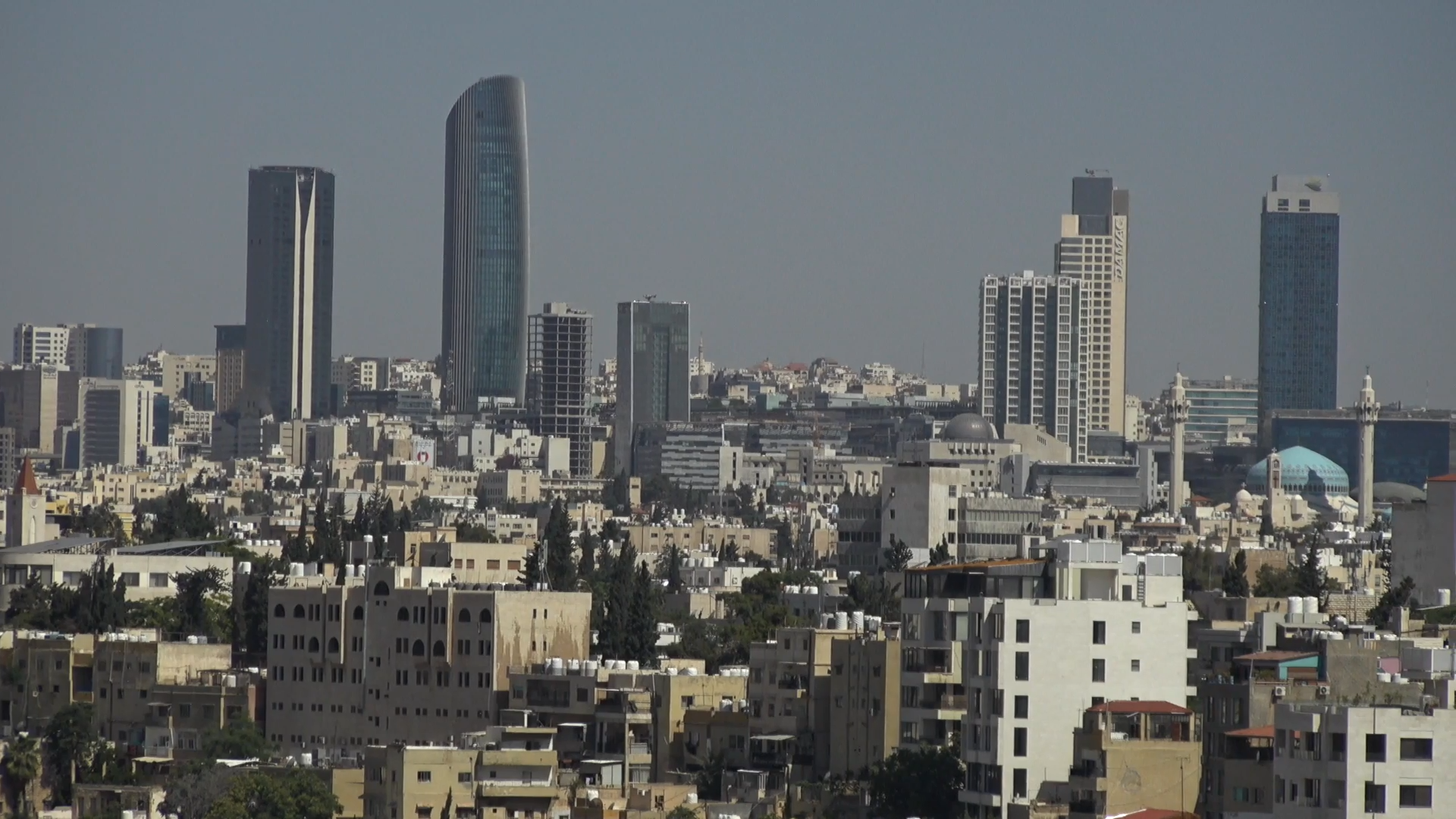
Why Amman is Perfect for Your Celebration
- Home to multiple internationally branded five-star hotels with dedicated ballrooms and event wings
- The ancient Roman Theatre and Amman Citadel provide dramatic heritage backdrops for pre-event photography and cultural experiences
- Excellent direct flight connections from Europe, the Gulf, South Asia, and North Africa make international guest travel straightforward
- Spring season (Apr–Jun, Sep–Oct) offers reliably mild, dry weather perfect for both indoor and outdoor celebrations
- A mature hospitality and events industry with experienced local planners, caterers, and AV vendors accustomed to large-scale international events
- Cosmopolitan dining and nightlife scene ensures guests have rich experiences beyond the event itself
Compare Amman with Other Top Destinations
Frequently Asked Questions
Is Amman a good destination for a wedding?
Yes. Amman is particularly well-suited to destination weddings that prioritise cosmopolitan luxury, strong international hotel infrastructure, and a culturally rich setting. The city's five-star hotels offer purpose-built ballrooms and outdoor terraces, while nearby heritage sites provide memorable backdrops for pre-wedding events. It works well for both intimate gatherings and larger multi-day celebrations.
What is the best time of year to hold an event in Amman?
The best months are April, May, June, September, and October. These spring windows offer mild temperatures, predominantly clear skies, and minimal rainfall — ideal for both indoor and outdoor events. July and August bring significant heat, while November through March can be cold and occasionally wet, making outdoor setups less reliable in those periods.
How do international guests typically travel to Amman?
Most guests fly into Queen Alia International Airport, located approximately 35 kilometres from the city centre. The airport has direct connections from major European capitals, Gulf hubs, and South Asian cities, so most international guests can reach Amman on a single direct flight or with one connection through a Gulf hub. Amman has no active passenger rail network, so airport-to-hotel transfers are by road.
What kinds of event venues are available in Amman?
Amman offers a strong range of internationally branded luxury hotel ballrooms, rooftop terraces with panoramic city views, outdoor garden spaces, and boutique heritage-style venues in the older city districts. The hotel ballrooms are the most commonly used for large weddings and corporate events, while rooftop and garden spaces suit cocktail receptions and smaller gatherings during the spring season.
How large a guest list can Amman realistically accommodate?
Amman's major hotels can comfortably handle events of 500 to 1,000 guests within a single property, with some ballrooms accommodating up to 1,200 for seated dinners. For very large guest lists above 1,500, multi-property arrangements are typically needed. The city has sufficient accommodation inventory across its hotel cluster to house large international groups without significant difficulty.
Is Amman safe for international guests attending a wedding or event?
Yes. Jordan is consistently rated among the most stable and safe countries in the Middle East, and Amman specifically has a strong track record for hosting international visitors and large-scale events. The city's hospitality industry is experienced with international guest groups, and English is widely spoken across hotels, restaurants, and the events sector.
How developed is Amman's local events and wedding vendor industry?
Amman has a mature events industry by regional standards. The city's long history as a MICE destination has produced experienced wedding planners, caterers, florists, AV specialists, and production companies familiar with international standards. Most major hotels also have in-house events teams. English-language communication is standard across the industry, which simplifies coordination for international planners.
What makes Amman distinctive as an event destination compared to other Middle Eastern cities?
Amman's distinctiveness lies in its combination of genuine ancient heritage — the Amman Citadel, Roman Theatre, and old city districts — with a modern, cosmopolitan urban character. Unlike purely modern Gulf cities, Amman offers cultural depth and a layered urban identity. Its hilltop topography also creates dramatic panoramic venue settings that are visually unique in the region.
Can guests move around Amman easily during a multi-day event?
Generally yes, though Amman's hilly layout and road-based transport mean that transfers between hotels, venues, and heritage sites require planning. Ride-hailing services and private coaches are the standard options for groups. Traffic congestion in central Amman during peak hours can extend transfer times, so planners should build buffer time into schedules, particularly for airport arrivals and departures.
Is Amman suitable for corporate conferences and incentive events?
Yes. Amman is an established MICE destination in the Middle East, with several hotels offering large conference halls, breakout rooms, and full residential capacity alongside event spaces. Its central geographic position between Europe, Africa, and Asia makes it a practical neutral venue for international corporate gatherings, and its air connectivity supports delegates travelling from multiple regions.
What cultural experiences can guests enjoy around an event in Amman?
Guests can visit the Amman Citadel and its Roman Temple of Hercules, the well-preserved Roman Theatre in the city centre, the vibrant Rainbow Street and Jabal Amman neighbourhoods for dining and galleries, and the old city market (Al-Balad). Day trips to Petra, the Dead Sea, and Wadi Rum are also commonly arranged for multi-day event programmes, adding significant experiential value for international guests.

Ready to explore venues in Amman?
Amman: Destination Wedding & Corporate Event Venues in Jordan
◆Amman is Jordan's capital and its most cosmopolitan city — a destination that suits weddings, corporate conferences, social galas, and milestone celebrations particularly well. Its primary vibe is chic and contemporary, layered over a city of genuine historical depth. The spring months (April, May, June, September, and October) offer the most reliable conditions for events. Amman is well-served by Queen Alia International Airport, with direct connections from Europe, the Gulf, South Asia, and North Africa, making international guest travel straightforward. The city's hospitality infrastructure is mature, with a strong concentration of internationally branded luxury hotels, experienced event vendors, and a cosmopolitan dining and entertainment scene.
Amman at a Glance
| Category | Detail |
|---|---|
| Best For | Destination Weddings, Corporate Conferences, Social Galas, Milestone Celebrations |
| Primary Vibe | Chic & Cosmopolitan |
| Other Vibes | Heritage-Rich, Modern Luxury, Hilltop Dramatic |
| Best Season | Spring (Apr, May, Jun, Sep, Oct) |
Why Choose Amman?
- Exceptional international hotel inventory: Amman hosts a dense cluster of internationally branded five-star properties, each with purpose-built ballrooms, outdoor terraces, and dedicated event management teams — giving planners genuine choice at the top tier.
- Dramatic hilltop topography: Built across seven hills (and now spreading well beyond), Amman offers venues with sweeping panoramic views over the city's limestone skyline — a visual backdrop that is genuinely distinctive and difficult to replicate elsewhere in the region.
- Ancient heritage as a living backdrop: The Amman Citadel, the Roman Theatre, and the old city of Al-Balad provide culturally resonant settings for pre-event photography, welcome dinners, and cultural excursions that give guests an experience beyond the event itself.
- Strong air connectivity: Queen Alia International Airport operates direct routes to most major European capitals, Gulf hubs, and South Asian cities, meaning guests from a wide range of origins can reach Amman without complex multi-stop itineraries.
- Political stability and safety: Jordan is consistently rated among the most stable and safe countries in the Middle East, which meaningfully reduces logistical risk for event planners and reassures international guests.
- Mature vendor ecosystem: Amman has a well-developed local events industry — florists, caterers, AV specialists, and wedding planners with experience handling large international events — reducing the need to import every element from abroad.
Which Celebrations Work Best in Amman?
- Destination Weddings: Amman's combination of luxury hotel ballrooms, rooftop terraces with city views, and proximity to heritage sites makes it a strong choice for couples seeking a cosmopolitan yet culturally meaningful wedding. The city handles both intimate gatherings and larger multi-day celebrations with equal competence.
- Corporate Conferences and Incentive Events: The city is a well-established MICE (Meetings, Incentives, Conferences, Exhibitions) destination in the Middle East. Several hotels offer large-scale conference facilities alongside accommodation blocks, and the city's central geographic position between Europe, Africa, and Asia makes it a practical neutral ground for international corporate gatherings.
- Social Galas and Award Ceremonies: Amman's upscale hotel ballrooms and rooftop event spaces are well-suited to formal gala dinners, award nights, and brand launches, with the city's cosmopolitan character lending a sophisticated atmosphere.
- Milestone Celebrations (Anniversaries, Birthdays, Reunions): For families or groups seeking a meaningful international gathering, Amman offers a compelling mix of luxury accommodation, cultural experiences, and accessible travel logistics that make it a practical and memorable choice.
Venues & Event Spaces
Amman's event venue landscape is dominated by internationally branded luxury hotels, most of which have invested heavily in purpose-built event infrastructure. Typical offerings include large pillar-free ballrooms capable of accommodating several hundred guests for seated dinners, outdoor terraces and rooftop spaces with panoramic city views, pre-function foyers suitable for cocktail receptions, and breakout rooms for corporate sessions. Beyond hotels, the city has a growing number of standalone event venues — including converted heritage buildings in the older districts, contemporary gallery spaces in the Jabal Amman and Rainbow Street areas, and private villa estates on the city's outskirts that suit more intimate gatherings. Outdoor garden and lawn settings are available at several properties, though these are most reliably usable during the spring season. The city does not have a strong tradition of palace or fort venues in the way some South Asian destinations do, but the combination of modern luxury spaces and genuine ancient heritage sites nearby gives planners a distinctive and varied palette to work with.
Best Time to Celebrate
The curated best season for events in Amman is Spring: April, May, June, September, and October. During these months, daytime temperatures typically range from around 18°C to 28°C, skies are predominantly clear, and rainfall is minimal — conditions that are genuinely comfortable for both guests and outdoor event setups. April and May are particularly pleasant, with the city's hillsides showing seasonal greenery. September and October offer a second reliable window as summer heat subsides, with warm but not oppressive afternoons and cool evenings that suit outdoor dinners and receptions.
The summer months of July and August bring sustained heat, with temperatures regularly exceeding 35°C in the afternoon. While Amman's elevation (roughly 800–1000 metres above sea level) means it is somewhat cooler than lower-lying Middle Eastern cities, outdoor events in peak summer remain uncomfortable and logistically demanding. The winter months of November through March bring cold temperatures, occasional rain, and the possibility of snow — particularly in January and February. While indoor events remain entirely feasible year-round, the winter period adds complexity for outdoor setups and may deter guests accustomed to warmer climates. Planners targeting outdoor or partially outdoor celebrations should strongly prioritise the spring windows.
Getting There & Local Connectivity
Amman is served by Queen Alia International Airport, located approximately 35 kilometres south of the city centre. The airport handles a substantial volume of international traffic, with direct routes operated by Royal Jordanian and numerous international carriers connecting Amman to European capitals, Gulf hubs (Dubai, Abu Dhabi, Doha, Riyadh), South Asian cities, and North African destinations. For most international guest groups, reaching Amman involves a single direct flight or at most one connection through a Gulf hub — a relatively low-friction journey compared to many regional alternatives.
Amman does not have an active passenger railway network, so ground transportation within and around the city relies on road. For event groups, this typically means private coaches or minibuses arranged through the hotel or a local ground transport operator, ride-hailing services (Uber and local equivalents operate in the city), and taxis. Traffic congestion in central Amman can be significant during peak hours, so planners coordinating guest transfers between the airport, hotels, and event venues should build in appropriate buffer time. The city's hilly topography means that distances between neighbourhoods can feel longer than they appear on a map — a factor worth accounting for when guests are spread across multiple accommodation properties.
Local Vendor & Hospitality Ecosystem
Amman has one of the more developed event vendor ecosystems in the broader Middle East and Levant region. The city's long history as a hub for regional business travel and international conferences has driven the growth of a professional events industry that includes experienced wedding planners, corporate event managers, florists with access to imported and locally grown flowers, catering companies capable of handling large-scale multi-course banquets, and AV and production specialists familiar with international technical standards.
Most of the major luxury hotels maintain in-house events teams that can coordinate the full spectrum of services, which simplifies planning for couples or corporate clients who prefer a single point of contact. For those seeking more bespoke or independent vendor arrangements, Amman's creative and hospitality community — particularly in the Jabal Amman, Jabal Al-Weibdeh, and Rainbow Street areas — offers a growing number of boutique caterers, designers, and stylists with a distinctly contemporary Jordanian aesthetic. English is widely spoken across the hospitality and events industry, which reduces communication friction for international planners and guests.
Pros & Things to Consider
Why Amman Works Well
- Dense concentration of internationally branded luxury hotels with purpose-built event facilities
- Excellent international air connectivity, making it accessible for guests from Europe, the Gulf, and South Asia
- Politically stable and consistently rated as one of the safest cities in the Middle East
- Genuinely distinctive cultural and heritage experiences (Citadel, Roman Theatre, old city) that enrich a multi-day event programme
- Mature, English-speaking events industry with experience handling large international gatherings
- Spring season offers reliably mild, dry weather well-suited to both indoor and outdoor celebrations
- Cosmopolitan dining, nightlife, and retail scene that keeps guests engaged beyond the event itself
Things to Consider
- No passenger railway network — all ground transport is road-based, and city traffic can be congested, requiring careful transfer planning for large groups
- Summer heat (July–August) makes outdoor events uncomfortable and limits venue flexibility to fully air-conditioned indoor spaces
- Winter months bring genuine cold and occasional snow, which can complicate outdoor setups and deter guests from warmer climates
- Amman does not offer the palace or fort venue typology that some destination wedding clients specifically seek — its heritage strengths are more archaeological than architectural in the traditional royal-palace sense
- Alcohol availability, while present in licensed hotels and restaurants, is subject to local regulations and cultural context — planners should factor this into event design, particularly for guests with specific expectations around open bars
- The city's hilly layout means that guests spread across multiple hotels may face longer-than-expected transfer times between properties and venues
When Amman May Not Be the Right Fit
- Outdoor-focused celebrations in summer or winter: If the event concept centres on outdoor lawns, garden ceremonies, or open-air receptions, Amman's July–August heat and November–March cold and rain make those months genuinely risky. A different season or a destination with more year-round outdoor reliability may serve better.
- Guests requiring a palace or royal-fort venue: Couples specifically seeking a historic palace, fort, or haveli as the primary event venue will find Amman's offering limited in that typology — the city's heritage is primarily Roman and Byzantine archaeological rather than the kind of royal residential architecture found in some South Asian or European destinations.
- Very large guest lists requiring a single-property solution: While Amman's hotels are well-equipped, planners expecting to accommodate 1,500 or more guests under one roof with full residential capacity at a single property may find the local inventory stretched — multi-property arrangements are typically needed at that scale.
- Guests with very limited international travel experience: For guest groups who are largely unfamiliar with international travel, visa processes, and navigating a foreign city without a common language, Amman's logistics — while genuinely manageable — may add a layer of complexity that a more domestically accessible destination would avoid.