
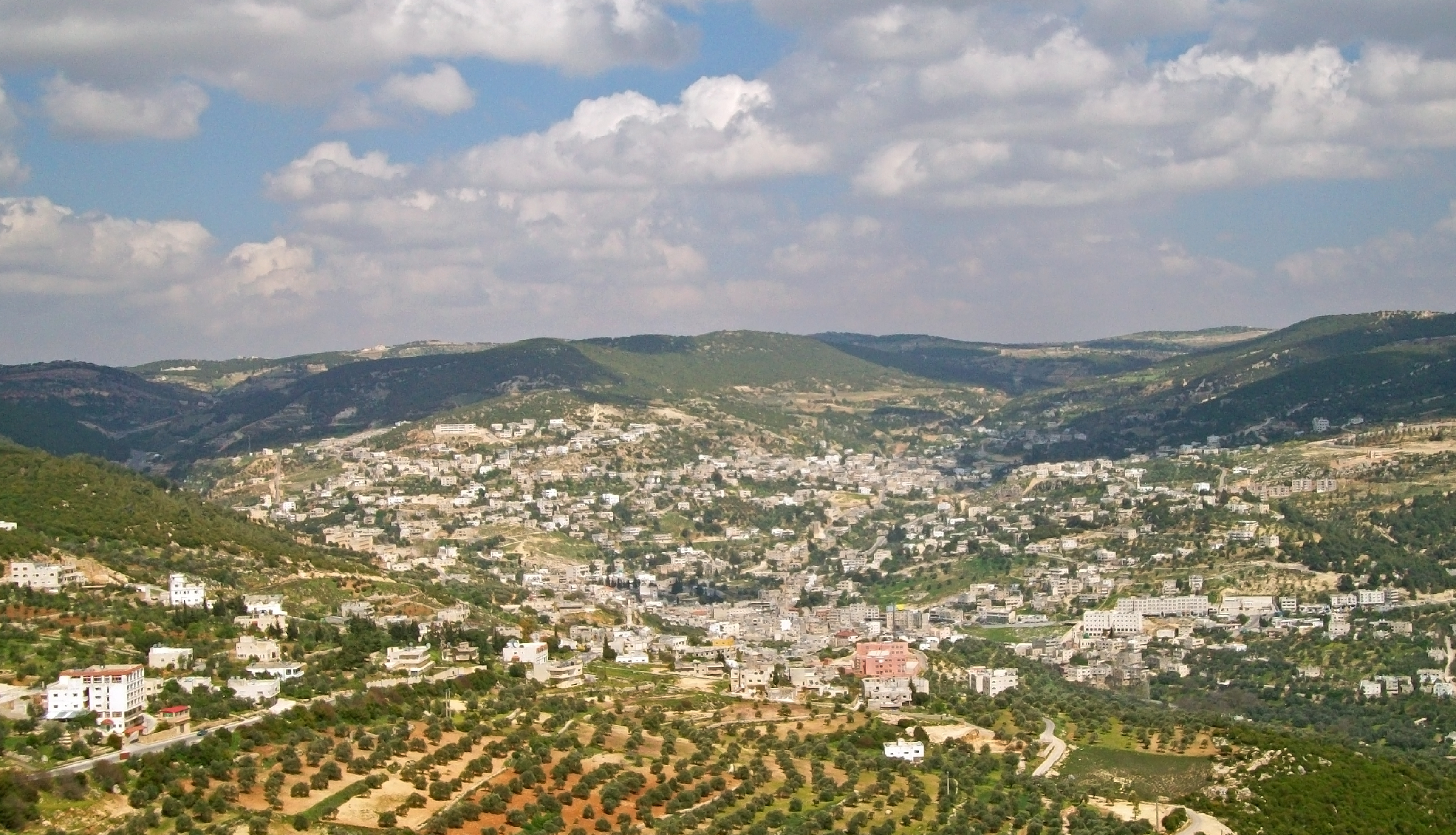
Why Ajloun is Perfect for Your Celebration
- Ajloun Castle provides a dramatic, centuries-old backdrop unique to this region
- Dense pine and oak forests create a naturally private, photogenic outdoor setting
- Cool highland climate in spring and autumn makes outdoor ceremonies genuinely comfortable
- Small-scale, intimate venue options suit close-knit gatherings and private retreats
- Proximity to Amman (roughly 75–80 km) allows guests to travel in on the day or stay locally
- Low ambient noise and minimal urban congestion give events a genuinely secluded character
Top Venues in Ajloun
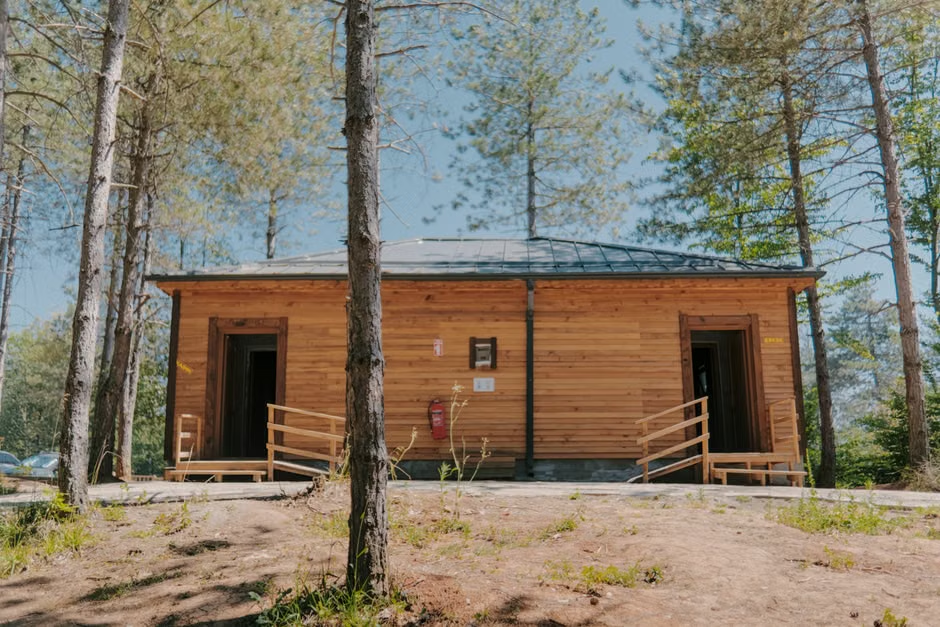
Ajloun Forest Reserve Cabins & Lodge
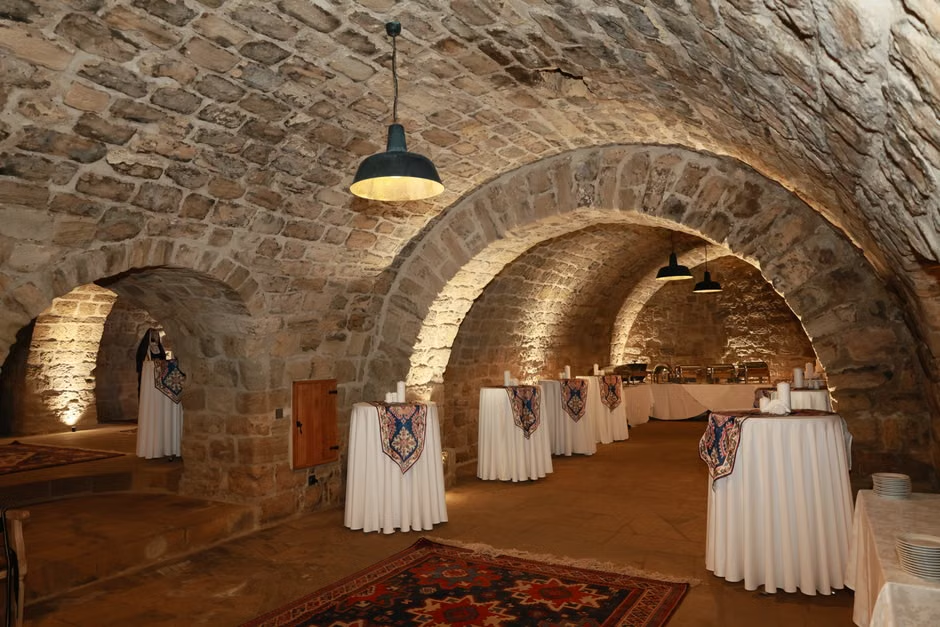
Ajloun Hotel
Compare Ajloun with Other Top Destinations
Frequently Asked Questions
Is Ajloun a good destination for a wedding?
Yes, particularly for small, intimate weddings. Ajloun suits couples who prioritise a peaceful, nature-immersed setting over large-scale event infrastructure. The forested highland landscape and proximity to Ajloun Castle create a genuinely distinctive backdrop. It works best for guest lists of roughly 100 or fewer, where the local accommodation and venue capacity is not overstretched.
What is the best time of year to hold an event in Ajloun?
April, May, June, September, and October are the curated best months. Spring brings lush greenery and mild temperatures ideal for outdoor ceremonies, while September and October offer warm, clear conditions after the summer peak. Winter months (December–February) are cold and wet, making outdoor events impractical, and July–August can be warm and crowded.
How do guests travel to Ajloun from abroad?
International guests fly into Queen Alia International Airport in Amman, then travel to Ajloun by road — a journey of roughly 75 minutes to two hours depending on traffic. There is no passenger railway or domestic airport serving Ajloun directly. Private coach or minibus hire from Amman is the most practical group travel option.
How many guests can realistically be accommodated for an event in Ajloun?
Ajloun's local accommodation inventory is small. For guests staying on-site or in the immediate area, a practical ceiling is roughly 80–120 people. Larger groups typically need to be accommodated in Amman or Jerash, with daily transfers arranged to and from Ajloun. Event planners should factor this into logistics planning from the outset.
What kinds of venues are available for events in Ajloun?
The dominant venue type is the eco-lodge or forest cabin setting, with outdoor terraces and woodland clearings as primary event spaces. The town also has a small number of independent hotels with basic function room capacity. There are no large ballroom-style or purpose-built wedding venues — the setting is intentionally rustic and nature-oriented.
Do I need to bring vendors from outside Ajloun for a wedding?
Generally, yes. Ajloun has a modest local hospitality ecosystem suited to smaller gatherings, but specialist wedding vendors — photographers, florists, lighting designers, large catering operations — are typically sourced from Amman and transported to the site. The RSCN forest reserve has its own in-house catering team, which is a practical option for events held within the reserve.
Is Ajloun safe for international guests?
Yes. Jordan has a strong general safety record, and Ajloun is considered a very safe destination for visitors. The region is a well-established eco-tourism and heritage tourism area, regularly visited by international travellers. Standard travel awareness is always advisable, but safety is not a meaningful concern for event planning purposes here.
What makes Ajloun distinctive compared to other event destinations in Jordan?
Ajloun's combination of forested highland scenery, the 12th-century Ajloun Castle, and a genuinely secluded atmosphere is rare in the region. Most of Jordan's landscape is arid; Ajloun's pine and oak woodlands offer a visually striking contrast. For couples or planners seeking privacy, natural beauty, and historic character over urban scale, it is one of the more distinctive options in the country.
Can outdoor ceremonies be held near Ajloun Castle?
Outdoor spaces near the castle are among the most visually compelling in the region, but using them for private events typically requires advance coordination with the relevant heritage and conservation authorities. Capacity is naturally constrained by the terrain. Early engagement with local authorities and a knowledgeable local planner is strongly advisable for anyone considering this option.
What is mobile and internet connectivity like in Ajloun during an event?
Connectivity in Ajloun town centre is generally adequate, but coverage within the forest reserve can be patchy and unreliable. This is a real operational consideration for day-of event coordination — particularly for vendors navigating to remote outdoor venues or guests using mapping apps. Planners should build in offline contingency communication plans for reserve-based events.

Ready to explore venues in Ajloun?
Ajloun: Destination Wedding & Celebration Venues in Jordan's Forest Highlands
◆Ajloun is a forested highland destination in northern Jordan, best suited to small, intimate weddings, private retreats, and nature-immersed celebrations. Its primary vibe is peaceful and secluded — defined by pine and oak woodlands, the historic Ajloun Castle, and a cool highland climate. The curated best season runs through spring and early autumn (April, May, June, September, October), when temperatures are mild and the landscape is at its most photogenic. Accessibility is moderate: guests typically travel by road from Amman, roughly 75–80 km away, and accommodation inventory is limited, making Ajloun most practical for smaller guest lists rather than large-scale events.
Ajloun at a Glance
| Category | Detail |
|---|---|
| Best For | Intimate Weddings, Private Retreats, Nature Ceremonies, Small Social Gatherings |
| Primary Vibe | Peaceful & Secluded |
| Other Vibes | Historic, Nature-Immersed, Rustic-Romantic |
| Best Season | Spring (Apr, May, Jun, Sep, Oct) |
Why Choose Ajloun?
- A genuinely unique historic backdrop: Ajloun Castle — a 12th-century Ayyubid fortress — provides a dramatic, photogenic landmark that few other destinations in the region can match for sheer visual impact at an outdoor ceremony or pre-event shoot.
- Natural privacy by default: The surrounding Ajloun Forest Reserve, managed by the Royal Society for the Conservation of Nature, creates a naturally enclosed, low-footfall environment. Events here feel genuinely private without requiring elaborate screening or crowd management.
- A cool, comfortable highland climate in season: At roughly 1,000–1,250 metres above sea level, Ajloun is noticeably cooler than Jordan's desert lowlands. Spring and early autumn bring mild daytime temperatures and fresh evenings — genuinely comfortable for outdoor ceremonies and al-fresco dining.
- Lush, green scenery rare in the region: Jordan is predominantly arid, making Ajloun's forested hills a visually striking contrast. The landscape is at its greenest from late winter through early summer, offering a backdrop that photographs distinctively.
- Manageable road access from Amman: The drive from Amman is typically under two hours on well-maintained roads, making day-trip attendance feasible for guests based in the capital, and reducing the logistical complexity of multi-day accommodation arrangements.
- Low ambient noise and genuine tranquillity: Unlike urban event venues, Ajloun's highland setting means minimal traffic noise, light pollution, or urban interruption — a meaningful advantage for ceremonies where atmosphere and quiet matter.
Which Celebrations Work Best in Ajloun?
- Intimate Weddings: Ajloun is particularly well-suited to small, close-knit wedding ceremonies — typically under 100 guests — where the natural setting, castle views, and forest ambience take centre stage. The destination rewards couples who prioritise atmosphere and meaning over scale and spectacle.
- Private Retreats & Pre-Wedding Gatherings: The forest reserve lodges and smaller properties work well for multi-day pre-wedding retreats, engagement celebrations, or family gatherings where a group wants to be together in a contained, scenic environment away from city noise.
- Nature Ceremonies & Eco-Conscious Events: For couples or families who want their event to reflect environmental values, Ajloun's RSCN-managed reserve setting and eco-lodge accommodation offer a genuinely credible, low-impact event environment.
- Small Social Gatherings & Milestone Celebrations: Milestone birthdays, anniversary dinners, and small corporate retreats that benefit from a distinctive, non-urban setting can work well here, particularly when the group is self-contained and not reliant on a large local hospitality infrastructure.
Venues & Event Spaces
Ajloun's venue landscape is intentionally small-scale and nature-oriented. The dominant venue type is the eco-lodge or forest cabin cluster, where outdoor terraces, woodland clearings, and open-air dining areas serve as the primary event spaces. These settings are best suited to ceremonies and dinners of modest size, typically up to around 80–100 guests, and their character is rustic-natural rather than formal-ballroom.
Beyond eco-lodges, the town of Ajloun itself has a small number of independent hotels and guesthouses with basic banquet or function room capacity. These are practical for smaller receptions or overflow accommodation but do not offer the dedicated event infrastructure — production-ready AV, large catering kitchens, or expansive lawns — that larger destination wedding venues in more developed cities provide.
Outdoor spaces near the castle and within the forest reserve are among the most visually compelling event settings in the region, but their use for private events typically requires coordination with the relevant conservation or heritage authorities, and capacity is naturally constrained by the terrain. Couples and planners should factor in early engagement with local authorities when considering these spaces.
Best Time to Celebrate
The curated best season for Ajloun events is spring and early autumn: April, May, June, September, and October. Here is why each part of that window works, and why the remaining months are less ideal:
- April and May are widely considered the peak of Ajloun's appeal. The forest is fully green after winter rains, wildflowers are present across the hillsides, and daytime temperatures are comfortably mild — typically in the mid-teens to low twenties Celsius. Evenings are cool and pleasant, making outdoor dining and ceremonies genuinely comfortable without heating or cooling equipment.
- June is still a strong month, though temperatures begin to climb toward the upper twenties. The landscape remains green in the early part of the month, and the longer daylight hours extend the usable window for outdoor events into the early evening.
- September and October mark the return of comfortable conditions after the summer peak. The heat has eased, the air is clearer, and the landscape — while drier than spring — retains a warm, golden character that photographs well. These months are particularly good for evening ceremonies.
- July and August are the least ideal summer months. While Ajloun is cooler than Jordan's lowlands, daytime temperatures can still reach the high twenties to low thirties, and the landscape is at its driest and most parched. Tourist footfall in the reserve is also at its highest, reducing the sense of seclusion.
- December through February bring genuine cold to the highlands — temperatures can drop to near or below freezing overnight, and the region receives its heaviest rainfall and occasional snow. Outdoor events are impractical, and even indoor spaces in smaller properties may lack adequate heating infrastructure for a comfortable guest experience.
- March and November are transitional shoulder months. March can be pleasant but unpredictable, with late winter rain still possible. November is generally mild and quiet, and while not in the curated best-season window, it can work for small indoor or semi-covered events with appropriate contingency planning.
Getting There & Local Connectivity
The primary gateway for international guests is Queen Alia International Airport in Amman, which is approximately 90–100 km from Ajloun town. The drive from Amman typically takes between 75 minutes and two hours depending on traffic and the specific route taken, with the road passing through or near Jerash — itself a significant archaeological site that some groups incorporate into a broader itinerary.
There is no active passenger railway serving Ajloun, and no domestic airport in the region. Road travel is the only practical option for the final leg of the journey. For groups arriving from Amman, private coach or minibus hire is the most comfortable and logistically straightforward approach, particularly for guests unfamiliar with local road conditions.
Within Ajloun itself, local transport options are limited. The town is small, and the forest reserve is a short drive from the town centre, but guests will generally need organised transfers between accommodation, the castle area, and any event venue. Self-drive is feasible for smaller groups, but for a wedding or event with multiple guest arrivals, coordinated shuttle arrangements are strongly advisable.
Mobile connectivity in the town centre is generally adequate, but coverage within the forest reserve can be patchy. Event planners should account for this when coordinating day-of logistics, particularly for vendors and guests navigating to remote outdoor venues.
Local Vendor & Hospitality Ecosystem
Ajloun's vendor ecosystem is modest relative to Jordan's larger event destinations. The region has a small but genuine hospitality infrastructure built around eco-tourism and heritage tourism, which means that catering, guiding, and basic event support services do exist locally — but the range and scale of specialist wedding vendors (florists, lighting designers, large-scale catering operations, entertainment production companies) is limited compared to Amman or Aqaba.
Most couples and event planners who choose Ajloun bring their primary vendors — photographers, caterers, decorators — from Amman, treating the destination as a scenic backdrop rather than a self-contained event industry hub. This is a well-established approach and works effectively, but it requires additional logistical planning: vendor travel time, equipment transport on winding highland roads, and accommodation for out-of-town suppliers all need to be factored in.
The RSCN-managed forest reserve has its own catering and hospitality team experienced in hosting groups, and for events held within the reserve, working with their in-house team is often the most practical and logistically smooth option. Local guesthouses and the town's independent hotels can provide basic catering for smaller gatherings.
Hospitality standards in Ajloun are warm and genuine, reflecting Jordan's broader reputation for welcoming guests, but the infrastructure is oriented toward smaller groups and nature tourism rather than large-scale event production. Planners should set expectations accordingly and build in additional lead time for sourcing and confirming vendors.
Pros & Things to Consider
Why Ajloun Works Well
- Genuinely distinctive, non-replicable setting — the castle and forest combination is unique in the region
- Natural privacy and seclusion without requiring elaborate event management
- Cool, comfortable highland climate during the best season makes outdoor events pleasant
- Lush green scenery that contrasts sharply with Jordan's predominantly arid landscape
- Manageable road access from Amman for guests and vendors
- Low ambient noise and light pollution — genuinely atmospheric for evening events
- Jordan's strong general safety record extends fully to this region
Things to Consider
- Accommodation inventory is small — a large guest list cannot be housed locally and will need to stay in Amman or Jerash, adding daily transfer logistics
- No dedicated large-scale event venues; maximum practical guest capacity for on-site events is modest
- Specialist wedding vendors must typically be sourced from Amman and transported to the site
- Mobile and internet connectivity within the forest reserve can be unreliable — a real operational consideration for day-of coordination
- Winter months (December–February) make outdoor events impractical and indoor options limited in heating capacity
- Road access, while manageable, involves winding highland routes that may be less comfortable for elderly guests or those prone to motion sickness
When Ajloun May Not Be the Right Fit
- Large guest lists: If your event involves more than roughly 100–120 guests who all need to be accommodated locally and catered for in a single venue, Ajloun's current hospitality inventory will not comfortably support it. A destination with a larger hotel base and dedicated event venues would serve better.
- Guests with significant mobility limitations: The terrain in and around the forest reserve and castle area is uneven and hilly. Guests with mobility challenges may find navigation between event spaces and accommodation genuinely difficult.
- Events planned for winter months: December through February bring cold temperatures, heavy rain, and occasional snow to the highlands. If your event dates fall in this window, Ajloun's outdoor appeal is largely unavailable and indoor alternatives are limited.
- Couples or planners expecting a full-service, on-site vendor ecosystem: If you need florists, lighting companies, entertainment production, and large-scale catering all available locally and at short notice, Ajloun will require significantly more advance planning and external sourcing than a more developed event destination would.