
Why Yokohama is Perfect for Your Celebration
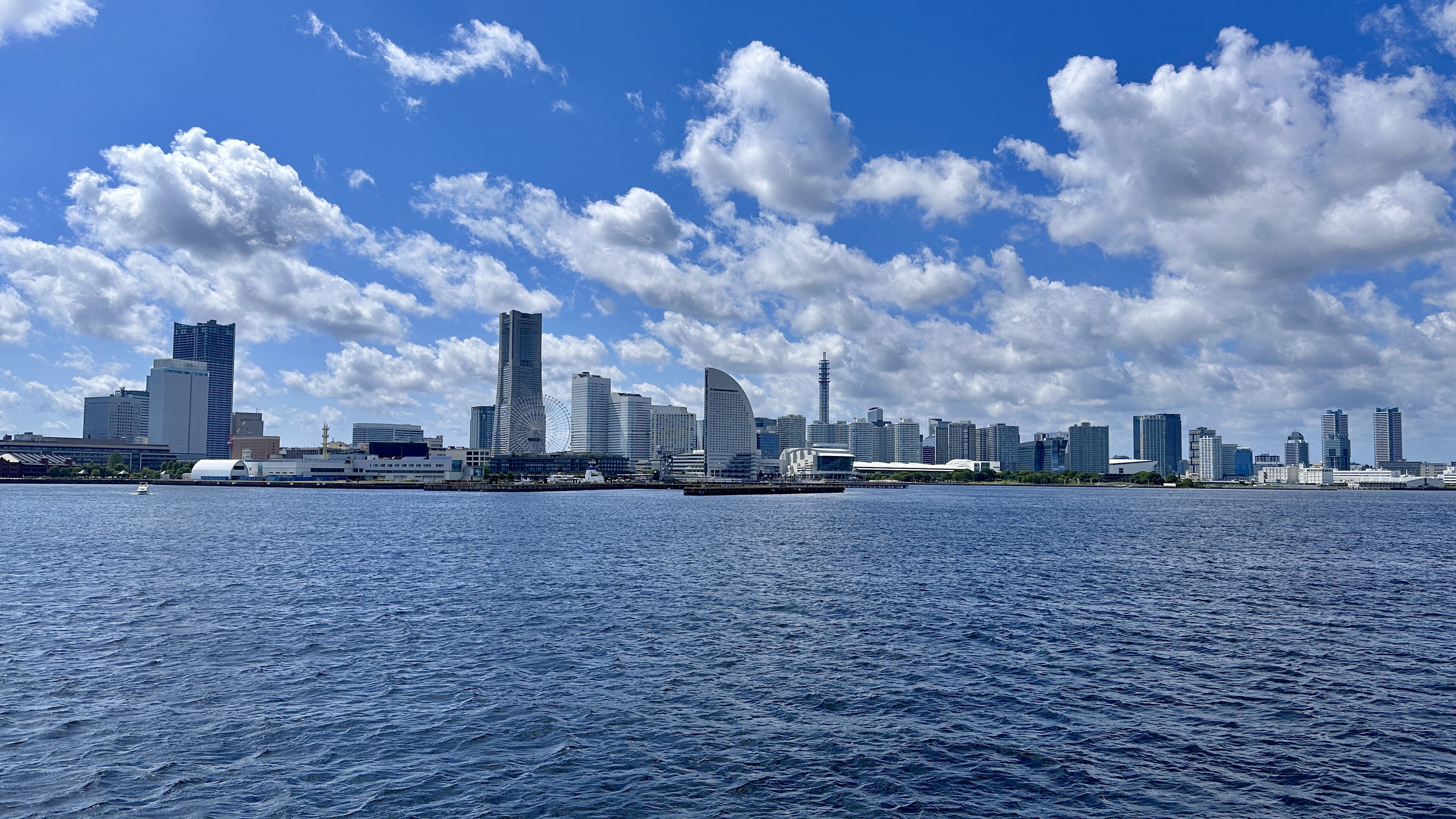
- Minato Mirai waterfront offers dramatic harbor skyline backdrops unique to Yokohama
- World-class international hotels with dedicated event and banquet infrastructure
- Yokohama Chinatown — the largest in Japan — adds a distinctive cultural dimension to celebrations
- Excellent rail and air connectivity via Haneda Airport and Shin-Yokohama Shinkansen station
- Spring cherry blossoms and autumn foliage create naturally stunning seasonal event settings
- Mature international hospitality ecosystem with multilingual staff and global catering capabilities
Top Venues in Yokohama
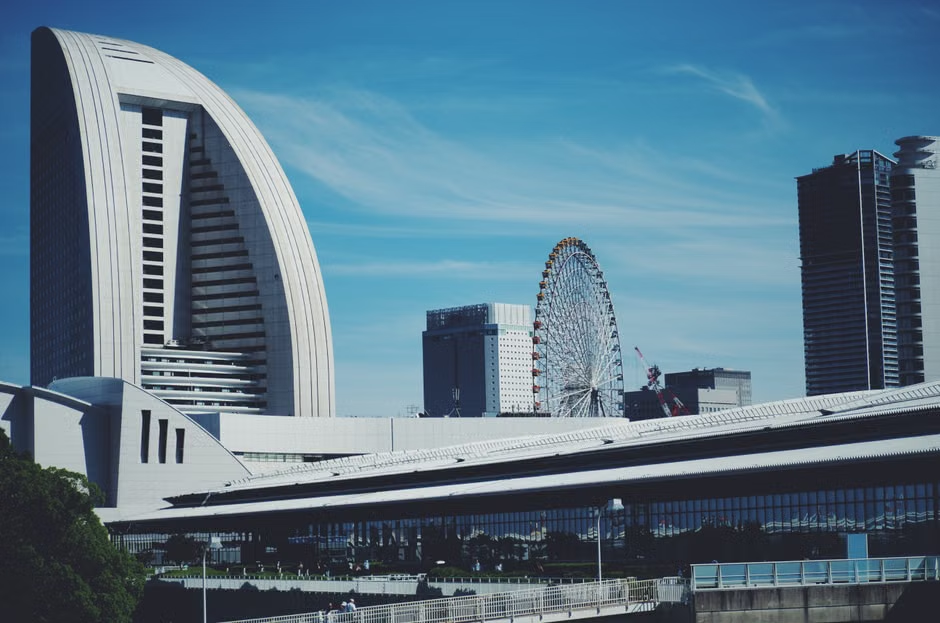
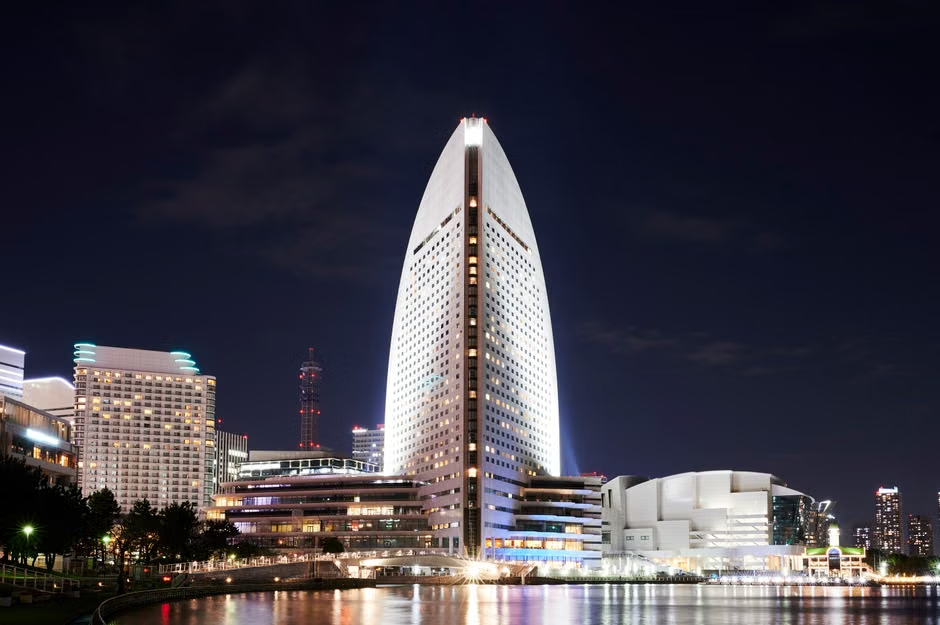
InterContinental Yokohama Grand
Yokohama Sakuragicho Washington Hotel
Sotetsu Fresa Inn Yokohama-Bashamichi
Compare Yokohama with Other Top Destinations
Frequently Asked Questions
Is Yokohama a good destination for an international wedding?
Yes. Yokohama is particularly well-suited to international weddings, especially for couples seeking a modern, cosmopolitan setting rather than a traditional Japanese aesthetic. Its major waterfront hotels have extensive experience hosting multicultural events, multilingual staff are standard in the hospitality sector, and the city's proximity to Haneda Airport makes it genuinely accessible for guests traveling from overseas.
What is the best time of year to hold a wedding or event in Yokohama?
Spring (March, April, May) and autumn (October, November) are the strongest windows. Both offer mild temperatures, low rainfall, and natural seasonal beauty — cherry blossoms in spring and foliage in autumn. June through September brings the rainy season, high humidity, and typhoon risk, making outdoor events unreliable. January and February are cold and less comfortable for outdoor ceremonies.
How easy is it for guests to travel to Yokohama from overseas?
Very easy. Haneda Airport is approximately 20 km from the city center with direct rail connections taking under 30 minutes. Narita Airport also connects via express rail, though journey times are longer. Once in Yokohama, the city's subway and rail network is reliable and frequent, and the main hotel and event district is compact enough that many guests can walk between key locations.
Can guests travel to Yokohama from other Japanese cities for an event?
Yes, straightforwardly. Shin-Yokohama Station is a dedicated Shinkansen stop, connecting directly to Tokyo, Osaka, Kyoto, Hiroshima, and other major cities. Guests from Tokyo can reach Yokohama in 25–30 minutes by ordinary express train, making day-trip attendance realistic for Tokyo-based guests who prefer not to stay overnight.
What kinds of venues are available for events in Yokohama?
Yokohama's primary event venues are large international hotel ballrooms and banquet suites in the Minato Mirai waterfront district, most with harbor views and scalable function rooms. The city also offers converted historic warehouse spaces along the waterfront with an industrial-heritage character, rooftop terraces suited to cocktail receptions, and private dining rooms in Chinatown for smaller gatherings.
How large a guest group can Yokohama's venues realistically accommodate?
The major Minato Mirai hotels can comfortably accommodate formal receptions of 200–600 guests in a single ballroom, with smaller function rooms available for more intimate events of 30–100 guests. Events requiring a single space for 1,000 or more guests may find the local inventory more constrained and should confirm capacity with venues early in the planning process.
Is Yokohama suitable for corporate events and conferences?
Yes, strongly so. Yokohama has hosted international summits, trade expos, and large corporate gatherings for decades. Its major hotels have professional AV infrastructure, dedicated event coordination teams, and experience with multilingual, multicultural delegate groups. The city's Shinkansen and airport connectivity also makes it practical for delegates traveling from across Japan or internationally.
What makes Yokohama's hospitality ecosystem well-suited to events?
Yokohama's long history as Japan's primary international port has produced a genuinely mature hospitality ecosystem. Hotel event teams are experienced with international client requirements, multilingual staff are standard, and the city's proximity to Tokyo means the full depth of Japan's event vendor market — photographers, florists, AV specialists, entertainment — is accessible within a short travel window.
Are there good guest experience options around the event venue in Yokohama?
Yes. Yokohama Chinatown — the largest in Japan — is minutes from the main hotel district and provides a distinctive dining and entertainment precinct for pre- or post-event guest experiences. The Minato Mirai waterfront, Yamashita Park, and the historic Aka Renga warehouse district are all walkable from the main event hotels and offer varied, photogenic settings for guest excursions.
How safe is Yokohama for international guests attending an event?
Very safe. Japan consistently ranks among the world's safest countries, and Yokohama reflects that standard. Infrastructure is reliable, public spaces are well-maintained, and incidents affecting tourists or event guests are rare. The main consideration for international guests is navigating Japanese-language signage outside the main hotel zone — providing guests with a pre-event information pack with transport guidance is advisable.
Is Yokohama suitable for outdoor ceremonies?
Yes, during the spring and autumn windows. The waterfront parks, hotel terraces, and garden spaces are genuinely usable and photogenic in March–May and October–November. Outside these windows, outdoor events carry meaningful weather risk — summer brings humidity, heavy rain, and typhoons, while winter temperatures make outdoor ceremonies uncomfortable. Any outdoor plan should include a clear indoor contingency.

Ready to explore venues in Yokohama?
Yokohama: Destination Wedding & Event Venues in Japan's Harbor City
◆Yokohama is Japan's second-largest city and one of its most internationally oriented event destinations, built around a dramatic harbor waterfront in Kanagawa Prefecture. Its primary strength lies in cosmopolitan, chic celebrations — corporate events, destination weddings, milestone anniversaries, and large-scale festivals — supported by world-class hotel infrastructure concentrated in the Minato Mirai district. The best seasons are spring (March through May) and autumn (October and November), when temperatures are mild and the city's parks and waterfront are at their most photogenic. Yokohama is highly accessible via Haneda Airport and the Shinkansen network, and its mature international hospitality ecosystem makes it genuinely comfortable for diverse, multilingual guest groups.
Yokohama at a Glance
| Attribute | Detail |
|---|---|
| Best For | Destination Weddings, Corporate Events, Milestone Celebrations, Festivals |
| Primary Vibe | Chic & Cosmopolitan |
| Other Vibes | Waterfront Elegance, International, Modern Urban |
| Best Season | Spring (Mar, Apr, May, Oct, Nov) |
Why Choose Yokohama?
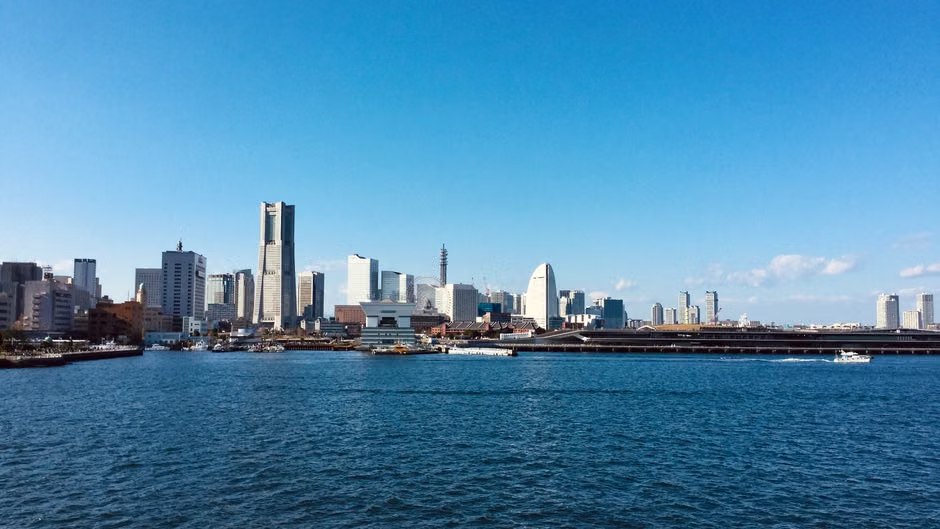
- Iconic waterfront setting: The Minato Mirai harbor district provides a skyline backdrop — the Landmark Tower, the Cosmo Clock Ferris wheel, and the bay itself — that is genuinely distinctive and difficult to replicate at any inland venue.
- World-class event infrastructure: Yokohama's major hotels have invested heavily in dedicated banquet halls, ballrooms, and outdoor terrace spaces designed for large-scale celebrations, with in-house event coordination teams experienced in international guest requirements.
- Yokohama Chinatown as a cultural asset: The largest Chinatown in Japan sits minutes from the main hotel district, offering a ready-made, atmospheric dining and entertainment precinct for pre- or post-event guest experiences that no other Japanese city can match at this scale.
- Exceptional connectivity: Haneda Airport is approximately 20 km away, Shin-Yokohama Station connects directly to the Shinkansen bullet train network, and the city's internal rail and subway system makes group movement straightforward without relying on private coaches.
- Seasonal natural beauty: Cherry blossoms in late March and April, and vivid autumn foliage in October and November, provide naturally stunning seasonal backdrops for outdoor ceremonies and photography without requiring elaborate decoration.
- International hospitality maturity: Yokohama has hosted international summits, trade expos, and large corporate gatherings for decades. Multilingual staff, global catering capabilities, and familiarity with diverse cultural requirements are genuinely embedded in the local hospitality ecosystem — not an afterthought.
Which Celebrations Work Best in Yokohama?
- Destination Weddings: Yokohama's harbor-view ballrooms and waterfront terraces suit couples seeking a modern, cosmopolitan wedding aesthetic rather than a traditional Japanese ryokan setting. The city's international character makes it particularly comfortable for mixed-nationality guest lists.
- Corporate Events & Conferences: Yokohama is among Japan's most established corporate event cities, with large convention-capable hotels, professional AV and event management vendors, and a business district infrastructure that supports everything from intimate board dinners to multi-day conferences of several hundred delegates.
- Milestone Anniversaries & Private Celebrations: The combination of fine dining, harbor views, and high-end hotel suites makes Yokohama well-suited to significant personal milestones — landmark birthdays, anniversaries, and family reunion gatherings — where the setting itself is part of the gift.
- Festivals & Cultural Events: Yokohama's own event calendar — including its famous Chinatown Lunar New Year celebrations and the Yokohama Sparkling Twilight fireworks — provides a ready-made festive atmosphere that private event organizers can align with or complement, adding a layer of city-wide energy to a private celebration.
Venues & Event Spaces
Yokohama's event venue landscape is dominated by large international hotel ballrooms and banquet suites in the Minato Mirai waterfront district, most of which offer floor-to-ceiling harbor views and purpose-built event infrastructure. These properties typically include multiple function rooms scalable from intimate dinners of 30–50 guests to formal receptions of 400–600 guests, with in-house catering, floral, and coordination services.
Beyond the major hotels, Yokohama offers a range of supplementary event spaces: historic red-brick warehouse complexes along the waterfront (the Aka Renga area) that have been converted into event and exhibition venues with a distinctive industrial-heritage character; rooftop and terrace spaces with panoramic bay views suited to cocktail receptions and sundowner events; and private dining rooms within Chinatown's larger restaurants that work well for rehearsal dinners or smaller celebratory gatherings.
Outdoor ceremony spaces are available within the hotel grounds and in nearby waterfront parks, though these are most reliably usable during the spring and autumn windows when weather is stable. The city does not have the traditional Japanese garden wedding venues found in Kyoto or Nara — Yokohama's venue character is firmly modern and cosmopolitan, which is a strength for couples and planners seeking that aesthetic and a genuine consideration for those who want a more traditional Japanese setting.
Best Time to Celebrate
The curated best seasons for Yokohama events are spring (March, April, May) and autumn (October, November), and both windows have specific, concrete advantages beyond simply "pleasant weather."
Spring brings cherry blossom season in late March and early April — Yokohama's Yamashita Park and Minato Mirai waterfront are lined with sakura trees, providing ceremony and photography backdrops that require no additional decoration. Temperatures typically range from around 10°C to 20°C, making outdoor events comfortable without the humidity that arrives later in the year. May extends the mild window with slightly warmer temperatures and reliably low rainfall.
Autumn (October and November) offers the complementary foliage season, with ginkgo and maple trees turning gold and red across the city's parks and boulevards. Temperatures are similar to spring — typically 12°C to 22°C — and the air is generally drier and clearer than in summer, making it the better of the two seasons for outdoor photography and evening terrace events.
June through September is the least suitable period. June and July bring the tsuyu rainy season, with persistent humidity and frequent heavy rain that makes outdoor events unreliable. August and September are hot (often 28°C–33°C with high humidity) and carry typhoon risk, which can disrupt travel plans for guests arriving by air. January and February are cold (occasionally dropping near or below 5°C), and while indoor events remain fully viable, outdoor ceremonies and terrace receptions are uncomfortable and logistically challenging. These months are not impossible for indoor-only events but represent a meaningful step down in guest comfort compared to the spring and autumn windows.
Getting There & Local Connectivity
Yokohama is exceptionally well-connected by Japanese standards and by international comparison. Haneda Airport (HND) is the primary gateway, approximately 20 km from the city center, with direct rail connections via the Keikyu Line that place guests at Yokohama Station in under 30 minutes. Narita Airport (NRT), further away, also connects to Yokohama via direct express rail services, though journey times are longer — typically 80–90 minutes.
Shin-Yokohama Station is a dedicated Shinkansen stop on the Tokaido and Sanyo lines, connecting Yokohama directly to Tokyo, Osaka, Kyoto, Hiroshima, and beyond. For domestic guests traveling from other Japanese cities, this makes Yokohama genuinely easy to reach without flying. The journey from central Tokyo to Yokohama by ordinary express train is approximately 25–30 minutes, meaning Tokyo-based guests can attend an event in Yokohama without requiring overnight accommodation if they prefer.
Within the city, Yokohama's subway, JR lines, and the Minato Mirai Line provide reliable, frequent connections between the main hotel district, Chinatown, Yamashita Park, and the station areas. For groups, the compact geography of the Minato Mirai district means that many guests can walk between their hotel, the ceremony venue, and the reception space — reducing dependence on private coaches for the event day itself, though coaches remain useful for airport transfers and excursions.
Local Vendor & Hospitality Ecosystem
Yokohama's vendor ecosystem is mature and internationally experienced. The city's long history as Japan's primary international port — and its continued role as a major corporate and convention destination — means that event planners will find a well-developed supply chain of florists, photographers, AV specialists, catering companies, and event management firms who are accustomed to working with international clients and diverse cultural requirements.
The major hotels in the Minato Mirai district operate largely self-contained event ecosystems, with in-house catering, decoration, and coordination teams. For planners who prefer to bring in external vendors, Yokohama's proximity to Tokyo means that the full depth of Japan's event vendor market — including internationally recognized photographers, bespoke floral designers, and specialist entertainment acts — is accessible within a short travel window.
Multilingual hospitality is a genuine strength. English is widely understood in the hotel and event sector, and the city's international character means that staff are generally more comfortable navigating non-Japanese guest requirements than in smaller or more traditionally oriented Japanese destinations. Halal, kosher, vegan, and other dietary requirement catering is available through the major hotels, though advance notice and coordination are advisable for large groups with complex requirements.
Pros & Things to Consider
Why Yokohama Works Well
- Dramatic, genuinely distinctive harbor and skyline setting that photographs exceptionally well in all lighting conditions
- World-class hotel ballrooms and event spaces with professional in-house coordination teams
- Outstanding connectivity — Haneda Airport, Shinkansen access, and Tokyo proximity make guest travel straightforward
- Mature, internationally experienced vendor ecosystem with multilingual capability
- Yokohama Chinatown provides a unique, ready-made cultural dining and entertainment precinct for guest experiences
- Spring cherry blossoms and autumn foliage create naturally beautiful seasonal backdrops at no additional cost
- Very high safety standards and reliable infrastructure — power, transport, and communications disruptions are rare
Things to Consider
- Cost tier: Yokohama is a premium Japanese city destination. Hotel accommodation, catering, and vendor services are priced at international urban rates — this is not a destination where significant savings are easily found compared to smaller Japanese cities or other Asian destinations.
- Venue aesthetic: Yokohama's dominant venue character is modern and cosmopolitan. Couples or planners seeking traditional Japanese aesthetics — tatami rooms, ryokan settings, traditional garden ceremonies — will find the options here more limited than in Kyoto or Nara.
- Summer weather risk: The June–September window carries genuine typhoon and heavy rain risk that can affect travel and outdoor plans. Events in this period should have robust indoor contingency arrangements.
- Language barrier for independent guests: While hotel staff are multilingual, guests navigating the city independently may encounter Japanese-only signage and menus outside the main tourist areas — worth flagging in guest communications and pre-event information packs.
- Scale ceiling for very large events: While Yokohama's major hotels can accommodate several hundred guests comfortably, events requiring 1,000+ guests in a single space may find the local inventory more constrained than in Tokyo's larger convention facilities.
When Yokohama May Not Be the Right Fit
- Traditional Japanese wedding aesthetic: If the couple's vision centers on a traditional Japanese ceremony in a historic garden, shrine, or ryokan setting, Yokohama's modern cosmopolitan character means it is not the strongest match — Kyoto or Nara would typically serve that vision better.
- Very large-scale events (1,000+ guests): Yokohama's hotel and venue inventory is well-suited to events up to several hundred guests, but very large gatherings requiring a single space for 1,000 or more may find the local options more limited than in Tokyo's dedicated convention infrastructure.
- Outdoor-focused summer events: If the event concept relies heavily on outdoor spaces and the dates fall between June and September, Yokohama's typhoon season and high humidity make this a genuinely risky choice without robust indoor alternatives built into the plan.
- Guests with very limited international travel experience: While Yokohama is exceptionally safe and well-organized, guests who are unfamiliar with Japan's transport system or who do not have access to translation support may find independent navigation more challenging than in destinations with more English-language infrastructure outside the hotel zone.