
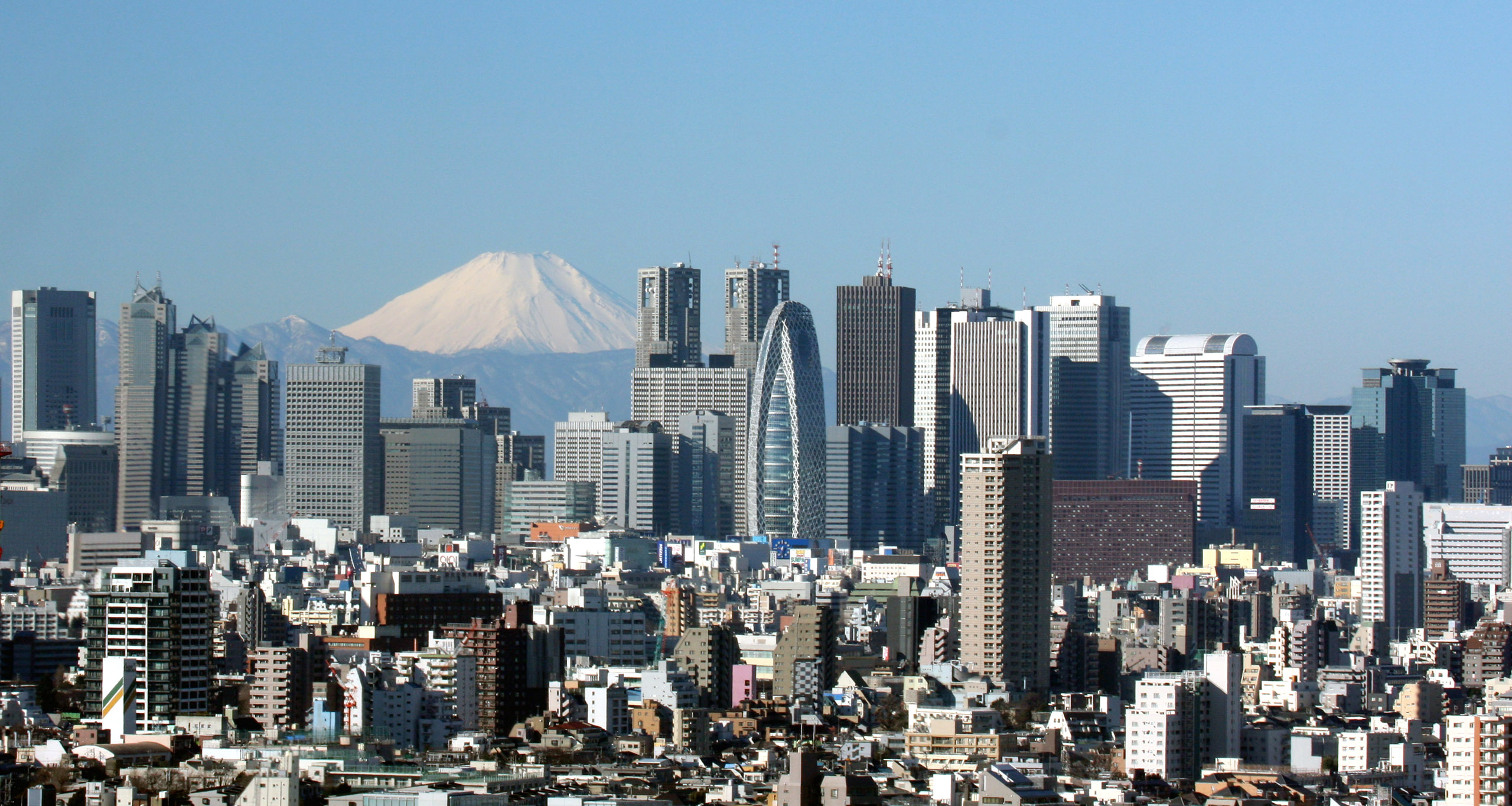
Why Tokyo is Perfect for Your Celebration
- Unmatched venue diversity — from rooftop sky lounges and modern ballrooms to traditional Japanese garden settings
- Cherry blossom season (late March–April) and autumn foliage (October–November) provide naturally spectacular event backdrops
- Two major international airports (Haneda and Narita) with direct flights from across Asia, Europe, and North America
- World-class hospitality brands — including multiple internationally recognised luxury hotel groups — with dedicated event planning teams
- Highly mature vendor ecosystem: professional florists, caterers, photographers, and AV specialists experienced with international events
- Exceptional public transport infrastructure makes guest movement across the city seamless, even for large groups
Compare Tokyo with Other Top Destinations
Frequently Asked Questions
Is Tokyo a good destination for an international wedding?
Yes. Tokyo is particularly well-suited to sophisticated, mid-sized destination weddings where quality, cultural distinctiveness, and guest experience take priority. The city's luxury hotel sector offers dedicated wedding planning teams, high-calibre catering, and a range of ceremony settings — from rooftop ballrooms to Japanese garden spaces. It works best for guest lists of roughly 20–300, where the city's intimate-to-mid-scale venue inventory is strongest.
What guest group sizes can Tokyo venues realistically accommodate?
Tokyo's event venues comfortably accommodate groups from small and intimate (20–50 guests) up to several hundred. Larger hotel ballrooms and convention-adjacent properties can handle 500–1,000 guests for corporate or gala formats. For weddings specifically, the city's most distinctive venues — rooftop spaces, garden settings, boutique hotel chapels — tend to be best suited to groups of 20–250, where the setting's character is most effectively experienced.
Which airports serve Tokyo, and how easy is it for international guests to arrive?
Tokyo is served by two major international airports: Haneda (closer to the city center, with direct rail links in under 30 minutes) and Narita International (handling high volumes of long-haul traffic, connected by the Narita Express in approximately 50–90 minutes). Both airports have extensive international connections across Asia, Europe, North America, and beyond, making Tokyo one of the most accessible event destinations in the Asia-Pacific region.
When is the best time of year to hold a wedding or event in Tokyo?
Spring (March–May) and autumn (October–November) are the strongest windows. Spring offers cherry blossom season — particularly late March to mid-April — with mild temperatures and spectacular natural scenery. Autumn brings vivid foliage and clear, comfortable weather. Both seasons are heavily booked, so early planning is essential. Summer (June–September) is hot, humid, and typhoon-prone, making it the least suitable period for events with outdoor components.
How far in advance should I book a Tokyo venue for a spring cherry blossom event?
For cherry blossom season (late March to mid-April), booking 12–18 months in advance is strongly advisable for top-tier venues. This is one of the most heavily demanded periods in the Japanese hospitality calendar, and the most sought-after hotel event spaces and garden settings are frequently committed well over a year ahead. Autumn (October–November) is also popular but generally allows slightly more flexibility.
What kinds of event spaces are available in Tokyo?
Tokyo offers a wide range of event spaces: grand hotel ballrooms with panoramic city views, intimate Japanese garden settings within hotel grounds, rooftop terraces in Roppongi and Shibuya, waterfront venues along Tokyo Bay, heritage-listed buildings in Marunouchi, and private dining rooms within the city's world-class restaurant scene. For larger corporate events, purpose-built convention facilities are also available within the broader metropolitan area.
How easy is it for guests to get around Tokyo once they arrive?
Very easy. Tokyo's metro and rail network is one of the most extensive and punctual in the world, with English-language signage throughout. Virtually every neighbourhood relevant to events and accommodation is well-connected. Taxis and chartered coaches are readily available for groups. For guests arriving from other Japanese cities, the Shinkansen bullet train provides fast, reliable connections from Osaka, Kyoto, and beyond.
Do I need a local coordinator or DMC to plan an event in Tokyo?
For events managed entirely through a single luxury hotel, the in-house events team is generally sufficient and experienced with international clients. For multi-vendor events — or for planners who are not Japanese-speaking — engaging a bilingual event coordinator or a destination management company (DMC) with Tokyo expertise is strongly advisable. English proficiency among independent vendors outside the luxury hotel sector can be variable.
Can Japanese cultural elements be incorporated into a Tokyo wedding or event?
Yes, and this is one of Tokyo's genuine strengths as an event destination. Traditional tea ceremonies, ikebana floral arrangements, taiko drumming performances, Shinto-influenced ceremony elements, and kaiseki multi-course dining can all be arranged through experienced local vendors and hotel event teams. Incorporating these elements gives Tokyo events a distinctive cultural identity that is difficult to replicate in other destinations.
Is Tokyo safe for international guests attending a wedding or corporate event?
Yes. Tokyo is consistently ranked among the world's safest major cities, with very low crime rates, reliable emergency services, and excellent medical infrastructure. For event planners hosting international guests — particularly those unfamiliar with Japan — this is a meaningful practical advantage. The city's public spaces, transport network, and hospitality venues all operate to high safety and hygiene standards.
What makes Tokyo's food and catering offering distinctive for events?
Tokyo holds more Michelin stars than any other city in the world, and this quality extends into its event catering. Hotel kitchens at top properties can deliver traditional Japanese kaiseki menus, contemporary fusion formats, and fully international cuisine at a consistently high level. Dietary requirements — vegetarian, vegan, halal, kosher — are increasingly well-accommodated, though advance communication with the venue is important to ensure proper preparation.
Are there any genuine limitations to consider when planning a Tokyo event?
Yes. Tokyo is a premium-cost destination, and venue, accommodation, and vendor fees reflect a high-cost urban market. Large-scale outdoor event spaces are limited by the city's urban density — outdoor elements work best as complements to indoor venues rather than primary settings. Summer typhoon risk (August–September) can disrupt travel plans. And for peak spring dates, venue availability can be extremely tight without 12–18 months of advance planning.

Ready to explore venues in Tokyo?
Tokyo: Destination Wedding & Event Venues in Japan's Cosmopolitan Capital
◆Tokyo is one of Asia's most capable and versatile event destinations, combining world-class luxury hotel infrastructure with deeply distinctive Japanese cultural aesthetics. It suits destination weddings, corporate conferences, milestone celebrations, and curated festival-style events particularly well. The city's best event seasons are spring (March–May, for cherry blossoms) and autumn (October–November, for foliage), with summer months being hot, humid, and typhoon-prone. Guest accessibility is exceptional — two major international airports and an unrivalled rail network make Tokyo reachable from virtually anywhere. The hospitality ecosystem is mature, professional, and internationally experienced, though the destination sits at a premium cost tier and requires careful advance planning.
Tokyo at a Glance
| Category | Detail |
|---|---|
| Best For | Destination Weddings, Corporate Events, Milestone Celebrations, Festival-Style Gatherings |
| Primary Vibe | Chic & Cosmopolitan |
| Other Vibes | Cultural & Traditional, Modern & Sleek, Intimate & Refined |
| Best Season | Spring (Mar, Apr, May, Oct, Nov) |
Why Choose Tokyo?
- Extraordinary venue diversity: Tokyo offers an unusually wide spectrum of event spaces — from sky-high ballrooms with panoramic city views and intimate Japanese garden settings to contemporary art-gallery venues and traditional ryokan-style spaces, all within a single metropolitan area.
- Iconic seasonal backdrops: Cherry blossom season (late March to mid-April) and autumn foliage (late October to mid-November) provide naturally spectacular, photogenic environments that are genuinely difficult to replicate elsewhere in the world.
- Unmatched international accessibility: Haneda Airport operates close to the city center with extensive international routes, while Narita International Airport handles a high volume of long-haul traffic. The Shinkansen bullet train network connects Tokyo to Osaka, Kyoto, and other major Japanese cities in a matter of hours.
- Mature, internationally experienced hospitality sector: Tokyo's hotel and event industry has decades of experience hosting large-scale international events, including G7 summits and global corporate gatherings, meaning vendor quality, multilingual service, and logistical precision are consistently high.
- Safety and infrastructure reliability: Tokyo is consistently ranked among the world's safest major cities, with highly reliable public transport, low crime rates, and excellent medical infrastructure — all meaningful factors when hosting guests from abroad.
- Cultural depth as an event differentiator: Incorporating elements of Japanese culture — traditional tea ceremonies, ikebana floral arrangements, taiko drumming, or kaiseki dining — gives Tokyo events a genuinely distinctive character that guests remember long after the occasion.
Which Celebrations Work Best in Tokyo?
- Destination Weddings: Tokyo suits couples seeking a sophisticated, cosmopolitan wedding with a strong cultural identity. Garden ceremonies beneath cherry blossoms, rooftop receptions with skyline views, and intimate chapel settings within luxury hotels are all genuinely available. The city works particularly well for smaller to mid-sized wedding parties (typically up to 200–300 guests) where quality and experience take precedence over sheer scale.
- Corporate Events & Conferences: Tokyo is a natural fit for international corporate gatherings. The city's convention infrastructure, multilingual hospitality staff, and concentration of globally recognised hotel brands with dedicated MICE (Meetings, Incentives, Conferences, Exhibitions) teams make it one of Asia's leading corporate event destinations.
- Milestone Celebrations (Anniversaries, Birthdays, Reunions): The combination of world-class dining, cultural experiences, and luxury accommodation makes Tokyo an exceptional setting for significant personal milestones. Private dining rooms in Michelin-starred restaurants, exclusive rooftop gatherings, and curated cultural experiences can all be arranged for smaller, high-touch celebrations.
- Festival-Style & Cultural Events: Tokyo's own rich calendar of seasonal festivals — from hanami (cherry blossom viewing) gatherings in spring to autumn matsuri — provides a natural framework for event planners who want to weave local cultural programming into a larger celebration. The city's creative and entertainment industries also support bespoke festival-format events with strong production values.
Venues & Event Spaces
Tokyo's event venue landscape is among the most varied of any city in Asia. At the luxury end, the city's internationally branded hotels offer grand ballrooms, sky-level event floors with floor-to-ceiling city views, and dedicated wedding chapels — many with in-house event planning teams experienced in both Western-style and Shinto-influenced ceremonies. Several of these properties also feature traditional Japanese garden spaces that can be used for outdoor ceremonies or cocktail receptions during the spring and autumn seasons.
Beyond hotel ballrooms, Tokyo offers a range of distinctive standalone event spaces: rooftop terraces in Roppongi and Shibuya, waterfront venues along Tokyo Bay, heritage-listed buildings in the Marunouchi district, and intimate private dining rooms within the city's extraordinary restaurant scene. For larger corporate or festival-format events, purpose-built convention centers in areas such as Odaiba and Makuhari (within the broader Tokyo metropolitan area) provide substantial capacity with modern technical infrastructure.
Outdoor event spaces — particularly garden settings within hotel grounds or public parks — are most viable during the spring and autumn windows. The city's urban density means that truly expansive outdoor lawns are less common than in resort destinations, but curated garden settings within hotel properties and select public spaces more than compensate during the right season.
Best Time to Celebrate
The curated best season for Tokyo events is spring (March, April, May) and autumn (October, November), and both windows have distinct, concrete advantages beyond simply "pleasant weather."
Spring (March–May) is defined by cherry blossom season, which typically peaks in late March to mid-April in central Tokyo. This is arguably the most visually spectacular time to hold an outdoor ceremony or garden reception anywhere in Japan. Temperatures are mild (typically 10°C–20°C), rainfall is moderate, and the city has an energetic, celebratory atmosphere. May extends the pleasant conditions after the blossoms have fallen, with warmer temperatures and lower humidity than summer.
Autumn (October–November) brings vivid foliage — ginkgo trees turning gold along Meiji Jingu Gaien and maples reddening across the city's parks — creating a different but equally striking natural backdrop. Temperatures are comfortable (typically 12°C–22°C), skies are generally clear, and the post-summer humidity has dissipated. October and November are widely considered the most reliably comfortable months for outdoor events in Tokyo.
Summer (June–September) is genuinely challenging for events. June and July bring the tsuyu (rainy season), with persistent humidity and frequent heavy rain. August is hot and intensely humid, with temperatures regularly exceeding 33°C. September carries typhoon risk, which can disrupt travel plans and outdoor events with little warning. Outdoor celebrations during this period require robust contingency planning.
Winter (December–February) is cold and dry, with temperatures sometimes dropping below 5°C. While indoor events remain entirely viable, outdoor ceremonies and garden receptions are uncomfortable for most guests, and the city's natural scenery is at its least dramatic. January and February in particular offer little of the seasonal spectacle that makes Tokyo's best months so distinctive.
Getting There & Local Connectivity
Tokyo is served by two major international airports. Haneda Airport sits close to the city center and is connected to central Tokyo by direct rail links in under 30 minutes, making it the more convenient option for guests arriving from within Asia and on select long-haul routes. Narita International Airport handles a larger volume of long-haul international traffic and is connected to central Tokyo by the Narita Express (N'EX) and Keisei Skyliner rail services, with journey times of approximately 50–90 minutes depending on the destination station.
Once in Tokyo, guest movement is exceptionally straightforward. The city's metro and rail network is one of the most extensive and punctual in the world, covering virtually every neighbourhood relevant to events and accommodation. For groups, taxis and chartered coaches are readily available, and the city's road infrastructure — while congested during peak hours — is well-managed. English-language signage is widespread across the transport network, reducing navigation friction for international guests unfamiliar with Japanese.
For guests travelling from other parts of Japan, the Shinkansen bullet train network connects Tokyo to Osaka (approximately 2.5 hours), Kyoto (approximately 2 hours 15 minutes), and other major cities, making it straightforward for domestic guests to attend a Tokyo-based event without flying.
Local Vendor & Hospitality Ecosystem
Tokyo's event vendor ecosystem is mature, internationally oriented, and operates to consistently high standards. The city's luxury hotel sector employs dedicated wedding and events coordinators — many of whom are experienced in managing multilingual, multicultural guest lists — and in-house catering teams capable of delivering both Japanese kaiseki menus and international cuisine at a high level.
Independent vendors — florists, photographers, videographers, lighting and AV specialists, entertainment producers — are abundant and generally experienced with international clients. The city's creative industries are sophisticated, and bespoke event production (including large-scale floral installations, custom lighting design, and live entertainment) is well-supported by a deep local talent pool.
One practical consideration is language: while English proficiency among hospitality professionals in Tokyo's luxury sector is generally good, it can be more variable among smaller independent vendors. Engaging a bilingual event coordinator or a destination management company (DMC) with Tokyo expertise is strongly advisable for international couples or corporate planners who are not Japanese-speaking, particularly for complex multi-vendor events.
Food and beverage quality in Tokyo is exceptional by any global standard — the city holds more Michelin stars than any other city in the world — and catering options range from traditional Japanese multi-course formats to contemporary fusion and fully international menus. Dietary accommodation (vegetarian, vegan, halal, kosher) is increasingly well-handled by the city's top hotel kitchens, though advance communication is important.
Pros & Things to Consider
Why Tokyo Works Well
- Genuinely world-class luxury hotel infrastructure with dedicated, experienced event teams
- Cherry blossom and autumn foliage seasons provide naturally spectacular, irreplaceable event backdrops
- Exceptional international accessibility via two major airports and the Shinkansen network
- One of the world's safest major cities — meaningful reassurance for international guests
- Extraordinary food and beverage quality, with the world's highest concentration of Michelin-starred restaurants
- Rich cultural programming options (tea ceremony, ikebana, taiko, traditional arts) that give events a genuinely distinctive identity
- Highly reliable infrastructure — transport, utilities, communications — with minimal risk of logistical disruption
Things to Consider
- Premium cost tier: Tokyo is among the more expensive event destinations in Asia. Venue hire, accommodation, catering, and vendor fees reflect a high-cost urban market, and this should be factored into planning from the outset.
- Language barrier for independent planning: Outside the luxury hotel sector, English proficiency can be inconsistent. Independent planning without a bilingual coordinator or DMC carries real logistical risk.
- Limited large-scale outdoor space: Tokyo's urban density means expansive outdoor lawns and open-air event grounds are less available than in resort or countryside destinations. Outdoor elements are best treated as complementary to indoor venues rather than the primary setting.
- Seasonal weather risk: The summer typhoon season (particularly August–September) can disrupt travel plans with limited warning. Even within the best seasons, spring rain and autumn temperature drops can affect outdoor event comfort.
- Advance booking essential: Cherry blossom season in particular is one of the most heavily booked periods in the Japanese hospitality calendar. Venues and accommodation at top properties can be fully committed 12–18 months in advance for peak spring dates.
When Tokyo May Not Be the Right Fit
- Large-scale outdoor weddings: Couples envisioning a sprawling outdoor lawn ceremony with hundreds of guests in an open countryside or beachside setting will find Tokyo's urban venue landscape a poor match. The city's outdoor event spaces are generally intimate and garden-scale rather than expansive.
- Summer events with significant outdoor components: Any event planned for June through September that relies on outdoor spaces faces genuine risk from heat, humidity, and typhoons. If the event concept is fundamentally outdoor-dependent and the dates are fixed in summer, Tokyo is not the strongest choice.
- Guests with very limited international travel experience: While Tokyo is exceptionally safe and well-organised, the language barrier and cultural unfamiliarity can be disorienting for guests who have rarely travelled internationally. Destinations with more English-language saturation may be more comfortable for such groups.
- Events requiring very large single-venue capacity in a traditional or heritage setting: Tokyo's luxury hotel ballrooms are well-suited to mid-sized events, but couples or planners seeking a single heritage palace or fort venue accommodating 1,000+ guests in a traditional setting will find the city's inventory less suited to that specific brief.