
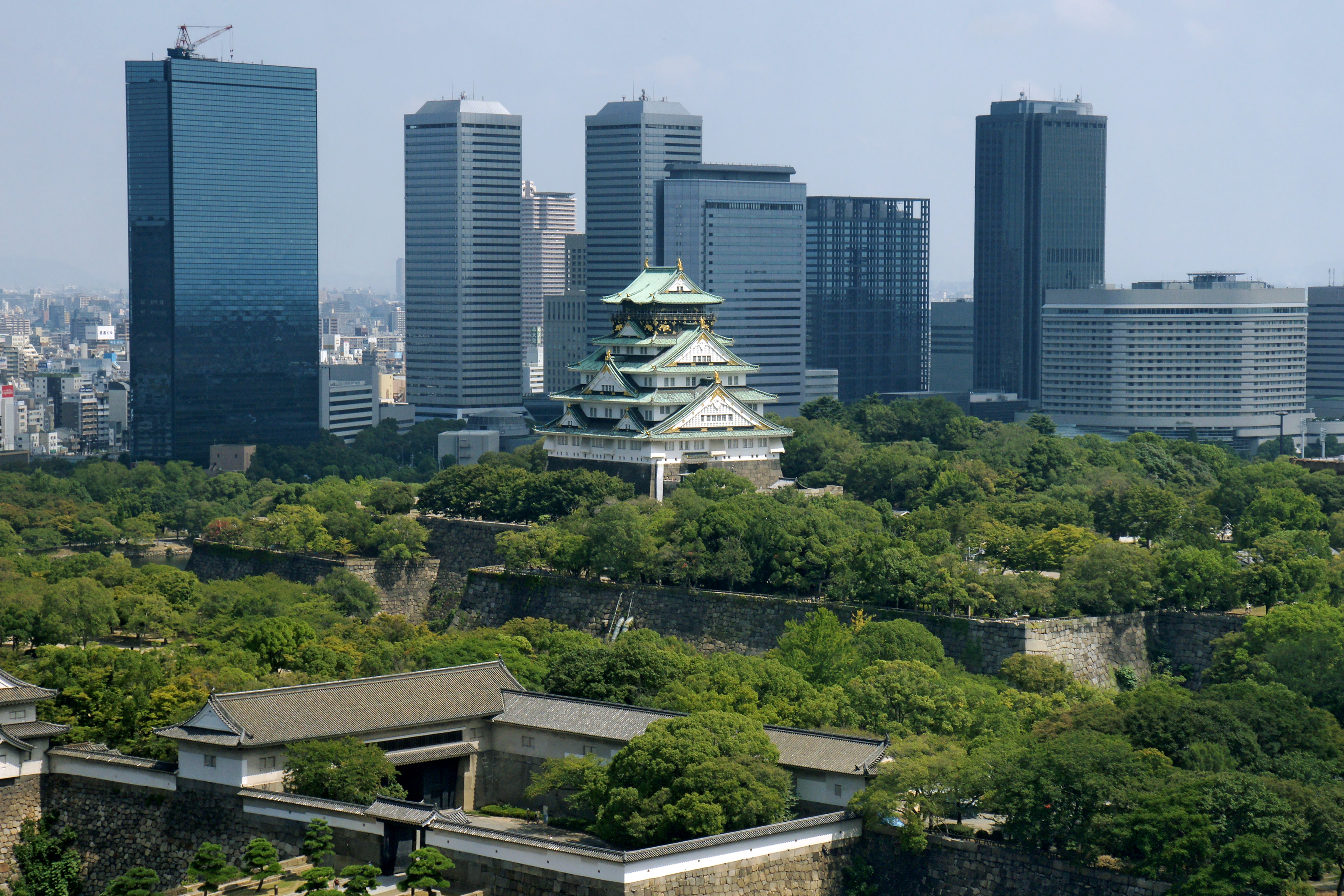
Why Osaka is Perfect for Your Celebration
- World-class hotel infrastructure with major international luxury brands concentrated in the city center
- Osaka Castle Park and riverside venues offer iconic, uniquely Japanese outdoor event settings
- Cherry blossom season (late March–April) and autumn foliage (October–November) create spectacular natural backdrops
- Dotonbori and Namba districts provide unmatched group dining, entertainment, and post-event experiences
- Shin-Osaka Shinkansen hub connects guests from Tokyo, Kyoto, Hiroshima, and beyond in under 3 hours
- Mature MICE and corporate event ecosystem with dedicated convention centers and experienced international event vendors
Compare Osaka with Other Top Destinations
Frequently Asked Questions
Is Osaka a good destination for corporate events and incentive travel?
Yes. Osaka is particularly well-suited to corporate events and incentive travel. The city has a mature MICE infrastructure, with internationally branded luxury hotels offering purpose-built conference and banquet facilities, experienced local event vendors, and strong international flight connectivity via Kansai International Airport. The city's culinary culture and entertainment districts also provide memorable group experiences beyond the event programme itself.
What is the best time of year to hold an event in Osaka?
Spring (March, April, May) and autumn (October, November) are the best periods. Spring brings cherry blossom season — particularly late March to early April — which transforms parks and riverside spaces into spectacular event backdrops. Autumn offers crisp, dry weather and vivid foliage. Both seasons have mild, comfortable temperatures. Summer (June–September) should be avoided due to heat, humidity, and typhoon risk.
How easy is it for international guests to travel to Osaka?
Very easy. Kansai International Airport (KIX) receives direct flights from major hubs across Asia, Europe, North America, and Oceania. Domestically, Shin-Osaka Station connects guests from Tokyo in approximately two and a half hours by Shinkansen, and from Kyoto in under fifteen minutes. The city's public transport network is extensive, reliable, and multilingual, making it straightforward for international guests to navigate independently.
What kinds of venues are available for events in Osaka?
Osaka offers luxury hotel ballrooms and banquet halls (concentrated in Umeda and Namba), standalone private dining and event spaces in the Nakanoshima riverside precinct, outdoor and semi-outdoor settings in Osaka Castle Park and along the Okawa River (best in spring and autumn), and large-scale convention and exhibition facilities in the Sakishima area for major conferences. The range suits groups from fifty to several hundred guests.
How large a guest group can Osaka realistically accommodate for an event?
Osaka can comfortably accommodate events ranging from intimate gatherings of fifty guests to large corporate conferences or receptions of several hundred. Major hotel ballrooms in the Umeda and Namba districts can host several hundred guests in a single space. For very large conventions, the Intex Osaka exhibition centre handles significantly larger delegate numbers. Hotel room inventory across the city is substantial, supporting large group accommodation needs.
Is Osaka suitable for a destination wedding?
Yes, particularly for smaller, contemporary-style weddings. Osaka suits couples seeking a culturally rich Japanese urban setting rather than a traditional resort or heritage palace experience. Hotel ballrooms and private dining venues can host intimate ceremonies and receptions with a distinctly Japanese aesthetic. The city is less suited to very large, multi-function traditional wedding programmes that require dedicated outdoor ceremony grounds or multi-day resort-style settings.
What makes Osaka's local hospitality and vendor ecosystem strong for events?
Osaka has a long history as a commercial hub, and its event vendor ecosystem reflects this — experienced destination management companies, AV and lighting specialists, multilingual interpreters, florists, and entertainment agencies are well established. The city's culinary reputation means catering and private dining options are genuinely exceptional. Major international hotel brands maintain dedicated events teams experienced with complex international group programmes.
Can guests easily move around Osaka during a multi-day event programme?
Yes. Osaka's subway and rail network is one of the most comprehensive in Asia, with multilingual signage and IC card payment making it accessible to first-time visitors. Taxis are plentiful and metered. For group transfers, private coach hire is widely available. The central districts — Umeda, Namba, Shinsaibashi, and Nakanoshima — are also walkable between key venues, simplifying logistics for multi-venue programmes.
Are there good excursion options for guests attending an event in Osaka?
Yes. Osaka's location in the Kansai region makes it an excellent base for cultural excursions. Kyoto is reachable in under fifteen minutes by Shinkansen, Nara in under an hour, and Kobe in approximately thirty minutes. Osaka itself offers Osaka Castle, the Dotonbori entertainment district, and Kuromon Ichiba market as group experience options. These excursions are commonly integrated into multi-day corporate and celebration programmes.
What should event planners know about working with vendors in Osaka?
Major international hotels and established destination management companies in Osaka are experienced with international clients and typically offer English-language coordination. Smaller, independent local vendors may have more limited English capability, so working through a local DMC or the hotel's in-house events team is advisable for groups without Japanese-language support. Japan's planning norms and lead times differ from Western contexts — earlier booking is generally recommended, especially for spring cherry blossom season.
Is Osaka safe for international guests attending a celebration?
Yes. Osaka consistently ranks among the safest major cities in the world. Crime rates are very low, public spaces are well-maintained, and the local culture is notably respectful toward visitors. International guests — including those travelling alone or in small groups for pre- or post-event sightseeing — can move around the city with a high degree of confidence. Emergency services and hospital facilities are of a high standard.

Ready to explore venues in Osaka?
Osaka: Destination Wedding & Event Venues in Japan's Festive Capital
◆Osaka is Japan's most energetic urban destination for corporate events, milestone celebrations, festivals, and destination gatherings. Its primary vibe is Vibrant & Festive — shaped by a world-famous food culture, neon-lit entertainment districts, and a genuinely warm local character. The city suits corporate conferences, brand activations, anniversary celebrations, and group cultural experiences particularly well. The best seasons are spring (March–May) and autumn (October–November), when the weather is mild and the city's parks and riverside spaces are at their most visually spectacular. Osaka is highly accessible via Kansai International Airport and the Shinkansen rail network, and its mature hospitality infrastructure means large international groups are well catered for across a wide range of venue types.
Osaka at a Glance
| Category | Detail |
|---|---|
| Best For | Corporate Events, Milestone Celebrations, Festival Gatherings, Cultural Experiences |
| Primary Vibe | Vibrant & Festive |
| Other Vibes | Urban & Contemporary, Culinary & Cultural |
| Best Season | Spring (Mar, Apr, May, Oct, Nov) |
Why Choose Osaka?
- Iconic seasonal backdrops: Cherry blossom season in late March and April transforms Osaka Castle Park and riverside promenades into extraordinary natural event settings, while October and November bring vivid autumn foliage across the city's parks and temple grounds.
- World-class hotel and venue density: Osaka's Umeda, Nakanoshima, Namba, and Shinsaibashi districts host a high concentration of internationally branded luxury hotels, each with dedicated banquet and event facilities capable of handling large, complex group programmes.
- Unmatched culinary culture: Osaka is globally recognised as Japan's food capital — a genuine differentiator for event planners, since group dining experiences, private chef collaborations, and street food tours form a natural and memorable part of any celebration itinerary here.
- Exceptional transport connectivity: Kansai International Airport receives direct flights from across Asia, Europe, and North America. The Shin-Osaka Shinkansen station connects guests from Tokyo in approximately two and a half hours, from Kyoto in under fifteen minutes, and from Hiroshima in under an hour — making multi-city guest assembly straightforward.
- Mature MICE and events ecosystem: Osaka has hosted major international conventions and corporate events for decades. Local vendors, destination management companies, interpreters, AV specialists, and catering teams with international event experience are readily available.
- Safety and ease of navigation: Osaka consistently ranks among the world's safest major cities, with extensive multilingual signage, reliable public transport, and a hospitality culture that makes international guests feel genuinely welcomed and well-supported.
Which Celebrations Work Best in Osaka?
- Corporate conferences and incentive travel: Osaka's convention infrastructure, luxury hotel meeting facilities, and strong international flight connections make it a natural fit for regional headquarters events, incentive group trips, and multi-day corporate programmes. The city's entertainment and dining options give corporate groups a genuinely memorable experience beyond the conference room.
- Milestone and anniversary celebrations: Landmark birthdays, anniversaries, and family reunion gatherings benefit from Osaka's combination of high-quality private dining venues, cultural excursion options (Osaka Castle, Dotonbori, Namba), and the city's inherently festive atmosphere.
- Festival-style group events: Osaka's own cultural calendar — including the Tenjin Matsuri festival in July and various seasonal events — provides a rich backdrop for groups who want to integrate local culture into their celebration. Spring cherry blossom hanami (flower-viewing) gatherings are particularly popular with international groups.
- Destination weddings (smaller, intimate scale): While Osaka is not a traditional wedding destination in the way of a resort island or heritage palace city, it suits couples seeking a contemporary, culturally rich Japanese wedding experience. Hotel ballrooms and private dining venues can accommodate intimate ceremonies and receptions with a distinctly Japanese aesthetic.
- Brand activations and product launches: The city's urban energy, media infrastructure, and concentration of creative and hospitality talent make it a strong choice for brand-facing events targeting the Japanese or broader Asian market.
Venues & Event Spaces
Osaka offers a genuinely diverse range of event venue types suited to different celebration styles and group sizes. The most prominent category is luxury hotel ballrooms and banquet halls, concentrated in the Umeda/Kita and Namba/Chuo districts — these are purpose-built for large events, with professional in-house catering, AV infrastructure, and dedicated event coordination teams. Several properties offer multiple ballroom configurations, allowing planners to scale from intimate gatherings of fifty guests to large receptions of several hundred.
Beyond hotel venues, Osaka has a growing number of standalone event spaces and private dining venues — particularly in the Nakanoshima riverside precinct and the Kitahama area — that suit smaller, more curated celebrations. These spaces often feature contemporary Japanese interior design and can be fully privatised for group use.
Outdoor and semi-outdoor settings are available primarily during the spring and autumn seasons. Osaka Castle Park's grounds, riverside terraces along the Okawa River, and rooftop spaces at several city-centre hotels are popular for cocktail receptions and pre-dinner gatherings when the weather cooperates. These settings are particularly sought after during cherry blossom season.
For large-scale corporate events and conventions, Osaka also has dedicated convention and exhibition centre facilities in the Sakishima/Intex Osaka area, capable of hosting very large delegate numbers with full technical support infrastructure.
Best Time to Celebrate
The curated best season for events in Osaka is spring (March, April, May) and autumn (October, November) — and both windows have distinct, concrete advantages beyond simply "pleasant weather."
Spring (March–May) is defined by cherry blossom season, which typically peaks in late March to early April in Osaka. This transforms outdoor spaces — particularly Osaka Castle Park, the Okawa River banks, and Kema Sakuranomiya Park — into visually extraordinary settings that are genuinely difficult to replicate at any other time of year. Temperatures during this period are typically mild (roughly 10°C–20°C), making outdoor receptions and garden-style events comfortable. May is slightly warmer and drier, and remains an excellent month for events once the blossom crowds have thinned.
Autumn (October–November) brings crisp, dry weather and vivid foliage across the city's parks and temple grounds. October is particularly reliable — warm enough for outdoor evening events, with low rainfall and clear skies. November sees temperatures drop further but remains comfortable for daytime events and indoor celebrations with outdoor photo opportunities.
Summer (June–September) is the least suitable period for events. June marks the start of the rainy season (tsuyu), bringing persistent humidity and rainfall. July and August are hot and intensely humid, with temperatures regularly exceeding 35°C — conditions that make outdoor events impractical and can be uncomfortable even for indoor-focused programmes. September carries typhoon risk, which can disrupt travel plans for international guests.
Winter (December–February) is cold by Japanese standards, with temperatures sometimes dropping below 5°C. While indoor events remain fully viable, the cold limits outdoor elements and the city's parks lose much of their visual appeal. January and February are the quietest months for tourism, which can mean better hotel availability, but the overall atmosphere is less festive than the spring and autumn peaks.
Getting There & Local Connectivity
Osaka is one of the most accessible cities in Asia for international guests. Kansai International Airport (KIX) serves the city with direct flights from major hubs across Asia, Europe, North America, and Oceania. The airport is connected to the city centre by the Haruka Express train, making the journey manageable even for guests arriving with luggage. A second airport, Itami (Osaka International Airport), handles domestic Japanese routes and is closer to the city centre, offering convenient connections for guests travelling from Tokyo, Sapporo, Fukuoka, and other Japanese cities.
Shin-Osaka Station is the city's Shinkansen hub, placing Osaka within approximately two and a half hours of Tokyo, fifteen minutes of Kyoto, and under an hour of Hiroshima. For events drawing guests from across Japan, this rail connectivity is a significant practical advantage — many guests will prefer the Shinkansen to flying for journeys under three hours.
Within the city, Osaka's subway and rail network is extensive, reliable, and easy to navigate even for first-time visitors, thanks to multilingual signage and IC card payment systems. Taxis are plentiful and metered. For group transfers between venues, hotels, and the airport, private coach hire is widely available and commonly used by event planners. The city's compact central districts (Umeda, Namba, Shinsaibashi, Nakanoshima) are also walkable between key venues, which simplifies logistics for multi-venue event programmes.
Local Vendor & Hospitality Ecosystem
Osaka has one of the most developed hospitality and event vendor ecosystems in Japan. The city's long history as a commercial and trade hub means that professional event management companies, destination management organisations (DMOs), and specialist vendors — including florists, AV and lighting specialists, entertainment agencies, and multilingual interpreters — are well established and experienced with international client requirements.
The catering and food and beverage ecosystem is a particular strength. Osaka's reputation as Japan's culinary capital means that private dining experiences, bespoke banquet menus, and curated food-and-drink programmes are genuinely exceptional here. Hotels and standalone venues alike can draw on a deep pool of culinary talent, and the city's restaurant scene provides strong options for group dinners and informal social events.
International luxury hotel brands operating in Osaka maintain dedicated events and catering teams with experience handling large, complex international group programmes — including multilingual coordination, dietary accommodation, and cultural sensitivity for diverse guest groups. This reduces the planning burden for organisers who may not have prior experience working in Japan.
One practical consideration is that English-language vendor communication, while generally available at major hotels and established event companies, can be more limited among smaller, independent local vendors. Working with a local destination management company or a hotel's in-house events team is advisable for groups without Japanese-language capability on their planning team.
Pros & Things to Consider
Why Osaka Works Well
- Exceptional international flight and Shinkansen rail connectivity makes guest assembly from across Asia and beyond straightforward
- High concentration of internationally branded luxury hotels with purpose-built event facilities in the city centre
- Cherry blossom and autumn foliage seasons provide genuinely spectacular, hard-to-replicate natural backdrops for spring and autumn events
- World-class culinary culture elevates group dining and social event experiences well above the average destination
- Very high safety standards and ease of navigation for international guests, including those visiting Japan for the first time
- Mature MICE ecosystem with experienced international event vendors and destination management companies
- Proximity to Kyoto (15 minutes by Shinkansen) and Nara (under an hour) allows for culturally rich day-trip excursions as part of a multi-day event programme
Things to Consider
- Summer months (June–September) are genuinely unsuitable for outdoor events due to heat, humidity, and typhoon risk — event planners must commit firmly to spring or autumn windows
- Cherry blossom season (late March–early April) is also peak tourist season, meaning hotel availability tightens significantly and advance booking lead times are longer than at other times of year
- Japan's cultural and logistical norms differ meaningfully from Western or South Asian event planning contexts — working with a local DMC or experienced in-country coordinator is strongly advisable rather than planning remotely
- English-language communication with smaller, independent local vendors can require additional coordination effort; major hotels mitigate this but independent venue options may need interpreter support
- Osaka is a large, urban city — it does not offer the secluded resort or heritage palace atmosphere that some celebration styles call for; groups seeking privacy and exclusivity in a natural or heritage setting may find the urban environment less suited to their vision
When Osaka May Not Be the Right Fit
- Outdoor-focused events planned for summer: Groups with a strong preference for outdoor ceremonies, garden receptions, or open-air dining should avoid June through September. The heat, humidity, and typhoon risk during this period make outdoor event planning genuinely unreliable, and no amount of contingency planning fully substitutes for a different season or destination.
- Guests requiring a secluded, resort-style or heritage setting: Osaka is a dense, modern urban environment. Couples or groups seeking the atmosphere of a private island resort, a heritage palace, or a countryside retreat will find that Osaka's strengths lie elsewhere — the city excels at urban energy and cultural richness, not seclusion or natural landscape immersion.
- Very large-scale traditional wedding ceremonies: While Osaka's hotel ballrooms can accommodate substantial guest lists, the city does not have the same tradition of large-scale destination wedding infrastructure (dedicated wedding resorts, outdoor mandap settings, multi-day ceremony grounds) found in some other Asian destinations. Groups planning very large, multi-function traditional wedding programmes may find the venue typology limiting.
- Groups with limited international travel experience or complex visa situations: Japan's entry requirements and cultural norms require more advance preparation than some other Asian destinations. Groups where a significant proportion of guests face complex visa processes or have limited international travel experience may find the logistical overhead higher than anticipated — this is worth factoring into the planning timeline.