
Why Okinawa is Perfect for Your Celebration
- Ocean-view wedding chapels and beachfront ceremony spaces unique to Okinawa's resort belt
- Distinct Ryukyuan cultural elements — traditional music, Sanshin performances, and local cuisine — add authentic character to celebrations
- Subtropical climate means outdoor ceremonies are genuinely viable across spring and autumn months
- Well-developed resort corridor along the central and northern coasts offers a range of intimate to mid-scale event venues
- Strong direct air links from Tokyo, Osaka, and several Asian cities make guest travel straightforward
- Island setting naturally encourages multi-day celebration itineraries, combining the event with snorkeling, island-hopping, and cultural excursions

Compare Okinawa with Other Top Destinations
Frequently Asked Questions
Is Okinawa a good destination for a wedding?
Yes. Okinawa is widely regarded as Japan's premier destination wedding location. Its ocean-view chapels, beachfront ceremony lawns, and mature resort hospitality infrastructure make it particularly well-suited to romantic, scenic weddings. The island's distinct Ryukyuan cultural identity also gives celebrations an authentic character that generic resort destinations cannot replicate.
What is the best time of year to hold a wedding or celebration in Okinawa?
April, May, October, and November are the curated best months. April and May offer warm, pre-typhoon conditions with lush greenery, while October and November deliver the island's clearest skies, most stable weather, and comfortable temperatures after typhoon season ends. These months consistently provide the most reliable conditions for outdoor ceremonies.
How do guests typically travel to Okinawa for a destination event?
Most guests fly into Naha Airport (OKA), which has direct connections from Tokyo, Osaka, Nagoya, Fukuoka, Seoul, Taipei, and Hong Kong. The flight from Tokyo takes approximately 2.5 hours. From the airport, chartered coaches or hotel shuttles are the standard way to reach resort areas, as the island has no island-wide rail network.
How many guests can Okinawa's resort venues realistically accommodate?
Most resort event spaces in Okinawa are best suited to intimate to mid-scale celebrations — typically 30 to 300 guests. Larger resort ballrooms can stretch to around 350 guests. For very large events exceeding 400 guests, the local venue inventory may become a constraint, and planners should assess availability carefully.
What kinds of event spaces are available in Okinawa?
Okinawa's event landscape is dominated by resort-based spaces: dedicated ocean-view wedding chapels, beachfront ceremony lawns, resort ballrooms, poolside terraces, and private villa settings. Standalone banquet halls and urban convention spaces exist in Naha but lack the coastal scenery that makes Okinawa distinctive as a celebration destination.
Is Okinawa suitable for events other than weddings?
Yes. Beyond weddings, Okinawa works well for honeymoons and romantic anniversary celebrations, milestone birthday gatherings (particularly for groups of 20–80 guests), and corporate incentive retreats where the island setting itself is part of the experience. The intimate island scale suits events where keeping the group cohesive and immersed is a priority.
What makes Okinawa culturally distinctive as a celebration destination?
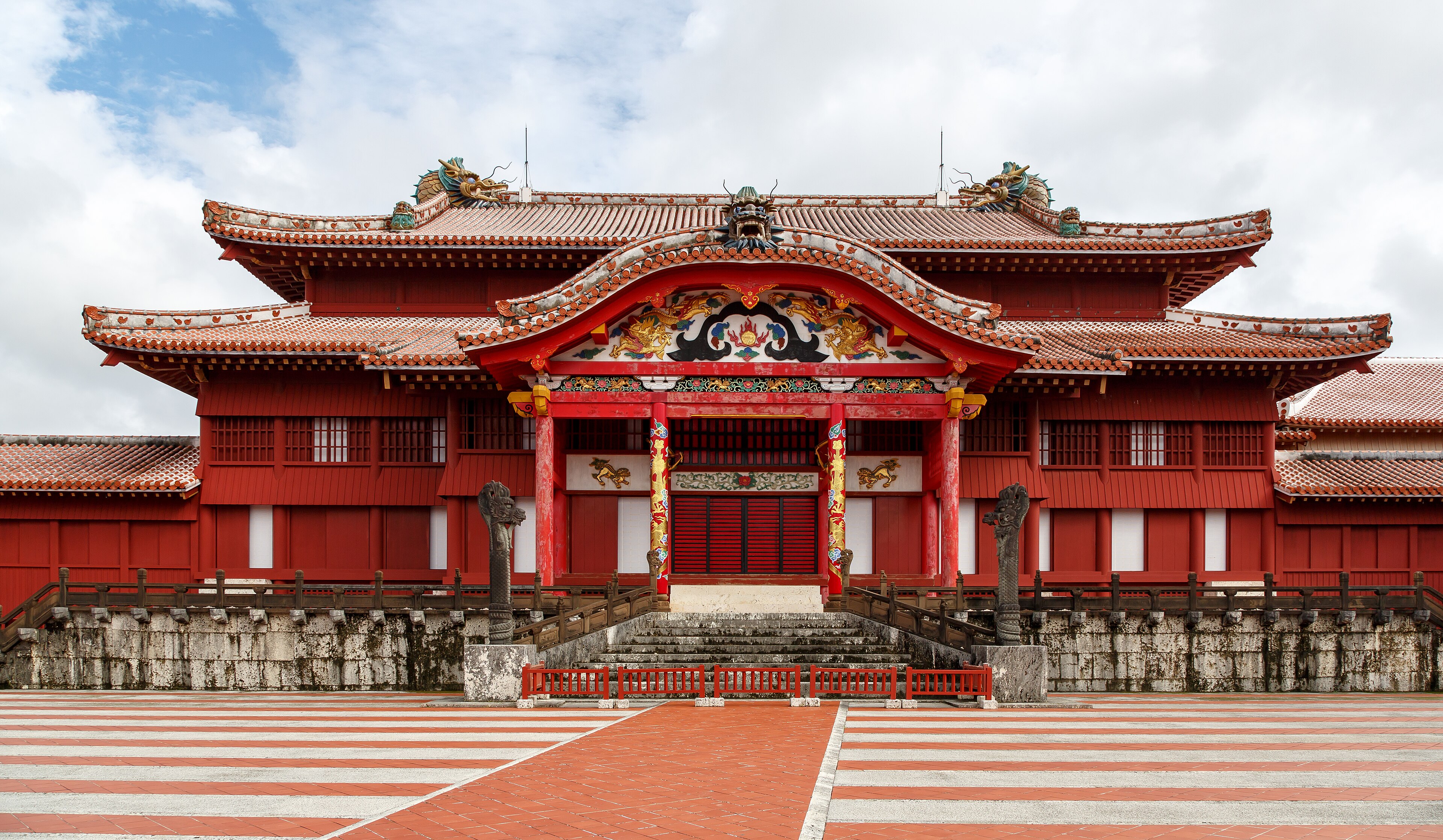
Okinawa has a living Ryukyuan cultural heritage separate from mainland Japanese culture. Celebrations can incorporate Sanshin music performances, Eisa dance troupes, Ryukyuan cuisine (including local dishes and awamori rice spirit), and visits to sites like Shuri Castle. These elements give events an authentic, memorable character that is genuinely specific to this island.
How does local transport work for a guest group once they arrive in Okinawa?
The Yui Rail monorail covers central Naha only and is not useful for reaching resort areas. For event groups, chartered coaches, hotel shuttle services, and rental cars are the practical options. The main expressway makes the drive from Naha Airport to the central resort corridor (Onna Village, Nago) approximately 45–60 minutes under normal conditions.
What is the typhoon risk for events in Okinawa, and how should planners account for it?
Typhoon risk is real and significant from June through September. Okinawa sits directly in the western Pacific typhoon corridor and typically receives multiple typhoon-strength systems per year. Planners booking events in this period should secure comprehensive travel insurance, confirm indoor contingency spaces with their venue, and build flexibility into guest travel arrangements.
Is English widely spoken among Okinawa's event vendors and hospitality staff?
At the major international resort properties, English-language support is generally available, particularly from dedicated wedding coordination teams. Outside these properties — among smaller local florists, caterers, and entertainment vendors — English fluency is less consistent. Working through a resort's in-house coordination team or a bilingual event planner is advisable for international couples.
Can guests combine a celebration in Okinawa with visits to nearby islands?
Yes, and this is one of Okinawa's genuine strengths as a destination. The Kerama Islands (a short ferry ride away), Miyako Island, and Ishigaki Island are popular additions to a celebration itinerary. These require additional domestic flights or ferry transfers, so they work best as pre- or post-event extensions rather than same-day excursions for a full guest group.

Ready to explore venues in Okinawa?
Okinawa: Destination Wedding & Celebration Venues in Japan's Tropical Islands
◆Okinawa is Japan's subtropical island prefecture and one of Asia's most distinctive destination wedding locations, combining coral-sea beachfronts, ocean-view chapels, and a living Ryukyuan cultural heritage. It suits romantic ceremonies, intimate destination weddings, honeymoon extensions, and milestone birthday celebrations particularly well. The curated best season runs through April, May, October, and November — months that offer warm, sunny conditions without the typhoon risk of summer. Guests typically fly directly into Naha Airport, which has solid connections from major Japanese cities and several Asian hubs. The island's resort corridor is mature and professionally run, though the overall scale of event infrastructure is more intimate than a major mainland city.
Okinawa at a Glance
| Attribute | Detail |
|---|---|
| Best For | Destination Weddings, Honeymoons, Romantic Anniversaries, Milestone Birthdays |
| Primary Vibe | Romantic & Dreamy |
| Other Vibes | Tropical, Coastal, Culturally Distinct, Relaxed Island |
| Best Season | Spring (Apr, May, Oct, Nov) |
Why Choose Okinawa?
- Ocean-view ceremony spaces found nowhere else in Japan: Okinawa's resort belt is home to dedicated wedding chapels perched above coral reefs and open-sea panoramas — a setting that is genuinely rare and highly photogenic.
- Ryukyuan cultural authenticity: Unlike generic tropical resort destinations, Okinawa offers a distinct indigenous culture — traditional Sanshin music, Eisa dance performances, Ryukyuan cuisine, and castle ruins — that can be woven meaningfully into a celebration's programme.
- Manageable island scale for intimate events: The island's size means that a guest group can be accommodated within a single resort or a small cluster of nearby properties, keeping the group cohesive and logistics simple.
- Mature resort hospitality infrastructure: International hotel brands with dedicated wedding coordination teams operate across the central Onna Village and Chatan resort corridors, providing professional event management in English and Japanese.
- Natural multi-day itinerary potential: Snorkeling, island-hopping to Kerama or Miyako, Shuri Castle visits, and local food tours give guests a genuinely rich programme around the main event, making the trip feel worthwhile for those travelling from afar.
- Strong air connectivity for an island destination: Naha Airport receives direct flights from Tokyo (Haneda and Narita), Osaka, Nagoya, Fukuoka, Seoul, Taipei, and Hong Kong, making it accessible for both Japanese domestic guests and international attendees.
Which Celebrations Work Best in Okinawa?
- Destination Weddings: Okinawa is arguably Japan's premier destination wedding location. The combination of beachfront ceremony spaces, ocean chapels, and resort reception facilities makes it a natural fit for couples who want a scenic, travel-worthy wedding rather than a conventional banquet hall event.
- Honeymoons & Romantic Anniversaries: The island's intimate resort character, coral-sea diving, and unhurried pace make it an excellent choice for couples celebrating privately after a wedding elsewhere, or marking a significant anniversary.
- Milestone Birthday Celebrations: Smaller milestone birthdays — typically groups of 20 to 80 guests — work well here, particularly when the host wants to combine the celebration with a genuine travel experience for guests.
- Corporate Incentive Retreats & Small Conferences: Several of the larger resort properties have meeting and banquet facilities suited to incentive travel groups and small corporate retreats, where the island setting itself is part of the reward.
Venues & Event Spaces
Okinawa's event venue landscape is dominated by resort properties rather than standalone banquet halls or urban convention centres. The central resort corridor — running roughly from Chatan northward through Onna Village to Nago — concentrates the island's strongest event infrastructure. Within this corridor, guests will find:
- Dedicated wedding chapels: Many resorts operate purpose-built chapels with floor-to-ceiling ocean views, accommodating intimate ceremonies of 20 to 80 guests in a highly curated setting.
- Beachfront ceremony lawns: Open-air lawn spaces directly adjacent to the beach, suited to sunset ceremonies and cocktail receptions with the sea as a backdrop.
- Resort ballrooms and banquet halls: For larger receptions, several properties offer indoor ballroom spaces that can accommodate 100 to 350 guests with full catering and AV support.
- Poolside and terrace spaces: Outdoor terraces and pool decks are commonly used for cocktail hours, pre-dinner gatherings, and smaller celebration dinners.
- Private villa and suite settings: A small number of properties offer villa-style accommodation with private outdoor spaces, suited to very intimate celebrations or honeymoon-style events.
Naha city itself, in the south, has urban hotel properties with banquet facilities, though these lack the scenic coastal character that makes Okinawa distinctive as a celebration destination. Most event planners focus on the central and northern resort belt for destination events.
Best Time to Celebrate
The curated best season for Okinawa events is April, May, October, and November — and the reasoning is specific to the island's subtropical climate pattern.
April and May offer warm temperatures (typically 22°C–27°C), low rainfall relative to summer, and the island's famous cherry blossoms in early spring (though Okinawa's cherry season actually peaks in January–February, the broader spring period brings lush greenery and clear seas). Humidity is rising but not yet oppressive, and typhoon risk is minimal. These months are among the most reliably pleasant for outdoor ceremonies.
October and November are widely considered the island's finest months. The typhoon season (which peaks in August and September) has typically passed, temperatures settle into a comfortable 23°C–27°C range, humidity drops noticeably, and the sea remains warm enough for water activities. Visibility for snorkeling and diving is excellent. These months consistently deliver the clearest skies and most stable conditions of the year.
June through September should generally be avoided for outdoor events. June marks the start of the rainy season (tsuyu), bringing persistent rain and high humidity. July through September is typhoon season — Okinawa sits directly in the western Pacific typhoon corridor, and a significant storm can disrupt travel, damage outdoor setups, and force last-minute venue changes. This is not a theoretical risk; Okinawa receives multiple typhoon-strength systems in an average year.
January through March are cooler and frequently overcast, with temperatures dropping to 15°C–20°C. While not cold by mainland Japanese standards, the grey skies and occasional cold fronts make outdoor beach ceremonies less reliable, and the sea is too cool for comfortable swimming. These months are workable for indoor events but are not the island's strongest period for the scenic outdoor celebrations it is best known for.
Getting There & Local Connectivity
The primary gateway is Naha Airport (OKA), located in the south of the main island. It is well-served by domestic carriers from Tokyo, Osaka, Nagoya, and Fukuoka, and by international routes from Seoul, Taipei, Hong Kong, and other Asian cities. Flight time from Tokyo is approximately 2.5 hours, making it accessible for Japanese domestic guests without requiring an overnight stay en route.
Once on the island, the Okinawa Urban Monorail (Yui Rail) covers central Naha only and is of limited use for guests heading to resort areas. The practical reality for event groups is that road transport is essential — chartered coaches, hotel shuttle services, and rental cars are the standard means of moving between the airport, Naha, and the resort corridor. The main expressway running north from Naha makes the drive to Onna Village (the heart of the resort belt) approximately 45–60 minutes under normal conditions.
For guests attending events on the outer islands (Miyako, Ishigaki, or the Kerama group), additional domestic flights or ferry transfers are required. These are manageable but add a logistical layer that event planners should account for when designing the guest travel programme.
Local Vendor & Hospitality Ecosystem
Okinawa has a well-developed wedding and events vendor ecosystem, particularly within the resort corridor. International hotel brands operating on the island typically have in-house wedding coordination teams experienced in managing both Japanese domestic and international destination weddings. English-language support is generally available at the major resort properties, though it becomes patchier at smaller local vendors.
Local catering draws on Okinawan cuisine — champuru stir-fries, Okinawa soba, rafute pork, and awamori rice spirit — which can be incorporated into reception menus as a genuine cultural touch rather than a generic Japanese offering. Florists, photographers, and entertainment vendors (including Sanshin musicians and Eisa dance troupes) are available and accustomed to working within resort event frameworks.
For very large events (300+ guests), the local vendor pool may require supplementing with specialists brought in from mainland Japan, particularly for high-end floral design, large-scale production, or niche entertainment. This is a manageable consideration rather than a barrier, but it is worth factoring into planning timelines.
Pros & Things to Consider
Why Okinawa Works Well
- Genuinely unique ocean-view ceremony settings that are difficult to replicate elsewhere in Japan
- Distinct Ryukyuan cultural identity adds authentic, memorable character to celebrations
- Mature resort hospitality infrastructure with professional wedding coordination
- Strong domestic air connectivity makes it accessible for Japanese guests from most major cities
- Island scale keeps guest groups cohesive and the overall experience immersive
- Rich surrounding activities (diving, island-hopping, cultural sites) make the trip genuinely worthwhile for guests travelling from afar
- Very safe destination with low crime and high service standards
Things to Consider
- Typhoon season (June–September) creates real weather risk for outdoor events — travel insurance and contingency indoor plans are essential if booking outside the curated best season
- Road transport dependency means group logistics require careful coordination; there is no island-wide rail network to fall back on
- The island's intimate scale means very large events (400+ guests) may strain the available accommodation and venue inventory within a single area
- International guests from outside Asia face a longer journey — Okinawa is not a hub airport, and most non-Asian international travellers will connect through Tokyo or another major Asian city
- Language can be a consideration for vendors outside the major resort properties; English fluency is not universal across the local supplier ecosystem
When Okinawa May Not Be the Right Fit
- Large-scale events requiring 400+ guests under one roof: Okinawa's resort venues are well-suited to intimate and mid-scale celebrations, but the island does not have the convention-centre-scale infrastructure of a major mainland city. Very large guest lists may find the local venue inventory limiting.
- Events planned during typhoon season (June–September) with a strong preference for outdoor settings: If outdoor beach or lawn ceremonies are non-negotiable and the event date falls in summer, Okinawa's typhoon exposure creates a genuine risk that a different destination would not carry.
- Guest groups with a majority of long-haul international travellers from outside Asia: While Okinawa is accessible from within Asia, guests flying from Europe, the Americas, or the Middle East will face a multi-leg journey. If minimising travel burden for a predominantly non-Asian international guest list is a priority, a more centrally connected destination may serve better.
- Celebrations seeking a dense urban backdrop or heritage architecture: Okinawa's strength is coastal and natural. Couples or hosts seeking grand palace architecture, a historic old city, or a vibrant urban nightlife scene as the event backdrop will find the island's character does not align with that vision.