
Why Kyoto is Perfect for Your Celebration
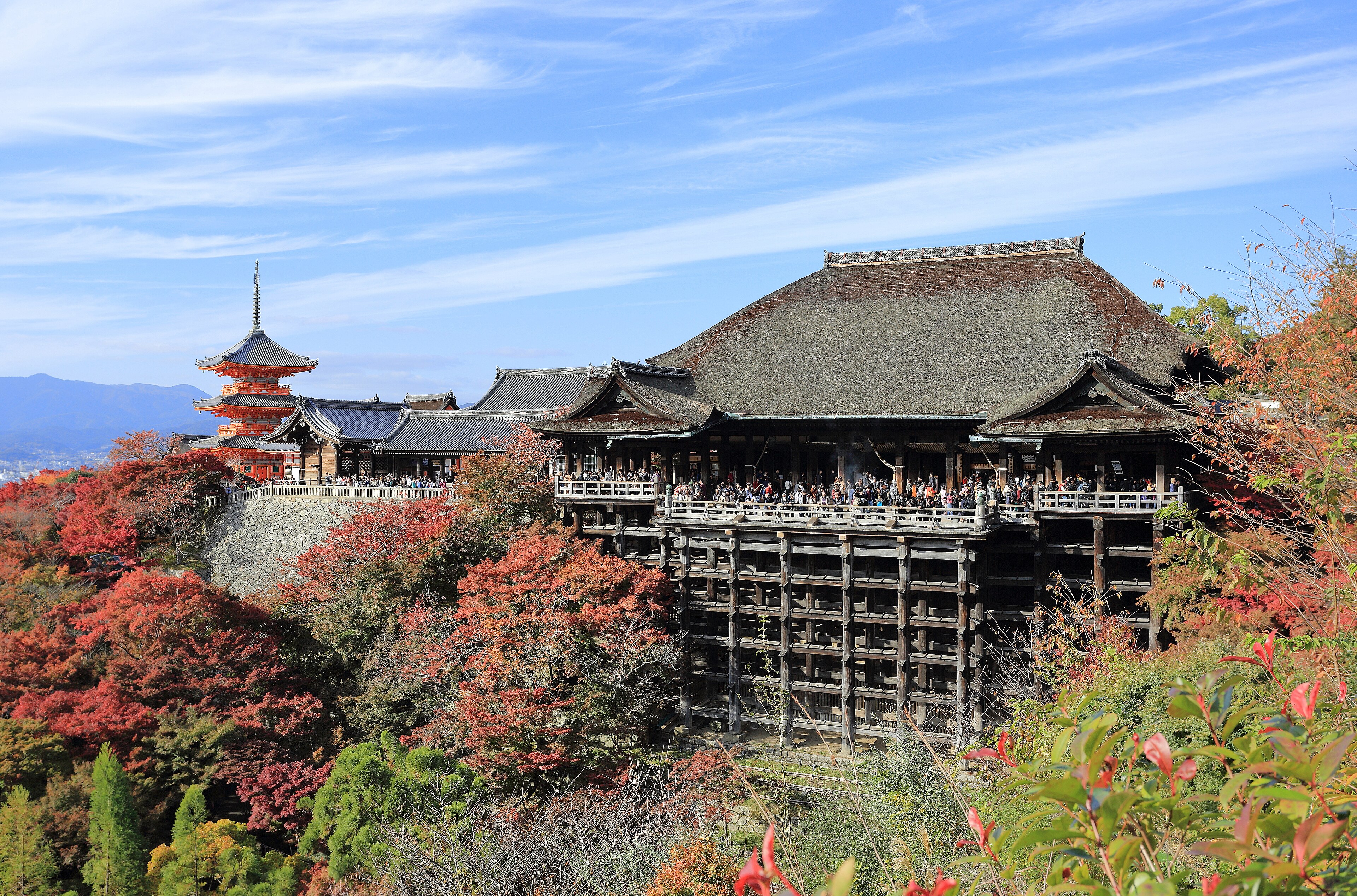
- Iconic UNESCO World Heritage temples and shrines as ceremony backdrops
- Traditional machiya townhouses and ryokan inns offer intimate, culturally immersive event spaces
- Cherry blossom season (late March–April) and autumn foliage (October–November) provide extraordinary natural scenery
- Mature hospitality ecosystem with experienced event coordinators familiar with international guests
- Excellent Shinkansen connectivity makes Kyoto easily reachable from Tokyo, Osaka, and major Japanese cities
- Refined kaiseki cuisine and traditional tea ceremony experiences elevate any celebration
Compare Kyoto with Other Top Destinations
Frequently Asked Questions
Is Kyoto a good destination for an intimate destination wedding?
Yes. Kyoto is particularly well-suited to intimate destination weddings, typically in the range of 20 to 150 guests. The city's traditional ryokan inns, private temple gardens, and machiya townhouses offer ceremony and reception settings of extraordinary cultural depth that are difficult to replicate anywhere else. The local vendor ecosystem — including specialist wedding coordinators, kaiseki caterers, and cultural experience providers — is well-developed for international couples.
What is the best time of year to hold a wedding or celebration in Kyoto?
Spring (March, April, May) and autumn (October, November) are the strongest seasons. Cherry blossom season in late March to early April provides iconic natural backdrops, while October and November bring vivid maple foliage across the city's temple districts. Both periods offer comfortable temperatures for outdoor events. June through August should generally be avoided due to the rainy season and summer heat.
How do international guests typically travel to Kyoto?
Most international guests arrive via Kansai International Airport (KIX), which is connected to Kyoto Station by the Haruka Express train in approximately 75 minutes. Guests traveling from within Japan typically use the Shinkansen bullet train, which places Kyoto around 15 minutes from Osaka and 2 hours 15 minutes from Tokyo. Kyoto Station is a major hub on the Tokaido-Sanyo Shinkansen line.
What kinds of venues are available for events in Kyoto?
Kyoto offers a genuinely diverse range: luxury hotel ballrooms and garden terraces, traditional ryokan inns with private dining rooms, machiya townhouse spaces for intimate gatherings, and — through specialist coordinators — access to private temple and shrine gardens. The city's strength lies in intimate, architecturally rich spaces rather than large-scale outdoor marquee venues.
How large a guest group can Kyoto realistically accommodate for a wedding?
Most of Kyoto's most characterful venues are best suited to groups of 20 to 200 guests. Larger luxury hotels can accommodate banquets of up to 400 to 600 guests in their main ballrooms, but the city's most distinctive cultural venues — temple gardens, ryokan, machiya — are oriented toward smaller, more intimate gatherings. Very large celebrations of 500 or more guests may find the venue inventory limiting.
Is Kyoto easy to navigate for international wedding guests who have never visited Japan?
Generally yes. Kyoto has extensive English-language signage, a reliable bus and subway network, and a hospitality industry deeply experienced with international visitors. The city is consistently rated among the safest in the world. For guests unfamiliar with Japan, working through a local coordinator for group logistics — particularly for transfers between hotels, ceremony sites, and reception venues — is advisable.
What kind of catering and cultural experiences can be incorporated into a Kyoto celebration?
Kyoto is the home of kaiseki — Japan's most refined multi-course cuisine — and the city's catering ecosystem is exceptionally well-developed for high-end event dining. Traditional tea ceremonies, ikebana flower arrangement workshops, sake tastings, and kimono dressing experiences are all readily available through local vendors and can be woven into wedding or event programs to create a distinctively Kyoto celebration.
How far in advance should we book for a spring or autumn Kyoto event?
Significantly in advance — ideally 12 to 18 months for spring cherry blossom season and 9 to 12 months for autumn foliage. Both periods are among the most heavily visited in all of Japan, and accommodation, venue, and vendor availability becomes constrained quickly. Couples with flexible dates have more options, but those targeting a specific cherry blossom or foliage peak window should begin planning as early as possible.
Are there experienced local wedding and event coordinators in Kyoto?
Yes. Kyoto has a well-established network of specialist destination wedding agencies and in-house hotel event teams with experience coordinating multilingual, international celebrations. Several agencies focus specifically on temple ceremonies, traditional Japanese wedding formats, and cultural experience integration. For couples planning from overseas, engaging a locally based coordinator is strongly recommended for vendor communication and logistics.
What makes Kyoto distinctive compared to other Japanese cities as a wedding destination?
Kyoto's combination of 17 UNESCO World Heritage Sites, intact historic streetscapes, traditional inn culture, and a culinary heritage rooted in kaiseki creates an event atmosphere that is genuinely unique within Japan. Unlike Tokyo's metropolitan scale or Osaka's urban energy, Kyoto offers a slower, more contemplative character — particularly suited to celebrations where cultural immersion and aesthetic refinement are the primary goals.
Is Kyoto suitable for corporate retreats and incentive events, not just weddings?
Yes. Several of Kyoto's luxury hotels offer dedicated corporate event facilities alongside curated cultural programming — tea ceremonies, Zen meditation sessions, traditional craft workshops, and private kaiseki dinners — that make incentive retreats here genuinely distinctive. The city's safety, ease of navigation, and refined hospitality make it a strong choice for high-value corporate groups seeking an immersive Japanese cultural experience.

Ready to explore venues in Kyoto?
Kyoto: Destination Wedding & Cultural Event Venues in Japan
◆Kyoto is Japan's foremost cultural destination for weddings, milestone celebrations, and intimate corporate events, offering a rare combination of UNESCO World Heritage temples, traditional ryokan inns, Zen gardens, and world-class luxury hotels. The city's primary vibe is Cultural & Timeless, making it particularly well-suited to ceremonies, elopements, anniversary celebrations, and curated corporate retreats where atmosphere and authenticity matter as much as logistics. The best seasons are spring (March–May) and autumn (October–November), when natural scenery is at its most dramatic. Kyoto is well-connected by Shinkansen bullet train and accessible from Kansai International Airport, with a mature hospitality and vendor ecosystem geared toward international guests.
Kyoto at a Glance
| Category | Details |
|---|---|
| Best For | Intimate Weddings, Elopements, Anniversary Celebrations, Corporate Retreats |
| Primary Vibe | Cultural & Timeless |
| Other Vibes | Serene, Heritage, Refined, Zen |
| Best Season | Spring (Mar, Apr, May, Oct, Nov) |
Why Choose Kyoto?
- Unmatched cultural heritage: Kyoto is home to 17 UNESCO World Heritage Sites, including Kinkaku-ji, Fushimi Inari, and Nijo Castle — providing ceremony and photography backdrops that are genuinely irreplaceable anywhere else in the world.
- Extraordinary seasonal scenery: Cherry blossoms in late March and April, and vivid maple foliage in October and November, transform the city into a living canvas that elevates any celebration without additional decoration.
- Diverse venue typology: From intimate machiya townhouses and traditional ryokan inns to grand luxury hotel ballrooms and private temple gardens, Kyoto offers a wider range of authentic venue styles than almost any other Japanese city.
- Refined culinary culture: Kyoto is the birthplace of kaiseki — Japan's most refined multi-course cuisine — and the city's catering ecosystem is exceptionally well-developed for high-end event dining, including tea ceremony experiences that can be woven into celebrations.
- Excellent rail connectivity: Kyoto Station is a major Shinkansen hub, placing the city roughly 15 minutes from Osaka, 2 hours 15 minutes from Tokyo, and within easy reach of Hiroshima and Nagoya — making guest travel straightforward for both domestic and international attendees.
- Safety and ease of navigation: Kyoto is consistently ranked among the safest cities in the world, with extensive English-language signage, a reliable public transport network, and a hospitality industry deeply experienced in hosting international visitors.
Which Celebrations Work Best in Kyoto?
- Intimate destination weddings: Kyoto's temple gardens, bamboo groves, and traditional inn settings are ideally suited to smaller, deeply personal ceremonies — typically in the range of 20 to 150 guests — where atmosphere and cultural immersion are the priority over large-scale production.
- Elopements and micro-weddings: The city's network of private gardens, historic shrines, and boutique ryokan properties makes it one of the most compelling destinations in Asia for couples seeking an elopement or a very small, private ceremony with just immediate family.
- Anniversary and milestone celebrations: Kyoto's combination of refined dining, serene landscapes, and luxury accommodation makes it particularly well-suited to significant anniversaries, milestone birthdays, and other personal celebrations where the experience itself is the gift.
- Corporate retreats and incentive events: Several of Kyoto's luxury hotels offer dedicated event facilities alongside curated cultural experiences — tea ceremonies, ikebana workshops, sake tastings — that make corporate retreats here genuinely distinctive and memorable for attendees.
- Pre-wedding and post-wedding experiences: Even for couples whose main celebration is elsewhere, Kyoto is an outstanding destination for pre-wedding photography shoots, honeymoon stays, or post-wedding cultural tours, given the density of iconic scenery within a compact, walkable city.
Venues & Event Spaces
Kyoto's event venue landscape is unusually diverse for a city of its size. At the luxury end, several internationally branded five-star hotels offer dedicated wedding and banquet facilities with capacities ranging from intimate private dining rooms to ballrooms accommodating several hundred guests. These properties typically combine modern event infrastructure with design aesthetics that reference Kyoto's traditional architecture and garden culture.
Beyond conventional hotel venues, Kyoto offers a category of event space found almost nowhere else: private temple and shrine gardens, where ceremonies can be conducted in settings of extraordinary historical and spiritual significance. Access to these spaces is typically arranged through specialist local event coordinators and is subject to availability and the specific policies of each institution.
Traditional machiya townhouses — narrow, multi-room wooden merchant houses dating from the Edo and Meiji periods — have been increasingly converted into private event and dining spaces, offering an intimate, authentically Kyoto atmosphere for groups of up to around 30 to 50 guests. Similarly, many ryokan (traditional Japanese inns) in areas such as Arashiyama, Higashiyama, and the Gion district offer private dining rooms and garden spaces that can be reserved for small celebrations.
Outdoor lawn and garden events are possible during the best seasons, particularly within hotel grounds and private estates, though Kyoto's urban density means that large-scale outdoor marquee events of the kind common in resort destinations are less typical here. The city's strength lies in intimate, architecturally rich indoor and semi-outdoor spaces rather than expansive open-air venues.
Best Time to Celebrate
The curated best seasons for events in Kyoto are spring (March, April, May) and autumn (October, November), and both have distinct, concrete advantages beyond simply "pleasant weather."
Spring brings Kyoto's famous cherry blossom season, typically peaking in late March to early April depending on the year. During this period, the city's parks, temple grounds, and riverside paths are lined with blooming sakura, creating a natural floral backdrop that is genuinely unmatched for wedding photography and outdoor ceremonies. May follows with warm, stable temperatures and lush greenery before the summer heat and humidity set in.
Autumn (October and November) is widely considered Kyoto's most visually spectacular season. Maple trees across the city's hillside temples and garden districts turn vivid shades of red, orange, and gold, and the lower temperatures make outdoor events comfortable. November in particular offers some of the most dramatic foliage displays, concentrated in areas such as Arashiyama, Tofuku-ji, and Eikan-do.
The months June and July bring the tsuyu rainy season, with persistent humidity and frequent rainfall that makes outdoor events unreliable and can affect guest comfort significantly. August is the hottest month, with temperatures regularly exceeding 35°C and high humidity — outdoor events in this period are generally inadvisable. September can see residual heat and occasional typhoon-related weather disruption. December through February brings cold winters; while Kyoto rarely sees heavy snowfall, temperatures can drop to near or below freezing, limiting outdoor event options and making the city less comfortable for guests not accustomed to cold weather.
Getting There & Local Connectivity
The primary international gateway for Kyoto is Kansai International Airport (KIX), located approximately 75 km from the city center. The airport is well-served by international carriers from across Asia, Europe, North America, and the Middle East, and is connected to Kyoto by the Haruka Express train, which runs directly to Kyoto Station in approximately 75 minutes. Osaka Itami Airport, which handles primarily domestic Japanese flights, is also within reach and offers an alternative for guests traveling from within Japan.
Kyoto Station is one of Japan's major Shinkansen hubs on the Tokaido-Sanyo line, placing the city approximately 15 minutes from Osaka, 2 hours 15 minutes from Tokyo, and around 50 minutes from Hiroshima by bullet train. For event guests traveling from within Japan, the Shinkansen is typically the most convenient and reliable option, and the frequency of services means that guests can arrive and depart flexibly without needing to coordinate tightly around a single schedule.
Within Kyoto, the city is served by an extensive bus network, two subway lines, and several private railway lines. Many of the city's key event areas — Higashiyama, Gion, Arashiyama, and the central hotel district — are also accessible on foot or by taxi. For groups, private coach hire is readily available and is the most practical option for moving a wedding party or event group between venues, hotels, and ceremony sites. Rickshaw and traditional transport options are also available for smaller groups seeking a more experiential transfer.
Local Vendor & Hospitality Ecosystem
Kyoto has one of the most developed event and hospitality ecosystems in Japan, shaped by decades of hosting international visitors, cultural tourism, and high-end domestic weddings. The city's luxury hotels maintain in-house wedding and event planning teams with experience coordinating multilingual celebrations, and several specialist destination wedding agencies operate locally with deep knowledge of temple access, traditional ceremony formats, and vendor networks.
Catering is a particular strength: Kyoto's culinary culture — rooted in kaiseki cuisine, tofu-based Kyoto-style cooking, and refined seasonal menus — is among the most sophisticated in Japan, and the city's caterers and hotel kitchens are well-equipped to deliver high-quality banquet dining for event groups. Tea ceremony masters, ikebana (flower arrangement) artists, traditional musicians, and kimono dressing services are all readily available for incorporation into celebrations.
Florists, photographers, and videographers experienced in working at Kyoto's temples and heritage sites are well-established in the local market, and many have portfolios specifically oriented toward destination weddings and cultural events. English-language vendor communication is generally available at the luxury and specialist level, though for smaller or more local vendors, working through a local coordinator or interpreter is advisable.
Accommodation capacity across the city is substantial, with a wide range of properties from luxury international hotels to traditional ryokan inns, ensuring that even a moderately sized guest group can be accommodated within a relatively compact geographic area.
Pros & Things to Consider
Why Kyoto Works Well
- Genuinely irreplaceable cultural and scenic backdrops — temple gardens, bamboo groves, and historic streetscapes that cannot be replicated elsewhere
- Exceptional seasonal scenery in spring and autumn that enhances events without additional decoration investment
- Strong luxury hotel infrastructure with dedicated wedding and event teams experienced in international celebrations
- Outstanding rail connectivity via Shinkansen, making guest travel from Tokyo, Osaka, and other major Japanese cities straightforward
- Very high safety standards and ease of navigation for international guests unfamiliar with Japan
- Rich culinary culture and a mature vendor ecosystem covering catering, floristry, photography, and traditional cultural experiences
Things to Consider
- Seasonal crowding: Cherry blossom season and autumn foliage periods are among the most heavily visited times in all of Japan — popular temple and garden locations can be extremely crowded, which may affect the intimacy of outdoor ceremonies and require careful timing or access coordination
- Venue scale limitations: Kyoto's most characterful venues — machiya townhouses, ryokan gardens, temple spaces — are typically suited to smaller guest counts. Couples planning large-scale celebrations of 300 or more guests may find the local venue inventory less accommodating than in a major convention city
- Language and cultural navigation: While the luxury hospitality sector is well-equipped for international guests, broader vendor communication and day-to-day logistics outside of hotel environments may require interpreter support or a locally based coordinator
- Seasonal weather risk: The rainy season (June–July) and summer heat (August) are genuinely limiting for outdoor events, and the best seasons — particularly cherry blossom peak — require advance planning and early booking, as accommodation and venue availability is constrained
- International flight access: Kansai International Airport is well-connected but is not a direct hub for all international markets — guests from some regions may require a connecting flight through Tokyo (Narita or Haneda) or another Asian hub, adding travel time
When Kyoto May Not Be the Right Fit
- Large-scale celebrations requiring 400+ guests: Kyoto's most distinctive venues are oriented toward intimate events. Couples or planners needing very large ballroom or outdoor marquee capacity at scale may find the local inventory limiting compared to larger convention-oriented cities.
- Events planned during the rainy season or peak summer: Groups with fixed June, July, or August dates and a strong preference for outdoor ceremonies should carefully consider the weather risk — persistent humidity, rainfall, and heat during these months make outdoor events genuinely uncomfortable and logistically uncertain.
- Guest groups with limited international travel experience: While Kyoto is exceptionally safe and well-signposted, guests who are unfamiliar with Japan's transport systems, cultural norms, or language may find the destination more logistically demanding than a more familiar international city — particularly for older or less mobile guests.
- Celebrations requiring a beach, tropical, or resort-style setting: Kyoto is an inland, urban-heritage destination. Couples whose vision centers on oceanfront ceremonies, tropical landscapes, or resort-pool settings will find the city's offering fundamentally different in character and should consider coastal Japanese alternatives or other regional destinations.