
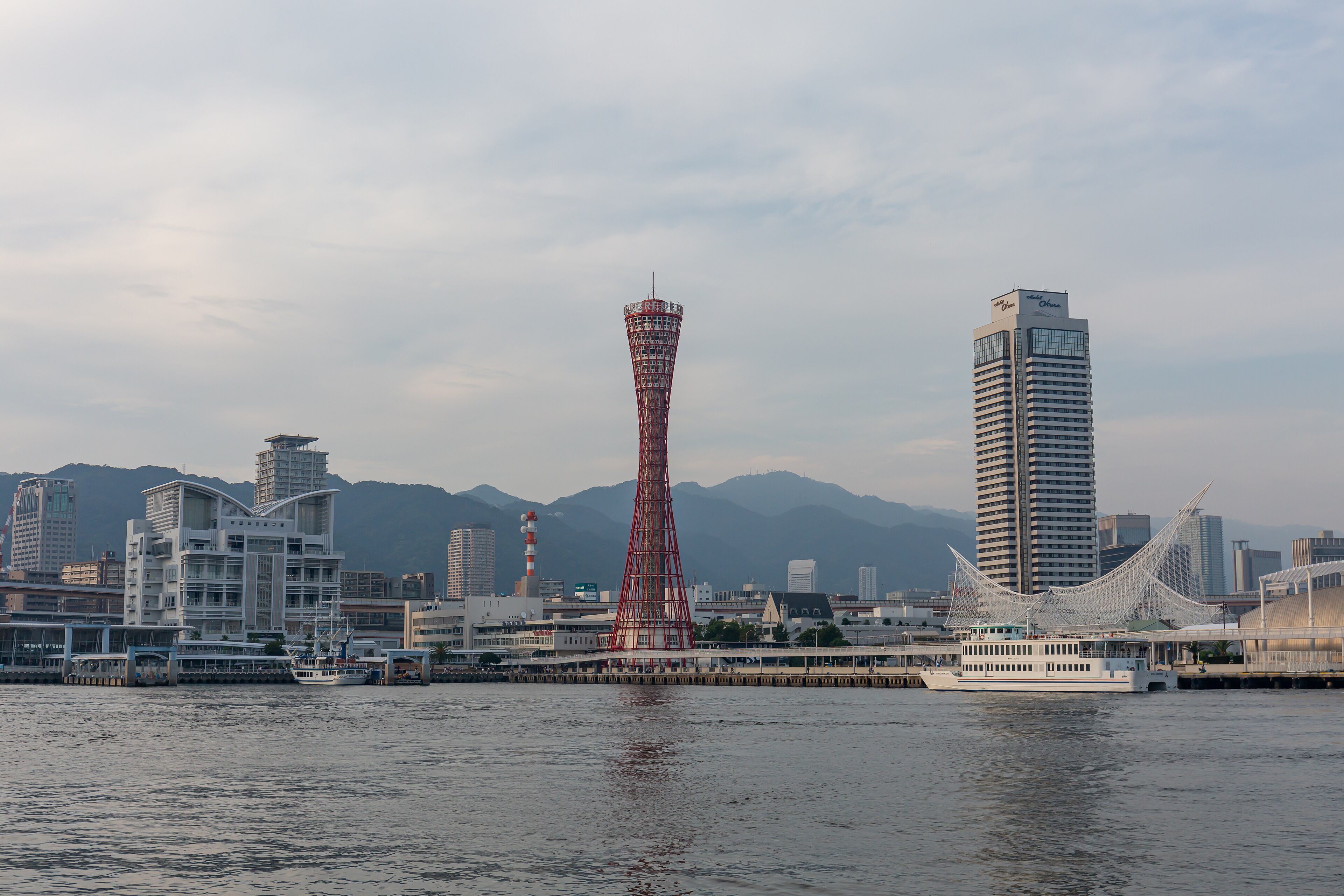
Why Kobe is Perfect for Your Celebration
- Stunning harbour and mountain backdrop creates naturally photogenic event settings
- Rich Western-Japanese architectural heritage offers unique, distinctive venue aesthetics
- Excellent Shinkansen access connects guests from Tokyo, Kyoto, and Osaka within hours
- Kobe Airport provides a compact, stress-free domestic arrival experience
- Sophisticated local dining culture — including world-famous Kobe beef — elevates event catering
- Spring cherry blossoms and autumn foliage provide spectacular seasonal event backdrops
Compare Kobe with Other Top Destinations
Frequently Asked Questions
Is Kobe a good destination for a destination wedding?
Yes. Kobe is particularly well-suited to intimate-to-medium-scale luxury destination weddings. Its harbour waterfront, Kitano heritage district, and Rokko Mountain backdrop provide genuinely distinctive settings, and the city's cosmopolitan hospitality infrastructure — including multilingual hotel event teams and a world-class culinary scene — supports high-quality celebrations. It works especially well for couples seeking a sophisticated, internationally-flavoured Japanese setting.
What is the best time of year to hold a wedding or event in Kobe?
Spring (March, April, May) and autumn (October, November) are the recommended seasons. Spring brings cherry blossoms and mild temperatures ideal for outdoor ceremonies, while autumn offers vivid Rokko Mountain foliage and dry, comfortable conditions. Summer (June–September) brings heat, humidity, and typhoon risk that significantly compromise outdoor events, and winter limits outdoor comfort considerably.
How do guests travel to Kobe for an event?
Guests from within Japan most conveniently arrive via Shinkansen bullet train to Shin-Kobe Station — approximately 30 minutes from Osaka, 1 hour from Kyoto, and under 3 hours from Tokyo. International guests typically fly into Kansai International Airport near Osaka, with rail and bus connections to Kobe taking roughly 60–80 minutes. Kobe Airport handles domestic routes and is connected to the city centre by the Port Liner monorail.
What size of guest group can Kobe realistically accommodate for an event?
Kobe comfortably supports events ranging from intimate gatherings of 20–30 guests up to receptions of approximately 400–600 guests at its larger hotel properties. For very large events exceeding 500–600 guests, the local venue inventory becomes more limited, and planners may need to consider whether the available spaces can meet the full requirement without compromise.
What kinds of event venues are available in Kobe?
Kobe offers full-service hotel ballrooms and banquet halls, waterfront terrace and outdoor spaces along Meriken Park, heritage-character venues in the Kitano Western-style residence district, and hillside properties with panoramic harbour and mountain views. The range suits formal banquets, outdoor garden ceremonies, cocktail receptions, and corporate conference formats — though the largest-scale production venues are more limited than in Osaka or Tokyo.
Is Kobe suitable for corporate retreats and incentive events?
Yes. Kobe is a strong choice for corporate retreats and incentive groups. Its Shinkansen connectivity makes it easy to reach from major Japanese business centres, its hotels offer solid meeting and banquet infrastructure, and the city's distinctive atmosphere — harbour, mountains, Kobe beef dining — provides a more memorable experience than a standard urban conference setting. Multilingual hospitality support is generally available.
How easy is it to move a large guest group around Kobe once they arrive?
Generally straightforward. Kobe's compact layout means most event-relevant areas — Sannomiya, Kitano, Meriken Park waterfront — are close to one another. The subway, Port Liner monorail, and reliable taxi network cover most needs. For groups, chartered coaches or minibuses are a practical option and local operators experienced in event logistics are available. The city's infrastructure is reliable and well-maintained.
What makes Kobe's catering and hospitality ecosystem well-suited to events?
Kobe has a genuinely strong culinary reputation — internationally recognised for its beef, French-influenced dining tradition, and skilled pastry artisans — which translates directly into high-quality event catering. The city's long history as an international port has produced a hospitality sector with multilingual capability and experience hosting cross-cultural events. Florists and event-decoration vendors experienced in both Japanese and Western aesthetics are available locally.
Can guests combine a Kobe event with visits to Kyoto or Osaka?
Yes, and this is a common approach. Kobe's position on the Shinkansen network places it within 30 minutes of Osaka and around 1 hour of Kyoto, making it a natural anchor for a multi-city Kansai itinerary. Many event planners use Kobe as the primary event base while guests independently explore Kyoto or Osaka before or after the celebration — the rail connections make this genuinely easy to coordinate.
Is Kobe safe for international guests attending an event?
Yes. Kobe consistently ranks among Japan's safest cities, with very low crime rates, reliable public infrastructure, and a well-maintained urban environment. International guests generally find the city easy to navigate, and the presence of multilingual signage and hospitality staff in event-relevant areas reduces the practical challenges that can arise in less internationally-oriented Japanese destinations.
Are there outdoor ceremony options in Kobe, and when do they work best?
Yes. Outdoor ceremony and reception spaces are available — particularly along the Meriken Park waterfront, at hillside hotel terraces, and in garden settings at select properties. These work best during spring (March–May) and autumn (October–November), when temperatures are mild and rainfall is lower. Summer outdoor events are significantly compromised by heat, humidity, and typhoon risk, and winter outdoor comfort is limited by cold temperatures.

Ready to explore venues in Kobe?
Kobe: Destination Wedding & Corporate Event Venues in Japan
◆Kobe is a cosmopolitan port city in Hyogo Prefecture, Japan, best suited to luxury weddings, corporate retreats, and milestone celebrations that benefit from a refined, internationally-influenced atmosphere. Its primary vibe is one of Luxury and Glamour, shaped by a distinctive blend of Western-influenced architecture, a world-class dining culture, and dramatic scenery where the Rokko Mountains meet Osaka Bay. The best seasons to plan events are spring (March–May) and autumn (October–November), when temperatures are mild and the city's natural beauty is at its most striking. Kobe is highly accessible via Shinkansen bullet train and its own compact domestic airport, making it a practical as well as beautiful choice for guests travelling from across Japan or internationally.
Kobe at a Glance
| Category | Detail |
|---|---|
| Best For | Luxury Weddings, Corporate Retreats, Anniversary Celebrations, Intimate Milestone Events |
| Primary Vibe | Luxury & Glamour |
| Other Vibes | Cosmopolitan, Romantic, Scenic, International |
| Best Season | Spring (Mar, Apr, May, Oct, Nov) |
Why Choose Kobe?
- Iconic harbour and mountain scenery: The combination of Osaka Bay waterfront and the Rokko Mountain range provides a naturally dramatic, photogenic backdrop that few Japanese cities can match for event photography and outdoor ceremony settings.
- Western-Japanese architectural heritage: Kobe's Kitano district, with its preserved Western-style residences (ijinkan), gives events a distinctly European-influenced aesthetic that is genuinely unique within Japan — ideal for couples or planners seeking something beyond a conventional Japanese setting.
- World-class culinary culture: Kobe is internationally recognised for its beef, its French-influenced dining scene, and its concentration of high-quality restaurants — a significant advantage when planning multi-day events where guest dining experiences matter.
- Exceptional rail connectivity: Shin-Kobe Station places the city directly on the Shinkansen network, with bullet train journey times of roughly 30 minutes from Osaka, 1 hour from Kyoto, and under 3 hours from Tokyo — making it genuinely easy for guests to arrive from across Japan without flying.
- Compact, navigable city layout: Kobe's relatively compact urban footprint means that hotels, event venues, dining, and sightseeing are generally within easy reach of one another, reducing the logistical complexity of moving large guest groups around.
- Mature international hospitality infrastructure: Kobe has a long history as an international trading port and has maintained a sophisticated hospitality ecosystem — multilingual staff, international cuisine, and event-planning experience are more readily available here than in many comparable Japanese cities.
Which Celebrations Work Best in Kobe?
Luxury Weddings: Kobe's combination of waterfront venues, heritage architecture, and refined culinary culture makes it particularly well-suited to intimate-to-medium-scale luxury weddings. The city's cosmopolitan character appeals to couples seeking a sophisticated, internationally-flavoured celebration rather than a purely traditional Japanese ceremony.
Corporate Retreats and Incentive Events: Kobe's excellent Shinkansen connectivity, concentration of full-service hotels with meeting and banquet facilities, and proximity to Osaka's business district make it a strong choice for corporate groups seeking a more atmospheric, memorable setting than a standard city-centre conference hotel.
Anniversary and Milestone Celebrations: The city's romantic harbour setting, fine dining scene, and manageable scale make it well-suited to smaller, high-quality milestone events — significant anniversaries, milestone birthdays, or family reunion gatherings where experience quality matters more than sheer scale.
Pre- or Post-Wedding Celebrations: Given its proximity to Kyoto and Osaka, Kobe works naturally as part of a multi-city Kansai event itinerary — hosting a rehearsal dinner, welcome event, or post-wedding brunch while guests also experience the broader region.
Venues & Event Spaces
Kobe's event venue landscape is anchored by its full-service luxury and upper-midscale hotels, several of which occupy prime waterfront or hillside positions with panoramic views of the harbour or the Rokko Mountains. These properties typically offer dedicated banquet halls, outdoor terrace spaces, and chapel or ceremony rooms capable of accommodating events ranging from intimate gatherings of 20–30 guests to larger receptions of several hundred.
Beyond hotel ballrooms, Kobe offers a range of distinctive event settings. The Kitano district's preserved Western-style residences provide intimate, heritage-character spaces suited to smaller ceremonies or cocktail receptions. The Meriken Park waterfront area offers open-air event possibilities with the harbour as a backdrop. Several rooftop and terrace venues across the city take advantage of Kobe's elevated topography to offer mountain-and-sea panoramas that are genuinely difficult to replicate elsewhere.
For corporate events, the city has dedicated convention facilities as well as hotel-based meeting and conference infrastructure. Outdoor garden and lawn spaces are available at select properties, particularly those positioned on the lower slopes of the Rokko range, though these are generally more suited to spring and autumn events given the summer heat and humidity.
Best Time to Celebrate
The curated best seasons for events in Kobe are spring (March, April, May) and autumn (October, November), and both have genuinely distinct advantages beyond simply "pleasant weather."
Spring brings Kobe's famous cherry blossom season, typically peaking in late March to early April. Outdoor ceremonies and garden receptions during this period benefit from one of Japan's most celebrated natural spectacles as a backdrop. Temperatures in spring are generally mild — typically ranging from around 10°C to 20°C — making outdoor events comfortable without the need for heavy climate management. May extends this comfortable window with slightly warmer, drier conditions before the onset of the rainy season.
Autumn (October and November) offers vivid foliage across the Rokko Mountains and city parks, providing a warm-toned, dramatic visual backdrop that photographs exceptionally well. Temperatures are again mild and generally dry, with October typically sitting between 15°C and 22°C and November cooling gradually toward 10°C–18°C. This is widely considered one of the most visually rewarding periods to be in the Kansai region.
Summer (June–September) is the least suitable period for outdoor events. June marks the start of Japan's rainy season (tsuyu), bringing persistent humidity and rainfall. July and August are hot and humid, with temperatures regularly exceeding 30°C and occasional typhoon risk in August and September. Indoor, fully air-conditioned events remain feasible, but outdoor ceremonies and garden receptions are significantly compromised.
Winter (December–February) brings cold temperatures — often dropping to 3°C–8°C — and occasional snowfall on the Rokko range. While indoor events are entirely viable and the city takes on a quieter, atmospheric character, outdoor event comfort is limited and guest travel can occasionally be disrupted by cold-weather conditions.
Getting There & Local Connectivity
Kobe is among the more accessible mid-sized Japanese cities for event guests. Shin-Kobe Station sits directly on the Tokaido/Sanyo Shinkansen line, placing the city within approximately 30 minutes of Osaka (Shin-Osaka), around 1 hour from Kyoto, and under 3 hours from Tokyo by bullet train. For international guests, Kansai International Airport (KIX) near Osaka is the primary international gateway, with direct rail and bus connections to Kobe taking roughly 60–80 minutes. Kobe Airport (UKB), located on a reclaimed island approximately 8 km from the city centre and connected by the Port Liner monorail, handles domestic routes and provides a notably stress-free arrival experience for guests flying in from Tokyo, Sapporo, or other Japanese cities.
Within the city, Kobe is well-served by its subway network, the Port Liner monorail, and an extensive bus system. The city's compact layout means that most event-relevant areas — Sannomiya, Kitano, Meriken Park, and the waterfront — are within comfortable reach of one another. Taxis are readily available and reliable. For groups, chartered coaches or minibuses are a practical option for moving guests between hotels, ceremony venues, and dining locations, and local operators experienced in event logistics are generally available.
Local Vendor & Hospitality Ecosystem
Kobe's long history as an international port city has produced a hospitality ecosystem that is notably more internationally oriented than many Japanese cities of comparable size. English-language support is more widely available among hotel event teams, and the city has experience hosting international corporate events and cross-cultural weddings.
The local catering and culinary vendor landscape is a genuine strength. Kobe's reputation for high-quality beef, French-influenced cuisine, and a concentration of skilled pastry and confectionery artisans means that event catering — whether a formal banquet, a cocktail reception, or a multi-course wedding dinner — can be executed at a very high standard using locally-sourced expertise. The city also has an established florist and event-decoration sector, with vendors experienced in both Japanese and Western aesthetic traditions.
Wedding planning and event coordination services are available, including agencies with experience in international or destination-wedding clients. However, Kobe is not as large an event-industry hub as Tokyo or Osaka, so for very large-scale events requiring extensive specialist vendor networks, some suppliers may need to be sourced from the broader Kansai region. This is generally straightforward given the city's proximity to Osaka, but it is worth factoring into planning timelines.
Pros & Things to Consider
Why Kobe Works Well
- Genuinely distinctive scenic setting — harbour, mountains, and Western-influenced architecture in one compact city
- Excellent Shinkansen connectivity makes guest travel from across Japan straightforward and reliable
- Sophisticated culinary culture elevates event dining well above the average
- Cosmopolitan, internationally-experienced hospitality sector with multilingual capability
- Spring cherry blossoms and autumn foliage provide world-class natural event backdrops
- Compact city layout reduces inter-venue logistics complexity for multi-day events
- Very high safety standards and reliable public infrastructure throughout
Things to Consider
- Summer heat, humidity, and typhoon risk (June–September) make outdoor events genuinely difficult to plan reliably during this period
- Kobe is not a large-scale convention or mass-event city — very large guest lists (500+) may find the local venue inventory limiting compared to Osaka or Tokyo
- Some specialist event vendors (large-scale AV, specialist décor, niche entertainment) may need to be sourced from Osaka, adding a coordination layer
- International guests arriving via long-haul flights will typically land at Kansai International (near Osaka) rather than Kobe Airport itself, requiring an additional transfer leg
- Winter months, while viable for indoor events, offer limited outdoor ceremony comfort and occasional cold-weather travel disruption
When Kobe May Not Be the Right Fit
- Large-scale events requiring 500+ guests: Kobe's hotel and venue inventory, while high in quality, is more limited in maximum capacity than Osaka or Tokyo. Very large celebrations may find the local options insufficient without significant logistical complexity.
- Outdoor-focused events planned for summer: If an outdoor garden ceremony or lawn reception is central to the event concept and the dates fall between June and September, Kobe's heat, humidity, and typhoon risk make this a genuinely unreliable choice — an indoor-primary venue or a different season would serve better.
- Guests primarily arriving from outside Japan with no Kansai connection: While Kansai International Airport is a major hub, guests flying long-haul from regions without direct Kansai routes may face a more complex journey than if the event were based in Tokyo, which has two major international airports with broader global connectivity.
- Events requiring a very large, diverse specialist vendor ecosystem on-site: For highly elaborate productions requiring dozens of specialist vendors — large-scale entertainment, bespoke installation art, niche international catering — Kobe's local vendor depth, while solid, may require supplementing from Osaka, adding coordination overhead that a larger city would not.