
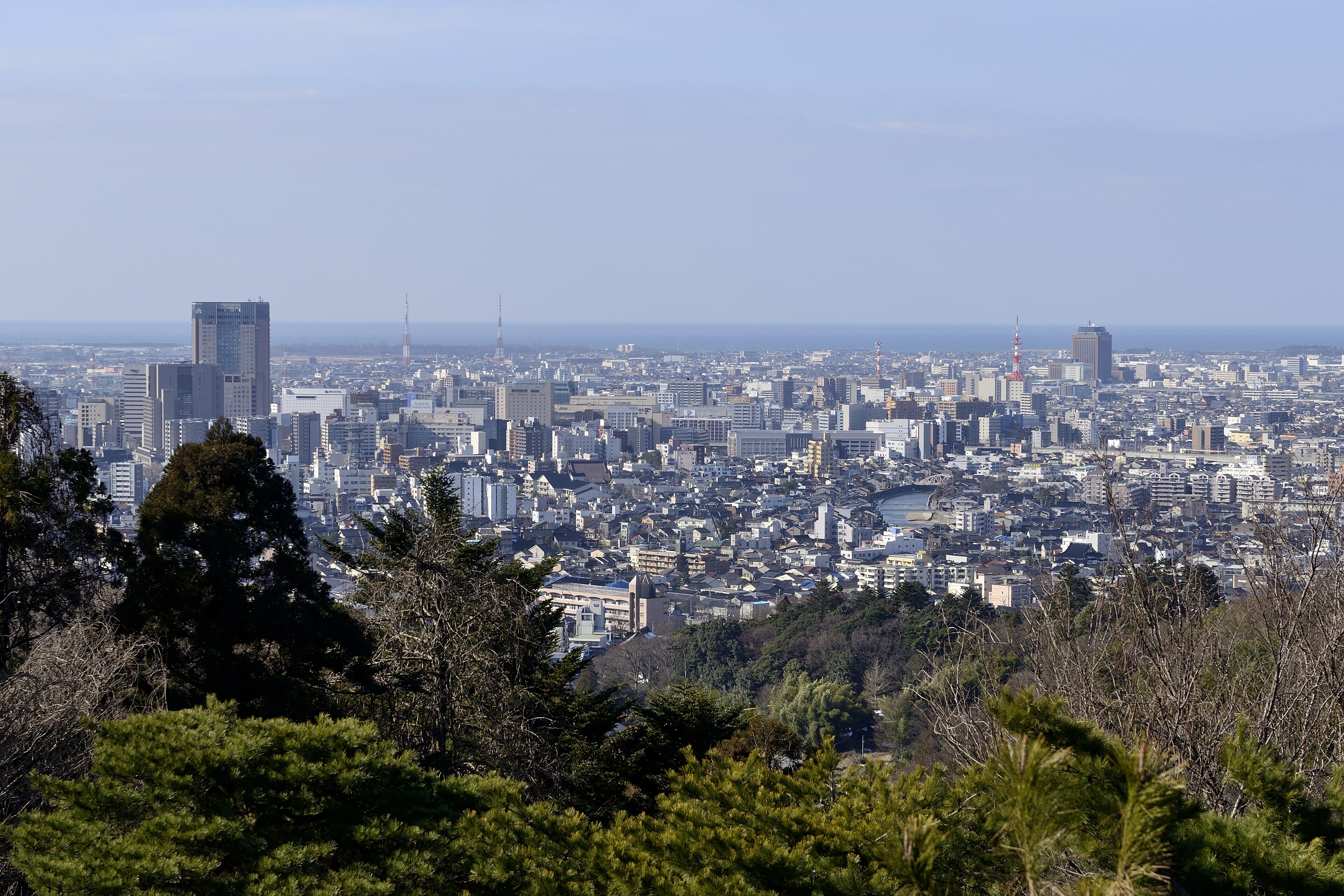
Why Kanazawa is Perfect for Your Celebration
- Kenroku-en, one of Japan's three great gardens, provides a breathtaking natural backdrop for ceremonies and photography
- Higashi Chaya and Kazuemachi geisha districts offer authentic, atmospheric settings for intimate receptions
- Kanazawa's strong tradition of lacquerware, Noh theatre, and Kaga cuisine adds genuine cultural depth to any celebration
- Hokuriku Shinkansen connects Kanazawa directly to Tokyo and Osaka, making domestic guest travel straightforward
- The city's boutique ryokan and upscale hotel inventory suits small-to-medium guest groups seeking privacy and refinement
- Relatively low tourist overcrowding compared to Kyoto means venues and streets feel exclusive and unhurried during events
Compare Kanazawa with Other Top Destinations
Frequently Asked Questions
Is Kanazawa a good destination for an intimate wedding ceremony?
Yes. Kanazawa is particularly well-suited to small, meaningful wedding ceremonies — typically under 100 guests — where cultural atmosphere and setting quality matter most. The city's historic garden landscapes, traditional ryokan banquet rooms, and private machiya dining venues create a genuinely distinctive backdrop that is difficult to replicate in larger, more commercial event cities.
What is the best time of year to hold a celebration in Kanazawa?
Spring (March, April, May) and autumn (October, November) are the curated best seasons. April's cherry blossom season and October–November's autumn foliage both transform Kenroku-en and the castle park into extraordinary event settings. Winter brings heavy snowfall that disrupts travel and outdoor plans, and the summer rainy season reduces outdoor comfort significantly.
How do guests travel to Kanazawa from Tokyo or Osaka?
From Tokyo, the Hokuriku Shinkansen connects directly to Kanazawa Station in approximately two and a half hours — the most reliable and comfortable option for domestic guests. From Osaka and Kyoto, guests can travel via the Thunderbird limited express service. International guests typically fly into Tokyo or Osaka and connect onward by shinkansen.
What size of guest group can Kanazawa realistically accommodate for an event?
Kanazawa is best matched to small-to-medium groups — roughly 20 to 200 guests for most event formats. Upscale hotels can host seated receptions for up to around 300–400 guests in their largest function spaces, but the city's overall venue inventory is boutique in character and not designed for very large-scale events.
What kinds of venues are available for events in Kanazawa?
The city offers upscale hotel banquet rooms, traditional ryokan tatami banquet spaces, private machiya townhouse dining venues, and outdoor garden settings near Kenroku-en and Kanazawa Castle Park. Each venue type suits a different event scale and atmosphere — from grand hotel receptions to intimate garden ceremonies and private cultural dinners.
Is Kanazawa easy to navigate for a group of guests once they arrive?
Generally yes. The city operates a well-regarded loop bus connecting major attractions, hotels, and the station. The historic core — including Kenroku-en, the Higashi Chaya district, and Kanazawa Castle Park — is compact and walkable. For event groups, private coach hire is straightforward and commonly used to coordinate movement between venues and accommodation.
Does Kanazawa have a strong local catering and hospitality ecosystem for events?
Yes, particularly for catering. Kanazawa's Kaga cuisine tradition and access to exceptional Sea of Japan seafood mean that food quality at events is genuinely high. Upscale hotels and ryokan have experienced in-house banquet teams. For specialist event production — complex floral design, large-scale entertainment — planners may need to supplement with vendors from Tokyo or Osaka.
What makes Kanazawa culturally distinctive as an event destination?
Kanazawa is one of Japan's best-preserved Edo-period cities, with living traditions in Noh theatre, Kaga Yuzen silk dyeing, gold leaf craft, and Kenzan pottery. These traditions can be woven into event programming — craft workshops, tea ceremonies, private Noh performances — giving celebrations a cultural depth that is specific to this city and not easily replicated elsewhere.
Is Kanazawa safe for international guests attending a destination event?
Yes. Japan consistently ranks among the world's safest countries, and Kanazawa reflects this — it is a low-crime, well-organised city where guests can move freely and comfortably at any hour. The main practical consideration for international guests is language, as Japanese is the primary language and English-language support, while improving, is not universal.
Can guests fly directly into Kanazawa, or is a connecting journey always required?
Komatsu Airport, located approximately 35 km from the city centre, offers domestic connections from Tokyo and a limited number of international routes, primarily to East Asian destinations. Most international guests, however, will fly into Tokyo or Osaka and connect by shinkansen. The shinkansen journey is comfortable and efficient, but a two-leg journey should be factored into guest travel planning.
What cultural experiences can be built into a multi-day celebration itinerary in Kanazawa?
Kanazawa offers a genuinely rich range of cultural programming: private tea ceremony sessions, gold leaf craft workshops, Kaga Yuzen silk dyeing experiences, guided tours of the Higashi Chaya geisha district, kaiseki dining at traditional restaurants, and visits to the 21st Century Museum of Contemporary Art. These experiences are specific to Kanazawa and add meaningful depth to multi-day event itineraries.
Are there outdoor ceremony options in Kanazawa, and what should planners know about them?
Yes. Garden settings near Kenroku-en and within Kanazawa Castle Park are among the most scenic outdoor ceremony options in Japan. However, outdoor use of these spaces is subject to seasonal conditions and permit requirements. Spring and autumn are the most reliable seasons for outdoor ceremonies; winter snowfall and summer humidity make outdoor events significantly more challenging to plan and execute.

Ready to explore venues in Kanazawa?
Kanazawa: Destination Wedding & Cultural Event Venues in Ishikawa, Japan
◆Kanazawa is a mid-sized Japanese castle city in Ishikawa Prefecture, best suited to intimate, culturally immersive celebrations — private ceremonies, curated social gatherings, and festival-style events where heritage atmosphere and refined Japanese hospitality matter more than large-scale venue capacity. Its primary vibe is Cultural & Timeless, shaped by Edo-period districts, traditional arts such as Noh theatre and Kaga lacquerware, and the iconic Kenroku-en garden. The best seasons are spring (March–May) and autumn (October–November). Domestic guests reach Kanazawa easily via the Hokuriku Shinkansen; international guests typically connect through Tokyo or Osaka. The destination suits small-to-medium guest groups and carries a generally upscale character.
Kanazawa at a Glance
| Category | Detail |
|---|---|
| Best For | Intimate Weddings, Cultural Celebrations, Social Gatherings, Festival Events |
| Primary Vibe | Cultural & Timeless |
| Other Vibes | Serene, Artisan, Heritage |
| Best Season | Spring (Mar, Apr, May, Oct, Nov) |
Why Choose Kanazawa?
- Kenroku-en as a natural centrepiece: One of Japan's three great landscape gardens sits at the heart of the city, offering extraordinary backdrops for ceremonies and photography across every season — particularly during cherry blossom season in April and autumn colour in late October and November.
- Authentic historic districts: The Higashi Chaya, Kazuemachi, and Nishi Chaya geisha districts, along with the Higashiyama and Nagamachi samurai quarters, provide atmospheric, unhurried settings for receptions and cultural experiences that feel genuinely rooted in place rather than staged for tourism.
- Refined culinary tradition: Kanazawa's Kaga cuisine is among the most celebrated regional food cultures in Japan, with exceptional seafood from the Sea of Japan and centuries of kaiseki tradition — a meaningful differentiator for event catering and guest dining experiences.
- Excellent shinkansen connectivity: The Hokuriku Shinkansen connects Kanazawa directly to Tokyo in approximately two and a half hours and to Osaka and Kyoto via connecting services, making domestic guest travel straightforward and reliable.
- Intimate scale without overcrowding: Unlike Kyoto, which shares a similar cultural profile, Kanazawa receives significantly fewer international tourists, meaning event groups can move through historic districts and garden spaces with a genuine sense of exclusivity and calm.
- Strong traditional arts ecosystem: The city's living traditions in Noh theatre, Kenzan pottery, Kaga Yuzen silk dyeing, and gold leaf craft offer genuinely distinctive cultural programming options that can be woven into multi-day celebration itineraries.
Which Celebrations Work Best in Kanazawa?
- Intimate destination weddings: Kanazawa is particularly well-suited to small, meaningful ceremonies — typically under 100 guests — where the setting, cultural depth, and quality of experience take precedence over scale. Garden ceremonies near Kenroku-en, traditional ryokan receptions, and private kaiseki dinners in historic machiya townhouses all fit naturally here.
- Cultural and heritage celebrations: Milestone events — significant anniversaries, family reunions with a cultural travel dimension, or coming-of-age celebrations — benefit strongly from Kanazawa's layered heritage character. The city's museums, craft studios, and historic districts provide genuine programming beyond the event itself.
- Social gatherings and private group events: Corporate social events, alumni gatherings, and curated group experiences work well here for groups of 20–150 people. The city's hotel and ryokan inventory, combined with private dining options, supports this scale comfortably.
- Festival-style events: Kanazawa hosts several well-regarded annual festivals — including the Hyakumangoku Festival in June — and the city's cultural calendar creates natural hooks for event programming that connects guests to local tradition in an active, participatory way.
Venues & Event Spaces
Kanazawa's event venue landscape is defined by its intimate, heritage-forward character rather than large convention-style infrastructure. The city offers a range of upscale hotels with dedicated banquet and function rooms capable of hosting seated dinners and receptions for groups of roughly 50 to 400 guests. Traditional ryokan (Japanese inns) provide private tatami banquet rooms and garden-facing dining spaces that suit smaller, more ceremonial gatherings. Historic machiya townhouses — some of which have been converted into private dining and event venues — offer an exceptionally atmospheric option for groups of 10 to 40 guests seeking an authentic Kanazawa experience. Outdoor garden spaces adjacent to Kenroku-en and within the castle park grounds provide scenic ceremony settings, though these are subject to seasonal and permit considerations. The Higashi Chaya district also contains teahouses and cultural performance spaces that can be engaged for private cultural programming as part of a broader event itinerary. Overall, the venue inventory is best matched to small-to-medium guest groups; planners expecting to host several hundred guests under one roof will find the options more limited than in Japan's larger metropolitan event cities.
Best Time to Celebrate
The curated best seasons for Kanazawa are spring (March, April, May) and autumn (October, November), and both periods offer genuinely distinct advantages for event planning.
Spring brings cherry blossom season — typically peaking in early to mid-April in Kanazawa — which transforms Kenroku-en and the castle park into extraordinary natural event settings. Temperatures in March through May are mild, generally ranging from around 8°C to 22°C, making outdoor ceremonies and garden photography comfortable. April in particular is the single most visually spectacular month for outdoor events in the city.
Autumn (October and November) offers the complementary experience of maple and ginkgo foliage, with Kenroku-en again serving as a centrepiece. Temperatures are similarly mild — typically 10°C to 22°C in October, cooling into November — and the lower tourist volumes of autumn compared to spring cherry blossom season can make logistics slightly easier for private groups.
Summer (June–August) brings the rainy season in June and July, with high humidity and frequent rainfall that significantly reduces the appeal and practicality of outdoor events. August is warmer and drier but still humid, and the city's summer festival calendar, while lively, means accommodation and venue availability can tighten.
Winter (December–February) is Kanazawa's least suitable period for destination events. The city receives heavy snowfall from the Sea of Japan — more than most Japanese cities of comparable size — and while the snow-covered garden landscapes are visually striking, the cold and disruption to travel and outdoor programming make this season genuinely challenging for event planning. Guests travelling by road or from Komatsu Airport may face weather-related delays.
September sits in a shoulder position — the rainy season has typically passed, but temperatures remain warm and humidity lingers. It is not among the curated best months but is generally more workable than the peak summer period.
Getting There & Local Connectivity
The primary rail gateway to Kanazawa is Kanazawa Station, served by the Hokuriku Shinkansen. Direct bullet train services connect Kanazawa to Tokyo in approximately two and a half hours, making it one of the more accessible non-metropolitan Japanese cities for domestic guests. Connections to Osaka and Kyoto are available via the Thunderbird limited express service, though the full Shinkansen extension to Tsuruga (and onward to Osaka) is expected to improve this further in coming years. For domestic guests, the shinkansen is by far the most practical and reliable arrival route.
International guests typically fly into Tokyo (Haneda or Narita) or Osaka (Kansai International) and connect onward by shinkansen. Komatsu Airport (KMQ), located approximately 35 km from Kanazawa city centre, offers domestic connections from Tokyo and a limited number of international routes, primarily to destinations in East Asia. It is a useful option for some guests but should not be assumed to cover all international arrivals.
Within Kanazawa, the city operates a well-regarded loop bus service (the Kanazawa Loop Bus) that connects major attractions, hotels, and the station efficiently. For event groups, private coach or minibus hire is straightforward and commonly used to move guests between venues, the station, and accommodation. The city's compact historic core means that many key locations — Kenroku-en, the Higashi Chaya district, Kanazawa Castle Park — are within walking distance of each other, which simplifies logistics for multi-venue event days.
Local Vendor & Hospitality Ecosystem
Kanazawa has a mature and well-regarded hospitality ecosystem by Japanese regional city standards. The city's upscale hotels have established banquet and event operations with experienced in-house catering teams, and the local food culture — centred on Kaga cuisine and the Omicho fresh seafood market — means that catering quality is genuinely high. Ryokan operators are experienced in hosting private group dining and small ceremonies, and many have English-speaking staff or can arrange interpretation for international guests.
For specialist event services — floral design, photography, entertainment, and décor — Kanazawa has a growing but still relatively boutique vendor community. Planners organising larger or more complex events may find it beneficial to bring key specialist vendors from Tokyo or Osaka, supplementing local suppliers for catering, transport, and venue management. The city's traditional craft community (gold leaf, Kaga Yuzen, lacquerware) also provides a distinctive pool of artisan experiences and bespoke gifting options that can be integrated meaningfully into event programming.
English-language event planning support has improved significantly since the Hokuriku Shinkansen opening in 2015 brought increased domestic and international visitor numbers. That said, Kanazawa remains a Japanese-language-primary environment, and event planners without Japanese language capability will benefit from working with a local coordinator or a Japan-experienced destination management company.
Pros & Things to Consider
Why Kanazawa Works Well
- Exceptional natural and cultural backdrops — Kenroku-en, castle park, and historic districts — that are genuinely distinctive and not easily replicated elsewhere
- Very high safety standards and low crime, making guest movement around the city relaxed and unworried
- Outstanding food culture rooted in Kaga cuisine and Sea of Japan seafood, elevating catering and dining experiences
- Direct shinkansen access from Tokyo makes domestic guest travel reliable and comfortable
- Intimate city scale means event groups feel like they have the city to themselves, particularly in autumn
- Rich cultural programming options — craft workshops, Noh performances, tea ceremony — that add genuine depth to multi-day celebrations
Things to Consider
- Venue capacity is limited for large guest groups; the city is not well-suited to events requiring a single space for 500 or more guests
- International guests face a two-leg journey (international flight + shinkansen or domestic connection), which adds travel complexity compared to a major hub city
- Winter snowfall is heavy and can disrupt travel plans; the best seasons are specific and should be planned around carefully
- The specialist event vendor ecosystem is smaller than in Tokyo or Osaka; complex production requirements may need vendors brought in from outside the city
- Japanese-language proficiency or a local coordinator is strongly advisable for smooth planning; English-language support, while improving, is not universal across all venue and vendor types
When Kanazawa May Not Be the Right Fit
- Large-scale events (300+ guests): If your guest list is large and you need a single venue capable of hosting a grand banquet or multi-function event at scale, Kanazawa's boutique inventory will likely feel constraining. A larger Japanese city would serve this need better.
- Primarily international guest groups with limited Japan travel experience: Guests unfamiliar with Japan's transit system may find the multi-leg journey to Kanazawa — international flight plus shinkansen or domestic connection — more demanding than a destination with a major international hub airport.
- Events planned for December through February: Heavy Sea of Japan snowfall makes winter a genuinely difficult season for outdoor elements and can affect travel reliability. If your dates are fixed in winter, a different Japanese city or region would offer more predictable conditions.
- Events requiring a large, concentrated accommodation block: Kanazawa's hotel inventory, while quality-focused, is not large in absolute room count. Groups needing to accommodate several hundred guests within a single property or a very tight geographic cluster may find options limited.