
Why Hakone is Perfect for Your Celebration
- Iconic ryokan inns offer private onsen baths and tatami rooms ideal for intimate celebrations
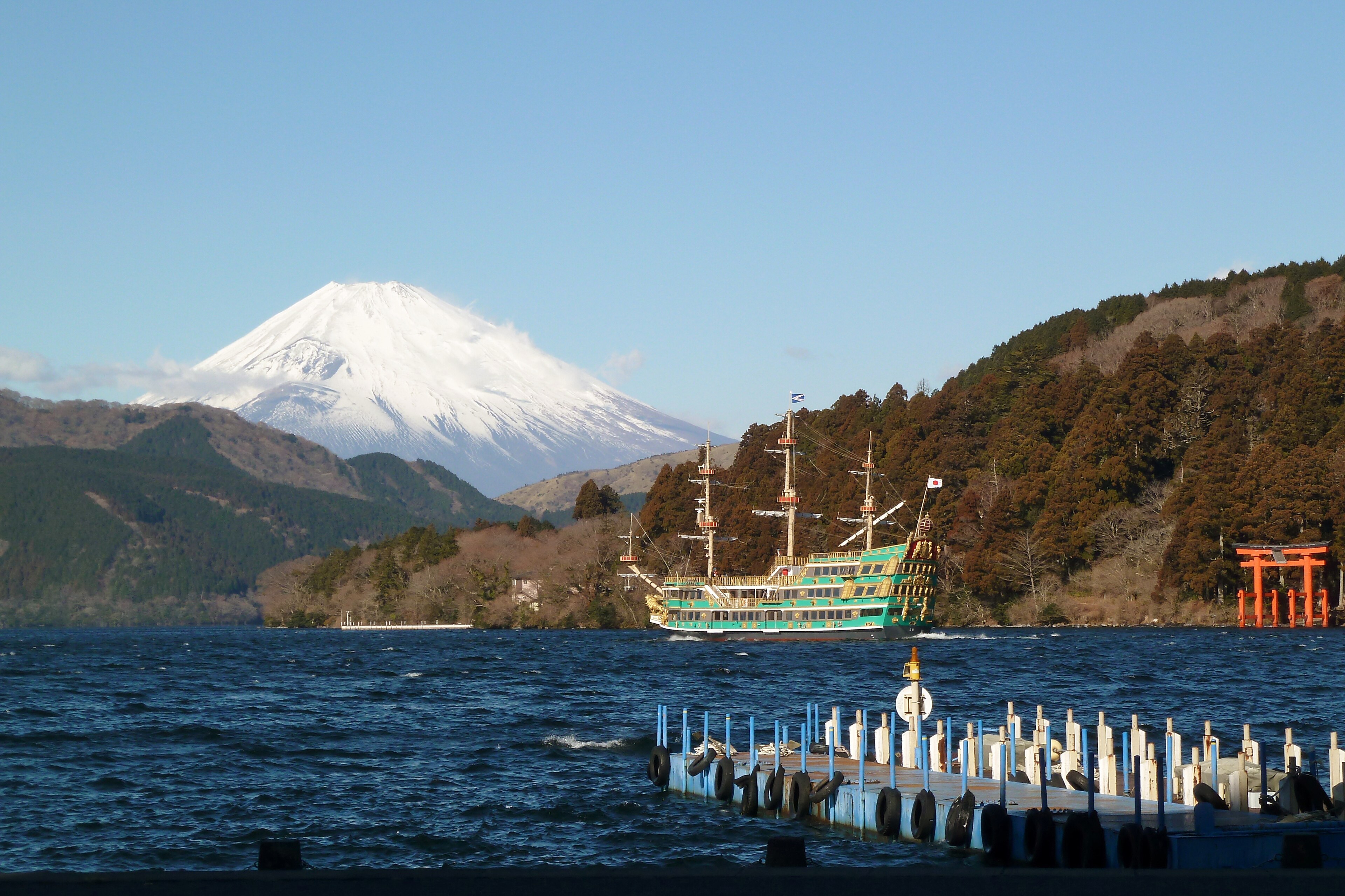
- Stunning Mount Fuji and Lake Ashi backdrops create naturally dramatic event scenery
- Spring cherry blossoms (Mar–Apr) and autumn foliage (Oct–Nov) provide spectacular seasonal settings
- World-class kaiseki dining and omotenashi hospitality elevate every guest experience
- Hakone's compact geography means guests stay, dine, and celebrate within the same serene enclave
- Direct Romancecar express from Shinjuku makes Tokyo-based guest travel straightforward
Top Venues in Hakone
Hakone Gora Byakudan
Hyatt Regency Hakone Resort & Spa
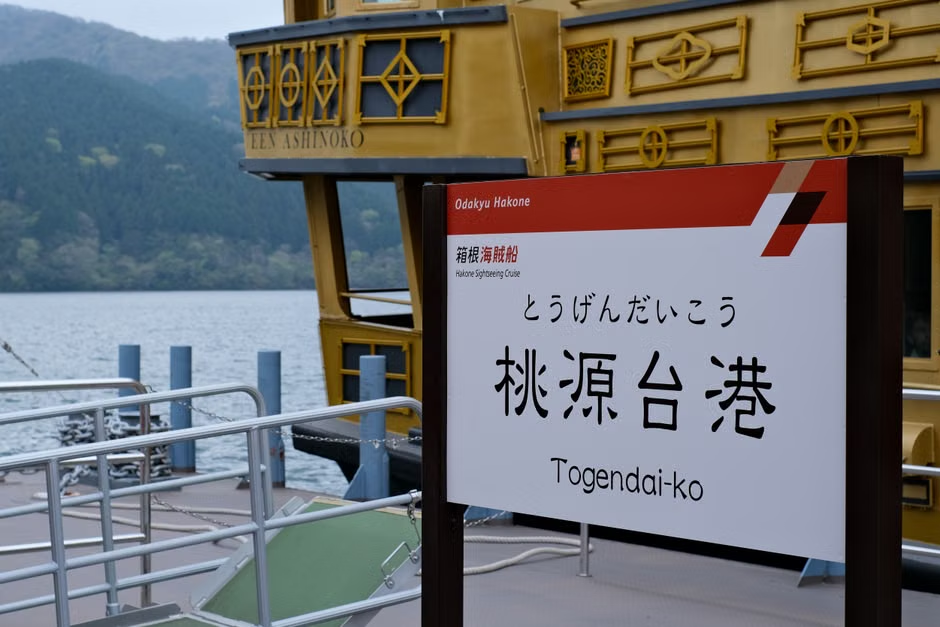
The Prince Hakone Lake Ashinoko
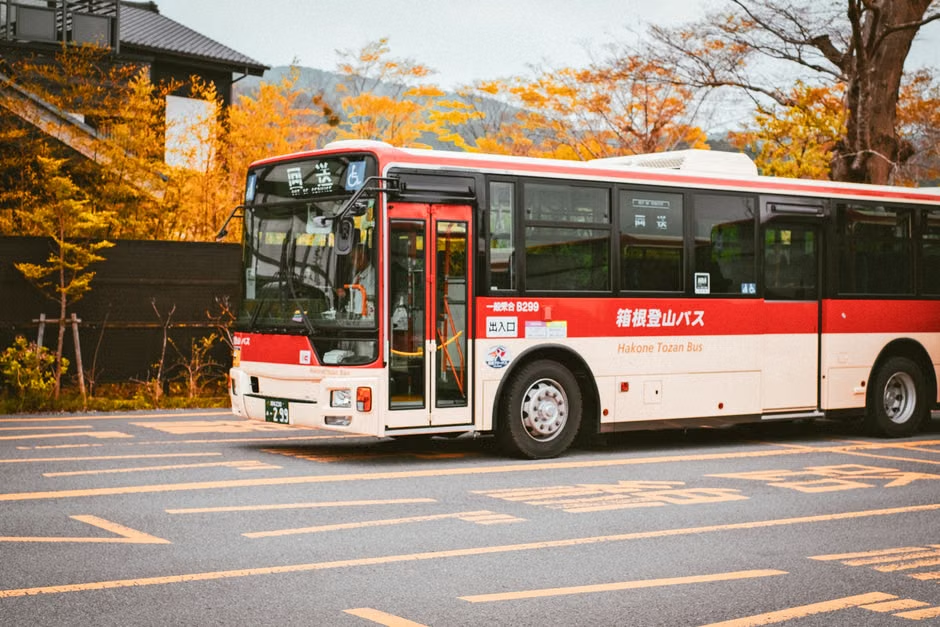
Hakone Kowakien Tenyu
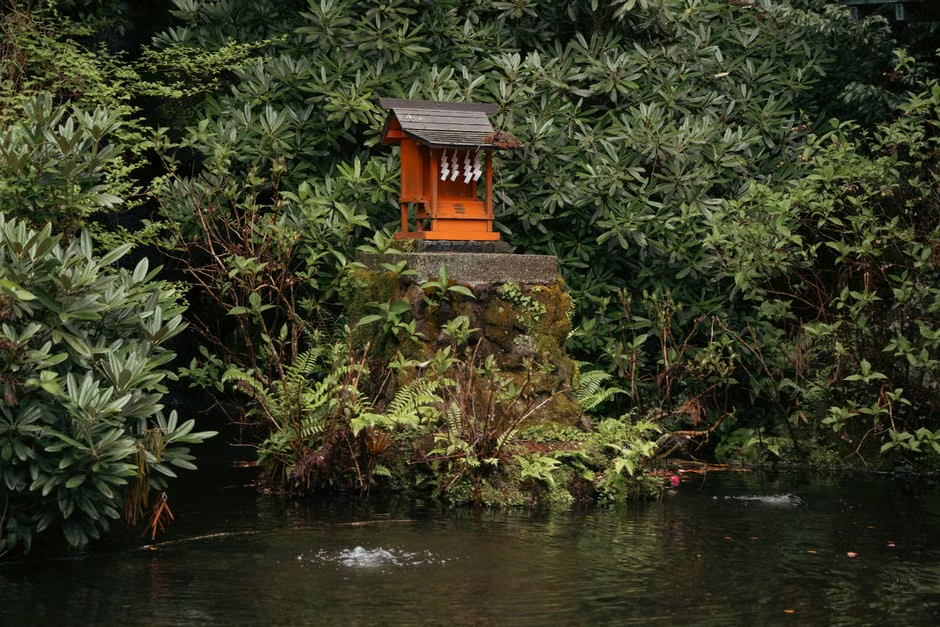
Hakone Yuryo
Compare Hakone with Other Top Destinations
Frequently Asked Questions
Is Hakone a good destination for an intimate wedding?
Yes. Hakone is particularly well-suited to small, intimate weddings of roughly 20–80 guests. The combination of traditional ryokan inns, private onsen facilities, kaiseki dining, and dramatic natural scenery — including Mount Fuji views and Lake Ashi — creates a deeply personal celebration environment. Full-property buyouts at smaller ryokan are realistic, giving couples genuine exclusivity throughout their event.
What is the best time of year to hold a celebration in Hakone?
Spring (March, April, May) and autumn (October, November) are the strongest windows. Cherry blossom season in March–April and autumn foliage in October–November provide spectacular natural backdrops. Both periods offer mild, comfortable temperatures. June–July brings Japan's rainy season, August–September carries typhoon risk, and December–February can see disruptive snowfall at higher elevations.
How do guests typically travel to Hakone from Tokyo?
The most common route is the Odakyu Romancecar express from Shinjuku, which reaches Hakone-Yumoto in approximately 85 minutes — a comfortable, scenic journey. Guests arriving at Haneda or Narita airports can connect to Shinjuku or Odawara by rail or highway bus. From Odawara, Shinkansen connections serve guests travelling from Osaka, Kyoto, or other Japanese cities.
How many guests can Hakone realistically accommodate for an event?
Hakone's venue inventory is calibrated for intimate gatherings. Most ryokan and resort properties comfortably accommodate events of up to 80–150 guests. Larger groups approaching 200 guests are possible at select resort properties but require careful advance planning. The destination is generally not suited to events significantly above that scale given local venue capacity and mountain terrain logistics.
What kinds of venues are available for events in Hakone?
Hakone's event spaces are primarily traditional ryokan inns and onsen resort properties, offering private tatami rooms, open-air terraces with mountain or lake views, and dedicated kaiseki dining rooms. Some larger resort properties include Western-style function rooms. Purpose-built banquet halls and large convention spaces are not characteristic of this destination — the venue character is consistently nature-integrated and intimate.
Is Hakone suitable for non-Japanese couples or international guests?
Yes, though with some planning considerations. Major resort properties offer English-language coordination and multilingual staff. Ryokan hospitality is welcoming to international guests, and the Romancecar rail connection from Tokyo is straightforward to navigate. Couples seeking highly customised Western-format ceremonies may need to engage Tokyo-based specialists, as the local vendor pool for non-Japanese ceremony formats is smaller.
What is local transport like for a group once guests arrive in Hakone?
Within Hakone, the Tozan Railway, ropeway, cable car, and Lake Ashi boats cover the main areas but are not ideal for coordinating large groups. Most ryokan and resort properties offer shuttle services. For group transfers between venues or areas, private coach or minibus hire is the most practical approach. Road access to higher-elevation areas can be slow during peak season weekends.
Does Hakone have a developed wedding and event vendor ecosystem?
Hakone has a focused vendor ecosystem well-suited to intimate, high-quality events. Ryokan properties typically handle catering in-house through their own kaiseki kitchens. Floristry, photography, and ceremony coordination specialists operate locally, and Tokyo-based vendors regularly travel to Hakone. The ecosystem is calibrated for small events — sourcing vendors for a large-scale production would require more extensive coordination.
Can guests stay on-site at the event venue in Hakone?
Yes, and this is one of Hakone's genuine strengths. Most ryokan and resort properties offer accommodation alongside event facilities, meaning guests can stay, dine, bathe in onsen, and celebrate within the same property. Full-property buyouts are realistic at smaller ryokan, creating a contained, private experience where the entire venue is dedicated to the celebrating group throughout their stay.
What makes Hakone's hospitality different from a standard hotel destination?
Hakone's hospitality is rooted in Japan's omotenashi tradition — a philosophy of anticipatory, attentive service where guest needs are addressed before they are expressed. Ryokan inns in particular offer a highly personalised experience: in-room kaiseki meals, private onsen access, yukata robes, and staff who manage every detail quietly and precisely. This baseline standard applies broadly across the destination's accommodation tier.

Ready to explore venues in Hakone?
Hakone: Destination Wedding & Intimate Event Venues in Japan
◆Hakone is a compact hot-spring resort town in Kanagawa Prefecture, Japan, best suited to small, intimate weddings, private anniversary retreats, and exclusive corporate off-sites. Its primary character is peaceful and secluded — defined by traditional ryokan inns, open-air onsen baths, forested mountain terrain, and views of Mount Fuji across Lake Ashi. The destination is most accessible from Tokyo via direct express rail, making it practical for internationally-based guests flying into Haneda or Narita. Venue capacity is generally modest, which makes Hakone a strong fit for gatherings of up to roughly 150 guests rather than large-scale banquets. The overall hospitality standard is high, rooted in Japan's omotenashi tradition of attentive, anticipatory service.
Hakone at a Glance
| Category | Detail |
|---|---|
| Best For | Intimate Weddings, Private Retreats, Anniversary Celebrations, Small Corporate Off-sites |
| Primary Vibe | Peaceful & Secluded |
| Other Vibes | Romantic, Nature-Immersed, Culturally Authentic |
| Best Season | Spring (Mar, Apr, May, Oct, Nov) |
Why Choose Hakone?
- Unmatched natural scenery: Mount Fuji views, Lake Ashi, volcanic valleys, and dense cedar forests create a backdrop that is genuinely difficult to replicate elsewhere in Japan — or the world.
- Ryokan culture as an event experience: Traditional Japanese inns offer private tatami rooms, in-room kaiseki dining, and dedicated onsen facilities that transform a celebration into a multi-sensory cultural immersion for every guest.
- Seasonal spectacle: Spring cherry blossoms and autumn koyo (foliage) turn the entire landscape into a natural event decoration, with no additional styling required.
- Privacy and exclusivity: Many ryokan and resort properties in Hakone operate at small scale, making full-property buyouts realistic for intimate groups — a level of exclusivity that larger urban hotel destinations rarely offer.
- Proximity to Tokyo: The Odakyu Romancecar express connects Shinjuku to Hakone-Yumoto in roughly 85 minutes, meaning Tokyo-based guests — including international arrivals at Haneda — can reach the destination without a domestic flight or overnight journey.
- Omotenashi hospitality standard: Hakone's hospitality ecosystem is built around Japan's deeply ingrained service culture, where attention to detail, anticipatory care, and quiet professionalism are the baseline rather than a premium add-on.
Which Celebrations Work Best in Hakone?
- Intimate destination weddings: Hakone is particularly well-suited to small ceremonies of 20–80 guests who want a deeply personal, nature-framed celebration rather than a grand ballroom event. The ryokan setting, seasonal scenery, and private onsen access make the entire stay feel ceremonial.
- Anniversary and honeymoon retreats: Couples seeking a private, restorative celebration will find Hakone's combination of onsen, kaiseki cuisine, and mountain seclusion genuinely hard to match. Many properties are designed around couple-focused experiences.
- Private family gatherings: Multi-generational family celebrations — milestone birthdays, reunion dinners — work well here because ryokan hospitality naturally accommodates varied ages and preferences within a single, contained property.
- Small corporate off-sites and leadership retreats: The combination of natural calm, high-quality accommodation, and proximity to Tokyo makes Hakone a credible choice for executive retreats where focused discussion and team bonding are the goals, rather than large conference infrastructure.
Venues & Event Spaces
Hakone's event venue landscape is defined primarily by traditional ryokan inns and modern onsen resorts rather than purpose-built banquet halls or convention centres. Most properties offer a combination of private tatami rooms for intimate ceremonies, open-air terraces with mountain or lake views for outdoor moments, and dedicated dining rooms for kaiseki-style banquet meals. Some larger resort properties include Western-style function rooms suitable for small receptions with a more contemporary layout. Outdoor garden spaces and lakeside terraces are available at select properties, particularly around the Lake Ashi area, and these are especially popular during the spring and autumn seasons when the natural surroundings are at their most dramatic. Full-property buyouts are a realistic option at many of the smaller ryokan, giving event planners a level of privacy and control that is unusual in more urban destinations. Hakone does not have large standalone banquet halls or wedding chapels in the Western resort-hotel sense — the venue character here is consistently rooted in Japanese architectural tradition and natural integration.
Best Time to Celebrate
The curated best season for Hakone events is spring (March, April, May) and autumn (October, November), and both windows have distinct, concrete advantages beyond simply "pleasant weather."
- March–April: Cherry blossom season transforms Hakone's roadsides, temple grounds, and lakeshores into a soft pink landscape. Temperatures are mild (typically 8°C–18°C), outdoor ceremonies are comfortable, and the visual backdrop requires no additional decoration. April is generally the peak bloom window, though exact timing varies by year.
- May: Post-cherry-blossom greenery is lush and vivid. Crowds thin slightly compared to peak sakura season, temperatures remain comfortable, and the risk of rain is lower than in June. A strong shoulder option within the best-season window.
- October–November: Autumn koyo (foliage) season brings deep reds, oranges, and golds across the mountain slopes. Lake Ashi reflections during this period are particularly striking. Temperatures cool gradually (10°C–20°C in October, 5°C–15°C in November), making outdoor events comfortable with appropriate planning.
The months outside this window carry genuine trade-offs. June and July bring Japan's tsuyu (rainy season) — persistent, heavy rainfall that makes outdoor event planning unreliable and can affect mountain road access. August and September are humid and warm at lower elevations, with typhoon risk peaking in September — outdoor events face real weather uncertainty. December through February brings cold temperatures and occasional heavy snowfall at Hakone's higher elevations (Gora and above), which can disrupt guest travel and limit outdoor use of venues, though the onsen experience itself is particularly atmospheric in winter for those willing to plan around the constraints.
Getting There & Local Connectivity
Hakone is served primarily by Tokyo Haneda Airport (HND), which connects to Odawara Station via highway bus or a combination of rail services. Tokyo Narita Airport (NRT) is also a viable entry point for international guests, though the transfer is longer. From central Tokyo (Shinjuku), the Odakyu Romancecar express reaches Hakone-Yumoto in approximately 85 minutes — a comfortable, scenic journey that many guests find enjoyable in itself. Odawara Station, served by the Shinkansen bullet train, is the main gateway for guests arriving from Osaka, Kyoto, or other Japanese cities.
Within Hakone, local connectivity is more nuanced. The Hakone Tozan Railway, ropeway, cable car, and Lake Ashi sightseeing boats form an interconnected loop that covers the main areas, but the mountain terrain means that moving a large group between venues or areas requires advance coordination. Most ryokan and resort properties offer shuttle services for guests, and the Hakone Freepass (a multi-day transport pass) simplifies movement for individual guests. For groups, private coach or minibus hire is the most practical solution for coordinated transfers between accommodation, ceremony sites, and dining venues. Parking is available at most properties but road access to some higher-elevation areas can be slow during peak season weekends.
Local Vendor & Hospitality Ecosystem
Hakone's vendor ecosystem is well-developed for the specific kind of event it hosts — small, high-quality, nature-integrated celebrations — but it is not a large-scale wedding industry hub in the way that some urban Japanese destinations are. Ryokan properties typically handle catering in-house through their own kaiseki kitchens, which are generally of a very high standard and deeply tied to local and seasonal ingredients. This means external catering vendors are rarely needed or even appropriate for ryokan-based events.
For floristry, photography, and ceremony coordination, Hakone has a growing community of specialists who work regularly with the destination's properties, and Tokyo-based vendors frequently travel to Hakone for events given the manageable distance. Western-style wedding coordination services are available, particularly through the larger resort properties, though couples seeking highly customised or non-Japanese ceremony formats may need to bring in specialists from Tokyo. Multilingual coordination — particularly English-language event management — is available at the major resort properties, which is a practical consideration for international couples or guests.
The overall hospitality standard across Hakone's accommodation and dining sector is consistently high. Japan's service culture means that even mid-tier properties operate with a level of attentiveness and reliability that event planners can depend on. The main limitation is scale: the local ecosystem is calibrated for intimate events, and attempting to source local vendors for a 300-person event would stretch the available supply.
Pros & Things to Consider
Why Hakone Works Well
- Exceptional natural scenery — Mount Fuji, Lake Ashi, and seasonal foliage provide a backdrop that is genuinely world-class
- High baseline hospitality standard rooted in Japan's omotenashi tradition
- Full-property ryokan buyouts offer a level of privacy and exclusivity rarely available in urban destinations
- Direct, comfortable rail access from Tokyo makes guest logistics manageable
- In-house kaiseki dining at ryokan properties removes the need for external catering coordination
- Compact geography means guests are naturally contained within the same serene environment throughout their stay
Things to Consider
- Venue capacity is genuinely limited — Hakone is not suited to events above roughly 150–200 guests without significant logistical complexity
- Mountain terrain and narrow roads can make large-group transfers slow and require careful advance planning
- The rainy season (June–July) and typhoon season (August–September) create real outdoor event risk for roughly four months of the year
- English-language vendor availability, while improving, is not as deep as in major Japanese cities — international couples should confirm language support early in planning
- Hakone is a popular domestic tourism destination, meaning peak season weekends (especially cherry blossom and autumn foliage periods) can see elevated visitor numbers in public areas, even if the event property itself is private
When Hakone May Not Be the Right Fit
- Large guest lists: If your celebration involves more than 150–200 guests, Hakone's venue inventory and local logistics infrastructure will likely feel constrained. A destination with larger resort or convention capacity would serve the event better.
- Monsoon or typhoon-season outdoor events: Planning an outdoor ceremony or garden reception between June and September carries meaningful weather risk. Couples with firm outdoor requirements and inflexible dates should consider whether the season aligns with the curated best window.
- Guests requiring extensive international flight connections: While Tokyo's airports are major international hubs, guests travelling from regions without direct Tokyo routes face long journeys. For a guest list drawn primarily from a single non-Japanese country, a destination closer to that country's hub airports may reduce travel fatigue.
- Events requiring large-scale production or entertainment infrastructure: Hakone's ryokan and resort venues are not designed for large stage setups, elaborate AV production, or high-volume entertainment. Events that prioritise production scale over intimacy and natural setting would be better served elsewhere.