
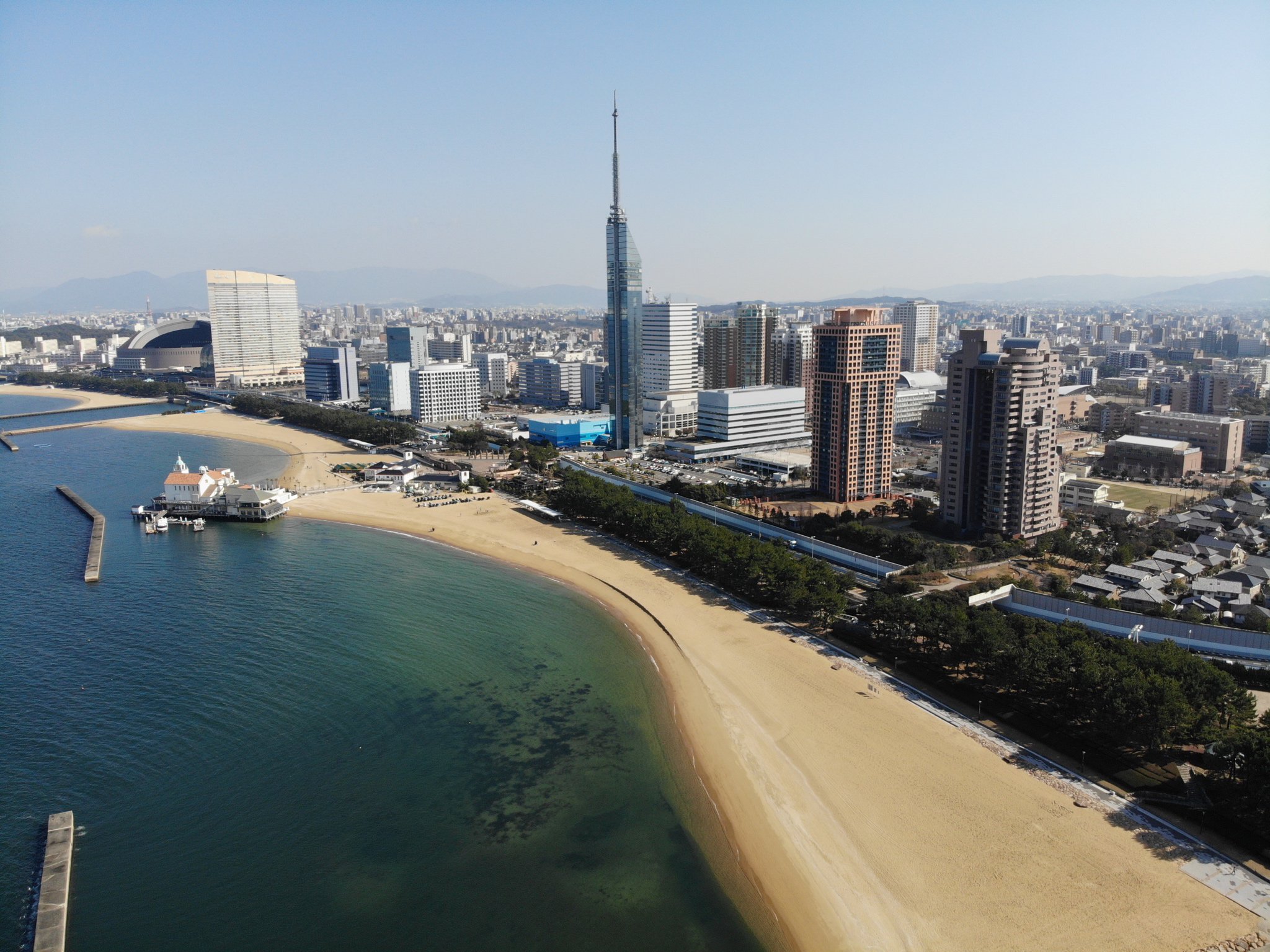
Why Fukuoka is Perfect for Your Celebration
- Fukuoka Airport is just ~5 km from the city center — among the most convenient airport-to-city ratios in Japan, minimizing guest travel fatigue
- Hakata Station's Shinkansen access connects guests from Tokyo, Osaka, and Hiroshima in a few hours, broadening the reachable guest pool significantly
- The city hosts major annual festivals (Hakata Gion Yamakasa, Dontaku) that create a naturally festive atmosphere for celebrations held around those periods
- A mature international hotel ecosystem — including multiple globally branded properties — provides reliable event infrastructure and catering at scale
- Fukuoka's compact city layout means guests can move between accommodation, venues, and dining districts on foot or by a single subway line
- The Nakasu and Tenjin districts offer a dense concentration of restaurants, yatai stalls, and entertainment options that enrich multi-day event programs

Top Venues in Fukuoka
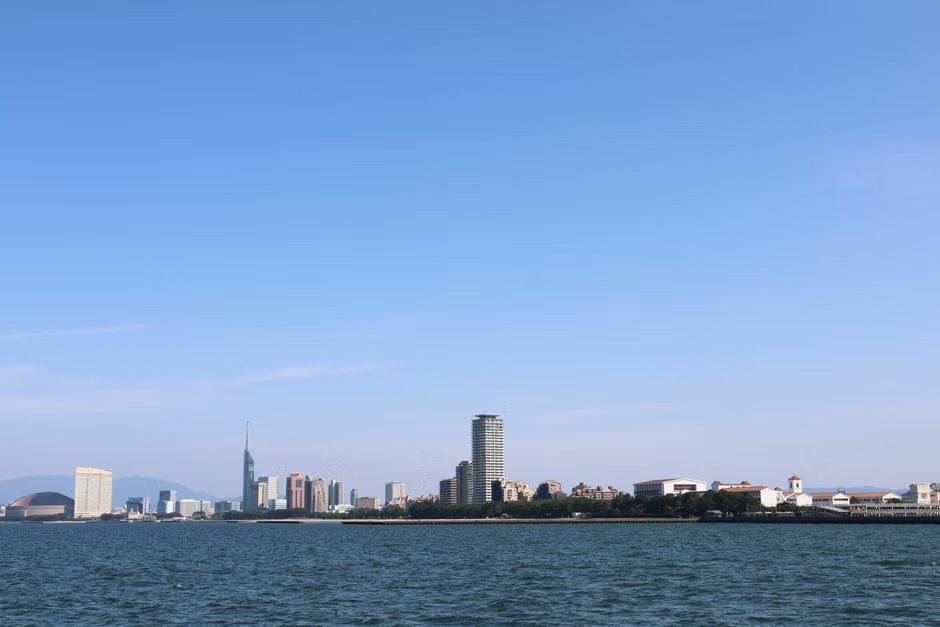
The Ritz-Carlton, Fukuoka
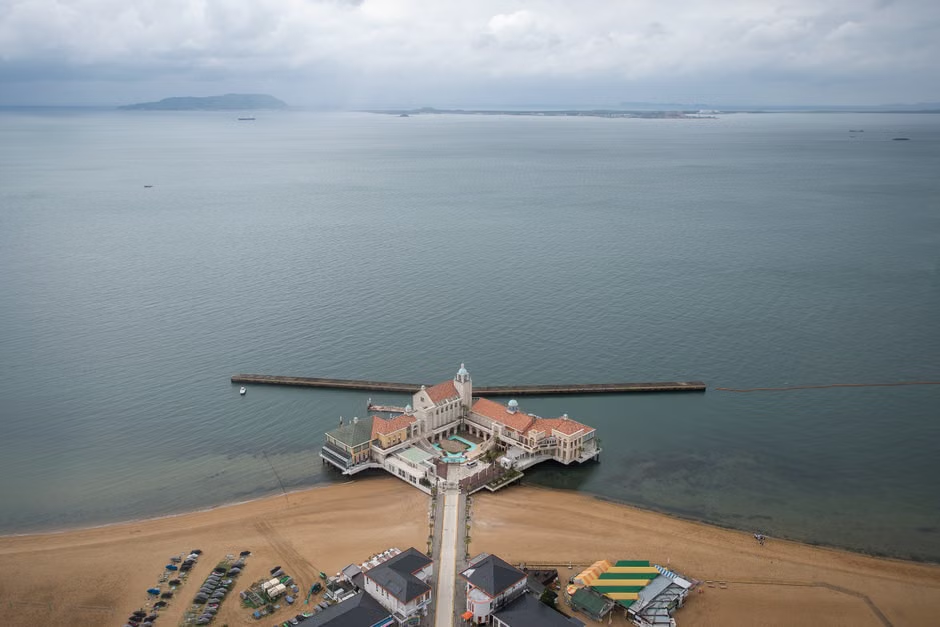
Hilton Fukuoka Sea Hawk
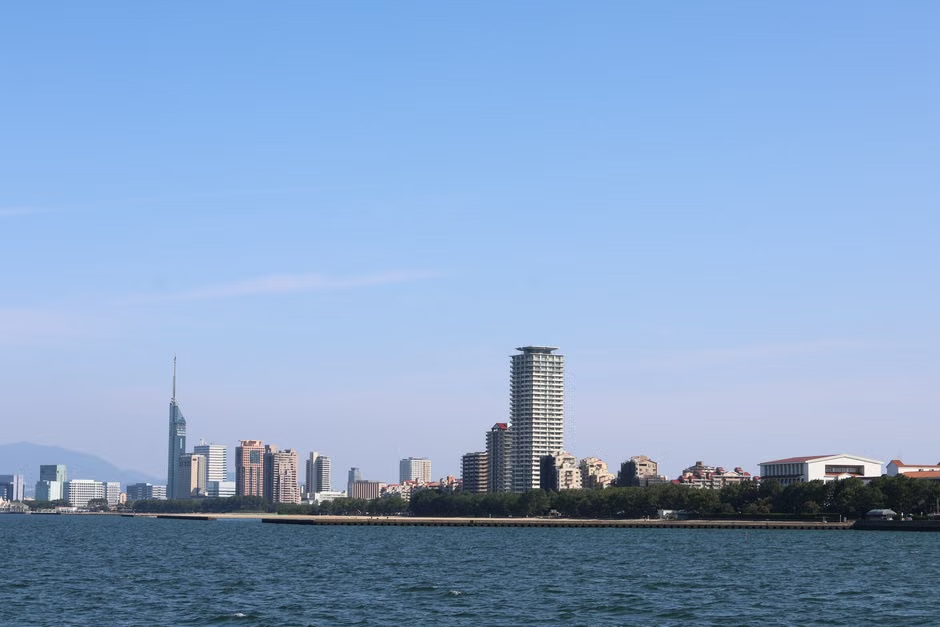
Hyatt Regency Fukuoka
Marriott Fukuoka
ANA Crowne Plaza Fukuoka
Solaria Nishitetsu Hotel Fukuoka
Hakata Excel Hotel Tokyu
Dormy Inn Hakata Gion
Compare Fukuoka with Other Top Destinations
Frequently Asked Questions
Is Fukuoka a good destination for corporate events and conferences?
Yes, strongly so. Fukuoka is one of Japan's most developed MICE cities, with multiple internationally branded hotel properties offering large ballrooms, professional AV infrastructure, and experienced in-house event teams. The city's airport proximity and Shinkansen access make it logistically straightforward for delegates traveling from across Japan and from major Asian hubs.
What guest group sizes can Fukuoka venues realistically accommodate?
Fukuoka's major hotel properties can comfortably accommodate events ranging from intimate gatherings of 50 guests up to large banquets of several hundred. Some of the larger waterfront hotel properties have ballroom and combined-space capacity for 800–1,000 guests. Very large events exceeding 1,000 guests may need to consider convention center facilities alongside hotel accommodation blocks.
How easy is it for guests to reach Fukuoka from overseas?
Reasonably easy. Fukuoka Airport handles direct international routes from major Asian cities including Seoul, Shanghai, Hong Kong, Taipei, and Singapore, among others. Guests from further afield typically connect through Tokyo (Narita or Haneda) or another Asian hub. Once landed, the airport's subway connection puts guests at their hotel within 15–20 minutes.
What is the best time of year to hold an event in Fukuoka?
Spring (March–May) and autumn (October–November) are the most reliable windows. Spring offers cherry blossom scenery and mild temperatures; autumn brings stable, comfortable weather and foliage color. Both seasons suit outdoor ceremony elements well. June through September should generally be avoided due to the rainy season, high humidity, and typhoon risk.
What kinds of venues are available for events in Fukuoka?
The primary venue type is internationally branded hotel ballrooms and banquet halls, ranging from large waterfront properties to more intimate city-center spaces. The city also has dedicated convention facilities, waterfront outdoor event spaces along Hakata Bay, private restaurant event rooms, and some traditional Japanese garden and shrine settings suited to smaller ceremonies.
Can guests get around Fukuoka easily once they arrive?
Yes. Fukuoka has a clean, punctual subway network connecting the airport, Hakata Station, and the main hotel and entertainment districts. The Tenjin and Hakata areas — where most event venues and hotels are concentrated — are also walkable between each other. For group transfers, private coach hire is straightforward to arrange within the compact city layout.
Is Fukuoka suitable for a destination wedding?
Yes, particularly for intimate to mid-sized weddings. Several luxury hotel properties offer dedicated ceremony spaces alongside banquet rooms, and the city's cosmopolitan character accommodates international couples and mixed-nationality guest lists well. The spring cherry blossom season is especially popular for wedding photography. Very large traditional multi-day weddings requiring expansive outdoor lawns may find the venue options more limited.
What makes Fukuoka's local hospitality ecosystem well-suited to events?
The major international hotel properties maintain in-house event planning, catering, and AV teams that meet global standards. Fukuoka is also one of Japan's premier food cities, meaning banquet catering can draw on exceptional local ingredients and culinary traditions. Traditional Hakata cultural performances — music, textile demonstrations, festival arts — can be incorporated into event programs as authentic local experiences.
How far in advance should an event in Fukuoka be planned?
For spring events — particularly late March to early May, which coincides with cherry blossom season and the Hakata Dontaku festival — booking 9–12 months in advance is advisable, as hotel and venue availability tightens significantly during this period. Autumn events (October–November) are somewhat easier to secure, though 6–9 months lead time is still recommended for larger groups.
Are there outdoor event spaces available in Fukuoka?
Yes. Several hotel properties have garden or terrace spaces suitable for outdoor ceremonies and receptions, and the Momochi seafront area along Hakata Bay offers waterfront outdoor event settings. These spaces are most practical during spring and autumn. Summer outdoor events carry significant weather risk due to heat, humidity, and typhoon season.
Is Fukuoka safe for international guests attending an event?
Very safe. Fukuoka consistently ranks among Japan's safest cities, and Japan overall has very low crime rates. Guests can move around independently — including at night in entertainment districts like Nakasu — with confidence. The main practical consideration for international guests is language, as Japanese dominates outside major hotel and tourist contexts.

Ready to explore venues in Fukuoka?
Fukuoka: Destination Wedding & Event Venues in Kyushu, Japan
◆Fukuoka is Japan's sixth-largest city and the primary urban hub of Kyushu island, best suited to corporate events, festival-themed celebrations, and intimate destination weddings that benefit from outstanding transport connectivity and a lively, culturally rich urban backdrop. Its primary vibe is Vibrant & Festive, shaped by major annual festivals, a thriving street food culture, and a dense concentration of internationally branded hotels with professional event infrastructure. The best seasons to plan are spring (March–May) and autumn (October–November), when temperatures are mild and outdoor elements are practical. Fukuoka is generally accessible and well-served by international and domestic air routes, with the airport sitting unusually close to the city center.
Fukuoka at a Glance
| Attribute | Detail |
|---|---|
| Best For | Corporate Events, Festival Celebrations, Destination Weddings, Social Gatherings |
| Primary Vibe | Vibrant & Festive |
| Other Vibes | Modern Urban, Culturally Rich, Coastal |
| Best Season | Spring (Mar, Apr, May, Oct, Nov) |
Why Choose Fukuoka?
- Exceptional airport proximity: Fukuoka Airport sits roughly 5 km from the city center and is directly connected to the subway network, meaning guests arriving from overseas or domestic destinations can reach their hotel in under 15 minutes — a logistical advantage that is rare among major Japanese cities.
- Shinkansen hub at Hakata Station: Hakata Station is one of Japan's most important bullet-train hubs, placing Fukuoka within a few hours of Osaka, Hiroshima, and Tokyo by rail. This dramatically expands the practical guest catchment area for events hosted here.
- Mature international hotel infrastructure: The city hosts multiple globally branded luxury and upper-upscale properties with dedicated event and banquet facilities, professional catering teams, and multilingual staff — a level of event-readiness that smaller Japanese cities typically cannot match.
- Authentic festival culture as a built-in backdrop: Fukuoka's calendar includes the Hakata Gion Yamakasa (July) and Hakata Dontaku (May) festivals, among the largest in Japan. Events planned around or inspired by these occasions benefit from a city already in a celebratory mode, with decorations, performances, and public energy that enhance any private celebration.
- Compact, walkable city core: The Tenjin and Hakata districts — where most major hotels and event venues are concentrated — are separated by a short subway ride or a comfortable walk. Guests do not need to manage complex multi-leg transfers between accommodation and event spaces.
- Diverse dining and entertainment ecosystem: Fukuoka's Nakasu district and its famous yatai (open-air food stall) culture provide a genuinely distinctive hospitality experience for guests during multi-day event programs, adding a layer of local character that generic convention-city destinations often lack.
Which Celebrations Work Best in Fukuoka?
- Corporate Events & Conferences: Fukuoka is arguably its strongest in this category. The city has invested significantly in MICE (Meetings, Incentives, Conferences, Exhibitions) infrastructure, and its combination of international hotel ballrooms, professional AV and catering vendors, and easy airport access makes it a natural fit for regional corporate gatherings, incentive trips, and product launches.
- Festival-Themed Celebrations: The city's own festival DNA — Yamakasa, Dontaku, and the Hakata traditional arts scene — makes it a compelling backdrop for celebrations that want to incorporate Japanese cultural elements authentically rather than as a superficial overlay. Pre-wedding parties, milestone birthdays, and anniversary events can draw on this energy effectively.
- Destination Weddings (Intimate Scale): Fukuoka suits smaller, intimate destination weddings particularly well. Several luxury hotel properties offer dedicated chapel or garden ceremony spaces alongside banquet rooms, and the city's cosmopolitan character means international couples and mixed-nationality guest lists are well accommodated. Very large traditional Indian-style multi-day weddings requiring sprawling outdoor lawns may find the local venue inventory less naturally suited.
- Social Gatherings & Group Celebrations: Milestone birthdays, reunion dinners, and group travel celebrations benefit from Fukuoka's density of high-quality restaurants, private dining rooms, and entertainment options within a compact area. The city is easy to navigate as a group, and the variety of experiences available — from Hakata ramen to waterfront walks at Momochi — keeps multi-day programs engaging.
Venues & Event Spaces
Fukuoka's event venue landscape is primarily anchored by internationally branded hotel ballrooms and banquet halls, which form the backbone of the city's event infrastructure. These range from large-scale waterfront properties with panoramic bay views and capacity for several hundred guests, to more intimate boutique hotel spaces in the Tenjin shopping and business district suited to smaller gatherings.
Beyond hotel venues, the city offers dedicated convention and exhibition centers that cater to large-scale corporate and trade events. For celebrations seeking a more distinctive setting, Fukuoka has waterfront event spaces along the Momochi seafront and Hakata Bay, where outdoor ceremonies and receptions can be arranged during the favorable spring and autumn seasons. The city also has a number of private restaurant event rooms and rooftop spaces in the Nakasu and Dontaku districts, well-suited to rehearsal dinners, welcome parties, and post-event gatherings.
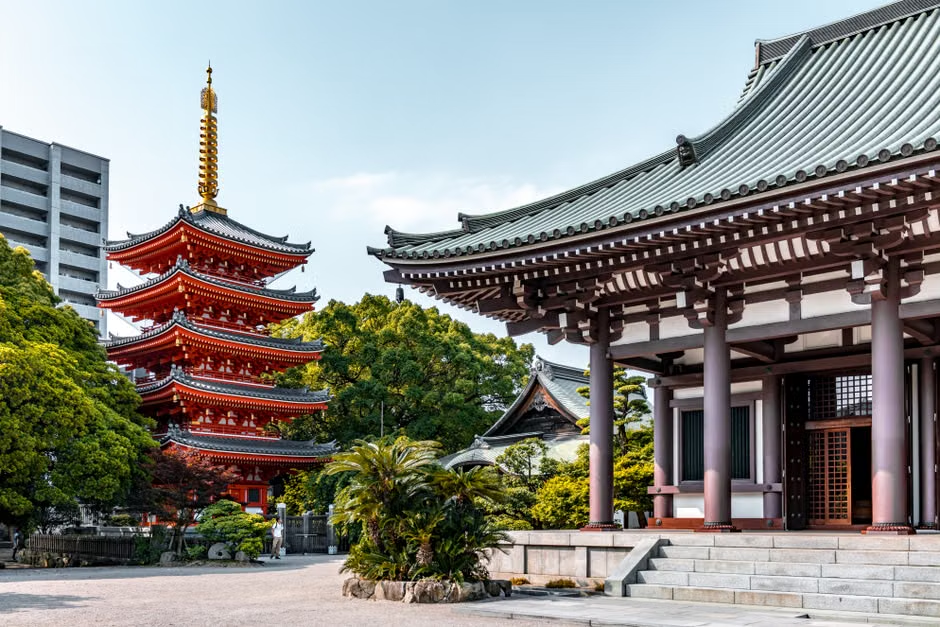
Traditional Japanese aesthetic elements — garden settings, shrine precincts, and heritage townhouse (machiya) spaces — are available in and around the city for couples or planners seeking a more culturally immersive venue character, though these tend to suit smaller guest counts. Overall, the venue mix skews toward modern, professionally managed spaces rather than the heritage palace or fort settings found in some other destination markets.
Best Time to Celebrate
The curated best seasons for Fukuoka events are spring (March, April, May) and autumn (October, November), and both windows have distinct practical advantages.
Spring brings mild temperatures — typically ranging from the mid-teens to the mid-twenties Celsius — and the famous cherry blossom season in late March and early April. This period creates a naturally photogenic backdrop for outdoor ceremonies and garden receptions, and the city's parks and shrine grounds are at their most visually striking. May is particularly reliable, with warm but not yet humid conditions and the Hakata Dontaku festival adding a festive city-wide atmosphere.
Autumn (October–November) offers arguably the most stable event weather of the year. Temperatures are comfortable, humidity has dropped significantly from the summer peak, and the city's parks display autumn foliage that provides a warm, golden visual character. October and November are generally considered the most reliably pleasant months for outdoor event elements in Fukuoka.
The months June through September are the primary period to avoid for event planning. June marks the start of the rainy season (tsuyu), bringing persistent rainfall and high humidity. July and August are hot and humid, with temperatures regularly exceeding 30°C and occasional typhoon activity. September carries residual typhoon risk and remains humid. These conditions make outdoor event elements impractical and can affect guest comfort even for indoor events due to the general heat and travel disruption risk.
December through February is Fukuoka's winter, which is mild by Japanese standards — the city rarely sees significant snowfall — but temperatures can drop to single digits at night, making outdoor evening events uncomfortable without significant heating arrangements. Winter is a workable shoulder season for fully indoor events but is not ideal for celebrations with outdoor components.
Getting There & Local Connectivity
Fukuoka's single greatest logistical advantage as an event destination is the proximity of Fukuoka Airport to the city center. The airport handles a substantial volume of international routes — including direct connections from major Asian hubs — as well as extensive domestic Japanese routes. The subway connection from the airport to Hakata Station takes only a few minutes, meaning guests arriving from overseas can be at their hotel within 15–20 minutes of clearing immigration. This is a meaningful comfort factor for large guest groups managing arrival coordination.
Hakata Station serves as the city's Shinkansen terminus, connecting Fukuoka to the rest of Japan's bullet-train network. Guests traveling from Tokyo, Osaka, Kyoto, or Hiroshima can reach Fukuoka by rail without flying, which is a practical option for domestic Japanese guests or international guests already based in those cities.
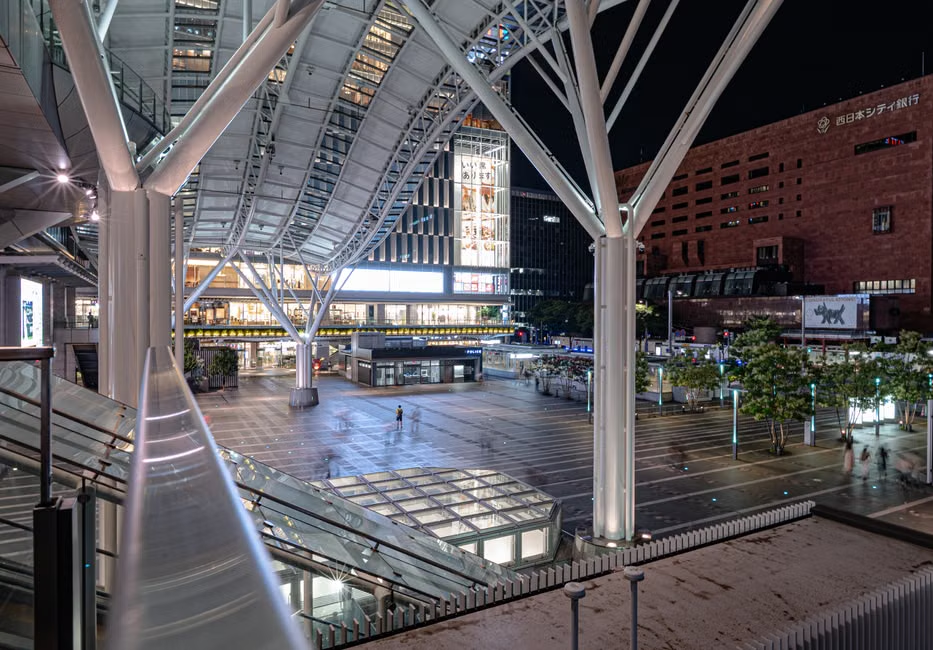
Within the city, Fukuoka operates a clean, punctual subway network with three lines covering the main event and accommodation districts. The Tenjin and Hakata areas — where most major hotels are located — are directly connected by subway and are also walkable between each other. For group transfers between venues, the city has a well-developed taxi and private coach hire ecosystem. Fukuoka is also a compact enough city that chartered bus transfers for large guest groups are straightforward to arrange without the long transit times that affect more sprawling destinations.
Local Vendor & Hospitality Ecosystem
Fukuoka has a well-developed hospitality and event vendor ecosystem, particularly for corporate and MICE events. The city's major international hotel properties maintain in-house event planning teams, catering operations, and AV infrastructure that meet international standards. For planners bringing in events from outside Japan, this in-house capability reduces the dependency on sourcing multiple independent vendors.
The local catering and food and beverage scene is a genuine strength. Fukuoka is widely regarded as one of Japan's premier food cities — known for Hakata ramen, fresh seafood from Hakata Bay, and a dense restaurant culture — and this translates into high-quality catering options for event menus, including the ability to incorporate distinctive local ingredients and culinary traditions into banquet programs.
For floral, décor, and styling vendors, Fukuoka has a growing community of event design professionals, though the market is somewhat smaller than Tokyo or Osaka. Planners organizing very large or highly customized events may find it beneficial to bring specialist vendors from other Japanese cities or coordinate with Tokyo-based agencies that have Fukuoka experience. Multilingual event coordination is available at the major hotel properties, which is important for international guest groups.
The city's entertainment and cultural performance ecosystem is a notable asset. Traditional Hakata performing arts — including Hakata-ori textile demonstrations, traditional music, and festival performances — can be incorporated into event programs as authentic cultural experiences, adding a layer of local distinctiveness that generic urban hotel events often lack.
Pros & Things to Consider
Why Fukuoka Works Well
- Airport proximity is among the best of any major Japanese city — minimal guest transit time from arrival to hotel
- Shinkansen connectivity broadens the domestic Japanese guest catchment significantly
- Multiple internationally branded hotel properties with professional, experienced event teams
- Compact city layout simplifies group logistics and reduces transfer complexity
- Genuine local food and festival culture enriches multi-day event programs authentically
- Very safe city environment — guests can move around independently with confidence, including at night
- Mild spring and autumn seasons provide reliable, comfortable conditions for both indoor and outdoor event elements
Things to Consider
- The venue inventory skews toward modern hotel ballrooms rather than heritage or palace-style settings — couples seeking a traditional Japanese castle or garden aesthetic may find options more limited than in Kyoto or Nara
- Summer months (June–September) carry genuine weather risk — typhoons, persistent rain, and high humidity — that can affect outdoor event plans and guest travel
- For very large events (500+ guests requiring multiple interconnected outdoor spaces), the local venue inventory may require more creative planning than destinations purpose-built for large-scale celebrations
- Japanese language dominates in most non-hotel contexts — guests who do not speak Japanese may need additional support for independent exploration, though major tourist areas are increasingly well-signed in English
- International flight connectivity, while good for an Asian hub city, is not as extensive as Tokyo or Osaka — guests from some regions may require a connecting flight through a larger Japanese or Asian hub
When Fukuoka May Not Be the Right Fit
- Large outdoor multi-day celebrations in summer: If your event program relies heavily on outdoor spaces and is scheduled between June and September, Fukuoka's typhoon risk, rainy season, and high humidity make it a genuinely poor fit — a different season or a different destination with more covered outdoor infrastructure would serve better.
- Heritage palace or fort-style venue requirements: Couples or planners specifically seeking a traditional Japanese castle, historic ryokan estate, or heritage garden setting as the primary venue will find Fukuoka's modern hotel-centric inventory less suited to that brief — cities like Kyoto offer a more naturally heritage-rich venue landscape.
- Very large-scale traditional multi-day weddings: Events requiring sprawling outdoor lawns, multiple simultaneous function spaces, and very high guest counts (700+) in a single venue may find Fukuoka's venue inventory constraining compared to purpose-built resort destinations.
- Guests with very limited international travel experience or no English/Japanese: While Fukuoka is very safe and increasingly tourist-friendly, guests who are entirely unfamiliar with Japan's transit systems and cultural norms may find independent navigation more challenging than in destinations with more established international tourism infrastructure aimed at non-Japanese visitors.