
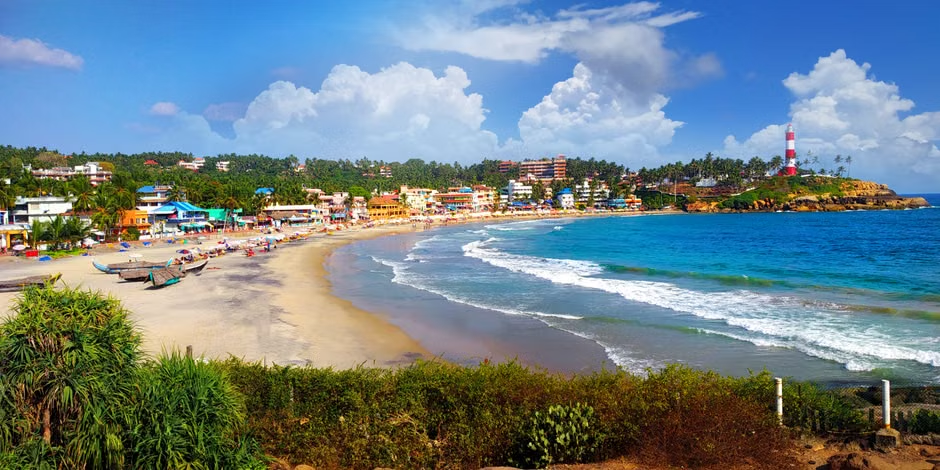
Why Falmouth is Perfect for Your Celebration
- Stunning natural harbour and waterfront backdrops for ceremonies and photography
- Rich Georgian and maritime heritage architecture throughout the town centre
- Dry Season (Jan–Apr, Dec) offers calmer, crowd-free conditions ideal for private celebrations
- Strong local arts and cultural scene, including the National Maritime Museum Cornwall
- Boutique and heritage accommodation options clustered within walking distance of event venues
- Cornwall's mild Atlantic climate keeps winters relatively temperate compared to inland UK

Top Venues in Falmouth
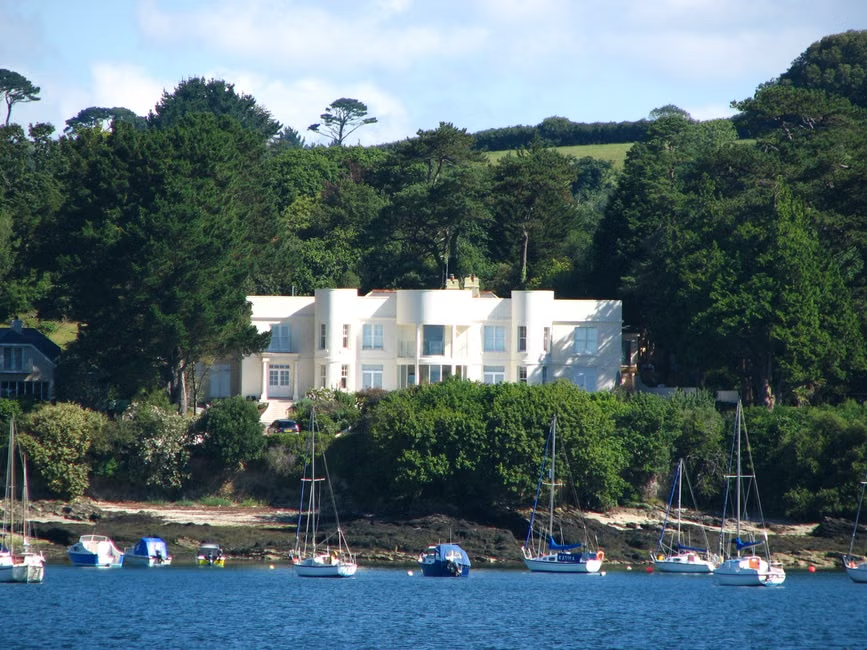
Greenbank Hotel
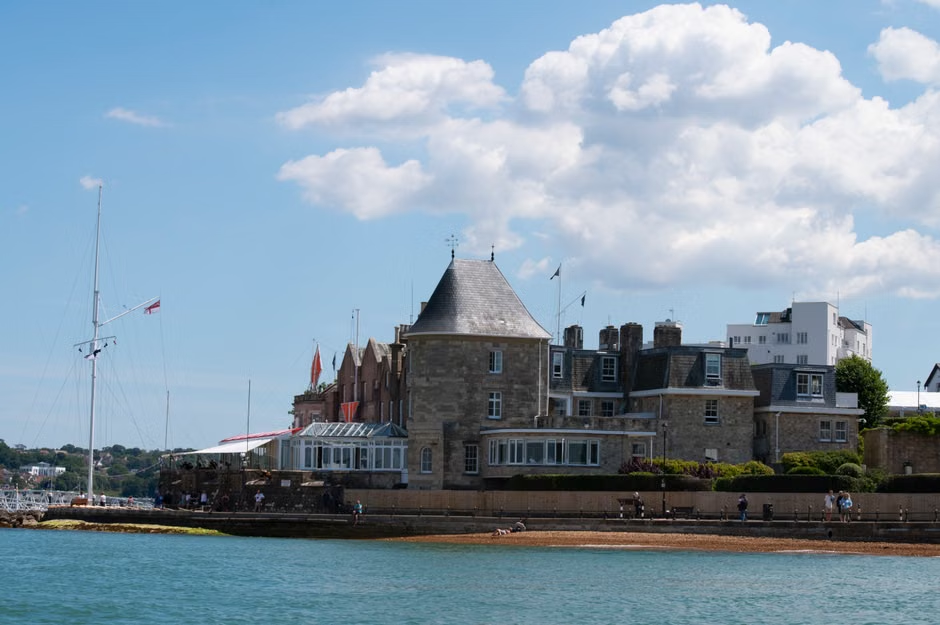
Royal Duchy Hotel
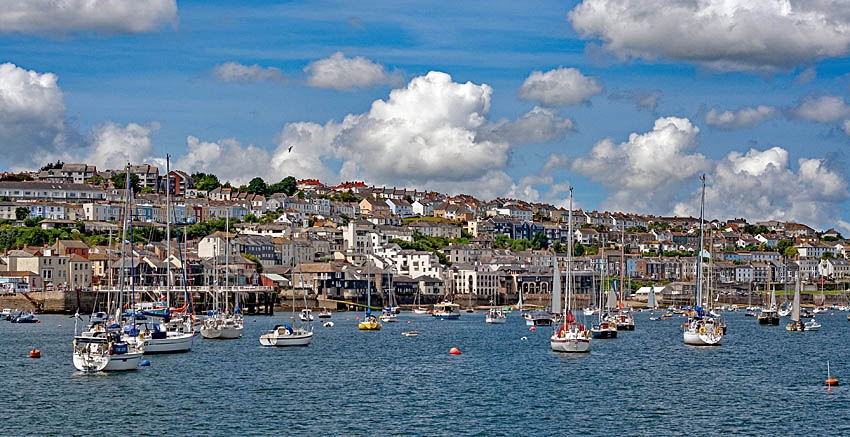
Falmouth Hotel
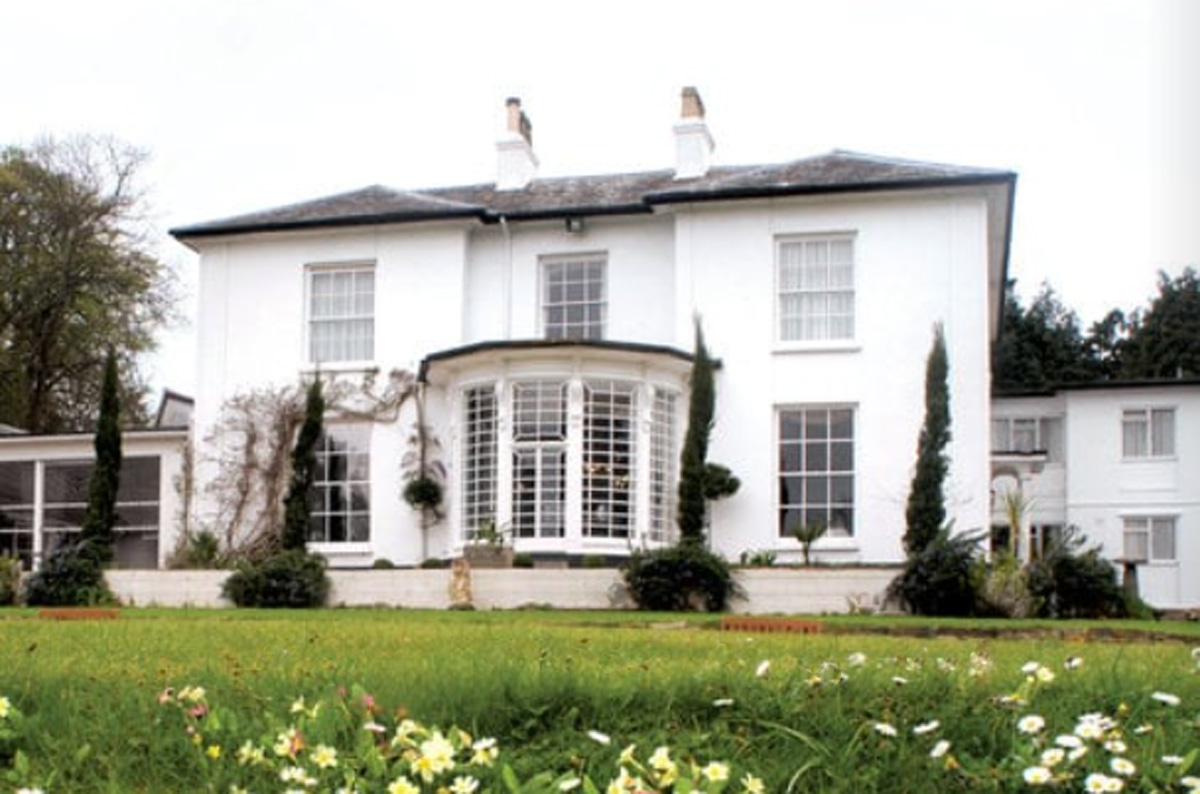
Penmere Manor Hotel
Compare Falmouth with Other Top Destinations
Frequently Asked Questions
Is Falmouth a good destination for a wedding?
Yes, particularly for intimate weddings. Falmouth suits couples seeking a distinctive coastal and heritage setting rather than a conventional venue. Its natural harbour, Georgian architecture, and walkable town centre create a genuinely memorable backdrop. It works best for guest lists under approximately 150 people, where the boutique and heritage venue stock can comfortably accommodate the celebration.
What is the best time of year to hold a celebration in Falmouth?
The recommended dry season window is January, February, March, April, and December. These months offer more settled Atlantic weather, significantly fewer tourists, and better accommodation availability than the summer peak. Cornwall's Gulf Stream influence keeps winter temperatures milder than most of the UK, making this window genuinely practical for events with outdoor elements.
How do guests typically travel to Falmouth?
Most guests arrive via Newquay Cornwall Airport for domestic and some European connections, or by mainline train to Truro followed by the Falmouth branch line. Driving via the A30 is also common. Journey times from London by train are typically three to four hours. Pre-arranging transfers from the airport or Truro station is advisable for larger groups.
What kinds of venues are available in Falmouth for events?
Falmouth offers heritage hotels with private dining rooms and garden lawns, waterfront properties with harbour views, and boutique hotels suited to exclusive-use arrangements. The National Maritime Museum Cornwall provides a distinctive cultural venue option. The town does not have large purpose-built conference or banqueting centres, so it is best suited to smaller, more intimate celebrations.
How large a guest list can Falmouth realistically accommodate?
Falmouth's venue stock comfortably supports events up to around 150–200 guests. For seated banqueting beyond that scale, the local venue options become limited. Planners considering larger celebrations should assess specific venue capacities carefully and may need to consider marquee solutions or a different destination entirely.
What is the local food and catering scene like for events?
Cornwall has a strong food culture built around fresh seafood, artisan produce, and independent hospitality. Local caterers and restaurants can deliver high-quality, characterful menus that reflect the region's identity. For very large-scale catering operations, some suppliers may need to be sourced from Truro or further afield, so early booking is recommended.
Is Falmouth suitable for cultural or arts-themed celebrations?
Yes. Falmouth has a well-established creative and maritime cultural identity, supported by institutions like the National Maritime Museum Cornwall and a thriving local arts community. Events with cultural, heritage, or arts themes feel genuinely at home here, and local artists, musicians, and creative vendors are accessible for programming and entertainment.
What is it like to move around Falmouth as a group of guests?
The town centre is compact and walkable, which is a practical advantage — guests staying in central accommodation can typically reach ceremony venues, restaurants, and the harbour on foot. For guests staying slightly outside the centre, local taxis are available but should be pre-booked for groups. Water taxis on the Fal Estuary add a distinctive and useful transport option for waterfront venues.
Are there outdoor ceremony options in Falmouth?
Yes. Several heritage hotels and waterfront properties offer clifftop gardens, harbour-adjacent terraces, and outdoor lawn spaces suitable for ceremonies. These are weather-dependent and best planned for the dry season window (January–April, December). Robust indoor contingency arrangements are always advisable given Cornwall's Atlantic climate.
How far in advance should I book vendors and venues for a Falmouth event?
For dry season events (January–April, December), the local vendor pool is less pressured than in summer, but Falmouth's boutique venue and supplier base is small. Booking venues six to twelve months ahead is sensible, and specialist vendors — photographers, florists, musicians — should be secured as early as possible given the limited local pool.

Ready to explore venues in Falmouth?
Falmouth: Destination Wedding & Celebration Venues in Cornwall
◆Falmouth is a historic harbour town in Cornwall, England, best suited to intimate weddings, milestone celebrations, cultural gatherings, and small corporate events. Its primary vibe is cultural and timeless — shaped by Georgian architecture, a working maritime heritage, and one of the world's largest natural deep-water harbours. The dry season months (January through April and December) offer the most reliable conditions for outdoor and waterfront events, with fewer tourists and calmer seas. Accessibility requires planning: guests typically arrive via Newquay Cornwall Airport or by mainline train to Truro, then onward to Falmouth. The destination suits smaller guest lists and those prioritising character and scenery over large-scale infrastructure.
Falmouth at a Glance
| Category | Detail |
|---|---|
| Best For | Intimate Weddings, Cultural Celebrations, Milestone Events, Small Festivals |
| Primary Vibe | Cultural & Timeless |
| Other Vibes | Coastal, Maritime, Romantic, Bohemian |
| Best Season | Dry Season (Jan, Feb, Mar, Apr, Dec) |
Why Choose Falmouth?
- Exceptional natural harbour scenery: Falmouth sits at the mouth of the Fal Estuary, offering waterfront ceremony backdrops and boat-access venues that are genuinely rare in the UK events market.
- Authentic Georgian and maritime heritage: The town's historic streetscape, quaysides, and period buildings provide a ready-made aesthetic that requires little additional decoration — the architecture does the work.
- Crowd-free dry season window: Celebrating in January through April or December means guests experience Falmouth without the summer tourist peak, giving events a more private, exclusive feel.
- Strong local arts and cultural identity: The presence of the National Maritime Museum Cornwall and a well-established creative community means cultural programming, local artists, and distinctive entertainment options are genuinely accessible.
- Walkable, self-contained town centre: Accommodation, ceremony venues, restaurants, and the harbour are all within comfortable walking distance, reducing the logistical burden on event planners managing guest movement.
- Mild Atlantic climate in winter: Cornwall's position on the Gulf Stream keeps winter temperatures notably milder than the rest of the UK, making the dry season window genuinely usable for outdoor elements rather than purely theoretical.
Which Celebrations Work Best in Falmouth?
- Intimate weddings: Falmouth is particularly well-suited to smaller weddings — typically under 150 guests — where the couple wants a distinctive, story-worthy setting rather than a conventional hotel ballroom. The harbour, heritage buildings, and coastal scenery create a naturally romantic atmosphere that larger, more generic venues cannot replicate.
- Cultural and arts celebrations: Given Falmouth's strong creative and maritime cultural identity, events tied to arts, music, or heritage themes feel genuinely at home here. The town has hosted festivals and cultural gatherings that draw on its seafaring history and contemporary arts scene.
- Milestone birthday and anniversary events: The boutique hotel and heritage venue stock is well-matched to private dining, exclusive-use celebrations, and weekend-long milestone gatherings for groups of 30–100 guests.
- Small corporate retreats and away-days: The combination of a stimulating coastal environment, good local hospitality infrastructure, and relative seclusion from major urban centres makes Falmouth a credible choice for leadership retreats, creative workshops, and team-building events that benefit from an inspiring, non-corporate backdrop.
Venues & Event Spaces
Falmouth's venue landscape is defined by heritage character rather than large-scale purpose-built event infrastructure. The town offers a range of waterfront and period properties, including Georgian manor-style hotels with private dining rooms and garden lawns, harbourside venues with direct water views, and boutique hotels offering exclusive-use arrangements for smaller guest lists. Outdoor ceremony spaces — including clifftop gardens and harbour-adjacent terraces — are available at several properties, though these are naturally weather-dependent and best suited to the dry season window. The National Maritime Museum Cornwall provides a distinctive cultural venue option for daytime receptions and cultural events. For larger celebrations requiring banqueting for several hundred guests, Falmouth's current venue stock is limited, and planners should assess capacity requirements carefully before committing to this destination.
Best Time to Celebrate
The curated best season for Falmouth is the Dry Season: January, February, March, April, and December. This window is recommended for several concrete reasons beyond simply "the weather is nicer."
- Reduced tourist footfall: Falmouth is a popular summer destination, and the town's narrow streets, limited parking, and concentrated accommodation stock can become genuinely strained from May through September. Celebrating in the dry season means guests move around more freely and accommodation is more readily available at reasonable notice.
- Calmer Atlantic conditions: While Cornwall is never entirely immune to Atlantic weather systems, the dry season months statistically see fewer of the prolonged storm events that characterise autumn (October–November). January through April and December tend to offer more settled, if cool, coastal conditions.
- Exclusive atmosphere: Off-peak Falmouth has a quieter, more intimate character that suits private celebrations. Restaurants, harbour walks, and local attractions are accessible without the queues and noise of peak summer.
- May through September trade-offs: While summer brings longer daylight hours and warmer temperatures, it also brings the highest visitor volumes, premium accommodation pricing, and the unpredictability of Atlantic summer weather — which can shift rapidly. Outdoor event planning in summer requires robust contingency arrangements.
- October and November caution: These months see the highest frequency of Atlantic storm systems reaching Cornwall, with significant rainfall and wind. They are generally the least suitable months for events with outdoor components.
Getting There & Local Connectivity
Falmouth is served by Newquay Cornwall Airport, which offers domestic UK connections and a small number of European routes, particularly in summer. The airport is approximately 30 kilometres from Falmouth town centre, and onward travel requires a taxi, hire car, or pre-arranged transfer — there is no direct public transport link between the airport and Falmouth. For guests travelling from London and major UK cities, the mainline rail route to Truro (served by Great Western Railway from London Paddington) followed by the Falmouth branch line is a practical and scenic option, though journey times from London are typically three to four hours. Driving via the A30 is the most flexible option for guests arriving from elsewhere in England, though Cornwall's road network narrows significantly west of Bodmin and journey times can extend during peak periods.
Within Falmouth itself, the town centre is compact and walkable, which is a genuine advantage for event logistics — guests staying in central hotels can reach ceremony venues, restaurants, and the harbour on foot. For guests accommodated slightly outside the centre, local taxis are available, though pre-booking is advisable for larger groups. Water taxis operating on the Fal Estuary add a distinctive and practical transport option for events using waterfront venues on both sides of the river.
Local Vendor & Hospitality Ecosystem
Falmouth has a well-developed local hospitality ecosystem relative to its size, shaped by decades of tourism and a strong food and drink culture rooted in Cornwall's seafood and artisan produce traditions. Local catering suppliers, florists, and event stylists with experience in coastal and heritage settings are available, and the town's creative community means photographers, musicians, and artists with genuine local knowledge are accessible. However, planners should be aware that the vendor pool is smaller than in a major UK city, and for highly specialist requirements — large-scale AV production, luxury marquee hire, or very large catering operations — suppliers may need to be sourced from further afield, typically Truro, Plymouth, or even Bristol. Lead times for booking local vendors during the dry season window are generally more relaxed than in summer, which is an additional practical advantage of the recommended season.
Pros & Things to Consider
Why Falmouth Works Well
- Genuinely distinctive coastal and maritime setting that creates memorable event photography and guest experiences
- Walkable, self-contained town centre reduces guest transport logistics
- Dry season window offers crowd-free, relatively settled conditions with good accommodation availability
- Strong local food culture — Cornish seafood, artisan produce, and independent restaurants add authentic character to catering
- Heritage venue stock suits intimate and exclusive-use celebrations particularly well
- Cornwall's mild winter climate makes the dry season genuinely usable, not just theoretically off-peak
Things to Consider
- Venue capacity is limited — Falmouth is not well-suited to large-scale events requiring banqueting for 300 or more guests
- Accessibility requires multi-leg journeys for most guests, particularly those travelling internationally or from outside the South West of England
- Atlantic weather is inherently unpredictable; outdoor event elements always carry weather risk and require contingency planning regardless of season
- The local vendor pool for specialist or large-scale event production is smaller than in major UK cities, requiring earlier booking and potentially sourcing from further afield
- Parking in the town centre is limited, which can be a practical challenge for guests arriving by car
When Falmouth May Not Be the Right Fit
- Large guest lists: If your celebration requires seated banqueting for more than 200 guests, Falmouth's current venue stock is unlikely to accommodate this comfortably within a single property. A larger UK city or purpose-built event destination would serve better.
- Guests with complex international travel needs: International guests travelling from outside the UK will face a multi-leg journey — typically flying into London or another major hub, then taking a long train or road journey to Cornwall. For a guest list that is predominantly international, a destination with a major international airport nearby would significantly reduce travel burden.
- Events planned for October or November: These months carry the highest risk of Atlantic storm disruption in Cornwall. If your event dates are fixed in this window and include significant outdoor elements, Falmouth is a higher-risk choice than an inland or more sheltered UK destination.
- Celebrations requiring large-scale production infrastructure: Events needing extensive AV, large marquee structures, or high-volume specialist catering will find Falmouth's local supplier base stretched. The logistical cost and complexity of bringing in outside suppliers may outweigh the destination's scenic advantages for production-heavy events.