
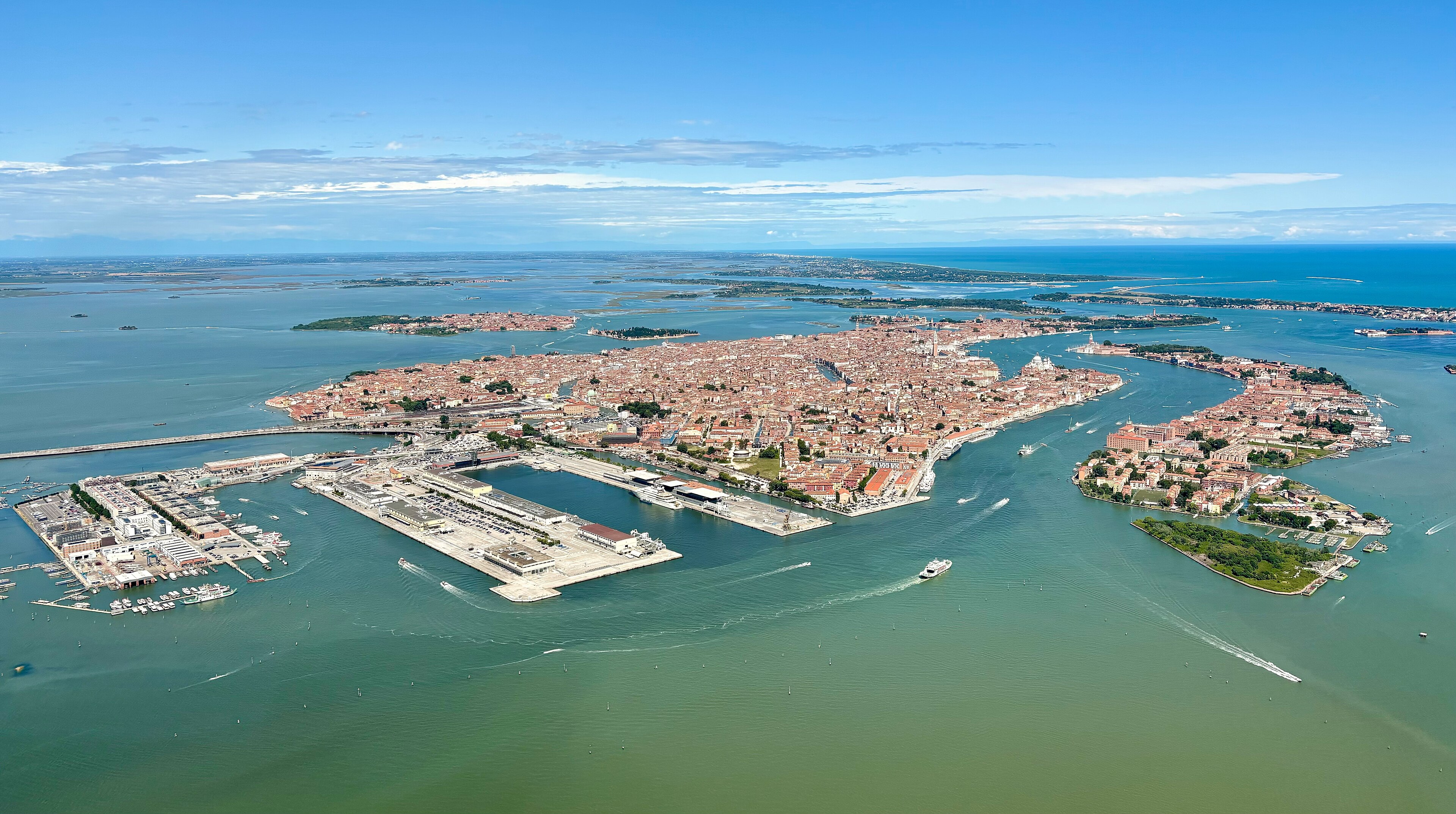
Why Venice is Perfect for Your Celebration
- Centuries-old palazzos and grand canal-front venues create an unrivalled romantic backdrop
- Gondola arrivals and water-taxi transfers make every guest journey feel ceremonial
- Spring and early autumn offer mild weather, soft light, and manageable tourist volumes
- A mature luxury hospitality ecosystem with world-class catering and event management
- Intimate island setting naturally limits guest numbers, making celebrations feel exclusive
- Rich Venetian cultural traditions — Murano glass, local cuisine, Carnival heritage — enrich event theming
Compare Venice with Other Top Destinations
Frequently Asked Questions
Is Venice a good destination for an intimate wedding?
Yes, Venice is particularly well-suited to intimate destination weddings, typically in the range of 20 to 150 guests. The city's historic palazzos, Grand Canal setting, and car-free environment create a naturally exclusive atmosphere. Civil ceremonies can be held at the historic Palazzo Cavalli, and religious ceremonies are possible in several of the city's churches. The compact geography means guests are never far from the venue.
What is the best time of year to hold a wedding or celebration in Venice?
April, May, June, September, and October are the recommended months. Spring and early autumn offer mild temperatures, manageable tourist volumes, and excellent natural light. September and October are particularly favoured — crowds have thinned from summer, the weather is warm but comfortable, and the lagoon is calm. July and August are best avoided due to extreme crowds and heat, and November through March brings acqua alta flooding risk and cold, grey conditions.
How do guests typically travel to Venice for a destination event?
Most international guests arrive via Venice Marco Polo International Airport, approximately 13 km from the city centre, with good European and some intercontinental connections. Guests from within Europe can also travel by Italy's high-speed rail network to Venezia Santa Lucia station, which sits directly on the Grand Canal. From both arrival points, guests transfer into the city by water taxi or public water bus — there is no road access to the historic island.
How do guests move around Venice once they arrive for an event?
All movement within Venice's historic city is on foot or by water — there are no cars, buses, or taxis inside the island. For event groups, transfers between hotels, ceremony venues, and reception spaces are typically handled by private water taxis or vaporetti (public water buses). This is manageable for groups of up to 150 guests but requires careful advance coordination, particularly for guests with mobility challenges, as the city's many bridges involve steps.
What kinds of venues are available for events in Venice?
Venice's event landscape is dominated by historic palazzo hotels with frescoed ballrooms, canal-front terraces, and private garden courtyards. There are also standalone historic venues — civic buildings and private palazzos available for exclusive hire — that offer a more theatrical, non-hotel setting. On Giudecca Island, larger resort-style properties provide more conventional banquet hall infrastructure and higher guest capacities. Across all types, venues skew toward the intimate and exclusive end of the spectrum.
Can Venice accommodate a large wedding with 300 or more guests?
With difficulty. Most of Venice's historic city-centre venues have relatively modest maximum capacities, and a seated dinner for 300 or more guests in a single space is genuinely hard to arrange within the historic island. The larger resort properties on Giudecca Island offer more capacity and are the more practical option for larger groups, but even these have limits. Very large events are generally better suited to mainland or purpose-built venues.
Are there any regulatory considerations specific to holding events in Venice?
Yes. Venice is a UNESCO World Heritage Site, and outdoor ceremonies, amplified music, certain lighting installations, and fireworks are subject to municipal and heritage regulations that require advance permits. Some elements standard at mainland venues may not be permitted in certain historic locations. Planners should engage a Venice-specialist event coordinator early and build permit lead times into the planning timeline — typically several months in advance of the event date.
What is the acqua alta, and does it affect event planning?
Acqua alta (high water) is a tidal flooding phenomenon that periodically inundates Venice's lower-lying streets and piazzas, most commonly between November and March. It can affect guest movement and access to certain venues. The best-season window of April–June and September–October largely avoids the peak acqua alta period, though October can occasionally see early-season events. Planners should include weather contingency provisions and communicate the possibility to guests when booking autumn dates.
Is Venice suitable for a pre-wedding shoot or honeymoon?
Yes, Venice is one of Europe's premier pre-wedding photography destinations. The combination of canals, historic bridges, palazzo interiors, and soft lagoon light creates an exceptionally photogenic environment. A strong community of specialist photographers experienced in Venice's particular conditions and locations is based in the city. Many couples combine a Venice shoot with a broader Italian itinerary, and the spring and early autumn seasons offer the best light and most manageable conditions.
How well-developed is Venice's local events and hospitality industry?
Very well-developed. Venice has hosted high-profile international weddings, film festival events, and corporate gatherings for decades. The city has specialist destination wedding planners, experienced caterers drawing on Venetian and Veneto cuisine, artisanal décor suppliers including Murano glass specialists, and a high concentration of professional event photographers. The main planning consideration is regulatory — permits for outdoor and amplified events require early engagement with local specialists.
Is Venice accessible for guests with mobility challenges?
Partially. Venice's historic city involves numerous bridges with steps, cobblestoned streets, and no road transport — which can be genuinely difficult for elderly guests, wheelchair users, or families with pushchairs. Some routes and water taxis are accessible, and hotels can assist with planning accessible itineraries, but the city's physical character cannot be fully mitigated. Event planners should assess the mobility profile of their guest group carefully and communicate practical logistics clearly in advance.
What makes Venice distinctive as a celebration destination compared to other European cities?
Venice's distinctiveness comes from its physical character — a car-free island city where every arrival is by water, every street is a canal or a pedestrian path, and the built environment is centuries of uninterrupted historic architecture. This creates a sense of occasion and exclusivity that is genuinely difficult to replicate. The combination of world-class luxury hospitality, authentic Venetian cultural traditions, and a setting that is visually extraordinary in every direction makes it a singular choice for romantic celebrations.

Ready to explore venues in Venice?
Venice: Destination Wedding & Celebration Venues in the Venetian Lagoon
◆Venice is a genuinely singular destination for intimate, romantic celebrations — particularly destination weddings, anniversary events, and small milestone gatherings. Its primary vibe is Romantic & Dreamy, shaped by centuries-old palazzos, the Grand Canal, and a car-free island setting that makes every arrival feel ceremonial. The best season runs through spring and early autumn (April, May, June, September, October), when temperatures are mild, light is flattering, and tourist volumes are more manageable. Accessibility is good via international air and high-speed rail connections, though the car-free city interior means all guest movement is on foot or by water — a logistical reality that suits intimate groups better than very large ones.
Venice at a Glance
| Category | Detail |
|---|---|
| Best For | Destination Weddings, Intimate Celebrations, Anniversary Events, Pre-Wedding Shoots |
| Primary Vibe | Romantic & Dreamy |
| Other Vibes | Historic & Cultural, Exclusive & Intimate, Cinematic |
| Best Season | Spring (Apr, May, Jun, Sep, Oct) |
Why Choose Venice?
- Unmatched visual drama: The Grand Canal, historic bridges, and centuries-old palazzos provide a backdrop that is genuinely difficult to replicate anywhere else in the world — every photograph taken here carries an inherent cinematic quality.
- Ceremonial arrival experience: Guests arriving by water taxi or gondola experience the city in a way that immediately sets the tone for a celebration — the journey to the venue is itself part of the event.
- Mature luxury hospitality ecosystem: Venice has hosted high-profile international events for decades, and its hospitality industry — from grand palazzo hotels to specialist event caterers — is well-practised at managing the particular logistical demands of island-based celebrations.
- Natural exclusivity: The island setting and the absence of road traffic create a natural sense of seclusion and intimacy that is hard to engineer artificially at a mainland venue.
- Rich cultural layering: Venetian traditions — Murano glasswork, local cicchetti cuisine, Carnival heritage, and Baroque music — offer genuine, place-specific theming opportunities that go well beyond generic luxury décor.
- Excellent international connectivity: Venice Marco Polo Airport receives direct flights from major European hubs and several intercontinental routes, and Venezia Santa Lucia station sits at the terminus of Italy's high-speed rail network, making it straightforward for international guests to reach.
Which Celebrations Work Best in Venice?
- Destination Weddings: Venice is particularly well-suited to intimate destination weddings — typically in the range of 20 to 150 guests — where the setting itself is the centrepiece. Civil ceremonies can be conducted at the historic Palazzo Cavalli, and religious ceremonies are possible in several of the city's churches. The compact geography means guests staying across different hotels are never far from the ceremony or reception venue.
- Anniversary & Milestone Celebrations: The city's romantic atmosphere and world-class dining make it an outstanding choice for significant anniversaries, vow renewals, or landmark birthday celebrations where the experience of the destination is as important as the event itself.
- Pre-Wedding Shoots & Honeymoons: The visual richness of Venice — canals, bridges, piazzas, and palazzo interiors — makes it one of Europe's premier pre-wedding photography destinations. Couples frequently combine a Venice shoot with a broader Italian itinerary.
- Corporate Gala Dinners & Incentive Events: Several of Venice's larger palazzo hotels and the Hilton Molino Stucky on Giudecca Island have genuine conference and banquet infrastructure, making the city viable for high-end corporate celebrations and incentive travel groups of moderate size.
- Intimate Family Gatherings: For families marking a reunion or a significant occasion, Venice's combination of cultural richness, excellent restaurants, and manageable geography makes it a compelling choice — particularly when the group is small enough to move comfortably through the city's pedestrian-only streets and waterways.
Venues & Event Spaces
Venice's event venue landscape is dominated by historic palazzo hotels — grand, canal-front properties housed in buildings that date back several centuries, many featuring frescoed ballrooms, private garden courtyards, and terraces directly overlooking the Grand Canal or the lagoon. These properties typically offer a combination of indoor ballroom space and outdoor terrace or garden areas, though outdoor capacity is generally more limited than at mainland resort destinations.
Beyond the palazzo hotels, Venice has a number of standalone historic venues — civic buildings, scuole grandi (historic confraternity halls), and private palazzos available for exclusive hire — that offer a more theatrical, non-hotel setting for ceremonies and receptions. These spaces are particularly popular for couples who want a venue that feels genuinely Venetian rather than a hotel function room.
On Giudecca Island, a short vaporetto ride from the main island, there are larger resort-style properties with more conventional banquet hall infrastructure and outdoor lawn space — better suited to groups that need higher guest capacities or more flexible event layouts than the historic city-centre palazzos can comfortably provide.
Across the board, Venice's venues skew toward the intimate and exclusive end of the spectrum. Very large weddings — those requiring seated dinners for 500 or more guests — are genuinely difficult to accommodate within the historic city, and planners should factor this into their initial destination assessment.
Best Time to Celebrate
The curated best season for Venice is Spring: April, May, June, September, and October. This recommendation reflects several converging factors that make these months genuinely superior for events:
- April and May offer mild temperatures (typically 14°C–22°C), lower tourist density than summer, and the soft, diffused light that makes Venice's architecture and waterways look their best in photographs. Spring flowers in the city's gardens and courtyards add a natural decorative element.
- June sits at the edge of the ideal window — temperatures are warm and evenings are long, which suits outdoor terrace receptions, though the city begins to fill with summer tourists toward the end of the month.
- September and October are widely considered the finest months for events in Venice. Summer crowds have thinned, temperatures are comfortable (typically 18°C–25°C in September, cooling through October), and the quality of light in early autumn is exceptional. The lagoon is calm, and the city has a more relaxed, local character than in peak summer.
The months outside this window present genuine challenges:
- November through March brings Venice's notorious acqua alta (high water) season, during which tidal flooding periodically inundates the lower-lying streets and piazzas — including areas around San Marco. While not every day is affected, the unpredictability makes outdoor event planning genuinely risky, and the cold, damp, grey conditions are not conducive to the romantic atmosphere that makes Venice special. January and February also coincide with Carnival, which brings large crowds and significantly elevated accommodation demand.
- July and August see Venice at its most crowded — the city's narrow streets and bridges become genuinely congested, temperatures and humidity are high, and the combination of heat and canal odours in summer can be uncomfortable for guests. Accommodation is at peak demand and the overall experience of moving through the city with a guest group is considerably more stressful than in the shoulder seasons.
Getting There & Local Connectivity
By air: Venice Marco Polo International Airport is the primary gateway, located on the mainland approximately 13 km from the city centre at Piazzale Roma. It receives direct flights from major European cities and has connections to intercontinental hubs. A secondary option is Treviso Airport (about 30 km away), which handles some low-cost carrier routes, though it is less convenient for groups. From Marco Polo, guests can reach the city by water bus (Alilaguna), private water taxi, or land bus/taxi to Piazzale Roma — the water taxi option is the most atmospheric and practical for guests with luggage.
By rail: Venezia Santa Lucia station sits directly on the Grand Canal at the western end of the city and is the terminus of Italy's high-speed rail network. Guests travelling from Milan (approximately 2.5 hours), Florence (approximately 2 hours), or Rome (approximately 3.5–4 hours) can reach Venice comfortably by train without flying, which is a meaningful advantage for European guests.
Within the city: Venice has no road traffic. All movement inside the historic city is either on foot or by water. For event groups, this means that transfers between hotels, ceremony venues, and reception venues are typically handled by private water taxis or vaporetti (public water buses). This is logistically manageable for groups of up to 100–150 guests but requires careful coordination — particularly for elderly or mobility-impaired guests, as the city's many bridges involve steps that are not always accessible by alternative routes. Event planners should factor water transfer logistics into their timeline from the outset.
Local Vendor & Hospitality Ecosystem
Venice has a well-developed, internationally experienced hospitality and events ecosystem, shaped by decades of hosting high-profile weddings, film festival events, and corporate gatherings. Key strengths include:
- Specialist wedding planners: A number of Venice-based event management companies specialise specifically in destination weddings and are experienced in navigating the city's particular logistical requirements — including permits for outdoor ceremonies, water transfer coordination, and working with the city's historic venue administrators.
- Catering quality: Venetian cuisine — built around fresh Adriatic seafood, cicchetti, risotto, and local wines from the Veneto region — is genuinely distinctive and of high quality. The city's top hotels and standalone caterers are experienced at delivering multi-course banquet service in challenging historic spaces.
- Floral and décor suppliers: Venice has a strong tradition of artisanal craft, and local suppliers can source Murano glass decorative elements, bespoke floral arrangements, and Venetian-themed décor that adds authentic local character to events.
- Photography and videography: The city attracts a high concentration of professional photographers and videographers who specialise in Venice's particular light conditions and locations — the quality and availability of specialist event photographers here is among the best in Europe.
- Limitations to note: Because Venice is a UNESCO World Heritage Site with strict regulations on noise, lighting, and structural modifications, some event elements that are standard at mainland venues — large outdoor sound systems, fireworks, certain types of lighting installations — may require special permits or may not be permitted at all in certain locations. Planners should verify restrictions early in the planning process.
Pros & Things to Consider
Why Venice Works Well
- Genuinely unmatched romantic and visual setting — the destination itself does much of the decorative work
- Mature, internationally experienced hospitality and events industry
- Strong international air and rail connectivity for European and intercontinental guests
- Natural exclusivity and intimacy created by the island setting and car-free environment
- Rich local cultural traditions that offer authentic, place-specific event theming
- Excellent concentration of luxury accommodation options within a compact, walkable (or water-navigable) area
- Spring and early autumn seasons offer genuinely excellent conditions for outdoor and semi-outdoor events
Things to Consider
- Guest mobility: The city's bridges, cobblestones, and absence of road transport can be genuinely challenging for elderly guests, guests with mobility impairments, or families with young children and pushchairs — this requires proactive planning and should be communicated to guests in advance.
- Venue capacity limits: Most of Venice's historic palazzo venues have relatively modest maximum capacities. Very large weddings (200+ seated guests) are difficult to accommodate within the historic city without moving to the larger resort properties on Giudecca or the mainland.
- Acqua alta risk in shoulder months: Even in October, tidal flooding can occasionally affect lower-lying areas. While it rarely disrupts events entirely, it can affect guest movement and should be factored into contingency planning.
- Regulatory complexity: Outdoor ceremonies, amplified music, and certain décor elements are subject to municipal and heritage regulations that require advance permits — the planning timeline needs to account for this.
- Peak season congestion: In July and August, the city is extremely crowded, which affects the quality of the guest experience significantly — this is a genuine reason to avoid those months for events, not merely a weather consideration.
- Luggage and logistics: Moving large quantities of event supplies, floral arrangements, or equipment through Venice's pedestrian-only streets and over its bridges requires specialist local logistics knowledge — this is not a city where a standard mainland event logistics approach will work without adaptation.
When Venice May Not Be the Right Fit
- Very large guest lists: If your celebration requires a seated dinner for 300 or more guests in a single space with conventional banquet hall infrastructure, Venice's historic city centre will struggle to accommodate this comfortably. The larger resort properties on Giudecca offer more capacity, but even these have limits that a purpose-built mainland convention venue would not.
- Guests with significant mobility challenges: A guest group that includes a meaningful proportion of elderly or mobility-impaired attendees will find Venice's bridge-heavy, cobblestoned, car-free environment genuinely difficult to navigate — a destination with flat, road-accessible venues would serve them better.
- Winter or late-autumn events: If your preferred dates fall between November and March, Venice's acqua alta season, cold and damp conditions, and grey skies work against the romantic, sun-lit atmosphere that makes the destination special. A Mediterranean or southern European alternative would be more reliable in those months.
- Events requiring extensive outdoor infrastructure: Large outdoor marquees, elaborate lighting rigs, amplified outdoor entertainment, or fireworks displays are subject to significant regulatory restrictions in Venice's heritage-protected environment. If your event concept depends heavily on these elements, a less regulated venue setting would be more practical.