
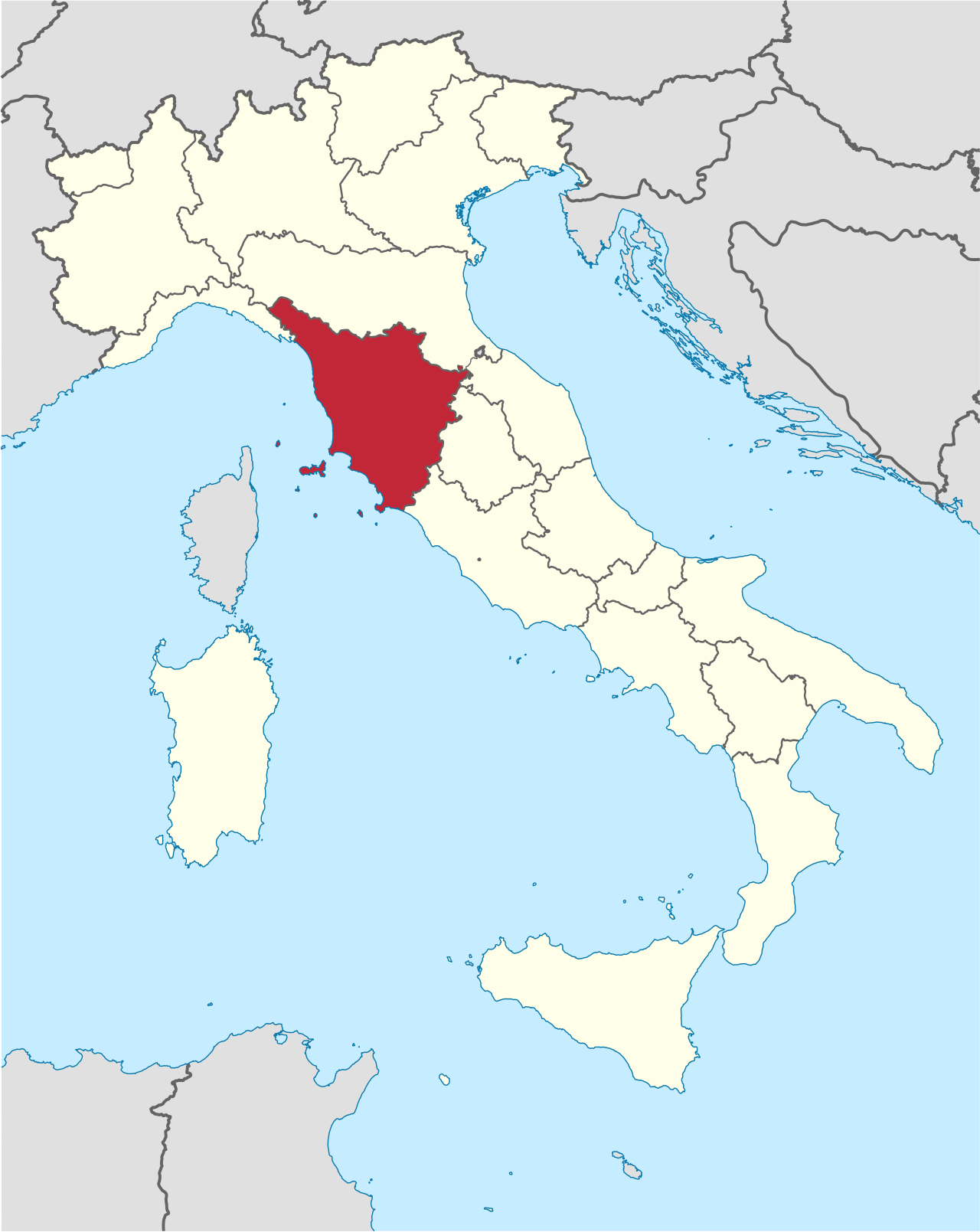
Why Tuscany is Perfect for Your Celebration
- Iconic Renaissance villas and historic estates purpose-built for private celebrations
- World-class Tuscan wine and cuisine elevate every dining and reception experience
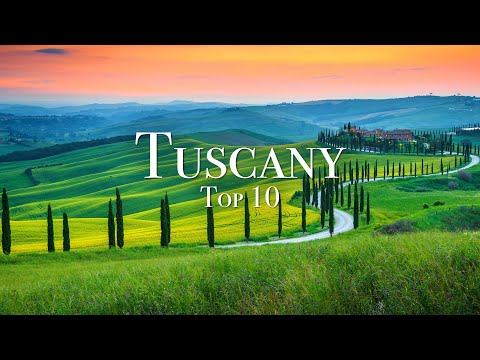
- Stunning natural backdrops — cypress avenues, vineyard terraces, and medieval hilltop towns
- Mature, internationally experienced wedding and event vendor ecosystem
- Excellent rail and air connectivity from across Europe and beyond
- Ideal spring and early autumn climate for outdoor ceremonies and al fresco dining
Compare Tuscany with Other Top Destinations
Frequently Asked Questions
Is Tuscany a good destination for an international wedding?
Yes. Tuscany is one of Europe's most established destination-wedding regions, with a mature vendor ecosystem, full-buyout estate venues, and strong air and rail connectivity from across Europe and beyond. The region has hosted international weddings for decades, and local planners, caterers, and coordinators are experienced in working with non-Italian-speaking couples navigating Italian legal requirements.
What guest group sizes do Tuscany venues typically support?
Tuscany's rural estate and villa venues are generally best suited to intimate-to-mid-size groups — typically 20 to 200 guests — particularly for full-buyout arrangements. Florence's urban hotel properties can accommodate larger receptions of 300 or more. The most characterful countryside estates are designed for smaller, more private celebrations rather than very large-scale events.
What is the best time of year to plan a wedding or event in Tuscany?
April, May, June, September, and October are the strongest months. Spring (April–May) offers a green, flowering landscape and comfortable temperatures. September and October bring the harvest season, golden light, and warm but not oppressive weather. July and August are best avoided for outdoor events due to intense heat and peak tourist congestion. November through March sees many rural venues close entirely.
How do guests typically travel to Tuscany for a destination event?
Most international guests fly into Florence Amerigo Vespucci Airport or Pisa International Airport, both of which serve a wide range of European routes. Guests travelling within Italy or from neighbouring countries often use Italy's high-speed rail network, with Florence Santa Maria Novella station offering fast connections to Rome, Milan, and Venice. Private transfers are the standard solution for reaching rural estate venues from any of these arrival points.
What kinds of venues are available for weddings and events in Tuscany?
Tuscany offers a wide range of venue types: private vineyard estates and agriturismi for intimate full-buyout celebrations, medieval castles and converted farmhouses across the Chianti and Siena hills, Renaissance palaces and grand urban hotels in Florence, and working wine estates in areas such as Montalcino and Montepulciano. Most rural properties offer both indoor reception rooms and outdoor terraces or garden spaces.
Can guests stay on-site at Tuscany's event venues?
Yes, at many of the region's estate and villa venues. Full-buyout arrangements — where a wedding party takes over an entire property including all accommodation — are a standard and popular format in Tuscany. This allows guests to stay, dine, and celebrate in the same location across multiple days, which is particularly well-suited to destination weddings with guests travelling from several countries.
How far in advance should we book a Tuscany venue for a spring or September wedding?
For prime spring dates (late April through early June) and September, the most sought-after estate venues typically book 12 to 24 months in advance. Planning with less than 9 months' lead time significantly narrows the available options at the most desirable properties. Early engagement with a local wedding coordinator is strongly advisable to secure preferred dates.
What makes Tuscany's food and wine offer distinctive for a wedding celebration?
Tuscany's culinary heritage — handmade pasta, Chianina beef, seasonal truffles, and wines including Chianti Classico, Brunello di Montalcino, and Vernaccia di San Gimignano — gives every reception a genuine sense of place. Many estate venues work with in-house or closely affiliated catering teams experienced in large-format event service, and the quality of local produce means the food and wine are a defining feature of the celebration rather than a backdrop.
Is Tuscany suitable for a multi-day wedding celebration?
Yes, and it is particularly well-suited to this format. Full-buyout estate venues naturally support multi-day programmes — welcome dinners, the main ceremony and reception, and post-wedding brunches — all within a single property. The region's activities (wine tastings, cooking classes, truffle hunting, cycling, and visits to hilltop towns) provide natural structure for guest entertainment across several days.
What are the main logistical challenges of hosting an event at a rural Tuscany estate?
The primary challenges are transport and connectivity. Rural estate venues are not served by public transport, so coordinating private transfers for guests across multiple arrival points requires careful planning. Some properties are accessed via unpaved roads that can be difficult after rain. Mobile and Wi-Fi connectivity at remote estates can also be slower than guests expect. An experienced local coordinator will typically manage all of these factors as standard.
Are there legal requirements for non-Italian nationals getting married in Tuscany?
Yes. Civil ceremonies in Italy require specific documentation from non-Italian nationals — typically including a certificate of no impediment (Nulla Osta) from the couple's home country, translated and apostilled. The process varies by nationality and can take several months to complete. A local wedding coordinator or legal specialist familiar with Italian civil registration requirements is strongly advisable to manage this process correctly.
Is Tuscany a good fit for a corporate retreat or incentive event?
Yes, particularly for high-end groups. Tuscany's combination of luxury estate accommodation, team-friendly experiential activities (wine and olive oil tastings, cooking classes, truffle hunting, cycling), and accessible meeting facilities at larger properties makes it a credible and distinctive choice for corporate retreats and incentive travel programmes. Florence's urban hotel inventory adds capacity for larger corporate formats requiring dedicated conference facilities.

Ready to explore venues in Tuscany?
Tuscany: Destination Wedding & Event Venues in Italy
◆Tuscany is one of Europe's strongest destination-wedding regions, particularly suited to intimate-to-mid-size weddings, private celebrations, and milestone events where scenery, cuisine, and cultural heritage are central to the experience. Its primary vibe is romantic and dreamy — defined by cypress-lined country roads, vineyard estates, Renaissance villas, and medieval hilltop towns. The best planning window runs through spring and early autumn (April–June and September–October), when temperatures are comfortable and the landscape is at its most photogenic. Accessibility is generally strong via Florence's airport and Italy's high-speed rail network, though rural estate venues require private transfers. Tuscany sits at the premium end of the European destination-wedding market.
Tuscany at a Glance
| Category | Detail |
|---|---|
| Best For | Destination Weddings, Intimate Celebrations, Anniversary & Milestone Events, Corporate Retreats |
| Primary Vibe | Romantic & Dreamy |
| Other Vibes | Heritage & Cultural, Rustic Elegance, Vineyard & Countryside |
| Best Season | Spring (Apr, May, Jun, Sep, Oct) |
Why Choose Tuscany?
- Unrivalled scenic diversity: Tuscany offers a rare combination of vineyard terraces, Renaissance architecture, medieval walled towns, and open Val d'Orcia countryside — all within a compact, driveable region, giving event planners genuine flexibility in setting and mood.
- Mature, internationally experienced vendor ecosystem: The region has hosted destination weddings for international couples for decades. Local florists, caterers, photographers, officiants, and event coordinators are accustomed to working with non-Italian-speaking clients and multi-day celebration formats.
- World-class food and wine as a built-in feature: Tuscan cuisine and wine — Chianti, Brunello di Montalcino, Vernaccia di San Gimignano — are not an add-on but a defining element of any celebration here, giving every reception a genuine sense of place.
- Strong accessibility from across Europe and beyond: Florence's Amerigo Vespucci Airport and Pisa International Airport together serve a wide range of European and connecting international routes, and Florence's Santa Maria Novella station sits on Italy's high-speed rail spine, making guest travel straightforward from most major European cities.
- Venue diversity across scales and styles: From intimate 12-room agriturismi to grand Renaissance palaces accommodating several hundred guests, Tuscany's venue inventory spans a genuinely wide range of scales, architectural styles, and settings — hilltop, valley, lakeside, and urban.
- Privacy and exclusivity at estate venues: Many Tuscan estates and villas offer full buy-out arrangements, meaning a wedding party can have an entire property — accommodation, grounds, and catering — exclusively for the duration of the celebration, a feature that is particularly valued for multi-day destination events.
Which Celebrations Work Best in Tuscany?
Destination Weddings: Tuscany is among the most established destination-wedding regions in Europe. The combination of civil and symbolic ceremony options, scenic outdoor settings, and full-buyout estate venues makes it particularly well-suited to couples planning a multi-day celebration with guests travelling from multiple countries. The region's infrastructure for this event type — legal ceremony facilitation, multi-night accommodation on-site, rehearsal dinners, and post-wedding brunches — is well developed.
Intimate Celebrations & Milestone Events: Anniversary dinners, significant birthdays, and family reunion gatherings translate exceptionally well to Tuscany's smaller estate and villa properties, where a group of 20–80 guests can take over an entire property and enjoy a curated, private experience. The food and wine culture adds natural structure to multi-day programmes.
Corporate Retreats & Incentive Travel: Tuscany's combination of luxury accommodation, team-friendly activities (wine tastings, cooking classes, truffle hunting, cycling), and accessible meeting facilities at larger properties makes it a credible choice for high-end corporate retreats and incentive groups. Florence's urban hotel inventory adds capacity for larger corporate formats.
Pre-Wedding & Honeymoon Extensions: Many couples use Tuscany as a natural extension of a wedding celebration — either as a honeymoon destination in its own right or as a pre-wedding gathering point for international guests. The region's self-contained character (accommodation, dining, and activities all within a single estate or a short drive) supports this format well.
Venues & Event Spaces
Tuscany's event venue landscape is one of the most varied in Europe. The dominant format is the private villa or estate — typically a historic stone property set within its own vineyard or olive grove, offering a combination of indoor reception rooms, outdoor terraces, and landscaped gardens. Many of these estates operate as boutique hotels or agriturismo properties and offer full-buyout arrangements for wedding groups.
In and around Florence, the venue character shifts toward Renaissance palaces and grand urban hotels, several of which have dedicated ballrooms, courtyard gardens, and rooftop terraces suited to larger receptions. These properties combine the cultural prestige of a historic city setting with the logistical convenience of urban infrastructure.
Across the broader region — in areas such as Chianti, the Val d'Orcia, the Siena hills, and the Maremma coast — converted farmhouses (agriturismi), medieval castles, and working wine estates provide a more rustic, immersive setting. These venues are particularly popular for multi-day celebrations where guests stay on-site throughout the event.
Outdoor ceremony spaces — including vineyard rows, hilltop terraces, formal Italian gardens, and chapel courtyards — are a defining feature of the Tuscan venue offer, and most properties have both covered and open-air options to manage weather contingencies. Dedicated marquee and temporary structure installations are also common for larger receptions on estate grounds.
Best Time to Celebrate
The curated best season for events in Tuscany runs across April, May, June, September, and October — broadly the spring and early autumn windows on either side of the peak summer heat.
April and May are widely considered the most visually spectacular months: the landscape is green and flowering, temperatures are comfortably warm (typically 16–24°C), and the tourist crowds that define July and August have not yet arrived. Outdoor ceremonies and al fresco dining are reliably comfortable, and the light quality in the late afternoon and evening is exceptional for photography.
June sits at the transition point — early June retains much of May's character, while late June begins to feel noticeably warmer (approaching 28–30°C in the hottest parts of the region). It remains a strong month for events, particularly for couples who prefer a warmer, more summery atmosphere, but outdoor midday events should be planned with shade and cooling in mind.
September and October bring the harvest season — arguably Tuscany's most atmospheric period. Vineyards are heavy with grapes, the light is golden and warm, and temperatures settle back into the 18–26°C range. The vendemmia (grape harvest) adds a genuine seasonal layer to any celebration, and many estates offer harvest-related experiences as part of a multi-day programme. October can bring occasional rain, particularly in the second half of the month, so outdoor contingency planning is advisable.
July and August are the least suitable months for outdoor celebrations. Temperatures regularly reach 32–38°C across inland Tuscany, venue availability is severely constrained by peak tourist demand, and the region is at its most crowded. Coastal areas (Maremma, Elba) are somewhat more bearable but still very busy.
November through March presents a different set of challenges: many rural estate venues close entirely or operate on a reduced basis, road access to hilltop properties can be affected by frost and rain, and the landscape — while atmospheric — lacks the colour and warmth that define Tuscany's appeal for most couples. Florence's urban venues remain operational year-round, but the overall destination character is significantly different from the spring and autumn experience.
Getting There & Local Connectivity
Tuscany is served by two main airports: Florence Amerigo Vespucci Airport (FLR), located just a few kilometres from Florence's city centre, and Pisa International Airport (PSA), approximately 80 kilometres west of Florence and connected to the city by a direct rail link. Both airports receive a broad range of European routes, and connecting international flights via Rome Fiumicino (FCO) or Milan Malpensa (MXP) are straightforward. For guests travelling from within Italy or from neighbouring European countries, Florence Santa Maria Novella station is a major stop on Italy's high-speed Frecciarossa network, with fast connections to Rome (approximately 1.5 hours), Milan (approximately 1.75 hours), and Venice.
Local connectivity within Tuscany is primarily road-based. For event groups, private minibus or coach transfers are the standard and most practical solution — particularly for rural estate venues, which are typically not served by public transport. Florence itself is walkable and well-served by taxis and ride-hailing services for urban guests. Hiring a local ground transport coordinator as part of the event logistics is strongly advisable for groups of 30 or more guests spread across multiple accommodation points.
Driving independently is feasible for smaller groups, but many of Tuscany's most scenic estate venues are accessed via unpaved strade bianche (white gravel roads) that require careful navigation, particularly after rain. Guests unfamiliar with Italian road conventions — including the ZTL (limited traffic zone) restrictions in historic town centres — should be briefed in advance or directed to use organised transfers.
Local Vendor & Hospitality Ecosystem
Tuscany has one of the most developed destination-wedding vendor ecosystems in Europe. The region has attracted international couples for well over two decades, and the local industry has matured accordingly. Wedding planners and coordinators with multilingual capability and experience managing non-Italian legal requirements are widely available, and many specialize exclusively in destination weddings for international clients.
The catering and food-and-beverage offer is a genuine strength. Tuscany's culinary tradition — built around seasonal, locally sourced ingredients, handmade pasta, Chianina beef, truffles, and an extraordinary wine heritage — means that even a straightforward wedding dinner carries a level of quality and authenticity that is difficult to replicate elsewhere. Many estate venues work with in-house or closely affiliated catering teams who are experienced in large-format event service.
Floral design in Tuscany tends to draw on the landscape itself — olive branches, lavender, seasonal wildflowers, and vineyard foliage — and local florists are generally skilled at creating arrangements that feel genuinely rooted in the setting rather than generic. Photography and videography professionals experienced in Tuscan light and landscape are abundant, particularly around Florence and Siena.
For larger events, marquee and temporary structure suppliers, lighting designers, and entertainment coordinators are available and experienced in working within the constraints of historic properties (where drilling, open flames, or structural modifications may be restricted). It is worth noting that some of the most remote estate venues have limited on-site technical infrastructure, and suppliers may need to bring generators, portable sound systems, and other equipment — a factor that experienced local planners will account for as a matter of course.
Pros & Things to Consider
Why Tuscany Works Well
- Exceptional natural and architectural beauty that requires minimal additional decoration
- Full-buyout estate venues offer genuine privacy and a cohesive multi-day experience
- World-class food and wine culture is a built-in feature of every celebration
- Mature, internationally experienced vendor and planning ecosystem
- Strong air and rail connectivity from across Europe and beyond
- Wide range of venue scales and styles — from intimate agriturismi to grand Renaissance palaces
- Spring and early autumn climate is reliably comfortable for outdoor events
Things to Consider
- Rural venue logistics require planning: Many of the most desirable estate venues are not accessible by public transport, and coordinating guest transfers across multiple accommodation points adds logistical complexity and cost.
- Peak season availability is constrained: The most sought-after venues book up well in advance — often 12–24 months ahead for prime spring and September dates. Late planning significantly limits options.
- Summer heat limits outdoor flexibility: July and August are genuinely uncomfortable for outdoor daytime events in inland Tuscany, and the peak tourist season makes the region feel crowded and less private.
- Language and legal requirements: Civil wedding ceremonies in Italy involve specific legal documentation requirements for non-Italian nationals, and navigating the process without a local coordinator who understands the bureaucratic steps can be time-consuming.
- Rural connectivity can be variable: Mobile data and Wi-Fi at remote estate venues is often slower or less reliable than guests accustomed to urban connectivity might expect — worth communicating to guests in advance.
- Strade bianche access: Unpaved road access to some of the most scenic rural properties can be challenging after rain, and is not suitable for all vehicle types — a practical consideration for guest transport planning.
When Tuscany May Not Be the Right Fit
- Very large guest lists (300+) requiring a single rural venue: While Florence's urban hotels can accommodate larger receptions, the most characterful rural estate venues in Tuscany are typically designed for intimate-to-mid-size groups. Couples expecting to host 400 or more guests in a single countryside setting may find the local inventory limiting.
- Tight timelines for planning: If a celebration is being planned less than 6–9 months out and the preferred season is spring or September, the most desirable venues are likely already booked. Tuscany rewards early planning, and last-minute arrangements significantly narrow the field.
- Guests with very limited travel experience or mobility challenges: The combination of international flights, connecting transfers, and unpaved rural road access to some venues can be genuinely demanding for elderly guests or those with mobility limitations. Urban Florence venues mitigate this, but the quintessential countryside estate experience may not be accessible for all guest profiles.
- Couples prioritising a July or August outdoor celebration: Midsummer heat in inland Tuscany is a real constraint for outdoor daytime events. If a summer date is non-negotiable and outdoor comfort is a priority, coastal or higher-altitude alternatives within Italy may serve better than Tuscany's inland heartland.