
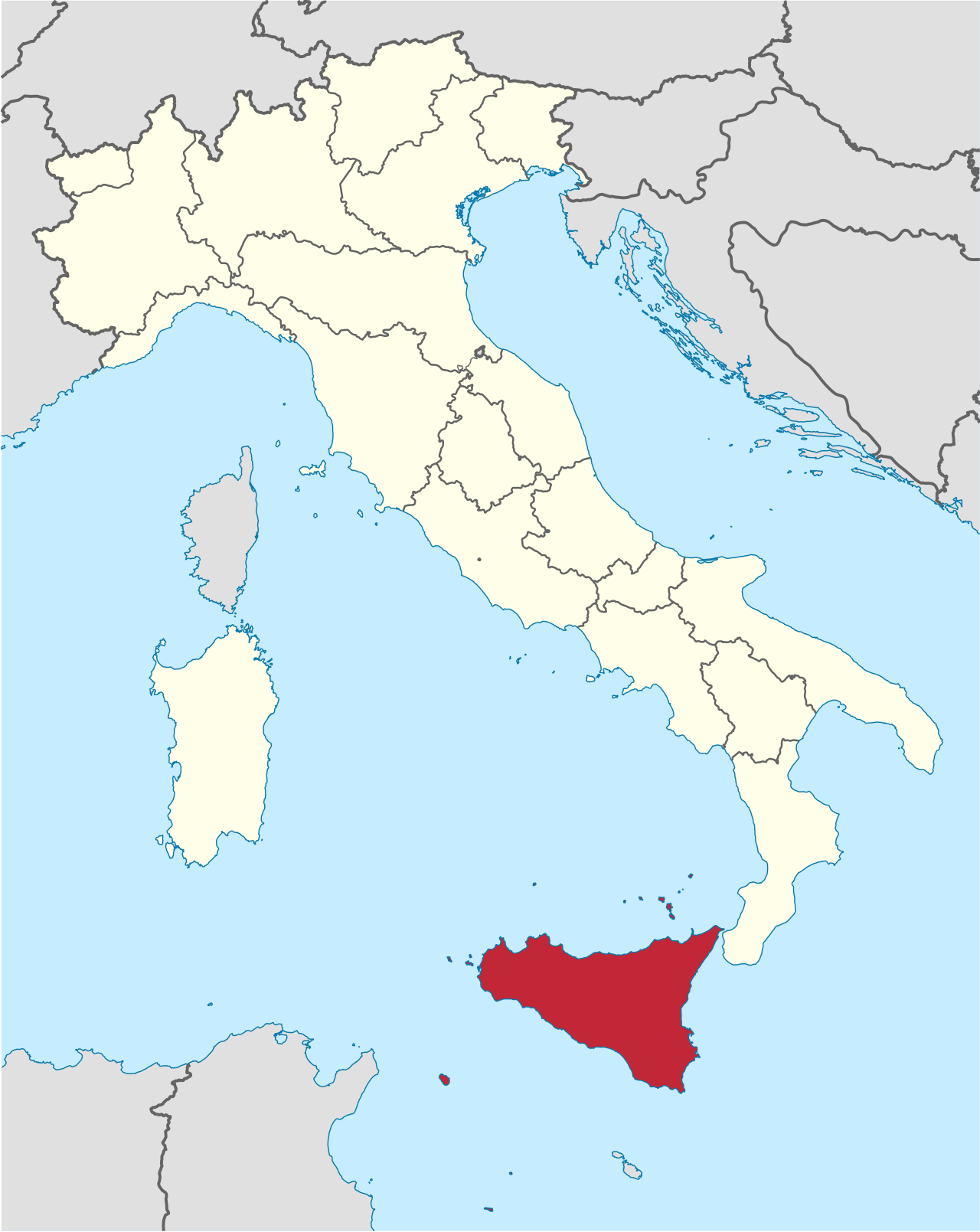
Why Sicily is Perfect for Your Celebration
- Extraordinary diversity of venues — clifftop villas, Baroque palazzi, rural masserie, and coastal estates
- UNESCO-listed Baroque towns like Noto and Ragusa Ibla provide unmatched architectural backdrops
- World-renowned Sicilian cuisine and wine (Nero d'Avola, Marsala) elevate every celebration
- Long, warm summers (May–September) guarantee reliable outdoor event conditions
- Deeply rooted local culture of hospitality and celebration makes guests feel genuinely welcomed
- Iconic natural settings — Mount Etna, the Aeolian Islands, Valley of the Temples — create unforgettable photo and event moments
Compare Sicily with Other Top Destinations
Frequently Asked Questions
Is Sicily a good destination for a wedding?
Yes. Sicily is particularly well-suited to destination weddings where setting and atmosphere are central priorities. The island offers an exceptional range of venues — clifftop villas, Baroque palazzi, rural masserie, and coastal resorts — combined with world-class local cuisine, a reliable summer season, and a mature destination-wedding vendor ecosystem. It works especially well for couples wanting a genuinely distinctive, culturally rich celebration rather than a generic resort wedding.
What guest group sizes can Sicilian venues realistically accommodate?
Most of Sicily's most celebrated event venues — boutique villas, historic palazzi, and rural masserie — are best suited to gatherings of roughly 50 to 300 guests. Larger resort properties can accommodate up to 400–500 guests with full in-house infrastructure. For very large events above 500 guests requiring a single venue, the island's boutique-leaning venue stock may feel more constrained than a major mainland city.
What are the nearest airports for guests travelling to Sicily?
Sicily is served by two main international airports: Falcone–Borsellino Airport (PMO) near Palermo in the north-west, and Catania–Fontanarossa Airport (CTA) on the eastern coast. Both receive direct flights from major European cities. Catania is generally the more convenient gateway for events in Taormina and the south-east; Palermo serves the north-west. Non-European guests typically connect through Rome or Milan.
What is the best time of year to hold a celebration in Sicily?
May through September is the curated best season. This window delivers consistently warm, dry, and sunny conditions ideal for outdoor ceremonies and terrace dinners. May, June, and September are particularly pleasant — warm without the intense midday heat of July and August. The winter months (November–March) are generally unsuitable for outdoor events, and October carries increasing rainfall risk.
What kinds of venues are available for events in Sicily?
Sicily offers a genuinely diverse venue landscape: clifftop and coastal villas (particularly around Taormina), rural masserie and vineyard estates in the interior and south-east, historic Baroque palazzi and noble residences in towns like Noto and Ragusa Ibla, and full-service luxury coastal resorts. Each typology suits a different event style — from intimate heritage celebrations to larger resort-based weddings with full in-house logistics.
How do guests get around Sicily once they arrive?
Private transfers and hired coaches are the most practical solution for moving guest groups between airports, accommodation, and event venues — particularly for rural or clifftop properties. Rail connections exist between major cities but are slower and less frequent than mainland Italy, making them unsuitable for coordinating large groups on event days. Car hire is practical for smaller groups or independent exploration around event dates.
Is there a good local vendor and catering ecosystem for events in Sicily?
Yes, particularly in the Taormina, Val di Noto, and Palermo areas. Sicily has specialist destination-wedding planners experienced with international couples, strong local catering rooted in one of Italy's richest culinary traditions, and established floral and photography professionals. For very large events, some specialist suppliers may need to be sourced from Catania, Palermo, or mainland Italy, so early planning and a local coordinator are strongly advisable.
Do I need a local wedding planner for a Sicilian celebration?
For most international couples, yes — a local planner is strongly advisable. Navigating Italian civil or symbolic ceremony requirements for non-nationals, coordinating multi-vendor programmes across rural or historic venues, managing local supplier relationships, and handling language barriers in smaller communities all benefit significantly from on-the-ground expertise. Most leading Sicilian wedding planners work regularly with international clients and are experienced in managing the full logistics of a destination event.
What makes Sicily distinctive compared to other Mediterranean wedding destinations?
Sicily's distinctiveness lies in the genuine depth of its cultural and historical setting — ancient Greek temples, UNESCO Baroque towns, an active volcano, and a culinary tradition that is a destination in itself. Unlike destinations where the setting is primarily scenic, Sicily offers guests a genuinely immersive cultural experience across the whole trip, making the celebration feel rooted in a real place rather than a generic luxury backdrop.
How far in advance should we book a venue in Sicily?
For events in July and August — the peak season — the most sought-after properties in Taormina and the Val di Noto typically book 12 to 18 months in advance. May, June, and September offer somewhat more flexibility, though popular venues still fill quickly for weekend dates. Booking early is particularly important if you have a specific venue type or location in mind, as the boutique and heritage venue stock is finite.
Is Sicily safe for international guests attending a wedding or event?
Yes, Sicily is generally safe for international visitors. The island is a well-established European tourism destination, and guests attending events at hotels, villas, and resorts in the main tourist areas — Taormina, Palermo, Syracuse, Noto, and the coastal resorts — typically report no safety concerns. Standard travel precautions apply, as they would in any popular European destination.

Ready to explore venues in Sicily?
Sicily: Destination Wedding & Event Venues in Italy
◆Sicily is one of Europe's most distinctive destination-wedding and celebration locations, combining ancient Greek temples, UNESCO-listed Baroque hilltop towns, volcanic landscapes, and a long Mediterranean coastline into a setting that is genuinely hard to replicate elsewhere. The island suits intimate villa weddings, mid-size cultural celebrations, honeymoon-adjacent events, and milestone gatherings particularly well. Its primary vibe is Cultural & Timeless — rooted in history, architecture, and a deeply embedded local culture of hospitality and feasting. The best season runs from May through September, when long sunny days and warm, dry conditions make outdoor events reliably practical. International guests typically arrive via Palermo or Catania airports, both well-served from major European hubs, though onward island logistics require advance coordination.
Sicily at a Glance
| Attribute | Detail |
|---|---|
| Best For | Destination Weddings, Intimate Celebrations, Milestone Anniversaries, Cultural Events |
| Primary Vibe | Cultural & Timeless |
| Other Vibes | Romantic, Coastal, Heritage, Rustic-Luxe |
| Best Season | Summer (May, Jun, Jul, Aug, Sep) |
Why Choose Sicily?
- Unmatched architectural diversity: From clifftop Baroque palazzi in Noto and Ragusa Ibla to ancient Greek temples in Agrigento and rural masserie surrounded by olive groves, Sicily offers a breadth of event backdrops that few Mediterranean destinations can match.
- World-class food and wine culture: Sicilian cuisine — arancini, fresh seafood, slow-cooked ragù, cannoli — and indigenous wines such as Nero d'Avola and Etna Rosso give every celebration a genuinely memorable culinary dimension that guests consistently highlight.
- Reliable summer season: The May–September window delivers consistently warm, dry, and sunny conditions across the island, making outdoor ceremonies, terrace dinners, and garden receptions highly dependable without the monsoon or extreme-heat risks that affect other warm-weather destinations.
- Iconic natural scenery: Mount Etna — Europe's largest active volcano — the turquoise waters of the Aeolian Islands, and the dramatic coastline of the Val di Noto provide a natural grandeur that elevates photography and guest experience alike.
- Mature luxury hospitality sector: Sicily hosts internationally operated luxury resorts and boutique heritage properties with dedicated events teams experienced in handling international destination weddings, including multi-day programmes and large guest groups.
- Cultural immersion for guests: Beyond the event itself, guests can explore UNESCO World Heritage Sites, take Etna excursions, visit local markets, and experience authentic Sicilian village life — making the trip genuinely memorable as a whole, not just the celebration day.
Which Celebrations Work Best in Sicily?
- Destination Weddings: Sicily is particularly well-suited to destination weddings where the setting itself is a central part of the experience. Couples who want a ceremony against ancient ruins, a Baroque church façade, or a clifftop sea view — followed by a long, convivial Sicilian dinner — will find the island delivers this naturally and without contrivance.
- Intimate Celebrations & Milestone Anniversaries: The island's abundance of boutique villas, small heritage hotels, and private masserie makes it an excellent choice for smaller, more personal gatherings — anniversary dinners, significant birthdays, or family reunions — where exclusivity and atmosphere matter more than scale.
- Pre-Wedding Events & Multi-Day Programmes: Sicily's richness as a travel destination means guests are genuinely happy to arrive several days early or stay on after the main event. This makes it well-suited to multi-day celebration programmes — welcome dinners, excursions to Etna or the Valley of the Temples, boat trips — that build a shared experience across the group.
- Cultural & Heritage Events: For organisations or families wanting to host a culturally immersive gathering — a corporate retreat with a strong experiential dimension, a cultural association event, or a heritage-themed celebration — Sicily's depth of history, art, and living tradition provides genuine content, not just a backdrop.
Venues & Event Spaces
Sicily's venue landscape is genuinely diverse, spanning several distinct typologies that suit different event styles and guest sizes. Clifftop and coastal villas — particularly concentrated around Taormina and the eastern coast — offer dramatic sea views, terraced gardens, and intimate indoor-outdoor flow ideal for ceremonies and dinners of up to a few hundred guests. Rural masserie and agriturismo estates in the interior and south-east (particularly around the Val di Noto and the Ragusa plateau) provide a more rustic-luxe setting: stone farmhouses surrounded by olive groves, vineyards, and almond orchards, often with private chapels and large outdoor spaces. Historic Baroque palazzi and noble residences in towns like Noto, Modica, Ragusa Ibla, and Palermo offer extraordinary architectural grandeur — frescoed ballrooms, internal courtyards, and ornate façades — for couples who want a genuinely historic setting. Luxury resort properties along the coast provide the full-service infrastructure of a large international hotel — dedicated events coordinators, in-house catering, accommodation blocks for guest groups, and spa facilities — making them particularly practical for larger weddings or events where logistical simplicity is a priority. Finally, vineyard estates on the slopes of Mount Etna and in the Marsala wine country offer a distinctive wine-country setting increasingly popular for intimate celebrations with a strong food-and-drink focus.
Best Time to Celebrate
The curated best season for Sicily is Summer: May, June, July, August, and September. This window is the clear choice for outdoor events for several concrete reasons beyond simply "good weather."
- May and June are widely considered the sweet spot: temperatures are warm (typically 22–28°C) but not yet at peak summer intensity, the landscape is green and flowering, and the island is busy but not overwhelmed with tourists. Outdoor ceremonies in the early evening are particularly pleasant.
- July and August bring the hottest and driest conditions — temperatures can reach 32–35°C inland and in the south — which is ideal for beach and coastal events but requires careful scheduling (ceremonies in the late afternoon or evening rather than midday) and good venue shade or air-conditioning for indoor portions.
- September is an excellent month: the sea remains warm, temperatures ease slightly, the harvest season begins (adding a seasonal richness to local food and wine), and the island is noticeably quieter than August, making logistics smoother and venues more available.
- October sees increasing rainfall and shorter days; while early October can still be pleasant, the risk of disruption to outdoor events rises meaningfully, and it sits outside the curated best season for good reason.
- November through March brings cool, wet, and often overcast conditions across most of the island. Outdoor events are generally impractical, many coastal and rural venues close entirely for the winter, and the island's hospitality infrastructure operates at reduced capacity. These months are not suitable for destination celebrations.
- April is a transitional month — warmer than winter but with unpredictable spring showers and cooler evenings — that does not reliably support the outdoor event experience Sicily is known for.
Getting There & Local Connectivity
Sicily is served by two main international airports: Falcone–Borsellino Airport (PMO) near Palermo in the north-west, and Catania–Fontanarossa Airport (CTA) on the eastern coast. Both receive direct flights from major European cities including London, Paris, Frankfurt, Amsterdam, and Rome, particularly during the summer season. For guests travelling from outside Europe, connections are typically made through Rome (Fiumicino), Milan (Malpensa), or other major European hubs. Catania airport is generally the more convenient gateway for events based in Taormina, the Val di Noto, and the south-east; Palermo airport serves the north-west, including Palermo city itself and the Verdura coast.
Within the island, private transfers and hired coaches are the most practical solution for moving guest groups between airports, accommodation, and event venues — particularly for rural masserie or clifftop villas that are not easily accessible by public transport. Rail connections exist between Palermo and Catania and to several coastal towns, but Sicilian rail services are slower and less frequent than mainland Italian equivalents, and are generally not the right solution for coordinating a large guest group on a tight event-day schedule. Car hire is widely available and practical for smaller groups or guests who want to explore independently around their event dates. For events based in Taormina specifically, the town's pedestrianised historic centre means that local transfers require careful coordination, as vehicle access is restricted in parts of the old town.
Local Vendor & Hospitality Ecosystem
Sicily has a well-developed destination-wedding vendor ecosystem, particularly in the areas around Taormina, the Val di Noto (Noto, Ragusa, Modica, Syracuse), and Palermo. Specialist destination-wedding planners based on the island — many of whom work regularly with international couples — are experienced in navigating local bureaucracy (including civil and symbolic ceremony requirements for non-Italian nationals), coordinating multi-vendor programmes, and managing the logistics of bringing large guest groups to rural or historic venues. Catering is a genuine strength: Sicilian culinary tradition is rich and distinctive, and local catering teams — whether in-house at a resort or independent caterers working with a private villa — typically deliver a quality of food and service that is a highlight of the event rather than a background element. Floral design using local seasonal blooms, citrus, and Mediterranean foliage is well-established, and a number of internationally recognised floral designers work regularly in Sicily. Photography and videography professionals experienced with the island's specific light conditions and architectural settings are available, though international couples often bring their own photographers and supplement with local second shooters. One practical consideration: for very large events (300+ guests) at rural or boutique venues, some specialist suppliers — large-scale lighting rigs, luxury furniture hire, specialist entertainment — may need to be sourced from Catania, Palermo, or even mainland Italy, adding logistical complexity and lead time.
Pros & Things to Consider
Why Sicily Works Well
- Genuinely extraordinary and diverse venue landscape — ancient, Baroque, coastal, and rural settings all available
- Reliable, long summer season with minimal weather risk for outdoor events from May through September
- World-class local cuisine and wine that meaningfully elevate the guest experience
- Mature luxury hospitality sector with internationally experienced events teams at leading properties
- Rich cultural programme available for guests beyond the event itself — UNESCO sites, Etna, coastal excursions
- Genuine sense of place and local character that makes celebrations feel rooted rather than generic
Things to Consider
- Island logistics require advance planning: Moving large guest groups between airports, accommodation, and venues — particularly rural or clifftop properties — requires coordinated private transfers and careful scheduling; last-minute logistics are harder to manage than in a major mainland city.
- Connectivity for non-European guests: Guests travelling from outside Europe face at least one connection (typically through Rome or Milan), which adds travel time and complexity, particularly for elderly guests or families with young children.
- Venue availability in peak season: The most sought-after properties — particularly in Taormina and the Val di Noto — book up well in advance for July and August; couples planning a summer event should expect to confirm venues 12–18 months ahead.
- Language barrier in rural areas: While hospitality professionals at international-facing venues typically speak English, navigating local bureaucracy, smaller suppliers, or rural communities may require Italian-speaking support — another reason a local wedding planner is strongly advisable.
- Summer heat management: July and August temperatures, particularly inland and in the south, can be intense during the middle of the day; outdoor ceremonies and dining need to be scheduled for late afternoon or evening, and venues without adequate shade or air-conditioning become uncomfortable.
When Sicily May Not Be the Right Fit
- Very large-scale events (500+ guests): While Sicily has excellent venues for mid-size celebrations, the island's boutique and heritage venue stock is generally better suited to events up to around 300–400 guests. Couples needing a single venue to accommodate 500 or more guests with full in-house infrastructure may find the options more limited than in a major mainland city.
- Guests with very limited travel flexibility: If a significant portion of the guest list is elderly, has mobility challenges, or is travelling with very young children, the multi-leg journey (international flight + European connection + island transfer) can be genuinely tiring and may reduce attendance or enjoyment.
- Events planned for the winter months: If the event date is fixed between November and March for personal or professional reasons, Sicily is not the right destination — many venues close, outdoor settings are impractical, and the island's hospitality infrastructure operates at reduced capacity.
- Couples seeking a very urban, city-centre celebration: Sicily's strongest event settings are its historic towns, coastal villas, and rural estates. Couples who specifically want a large urban hotel ballroom in a major metropolitan setting, with immediate city-centre amenities and nightlife, may find Sicily's character — which leans toward the intimate, the historic, and the scenic — a less natural fit than a mainland European capital.