
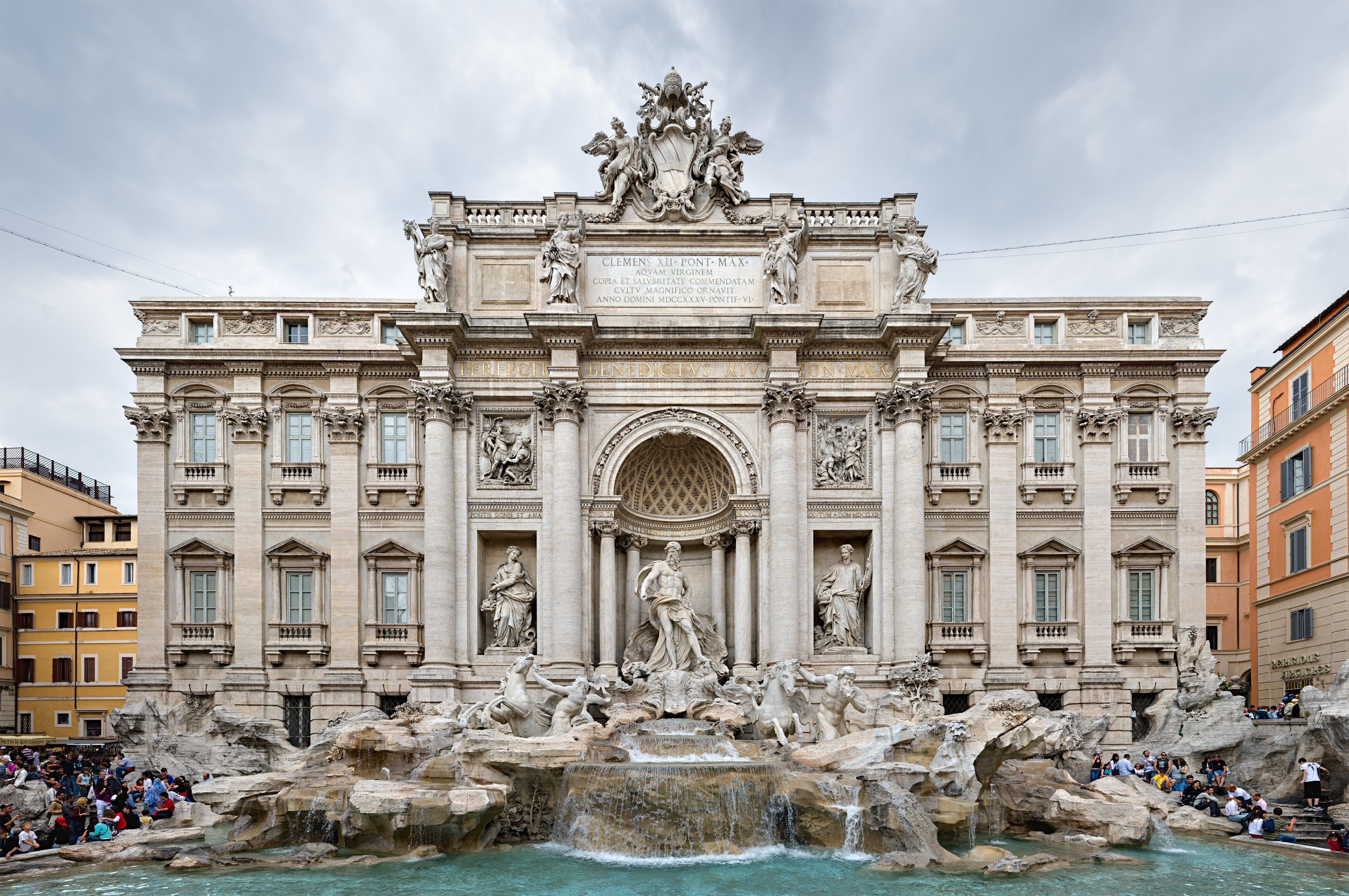
Why Rome is Perfect for Your Celebration
- Unmatched historic venue diversity — ancient villas, baroque palaces, Renaissance gardens and grand ballrooms all within the city
- Exceptional international accessibility via Fiumicino Airport (FCO), one of Europe's busiest hubs with direct routes from across the globe
- World-renowned Italian cuisine and a mature, sophisticated catering and hospitality ecosystem built for high-end events
- Spring and early autumn seasons offer long, golden-light days perfectly suited to outdoor ceremonies and garden receptions
- A deeply romantic and culturally resonant setting — iconic backdrops like the Trevi Fountain, Colosseum and Vatican create unforgettable event photography
- Strong luxury hotel inventory with grand ballrooms and dedicated event teams experienced in international destination weddings
Compare Rome with Other Top Destinations
Frequently Asked Questions
Is Rome a good destination for a wedding?
Yes. Rome is one of Europe's premier destination wedding cities, offering historic villas, baroque palaces, Renaissance gardens, and grand hotel ballrooms as ceremony and reception venues. The city's mature wedding-planning ecosystem, world-class Italian catering, and exceptional international flight connectivity make it a practical as well as spectacular choice for couples seeking a culturally resonant celebration.
What is the best time of year to hold an event in Rome?
Spring (April, May, June) and early autumn (September, October) are the best periods. Temperatures are mild, daylight hours are long, and outdoor venues are at their most usable. September and October are particularly favoured by local event professionals for their golden light and comfortable evenings. July and August bring intense heat above 32°C, and November through March brings cold, wet conditions that limit outdoor options.
How easy is it for international guests to travel to Rome?
Very easy. Leonardo da Vinci–Fiumicino Airport (FCO) is one of Europe's busiest international hubs with direct flights from hundreds of cities worldwide. A dedicated express rail link connects the airport to Roma Termini in around 30 minutes. Guests travelling from within Italy can also use Italy's high-speed rail network, with Rome well connected to Florence, Milan, and Naples.
What kinds of venues are available for events in Rome?
Rome offers an exceptionally varied range: historic palaces and noble villas available for exclusive hire, luxury hotel ballrooms and rooftop terraces, Renaissance gardens, boutique heritage hotels with private courtyards, and purpose-built conference and banquet facilities. The city suits intimate gatherings of 20–30 guests as well as larger celebrations of several hundred, depending on the venue type chosen.
How large a guest group can Rome realistically accommodate?
Rome comfortably accommodates events from small, intimate gatherings of 20–30 guests up to celebrations of 300–400 guests across its historic villa and luxury hotel venues. For very large events of 500 or more guests requiring a single integrated venue with on-site accommodation, the city's historic venue stock — which tends toward intimate grandeur — may be a limiting factor, and early booking is essential.
What is the local transport situation for a guest group once they arrive in Rome?
Rome has a metro, extensive bus network, taxis, and ride-hailing services. However, the historic centre has ZTL (Limited Traffic Zone) vehicle access restrictions that affect private coaches and cars. Moving a large guest group between venues requires advance coordination with local transport providers who are familiar with these rules. Traffic congestion in the centre can also be significant, so scheduling buffer time between event segments is advisable.
Does Rome have a strong local vendor ecosystem for destination events?
Yes. Rome has one of Europe's most mature destination-event vendor ecosystems, built over decades of hosting high-profile international weddings and corporate events. Specialist wedding planners, multilingual coordinators, florists, photographers experienced in Rome's complex light conditions, and high-end caterers with access to exceptional local Lazio produce are all well represented. Engaging a local specialist planner early is strongly recommended.
What are the administrative requirements for a civil wedding ceremony in Rome?
Civil ceremonies in Rome are conducted through the Comune di Roma (City Hall) and involve specific documentation requirements — including certified translations of personal documents — and advance notice periods that vary by nationality. The process is entirely manageable but requires early planning, typically 6–12 months ahead. Working with a local wedding planner experienced in Italian civil ceremony logistics is strongly advisable for international couples.
Is Rome suitable for corporate events and incentive travel programmes?
Yes. Rome is a well-established corporate event destination, with grand hotel ballrooms, historic palaces available for private hire, and strong conference infrastructure. The city's cultural prestige adds a motivational dimension to incentive travel programmes, and its international accessibility via Fiumicino Airport makes it practical for multinational guest groups. Corporate dinners in historic settings are a particular strength of the local hospitality sector.
How far in advance should we book venues for a Rome event?
For the most sought-after historic villas and palaces during peak spring (April–June) and September dates, 12–18 months in advance is a realistic minimum. Luxury hotel event spaces typically require 9–12 months' notice for preferred dates. Booking early is particularly important because Rome's best-season dates are in high demand from both international couples and corporate clients simultaneously.
Are there good accommodation options for large guest groups in Rome?
Yes. Rome has a substantial and varied hotel inventory across multiple tiers, concentrated in the historic centre, Prati, Trastevere, and the Monte Mario area. Large guest groups can typically be accommodated at a high standard within the city, though guests may be spread across two or three properties depending on group size. Coordinating a room block across multiple hotels is a standard practice for Rome destination events and is best managed through a local planner.

Ready to explore venues in Rome?
Rome: Destination Wedding & Event Venues in the Eternal City
◆Rome is one of the world's foremost destination-event cities, best suited to weddings, corporate gatherings, cultural celebrations, and milestone events where historic grandeur and Italian hospitality are central to the experience. Its primary vibe is Cultural & Timeless — defined by ancient ruins, baroque palaces, Renaissance gardens, and a world-class culinary tradition. The best seasons are spring (April–June) and early autumn (September–October), when temperatures are comfortable and the city is at its most photogenic. Rome is highly accessible via a major international hub airport and a central high-speed rail network, making it a practical as well as spectacular choice for guests travelling from across Europe and beyond.
Rome at a Glance
| Category | Detail |
|---|---|
| Best For | Destination Weddings, Corporate Events, Cultural Celebrations, Milestone Anniversaries |
| Primary Vibe | Cultural & Timeless |
| Other Vibes | Romantic, Heritage, Grand & Ceremonial |
| Best Season | Spring (Apr, May, Jun, Sep, Oct) |
Why Choose Rome?
- Unrivalled venue diversity: Rome offers an extraordinary range of event spaces — from ancient Roman villas and baroque palaces to Renaissance gardens, rooftop terraces overlooking the Forum, and grand hotel ballrooms — all within a compact, walkable historic centre.
- Iconic visual backdrop: No other city provides the same density of UNESCO World Heritage landmarks as a natural backdrop for event photography and guest experience. The Colosseum, Trevi Fountain, Pantheon, and Vatican are all within easy reach of central event venues.
- Exceptional international accessibility: Leonardo da Vinci–Fiumicino Airport (FCO) is one of Europe's busiest international hubs, with direct connections from hundreds of cities worldwide, making guest travel straightforward regardless of origin.
- World-class Italian cuisine and catering: Rome's hospitality industry is deeply experienced in high-end event catering, with access to exceptional local produce, renowned wine regions, and a strong tradition of formal banqueting.
- Mature destination-wedding ecosystem: The city has a well-established network of specialist wedding planners, florists, photographers, musicians, and legal/civil ceremony coordinators experienced in serving international couples.
- Favourable spring and autumn seasons: The curated best seasons offer long daylight hours, reliably mild temperatures, and the city's most beautiful light — conditions that are genuinely difficult to replicate in midsummer or winter.
Which Celebrations Work Best in Rome?
- Destination Weddings: Rome is particularly well-suited to couples seeking a ceremony with deep cultural resonance. Civil ceremonies can be arranged at the Campidoglio (City Hall on the Capitoline Hill), and numerous historic villas and gardens are licensed for private celebrations. The combination of romantic setting, fine dining, and luxury accommodation makes it a natural fit for weddings of 20 to 300 guests.
- Corporate Events & Incentive Travel: Rome's grand hotel ballrooms, historic palaces available for private hire, and strong conference infrastructure make it a compelling choice for corporate dinners, product launches, and incentive travel programmes. The city's prestige adds a motivational dimension that few other European capitals can match.
- Cultural Celebrations & Milestone Events: Significant anniversaries, landmark birthdays, and family reunion gatherings benefit enormously from Rome's cultural depth. A private dinner in a Renaissance courtyard or a guided evening at a historic site creates an experience that is genuinely unrepeatable.
- Festivals & Themed Events: Rome's rich calendar of art, music, and cultural festivals provides a natural complement to private celebrations. Events timed to coincide with Rome's own cultural programming — open-air opera, art exhibitions, or seasonal food festivals — gain an additional layer of local authenticity.
Venues & Event Spaces
Rome's event venue landscape is among the most varied in Europe. At the grandest scale, the city offers historic palaces and noble villas — many privately owned and available for exclusive hire — with formal gardens, frescoed salons, and terraces overlooking the city's rooftops. These properties are particularly sought after for wedding receptions and high-end corporate dinners where exclusivity and visual drama are priorities.
The city's luxury hotel inventory is substantial, with multiple internationally recognised properties offering dedicated event wings, grand ballrooms, and rooftop terraces. These venues combine the convenience of on-site accommodation with professional event management teams experienced in international celebrations.
For smaller, more intimate gatherings, Rome offers boutique heritage hotels in neighbourhoods such as Trastevere, the historic centre, and the Prati district near the Vatican — properties with character-rich interiors, private courtyards, and a more personal scale of service. Outdoor spaces — including Renaissance gardens, archaeological site surrounds, and rooftop terraces — are particularly popular during the spring and early autumn seasons, when the evening light and temperatures are at their most favourable. Dedicated banquet halls and conference centres are also available for larger corporate or festival-format events requiring flexible, purpose-built infrastructure.
Best Time to Celebrate
The curated best seasons for events in Rome are spring (April, May, June) and early autumn (September, October), and the reasoning is specific rather than generic.
In April and May, temperatures typically range from the mid-teens to the mid-twenties Celsius, daylight extends well into the evening, and the city's gardens and parks are in full bloom. Outdoor ceremonies and garden receptions are entirely practical, and the tourist crowds — while present — have not yet reached the intensity of midsummer. June extends this window, though temperatures begin climbing toward the upper twenties and early planning for shade and cooling is advisable for outdoor events.
September and October are widely regarded by local event professionals as the finest months for celebrations in Rome. The brutal summer heat has passed, temperatures settle back into the comfortable mid-twenties, the light takes on a warmer, golden quality particularly suited to photography, and the city's cultural life resumes after the August slowdown. Venue availability also tends to be more flexible in September–October than in the peak spring months.
July and August present genuine challenges: temperatures regularly exceed 32°C, humidity rises, many Roman residents leave the city, and some smaller local vendors and restaurants operate on reduced schedules. Outdoor daytime events are uncomfortable, and even evening events require careful planning around heat management. These months are not recommended for outdoor-heavy celebrations.
November through March brings cooler, wetter conditions — temperatures can drop to single digits in January and February, and rainfall is more frequent. While indoor events remain entirely viable, the outdoor ceremony and garden reception options that define Rome's most distinctive event experiences are largely unavailable. The city is also less visually vibrant in winter, and shorter daylight hours reduce the window for outdoor photography.
Getting There & Local Connectivity
Rome is one of Europe's most accessible cities for international guests. Leonardo da Vinci–Fiumicino Airport (FCO), located approximately 30 km from the city centre, operates direct flights from hundreds of destinations across Europe, North America, the Middle East, Asia, and beyond. A dedicated express rail link connects the airport to Roma Termini (the central railway station) in approximately 30 minutes, making the journey from arrival to hotel straightforward even for large guest groups.
A smaller secondary airport, Ciampino Airport (CIA), serves primarily low-cost carriers and is located to the south-east of the city. It is a practical option for guests travelling from within Europe on budget airlines, though its ground transport connections to the city centre are less seamless than Fiumicino's.
Roma Termini is Italy's central high-speed rail hub, with frequent Frecciarossa and Italo services connecting Rome to Florence (approximately 1.5 hours), Milan (approximately 3 hours), and Naples (approximately 1 hour). For guests travelling from other Italian cities, the train is often the most convenient option. Within Rome itself, the city's metro, bus network, and abundant taxi and ride-hailing services make moving a guest group between accommodation, ceremony venues, and reception spaces manageable, though traffic in the historic centre can be significant during peak hours and advance logistics planning is advisable for large groups.
Local Vendor & Hospitality Ecosystem
Rome has one of the most mature and internationally experienced event vendor ecosystems in Europe. The city's long history as a destination for high-profile weddings, diplomatic events, and luxury corporate gatherings has produced a deep pool of specialist professionals: destination wedding planners with multilingual capabilities and established relationships with historic venue owners; florists and decorators experienced in both classical Italian and contemporary international styles; photographers and videographers who understand how to work with Rome's complex and dramatic light conditions; and musicians and entertainment providers ranging from classical string quartets to contemporary performers.
The catering and food-and-beverage ecosystem is a particular strength. Rome sits at the centre of one of Italy's richest culinary regions, with access to exceptional local ingredients — from Lazio's own wines and olive oils to produce from the surrounding countryside — and a strong tradition of formal banqueting that translates naturally into high-end event catering. Many of the city's luxury hotels operate their own Michelin-recognised restaurants, and their event catering teams bring the same standard to private celebrations.
For international couples, it is worth noting that civil ceremony logistics in Rome involve specific administrative requirements — documentation, advance notice periods, and coordination with the Comune di Roma — and engaging a local wedding planner with direct experience of this process is strongly advisable rather than attempting to navigate it independently.
Pros & Things to Consider
Why Rome Works Well
- Extraordinary density of iconic, visually dramatic event venues within a compact area
- Exceptional international flight connectivity via Fiumicino, reducing travel friction for guests from any continent
- World-class Italian cuisine and a deeply experienced luxury hospitality sector
- A mature, specialist destination-wedding and corporate-event vendor ecosystem with multilingual professionals
- Spring and early autumn seasons offer genuinely ideal outdoor event conditions with long, golden-light evenings
- Strong luxury and upper-midscale hotel inventory means large guest groups can be accommodated at a high standard within the city
- The city's cultural prestige adds intrinsic value to any celebration held here — guests typically regard a Rome event as a genuinely special occasion
Things to Consider
- Summer heat is a real constraint: July and August temperatures regularly exceed 32°C, making outdoor daytime events uncomfortable and requiring significant mitigation for evening events. Couples with a strong preference for outdoor ceremonies should avoid these months.
- Tourist crowds in peak season: Rome is one of the world's most visited cities, and the historic centre can be extremely crowded in spring and early summer. Moving a large guest group between venues requires careful logistics planning, and some public spaces near iconic landmarks will always have other visitors present.
- Administrative complexity for civil ceremonies: Legally recognised civil ceremonies in Rome involve Italian bureaucratic processes that require advance planning, correct documentation, and ideally a local specialist coordinator. This is manageable but should not be underestimated.
- Traffic and historic centre access restrictions: Rome's historic centre has significant ZTL (Limited Traffic Zone) restrictions that affect vehicle access. Guest transport logistics — particularly for large groups moving between venues — require advance coordination with local transport providers familiar with these rules.
- Venue exclusivity comes at a premium: The most sought-after historic villas and palaces for private hire are in high demand during the best seasons, and securing them requires early booking — often 12–18 months in advance for peak spring and September dates.
When Rome May Not Be the Right Fit
- Guests with very limited European travel experience or complex visa requirements: While Rome is highly accessible for most nationalities, guests from certain regions may face Schengen visa requirements that add complexity. If a significant portion of the guest list faces substantial visa hurdles, a destination with simpler entry requirements may be more practical.
- Very large-scale events (500+ guests) requiring a single integrated venue: While Rome has substantial event infrastructure, truly large-scale celebrations requiring a single self-contained venue with accommodation for 500 or more guests on-site may find the city's historic venue stock — which tends toward intimate grandeur rather than resort-scale capacity — a limiting factor.
- Outdoor-focused celebrations planned for July or August: If an outdoor garden ceremony or alfresco reception is central to the vision and the dates are fixed in midsummer, Rome's heat makes this genuinely uncomfortable. A cooler European destination or a different season would serve this preference better.
- Couples seeking a remote, private, or secluded setting: Rome is a major world capital — vibrant, busy, and urban. Couples whose primary priority is seclusion, privacy from the public, or a rural/countryside atmosphere will find the city's energy at odds with that vision, and a Tuscan or Umbrian countryside venue might be a more natural fit.