
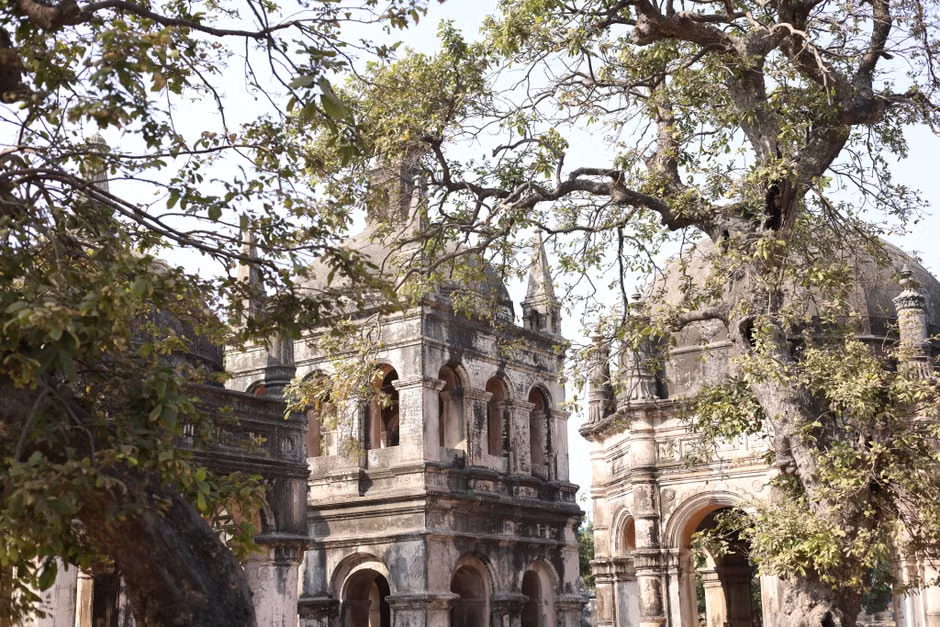
Why Cork is Perfect for Your Celebration
- Castle and manor house estates within easy reach of the city centre offer genuinely dramatic ceremony backdrops
- Cork Airport operates direct routes from major UK and European cities, making international guest travel straightforward
- The summer season (May–September) delivers Ireland's best daylight hours — up to 17 hours in June — ideal for outdoor receptions and photography
- A mature local hospitality industry with experienced wedding caterers, florists, photographers and event planners based in the city
- The surrounding County Cork countryside — coastline, river valleys and rolling farmland — provides exceptional natural scenery within a short drive
- A strong range of venue types from intimate Georgian townhouses to large hotel ballrooms suits guest lists of varying sizes

Compare Cork with Other Top Destinations
Frequently Asked Questions
Is Cork a good destination for a wedding?
Yes. Cork is a strong wedding destination, particularly for couples wanting a blend of Irish heritage, countryside scenery, and genuine cultural character. The city and surrounding county offer castle estates, manor houses, and hotel ballrooms suited to a wide range of guest sizes and styles. The summer season provides the best conditions, and the local wedding vendor ecosystem is experienced and well-developed.
What is the best time of year to hold a wedding or event in Cork?
May through September is the recommended window. This period offers the longest daylight hours — up to 17 hours in June — the mildest temperatures, and the lowest likelihood of sustained rainfall. Outside this window, short days, Atlantic storms, and persistent rain make outdoor elements impractical and the overall guest experience significantly less favourable.
How easy is it for guests to travel to Cork from abroad?
Reasonably straightforward for guests from the UK and Europe. Cork Airport has direct scheduled services from London, Amsterdam, Paris, Barcelona, and other major European cities, so international guests can arrive without transiting through Dublin. Guests from long-haul destinations will need a connection through a major European hub, which adds travel time.
What kinds of venues are available in Cork for weddings and events?
Cork offers genuine variety: castle and manor house estates in the surrounding countryside, island resort properties within 15–20 kilometres of the city, four-star hotel ballrooms in the city centre, and boutique townhouse properties for smaller gatherings. Outdoor lawn and garden spaces are available at several properties but are weather-dependent and best used during the summer months.
How far in advance should we book a venue in Cork?
For popular summer Saturday dates, 12 to 18 months in advance is the typical lead time for well-regarded venues. Cork's summer season is peak demand, and castle or manor estate properties with limited annual capacity book up quickly. Midweek dates and shoulder-season months (May, early September) generally offer more flexibility.
How do guests get around Cork once they arrive?
Taxis and private hire vehicles are the most practical option for event groups. For guests staying at countryside or island resort venues, organised coach or minibus transfers are strongly recommended and are standard practice for events in Cork. The city centre is walkable, but suburban and rural venues require planned transport — this is a normal part of event logistics here.
Is Cork suitable for corporate retreats and team events?
Yes. Cork's conference-capable hotels, direct European flight connections, and range of team-building and cultural experiences in the surrounding area make it a credible corporate destination. The city's food scene, live music culture, and proximity to the coastline and countryside provide natural evening and off-site programming without requiring extensive additional organisation.
What is the local vendor and catering scene like for events in Cork?
Cork has a mature events industry with experienced local caterers, florists, photographers, entertainment providers, and event planners. Catering standards are generally high, supported by the county's strong artisan food and drink culture. For most wedding and corporate event sizes, the local ecosystem is self-sufficient; very large or highly specialist events may need to source some suppliers from Dublin.
Can Cork accommodate large guest groups for accommodation?
Comfortably up to around 200–300 guests within a single property or a tightly clustered area. For larger groups, accommodation will typically need to be spread across multiple hotels, which requires coordination but is manageable given the city's overall hotel stock. Organised shuttle transfers between accommodation and the venue are standard for larger events.
Does Cork have good rail connections for guests travelling within Ireland?
Yes. Cork Kent Railway Station in the city centre has direct intercity services to Dublin Heuston (approximately 2.5 hours) and connections to Limerick and other regional cities. For guests travelling from within Ireland, the train is a comfortable and reliable option, and the station's city-centre location makes onward travel to venues straightforward.
What makes a Cork wedding or event feel distinctive compared to a generic hotel event?
The combination of genuine Irish cultural character — live traditional music, locally sourced food and drink, historic architecture — and the natural scenery of the surrounding county gives Cork events a specific sense of place. Castle estate and manor house venues in particular provide a setting and atmosphere that is difficult to replicate in a standard urban hotel environment.

Ready to explore venues in Cork?
Cork: Destination Wedding & Event Venues in County Cork, Ireland
◆Cork is a well-connected, culturally rich Irish city that suits weddings, corporate retreats, and milestone celebrations particularly well. Its primary strength lies in the diversity of its venue landscape — castle estates, Georgian manor houses, riverside hotel ballrooms, and countryside resorts — all within easy reach of an international airport and a city-centre railway station. The summer months (May through September) are the clear window for outdoor events, offering the longest daylight hours and the most reliable mild weather Ireland can provide. The local hospitality and vendor ecosystem is mature and experienced. Cork is generally accessible for guests from across Ireland, the UK, and mainland Europe, and suits mid-to-large guest groups comfortably.
Cork at a Glance
| Category | Detail |
|---|---|
| Best For | Weddings, Corporate Events, Milestone Celebrations, Cultural Gatherings |
| Primary Vibe | Cultural & Timeless |
| Other Vibes | Coastal, Heritage, Countryside, Vibrant |
| Best Season | Summer (May, Jun, Jul, Aug, Sep) |
Why Choose Cork?
- Genuine venue diversity: Cork and its surrounding county offer an unusually wide range of event settings — from medieval castle estates and Victorian manor houses to sleek contemporary hotel ballrooms and island resort grounds — within a compact, navigable area.
- Exceptional summer daylight: Ireland's summer solstice delivers up to 17 hours of daylight in Cork, meaning outdoor ceremonies, garden receptions, and evening photography sessions can run far later than in most other European destinations.
- Strong international accessibility: Cork Airport operates direct scheduled services from London, Amsterdam, Paris, Barcelona, and other major European hubs, making it straightforward for international guests to attend without a Dublin connection.
- Mature local vendor ecosystem: Cork has a well-established wedding and events industry, with experienced local caterers, florists, photographers, entertainment providers, and event planners who are familiar with the specific logistics of the city's venues.
- Distinctive Irish cultural character: The city's food culture, live music tradition, and genuine local hospitality give events held here a character that is hard to replicate — guests consistently note the warmth and authenticity of a Cork celebration.
- Countryside and coastal scenery within reach: The Wild Atlantic Way coastline, Blarney Castle, the Lee Valley, and the Blackwater Valley are all within a short drive, offering exceptional options for pre- or post-event guest experiences and photography.
Which Celebrations Work Best in Cork?
- Weddings: Cork is particularly well-suited to weddings of all sizes. The combination of castle and manor house estates for intimate ceremonies, larger hotel ballrooms for receptions of several hundred guests, and a strong local supplier base makes the planning process relatively straightforward. The summer season aligns well with the traditional Irish wedding calendar.
- Corporate retreats and team events: The city's conference-capable hotels, proximity to the airport, and range of team-building experiences in the surrounding countryside make Cork a credible choice for corporate groups. The city's own cultural and culinary scene provides natural evening programming without additional organisation.
- Milestone celebrations (anniversaries, landmark birthdays): The heritage and character of Cork's venues lend themselves well to significant personal celebrations. A castle estate or a Georgian manor house provides a sense of occasion that a standard hotel function room cannot match.
- Cultural and arts gatherings: Cork has a strong tradition as a cultural city — it was European Capital of Culture in 2005 — and its theatres, galleries, and civic spaces are genuinely suited to events that want to engage with that identity.
Venues & Event Spaces
Cork's event venue landscape spans several distinct categories. At the top end, luxury manor house hotels within the city's suburbs offer private grounds, dedicated bridal suites, and in-house catering teams experienced in large-scale weddings. Island resort properties within roughly 15 kilometres of the city centre provide a sense of seclusion and natural scenery while remaining accessible by road. Heritage castle properties in the wider county offer dramatic stone architecture and landscaped grounds that are particularly popular for ceremony settings.
Within the city itself, a number of four-star hotel properties on the River Lee and in the city centre offer large ballrooms and flexible function spaces capable of accommodating several hundred guests across ceremony, reception, and dining formats. These properties benefit from their proximity to the city's accommodation stock, making it easier for guests to stay close to the venue without requiring organised transport.
For smaller, more intimate gatherings, Cork also has a range of boutique townhouse hotels, private dining rooms within the city's restaurant scene, and civic buildings that can be hired for exclusive use. Outdoor lawn and garden spaces are available at several manor and resort properties, though these are naturally weather-dependent and most reliably used during the summer window.
Best Time to Celebrate
The curated best season for Cork is Summer: May, June, July, August, and September. This window is the clear choice for events in Cork for several concrete reasons beyond simply "the weather is nicer."
Daylight is the most significant practical factor. In June, Cork experiences close to 17 hours of daylight, meaning outdoor ceremonies can begin in the early afternoon and evening receptions can continue in natural light well past 9 pm. This dramatically expands the usable event day and creates the long, golden-hour photography conditions that are difficult to achieve at any other time of year in Ireland.
Rainfall, while never absent in Cork, is statistically lower and less persistent during the summer months than in autumn and winter. The Atlantic weather systems that bring heavy, sustained rain to the southwest of Ireland are less frequent between May and September, though short showers remain possible on any given day — outdoor event planning should always include a covered contingency.
Temperatures during the summer window typically range from around 14°C to 20°C, occasionally reaching the low-to-mid 20s during warm spells. This is mild by international standards but comfortable for outdoor events, particularly in the evenings.
The months outside this window present genuine challenges. October through March brings short days (as few as 8 hours of daylight in December), frequent Atlantic storms, cold temperatures, and sustained rainfall that makes outdoor elements impractical. April can be unpredictable, with late cold spells and variable conditions that make it a risky choice for outdoor-dependent events. These months are not impossible for fully indoor events, but the overall guest experience — particularly for those travelling from warmer climates — is significantly less favourable.
Getting There & Local Connectivity
Cork is served by its own international airport located approximately 6 kilometres south of the city centre, with direct scheduled services from a range of UK and European cities. This is a meaningful advantage for destination events — guests from London, Amsterdam, Paris, and other major hubs can reach Cork without transiting through Dublin, reducing travel time and complexity considerably.
For guests travelling within Ireland, Cork Kent Railway Station in the city centre provides direct rail services to Dublin Heuston (approximately 2.5 hours) and connections to Limerick and other regional cities. The intercity coach network also serves Cork well, with frequent services from Dublin and other major towns.
Road access is good, with the M8 motorway connecting Cork to Dublin and the wider national road network. For guests driving from within Ireland, Cork is generally reachable within 2.5 to 3 hours from Dublin and under 2 hours from Limerick or Waterford.
Within the city and its surrounds, taxis and private hire vehicles are readily available and are the most practical option for moving guest groups between venues, hotels, and the airport. Public bus services cover the city and some suburban areas, but for event groups — particularly those staying at countryside or island resort properties — organised coach or minibus transfers are strongly recommended and are a standard part of event logistics in Cork.
Local Vendor & Hospitality Ecosystem
Cork has one of Ireland's most developed regional hospitality and events industries outside of Dublin. The city's long tradition as a food and culture destination means that catering standards at event venues are generally high, with strong access to local produce — Cork and the surrounding county are known for artisan food producers, craft beverages, and a restaurant scene that punches above its size.
Wedding and event planners based in Cork are experienced with the specific characteristics of the local venue stock — including the logistical considerations of castle and countryside estate events, where supplier access, power supply, and guest transport require more detailed coordination than a standard hotel ballroom. This local expertise is a genuine asset for couples or event organisers planning from outside Ireland.
Entertainment options are strong: Cork has a well-established live music scene, and traditional Irish music acts, céilí bands, and contemporary performers are all readily bookable through local agencies. Floral, styling, and décor suppliers are well-represented in the city, and the broader creative vendor community — photographers, videographers, stationery designers — is mature and competitive.
For very large events (500+ guests), some specialist supplier categories may require sourcing from Dublin or further afield, but for events in the typical wedding and corporate retreat size range, Cork's local ecosystem is generally self-sufficient.
Pros & Things to Consider
Why Cork Works Well
- Direct international flights make it genuinely accessible for guests from the UK and Europe without a Dublin connection
- Exceptional summer daylight hours extend the usable event day significantly beyond most other destinations
- A wide range of venue types — castle estates, manor houses, island resorts, city hotel ballrooms — suits different event styles and guest sizes
- A mature, experienced local vendor and hospitality ecosystem reduces planning risk
- Strong Irish cultural identity gives events a distinctive, memorable character
- The surrounding countryside and coastline provide outstanding options for guest experiences and photography beyond the event itself
Things to Consider
- Ireland's weather is inherently unpredictable — even in summer, outdoor elements require a covered contingency plan; no outdoor event in Cork can be planned without one
- The summer window (May–September) is also peak demand season, meaning popular venues book up well in advance — typically 12 to 18 months ahead for Saturday dates
- Guests travelling from outside Europe face a longer journey; Cork is not a short-haul destination for guests from Asia, the Americas, or the Middle East, and the absence of long-haul direct routes means a connection through a major hub is required
- Countryside and island resort venues, while scenic, require organised guest transport — this adds a logistical layer and associated planning effort that city-centre venues do not
- The city's accommodation stock, while solid, is not unlimited; for very large guest groups (200+ rooms), accommodation may need to be spread across multiple properties, requiring careful coordination
When Cork May Not Be the Right Fit
- Outdoor-focused events outside the summer window: If your event date falls between October and April and outdoor elements are central to the plan, Cork's climate makes this a genuinely high-risk choice — sustained rain, short days, and cold temperatures are the norm rather than the exception.
- Very large guest lists requiring a single-property solution: Cork's venue and accommodation stock is well-suited to events up to around 300–400 guests within a single property. Events requiring 500+ guests under one roof with matching on-site accommodation may find the local inventory limiting.
- Guests travelling primarily from long-haul destinations: For a guest list drawn largely from Asia, North America, or the Middle East, Cork's lack of direct long-haul connections means a multi-leg journey that adds significant travel time and cost compared to a destination with a major international hub airport.
- Events requiring a warm, sunny climate as a core guest experience: Cork's mild, often overcast summer is genuinely pleasant, but if the vision for the event centres on guaranteed sunshine, warm evenings, and a Mediterranean or tropical atmosphere, a different destination will more reliably deliver that experience.