
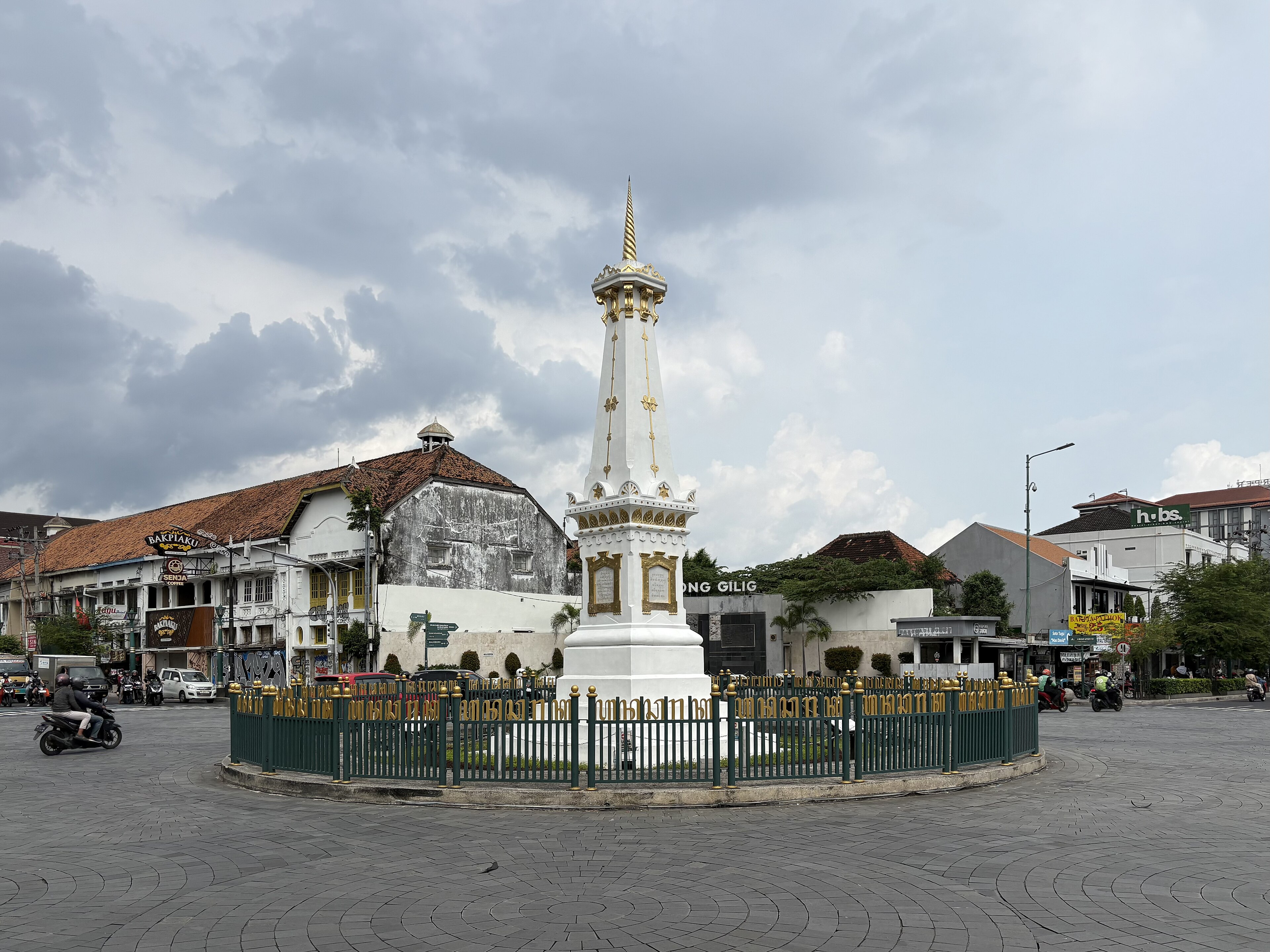
Why Yogyakarta is Perfect for Your Celebration
- UNESCO World Heritage temples (Borobudur & Prambanan) provide unmatched ceremonial backdrops
- Rich Javanese royal kraton culture infuses weddings with authentic, centuries-old traditions
- Dry season (May–Sep) offers reliably clear skies ideal for outdoor temple and garden events
- Mature local vendor ecosystem with experienced Javanese wedding planners, caterers, and batik decorators
- Diverse venue mix from heritage palace courtyards to modern resort ballrooms and open-air lawns
- Direct flights from major Indonesian cities and select regional hubs keep guest logistics manageable
Top Venues in Yogyakarta
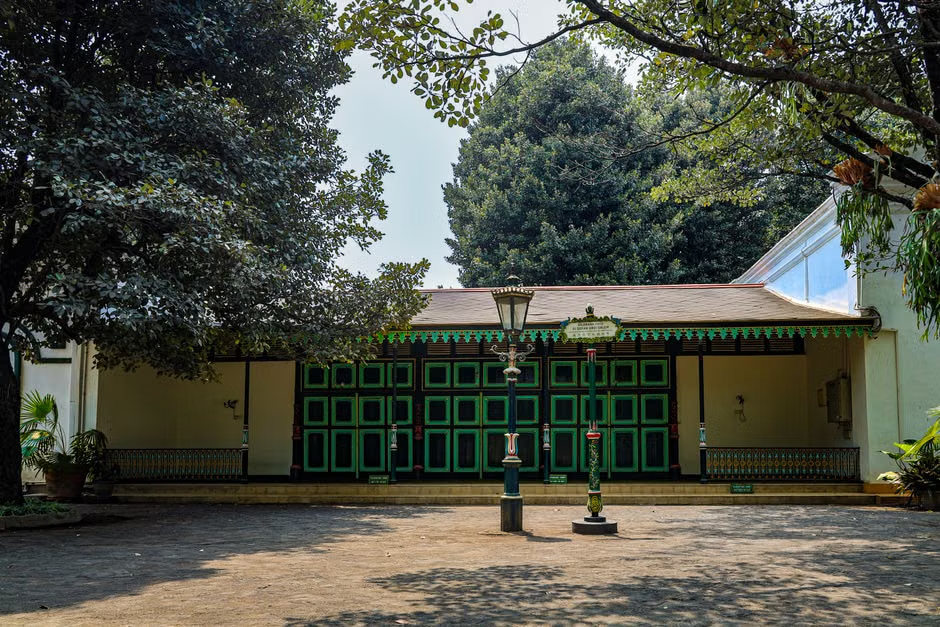
Royal Ambarrukmo Yogyakarta
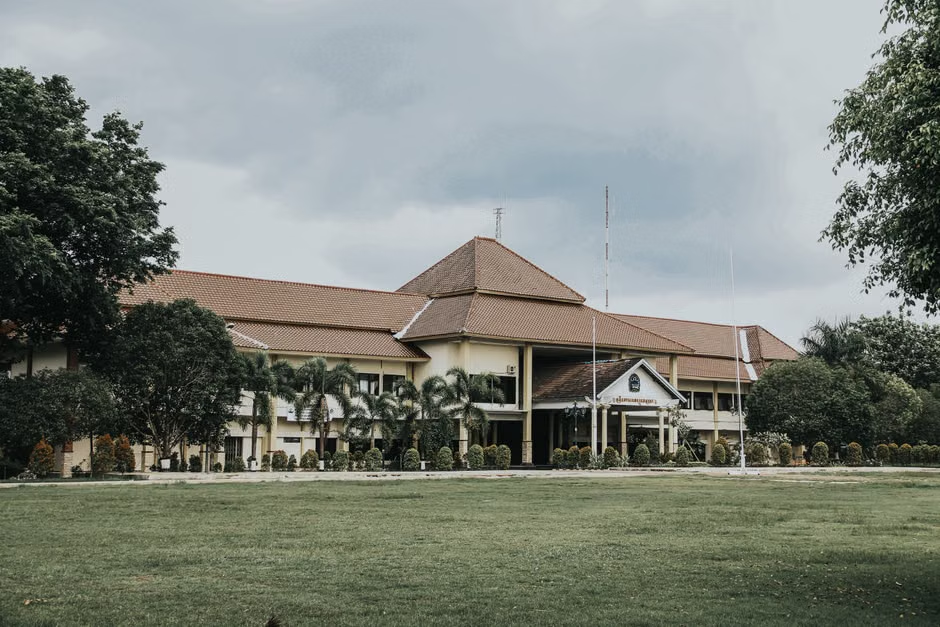
Hyatt Regency Yogyakarta
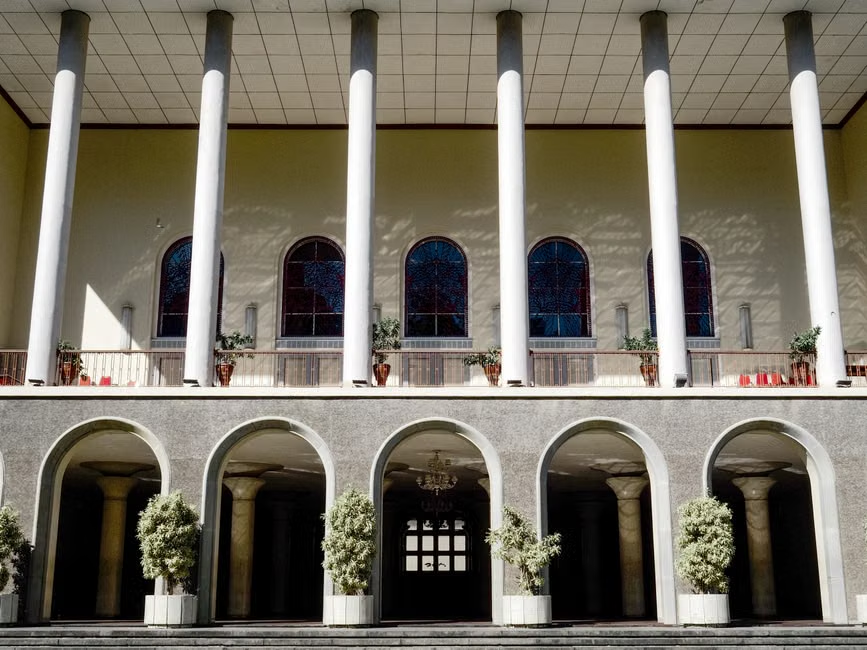
Grand Mercure Yogyakarta Adi Sucipto
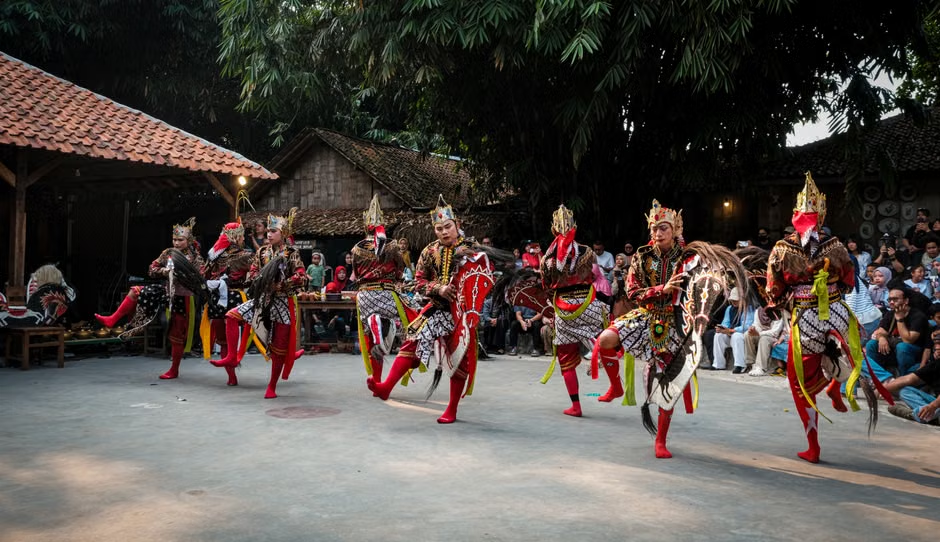
Sheraton Mustika Yogyakarta Resort & Spa
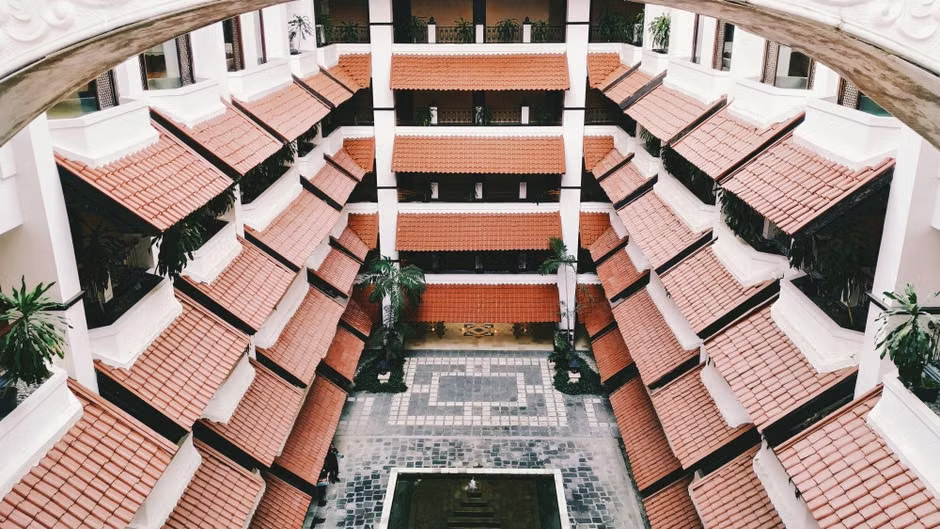
Marriott Yogyakarta
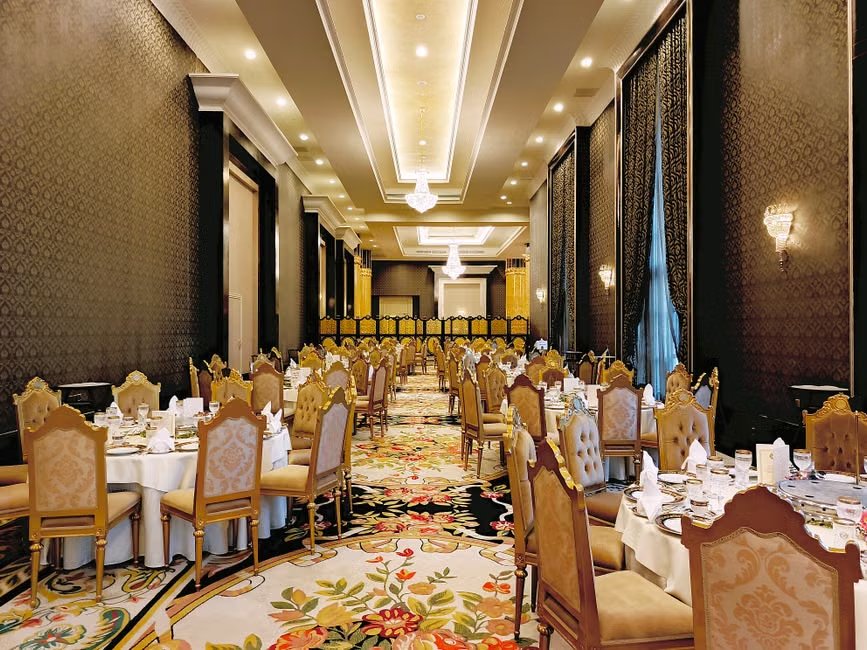
Melia Purosani Hotel Yogyakarta
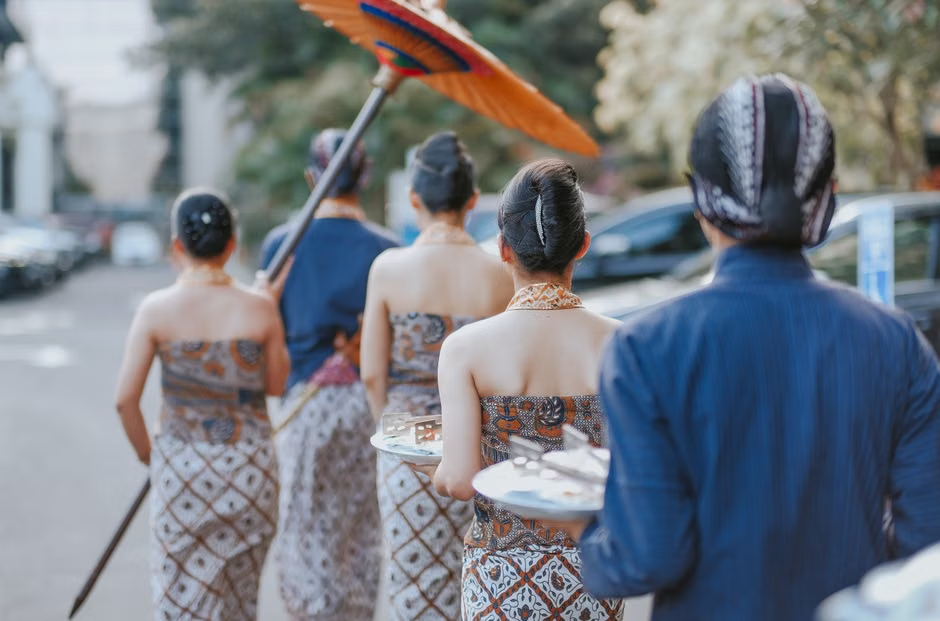
Novotel Yogyakarta
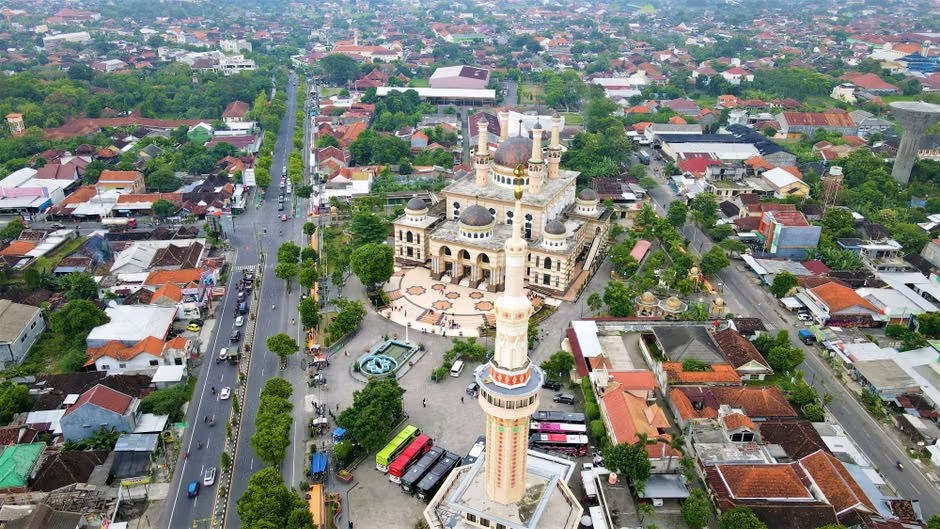
Grand Rohan Jogja
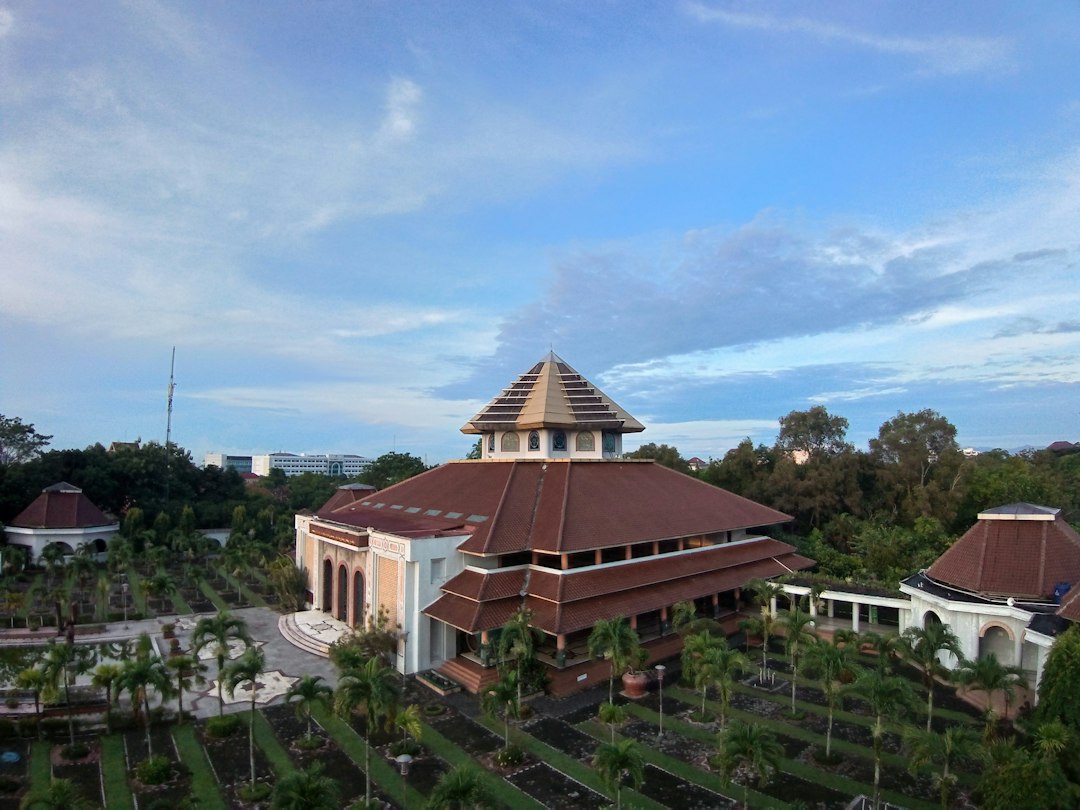
Ibis Yogyakarta Malioboro
Compare Yogyakarta with Other Top Destinations
Frequently Asked Questions
Is Yogyakarta a good destination for a traditional Javanese wedding?
Yes, strongly so. Yogyakarta is widely regarded as Indonesia's foremost city for authentic Javanese wedding ceremonies. The local ecosystem includes experienced planners, court-trained performers, traditional caterers, and batik artisans who can deliver a genuinely rooted cultural celebration rather than a simplified version of one. The city's living royal kraton tradition adds a layer of ceremonial authenticity that is difficult to replicate elsewhere.
What is the best time of year to hold an event in Yogyakarta?
The dry season — May through September — is the clear best window. Rainfall is infrequent, skies are generally clear, and evenings are particularly pleasant for outdoor ceremonies. June, July, and August are the most reliably dry months. The wet season (November–March) brings heavy daily rainfall that makes outdoor events genuinely difficult, and April and October are transitional months with unpredictable conditions.
How do guests typically get to Yogyakarta?
Domestic guests can fly directly into Yogyakarta International Airport (YIA) from Jakarta, Bali, Surabaya, and other major Indonesian cities, or travel by train via Stasiun Tugu, which has excellent connections across Java. International guests will typically connect through Jakarta or Bali — there are no long-haul direct international flights to Yogyakarta itself, so overseas attendees should factor in a connecting leg.
How far is the airport from the city center and event venues?
Yogyakarta International Airport (YIA) is located in the Kulon Progo district, approximately 45 km west of the city center. Transfer time varies with traffic but is typically 45–75 minutes. Shuttle services, taxis, and ride-hailing apps are available. Event planners should factor this transfer into guest arrival schedules, particularly for groups with tight ceremony timings.
What guest group sizes can Yogyakarta venues realistically accommodate?
Yogyakarta's venue inventory comfortably supports events from intimate gatherings of 50–100 guests up to mid-to-large celebrations of 500–700 guests at the city's larger resort properties. Very large events above 700 guests requiring simultaneous multi-venue coordination may stretch local logistics capacity, and engaging an experienced lead event management company is strongly advisable at that scale.
What kinds of event spaces are available in Yogyakarta?
The destination offers a genuine mix: resort ballrooms and outdoor garden lawns at larger properties, traditional Javanese pendopo (open pavilion) spaces at heritage-adjacent venues, boutique villa-style settings for intimate gatherings, and open-air terraces suited to dry-season evening receptions. The range covers both contemporary and culturally immersive aesthetics, giving planners meaningful choice across different event styles.
Can cultural performances like gamelan or wayang be incorporated into an event?
Yes, and this is one of Yogyakarta's genuine strengths. Gamelan orchestras, wayang kulit (shadow puppet) troupes, Javanese court dancers, and traditional batik artisans are all locally available and experienced in performing within event contexts. These are not tourist-facing approximations — Yogyakarta's arts community is active and deep, and experienced local planners have established relationships with reputable ensembles and performers.
Is accommodation for a large guest group easy to arrange in Yogyakarta?
Generally yes, for groups up to several hundred guests. The city has a broad accommodation inventory spanning multiple tiers, concentrated in the central city and Sleman district. For very large groups, planners typically block rooms across two or three properties and arrange coordinated shuttle transfers between accommodation and event venues. Booking well in advance — particularly for the peak dry-season months of June–August — is strongly recommended.
What is local transport like for event guest groups once they arrive?
Within Yogyakarta, ride-hailing services (Gojek and Grab) are widely available for individual guests. For group transfers between hotels, venues, and cultural sites, chartered minibuses or coaches are the most practical solution. Central Yogyakarta can experience significant traffic congestion, particularly around Malioboro and the Kraton area, so event schedules should build in realistic transfer buffers — especially for temple-precinct excursions outside the city.
Are there outdoor ceremony options near the Borobudur or Prambanan temples?
Pre-wedding shoots and cultural excursions to Borobudur and Prambanan are regularly arranged for event groups and are among Yogyakarta's most distinctive offerings. Full ceremony hosting within the temple precincts themselves is subject to heritage site regulations and requires coordination through licensed local operators well in advance. Nearby resort properties in the Prambanan and Magelang areas can provide outdoor event spaces with temple views as a backdrop.
How well-developed is the local wedding and event vendor ecosystem?
Yogyakarta has one of Indonesia's more mature local event vendor ecosystems outside Jakarta and Bali. Specialist vendors — traditional caterers, cultural performers, batik decorators, floral designers, and photographers experienced with destination clients — are genuinely available. For events with complex multi-vendor requirements, engaging a lead local event management company with proven experience at the relevant scale is advisable to ensure smooth coordination.
Is Yogyakarta suitable for non-wedding celebrations like milestone birthdays or corporate retreats?
Yes. The city's cultural richness, manageable scale, and warm hospitality make it well-suited to milestone social celebrations and corporate retreats that want genuine cultural programming — batik workshops, temple visits, gamelan sessions, and traditional culinary experiences. It is a more distinctive and immersive choice than a generic resort city for groups where the destination experience itself is part of the event's purpose.

Ready to explore venues in Yogyakarta?
Yogyakarta: Destination Wedding & Cultural Event Venues
◆Yogyakarta is Indonesia's strongest destination for culturally immersive weddings, festivals, and social celebrations. Its primary vibe is Cultural & Timeless, rooted in living Javanese royal traditions, UNESCO-listed temple complexes, and a mature arts and hospitality ecosystem. The destination suits intimate to mid-scale events particularly well, with a venue mix spanning heritage palace courtyards, resort ballrooms, and open-air garden spaces. The dry season (May through September) is the clear window for outdoor celebrations. Domestic guests reach Yogyakarta easily by air or rail; international guests typically connect via Jakarta or Bali, making it a comfortable but not entirely effortless journey for overseas groups.
Yogyakarta at a Glance
| Attribute | Detail |
|---|---|
| Best For | Cultural Weddings, Festivals, Social Celebrations, Corporate Retreats with Cultural Programming |
| Primary Vibe | Cultural & Timeless |
| Other Vibes | Artistic, Heritage, Spiritual, Intimate |
| Best Season | Dry Season (May, Jun, Jul, Aug, Sep) |
Why Choose Yogyakarta?
- Unrivalled cultural backdrop: The proximity of Borobudur and Prambanan — two of Southeast Asia's most iconic UNESCO World Heritage sites — gives Yogyakarta a ceremonial grandeur that very few destinations in the region can match. Pre-wedding shoots, sunrise rituals, and cultural performances at these sites are genuinely available and regularly arranged for event groups.
- Living royal tradition: The Yogyakarta Sultanate (Kraton) remains an active royal institution, and its Javanese court culture — gamelan music, wayang shadow puppetry, batik artistry, and traditional dance — can be authentically woven into wedding ceremonies and reception programmes rather than staged as tourist performances.
- Mature local vendor ecosystem: Yogyakarta has a well-established network of Javanese wedding planners, traditional caterers, floral designers, and cultural performers who are experienced in delivering events for both domestic and international clients. This depth of local expertise reduces the logistical burden on couples planning from abroad.
- Diverse venue typology: The city and its surrounds offer a genuine range — from heritage palace-adjacent properties and boutique resort gardens to contemporary hotel ballrooms — meaning events of different scales and styles can be accommodated without forcing a compromise.
- Reliable dry-season window: Five consecutive months of predominantly dry, clear weather (May–September) give event planners a long, predictable booking window for outdoor ceremonies and garden receptions, which is a meaningful operational advantage in a tropical climate.
- Strong rail and air access for domestic guests: Yogyakarta is one of Java's best-connected cities by train, with frequent services from Jakarta, Surabaya, and Bandung. For Indonesian guest groups, travel logistics are straightforward and relatively comfortable.
Which Celebrations Work Best in Yogyakarta?
- Cultural & Traditional Weddings: Yogyakarta is arguably Indonesia's premier city for a Javanese-style wedding. The availability of authentic kraton-influenced ceremonies, traditional attire, gamelan orchestras, and court-trained dancers means couples seeking a genuinely rooted cultural celebration will find the full ecosystem here — not a simplified version of it.
- Festivals & Cultural Gatherings: The city's arts calendar, its open-air temple precincts, and its tradition of large communal celebrations make it a natural fit for festival-format events — multi-day programmes with cultural performances, artisan markets, and communal feasting.
- Social Celebrations (Milestone Birthdays, Anniversaries, Family Reunions): Yogyakarta's combination of heritage atmosphere, warm Javanese hospitality, and manageable city scale makes it well-suited to intimate-to-mid-scale social events where the destination itself is meant to feel special and meaningful rather than merely convenient.
- Corporate Retreats with Cultural Programming: Companies seeking a retreat destination that offers genuine cultural immersion — batik workshops, temple visits, traditional cooking classes, and gamelan sessions — alongside functional meeting and event spaces will find Yogyakarta a more distinctive choice than a generic resort city.
Venues & Event Spaces
Yogyakarta's event venue landscape is more varied than its reputation as a cultural city might suggest. At the upper end, several large resort properties offer expansive ballrooms, outdoor garden lawns, and poolside terraces capable of hosting several hundred guests with full catering and AV infrastructure. Heritage-adjacent properties — those situated near or within the historic core of the city — often feature traditional Javanese architectural elements: joglo pavilions, open pendopo halls, and landscaped courtyards that lend an authentic aesthetic without requiring heavy decoration.
Mid-scale boutique hotels and villa-style properties are particularly well-suited to intimate weddings and social gatherings of under 150 guests, where the atmosphere of a private, curated space is more important than raw capacity. Open-air venues — garden lawns, resort terraces, and temple-precinct-adjacent spaces — are the most sought-after for dry-season events, and many properties have invested in permanent outdoor event infrastructure (covered staging, lighting rigs, and weather contingency structures) precisely because of the demand during the May–September window.
For festival-format events, the city's broader cultural infrastructure — public squares, arts centre grounds, and heritage precincts — can be engaged through local event management companies with the necessary municipal relationships, though this typically requires more lead time and local expertise than a standard hotel-based event.
Best Time to Celebrate
The dry season, running from May through September, is the clear and strongly recommended window for any event in Yogyakarta that involves outdoor elements. During these months, rainfall is infrequent, humidity is relatively lower than the wet season (though still tropical), and daytime temperatures are comfortable for outdoor ceremonies and garden receptions — typically in the mid-to-upper 20s Celsius. Evenings during this period are particularly pleasant, making sunset and after-dark celebrations especially appealing.
June, July, and August represent the peak of the dry season and are the most reliably clear months. May and September are transitional but generally still dry enough for outdoor planning, with the caveat that occasional early or late showers are possible and a weather contingency plan is advisable.
The wet season (November through March) brings heavy, often daily rainfall that makes outdoor events genuinely difficult to manage. Flooding in lower-lying areas of the city is not uncommon during peak monsoon months (December–February), and the logistical disruption to guest travel and outdoor setups can be significant. Events during this period are best confined to fully indoor venues with robust contingency planning.
April and October are transitional months with unpredictable weather patterns — some years they are relatively dry, others see significant rainfall. Planning outdoor events in these months carries meaningful risk and is generally not recommended without a strong indoor fallback option.
Getting There & Local Connectivity
Yogyakarta is served by Yogyakarta International Airport (YIA), located in the Kulon Progo district to the west of the city. The airport handles direct domestic connections from Jakarta, Bali, Surabaya, Medan, and other major Indonesian cities, as well as a growing number of regional international routes. Guests travelling from outside Indonesia will typically connect through Jakarta's Soekarno-Hatta International Airport or Bali's Ngurah Rai International Airport, both of which have frequent onward services to Yogyakarta. The airport's distance from the city center means guests should factor in transfer time — shuttle services, taxis, and ride-hailing apps are all available.
Stasiun Tugu, Yogyakarta's main railway station, sits in the heart of the city and is one of Java's busiest rail hubs. High-speed and executive-class train services connect Yogyakarta to Jakarta (approximately 8–9 hours), Surabaya (approximately 5 hours), and Bandung, making rail a genuinely comfortable option for domestic guests who prefer it. For large guest groups arriving by train, the central station location is a logistical advantage — guests can be met and transferred directly from the platform.
Within the city, local transport options include taxis, ride-hailing services (Gojek and Grab are widely available), and chartered minibuses — the latter being the most practical solution for moving event guest groups between hotels, venues, and cultural sites. Traffic in central Yogyakarta can be congested during peak hours, so event schedules should build in realistic transfer buffers, particularly for temple-precinct visits outside the city.
Local Vendor & Hospitality Ecosystem
Yogyakarta has one of Indonesia's most developed local event vendor ecosystems outside of Jakarta and Bali. The city's long history as a centre for Javanese arts and craftsmanship means that specialist vendors — traditional batik decorators, gamelan ensembles, wayang kulit performers, Javanese court-dance troupes, and traditional culinary caterers — are genuinely available and experienced in working within event contexts rather than purely as tourist attractions.
Wedding planners based in Yogyakarta typically have strong relationships with both the city's hotel properties and its cultural institutions, which is important for events that want to incorporate temple-precinct elements or royal-tradition-inspired ceremonies. Floral design, photography, and contemporary event production services have also matured significantly, with a number of studios and agencies now catering specifically to destination wedding clients.
Javanese hospitality culture — characterised by warmth, attentiveness, and a genuine pride in sharing local traditions — tends to translate well into the event context. Guests frequently comment on the quality of personal service at Yogyakarta's heritage and resort properties. That said, for very large events (500+ guests) requiring complex multi-vendor coordination, it is advisable to engage a lead event management company with proven experience at that scale, as the ecosystem, while mature, is not as deep in large-scale logistics capacity as Jakarta or Bali.
Pros & Things to Consider
Why Yogyakarta Works Well
- Authentic Javanese cultural programming — gamelan, wayang, traditional dance, batik — is genuinely available and not merely a tourist simulation
- UNESCO World Heritage temple backdrops (Borobudur, Prambanan) are accessible for pre-wedding shoots and cultural excursions
- Five-month dry season window gives planners a long, reliable booking period for outdoor events
- Strong domestic rail and air connectivity makes guest travel straightforward for Indonesian attendees
- Warm, attentive Javanese hospitality culture is consistently well-regarded by event guests
- Venue diversity spans heritage courtyards, resort gardens, and modern ballrooms across multiple capacity ranges
- Local vendor ecosystem is mature and culturally specialist — particularly strong for traditional ceremony elements
Things to Consider
- International guests face a mandatory connection through Jakarta or Bali — there are no long-haul direct flights to Yogyakarta, which adds travel time and complexity for overseas attendees
- The airport is located significantly outside the city center, meaning all guests face a meaningful transfer regardless of arrival mode
- The wet season (November–March) is a genuine operational constraint — outdoor events during this period carry real risk and require robust indoor contingency planning
- Very large events (500+ guests requiring multi-venue, multi-day logistics) may stretch the local vendor ecosystem's coordination capacity; additional oversight from an experienced lead planner is advisable
- Traffic congestion in central Yogyakarta, particularly around Malioboro and the Kraton area, can affect guest transfer schedules — realistic buffers are essential
- While the cultural offering is exceptional, guests seeking a beach or coastal setting will not find it here — Yogyakarta is an inland city, and the nearest coastline (Parangtritis) is not typically used for event purposes
When Yogyakarta May Not Be the Right Fit
- Outdoor events planned during the wet season (November–March): If the event date is fixed in the monsoon window and outdoor elements are non-negotiable, Yogyakarta's climate makes this a genuinely high-risk combination. A destination with a more forgiving year-round climate would be a more reliable choice.
- Predominantly international guest lists: If the majority of guests are travelling from outside Indonesia, the mandatory connection through Jakarta or Bali adds meaningful travel time and cost. Destinations with stronger direct international air access would reduce guest travel burden significantly.
- Very large-scale events (600+ guests) requiring extensive multi-vendor coordination: While Yogyakarta's vendor ecosystem is mature for cultural and mid-scale events, the depth of large-scale logistics capacity is more limited than in Jakarta or Bali. Couples planning very large celebrations may find those cities better equipped to absorb the operational complexity.
- Couples or planners seeking a beach or coastal setting: Yogyakarta is an inland cultural city. Guests or couples whose vision centres on oceanfront ceremonies, beach receptions, or water-based activities will need to look elsewhere — this destination does not offer that experience.