
Why Lombok is Perfect for Your Celebration
- Pristine, uncrowded beaches provide naturally dramatic backdrops for ceremonies and receptions
- Dry season (May–September) offers reliably clear skies and calm seas — ideal for outdoor events
- Smaller, more intimate resort scale suits private buyouts and exclusive celebrations
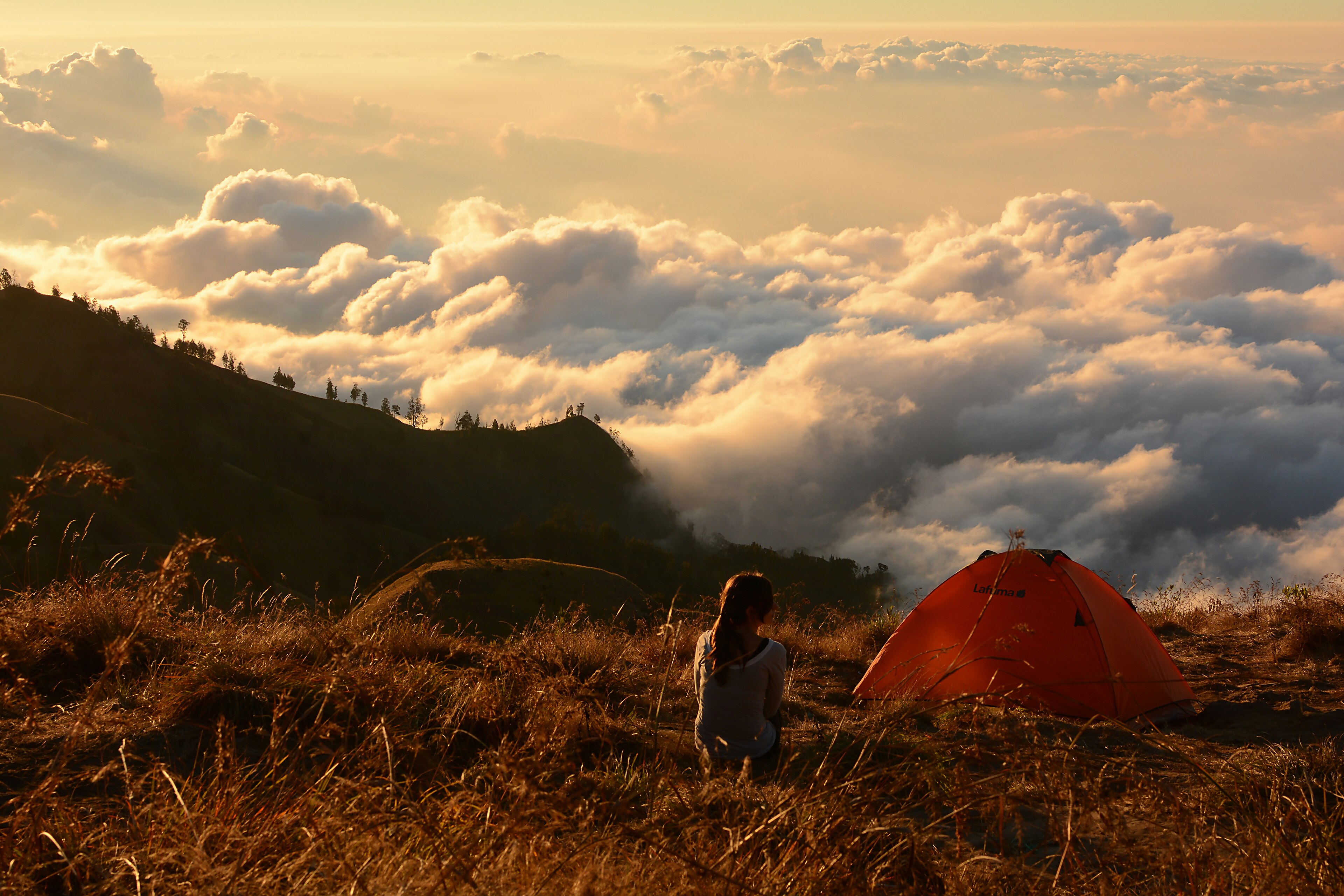
- Mount Rinjani's volcanic silhouette creates a unique, photogenic landscape unlike any mainland venue
- Local Sasak culture adds authentic ceremonial and decorative elements to wedding programmes
- Growing international resort infrastructure supports multi-day event programmes with on-site accommodation
Compare Lombok with Other Top Destinations
Frequently Asked Questions
Is Lombok a good destination for an intimate wedding?
Yes. Lombok is particularly well-suited to small, intimate weddings — typically under 150 guests — where the priority is a private, scenic setting. Its boutique resort landscape, uncrowded beaches, and peaceful atmosphere make it one of the stronger Indonesian island choices for couples who want a genuinely secluded celebration rather than a large-scale event.
What is the best time of year to hold a wedding or event in Lombok?
The dry season — May through September — is the recommended window. Rainfall is minimal, humidity is lower, and sea conditions are calm, all of which are directly important for outdoor ceremonies and receptions. July and August are the most reliably dry months. October and April are transitional and unpredictable; November through March carries significant wet-season risk for outdoor events.
How do guests typically get to Lombok for a destination event?
Lombok is served by Lombok International Airport (LOP), which receives direct domestic flights from Jakarta, Surabaya, Bali, and other Indonesian cities. International guests typically connect through Bali. The airport is roughly 35 km from the main Senggigi resort area, so coordinated group transfers by private vehicle or minibus are the standard arrival arrangement.
Is there a railway connection to Lombok?
No. Lombok is an island and has no railway infrastructure. All ground movement is by road — private car hire, resort shuttles, and organised group transfers are the practical options. For guests travelling between Lombok and the Gili Islands, fast boat transfers are the standard method.
What kinds of event venues are available in Lombok?
Lombok's event venues are primarily beachfront and garden resorts, ranging from internationally branded properties to boutique independent resorts. Most offer outdoor ceremony lawns or direct beach setups, indoor banquet facilities as a wet-weather contingency, and in-house event coordination. Villa-style properties in the Mangsit and northern Senggigi areas suit very small, exclusive gatherings.
How large a guest group can Lombok realistically accommodate for a destination event?
Lombok is best suited to events in the 30–200 guest range. The island's resort inventory is oriented toward intimate and mid-scale events, and accommodation capacity across the Senggigi corridor is sufficient for groups of this size. Very large guest lists — 300 or more — may require spreading accommodation across multiple properties, adding logistical complexity.
Are there local vendors and event coordinators available in Lombok?
Yes, though the ecosystem is smaller than in more established destination wedding markets. Established resorts typically have in-house event teams experienced in multi-day wedding programmes. Specialist vendors — photographers, floral designers, entertainment — operate on the island, but highly customised events may require bringing in additional vendors from Bali or Jakarta, which is common practice.
Can Sasak cultural elements be incorporated into a wedding in Lombok?
Yes. The indigenous Sasak culture of Lombok offers traditional music, ceremonial elements, local textiles, and distinctive cuisine that can be meaningfully incorporated into a wedding programme. This is one of Lombok's genuine differentiators — it adds authentic local character rather than generic tropical theming, and most experienced local event coordinators can facilitate these elements.
What is the general travel experience like for international guests coming to Lombok?
International guests typically fly into Bali and take a short connecting flight to Lombok — a well-operated route. Visa-on-arrival is available for many nationalities. The journey is manageable but involves multiple legs, so it suits guests comfortable with international travel. The airport-to-resort transfer adds roughly 45–75 minutes by road, which should be factored into arrival day planning.
Is Lombok suitable for pre-wedding photography shoots?
Yes, and it is one of the stronger Indonesian island choices for this purpose. The combination of volcanic mountain scenery (Mount Rinjani), white-sand beaches, turquoise water, and traditional Sasak villages provides exceptional visual variety within a single destination. The dry season months offer the most reliable lighting and weather conditions for outdoor shoots.
What makes Lombok different from other tropical island wedding destinations?
Lombok's primary distinction is its genuinely uncrowded, peaceful character. It offers tropical beach scenery and quality resort infrastructure without the commercial density of more heavily touristed island destinations. The presence of Mount Rinjani as a visual backdrop, combined with authentic Sasak cultural traditions, gives Lombok a distinctive identity that is difficult to replicate elsewhere in the region.

Ready to explore venues in Lombok?
Lombok: Destination Wedding & Celebration Venues on Indonesia's Peaceful Island
◆Lombok is an Indonesian island destination in West Nusa Tenggara, best suited to intimate, private weddings, honeymoon celebrations, and small social gatherings where seclusion and natural scenery are the priority. Its primary vibe is peaceful and secluded — quieter and less commercialised than many comparable tropical destinations — with beachfront resorts, tropical gardens, and volcanic backdrops forming the core event setting. The dry season (May through September) is the clear window for outdoor celebrations, offering reliable sunshine and calm seas. Guest travel typically involves a connection through Bali or a direct domestic flight into Lombok International Airport, making it accessible but requiring some advance planning for international groups.
Lombok at a Glance
| Category | Detail |
|---|---|
| Best For | Intimate Weddings, Honeymoon Celebrations, Private Social Gatherings, Pre-Wedding Shoots |
| Primary Vibe | Peaceful & Secluded |
| Other Vibes | Tropical, Romantic, Nature-Immersed, Culturally Authentic |
| Best Season | Dry Season (May, Jun, Jul, Aug, Sep) |
Why Choose Lombok?
- Genuinely uncrowded beaches: Lombok's coastline — particularly around Senggigi, Medana Beach, and the Gili Islands nearby — offers stretches of sand that remain far less trafficked than comparable tropical beach destinations, giving events a naturally exclusive feel without requiring a full resort buyout.
- Dramatic natural scenery: The silhouette of Mount Rinjani, Indonesia's second-highest volcano, provides a backdrop that is visually distinctive and impossible to replicate elsewhere — particularly striking in early morning and at sunset, which aligns well with ceremony and reception timing.
- Intimate resort scale: Most of Lombok's established resorts are boutique or mid-scale in room count, which naturally lends itself to private event programmes where the entire property can be oriented around a single celebration rather than shared with unrelated hotel guests.
- Authentic Sasak cultural elements: The indigenous Sasak culture of Lombok offers genuine ceremonial music, traditional textiles, and local culinary traditions that can be meaningfully incorporated into a wedding or celebration programme — adding cultural depth rather than generic tropical theming.
- Dry season reliability: The May–September dry season delivers consistently low rainfall, low humidity relative to the wet season, and calm sea conditions — all of which are operationally important for multi-day outdoor event programmes.
- Growing but not overcrowded hospitality infrastructure: Lombok has developed a credible international resort and hospitality sector over the past decade without yet reaching the saturation point of more heavily touristed Indonesian islands, meaning event planners can typically secure preferred dates and venues with reasonable lead times.
Which Celebrations Work Best in Lombok?
- Intimate destination weddings: Lombok is particularly well-suited to small-to-medium weddings — typically under 150 guests — where the couple prioritises a private, scenic setting over large-scale logistics. Beachfront ceremonies at sunset, garden receptions, and villa-style dinners are all naturally supported by the island's resort landscape.
- Honeymoon and post-wedding celebrations: The island's peaceful character and high-quality boutique resort options make it an excellent choice for couples extending their celebration into a honeymoon stay, or for small groups joining a post-wedding retreat.
- Pre-wedding shoots and engagement events: Lombok's combination of volcanic mountain backdrops, white-sand beaches, turquoise water, and traditional Sasak villages provides exceptional visual variety for pre-wedding photography and videography programmes across a single trip.
- Private social gatherings and milestone celebrations: Small group birthday celebrations, anniversary dinners, and family reunion events benefit from Lombok's ability to offer genuine privacy — particularly at boutique properties where a small group can effectively have the venue to themselves during quieter periods.
Venues & Event Spaces
Lombok's event venue landscape is dominated by beachfront and garden resorts, ranging from internationally branded properties to independently operated boutique resorts. The most established event corridor runs along the Senggigi coastline and extends north toward Medana Beach, where several resorts offer dedicated event lawns, beachside ceremony setups, and indoor banquet facilities for wet-weather contingencies.
Outdoor ceremony spaces — typically set directly on the beach or on elevated terraces overlooking the sea — are the signature offering, and most properties with event experience can arrange traditional Sasak decorative elements, floral installations, and local catering as part of a coordinated package. Indoor banquet halls exist at the larger convention-capable resorts, providing a practical fallback for evening receptions or for events planned outside the dry season window.
Villa-style properties, particularly in the Mangsit and northern Senggigi areas, offer a more residential event experience suited to very small, exclusive gatherings where the entire property is taken over by the event group. These tend to have lower guest capacities but offer a higher degree of privacy and personalisation than larger resort properties.
The Gili Islands — a short boat transfer from Lombok's northwest coast — also host a small number of boutique resort properties that can accommodate intimate ceremonies, though logistical complexity for larger groups increases significantly given the island-to-island transfer requirement.
Best Time to Celebrate
The dry season running from May through September is the clear and strongly recommended window for any outdoor celebration in Lombok. During these months, rainfall is minimal, humidity is lower than the wet season average, and sea conditions are calm — all of which are directly relevant to the practicality of beach ceremonies, outdoor receptions, and multi-day event programmes.
July and August represent the peak of the dry season and offer the most reliable conditions, though they also coincide with higher demand from international leisure travellers, which can affect resort availability and lead times. May, June, and September offer nearly equivalent weather conditions with somewhat less competition for preferred dates.
October and April are transitional months where conditions are unpredictable — rainfall can arrive earlier or later than the seasonal average, making outdoor event planning genuinely risky without robust contingency arrangements. These months are best treated as shoulder periods rather than reliable event windows.
November through March constitutes Lombok's wet season, characterised by heavy and often sustained rainfall, elevated humidity, and rougher sea conditions. Outdoor ceremonies and receptions during this period carry significant weather risk, and even indoor events can be affected by access disruptions, flooding on approach roads, and reduced flight reliability into Lombok International Airport. Event planners are strongly advised to avoid committing to outdoor programmes during these months without full indoor contingency infrastructure in place.
Getting There & Local Connectivity
Lombok is served by Lombok International Airport (LOP), located in the south of the island. The airport receives direct domestic flights from Jakarta, Surabaya, Bali, and several other Indonesian cities, making it accessible for Indonesian guests without a connection. International guests typically route through Bali's Ngurah Rai International Airport, with a short onward flight to Lombok — a well-established and frequently operated connection.
The airport is located approximately 35 kilometres from the main resort and event corridor around Senggigi, meaning guests should plan for a road transfer of roughly 45–75 minutes depending on traffic and road conditions. For groups arriving together, coordinated shuttle or minibus transfers are the standard and most practical arrangement — there is no rail connection on the island, and public transport options are limited outside of the main towns.
Within the island, private car hire and organised shuttle services are the primary means of group movement. Roads in the Senggigi and Mataram areas are generally in reasonable condition, but some routes to more remote northern or eastern areas can be slower and less predictable. For events incorporating a Gili Islands component, fast boat transfers from Bangsal or Teluk Nare are the standard option, and these are weather-dependent — another reason the dry season is operationally preferable.
For guests arriving from outside Indonesia, visa-on-arrival arrangements are available for many nationalities, which simplifies entry logistics for international wedding groups. Event planners coordinating large international guest lists should confirm current entry requirements well in advance of the event date.
Local Vendor & Hospitality Ecosystem
Lombok's vendor ecosystem has matured meaningfully over the past decade, driven by the growth of its international resort sector and increasing demand for destination weddings from both Indonesian and international couples. Established resorts in the Senggigi corridor typically maintain in-house event coordination teams with experience managing multi-day wedding programmes, including ceremony setup, catering, floral design, and entertainment sourcing.
Local catering draws on both Indonesian and international culinary traditions, with Sasak cuisine — characterised by bold spicing and fresh seafood — available as a distinctive local element for welcome dinners or cultural evenings. International menu options are well-supported at the larger resort properties.
Specialist wedding vendors — photographers, videographers, floral designers, and entertainment coordinators — operate on the island, though the pool is smaller than in more established destination wedding markets. Couples planning highly customised or large-scale events may find it necessary to bring in specialist vendors from Bali or Jakarta, which is a common and accepted practice in the local market. Coordination between island-based and off-island vendors is generally manageable with adequate lead time.
Accommodation capacity across the island is sufficient for small-to-medium event groups, with the Senggigi area offering the highest concentration of quality rooms within a short transfer of the main event venues. For very large guest lists, accommodation may need to be spread across multiple properties, which adds a logistical coordination layer that planners should account for.
Pros & Things to Consider
Why Lombok Works Well
- Genuinely secluded and uncrowded — events feel private without requiring extraordinary measures
- Dry season (May–September) is long and reliable, giving planners a wide booking window
- Distinctive natural scenery — volcanic mountain, tropical beaches, and turquoise water — creates strong visual impact for ceremonies and photography
- Boutique resort scale naturally supports intimate, personalised event programmes
- Authentic Sasak cultural elements add genuine local character to celebrations
- Growing international resort infrastructure means quality accommodation and event services are available without the need to build everything from scratch
Things to Consider
- International guest travel requires a connection through Bali or another Indonesian hub — not a direct long-haul destination for most international guests, which adds journey time and complexity
- The vendor ecosystem, while growing, is smaller than in more established destination wedding markets — highly customised events may require importing specialist vendors
- Wet season (November–March) carries genuine operational risk for outdoor events, and even transitional months (October, April) are unpredictable
- Accommodation capacity is sufficient for small-to-medium groups but can become logistically complex for larger guest lists requiring rooms across multiple properties
- Road transfer times from the airport to resort areas are meaningful — group arrival coordination requires careful scheduling
- Some remote or northern areas of the island have less developed infrastructure, which can limit venue options for couples seeking off-the-beaten-path locations
When Lombok May Not Be the Right Fit
- Large-scale events with 300+ guests: Lombok's resort inventory is oriented toward intimate and mid-scale events. Couples or planners requiring very large banquet capacities or a single property that can house a very large guest group under one roof may find the local supply limiting.
- Events planned during the wet season (November–March): If dates are fixed in the wet season and outdoor elements are non-negotiable, Lombok's weather risk is a genuine concern. A destination with a more year-round outdoor-friendly climate would be a more reliable choice.
- Guest groups with limited international travel experience or complex visa situations: The multi-leg journey and Indonesian visa requirements add a layer of complexity that may not suit all guest profiles — particularly older guests or those from countries with more restricted travel documentation.
- Couples requiring a very large, diverse vendor ecosystem on-island: If the event concept demands highly specialised vendors across multiple disciplines — all sourced locally — Lombok's current market depth may not fully support it without significant off-island vendor coordination.