
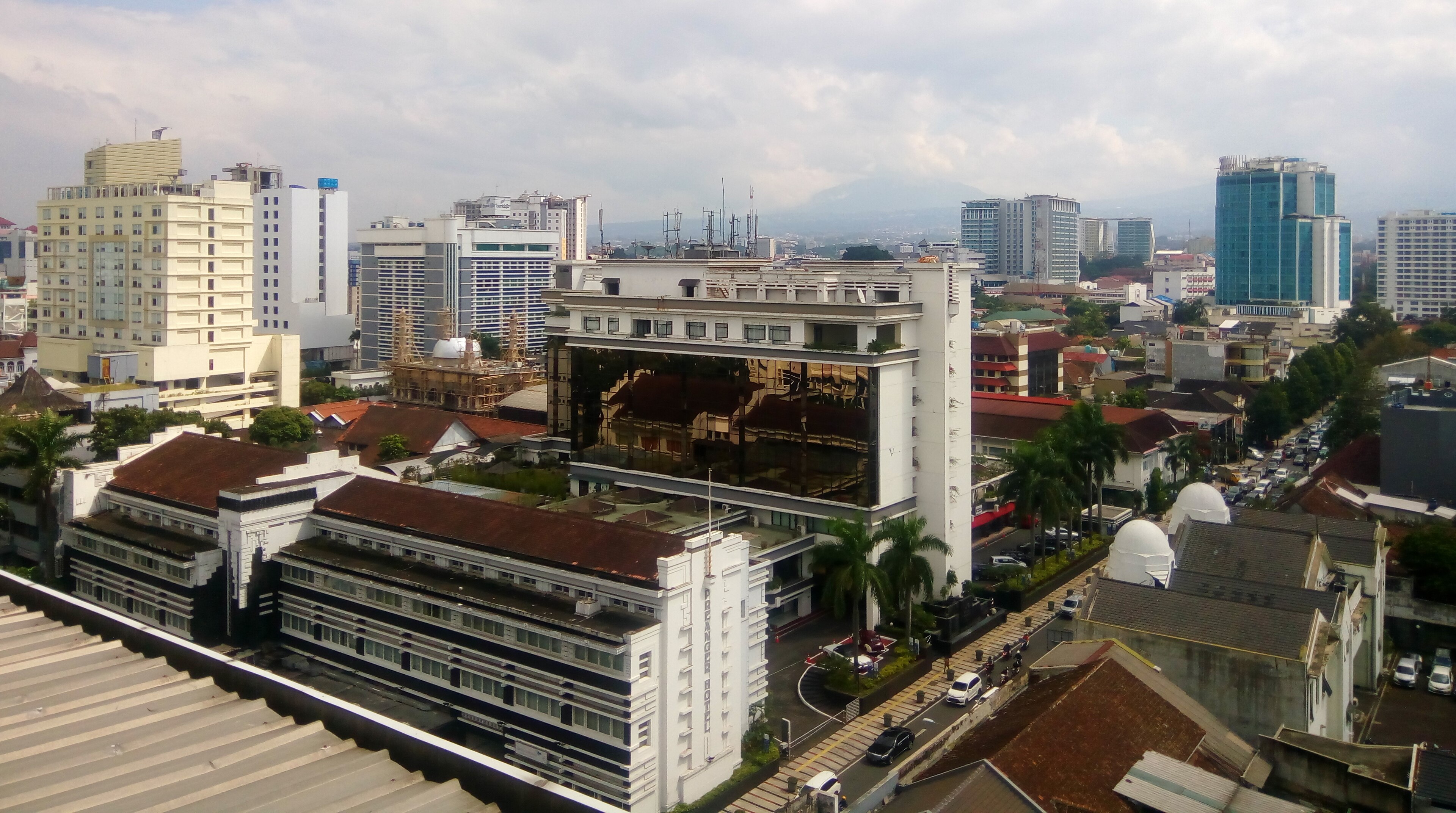
Why Bandung is Perfect for Your Celebration
- Cool highland climate (18°C–28°C) keeps outdoor celebrations comfortable, especially during the dry season
- Rich Sundanese cultural heritage offers authentic local music, cuisine, and ceremonial traditions for weddings
- Colonial-era villas and garden resorts provide unique, photogenic backdrops unavailable in lowland cities
- Excellent rail connectivity from Jakarta makes guest travel straightforward for large groups
- Mature local vendor ecosystem with experienced caterers, decorators, and event planners familiar with large-scale celebrations
- Surrounding tea-plantation hills and volcanic landscapes create dramatic natural scenery for outdoor events
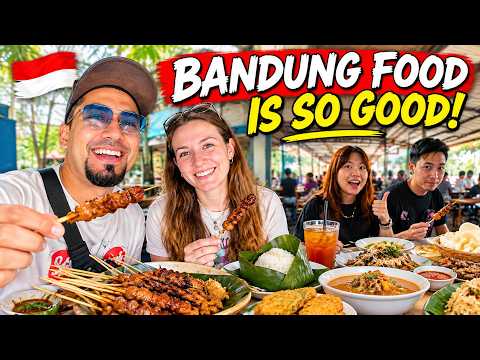
Top Venues in Bandung
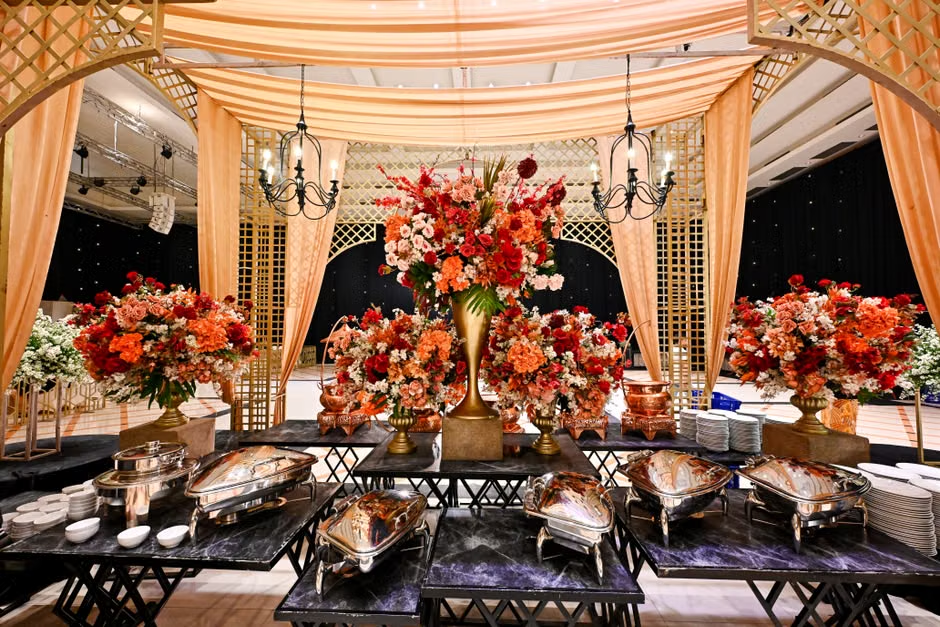
Sheraton Bandung Hotel & Towers
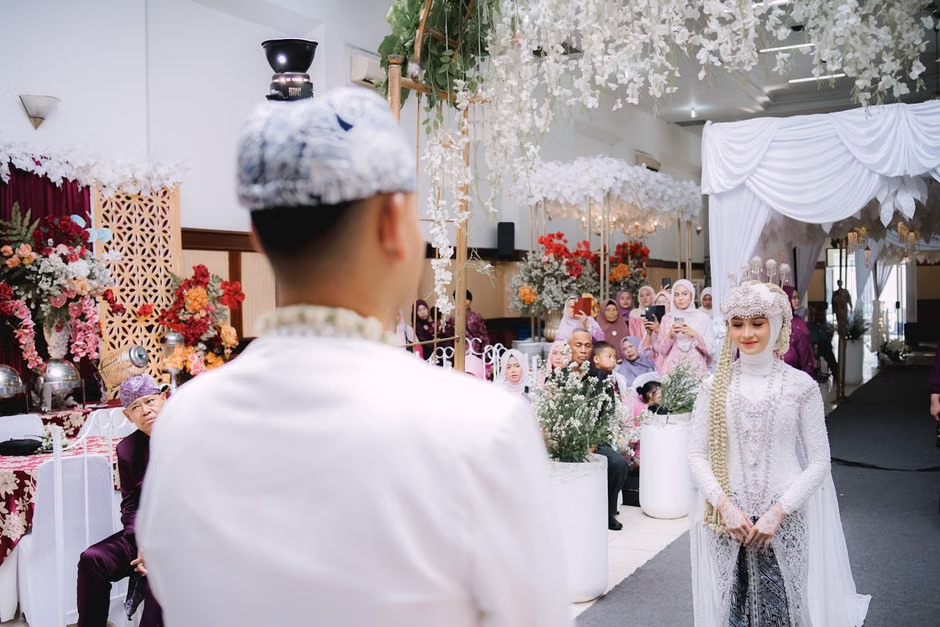
Hilton Bandung
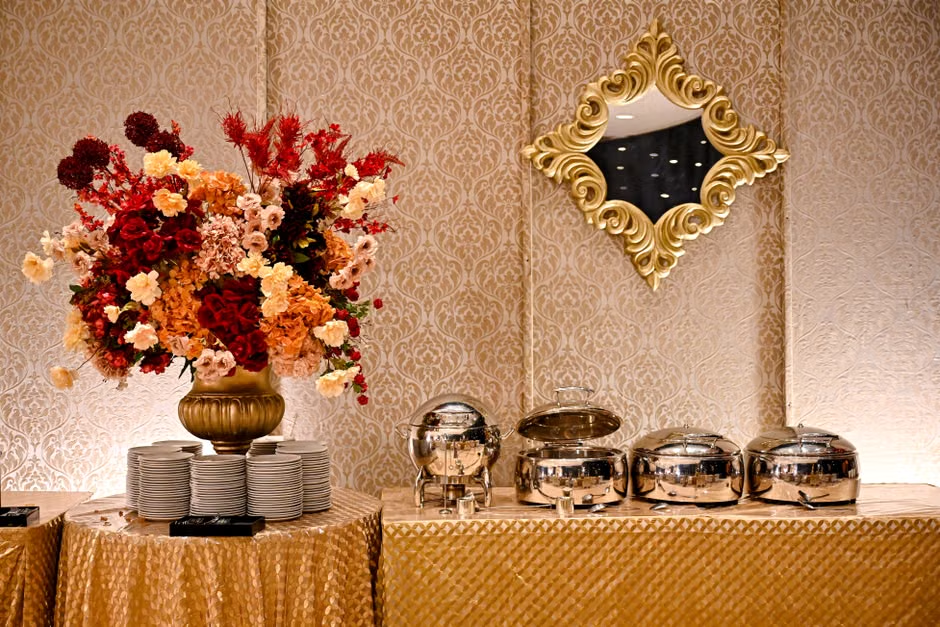
Aryaduta Bandung
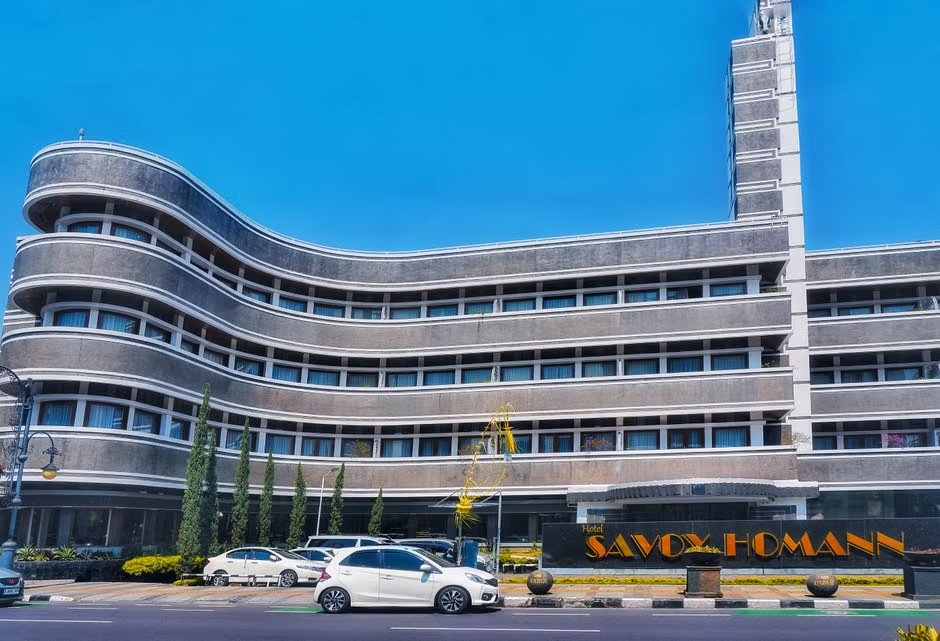
Savoy Homann Bidakara Hotel
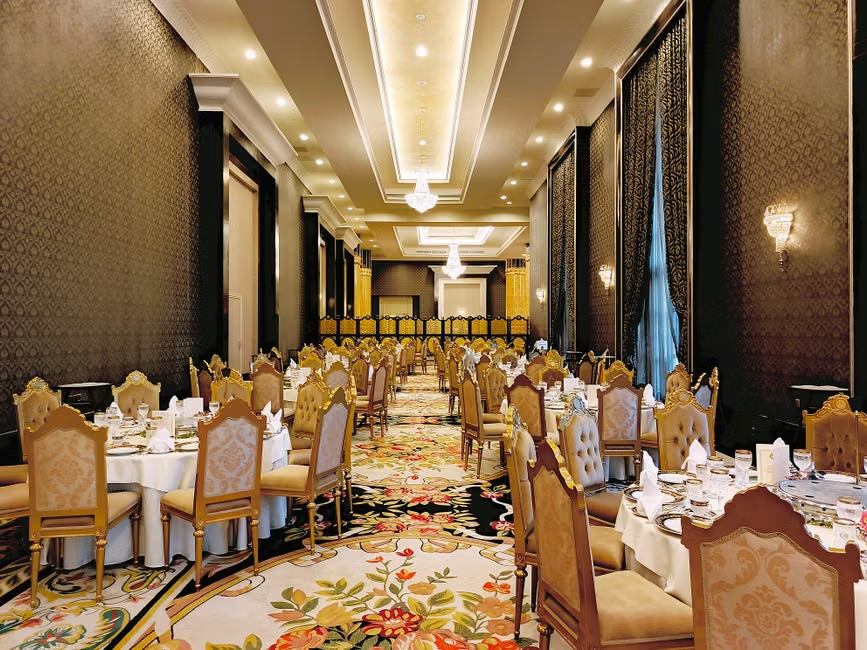
Grand Preanger Hotel
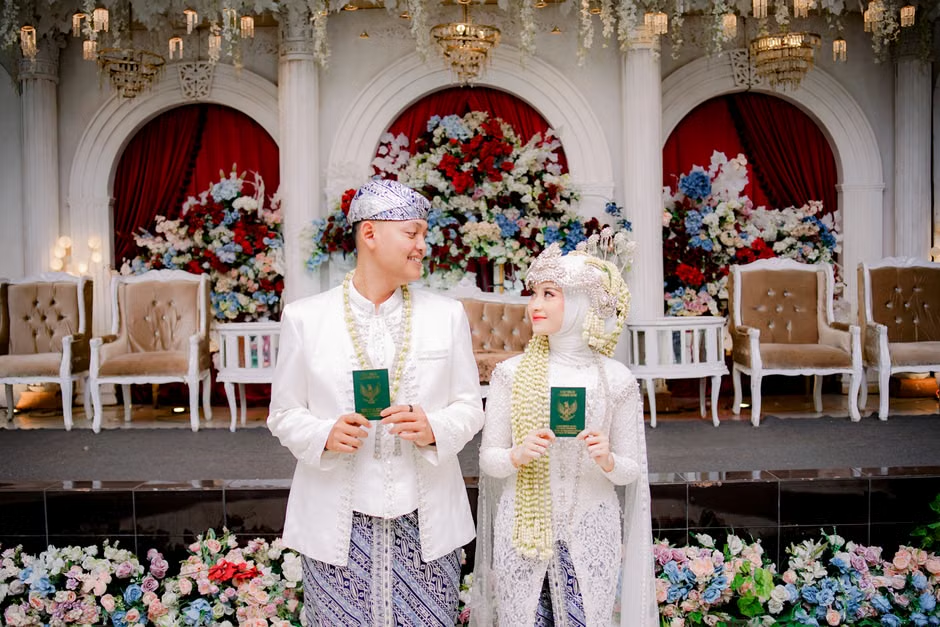
Novotel Bandung
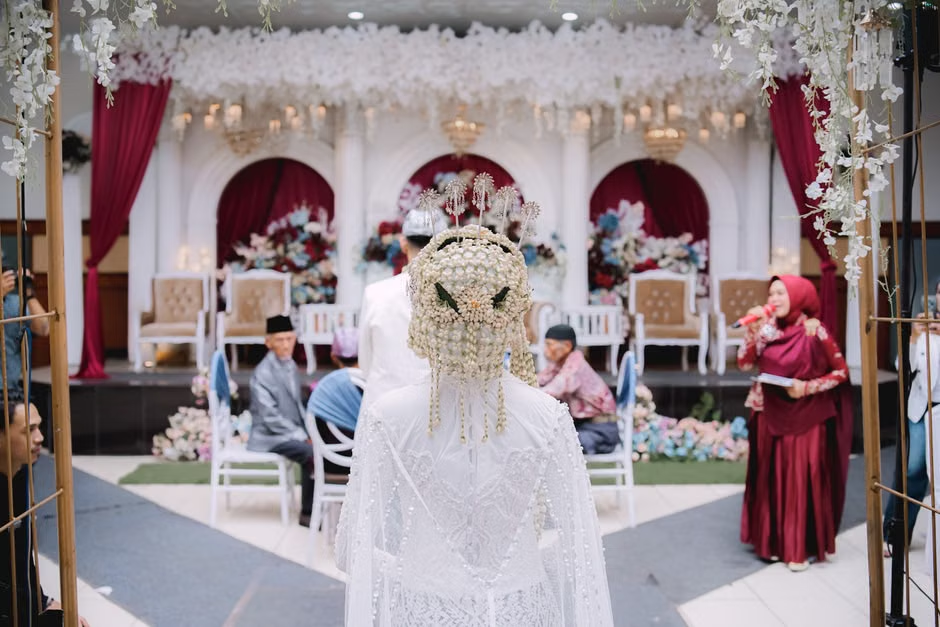
Aston Primera Pasteur Bandung
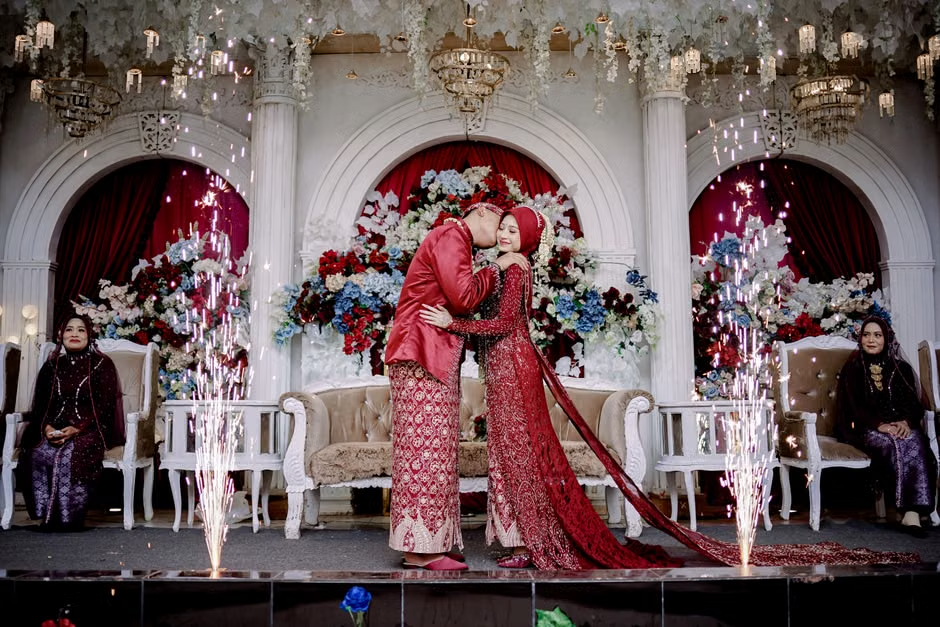
Gino Feruci Braga Hotel
Compare Bandung with Other Top Destinations
Frequently Asked Questions
Is Bandung a good destination for a wedding?
Yes. Bandung is particularly well-suited to couples who want a culturally rich, scenic highland setting. Its Sundanese heritage, cool climate, diverse venue range — from hillside garden resorts to colonial heritage properties — and mature local vendor ecosystem make it a strong choice for both traditional Sundanese ceremonies and contemporary destination weddings.
What is the best time of year to hold an event in Bandung?
The dry season — June through September — is the most reliable window. Rainfall is significantly reduced, outdoor events carry much lower weather risk, and the highland temperatures are at their most comfortable. November through March (wet season) and October (wet season onset) are the periods most worth avoiding for outdoor-format events.
How do guests typically travel to Bandung from Jakarta?
The most practical option for Jakarta-based guests is the intercity train from Gambir or Pasar Senen stations, with executive-class services completing the journey in roughly three hours. Driving via the Cipularang Toll Road is also common but can be significantly slower on weekends and public holidays due to congestion.
Does Bandung have an airport, and how well-connected is it?
Yes. Husein Sastranegara International Airport is located very close to the city centre and handles domestic routes from several Indonesian cities, plus some regional international connections. However, its route network is more limited than Jakarta's major airports, so international guests will typically need to connect through Jakarta before travelling onward to Bandung.
What kinds of venues are available for events in Bandung?
Bandung offers a genuine range: large hotel ballrooms in the city centre for receptions of several hundred to over a thousand guests; hillside garden resorts in the northern hills with outdoor lawns and panoramic views; colonial-era heritage properties along the historic Braga and Asia Afrika corridors; and private villa estates for more intimate gatherings.
What guest group sizes can Bandung venues realistically support?
Most major venues comfortably support receptions of 200–1,000 guests, and the largest hotel convention facilities can accommodate well over 1,000. For very large events targeting 2,000 or more guests under a single roof, planners should verify capacity early, as options at that scale are more limited than in Jakarta.
Can Bandung accommodate a large guest list for accommodation?
Generally yes. Bandung has a substantial hotel inventory across multiple tiers, and most major event hotels offer room blocks for large groups. For very large guest lists, planners typically work with two or three nearby properties simultaneously and arrange coordinated shuttle transport between accommodation and the event venue.
What makes Bandung's local vendor ecosystem suited to events?
Bandung has a well-developed events industry shaped by decades of hosting Jakarta's leisure and MICE market. Local wedding organizers, caterers (including specialists in Sundanese cuisine), florists, traditional costume stylists, and cultural performance troupes are all readily available. AV and production vendors are competent for mid-to-large events without needing to import everything from Jakarta.
Can Sundanese cultural elements be incorporated into a wedding in Bandung?
Yes, and this is one of Bandung's genuine strengths. Sundanese adat (traditional) ceremonies, angklung and gamelan degung ensembles, traditional dance performances, and authentic Sundanese banquet menus are all locally sourceable. Vendors experienced in blending traditional and contemporary elements are well-established in the city.
What is local transport like for guests once they arrive in Bandung?
Ride-hailing apps (Gojek and Grab) are widely available and practical for smaller groups moving around the city. For larger guest groups, chartered minibuses and coaches are the standard solution and are readily arranged through local operators. Planners should factor in city-centre traffic, particularly during peak hours and weekends.
Are there scenic locations near Bandung suitable for pre-wedding photography or guest excursions?
Yes. The surrounding highlands offer tea plantations, volcanic crater lakes, and hill viewpoints within easy reach of the city — all popular for pre-wedding photography. These locations also make for compelling day-after excursions for destination wedding guests, adding genuine experiential value to the overall event programme.

Ready to explore venues in Bandung?
Bandung: Destination Wedding & Event Venues in West Java
◆Bandung is West Java's highland capital, best suited to weddings, social celebrations, and corporate events that benefit from a cool climate, strong Sundanese cultural identity, and a well-developed hospitality infrastructure. Its primary vibe is Cultural & Timeless — shaped by colonial-era architecture, Sundanese arts and cuisine, and lush hill scenery. The dry season (June through September) is the most reliable window for events. Bandung is highly accessible from Jakarta by rail and road, and its local vendor ecosystem is mature enough to support mid-to-large-scale celebrations without importing everything from the capital.
Bandung at a Glance
| Attribute | Detail |
|---|---|
| Best For | Weddings, Social Celebrations, Corporate Events, Cultural Gatherings |
| Primary Vibe | Cultural & Timeless |
| Other Vibes | Garden & Highland, Colonial Heritage, Relaxed & Scenic |
| Best Season | Dry Season (Jun, Jul, Aug, Sep) |
Why Choose Bandung?
- Cool highland climate: Sitting at roughly 700–800 metres above sea level, Bandung's temperatures typically range between 18°C and 28°C — a genuine comfort advantage for guests attending multi-hour ceremonies and receptions, particularly during the dry season.
- Authentic Sundanese cultural depth: Bandung and the surrounding West Java region offer a living tradition of Sundanese music (angklung, gamelan degung), dance, and cuisine that can be meaningfully woven into wedding ceremonies and social events — not merely as decoration but as genuine cultural programming.
- Diverse venue typology: The city and its immediate surroundings offer a genuine range — from grand urban hotel ballrooms capable of hosting large receptions, to hillside garden resorts, colonial-era heritage properties along the historic Braga and Asia Afrika corridors, and private villa estates in the northern hills.
- Strong rail connectivity from Jakarta: Bandung is one of Indonesia's best-served intercity rail destinations, with frequent executive-class trains from Jakarta completing the journey in roughly three hours — making it practical for large guest groups to travel without flying.
- Mature local vendor ecosystem: Decades of hosting Jakarta's weekend leisure market have produced a well-developed local hospitality and events industry, including experienced wedding organizers, florists, caterers specialising in both Sundanese and international menus, and AV/production vendors.
- Scenic highland surroundings: The volcanic hills, tea plantations, and crater lakes within easy reach of the city provide dramatic natural backdrops for pre-wedding photography and day-after excursions — a genuine draw for destination wedding guests.
Which Celebrations Work Best in Bandung?
- Weddings (Sundanese & Multi-cultural): Bandung is particularly well-suited to couples who want a culturally rich ceremony — Sundanese adat (traditional) weddings are naturally at home here, and the city's venues and vendors are experienced in blending traditional and contemporary elements. Garden and hillside resort settings also suit couples seeking a scenic, non-beach destination wedding.
- Social Celebrations (Birthdays, Anniversaries, Reunions): The city's range of mid-to-large ballrooms, garden venues, and heritage spaces makes it a practical and atmospheric choice for milestone social events. The cool climate is a genuine comfort factor for evening garden parties.
- Corporate Events & Conferences: Bandung has a long-established MICE (meetings, incentives, conferences, exhibitions) market, with several large hotels offering dedicated convention facilities. Its proximity to Jakarta makes it a natural off-site destination for corporate retreats and team events.
- Cultural & Arts Gatherings: Given its identity as a centre of Sundanese arts, design, and creative industries, Bandung is a natural fit for events that want to incorporate local cultural programming — from traditional performance evenings to craft and culinary experiences.
Venues & Event Spaces
Bandung's event venue landscape is genuinely varied. At the larger end, several full-service luxury and upper-midscale hotels in the city centre offer grand ballrooms capable of accommodating receptions of several hundred to over a thousand guests, with in-house catering, accommodation blocks, and dedicated event coordination teams. These properties are particularly suited to corporate conferences and large wedding receptions where logistical consolidation matters.
The northern hills — particularly the Ciumbuleuit and Lembang corridors — are home to hillside resort properties with expansive garden lawns, open-air terraces, and panoramic views of the surrounding volcanic landscape. These settings are especially popular for outdoor wedding ceremonies and garden receptions during the dry season, when the risk of afternoon rain is significantly lower.
Along the historic Braga and Asia Afrika streets in central Bandung, a cluster of colonial-era heritage hotels and boutique properties offer a distinctly different aesthetic — art deco facades, high-ceilinged ballrooms, and a sense of architectural history that suits couples and planners looking for something beyond the standard hotel ballroom. These venues tend to suit smaller to mid-sized gatherings rather than very large receptions.
Private villa estates and boutique garden venues in the surrounding hills are also available for more intimate celebrations — particularly suited to pre-wedding events, engagement parties, or small destination weddings where exclusivity and privacy are priorities.
Best Time to Celebrate
The dry season — June through September — is the most reliable and recommended window for events in Bandung. During these months, rainfall is significantly reduced, afternoon cloud cover is lighter, and the highland air is at its clearest and most comfortable. Outdoor ceremonies and garden receptions carry a much lower risk of disruption, and the cooler temperatures (typically 18°C–24°C in the evenings) make extended outdoor events genuinely pleasant for guests.
The remaining months carry meaningful caveats. November through March constitutes Bandung's wet season proper, with heavy and often prolonged rainfall — particularly in the afternoons and evenings — that poses a serious risk to outdoor event formats. Even indoor-only events during this period can be affected by flooding on approach roads and logistical disruptions. April and May are transitional months: rainfall begins to ease but afternoon showers remain frequent and unpredictable, making them unreliable for outdoor planning. October marks the onset of the wet season and shares many of the same risks as November. Planners who must use these months should build robust indoor contingency plans and avoid committing to outdoor-only formats.
Getting There & Local Connectivity
Bandung is served by Husein Sastranegara International Airport, located very close to the city centre — a genuine convenience for guests arriving by air. The airport handles domestic routes from several Indonesian cities, as well as some regional international connections, though its capacity and route network are more limited than Jakarta's major airports. Guests travelling from outside Indonesia will typically connect through Jakarta.
The Bandung Railway Station (locally known as Stasiun Hall) is a major intercity rail hub, with frequent executive and business-class services to and from Jakarta (Gambir and Pasar Senen stations) and connections to other Javanese cities including Yogyakarta and Surabaya. For guests based in Jakarta, the train is often the most practical and comfortable option — avoiding road traffic and offering a reliable journey time of approximately three hours.
By road, Bandung is connected to Jakarta via the Cipularang Toll Road, a journey of roughly 2.5–3.5 hours depending on traffic — though weekend and holiday congestion on this route can extend travel times significantly, which is worth communicating clearly to guests. Within the city, ride-hailing apps (Gojek, Grab) are widely available and practical for moving smaller groups between venues and hotels. For larger guest groups, chartered minibuses and coaches are the standard solution and are readily available through local operators.
Local Vendor & Hospitality Ecosystem
Bandung's vendor ecosystem is among the more developed in Indonesia outside Jakarta. The city has a long history as a weekend and leisure destination for Jakarta's population, which has driven sustained investment in hospitality, food and beverage, and event services. Wedding organizers based in Bandung are generally experienced with both Sundanese traditional ceremonies and contemporary international-style receptions, and many have established relationships with the city's major venues.
Catering is a particular strength — Sundanese cuisine is widely regarded as one of Indonesia's most distinctive and well-developed regional food traditions, and local caterers can deliver authentic Sundanese menus alongside international options. Floral decoration, traditional costume and styling for Sundanese ceremonies, and live cultural performance (angklung ensembles, traditional dance troupes) are all readily sourceable locally.
AV and production vendors serving the MICE market are present and competent for mid-to-large events. For very large-scale productions or highly specialized technical requirements, some planners supplement with Jakarta-based vendors, but the local base is sufficient for the majority of wedding and social event formats. Accommodation inventory across multiple star tiers means that guest room blocks for large groups can generally be arranged within the city without dispersing guests across distant areas.
Pros & Things to Consider
Why Bandung Works Well
- Cool highland climate is a genuine comfort advantage, especially for evening outdoor events during the dry season
- Authentic Sundanese cultural programming (music, dance, cuisine) adds real distinctiveness to celebrations
- Strong rail link from Jakarta makes guest travel straightforward and avoids airport dependency
- Diverse venue range — from grand urban ballrooms to hillside garden resorts and colonial heritage properties
- Mature local vendor ecosystem reduces reliance on importing services from Jakarta
- Scenic highland surroundings provide excellent backdrops for photography and guest experiences
Things to Consider
- The wet season (roughly November through March) brings heavy, unpredictable rainfall that makes outdoor event formats genuinely risky — this is a significant portion of the year to plan around
- Weekend road congestion on the Jakarta–Bandung toll road can be severe, particularly on Friday evenings and Sunday afternoons — guests driving from Jakarta should be advised to plan travel times carefully
- Husein Sastranegara Airport has a more limited route network than Jakarta's airports, meaning international guests will almost always need a Jakarta connection and an onward journey
- The city centre can be congested and navigating between dispersed venues and hotels requires coordinated transport planning for large groups
- For very large receptions (1,500+ guests), the local venue inventory, while solid, is more constrained than in Jakarta — planners should verify capacity early
When Bandung May Not Be the Right Fit
- Outdoor-focused events planned outside the dry season: If the event format relies heavily on outdoor spaces and the date falls between November and March, Bandung's wet season rainfall poses a serious logistical risk that is difficult to fully mitigate.
- Guests travelling primarily from outside Indonesia: International guests face a two-leg journey (international flight to Jakarta, then onward by train or road), which adds meaningful travel complexity compared to destinations with direct international airport access.
- Very large-scale receptions requiring 2,000+ guests under one roof: While Bandung has substantial ballroom capacity, planners targeting very large guest counts should verify early that a single venue can accommodate the full group — the inventory at that scale is more limited than in Jakarta.
- Couples or planners seeking a coastal or beach setting: Bandung is an inland highland city — there is no beach or coastal element. Guests or couples for whom a waterfront setting is central to the vision would be better served by a coastal destination.