
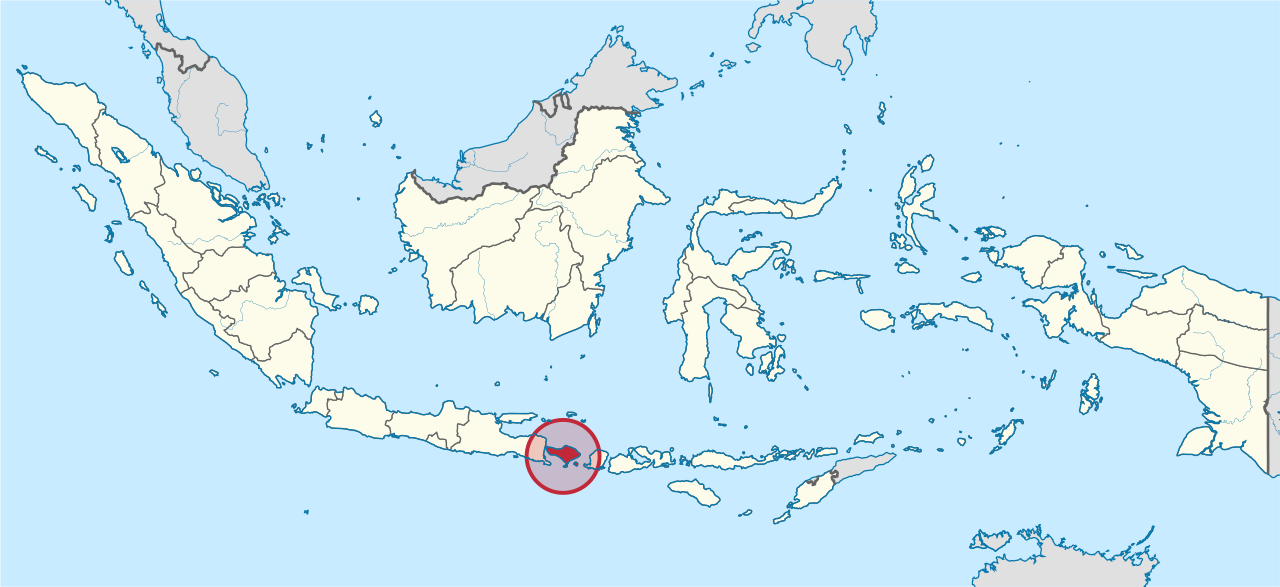
Why Bali is Perfect for Your Celebration
- Iconic clifftop and beachfront venues with unobstructed Indian Ocean views
- Rich Balinese Hindu culture adds authentic ceremonial depth to weddings
- Dry season (May–Sep) delivers consistently clear skies for outdoor celebrations
- Mature international vendor ecosystem — florists, caterers, photographers, planners all experienced with destination events
- Wide range of luxury and boutique resort properties across Seminyak, Ubud, Nusa Dua, and Uluwatu
- Visa-on-arrival access for guests from most South Asian, Southeast Asian, and Western countries
Compare Bali with Other Top Destinations
Frequently Asked Questions
Is Bali a good destination for a wedding?
Yes. Bali is one of Asia's most established destination wedding locations, offering a combination of luxury resort infrastructure, scenic diversity — clifftops, beaches, rice terraces — and a mature local vendor ecosystem experienced with international couples. It is particularly well-suited to romantic, visually distinctive weddings where the setting and cultural atmosphere are as important as the event logistics.
What is the best time of year to hold a wedding or event in Bali?
The dry season — May through September — is the strongly recommended window. Rainfall is minimal, humidity is lower, and outdoor ceremonies and receptions can be planned with confidence. July and August are the most reliably clear months. October and April are transitional and less predictable. November through March brings the wet season, with heavy afternoon rainfall that poses a real risk to outdoor events.
How do guests travel to Bali for a destination event?
Guests fly into Ngurah Rai International Airport, which receives direct flights from Singapore, Kuala Lumpur, Hong Kong, Tokyo, Sydney, Mumbai, Delhi, and many other cities. For South Asian guests, connections via Singapore or Kuala Lumpur are typically the most frequent routing. Once on the island, all transfers are road-based — there is no rail network — so airport-to-venue transfers should be arranged in advance.
Do international guests need a visa to attend an event in Bali?
Most international guests — including citizens of India, Singapore, Australia, the UK, and most European and East Asian countries — can obtain a visa on arrival at Ngurah Rai Airport. This significantly reduces the administrative burden for large guest groups compared to destinations requiring advance visa applications. Planners should confirm current visa-on-arrival eligibility for each guest's nationality before the event.
What size of guest group can Bali realistically accommodate for a wedding or event?
Bali comfortably supports events ranging from very intimate gatherings of 20–30 guests in private villa settings to mid-sized weddings of 200–400 guests at large resort properties. Some of the larger resort complexes in Nusa Dua can accommodate 500 or more guests for a reception. The island's venue landscape is generally strongest for mid-sized and intimate events rather than very large-scale gatherings requiring a single contiguous space.
What kinds of venues are available for weddings and events in Bali?
Bali offers genuine variety: beachfront resort lawns in Nusa Dua and Jimbaran, clifftop ceremony platforms in Uluwatu, jungle and rice-terrace settings in Ubud, private villa complexes across Seminyak and Canggu, and conventional hotel ballrooms for indoor receptions. This range means the venue type can be matched to the couple's aesthetic preference rather than being limited to a single format.
How developed is Bali's local wedding vendor ecosystem?
Very developed. Bali has hosted international destination weddings for decades, and the result is a deep local pool of experienced planners, florists, photographers, caterers, and entertainment specialists — including traditional Balinese performers — who are accustomed to working with international clients. Most major resort properties also have dedicated in-house events teams experienced in multi-day wedding programmes.
Can traditional Balinese cultural elements be incorporated into a wedding ceremony?
Yes, authentically. Balinese Hindu traditions — gamelan music, kecak fire dance, legong dance, floral offerings, and ceremonial elements — can be genuinely incorporated into wedding programmes through local cultural practitioners. Couples should work with an experienced local planner to ensure these elements are integrated respectfully and appropriately, particularly if the event is held near or within a temple setting.
What is the local transport situation for a large guest group once they arrive in Bali?
All transport on the island is road-based. For large groups, coordinating airport transfers, inter-venue movements, and guest excursions requires advance planning and a reliable ground transport provider. Traffic congestion — particularly in the Kuta–Seminyak–Canggu corridor and on the road to Ubud — can be significant during peak season. Groups based in the Nusa Dua resort enclave generally find logistics more manageable, as the area is relatively self-contained.
Is Bali suitable for a honeymoon extension after a destination wedding?
Yes, and it is one of Bali's genuine strengths as a wedding destination. The island's resort infrastructure — private pool villas, world-class spas, fine dining, and scenic diversity — is well-suited to a honeymoon stay. Couples can transition from the wedding venue to a more secluded property in Ubud or Uluwatu without leaving the island, making the wedding-to-honeymoon transition seamless.
Are there any cultural considerations event planners should be aware of when hosting an event in Bali?
Yes. Bali is a deeply religious Hindu island, and certain temple areas and ceremonial sites have dress codes and behavioural expectations — typically requiring covered shoulders and legs, and respectful conduct during religious observances. Events incorporating temple settings require local guidance and appropriate permissions. Planners should brief guests in advance, and any ceremonial elements should be arranged through experienced local practitioners rather than improvised.

Ready to explore venues in Bali?
Bali: Destination Wedding & Celebration Event Venues
◆Bali is among the world's most established destination wedding and celebration locations, particularly strong for romantic weddings, honeymoon extensions, and intimate social gatherings. Its primary vibe is romantic and dreamy — shaped by clifftop ocean views, rice-terrace landscapes, and a living Balinese Hindu culture that lends genuine ceremonial depth. The dry season (May through September) is the clear window for outdoor events, with reliable clear skies and low humidity. Bali is served by a major international airport with direct connections from most Asian cities, and its hospitality infrastructure — resorts, planners, vendors — is genuinely world-class, though guests should plan for road-based transfers once on the island.
Bali at a Glance
| Category | Detail |
|---|---|
| Best For | Destination Weddings, Honeymoon Celebrations, Intimate Social Events, Pre-Wedding Shoots |
| Primary Vibe | Romantic & Dreamy |
| Other Vibes | Cultural & Spiritual, Tropical Luxe, Serene & Lush |
| Best Season | Dry Season (May, Jun, Jul, Aug, Sep) |
Why Choose Bali?
- Unmatched scenic diversity: Bali offers a genuinely rare combination of venue backdrops — clifftop ocean panoramas at Uluwatu, jungle river valleys in Ubud, white-sand beachfronts in Nusa Dua and Jimbaran, and terraced rice-field settings in Tabanan — all within a single island, giving couples and planners real creative range.
- Living cultural richness: Balinese Hindu traditions — temple ceremonies, gamelan music, kecak dance, floral offerings — can be authentically woven into wedding and event programmes in a way that is genuinely distinctive and not merely decorative.
- Mature international event vendor ecosystem: Bali has hosted destination weddings for international couples for decades. The result is a deep local pool of experienced wedding planners, florists, photographers, caterers, and entertainment specialists who are accustomed to working with guests from South Asia, East Asia, Australia, and Europe.
- Strong international airport connectivity: Ngurah Rai International Airport (DPS) receives direct flights from Singapore, Kuala Lumpur, Hong Kong, Tokyo, Sydney, Mumbai, and numerous other hubs, making guest travel logistics comparatively straightforward for an international destination.
- Visa-on-arrival access: Citizens of most South Asian, Southeast Asian, East Asian, Australian, and European countries can obtain a visa on arrival, significantly reducing the administrative burden for large guest groups.
- Accommodation scale and variety: The island supports everything from ultra-private villa buyouts for 20 guests to large resort complexes capable of hosting several hundred — meaning the accommodation tier can be matched to the event scale rather than forcing a compromise.
Which Celebrations Work Best in Bali?
- Destination Weddings: Bali is particularly well-suited to destination weddings, especially those seeking a romantic, visually distinctive setting with genuine cultural texture. The combination of outdoor ceremony spaces, experienced local planners, and a wide range of luxury resort properties makes the full wedding weekend — ceremony, reception, pre-events — logistically manageable in a way that many international destinations are not.
- Honeymoon Extensions: Many couples who marry in Bali extend their stay for a honeymoon, and the island's resort infrastructure — private pool villas, spa culture, fine dining — is genuinely well-suited to this. It is one of the few destinations where the wedding and honeymoon can occupy the same location without compromise.
- Pre-Wedding Shoots: Bali's landscape variety — temples, rice terraces, clifftops, beaches — makes it a strong choice for pre-wedding photography and videography, and there is a well-established local industry of photographers and stylists experienced in this format.
- Intimate Social Gatherings & Milestone Celebrations: Private villa buyouts and boutique resort spaces make Bali a workable setting for milestone birthday celebrations, anniversary events, and small corporate retreats where the experience and setting matter as much as the event itself.
- Wellness & Retreat Events: Bali — particularly the Ubud area — has a globally recognised wellness and yoga retreat culture. Groups seeking a celebration with a wellness or mindfulness dimension will find a genuinely developed ecosystem of retreat venues, spa facilities, and practitioners.
Venues & Event Spaces
Bali's event venue landscape is among the most varied of any island destination in Asia. The primary venue types available include:
- Beachfront resort lawns and pavilions: Large resort properties in Nusa Dua and Jimbaran typically offer dedicated outdoor lawn spaces directly adjacent to the beach, suitable for ceremonies and receptions of several hundred guests, with the ocean as a natural backdrop.
- Clifftop ceremony platforms: The Uluwatu and Ungasan areas are known for venues built on limestone cliffs above the Indian Ocean, offering dramatic elevated views. These spaces tend to suit smaller, more intimate ceremonies rather than large-scale receptions.
- Jungle and rice-terrace settings: The Ubud region offers venues set within or overlooking rice terraces and river valleys. These are typically more intimate in scale and suit couples seeking a lush, green, culturally immersive setting over a beach aesthetic.
- Private villa complexes: Bali has an extensive private villa rental market. Many large villas — particularly in Seminyak, Canggu, and Ubud — can be fully bought out for a wedding group, offering a more exclusive and personalised setting than a hotel ballroom.
- Hotel ballrooms and indoor banquet spaces: The larger resort properties in Nusa Dua and Kuta offer conventional indoor ballroom spaces suitable for formal receptions, particularly useful during shoulder-season months when weather is less predictable.
- Temple-adjacent ceremonial spaces: Some venues are located near or within traditional Balinese temple compounds, allowing for authentic ceremonial elements to be incorporated into the event programme.
Best Time to Celebrate
The dry season — May through September — is the strongly preferred window for outdoor events in Bali. During these months, rainfall is minimal, humidity is lower than the rest of the year, and daytime temperatures are warm but generally comfortable for outdoor ceremonies and receptions. July and August represent the peak of the dry season and are the most reliably clear months, though they are also the busiest for tourism generally, which affects resort availability and lead times for bookings.
May, June, and September are often considered the most practical months for event planning: the weather is nearly as reliable as July–August, but the island is somewhat less crowded, which can translate to better venue availability and a more relaxed guest experience.
The wet season runs broadly from November through March, with December, January, and February typically seeing the heaviest rainfall. Afternoon and evening downpours are common and can be intense. Outdoor ceremonies and receptions during this period carry a meaningful weather risk, and even venues with partial cover may experience disruption. Events planned during the wet season should have robust indoor contingency arrangements.
October and April are transitional months. Rainfall patterns are less predictable than in the dry season, and while some years see relatively dry conditions in these months, they cannot be relied upon for outdoor events without contingency planning. They are not as problematic as the peak wet season, but they are not as reliable as May–September either.
Getting There & Local Connectivity
Bali is served by Ngurah Rai International Airport, located in the south of the island near Kuta and Seminyak. It is one of Indonesia's busiest international airports and receives direct flights from Singapore, Kuala Lumpur, Kuala Lumpur (KLIA2), Hong Kong, Tokyo, Osaka, Seoul, Sydney, Melbourne, Perth, Mumbai, Delhi, and numerous other cities. For guests travelling from South Asia, connections via Singapore or Kuala Lumpur are typically the most frequent and convenient routing.
Bali has no railway network. All ground transport on the island is road-based. For event groups, this means that coordinating guest transfers — from the airport to the resort, between venues, and for excursions — requires advance planning and a reliable ground transport provider. Traffic congestion, particularly in the Kuta–Seminyak–Canggu corridor and on the road to Ubud, can be significant during peak tourist season and should be factored into transfer time estimates. The Nusa Dua resort enclave, by contrast, is relatively self-contained and easier to manage logistically for large groups staying within the same complex.
For groups based in Ubud, the distance from the airport is considerably greater than for south Bali locations — typically 1.5 to 2 hours by road depending on traffic — which is worth communicating clearly to guests when planning arrival and departure logistics.
Local Vendor & Hospitality Ecosystem
Bali's event vendor ecosystem is genuinely mature by international standards. The island has hosted destination weddings for couples from Australia, Singapore, India, Japan, China, the UK, and the United States for several decades, and the result is a well-developed local industry of specialists who understand the requirements of international clients.
- Wedding and event planners: There is a substantial community of professional destination wedding planners based in Bali, many of whom have experience coordinating multi-day events for large international guest groups, including managing visa logistics, airport transfers, accommodation blocks, and multi-vendor coordination.
- Catering: The major resort properties have in-house catering teams experienced in producing large-scale banquets. For villa-based events, external catering companies with experience in destination weddings are available. Cuisine options range from Balinese and Indonesian to pan-Asian and international menus.
- Floral and décor: Bali has a strong local floristry and décor industry, with access to tropical flowers and foliage that are genuinely distinctive — frangipani, orchids, bird of paradise, and palm — as well as the ability to source more conventional arrangements for couples who prefer a less tropical aesthetic.
- Photography and videography: The island has a large community of professional wedding photographers and videographers, including many who specialise in destination weddings and are experienced with the specific lighting conditions of Bali's outdoor venues.
- Entertainment: Traditional Balinese entertainment — gamelan orchestras, kecak fire dancers, legong dancers — is readily available and can be authentically incorporated into event programmes. Contemporary entertainment options (DJs, live bands) are also well-represented, particularly in the south Bali resort areas.
Pros & Things to Consider
Why Bali Works Well
- Genuinely world-class luxury resort infrastructure across multiple areas of the island
- Dry season (May–Sep) delivers reliable outdoor event conditions
- Strong international airport with direct connections from most Asian hubs
- Visa-on-arrival for guests from most countries reduces administrative complexity
- Deep, experienced local vendor ecosystem across all event disciplines
- Authentic Balinese cultural elements available for genuine integration into ceremonies
- Wide range of venue types — beach, cliff, jungle, villa — within a single island
- Honeymoon extension is natural and well-supported by the local hospitality offer
Things to Consider
- Wet season risk is real: Events planned outside May–September face a meaningful risk of heavy rainfall disrupting outdoor elements. Indoor contingency planning is not optional — it is necessary.
- No rail network: All guest transfers are road-based. Traffic congestion in south Bali and on the Ubud road can be significant, and transfer logistics for large groups require careful advance coordination.
- Peak season demand: July and August are Bali's busiest tourist months. Resort availability, vendor calendars, and flight seats can be constrained, and booking lead times for popular venues during these months should be longer than for other destinations.
- Geographic spread: Bali's key event areas — Nusa Dua, Jimbaran, Uluwatu, Seminyak, Ubud — are spread across the island. Guests staying in different areas may face meaningful travel times between accommodation and venue, which requires careful planning for multi-day events.
- Cultural sensitivity: Bali is a deeply religious Hindu island. Certain temple areas and ceremonial sites have dress codes and behavioural expectations that event planners and guests should be briefed on in advance. Events that incorporate temple settings require particular care and local guidance.
- International travel complexity: For guests who are not accustomed to international travel, the combination of a long-haul flight, a visa process (even on arrival), and road-based transfers can feel more demanding than a domestic destination. Clear guest communication and pre-arrival briefing materials are advisable.
When Bali May Not Be the Right Fit
- Outdoor events during the wet season: If the event date falls between November and March and the couple is committed to an outdoor ceremony or reception without a robust indoor alternative, Bali's wet season rainfall patterns make this a genuinely risky choice. A destination with a more forgiving year-round climate may be more appropriate.
- Very large-scale events (500+ guests) requiring a single venue: While Bali has several large resort properties capable of hosting substantial events, the island's venue landscape is generally stronger for mid-sized and intimate celebrations than for very large-scale events requiring a single contiguous space for 500 or more guests. Couples with very large guest lists should verify specific venue capacity carefully before committing.
- Guests with limited international travel experience or mobility constraints: The combination of international flights, visa processing, and road-based transfers across a sometimes-congested island can be challenging for elderly guests, guests with mobility limitations, or those who have rarely travelled internationally. If a significant portion of the guest list falls into this category, a more accessible domestic destination may serve the group better.
- Couples seeking a purely South Asian ceremonial format in a traditional setting: While Bali can accommodate Hindu ceremonies and has genuine cultural resonance for Hindu couples, the Balinese Hindu tradition is distinct from South Asian Hindu traditions. Couples seeking a very specific South Asian ceremonial format — particular rituals, specific priest traditions, a particular type of mandap setting — may find it easier to source these authentically in an Indian destination.