
Why Sopron is Perfect for Your Celebration
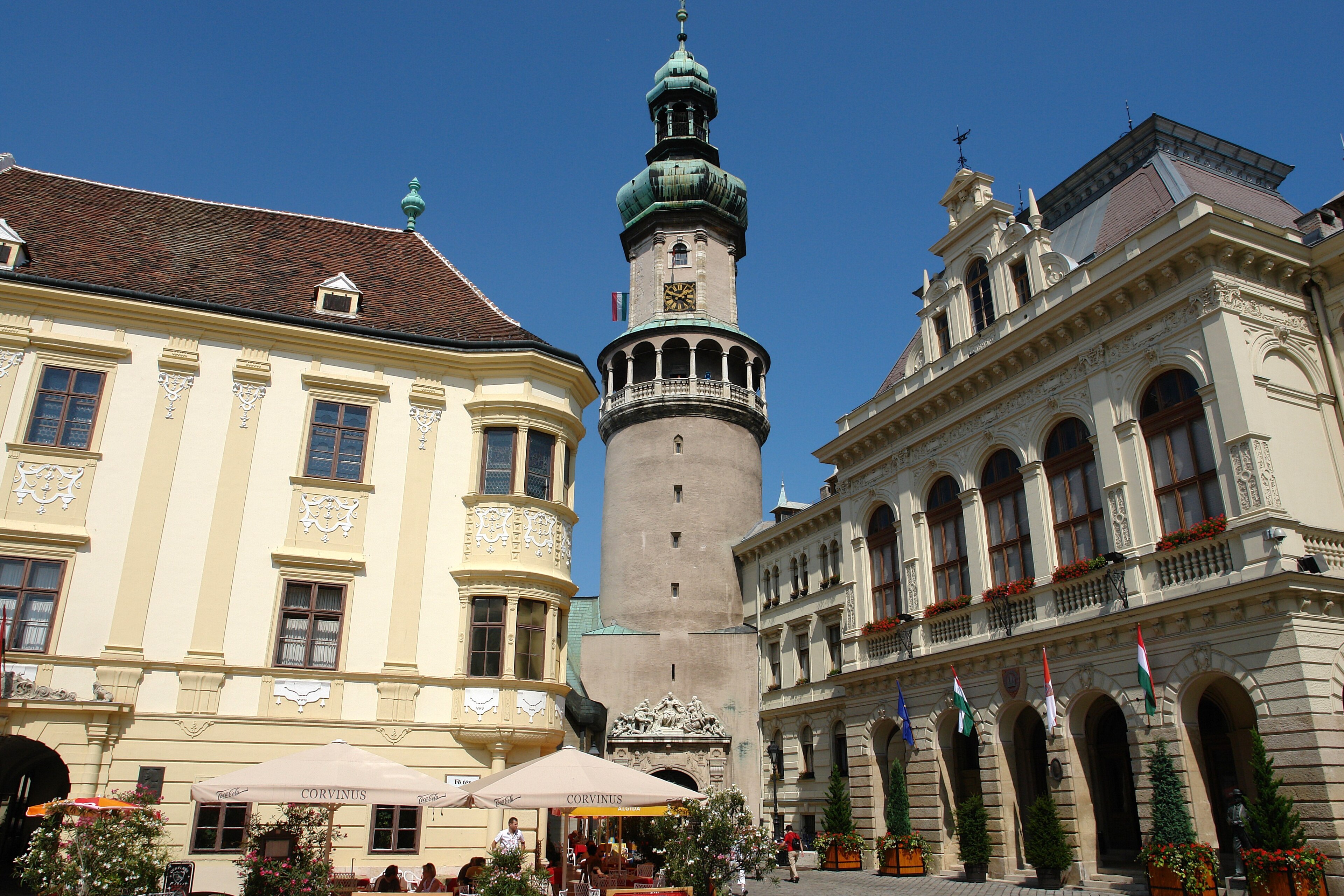
- Intact medieval and Baroque old town provides a naturally photogenic, atmospheric backdrop for ceremonies and receptions
- Surrounding Sopron wine region offers vineyard estates and cellar venues ideal for intimate celebrations
- Warm, long summer days (May–September) make outdoor courtyard and garden events highly reliable
- Excellent rail access from Vienna (~1 hour) and Budapest (~2.5 hours) simplifies guest travel logistics
- Boutique heritage hotels and historic manor properties within the city and nearby hills offer characterful accommodation
- Relatively uncrowded compared to major European capitals, giving events a sense of exclusivity and privacy

Top Venues in Sopron
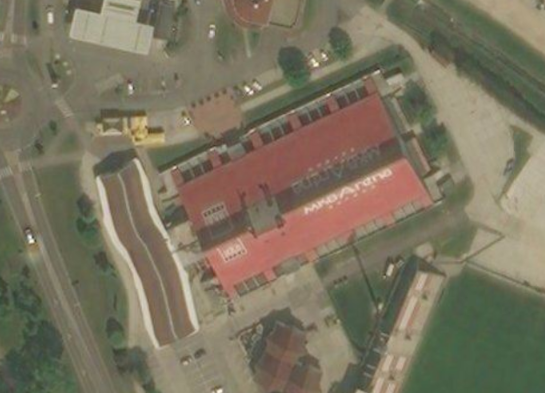
Hotel Sopron
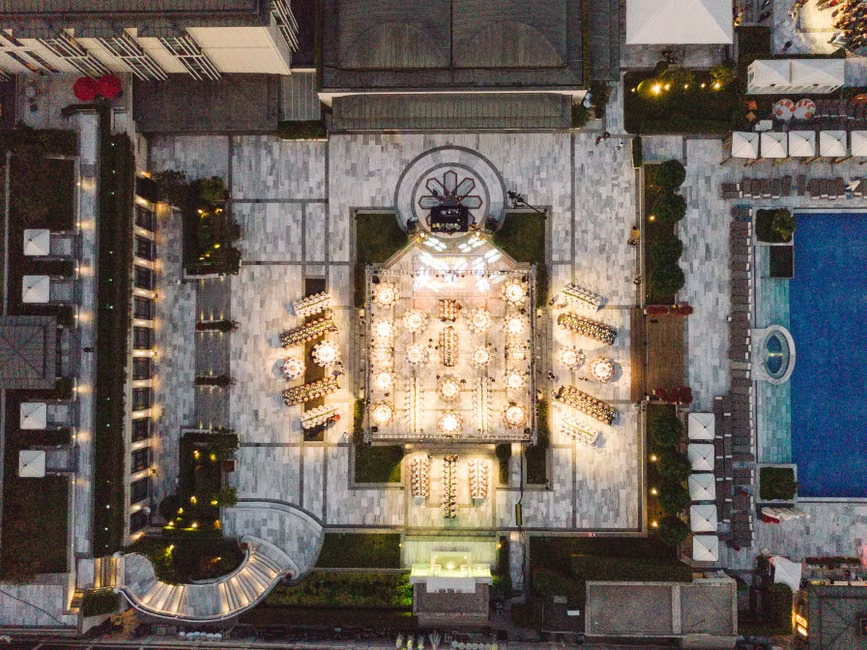
Pannonia Med Hotel
Compare Sopron with Other Top Destinations
Frequently Asked Questions
Is Sopron a good destination for a wedding?
Yes, particularly for intimate destination weddings. Sopron's Baroque old town, vineyard estates, and boutique heritage venues create a genuinely distinctive European setting. It works best for couples seeking a characterful, unhurried atmosphere for groups of roughly 30–200 guests, rather than large-scale celebrations requiring grand ballroom infrastructure.
What is the best time of year to hold a wedding or event in Sopron?
May through September is the curated best season. Long warm days make outdoor courtyard ceremonies and vineyard receptions fully viable. September is particularly atmospheric as the wine harvest begins. Winter months (November–March) bring freezing temperatures and grey skies that make outdoor event components impractical.
How do guests typically travel to Sopron for a destination event?
Most international guests arrive via Vienna International Airport, approximately 70 km away, then continue by train or road — a journey of roughly 60–80 minutes. Direct trains also connect Budapest to Sopron in about 2.5 hours. Sopron's own railway station is centrally located, making onward travel to hotels straightforward.
What kinds of venues are available in Sopron for weddings and celebrations?
Sopron offers vaulted cellar halls beneath Baroque buildings, cobblestone inner courtyards, boutique hotel ballrooms, garden terraces in the Lővér Hills, and vineyard estate spaces in the surrounding wine region. The inventory is boutique in character — intimate and atmospheric rather than large-scale or convention-style.
How large a guest group can Sopron realistically accommodate for an event?
Sopron comfortably supports events of up to approximately 200–300 guests when accommodation is spread across multiple boutique properties and a suitable venue is selected. Beyond that scale, the local venue and accommodation inventory becomes stretched, and a larger European city would typically serve better.
Can guests be accommodated within Sopron itself, or do they need to stay elsewhere?
Most guests can be accommodated within Sopron — the city has several hotels in and around the historic centre and in the Lővér Hills area. For larger groups, accommodation may need to be spread across multiple properties, which is common practice for destination events here and manageable given the city's compact scale.
Is Sopron easy to navigate for a group of international guests once they arrive?
Generally yes. The historic centre is walkable, English and German are widely understood in hospitality settings, and the city is very safe. For transfers between the old town, Lővér Hills, and vineyard venues, a small organised shuttle is advisable and straightforward to arrange through local event coordinators.
What makes Sopron's vineyard estates distinctive as event venues?
The Sopron wine region surrounds the city with working vineyards, some of which host private events in cellar halls and outdoor harvest terraces. This gives celebrations a genuinely local, sensory character — local wine sourcing is a particular strength, and the harvest season in September adds an especially evocative atmosphere.
Are local vendors and caterers in Sopron experienced with destination events?
Local catering and event coordination services exist and have experience with private celebrations, particularly in the wine and hospitality sectors. For highly specialised requirements — large-scale production, international-standard photography — planners often source vendors from Vienna or Budapest and bring them to Sopron, which is logistically straightforward.
Is Sopron suitable for non-wedding celebrations like anniversaries or corporate retreats?
Yes. Milestone anniversaries and significant birthday celebrations suit Sopron's cultural atmosphere well, with museums, concert halls, and wine experiences providing ready-made programming. Small corporate retreats and incentive travel groups also find the city's boutique character and easy Vienna access a credible and distinctive alternative to standard conference venues.
What language and currency should guests expect in Sopron?
Hungarian is the official language, but German is widely spoken given the city's historical ties to Austria, and English is understood in most hotels and established venues. The local currency is the Hungarian Forint (HUF). Guests from the Eurozone should note that Hungary is not in the Eurozone, though euros are sometimes accepted informally in tourist-facing businesses.

Ready to explore venues in Sopron?
Sopron: Destination Wedding & Cultural Event Venues in Hungary
◆Sopron is a compact, historically rich city in northwestern Hungary, best suited to intimate weddings, cultural celebrations, anniversary milestones, and small corporate retreats. Its primary character is Cultural & Timeless — defined by a remarkably intact Baroque and medieval old town, vineyard-covered hillsides, and a Central European atmosphere that feels genuinely unhurried. The best season for events runs from May through September, when long warm days make outdoor courtyards, garden terraces, and vineyard estates fully usable. Accessibility is good for European guests, with Vienna International Airport roughly an hour away and direct rail connections from both Vienna and Budapest. The venue inventory is boutique in scale — ideal for groups of up to a few hundred guests rather than large-scale mass events.
Sopron at a Glance
| Attribute | Detail |
|---|---|
| Best For | Intimate Weddings, Cultural Celebrations, Anniversary Events, Small Corporate Retreats |
| Primary Vibe | Cultural & Timeless |
| Other Vibes | Romantic, Vineyard, Heritage |
| Best Season | Summer (May, Jun, Jul, Aug, Sep) |
Why Choose Sopron?
- Authentically preserved historic centre: Sopron's old town is among the best-preserved in Central Europe, with Baroque facades, Gothic churches, and cobblestone lanes that create a naturally cinematic setting without requiring elaborate decoration.
- Vineyard and wine culture: The Sopron wine region surrounds the city with working vineyard estates, some of which host private events in cellar halls and outdoor terraces — a genuinely distinctive setting for receptions and dinners.
- Manageable scale and exclusivity: Because Sopron is not a mass-tourism capital, events here feel private and unhurried. Venues are not competing with dozens of simultaneous large-scale events, and local hospitality tends to be attentive and personalised.
- Strong rail and road connectivity from Vienna and Budapest: Guests travelling from Austria or Hungary's capital can reach Sopron comfortably by direct train, making it genuinely accessible for a European guest list without requiring a flight.
- Lővér Hills as a natural extension: The forested hills immediately south of the city offer resort-style properties with garden grounds, adding a nature-adjacent dimension to what is otherwise an urban heritage destination.
- German-speaking familiarity: Given Sopron's historical ties to Austria and its significant German-speaking community, international guests — particularly from Austria, Germany, and Switzerland — typically find the city easy to navigate and communicate in.
Which Celebrations Work Best in Sopron?
- Intimate destination weddings: Sopron is particularly well-suited to couples seeking a European heritage backdrop without the crowds or scale of Prague or Vienna. Courtyard ceremonies, vineyard receptions, and candlelit cellar dinners are all genuinely achievable here for groups of 30–200 guests.
- Cultural and milestone celebrations: Significant anniversaries, landmark birthdays, and family reunion gatherings benefit from Sopron's rich cultural atmosphere — the city's museums, concert halls, and historic churches provide ready-made programming and atmosphere beyond the event itself.
- Small corporate retreats and incentive events: The combination of boutique hotel meeting facilities, vineyard experiences, and easy access from Vienna makes Sopron a credible choice for smaller executive retreats or incentive travel groups seeking something more characterful than a standard conference hotel.
- Pre-wedding and post-wedding gatherings: The city's walkable old town, wine bars, and thermal spa facilities in the broader region make it easy to build a multi-day celebration programme around a central event, keeping guests engaged and entertained throughout their stay.
Venues & Event Spaces
Sopron's event venue landscape is defined by heritage character over scale. The most distinctive spaces are found within or immediately adjacent to the historic old town — think vaulted cellar halls beneath Baroque buildings, cobblestone inner courtyards suitable for outdoor ceremonies, and restored manor-style properties with garden terraces. Boutique hotels in the city centre typically offer smaller ballrooms and private dining rooms well-suited to seated dinners of 50–150 guests.
Beyond the city walls, the Lővér Hills area to the south provides resort-style properties with larger outdoor grounds, lawns, and terraces that can accommodate slightly larger gatherings in a more nature-immersed setting. The surrounding Sopron wine region adds a further category of venue — working vineyard estates with cellar event spaces and outdoor harvest terraces that are particularly atmospheric during the summer and early autumn months.
It is worth noting that Sopron does not have the large-scale convention centres or grand ballroom hotels capable of hosting events of 500 or more guests. The destination's strength lies firmly in the boutique, intimate, and characterful — planners seeking very large-scale infrastructure should factor this into their destination selection.
Best Time to Celebrate
The curated best season for Sopron events runs from May through September, and this recommendation is well-grounded in the city's actual climate and event conditions.
- May and June offer mild warmth (typically 18–24°C), long daylight hours, and lush green surroundings as the vineyards and Lővér Hills come into full leaf. These months are particularly pleasant for outdoor ceremonies and garden receptions, with lower humidity than peak summer.
- July and August are the warmest months, with temperatures regularly reaching 25–28°C and occasionally higher. Outdoor evening events are especially appealing, and the city's cultural calendar — including open-air concerts and festivals — is at its most active. Midday heat can be a consideration for outdoor daytime events.
- September brings the beginning of the wine harvest season, adding a particularly evocative dimension to vineyard-based events. Temperatures remain comfortable (typically 18–23°C), crowds thin slightly from peak summer, and the light takes on a golden quality that photographers particularly value.
- October can still be pleasant in early weeks but becomes increasingly unpredictable, with cooler temperatures and a higher chance of rain — it sits outside the curated best season for good reason, though it is not entirely unusable for indoor-focused events.
- November through March brings genuine Central European winter conditions — grey skies, temperatures frequently below freezing, and limited viability for any outdoor event component. While a winter wedding in Sopron's snow-dusted old town has a certain romantic appeal, the practical constraints are significant and the season is not recommended for events with outdoor ambitions.
- April is a transitional shoulder month — warming but still variable, with a meaningful chance of cold snaps and rain. It is not included in the curated best season and is best treated as a contingency option rather than a primary planning window.
Getting There & Local Connectivity
Sopron's most practical international gateway is Vienna International Airport, approximately 70 km to the northwest. From the airport, guests can reach Sopron by direct train (changing at Vienna's main station) or by road in roughly 60–80 minutes depending on border crossing conditions. This makes Sopron genuinely accessible for guests flying in from across Europe or beyond, provided they are comfortable with a short onward journey from Vienna.
Budapest Keleti station connects to Sopron by direct rail in approximately 2.5 hours, making the Hungarian capital a viable arrival point for guests coming from further east. The Sopron railway station sits centrally within the city, meaning guests arriving by train can reach most hotels and the old town on foot or by a short taxi ride.
Within Sopron itself, the compact scale of the city is a genuine advantage for event groups. The historic centre is largely walkable, and the distance between the old town, the Lővér Hills resort area, and the nearest vineyard estates is manageable by local taxi or a small organised shuttle. For groups staying across multiple properties, coordinating a dedicated minibus or shuttle service for event transfers is straightforward and commonly arranged by local event coordinators.
Guests driving from Vienna or from within Hungary will find parking available on the city's periphery, though the old town itself has restricted vehicle access — a factor worth communicating to self-driving guests in advance.
Local Vendor & Hospitality Ecosystem
Sopron has a functioning but boutique-scale local vendor ecosystem. The city's long history as a cultural and wine tourism destination means that catering, floristry, and event coordination services exist and have experience with private celebrations. Local caterers are generally well-versed in both Hungarian and Central European cuisine, and the proximity to the Sopron wine region means that wine sourcing for events is a particular strength — local sommeliers and vineyard contacts are readily accessible.
For more specialised requirements — large-scale audio-visual production, international-standard wedding photography, or elaborate floral design — planners may find it more reliable to source vendors from Vienna or Budapest and bring them to Sopron, given the city's smaller local market. This is a common approach for destination events here and is logistically straightforward given the transport links.
English is spoken at most hotels and established venues, and German is widely understood throughout the city. For guests or planners who do not speak Hungarian, communication with local vendors is generally manageable, though having a bilingual local coordinator is advisable for complex multi-vendor events.
The hospitality culture in Sopron tends toward the attentive and personal rather than the corporate and transactional — a character that suits intimate celebrations well but may feel under-resourced to planners accustomed to the full-service infrastructure of a major international event city.
Pros & Things to Consider
Why Sopron Works Well
- Genuinely distinctive heritage setting that requires minimal additional decoration to feel special
- Vineyard estate venues offer a category of event experience not easily replicated in most European cities
- Excellent summer season with long, warm days and a reliable outdoor event window from May through September
- Accessible from Vienna by rail in approximately one hour — practical for European guest lists
- Intimate city scale means events feel exclusive rather than lost in a busy tourist destination
- Very safe, well-maintained city with a high quality of life and a welcoming local culture
Things to Consider
- Venue capacity is limited — the city does not comfortably support events much above 200–300 guests without significant logistical complexity
- International guests flying from outside Europe will need to connect through Vienna or Budapest, adding a journey leg that some guests may find inconvenient
- The local vendor ecosystem, while capable, is smaller than in major event cities — specialist vendors may need to be sourced externally
- Winter months (November–March) are genuinely cold and grey, making outdoor event components impractical and limiting the destination's appeal outside the curated summer season
- Hungarian is the primary language, and while German and English are widely understood in hospitality contexts, non-European guests may find navigation and communication slightly more effortful than in a major international hub
When Sopron May Not Be the Right Fit
- Large-scale events (300+ guests): If your guest list is large and you require a single venue capable of hosting a grand ballroom dinner for several hundred people, Sopron's boutique inventory is unlikely to meet that need comfortably — a larger European city would serve better.
- Events planned for winter months: If your preferred dates fall between November and March and you have significant outdoor event components, Sopron's cold Central European winter makes this a poor seasonal fit. The destination is genuinely best experienced in its summer season.
- Guests with very limited travel flexibility: If a significant portion of your guest list is travelling from outside Europe and has limited experience with multi-leg journeys or connecting travel, the absence of a direct international airport in Sopron itself may create friction that a more directly connected destination would avoid.
- Planners requiring a full-service, large-scale vendor ecosystem on the ground: If your event requires a deep local bench of specialist vendors — large production companies, multiple competing luxury florists, international-standard entertainment agencies — Sopron's smaller market may require you to import most of your vendor team, which adds coordination complexity.