
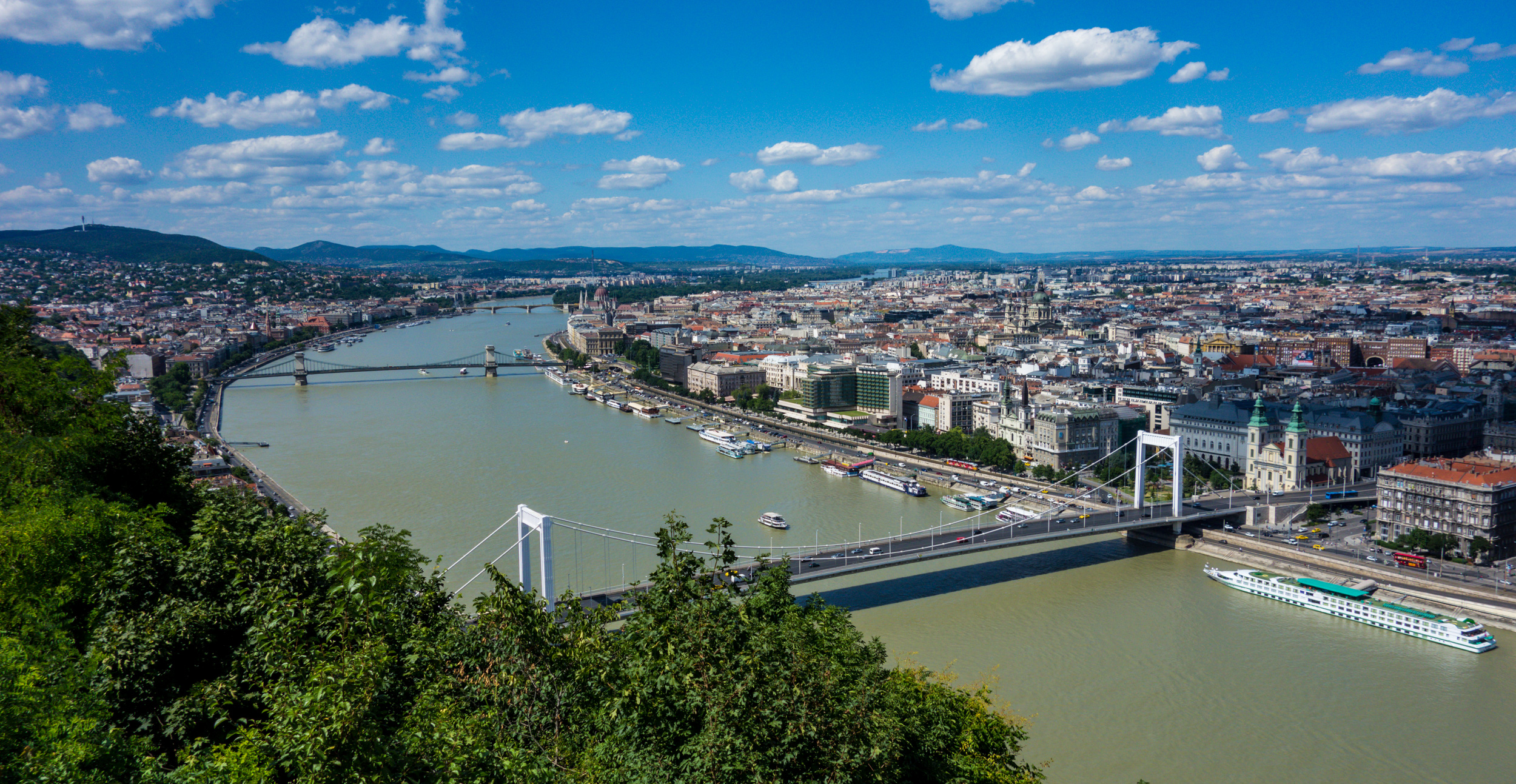
Why Budapest is Perfect for Your Celebration
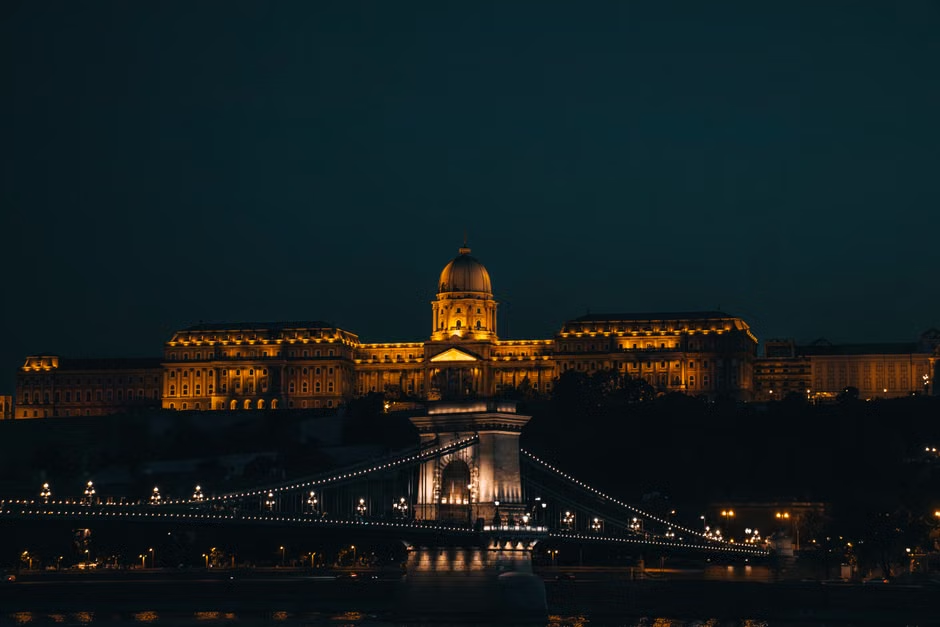
- Iconic baroque palaces, castle districts, and grand ballrooms provide unmatched architectural backdrops
- The Danube riverfront offers dramatic outdoor ceremony and reception settings, especially in summer
- Excellent international air connectivity via Budapest Ferenc Liszt Airport makes guest travel straightforward
- A mature, sophisticated hospitality and events industry with experienced local vendors and caterers
- Thermal bath culture and city sightseeing give guests a rich pre- and post-event experience
- Summer evenings (May–Sep) are long, warm, and ideal for outdoor receptions and rooftop events

Top Venues in Budapest
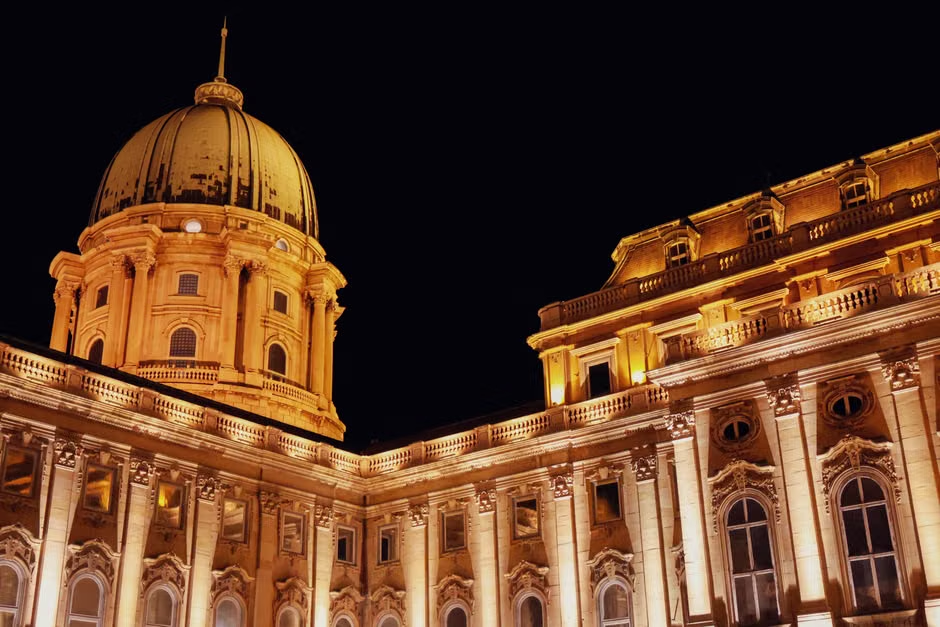
Four Seasons Hotel Gresham Palace Budapest
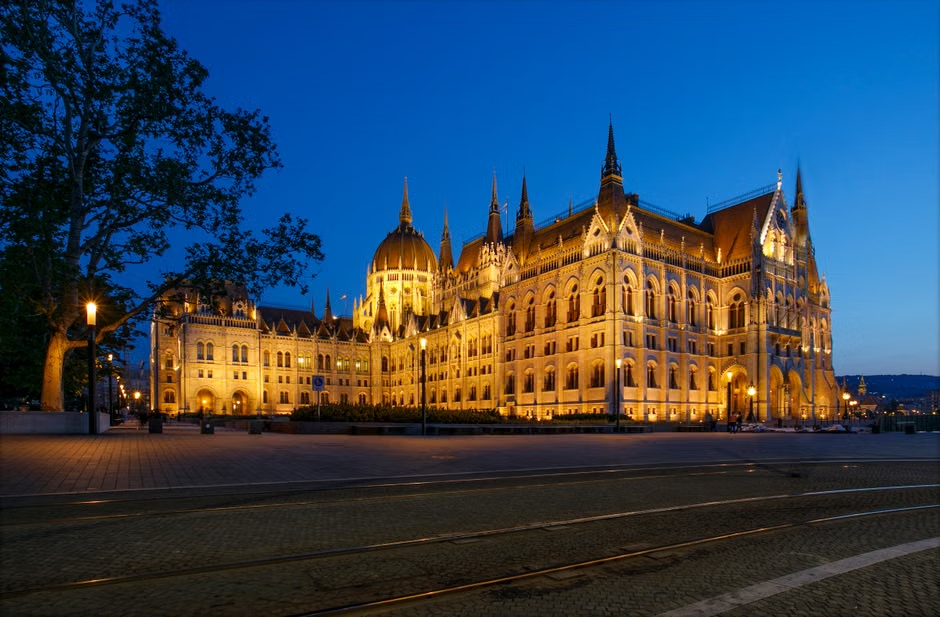
Marriott Budapest
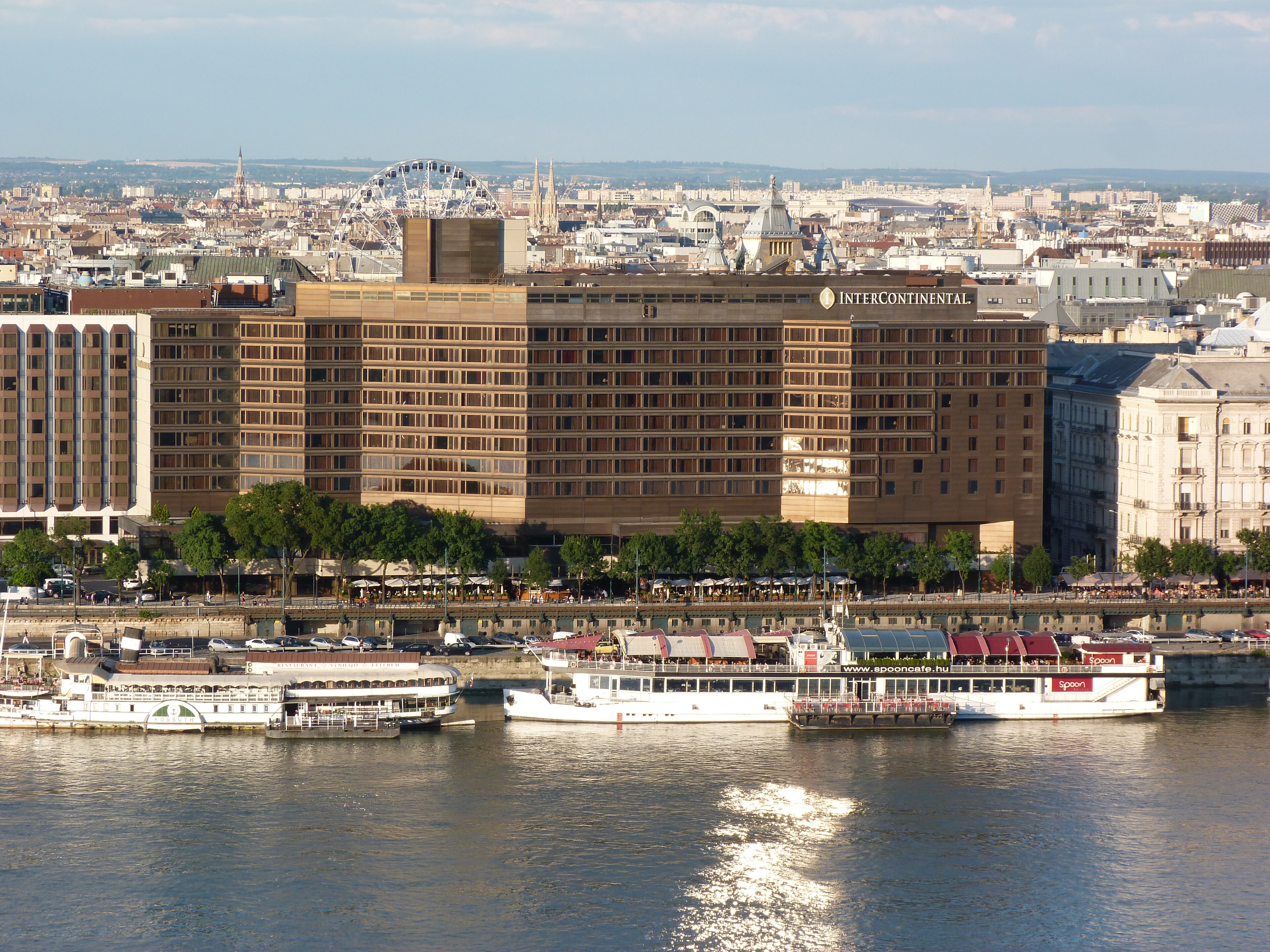
InterContinental Budapest

Hilton Budapest
Mercure Budapest Buda
NH Budapest City
Novotel Budapest Centrum
ibis Styles Budapest Center
Compare Budapest with Other Top Destinations
Frequently Asked Questions
Is Budapest a good destination for a wedding?
Yes. Budapest is particularly well-suited to destination weddings seeking a grand, culturally rich European setting. The city offers a wide range of ceremony and reception venues — from baroque palace ballrooms and castle courtyards to Danube riverside terraces — and has a mature local events industry experienced in coordinating international weddings. The best season for outdoor celebrations runs from May through September.
What is the best time of year to hold an event in Budapest?
May through September is the curated best season. This window offers warm temperatures, long daylight hours, and fully usable outdoor venues. July and August are the warmest months but also the busiest for tourism, so booking lead times should be longer. September is particularly pleasant — warm, less crowded, and ideal for outdoor receptions. November through March is generally unsuitable for outdoor events due to cold temperatures.
How easy is it for international guests to travel to Budapest?
Very easy by European standards. Budapest Ferenc Liszt International Airport has direct connections to a large number of European cities, and Keleti railway station offers direct international rail services to Vienna, Prague, and Bratislava. For multi-national European guest lists, Budapest is one of the more accessible destination choices in Central Europe. Guests from outside Europe typically connect via a major European hub.
What kinds of venues are available for events in Budapest?
Budapest offers genuine variety: grand palace ballrooms in heritage hotels, castle district courtyards, Danube riverside terraces, rooftop spaces with panoramic river views, purpose-built conference and event centres, boutique heritage townhouse venues, and private river cruise vessels. This range suits events from intimate gatherings of 50 guests to large formal galas and conferences of several hundred.
Can Budapest accommodate a large guest group for accommodation?
Yes. Budapest has a substantial hotel inventory across all tiers, concentrated in the city centre. Large guest groups can typically be accommodated within a short distance of major event venues without guests needing to stay far from the action. This is a genuine logistical advantage, particularly for multi-day events where guests need to move between venues and hotels repeatedly.
Is Budapest suitable for corporate events and conferences?
Yes. Budapest has a well-established MICE (Meetings, Incentives, Conferences, Exhibitions) infrastructure. The city hosts major European corporate events regularly and has experienced local destination management companies, multilingual event staff, and a range of conference-capable venues with full technical production capabilities. It is a strong choice for incentive travel groups as well, given the city's rich guest experience offering.
What makes Budapest distinctive as an event destination compared to other European cities?
Budapest's combination of grand 19th-century architectural heritage, a UNESCO-listed castle district, Danube riverfront settings, and a thermal bath culture creates a guest experience that is genuinely distinctive. The city has the grandeur of Vienna or Prague but with a somewhat less saturated destination-wedding market, and its local events industry is experienced enough to handle complex international celebrations with confidence.
How developed is the local vendor ecosystem for weddings and events in Budapest?
Highly developed. Budapest has a mature community of event management companies, caterers, floral designers, AV and lighting production specialists, and entertainment providers experienced in international events. Several destination management companies (DMCs) specialise specifically in international weddings and corporate events, offering end-to-end coordination in English and other European languages.
What local transport options are available for event guests once they arrive in Budapest?
Budapest has a reliable public transport network (metro, tram, bus) that is easy to navigate. For event groups, private coach and minibus transfers between the airport, hotels, and venues are widely available and routinely arranged by local event companies. The city is compact enough that most major venues and hotels are within a short transfer of one another, which simplifies logistics for multi-venue or multi-day events.
Are there unique guest experiences in Budapest beyond the event itself?
Yes, and this is one of Budapest's genuine strengths as a destination. The city's thermal bath culture — a centuries-old tradition with several grand historic bath complexes — is a distinctive and memorable experience for guests. River cruises on the Danube, visits to the Buda Castle District, and the city's vibrant food and cultural scene all give guests a rich programme beyond the event itself.
What guest group sizes does Budapest realistically suit for events?
Budapest comfortably suits events ranging from intimate gatherings of around 50 guests up to large formal events of several hundred. Grand palace ballrooms and conference centres can accommodate several hundred guests for seated dinners or ceremonies. Very large events of 1,000 or more guests may find the local venue inventory more constrained, and capacity should be verified carefully at that scale.
Do guests need a visa to travel to Budapest?
Hungary is a member of the Schengen Area, so entry requirements follow Schengen rules. EU and EEA citizens travel freely. Citizens of many other countries — including the US, UK, Canada, and Australia — can enter visa-free for short stays. Guests from some countries may require a Schengen visa. Planners with international guest lists should advise guests to check their specific entry requirements well in advance of the event.

Ready to explore venues in Budapest?
Budapest: Destination Wedding & Event Venues in Central Hungary
◆Budapest is one of Europe's most compelling destinations for weddings, corporate events, and large-scale celebrations. Its primary strength lies in its extraordinary architectural heritage — baroque palaces, grand 19th-century ballrooms, a UNESCO-listed castle district, and sweeping Danube riverfront settings that few cities can match. The destination suits couples and planners seeking a Cultural & Timeless atmosphere, and is particularly well-suited to destination weddings, corporate conferences, gala dinners, and milestone festivals. The best season runs from May through September, when long summer days and warm temperatures make both indoor and outdoor venues fully usable. Budapest is served by an international airport and a major European rail hub, making guest travel from across Europe and beyond genuinely straightforward. The city's hospitality industry is mature and experienced, with a wide range of venue types and a well-developed vendor ecosystem.
Budapest at a Glance
| Category | Detail |
|---|---|
| Best For | Destination Weddings, Corporate Events, Gala Dinners, Cultural Festivals |
| Primary Vibe | Cultural & Timeless |
| Other Vibes | Grand & Romantic, Riverside, Heritage-Rich |
| Best Season | Summer (May, Jun, Jul, Aug, Sep) |
Why Choose Budapest?
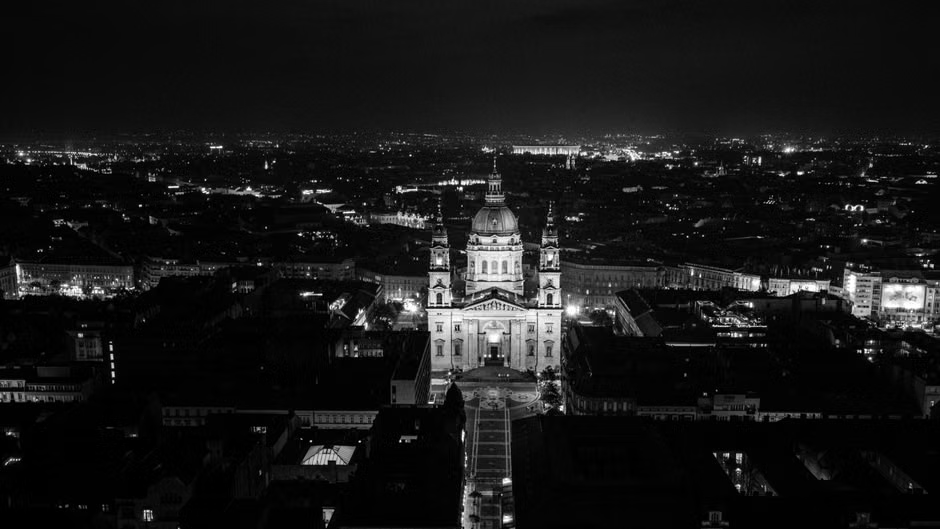
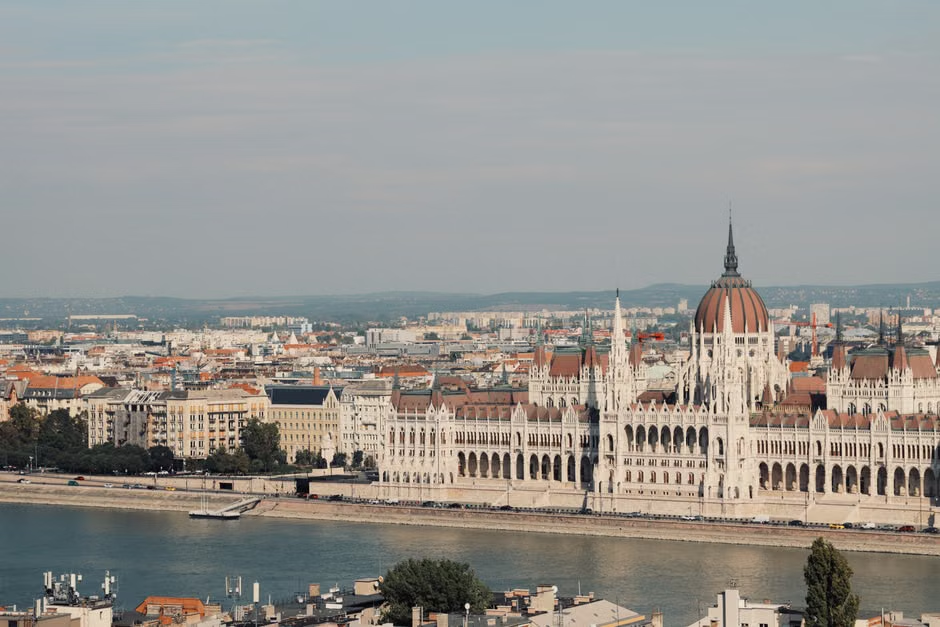
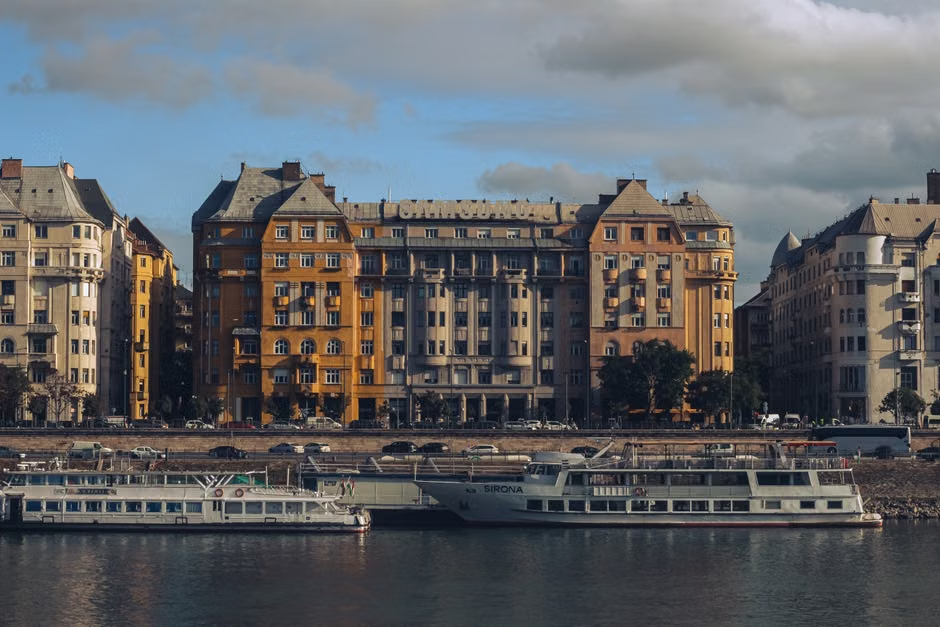
- Unrivalled architectural grandeur: Budapest's built environment — from the neo-Gothic Parliament building to Art Nouveau palaces and baroque castle courtyards — provides a naturally dramatic backdrop that requires minimal additional decoration for events.
- Danube riverfront settings: The city's position along the Danube creates a rare opportunity for riverside ceremonies, boat receptions, and panoramic rooftop events with one of Europe's most iconic skylines as the backdrop.
- Mature, international-standard event infrastructure: Budapest has hosted major European summits, international conferences, and large-scale weddings for decades. The local events industry is experienced, multilingual, and well-equipped for complex, multi-day celebrations.
- Excellent international connectivity: Budapest Ferenc Liszt International Airport connects the city to dozens of European capitals and several intercontinental routes, while Keleti railway station offers direct services to Vienna, Prague, Bratislava, and beyond — making it genuinely easy for guests to arrive from multiple countries.
- Thermal bath culture as a guest experience: Budapest's famous thermal baths — a genuine cultural institution, not a tourist novelty — give guests a distinctive, memorable pre- or post-event experience that is unique to this city.
- Diverse venue inventory across all scales: From intimate heritage townhouse venues seating 50 guests to grand ballrooms accommodating several hundred, Budapest offers genuine variety across venue types, styles, and capacities.
Which Celebrations Work Best in Budapest?
- Destination Weddings: Budapest is particularly well-suited to couples seeking a European destination wedding with genuine architectural drama. The combination of castle courtyards, riverside terraces, and grand ballrooms means ceremony and reception settings can be varied and visually spectacular without leaving the city.
- Corporate Events & Conferences: The city's established MICE (Meetings, Incentives, Conferences, Exhibitions) infrastructure makes it a strong choice for corporate gatherings. Experienced local event management companies, multilingual staff, and a wide range of conference-capable venues make planning relatively straightforward.
- Gala Dinners & Award Ceremonies: Grand ballrooms in heritage palace hotels are among the most naturally suited spaces in Europe for formal gala events. The city's catering industry is sophisticated and accustomed to large, multi-course formal dining.
- Cultural Festivals & Milestone Celebrations: Budapest's rich cultural calendar and its own festival tradition make it a natural fit for large-scale cultural events, anniversary celebrations, and milestone gatherings that benefit from a city with genuine cultural depth and a vibrant atmosphere.
- Incentive Travel Groups: For corporate groups rewarding high performers, Budapest offers a compelling mix of luxury accommodation, unique experiences (thermal baths, river cruises, castle visits), and a city atmosphere that feels genuinely special without being inaccessible.
Venues & Event Spaces
Budapest's venue landscape is one of its defining strengths. The city offers a genuinely diverse range of event spaces, spanning several distinct categories:
- Grand palace ballrooms: Several of Budapest's historic palace hotels contain ballrooms of exceptional scale and grandeur, with original 19th-century detailing, high ceilings, and capacity for large formal gatherings. These are among the most sought-after event spaces in Central Europe.
- Castle and heritage courtyards: The Buda Castle District contains a number of historic courtyards and heritage buildings that can be hired for outdoor ceremonies and receptions, offering a medieval stone backdrop that is genuinely unique.
- Riverside terraces and rooftop spaces: Several hotels and standalone venues along the Danube embankment offer outdoor terraces and rooftop spaces with panoramic river views — particularly spectacular during summer evenings when the city's bridges are illuminated.
- Contemporary event centres: Alongside its heritage venues, Budapest has a number of purpose-built modern event and conference centres capable of handling large-scale corporate events, exhibitions, and multi-day conferences with full technical infrastructure.
- Boutique heritage properties: Smaller, independently operated heritage buildings — converted townhouses, Art Nouveau villas, and historic mansions — cater to more intimate gatherings seeking character and exclusivity over scale.
- River cruise vessels: The Danube itself is a venue option, with a number of large river cruise vessels available for private hire for receptions, dinners, and cocktail events — a distinctly Budapest experience.
Best Time to Celebrate
The curated best season for Budapest events runs from May through September, and this recommendation is well-grounded in the city's actual climate and event calendar.
- May and June are arguably the most pleasant months — temperatures are warm (typically 18°C–25°C), daylight extends well into the evening, and the city is lively without the peak-summer crowds of July and August. Outdoor venues are fully usable, and the risk of rain, while present, is manageable.
- July and August bring the warmest temperatures (often 26°C–30°C or above), the longest days, and the most vibrant city atmosphere. These months are ideal for riverside receptions and rooftop events, though they are also the busiest tourist months, which can affect accommodation availability and should be factored into planning timelines.
- September is an excellent month for events — temperatures begin to ease from peak summer heat, crowds thin slightly, and the city retains its warm, golden-light character. Early September in particular is widely considered one of the best months for outdoor celebrations in Budapest.
- October is a mild shoulder month that can work well for indoor-focused events, though outdoor use becomes less reliable as temperatures drop and daylight shortens. It is not included in the curated best season but is not categorically unsuitable for indoor celebrations.
- November through March are genuinely challenging for events in Budapest. Temperatures regularly drop to near or below freezing, daylight is short, and the grey, cold character of Central European winters makes outdoor venues largely unusable. December has a festive atmosphere with Christmas markets, but the cold is a real logistical consideration for guests and for any outdoor element of an event.
- April is a transitional shoulder month — temperatures are rising but can be unpredictable, and late cold snaps are possible. It is generally acceptable for indoor-focused events but carries more weather risk than the May–September window.
Getting There & Local Connectivity
Budapest is one of Central Europe's best-connected cities for international guests. Budapest Ferenc Liszt International Airport serves a large number of European destinations with direct flights, and several intercontinental routes are also available. For guests travelling from within Europe, the airport is typically reachable with a short direct flight from most major cities, making it a genuinely accessible destination for multi-national guest lists.
Budapest Keleti Railway Station is one of Central Europe's major rail hubs, with direct international services to Vienna (approximately 2.5 hours), Prague, Bratislava, and other regional capitals. For guests travelling from neighbouring countries, rail is a comfortable and practical option. The city also has good road connections for guests arriving by private transfer from nearby countries.
Within the city, Budapest has a well-developed public transport network — metro, tram, and bus — that is reliable and easy to navigate. For event groups, private coach and minibus transfers between hotels, venues, and the airport are widely available and routinely arranged by local event management companies. The city is compact enough that most major venues and hotels are within a short transfer of one another, which simplifies logistics for multi-venue events or guests staying at different properties.
Local Vendor & Hospitality Ecosystem
Budapest has a well-established and genuinely sophisticated events and hospitality ecosystem. The city has been a major European destination for international events for several decades, and the local vendor community reflects that experience.
- Catering and cuisine: Budapest's catering industry is experienced in both traditional Hungarian cuisine and international menus. High-end catering companies with experience in large formal events — multi-course gala dinners, cocktail receptions, and multi-day conference catering — are well-represented in the city.
- Event management and coordination: A number of professional destination management companies (DMCs) operate in Budapest, specialising in international events and weddings. These companies typically offer end-to-end planning services, multilingual coordination, and established relationships with local venues and suppliers.
- Floral, décor, and production: The city has a mature creative vendor community covering floral design, event décor, lighting, AV production, and entertainment. International-standard technical production for large events is readily available.
- Accommodation inventory: Budapest has a substantial hotel inventory across all tiers, meaning that even large guest groups can typically be accommodated within the city without guests needing to stay far from the event venue. This is a genuine logistical advantage over smaller or less-developed destinations.
- Language: While Hungarian is the local language, English is widely spoken throughout Budapest's hospitality and events industry. Most hotel staff, event coordinators, and vendors working with international clients are comfortable communicating in English, and often in other European languages as well.
Pros & Things to Consider
Why Budapest Works Well
- Exceptional architectural and scenic backdrops that are genuinely difficult to replicate elsewhere in Europe
- Strong international air and rail connectivity makes multi-national guest lists logistically manageable
- A mature, experienced local events industry with multilingual vendors and established DMC networks
- Wide range of venue types — from grand palace ballrooms to intimate heritage courtyards — suits different event scales and styles
- Rich guest experience beyond the event itself: thermal baths, river cruises, castle visits, and a vibrant city culture
- Long summer days (May–September) maximise usable outdoor event time, particularly for evening receptions
- Substantial hotel inventory means large guest groups can be accommodated centrally without logistical strain
Things to Consider
- Seasonal limitation for outdoor events: Budapest's outdoor venues are genuinely only suitable for the May–September window. Events planned outside this period need to be primarily indoor-focused, which limits some of the city's most spectacular settings.
- Peak-season demand: July and August are Budapest's busiest tourist months. Accommodation availability and venue booking windows can be tighter during this period, and planning lead times should be longer than for shoulder-season events.
- Currency and logistics for non-European guests: Hungary uses the Hungarian Forint (HUF) rather than the Euro, which adds a minor currency exchange consideration for guests. While this is a small practical point, it is worth communicating clearly to international guests unfamiliar with the currency.
- Language barrier for independent guests: While the hospitality industry is English-speaking, Hungarian is a linguistically isolated language with no close relatives among major European languages. Guests navigating the city independently may find signage and local interactions slightly more challenging than in English-speaking or Romance-language destinations — though this is a minor consideration in a well-touristed city.
- Scale ceiling for very large events: While Budapest can comfortably accommodate events of several hundred guests, extremely large-scale events (1,000+ guests) may find the local venue inventory more constrained than in larger metropolitan event destinations.
When Budapest May Not Be the Right Fit
- Events requiring outdoor settings in winter: If an outdoor ceremony or reception is central to the event concept and the preferred dates fall between November and March, Budapest's cold, grey winters make this genuinely impractical. A warmer-climate destination would serve better.
- Very large guest lists (1,000+ guests): While Budapest has substantial venue capacity, events at the very largest scale may find the local inventory limiting. Planners with exceptionally large guest lists should verify venue capacity carefully before committing to this destination.
- Guests with very limited European travel access: For guest groups where a significant proportion face visa or travel access challenges to the Schengen Area (of which Hungary is a member), the logistical burden on guests may be higher than for destinations with more open entry requirements.
- Planners seeking a purely tropical or beach-resort aesthetic: Budapest's strengths are architectural, cultural, and urban. If the core vision for an event is a beachfront, tropical, or resort-garden setting, this destination is not the right match — its character is fundamentally that of a grand Central European city.